
 IN
Section Rolling Machines
3 products available
What are Section Rolling Machines?
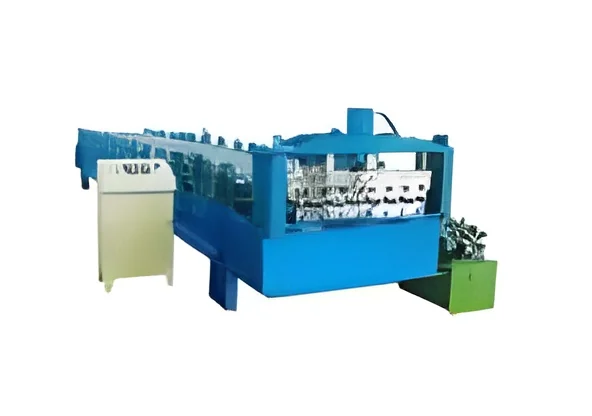
Section rolling machines are specialized industrial equipment designed for the bending and shaping of metal sections such as beams, channels, and angles. These machines work by applying force to the metal, allowing it to assume desired shapes through a process known as rolling. Section rolling machines are pivotal in industries that require precision fabrication of metal components, ensuring consistency and accuracy in the final products.
The primary uses of section rolling machines include producing structural components for construction, manufacturing frames for industrial equipment, and creating custom shapes for various applications. Businesses in sectors such as construction, manufacturing, and metalworking benefit from these machines, as they streamline operations and enhance productivity. By enabling the efficient processing of metal sections, section rolling machines play a vital role in meeting the demands of modern industrial applications.
In the current market context, section rolling machines have gained relevance due to the ongoing growth of construction and manufacturing sectors globally. As industries strive for higher efficiency and lower production costs, these machines are increasingly viewed as essential investments. With advancements in technology, modern section rolling machines offer improved automation and precision, further solidifying their position in the marketplace.
Key Features and Specifications
Section rolling machines come equipped with various features that enhance their functionality and efficiency. Understanding these specifications is crucial for businesses looking to make informed purchasing decisions.
Key specifications include:
1. Rolling Capacity
- The maximum size and thickness of metal sections the machine can handle.
- Typically ranges from small sections of a few millimeters to large beams over several centimeters.
2. Motor Power
- The horsepower rating of the machine's motor, which determines its overall power and efficiency.
- Commonly varies between 5 HP to 50 HP depending on the machine size and application.
3. Control System
- The type of control mechanism, which can be manual, semi-automatic, or fully automatic.
- Advanced models may feature programmable logic controllers (PLC) for enhanced precision.
4. Frame Construction
- The material and design of the machine's frame, impacting durability and stability.
- Often constructed from heavy-duty steel to withstand high operational demands.
5. Roll Design
- The configuration of rolls, which can be three-roll or four-roll setups for different bending capabilities.
- Each design offers unique advantages in terms of versatility and ease of operation.
6. Speed Settings
- Options for adjusting the rolling speed to suit different types of materials and thicknesses.
- May include variable speed drives for optimal control.
7. Safety Features
- Built-in safety mechanisms such as emergency stop buttons and protective guards.
- Essential for ensuring operator safety during machine operation.
8. Weight and Dimensions
- The overall weight and size of the machine, which can influence its placement and mobility.
- Varies significantly based on the machine's capacity and design.
In summary, understanding the key features and specifications of section rolling machines is vital for selecting the right equipment for specific industrial needs. The combination of capacity, power, control, and safety features greatly impacts operational efficiency and product quality.
Common Applications and Use Cases
Section rolling machines find applications across a diverse range of industries, showcasing their versatility and utility.
1. Construction: These machines are used to fabricate steel beams and columns for building structures. Accurate shaping is essential for ensuring structural integrity.
2. Manufacturing: In manufacturing plants, section rolling machines create custom metal shapes for various machinery and equipment, enhancing production processes.
3. Automotive: The automotive industry utilizes section rolling machines for producing components such as chassis and frames, where precision and strength are crucial.
4. Shipbuilding: These machines assist in the creation of complex metal structures for ships, which require specific shapes and sizes to meet regulatory standards.
5. Aerospace: In aerospace manufacturing, section rolling machines are vital for producing lightweight yet strong components used in aircraft assemblies.
6. Energy: The energy sector employs these machines to manufacture support structures for wind turbines and other renewable energy installations.
7. Metal Fabrication: General metal fabrication shops use section rolling machines for a variety of custom projects, enabling the creation of unique shapes and designs.
Product Variants and Subcategories
Section rolling machines come in various configurations to meet the diverse needs of different industries. While specific subcategories are not available, several notable variants cater to particular applications.
Hydraulic Section Rolling Machines: These machines utilize hydraulic systems to provide precise control and high force levels, making them suitable for heavy-duty applications. They are ideal for rolling thick materials and complex shapes.
Electric Section Rolling Machines: Powered by electric motors, these machines are often more energy-efficient and suitable for lighter applications. They provide a balance between power and precision, making them a popular choice for smaller workshops.
Portable Section Rolling Machines: Designed for mobility, these machines can be easily transported to job sites. They are particularly useful for on-site fabrication and repairs in various industries.
Benefits and Advantages
Investing in section rolling machines offers numerous benefits that can enhance overall operational efficiency.
Key benefits include:
1. Increased Efficiency: These machines streamline the metal shaping process, reducing the time required for production and increasing output.
2. Precision and Accuracy: Section rolling machines provide consistent and accurate shaping of metal, ensuring high-quality finished products that meet exact specifications.
3. Versatility: With the ability to work with various metal types and shapes, these machines can adapt to multiple applications across different industries.
4. Labor Savings: Automating the rolling process minimizes manual labor requirements, allowing skilled workers to focus on more complex tasks.
5. Enhanced Product Quality: The precision of section rolling machines leads to fewer defects and reworks, improving overall product quality and reducing waste.
6. Cost-Effectiveness: By reducing production time and material waste, these machines ultimately lower operational costs, making them a smart investment for businesses.
Buying Guide for B2B Buyers
When sourcing section rolling machines, B2B buyers should consider several key factors to ensure the best purchase decision.
1. Quality Assessment: Evaluate the build quality and materials used in the construction of the machine. Look for reputable manufacturers with a track record of producing durable equipment.
2. Supplier Verification: Vet potential suppliers to ensure they have a reliable reputation and positive customer feedback. Consider checking for certifications and industry experience.
3. Pricing and MOQ: Understand the pricing structure and minimum order quantities (MOQ) required by suppliers. Compare prices across different vendors to find competitive options.
4. Delivery and Lead Times: Inquire about delivery schedules and lead times to ensure the machine can be delivered when needed. This is critical for planning production schedules.
5. Compliance Requirements: Confirm that the machines meet relevant industry standards and compliance requirements, including safety and environmental regulations.
Compliance and Certifications
Section rolling machines must adhere to various quality and safety standards to ensure they operate effectively and safely. Relevant certifications include ISO 9001, which indicates a commitment to quality management systems. Compliance with the CE marking demonstrates that the machines meet European safety and performance standards.
Additionally, manufacturers may be required to follow specific safety and testing requirements that ensure the machines operate without risk to operators. It is essential to consider regional compliance regulations that may affect the machine's use and installation in different markets.
Being aware of these compliance and certification requirements is crucial for buyers, as it impacts the overall safety, reliability, and acceptance of the machines in their respective industries.
Why Source Section Rolling Machines from Pepagora?
Pepagora provides an excellent platform for sourcing section rolling machines, offering several key advantages for buyers.
Verified Supplier Network: Pepagora features a network of verified suppliers, ensuring that buyers can trust the quality and reliability of the machines they purchase. This verification process helps mitigate risks associated with sourcing equipment.
Streamlined RFQ Process: The platform facilitates a streamlined Request for Quotation (RFQ) process, allowing buyers to request quotes from multiple suppliers quickly. This feature saves time and simplifies the procurement process.
Trade Assurance and Support: Pepagora prioritizes buyer protection through trade assurance policies that safeguard transactions. The platform also offers support to assist buyers in navigating their purchasing decisions.
Regional Coverage: With a strong presence in India, the Gulf Cooperation Council (GCC), and Southeast Asia, Pepagora provides extensive geographic coverage to reach suppliers and buyers across these regions. This ensures that businesses can find the right machines for their needs, regardless of location.

Frequently Asked Questions
What are Section Rolling Machines?
Section Rolling Machines are specialized machines used to roll and shape metal sections such as beams, channels, and angles. They are widely used in construction and manufacturing industries for creating structural components.
What are the different types of Section Rolling Machines?
There are several types of Section Rolling Machines, including hydraulic, mechanical, and CNC rolling machines. Each type varies in terms of operation, precision, and application, catering to different manufacturing needs.
How do I choose the right Section Rolling Machines?
To choose the right Section Rolling Machine, consider factors such as the type of material you will be working with, the thickness and size of the sections to be rolled, and the production volume required. Additionally, evaluate the machine's features, including automation and ease of use.
What are the standard specifications for Section Rolling Machines?
Standard specifications for Section Rolling Machines typically include the rolling capacity, motor power, and dimensions of the machine. Other important specifications may include the type of control system and the range of materials that can be processed.
What is the price range for Section Rolling Machines?
The price range for Section Rolling Machines can vary widely based on their specifications and features. Generally, prices can range from a few lakhs to several crores, depending on the machine's capacity and technology.
What quality standards apply to Section Rolling Machines?
Section Rolling Machines should comply with international quality standards such as ISO and CE certification. These standards ensure that the machines meet safety, reliability, and performance criteria.
Where can I find Section Rolling Machines suppliers in India?
You can find Section Rolling Machines suppliers in India through online B2B marketplaces like Pepagora, industry trade shows, and manufacturing directories. It's advisable to compare multiple suppliers for quality and price.
Can Section Rolling Machines be customized?
Yes, many manufacturers offer customization options for Section Rolling Machines to meet specific operational requirements. Customization can include modifications in size, features, and capabilities based on user needs.
What is the typical minimum order quantity for Section Rolling Machines?
The typical minimum order quantity (MOQ) for Section Rolling Machines can vary by supplier and machine type. Generally, the MOQ may range from one unit for standard machines to several units for customized models.
What is the typical lead time for Section Rolling Machines?
The typical lead time for Section Rolling Machines can range from a few weeks to several months, depending on the manufacturer's production schedule and the complexity of the order. It's important to confirm lead times directly with suppliers.
Why Businesses Trust Pepagora
Thousands of companies trust Pepagora to source smarter and sell faster
Expand Your Sales Globally

Source Smarter,Grow Faster
