What are Rock Breakers & Jackhammers?
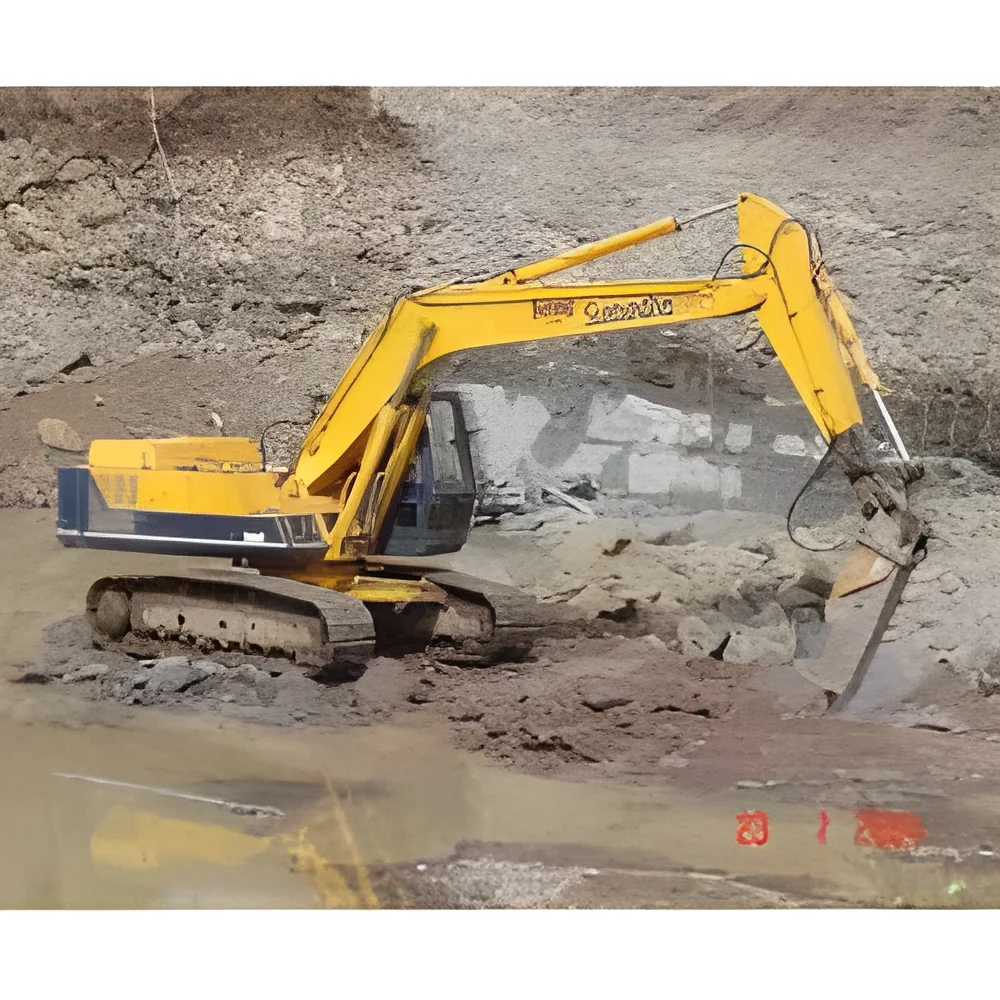
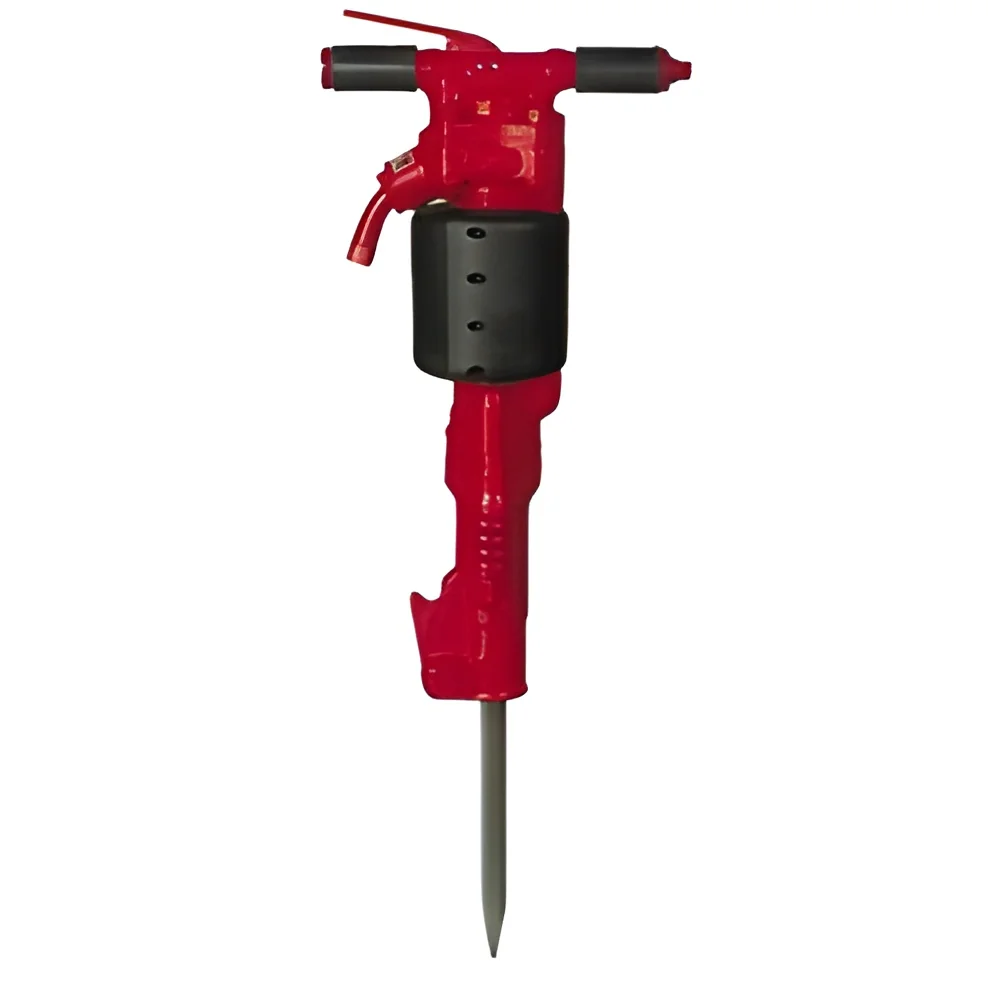
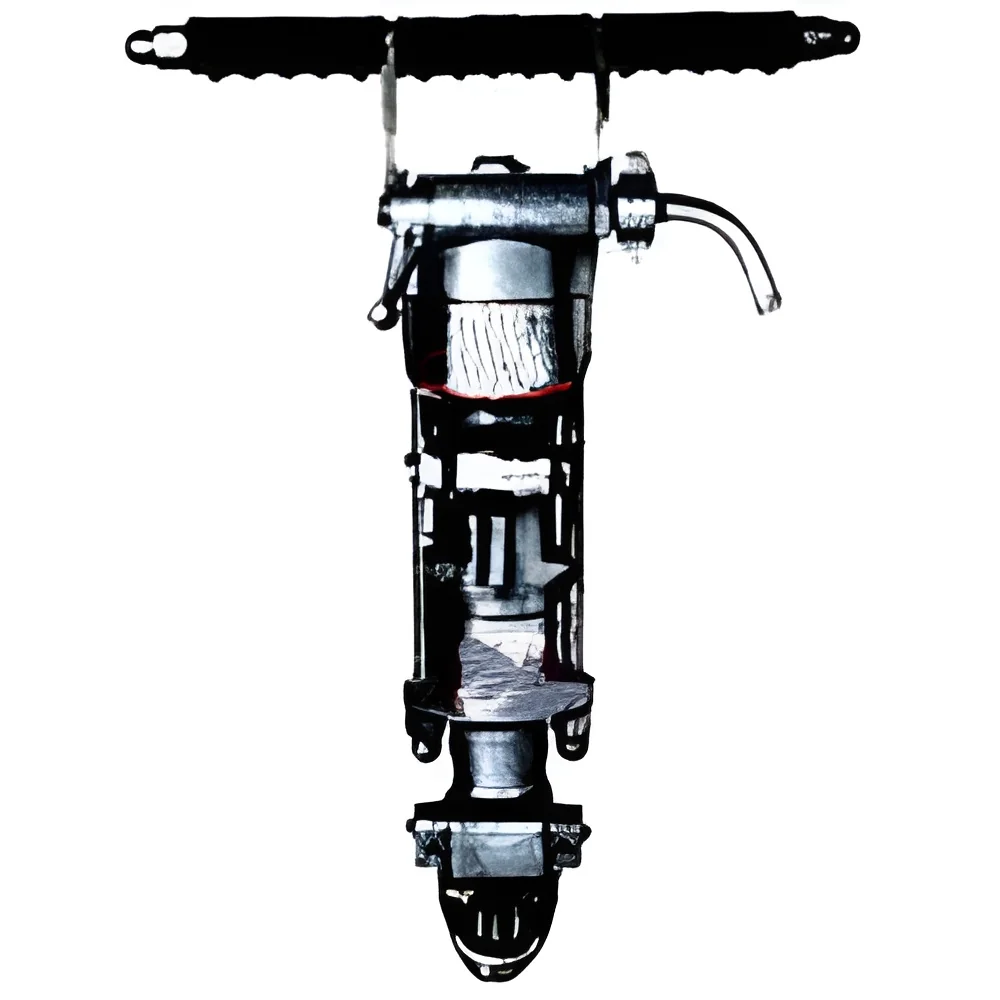
Rock breakers and jackhammers are powerful tools used in construction and mining to break up rock, concrete, and other hard materials. Rock breakers are typically hydraulic devices that use a hammer mechanism to fracture large rock formations. Jackhammers, also known as pneumatic drills, are handheld devices that utilize compressed air to operate a hammering mechanism, allowing operators to break up pavement or concrete surfaces efficiently.
These tools find their primary applications in various sectors, including construction, demolition, quarrying, and mining. Rock breakers are often employed in large-scale construction projects, such as road building and infrastructure development, while jackhammers are commonly used for smaller tasks like breaking up sidewalks or drilling holes in concrete. The versatility and effectiveness of these tools make them essential in industries that require the efficient handling of tough materials.
The market for rock breakers and jackhammers has experienced consistent growth due to the increasing demand for construction and mining activities worldwide. As urbanization continues to rise, the need for robust tools to facilitate these operations is more critical than ever. This growing industry has led to advancements in technology, resulting in more powerful and efficient models that cater to diverse applications.
Key Features and Specifications
Rock breakers and jackhammers come with specific features and specifications that enhance their performance and usability. Understanding these specifications is crucial for buyers to select the right tools for their needs.
Key specifications include:
1. Impact Energy
- This refers to the force delivered by the tool during operation.
- Typically measured in joules, with ranges varying by model.
2. Operating Pressure
- The pressure at which the tool functions effectively.
- Usually measured in bar or psi, depending on the device.
3. Weight
- The total weight of the breaker or jackhammer.
- Can range from lightweight models (15 kg) to heavy-duty variants (over 100 kg).
4. Frequency of Impact
- The number of impacts per minute the tool can deliver.
- This affects the speed at which work can be completed.
5. Air Consumption (for jackhammers)
- The amount of compressed air required for operation.
- Measured in cubic feet per minute (CFM) or liters per minute (LPM).
6. Tool Diameter
- The size of the drill bit or chisel used.
- Varies based on intended applications, typically between 25 mm and 50 mm.
7. Noise Level
- The sound produced by the tool during operation.
- Measured in decibels (dB), which is important for compliance with safety regulations.
8. Vibration Level
- The amount of vibration experienced by the operator.
- Measured in meters per second squared (m/s²), crucial for operator safety and comfort.
In summary, selecting rock breakers and jackhammers with suitable specifications can significantly enhance productivity and safety on job sites.
Common Applications and Use Cases
Rock breakers and jackhammers are utilized across a variety of industries, making them versatile tools in the construction and mining sectors.
1. Construction: These tools are essential for breaking up concrete and asphalt during road construction and repair projects, ensuring efficient surface preparation.
2. Demolition: In demolition work, rock breakers and jackhammers are used to dismantle buildings and structures, allowing for quick removal of debris.
3. Quarrying: Rock breakers are frequently employed in quarries to extract stone and minerals, facilitating the mining process.
4. Mining: In mining operations, these tools help break rock to access valuable minerals and resources hidden beneath the surface.
5. Utility Installation: Jackhammers are often used for digging trenches to install utilities such as water, gas, and electrical lines.
6. Landscaping: In landscaping projects, rock breakers can be used to remove large boulders or reshape terrain efficiently.
7. Road Maintenance: These tools are crucial for maintaining highways and roads, allowing for quick repairs and resurfacing work.
Product Variants and Subcategories
Rock breakers and jackhammers come in various models tailored to meet specific needs and applications. The diversity in product variants allows users to select equipment that best fits their operational requirements.
Hydraulic Rock Breakers
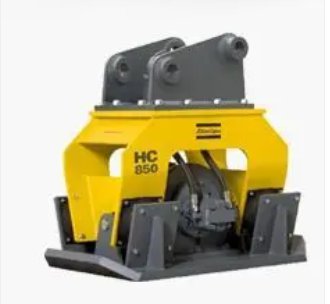
These are designed for use with excavators and are ideal for heavy-duty applications. They provide high impact energy and efficiency, making them suitable for large-scale construction projects.
Pneumatic Jackhammers
Handheld and lightweight, these jackhammers are powered by compressed air. They are perfect for smaller tasks such as breaking concrete or drilling holes in pavements.
Electric Jackhammers
These models operate on electricity, making them suitable for indoor and outdoor use. They are quieter and produce less vibration, improving operator comfort during prolonged use.
Benefits and Advantages
Investing in rock breakers and jackhammers offers numerous advantages for businesses involved in construction and mining sectors.
Key benefits include:
1. Enhanced Efficiency: These tools allow for rapid breaking of hard materials, significantly reducing project timelines.
2. Versatility: They can be utilized in various applications across different industries, making them a valuable asset.
3. Increased Safety: Modern models are designed with safety features that minimize risks for operators, ensuring a safer work environment.
4. Improved Precision: Advanced technology in rock breakers and jackhammers enables more accurate and controlled breaking, reducing waste.
5. Cost-Effectiveness: By increasing productivity and reducing labor costs, these tools can lead to significant savings over time.
6. Durability: High-quality models are built to withstand tough conditions, ensuring longevity and reliability in demanding environments.
Buying Guide for B2B Buyers
When sourcing rock breakers and jackhammers, several factors should be considered to ensure the best purchasing decisions.
1. Quality Assessment: Evaluate the quality of materials and construction. Look for reputable brands known for producing durable and reliable tools.
2. Supplier Verification: Vet suppliers to ensure they have a track record of providing quality products and excellent customer service. Consider checking reviews and ratings.
3. Pricing and MOQ: Understand the pricing structure and minimum order quantities. Compare prices across different suppliers to ensure competitive costs.
4. Delivery and Lead Times: Inquire about delivery options and lead times to ensure timely project completion. Confirm shipping methods and any associated costs.
5. Compliance Requirements: Ensure that the tools meet relevant safety and industry regulations. This may include certifications such as CE and adherence to local standards.
Compliance and Certifications
In the manufacturing and distribution of rock breakers and jackhammers, adherence to quality standards and safety regulations is crucial. Manufacturers often comply with ISO 9001, which ensures a consistent quality management system. This standard emphasizes customer satisfaction and continuous improvement.
Additionally, CE certification is essential for products sold in Europe, indicating compliance with health, safety, and environmental protection standards. These certifications provide assurance to buyers regarding the quality and safety of the equipment.
Safety and testing requirements are also vital for these tools, as they must undergo rigorous testing to ensure they can withstand harsh operating conditions. Regional compliance considerations may vary, so buyers should be aware of local regulations that affect tool usage and safety.
Why Source Rock Breakers & Jackhammers from Pepagora?
Pepagora provides a trusted platform for sourcing rock breakers and jackhammers, offering several key advantages for B2B buyers.
Verified Supplier Network: Pepagora maintains a network of verified suppliers, ensuring that buyers can connect with reputable manufacturers. This reduces the risk of purchasing low-quality products.
Streamlined RFQ Process: The platform features a straightforward request for quotation (RFQ) process, allowing buyers to easily obtain competitive pricing from multiple suppliers. This efficient system saves time and simplifies procurement.
Trade Assurance and Support: Pepagora offers buyer protection through trade assurance measures. This includes support for dispute resolution and ensuring that products meet the agreed specifications.
Regional Coverage: With a focus on markets in India, the GCC, and Southeast Asia, Pepagora provides extensive regional coverage. This makes it easier for businesses to find local suppliers and facilitates faster delivery times.

 IN
IN