What are Induction Furnaces?
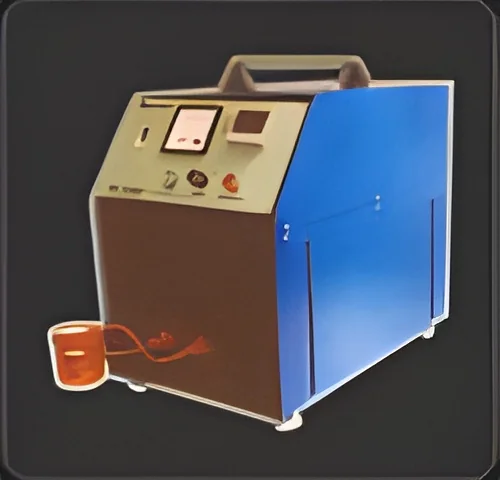
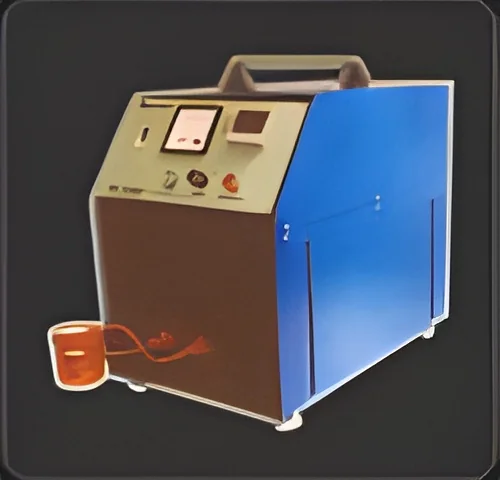
Induction furnaces are advanced melting systems that use electromagnetic induction to heat and melt metals and alloys. They operate by generating an alternating magnetic field, which induces an electric current within the material itself. This process allows for rapid heating and precise temperature control, making induction furnaces a preferred choice in many industrial applications.
These furnaces are widely used in foundries, steel mills, and manufacturing facilities for melting ferrous and non-ferrous metals. They are essential in industries such as automotive, aerospace, and construction, where high-quality metal components are crucial. The efficiency and effectiveness of induction furnaces have led to their growing adoption in various sectors, contributing significantly to improved productivity and reduced operational costs in metal processing.
As the global market for induction furnaces continues to expand, the technology is evolving to meet increasing demands for energy efficiency and sustainability. Companies are increasingly looking for solutions that enhance productivity while minimizing environmental impact, and induction furnaces stand out as a leading option in the industrial landscape.
Key Features and Specifications
Induction furnaces come equipped with several key features that enhance their functionality and efficiency. Understanding these specifications is crucial for businesses looking to invest in this technology.
Key specifications include:
1. Power Range
- Induction furnaces typically offer a broad power range, from a few kilowatts to several megawatts, allowing for flexibility in different applications.
2. Melting Capacity
- The melting capacity varies significantly, accommodating small batches to large volumes, generally ranging from 100 kg to over 10 tons.
3. Frequency
- Most induction furnaces operate at frequencies between 1 kHz and 20 kHz, which affects melting speed and efficiency.
4. Control Systems
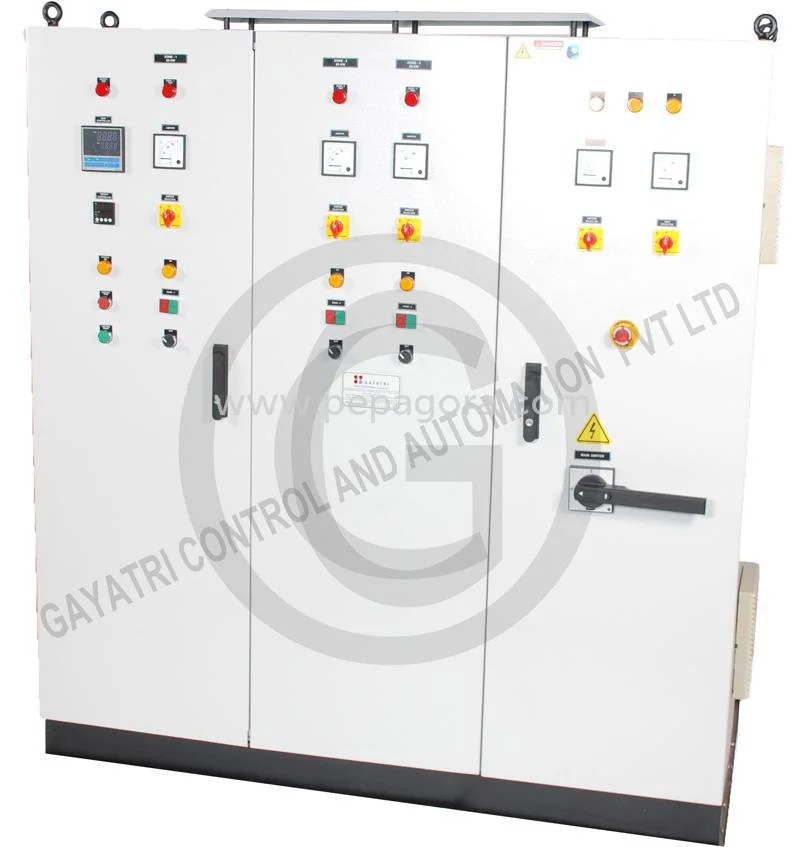
- Advanced control systems are integrated for precise temperature management, including programmable logic controllers (PLCs) for automation.
5. Cooling Systems
- Effective cooling systems are essential, often using water-cooled components to prevent overheating and ensure safe operation.
6. Energy Efficiency
- Induction furnaces are known for their high energy efficiency, often achieving efficiencies of over 90%.
7. Safety Features
- Safety mechanisms include emergency shut-off systems and protective casings to prevent accidents during operation.
8. Emissions Control
- Many models incorporate features to minimize emissions, aligning with environmental regulations.
In summary, the specifications of induction furnaces highlight their efficiency, control, and safety, making them an integral part of modern metal processing operations.
Common Applications and Use Cases
Induction furnaces serve a wide range of industries and applications, making them versatile tools in metal processing.
1. Automotive Industry: Induction furnaces are used for melting and casting engine components, gears, and other critical parts that require high strength and precision.
2. Aerospace Industry: These furnaces aid in producing lightweight and high-performance components, including turbine blades and structural elements, essential for aircraft performance.
3. Construction Industry: They are utilized to produce steel and alloy components for structural applications, ensuring durability and reliability in construction projects.
4. Electrical Engineering: Induction furnaces play a crucial role in manufacturing electrical components such as transformers and conductors, where material integrity is vital.
5. Jewelry Manufacturing: The ability to melt gold and precious metals quickly makes induction furnaces ideal for creating intricate jewelry designs.
6. Recycling Operations: Many recycling facilities use induction furnaces to melt scrap metal, allowing for efficient material recovery and reuse.
7. Foundries: Induction furnaces are a mainstay in foundries for producing castings with high dimensional accuracy and surface finish.
Product Variants and Subcategories
Induction furnaces come in various designs and configurations, catering to different industrial needs. Although specific subcategories are not available, several types can be identified based on their applications and features.
High-Frequency Induction Furnaces
These furnaces operate at higher frequencies, making them suitable for small-scale applications and precision melting. They are often used in jewelry manufacturing and small foundries where quick melting is required.
Medium-Frequency Induction Furnaces
Ideal for general-purpose melting, these furnaces balance power and efficiency, making them common in automotive and aerospace applications. They provide a good compromise between speed and energy consumption.
Low-Frequency Induction Furnaces
Designed for large-volume melting, low-frequency furnaces excel in heavy industries like steel production. They are capable of handling larger batches and offer robust performance for demanding applications.
Benefits and Advantages
Induction furnaces offer numerous benefits that make them an attractive choice for businesses in metal processing.
1. Energy Efficiency: Induction furnaces are highly efficient, leading to lower energy costs and reduced environmental impact.
2. Quick Melting Times: The rapid heating capability allows for faster melting cycles, increasing overall production rates.
3. Precise Temperature Control: Advanced control systems ensure accurate temperature management, which is crucial for high-quality metal processing.
4. Reduced Material Waste: The efficiency of induction melting minimizes scrap and waste, optimizing material usage.
5. Enhanced Safety: Built-in safety features help protect operators and reduce the risk of accidents during operation.
6. Environmentally Friendly: Induction furnaces produce fewer emissions compared to traditional melting methods, aligning with sustainability goals.
Buying Guide for B2B Buyers
When considering the purchase of induction furnaces, businesses should evaluate several key factors to ensure a suitable investment.
1. Quality Assessment: It is essential to assess the quality of the furnace and its components. Look for certifications and standards that indicate reliability and performance.
2. Supplier Verification: Vetting suppliers is crucial. Research their reputation, experience, and customer reviews to ensure you are sourcing from a credible provider.
3. Pricing and MOQ: Understand the pricing structure and minimum order quantities. Compare quotes from different suppliers to secure the best deal while considering total value.
4. Delivery and Lead Times: Evaluate delivery schedules and lead times to ensure timely project execution. Confirm logistics capabilities and shipping options.
5. Compliance Requirements: Check for compliance with relevant industry standards and regulations to avoid legal issues. Ensure the furnace meets safety and operational requirements.
Compliance and Certifications
Induction furnaces must adhere to various compliance standards and certifications to ensure quality and safety in operation.
ISO 9001 is a key standard that indicates a manufacturer's commitment to quality management systems. Compliance with this standard ensures that the processes used in manufacturing induction furnaces meet international quality benchmarks.
In addition to ISO certifications, CE marking is essential for induction furnaces sold in European markets. This certification demonstrates that the product meets safety, health, and environmental protection standards.
Safety and testing requirements are also critical. Induction furnaces must undergo rigorous testing to ensure they operate safely under various conditions. Manufacturers typically implement safety features to minimize risks associated with high temperatures and electromagnetic fields.
Regional compliance considerations may vary. Businesses sourcing induction furnaces should be aware of local regulations that apply to manufacturing and operational processes in their respective countries.
Why Source Induction Furnaces from Pepagora?
Pepagora provides a trusted platform for sourcing induction furnaces, offering several key advantages for B2B buyers.
Verified Supplier Network: Pepagora connects buyers with a network of verified suppliers, ensuring that all manufacturers listed meet stringent quality and reliability standards. This verification process provides peace of mind when making purchasing decisions.
Streamlined RFQ Process: The platform offers an efficient request for quotation (RFQ) system, allowing buyers to easily compare offers from multiple suppliers. This streamlining saves time and helps businesses secure the best pricing and terms.
Trade Assurance and Support: Pepagora’s trade assurance program protects buyers by ensuring that orders are fulfilled as agreed. Support services are also available to assist buyers throughout the sourcing process.
Regional Coverage: With a strong presence in India, GCC, and Southeast Asia, Pepagora provides extensive geographic reach. This regional coverage ensures that businesses can find local suppliers who understand their specific market needs and requirements.

 IN
IN