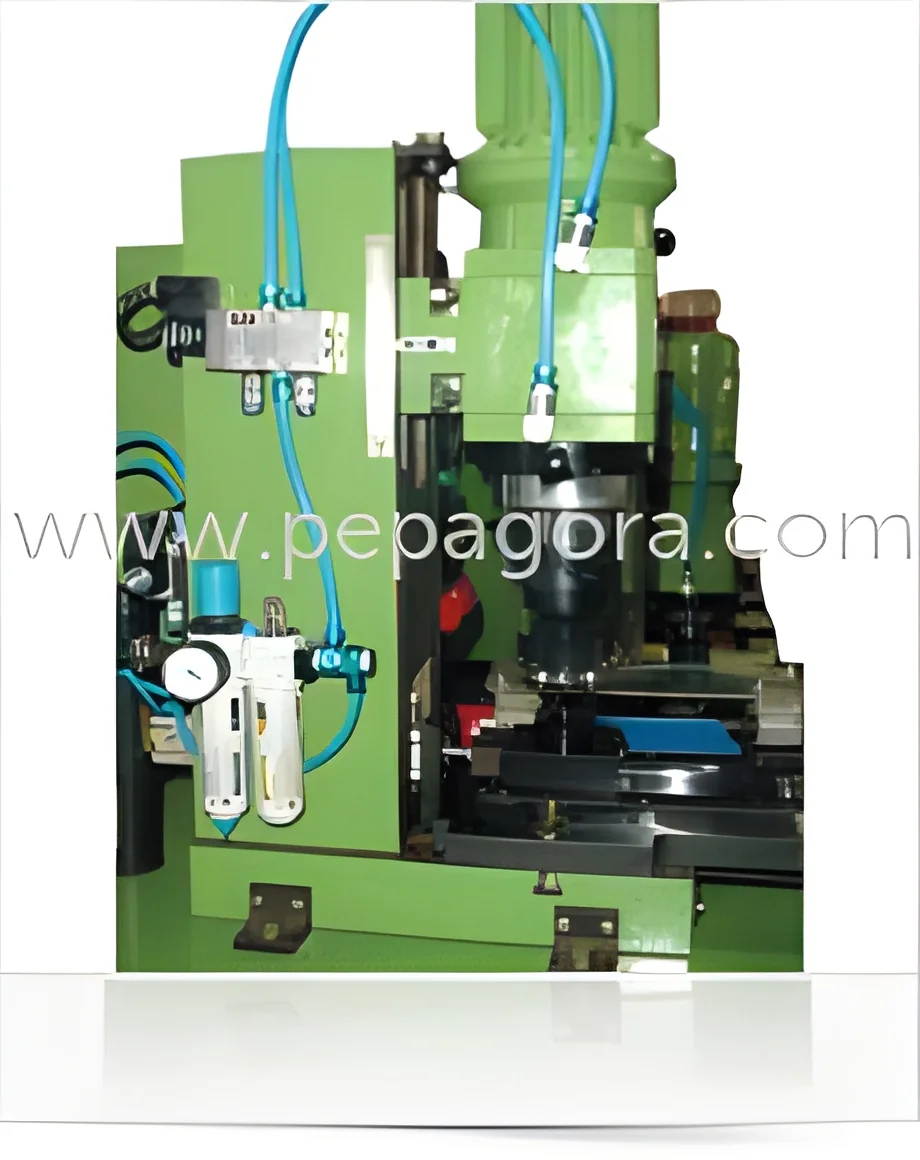
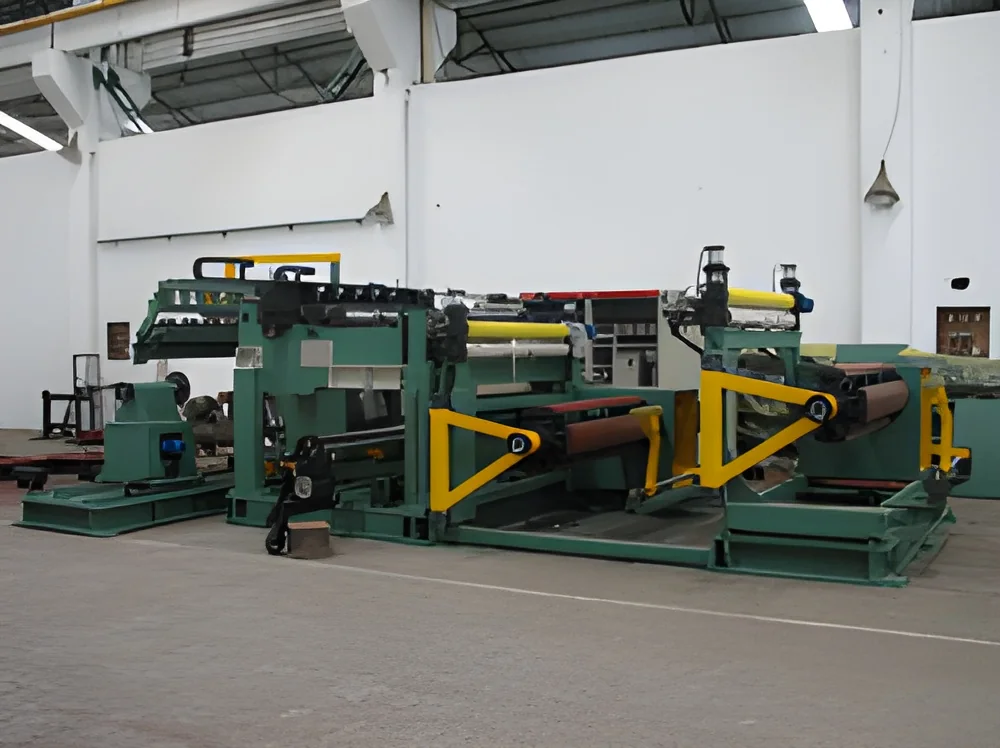
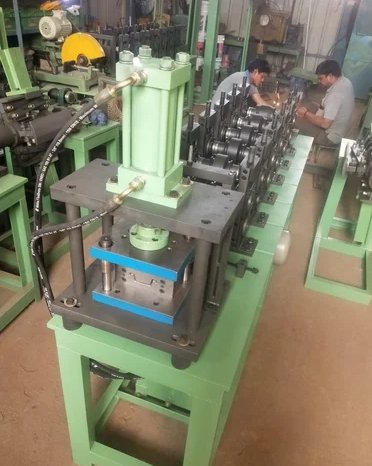
What are Strip Rolling Equipment?
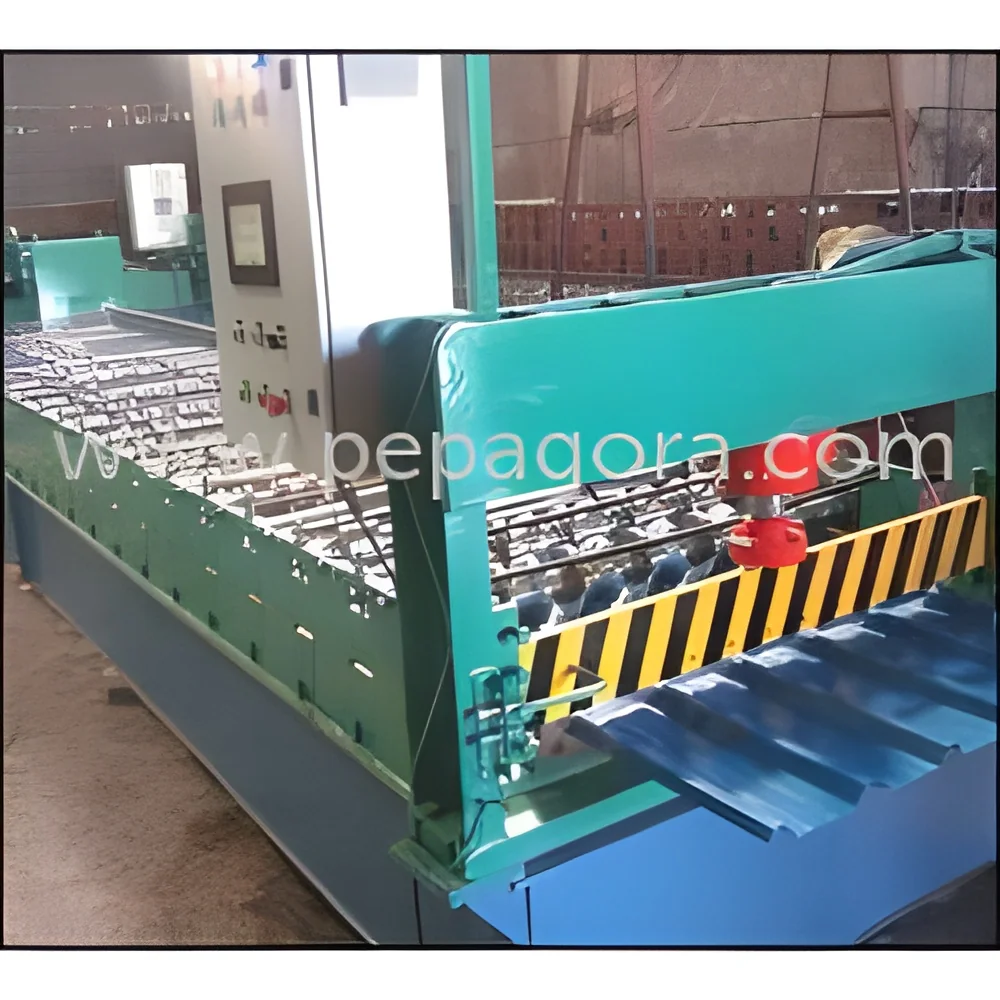
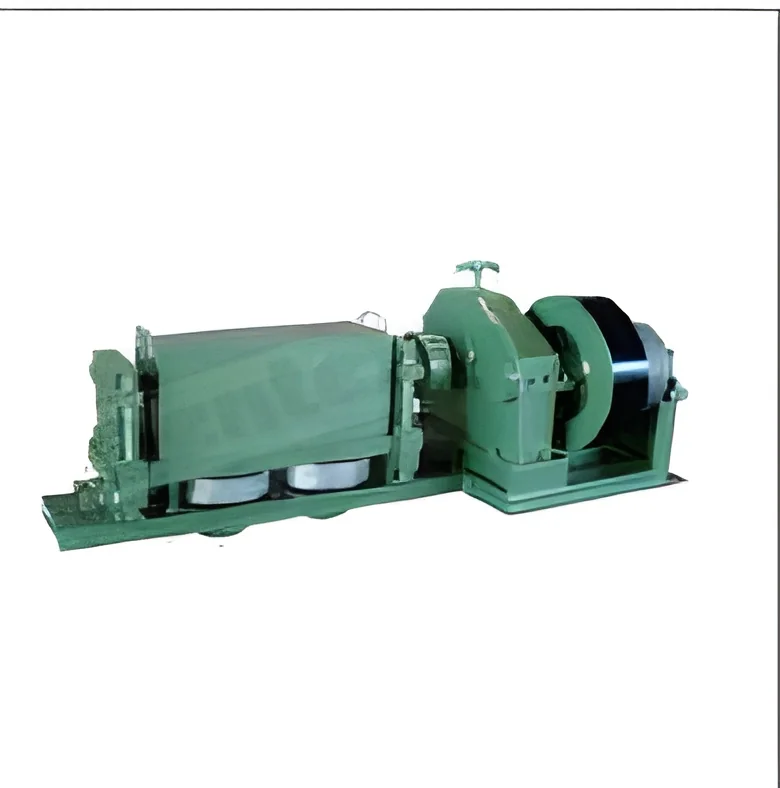
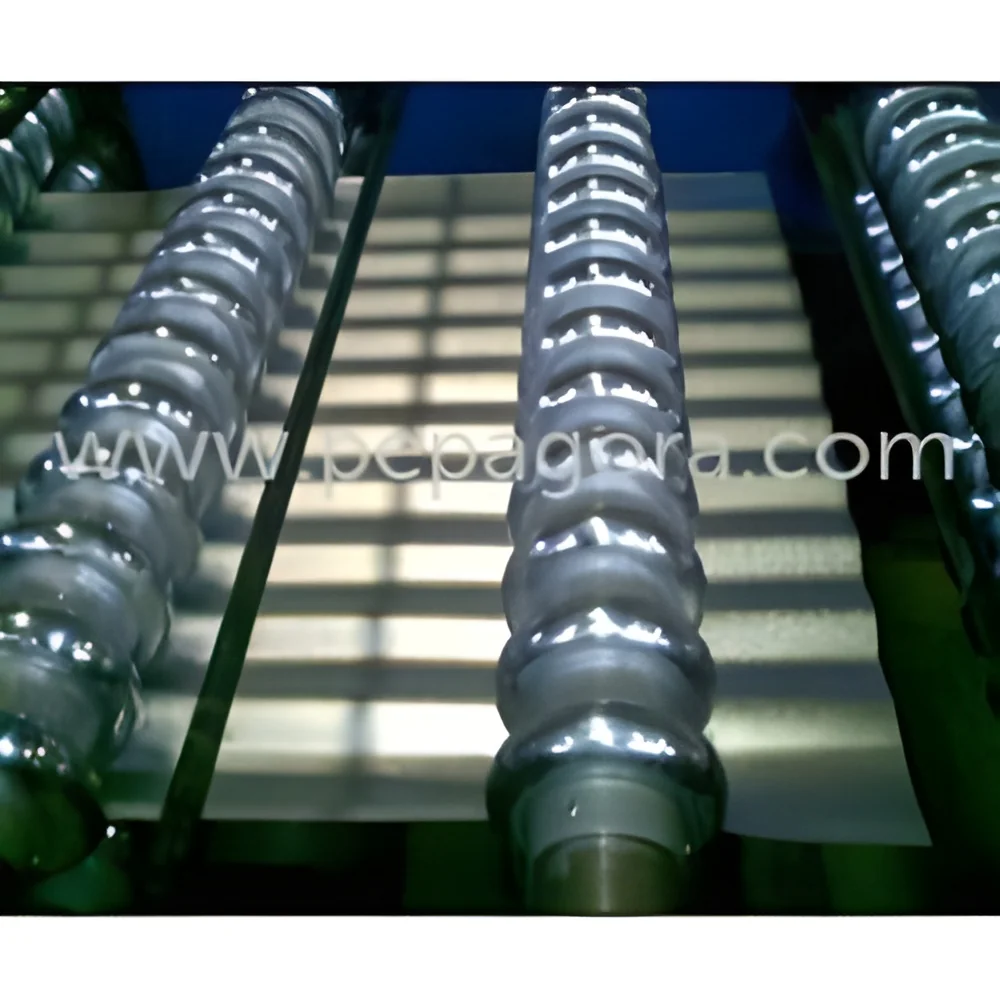
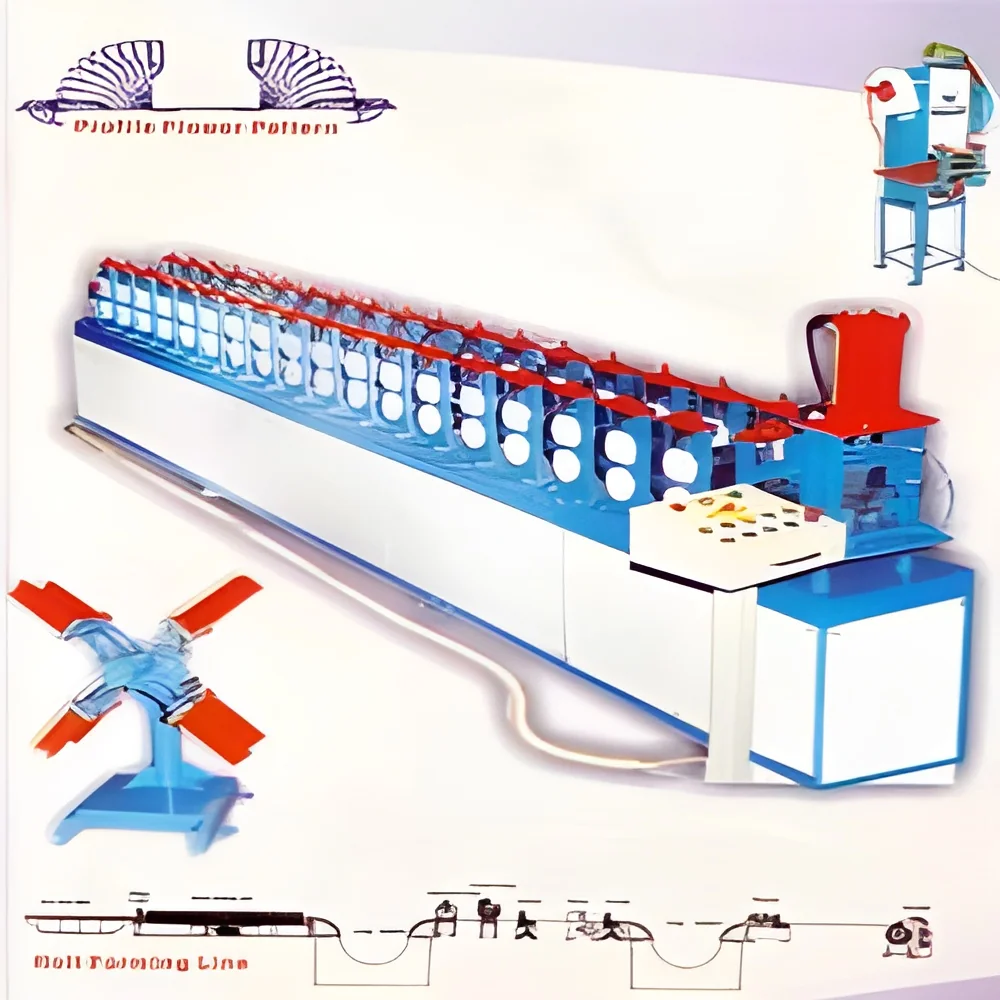
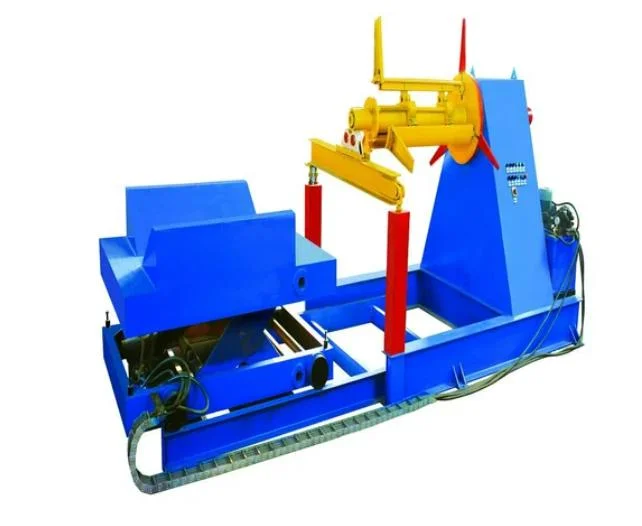
Strip rolling equipment refers to specialized machinery designed to process metal strips by rolling them into thinner gauges or specific shapes. This equipment operates by feeding metal strips through a series of rollers that reduce their thickness through mechanical pressure. The process is essential for industries that require precise metal dimensions and surface finishes for various applications.
The primary uses of strip rolling equipment include the manufacturing of metal sheets, strips, and coils that are integral in sectors such as automotive, construction, and electronics. Businesses utilize this equipment to ensure material consistency and to enhance the performance of their products. By providing uniform thickness and surface quality, strip rolling equipment plays a vital role in maintaining production efficiency and product standards.
In the broader market context, strip rolling equipment is critical for companies looking to optimize manufacturing processes. With advancements in technology, modern strip rolling machines offer improved automation, energy efficiency, and versatility. As industries become more competitive, the demand for high-quality strip rolling equipment continues to rise, leading to innovations that enhance productivity and reduce operational costs.
Key Features and Specifications
Strip rolling equipment is equipped with various features that enhance its functionality and performance. Understanding these specifications is crucial for buyers aiming to select the right machinery for their needs.
Key specifications include:
1. Roller Configuration
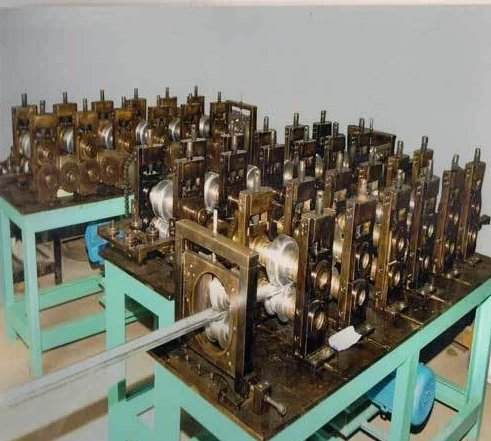
- Various arrangements are available, such as two-high, four-high, or tandem setups.
- Each configuration serves different production scales and material types.
2. Material Compatibility
- Designed to process a range of metals, including steel, aluminum, and copper.
- Specifications may vary based on material grade and thickness.
3. Rolling Speed
- Capable of achieving speeds up to certain meters per minute.
- Higher speeds enhance productivity but may require advanced cooling systems.
4. Automation Level
- Options for manual, semi-automated, or fully automated operations.
- Automation reduces labor costs and enhances precision in production.
5. Control Systems
- Equipped with advanced control panels for precise adjustments.
- Systems may include PLC controls for enhanced operational efficiency.
6. Safety Features
- Built-in safety mechanisms to protect operators and equipment.
- Includes emergency stop buttons, safety guards, and monitoring systems.
7. Energy Efficiency
- Modern machines are designed to consume less energy without compromising performance.
- Energy-efficient models can lead to significant cost savings over time.
8. Maintenance Requirements
- Varies by model and manufacturer; some offer easy maintenance features.
- Regular maintenance is essential for longevity and optimal performance.
In summary, strip rolling equipment is characterized by its versatile specifications and advanced features that cater to various industrial needs. Proper understanding of these specifications allows buyers to make informed decisions for their operational requirements.
Common Applications and Use Cases
Strip rolling equipment is employed across diverse industries, each with unique applications.
1. Automotive Industry: Strip rolling is essential for producing components such as body panels, frames, and reinforcement materials. The precision offered by this equipment ensures that automotive parts meet strict quality and safety standards.
2. Construction Industry: Used to manufacture metal strips for roofing, siding, and structural components. The ability to roll materials to specific dimensions is critical for building applications.
3. Electronics Industry: Provides metal strips for electrical components, circuit boards, and connectors. The thin and uniform strips are vital for ensuring optimal electrical conductivity.
4. Aerospace Industry: Utilized for producing lightweight and strong materials needed for aircraft components. Strip rolling equipment supports the high precision required in aerospace manufacturing.
5. HVAC Industry: Contributes to the production of ductwork and other metal components used in heating, ventilation, and air conditioning systems. The equipment ensures that materials are rolled to fit specific installation requirements.
6. Energy Sector: Used in the creation of metal strips for solar panels and wind turbines. The equipment allows for precise shaping and sizing of materials to enhance energy efficiency.
7. Furniture Manufacturing: Assists in producing metal strips for furniture frames and supports. The versatility of strip rolling equipment enables manufacturers to create customized designs.
Product Variants and Subcategories
Strip rolling equipment comes in various variants, catering to different operational needs and production scales.
Heavy-Duty Strip Rollers: These machines are designed for high-volume production and can handle thicker materials. Heavy-duty rollers provide durability and strength, making them ideal for industrial applications.
Compact Strip Rollers: Suitable for smaller operations, these machines offer flexibility and ease of use. They are perfect for businesses with limited space while still delivering quality results.
Portable Strip Rollers: Designed for on-site applications, portable rollers provide convenience and mobility. Their compact design allows for easy transport and setup in various locations.
Automated Strip Rollers: These advanced machines feature fully automated operations, enhancing efficiency and reducing labor costs. They are ideal for large-scale production environments.
Benefits and Advantages
Investing in strip rolling equipment offers numerous advantages for businesses.
1. Enhanced Production Efficiency: Strip rolling machines streamline manufacturing processes, allowing for faster production times and reduced labor requirements.
2. Consistent Product Quality: The precision of strip rolling ensures uniformity in thickness and surface finish, which is crucial for high-quality end products.
3. Versatility: These machines can handle various materials and thicknesses, making them suitable for a wide range of applications across industries.
4. Cost Savings: By optimizing material usage and reducing waste, strip rolling equipment can lead to significant cost efficiencies over time.
5. Improved Safety: Modern equipment is designed with safety features that protect operators and minimize workplace hazards.
6. Customization Options: Many manufacturers offer customizable features to meet specific production needs, adding to the equipment's versatility.
Buying Guide for B2B Buyers
When sourcing strip rolling equipment, several factors should be considered to ensure a successful purchase.
1. Quality Assessment: Evaluate machinery based on manufacturing standards, materials used, and overall reliability. High-quality equipment will ensure longevity and consistent performance.
2. Supplier Verification: Research potential suppliers to verify their credibility, industry experience, and customer feedback. Reliable suppliers are crucial for ongoing support and service.
3. Pricing and MOQ: Consider the cost of the equipment along with the minimum order quantity. It is essential to align pricing with your budget while ensuring the quality of the equipment.
4. Delivery and Lead Times: Confirm the expected delivery timelines and logistics involved in transporting the equipment. Timely delivery is critical for maintaining production schedules.
5. Compliance Requirements: Ensure that the equipment meets relevant industry standards and regulations. Compliance with safety and quality standards is essential for operational success.
Compliance and Certifications
Compliance and certifications are vital aspects of strip rolling equipment, ensuring adherence to industry standards.
Relevant quality standards such as ISO 9001 ensure that manufacturers maintain consistent quality management systems. This certification signifies that the equipment meets international standards for quality assurance.
CE certification is also important as it indicates that the equipment complies with European safety and environmental standards. This certification is essential for businesses operating within or exporting to the European market.
Safety and testing requirements are crucial for ensuring the equipment operates without risk to operators. Regular safety checks and adherence to testing protocols enhance the reliability of the machinery.
Regional compliance considerations may vary, affecting the choice of equipment based on geographical location. It is important for businesses to be aware of these regulations to avoid penalties and ensure smooth operations.
Why Source Strip Rolling Equipment from Pepagora?
Pepagora provides a trusted platform for sourcing strip rolling equipment, offering several key advantages for B2B buyers.
Verified Supplier Network: Pepagora's extensive supplier network features verified manufacturers who meet rigorous quality standards. This network ensures that buyers can trust the reliability and performance of the equipment sourced.
Streamlined RFQ Process: The platform simplifies the request for quotation process, allowing buyers to receive competitive quotes from multiple suppliers efficiently. This feature saves time and helps buyers make informed decisions.
Trade Assurance and Support: Pepagora offers trade assurance that protects buyers from potential risks associated with transactions. Dedicated support teams are available to assist with any queries or concerns throughout the purchasing journey.
Regional Coverage: With a strong presence in India, the Gulf Cooperation Council, and Southeast Asia, Pepagora facilitates access to regional markets. This broad geographic reach allows buyers to connect with suppliers that meet their specific needs.

 IN
IN