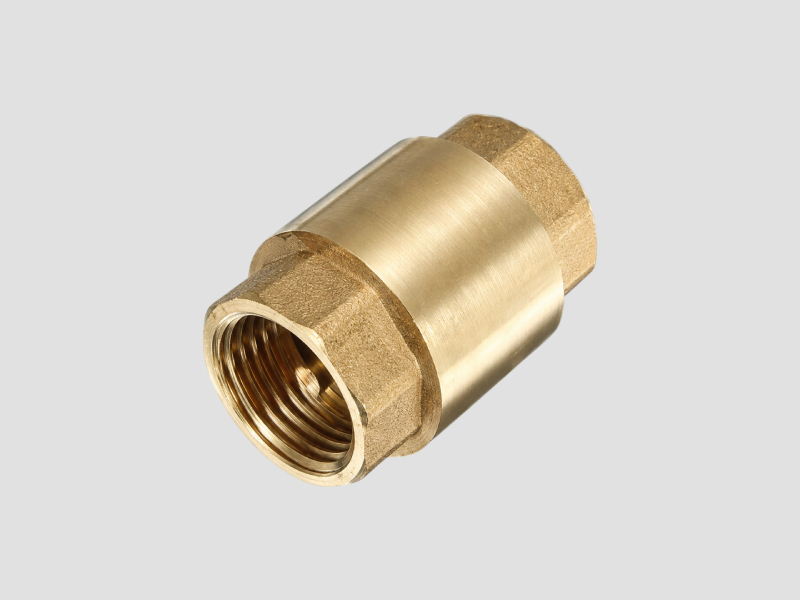
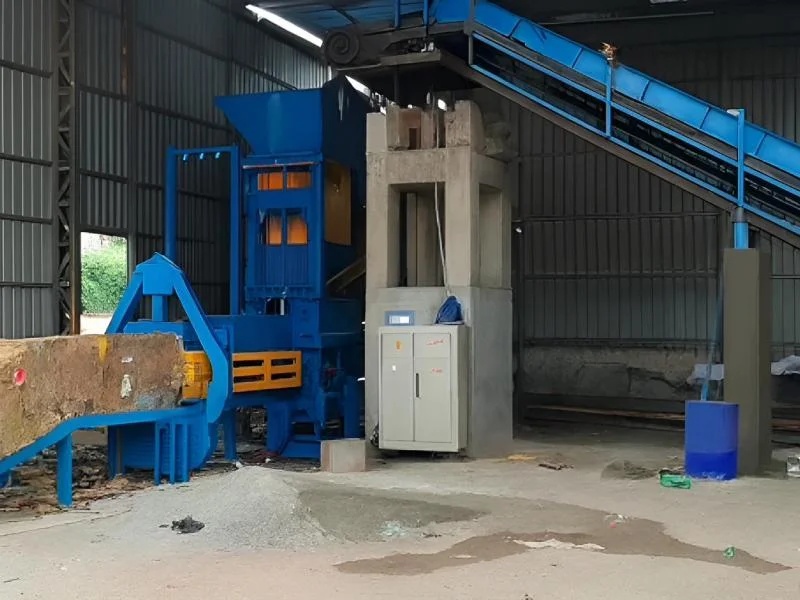
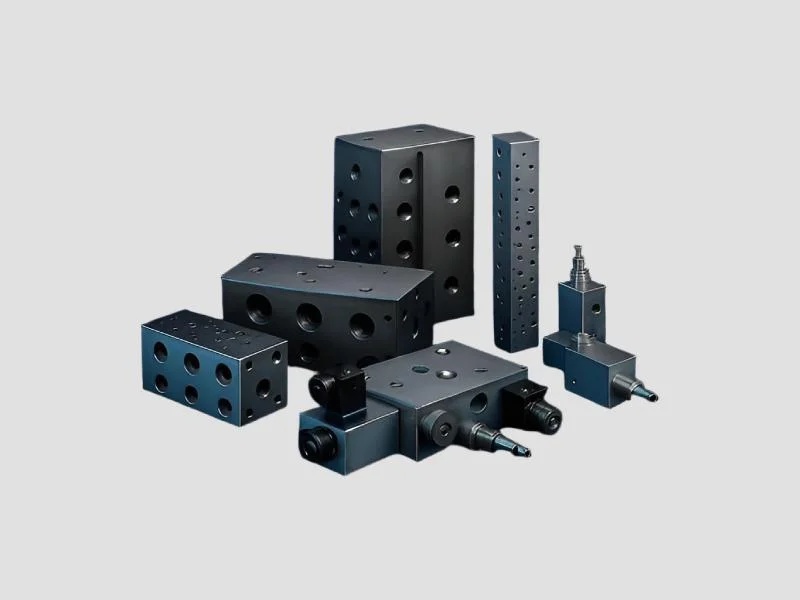
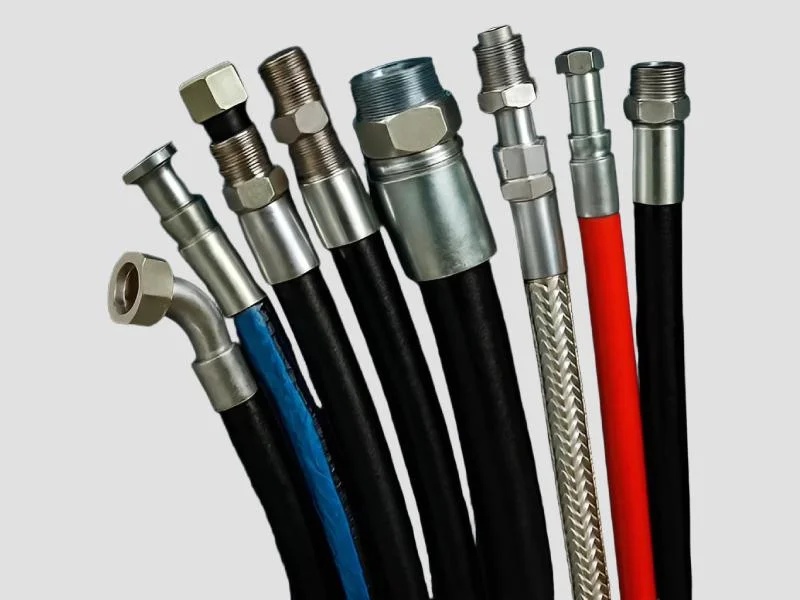
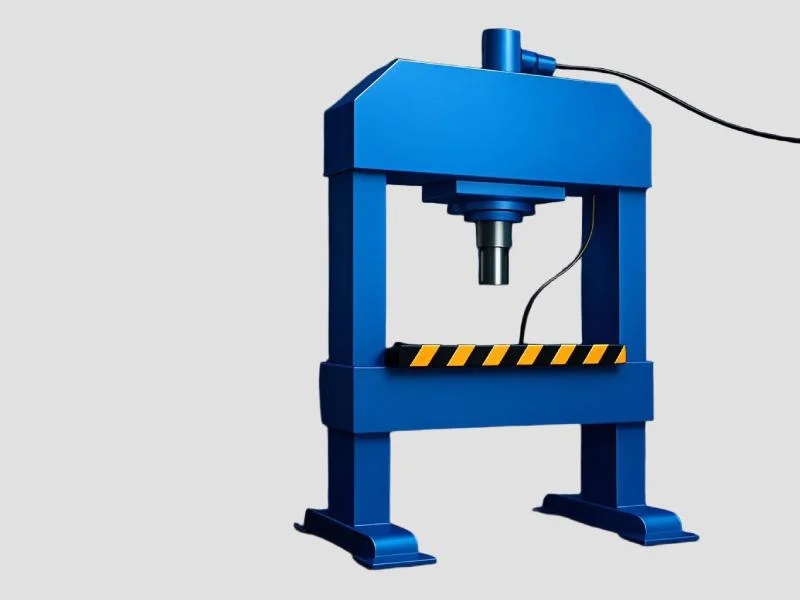
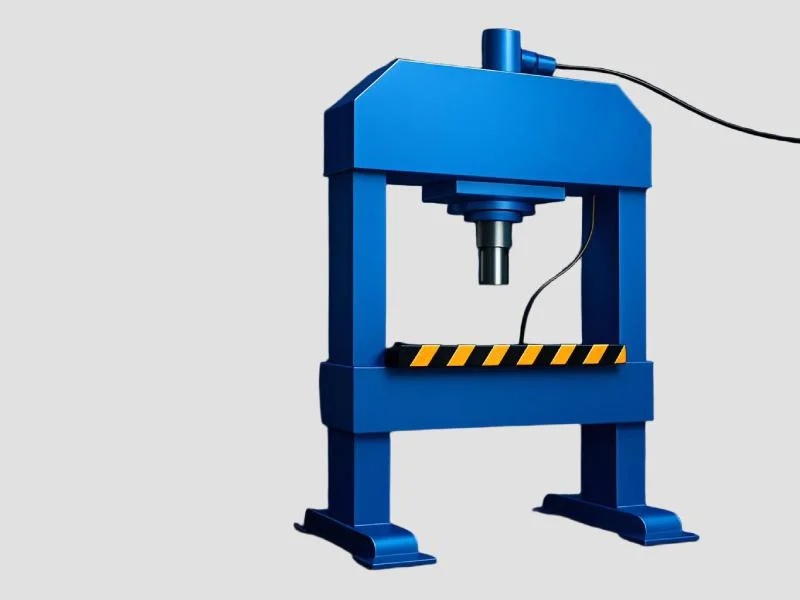
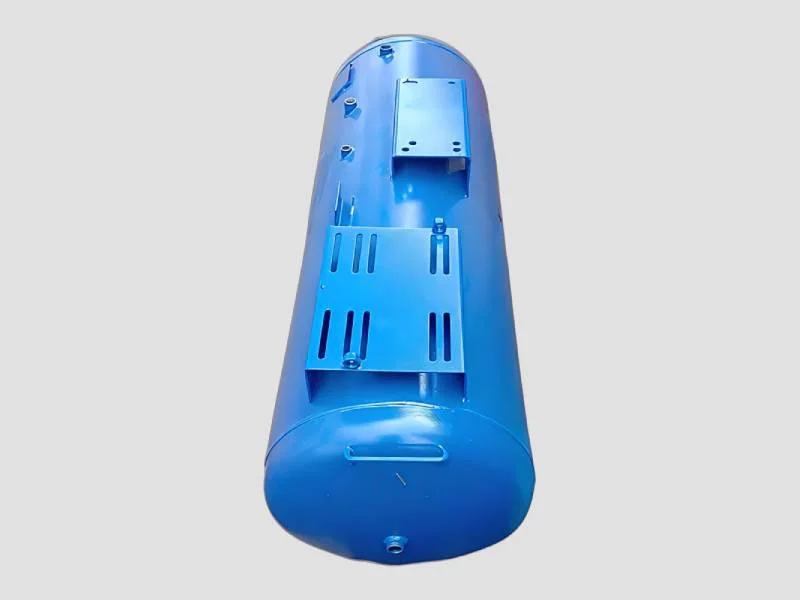
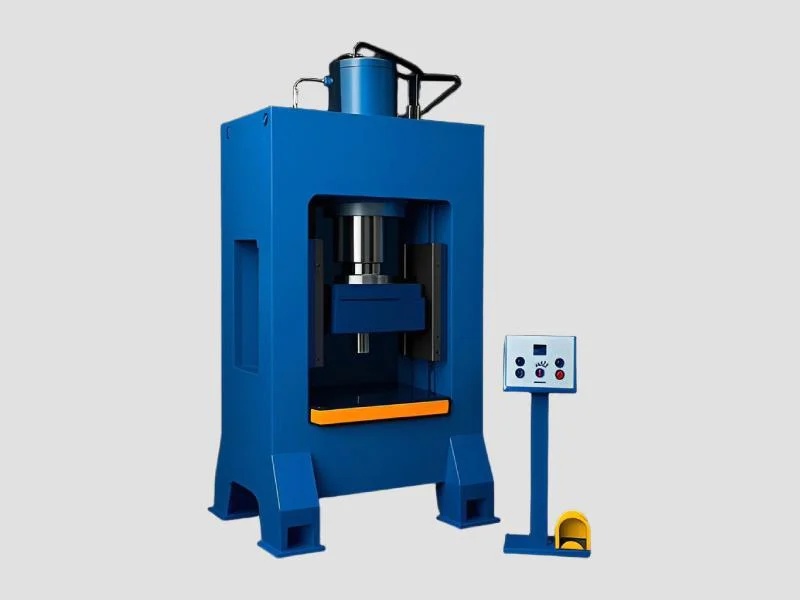
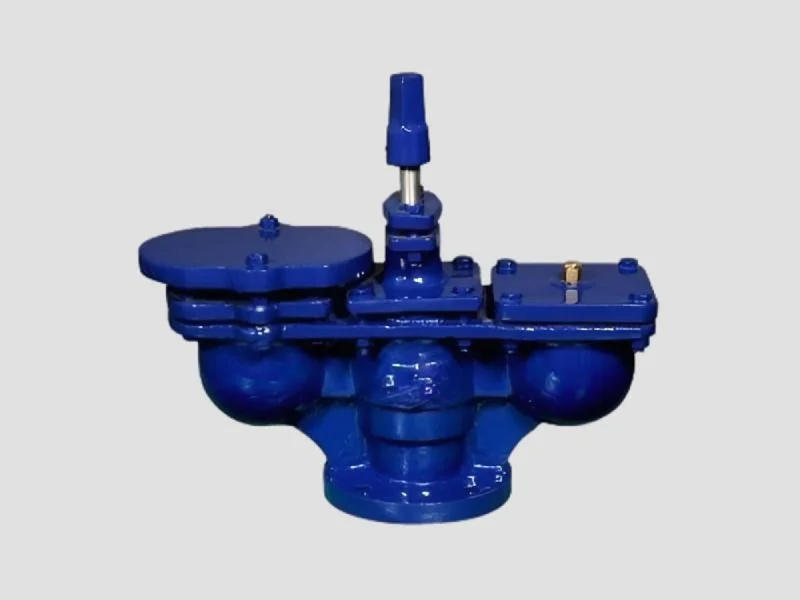
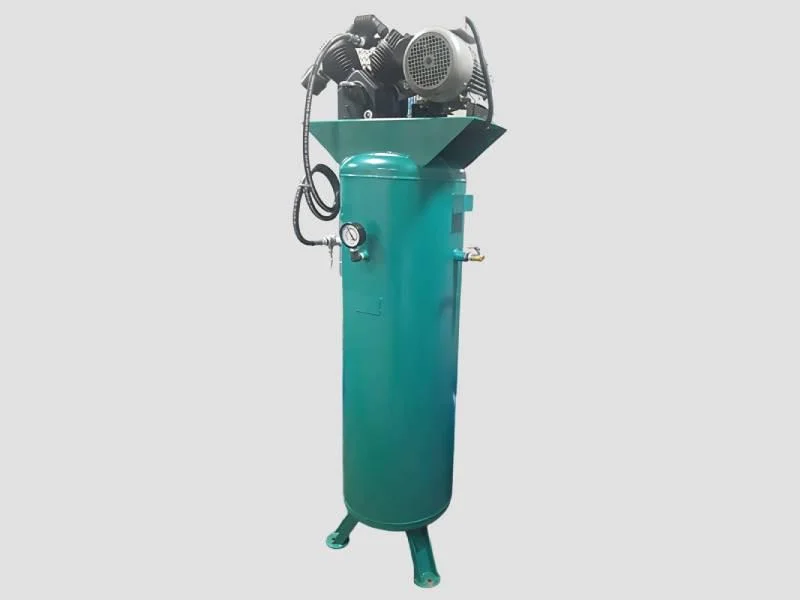
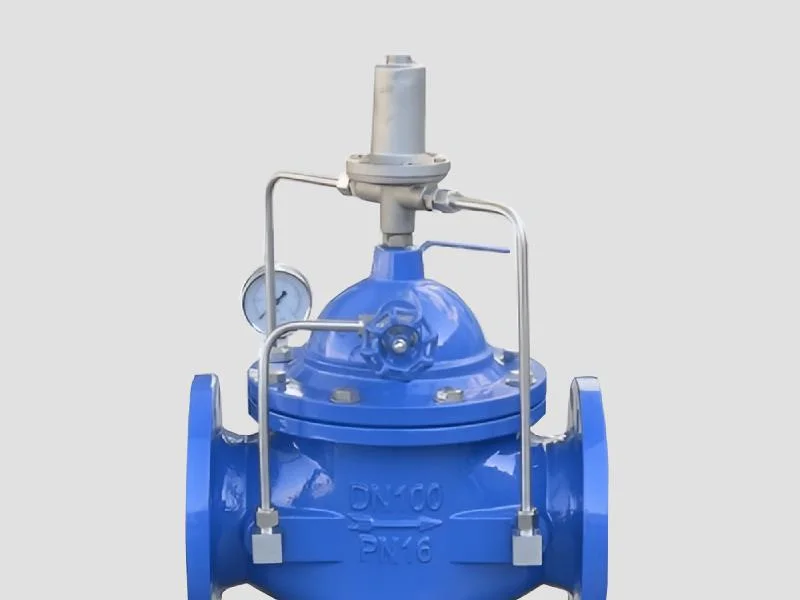
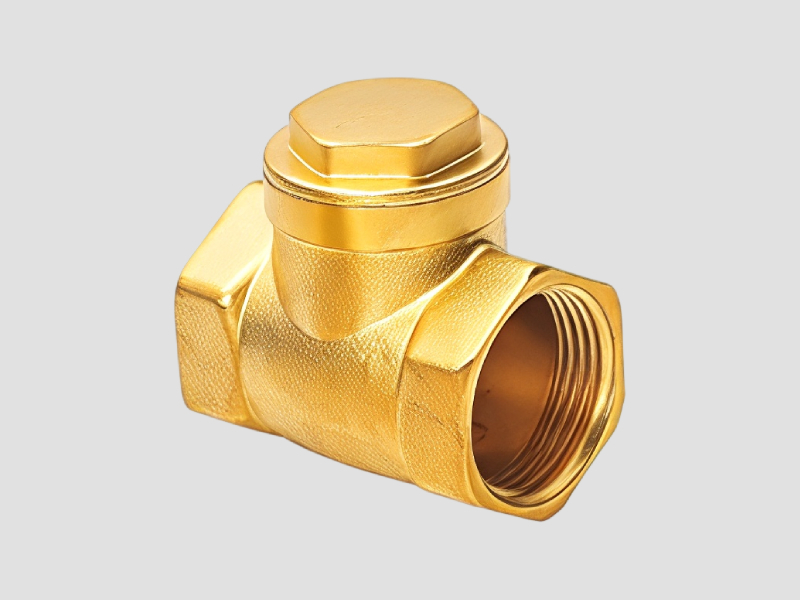
𝗪𝗵𝗮𝘁 𝗮𝗿𝗲 𝗛𝘆𝗱𝗿𝗮𝘂𝗹𝗶𝗰 & 𝗣𝗻𝗲𝘂𝗺𝗮𝘁𝗶𝗰 𝗘𝗾𝘂𝗶𝗽𝗺𝗲𝗻𝘁?
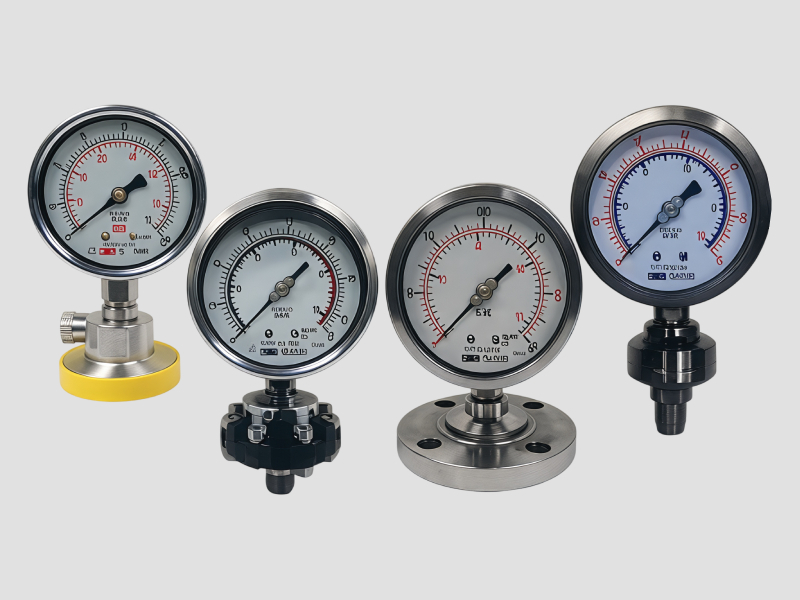
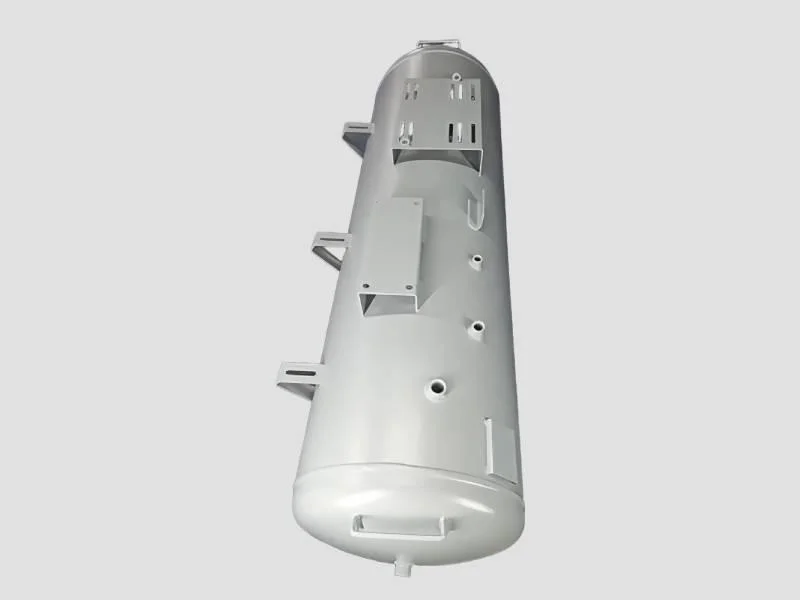
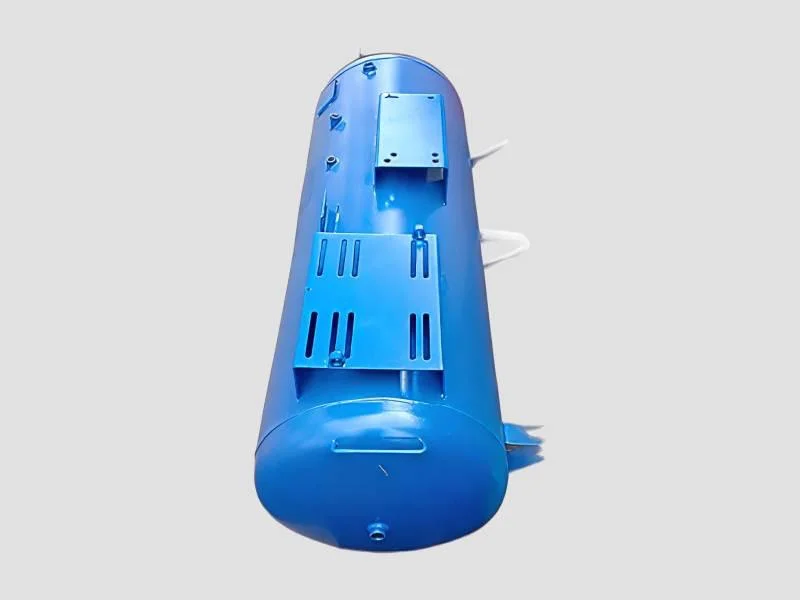
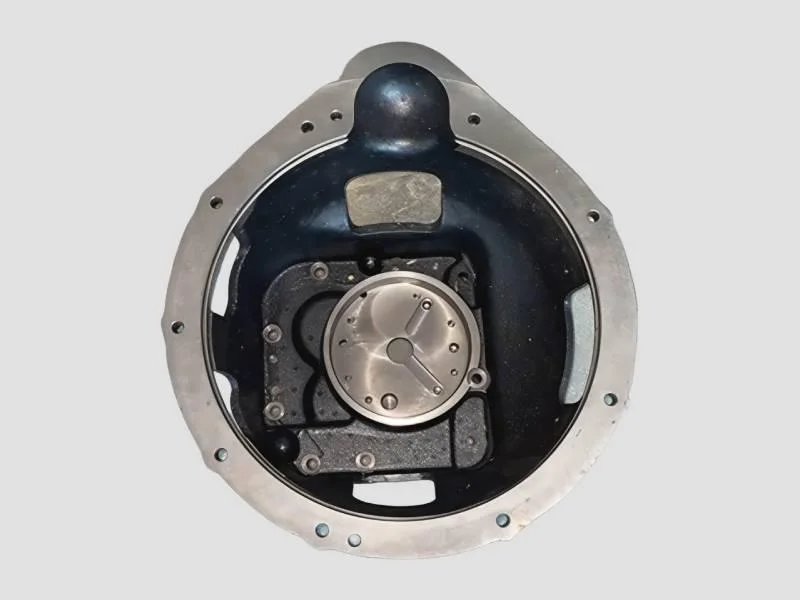
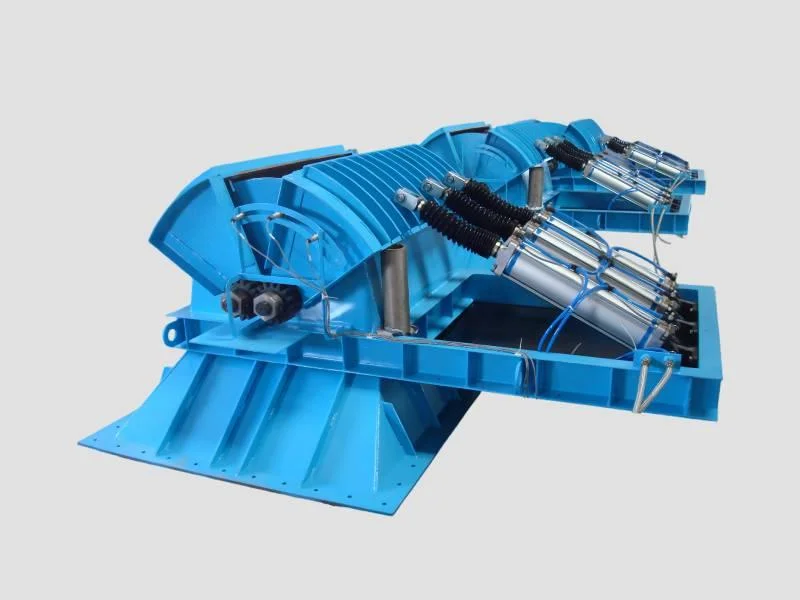
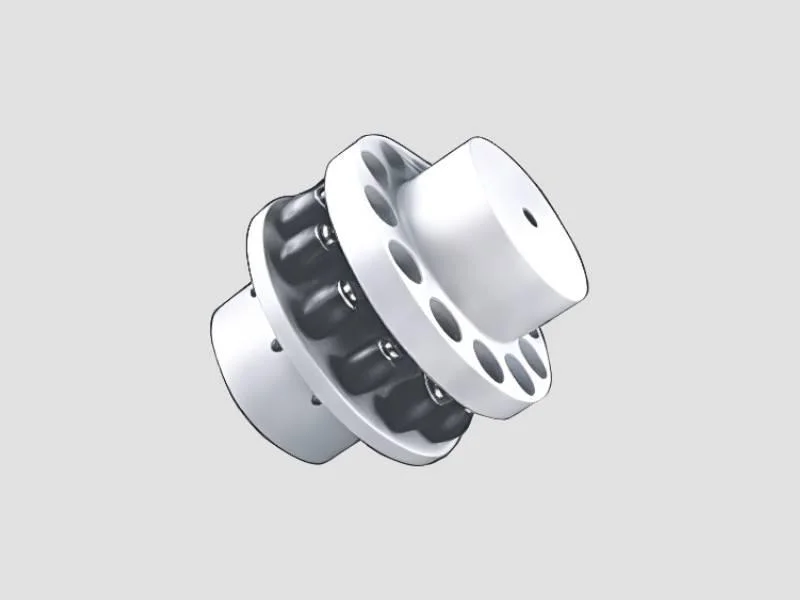
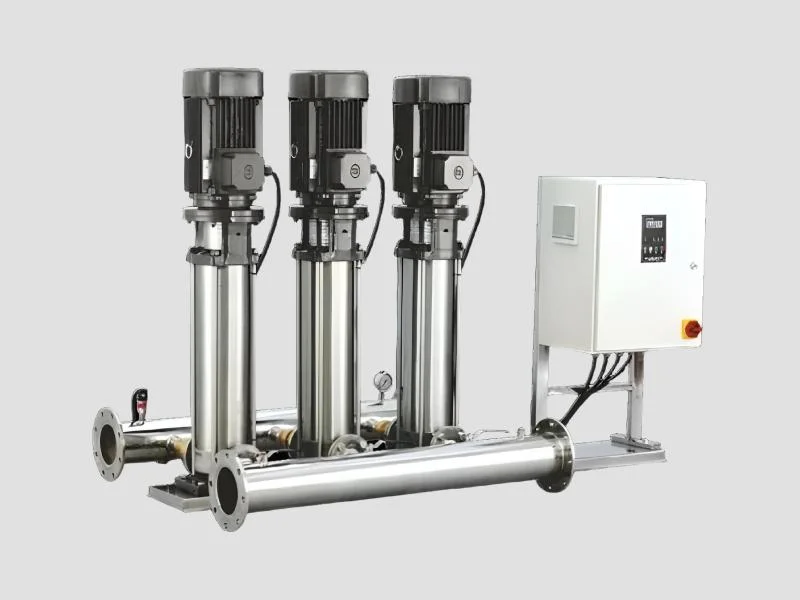
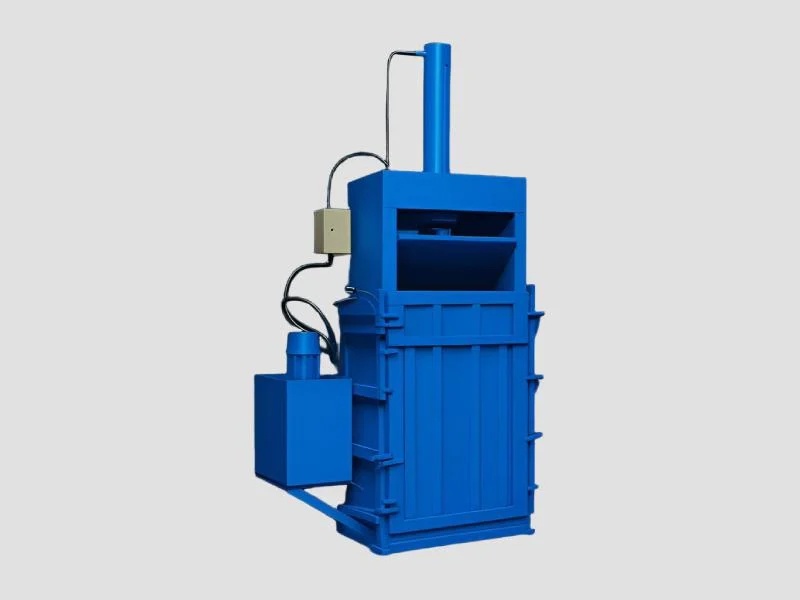
Hydraulic and pneumatic equipment are essential tools used in various industries to transmit power through fluid mechanics. Hydraulic systems utilize pressurized liquids, while pneumatic systems rely on compressed air to create motion and perform work. Both systems operate on the same principle of converting energy into mechanical force, making them integral in achieving tasks that require substantial force or precise control.
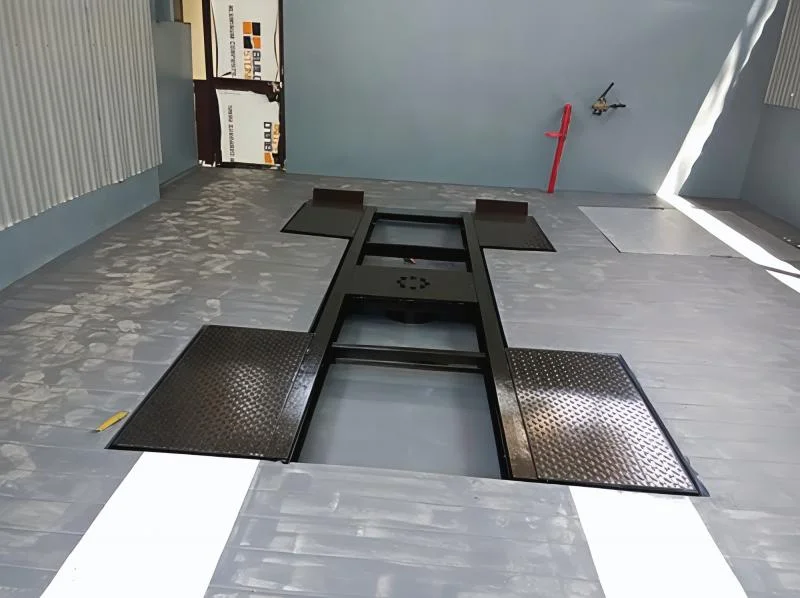
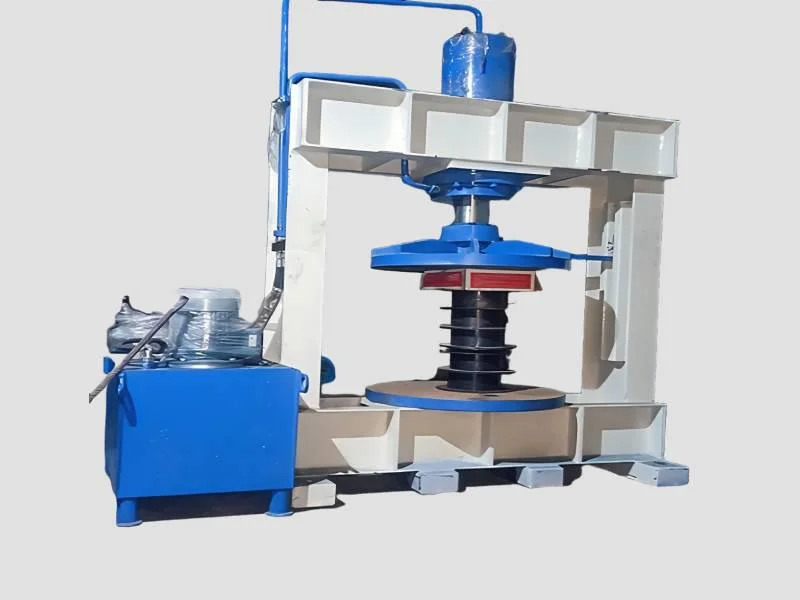
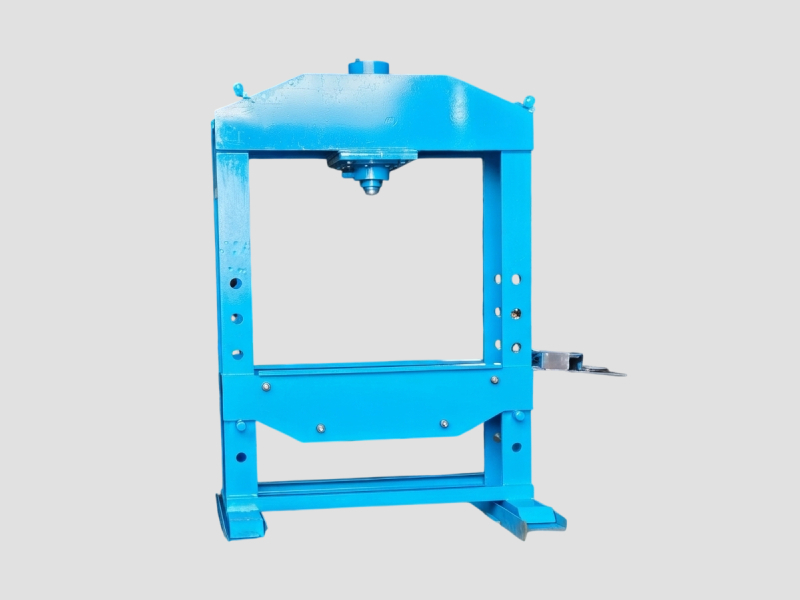
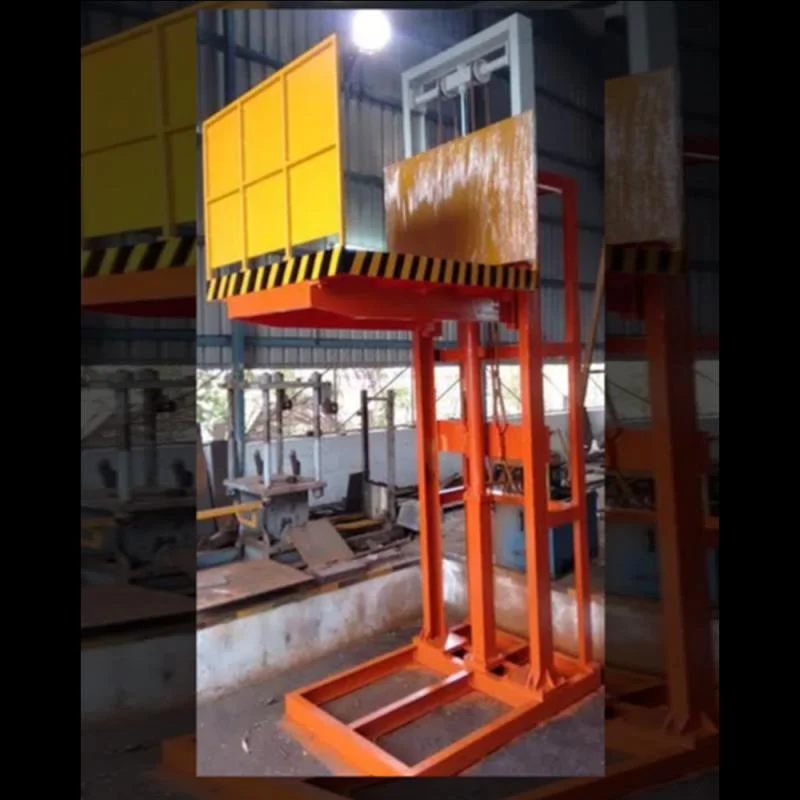
These systems find applications across multiple sectors, including manufacturing, construction, and automotive industries. In manufacturing, hydraulic equipment is commonly used in machinery such as presses, lifts, and conveyors. Pneumatic tools are often employed in assembly lines for tasks like fastening, drilling, and painting. The versatility of hydraulic and pneumatic equipment allows businesses to enhance productivity, improve efficiency, and maintain safety in operations.
The relevance of hydraulic and pneumatic equipment in the market continues to grow, driven by advancements in technology and increasing industrial automation. As industries seek to optimize processes and reduce operational costs, the demand for reliable and efficient hydraulic and pneumatic systems remains significant. This trend underscores the importance of staying updated with the latest innovations and standards in the field.
𝗞𝗲𝘆 𝗙𝗲𝗮𝘁𝘂𝗿𝗲𝘀 𝗮𝗻𝗱 𝗦𝗽𝗲𝗰𝗶𝗳𝗶𝗰𝗮𝘁𝗶𝗼𝗻𝘀
Hydraulic and pneumatic equipment come with a range of features and specifications that define their performance and suitability for various applications. Understanding these specifications is crucial for selecting the right equipment for your business needs.
Key specifications include:
1. Operating Pressure
- The maximum pressure at which the system can operate.
- Typically ranges from 100 to 5000 psi for hydraulic systems.
2. Flow Rate
- The volume of fluid that passes through the system over a specific time.
- Measured in gallons per minute (GPM) or liters per minute (LPM).
3. Cylinder Stroke Length
- The distance the cylinder can extend or retract.
- Common lengths range from 1 to 36 inches.
4. Actuator Type
- Types include single-acting, double-acting, and rotary actuators.
- Choice depends on application requirements.
5. Fluid Compatibility
- Compatibility with hydraulic fluids, lubricants, or other media.
- Important for ensuring system longevity and performance.
6. Temperature Range
- The operational temperature limits for the equipment.
- Generally between -20°C to 80°C for hydraulic systems.
7. Material Construction
- Common materials include steel, aluminum, and composite materials.
- Material choice affects durability and weight.
8. Control Options
- Manual, automatic, or remote control capabilities.
- Enhances versatility in operation.
In summary, understanding the key features and specifications of hydraulic and pneumatic equipment helps businesses make informed purchasing decisions. Proper selection ensures optimal performance tailored to specific operational needs.
𝗖𝗼𝗺𝗺𝗼𝗻 𝗔𝗽𝗽𝗹𝗶𝗰𝗮𝘁𝗶𝗼𝗻𝘀 𝗮𝗻𝗱 𝗨𝘀𝗲 𝗖𝗮𝘀𝗲𝘀
Hydraulic and pneumatic equipment serve a broad spectrum of industries, each with unique applications.
1. Manufacturing: Hydraulic systems power machinery like presses and conveyor systems, while pneumatic tools assist in tasks such as assembly and packaging.
2. Construction: Hydraulic equipment is vital for heavy machinery, including excavators and cranes, providing the necessary force for lifting and moving materials.
3. Automotive: Pneumatic tools are extensively used in automotive assembly lines for tasks like fastening and painting, ensuring efficiency in production.
4. Agriculture: Hydraulic systems are utilized in tractors and harvesters, enabling precise control in farming operations.
5. Aerospace: Pneumatic systems are critical for controlling flight surfaces and landing gear, ensuring safety and performance in aviation.
6. Mining: Hydraulic equipment powers drills and loaders, essential for extracting minerals and resources efficiently.
7. Oil and Gas: Hydraulic systems are used for drilling and extraction processes, playing a crucial role in energy production.
𝗣𝗿𝗼𝗱𝘂𝗰𝘁 𝗩𝗮𝗿𝗶𝗮𝗻𝘁𝘀 𝗮𝗻𝗱 𝗦𝘂𝗯𝗰𝗮𝘁𝗲𝗴𝗼𝗿𝗶𝗲𝘀
Hydraulic and pneumatic equipment includes diverse variants tailored to specific applications and industries.
Hydraulic Pumps
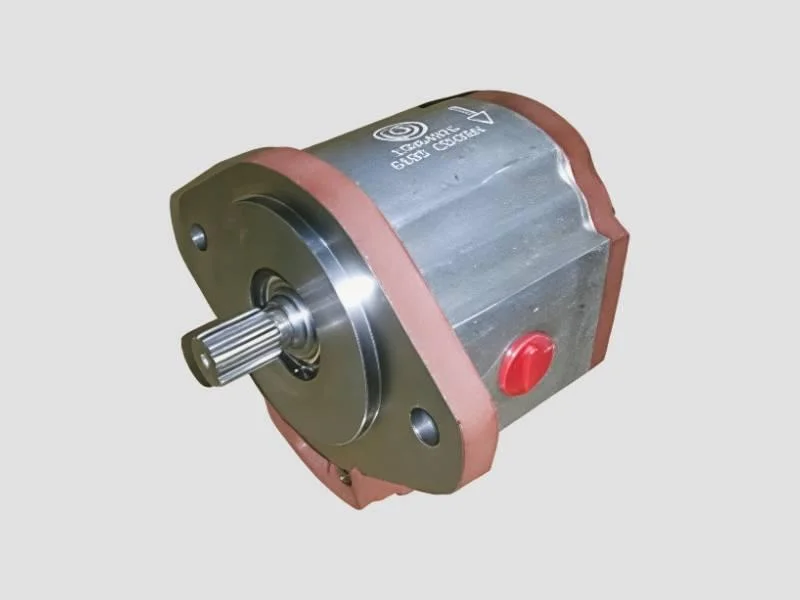
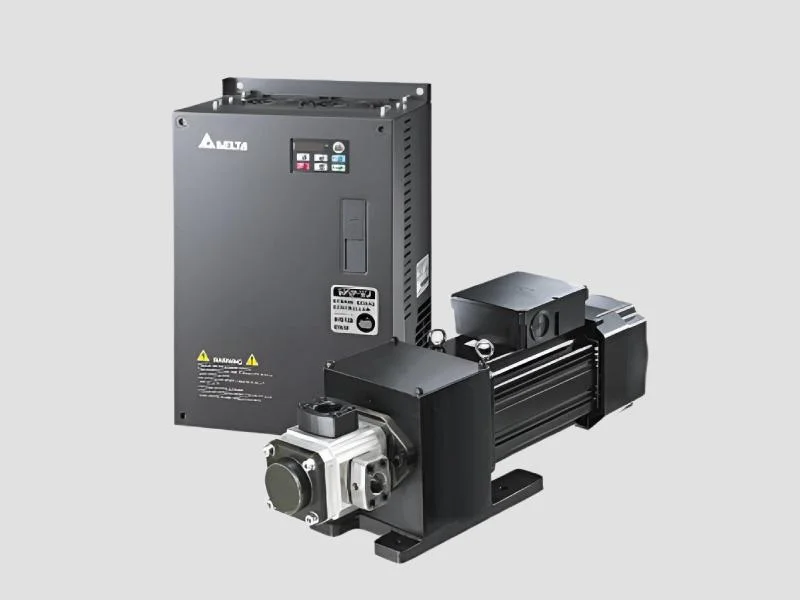
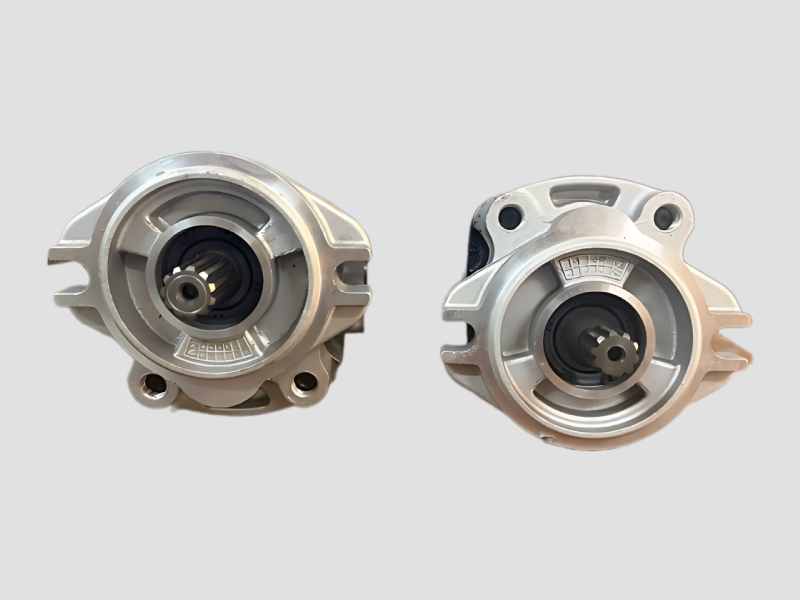
These pumps are designed to convert mechanical energy into hydraulic energy, providing high pressure for various applications. They are available in gear, piston, and vane types, each offering unique benefits for specific tasks.
Pneumatic Cylinders
Pneumatic cylinders are devices that convert compressed air into linear motion. They are commonly used in automation applications, providing precise and rapid movement for tasks such as assembly and material handling.
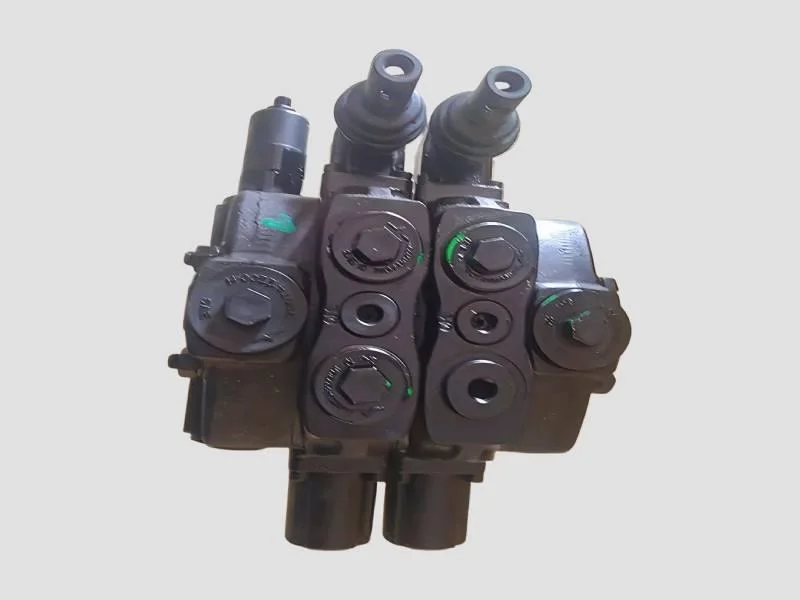
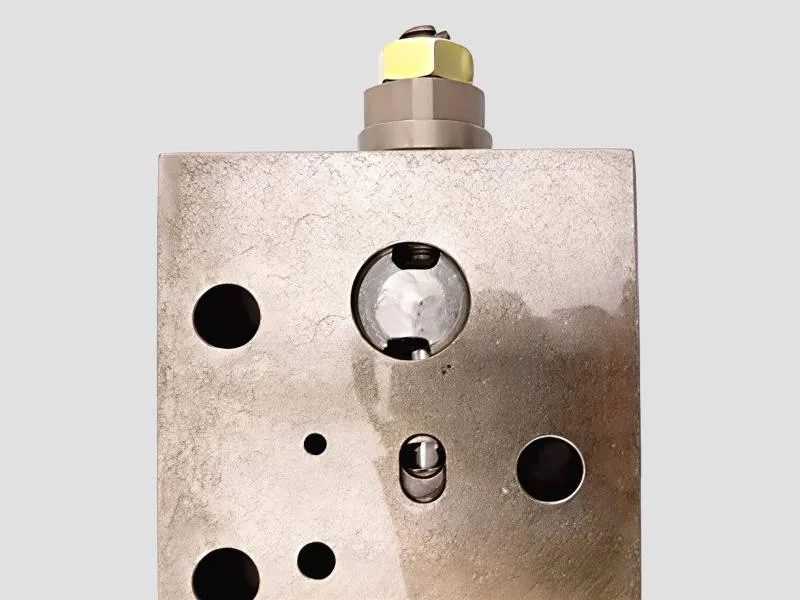
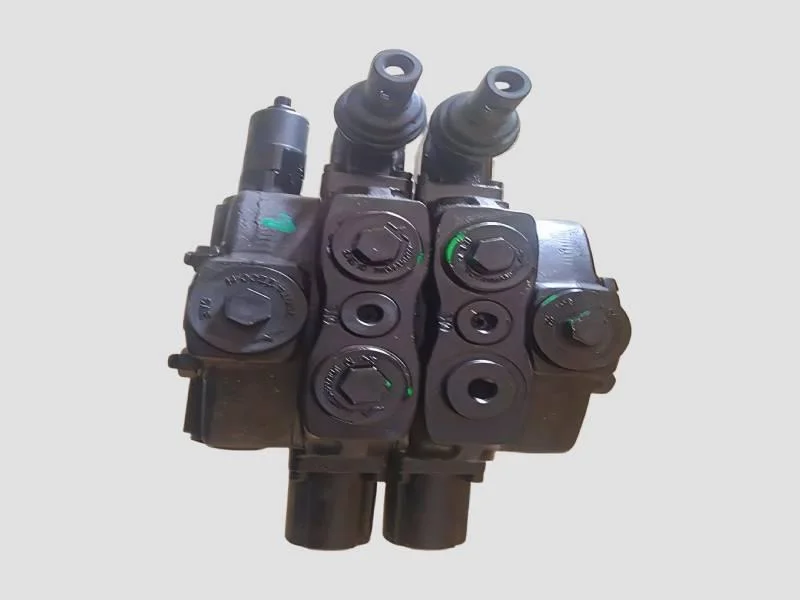
Hydraulic Valves
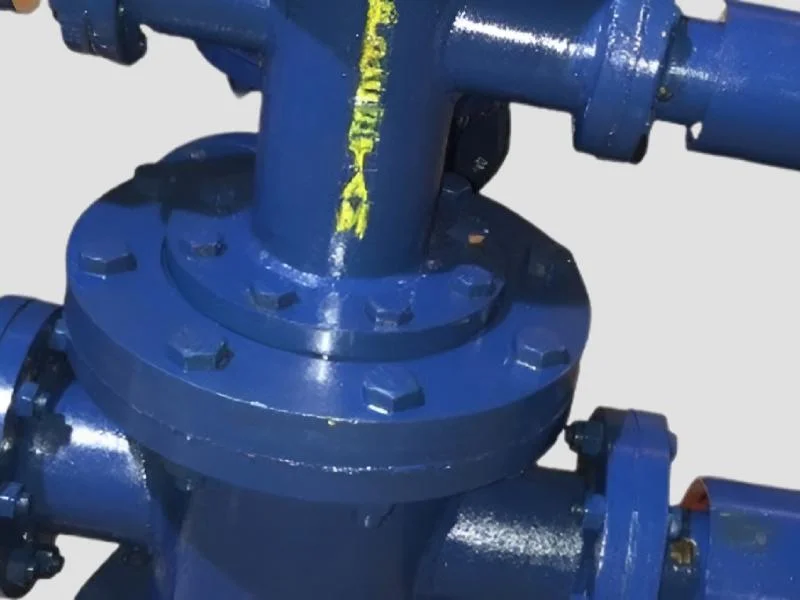
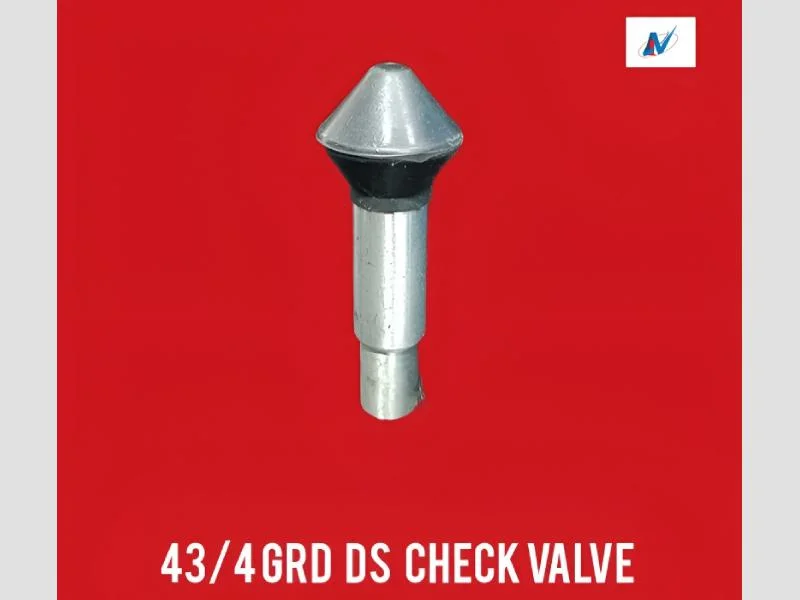
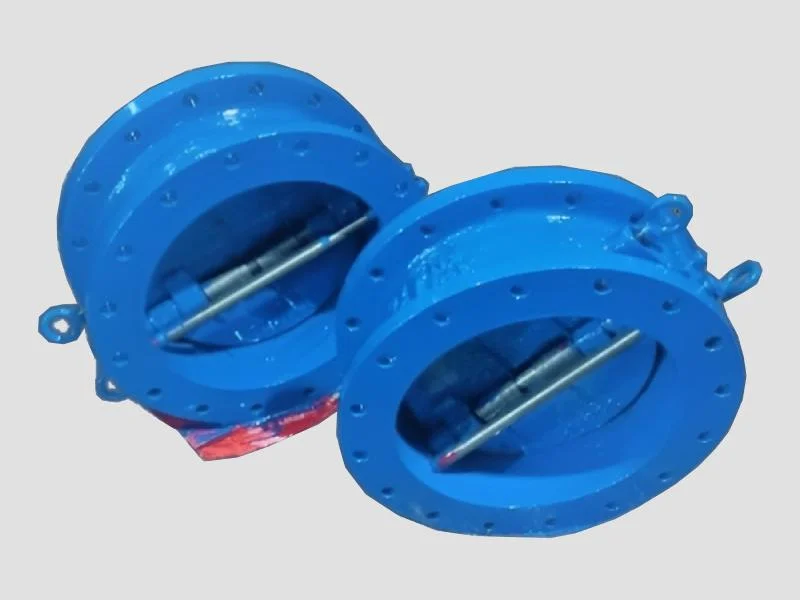
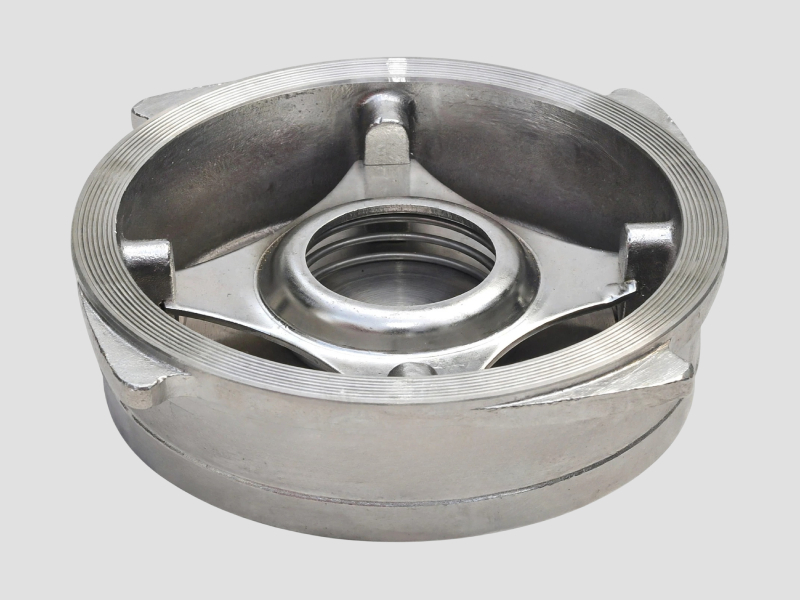
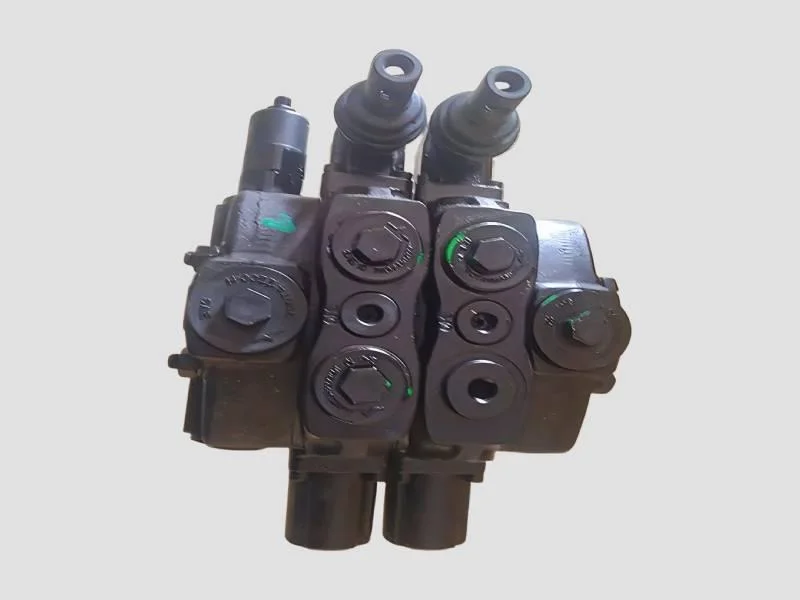
These components control fluid flow and pressure within hydraulic systems. Various types, including directional control valves and pressure relief valves, ensure efficient operation and safety in hydraulic applications.
Pneumatic Fittings
These fittings connect different parts of pneumatic systems, ensuring leak-proof connections. They come in various shapes and sizes, tailored to meet the specific needs of pneumatic applications.
𝗕𝗲𝗻𝗲𝗳𝗶𝘁𝘀 𝗮𝗻𝗱 𝗔𝗱𝘃𝗮𝗻𝘁𝗮𝗴𝗲𝘀
Investing in hydraulic and pneumatic equipment offers numerous advantages for businesses looking to enhance productivity and efficiency.
1. Increased Efficiency: Hydraulic and pneumatic systems can perform tasks more quickly than manual operations, reducing cycle times and improving throughput.
2. Superior Power Output: These systems deliver high force and torque, enabling the handling of heavy loads with ease, which is crucial in industries like construction and manufacturing.
3. Precision Control: Hydraulic and pneumatic equipment allows for fine-tuned control over movement and positioning, enhancing accuracy in various applications.
4. Reduced Labor Costs: Automation through hydraulic and pneumatic systems minimizes the need for manual labor, leading to significant cost savings in operations.
5. Versatility: The ability to adapt to different applications makes hydraulic and pneumatic systems suitable for a wide range of industries, from automotive to aerospace.
6. Safety Features: Many hydraulic and pneumatic systems incorporate safety mechanisms, reducing the risk of accidents and ensuring safe operation in demanding environments.
𝗕𝘂𝘆𝗶𝗻𝗴 𝗚𝘂𝗶𝗱𝗲 𝗳𝗼𝗿 𝗕𝟮𝗕 𝗕𝘂𝘆𝗲𝗿𝘀
When sourcing hydraulic and pneumatic equipment, several considerations are essential for making informed decisions.
1. Quality Assessment: Evaluate the quality of materials and construction methods used in the equipment. Look for certifications that indicate adherence to industry standards.
2. Supplier Verification: Conduct thorough research on potential suppliers. Assess their reputation, customer reviews, and past performance to ensure reliability.
3. Pricing and MOQ: Understand the pricing structure and minimum order quantities (MOQ) required by suppliers. Compare options to find the best value for your investment.
4. Delivery and Lead Times: Inquire about delivery schedules and lead times to ensure timely availability of equipment for your projects. Factor in any potential delays.
5. Compliance Requirements: Familiarize yourself with relevant regulatory requirements that apply to your industry. Ensure that the equipment meets necessary compliance standards to avoid legal issues.
𝗖𝗼𝗺𝗽𝗹𝗶𝗮𝗻𝗰𝗲 𝗮𝗻𝗱 𝗖𝗲𝗿𝘁𝗶𝗳𝗶𝗰𝗮𝘁𝗶𝗼𝗻𝘀
Compliance with industry standards and certifications is critical for hydraulic and pneumatic equipment. Relevant quality standards such as ISO 9001 ensure that products meet consistent quality management principles. Other industry certifications like UL and CE indicate that equipment meets safety and performance criteria, providing assurance to buyers.
Safety and testing requirements are paramount in ensuring that hydraulic and pneumatic equipment operates safely in various environments. Regular testing and adherence to established protocols help mitigate risks associated with equipment failure.
Regional compliance considerations are also vital, as different regions may have specific regulations governing the use of hydraulic and pneumatic systems. Understanding these requirements ensures that businesses remain compliant and avoid penalties.
𝗪𝗵𝘆 𝗦𝗼𝘂𝗿𝗰𝗲 𝗛𝘆𝗱𝗿𝗮𝘂𝗹𝗶𝗰 & 𝗣𝗻𝗲𝘂𝗺𝗮𝘁𝗶𝗰 𝗘𝗾𝘂𝗶𝗽𝗺𝗲𝗻𝘁 𝗳𝗿𝗼𝗺 𝗣𝗲𝗽𝗮𝗴𝗼𝗿𝗮?
Pepagora offers a trusted platform for sourcing hydraulic and pneumatic equipment, providing numerous advantages for B2B buyers.
Verified Supplier Network: Pepagora connects buyers with a network of verified suppliers, ensuring that all listed products meet high standards of quality and reliability. This network fosters trust and transparency in the sourcing process.
Streamlined RFQ Process: The request for quotation (RFQ) system simplifies the procurement process, allowing buyers to easily compare quotes from multiple suppliers. This efficiency leads to better decision-making and cost management.
Trade Assurance and Support: Pepagora provides trade assurance, protecting buyers from potential risks associated with purchasing equipment. The platform offers support throughout the sourcing process, ensuring a smooth experience.
Regional Coverage: With a strong presence in India, the GCC, and Southeast Asia, Pepagora facilitates access to hydraulic and pneumatic equipment across diverse markets. This geographic reach ensures that buyers can find the right products to meet their operational needs.

 IN
IN