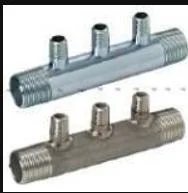
What are Hydraulic Manifolds?
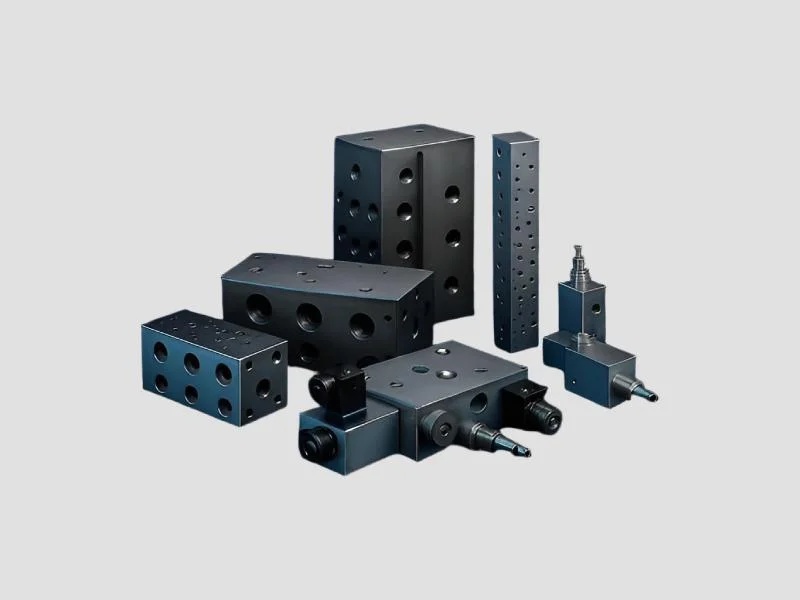
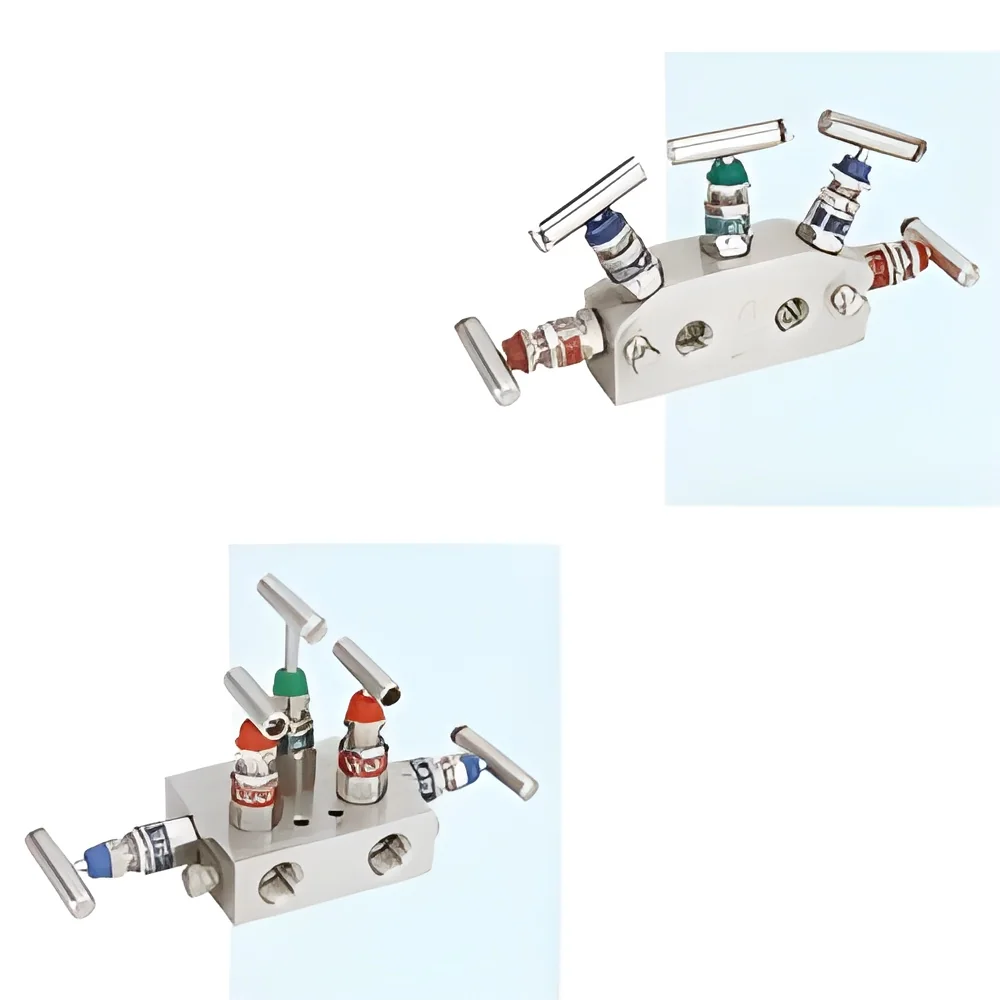
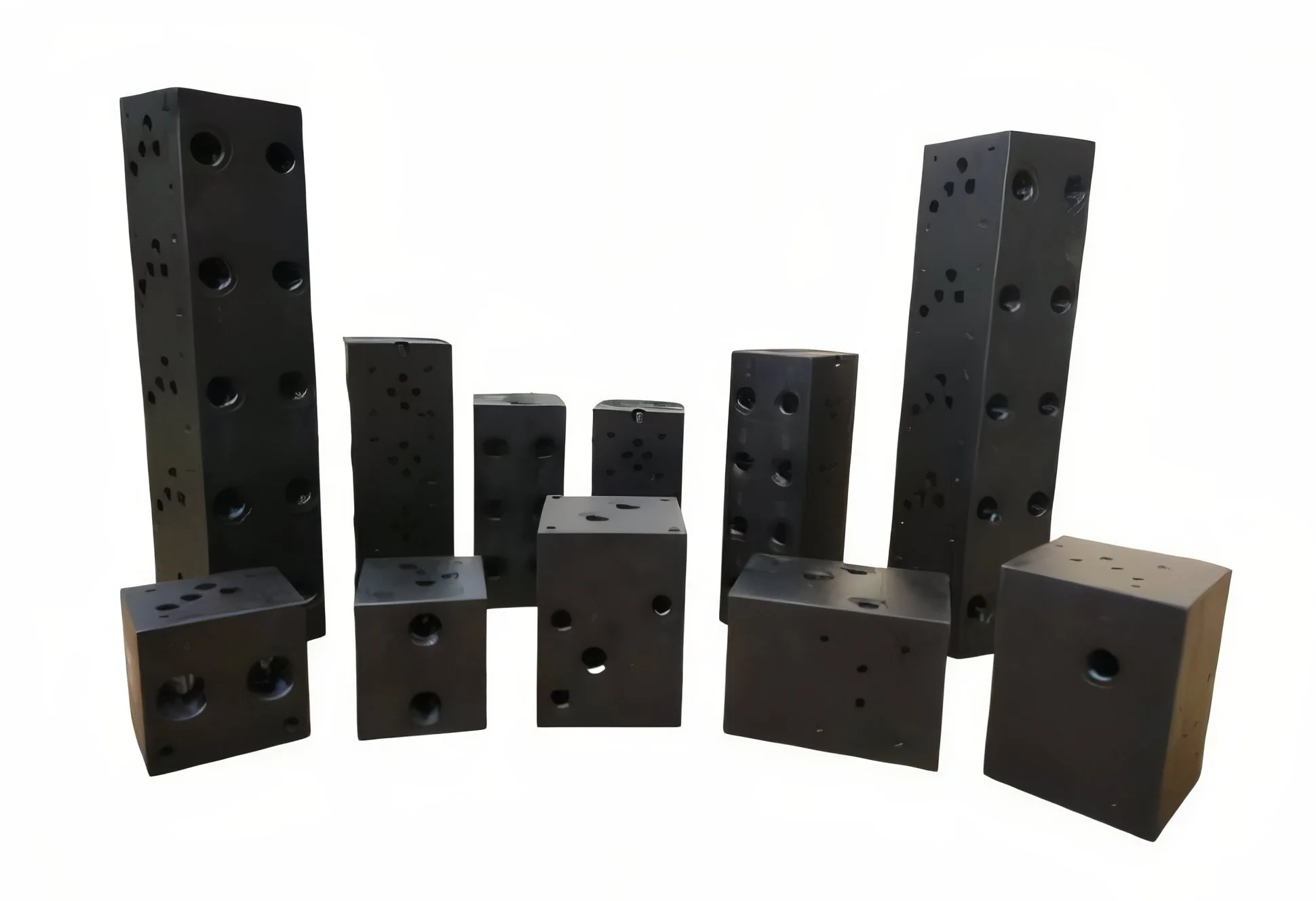
Hydraulic manifolds are integral components in hydraulic systems, designed to control fluid flow and pressure. These devices serve as a central hub where multiple hydraulic lines converge, allowing for the efficient management of hydraulic circuits. By directing hydraulic fluid to various actuators, such as cylinders and motors, hydraulic manifolds play a crucial role in the overall functionality and performance of hydraulic machinery.
These components are widely used across various industries, including manufacturing, construction, and agriculture. Hydraulic manifolds are essential in applications where precise control over hydraulic systems is required. They help simplify installations by reducing the number of hoses and connections needed, which in turn minimizes the risk of leaks and failures. As industries continue to evolve, hydraulic manifolds remain relevant due to their adaptability and efficiency in managing hydraulic systems.
Key Features and Specifications
Hydraulic manifolds come with a range of features and specifications that make them suitable for diverse applications. Understanding these specifications is essential for selecting the right product to meet specific operational needs.
Key specifications include:
1. Flow Capacity
- Measured in liters per minute (LPM)
- Determines the amount of hydraulic fluid that can pass through the manifold
2. Pressure Rating
- Typically ranges from 150 to 5000 psi
- Indicates the maximum pressure the manifold can withstand safely
3. Material Composition
- Commonly made from aluminum, steel, or composite materials
- Affects durability and weight of the manifold
4. Port Size
- Available in various sizes, such as 1/4", 3/8", and 1/2"
- Ensures compatibility with hydraulic hoses and fittings
5. Temperature Range
- Operating range typically from -20 to 120 degrees Celsius
- Important for ensuring performance in varying environments
6. Flow Direction
- Can be configured for bi-directional or unidirectional flow
- Affects the design of the hydraulic system
7. Mounting Options
- Includes flange, threaded, or manifold base mounting
- Facilitates installation in different setups
8. Customization
- Many manufacturers offer custom designs
- Tailored to meet specific application requirements
In summary, hydraulic manifolds are characterized by their flow capacity, pressure rating, material composition, and other key specifications. These features are critical for ensuring optimal performance in hydraulic systems.
Common Applications and Use Cases
Hydraulic manifolds are utilized across various industries, providing tailored solutions for specific operational requirements.
1. Manufacturing: Hydraulic manifolds are used in automated machinery to control the movement of robotic arms and conveyor systems. This ensures precise operation and enhanced productivity.
2. Construction: In heavy machinery like excavators and loaders, hydraulic manifolds manage the flow of hydraulic fluid, enabling effective lifting and digging operations.
3. Agriculture: These components are essential in agricultural equipment, such as tractors and harvesters, where they control hydraulic functions for attachments and implements.
4. Automotive: Hydraulic manifolds are found in hydraulic brake systems, providing the necessary pressure control for safe vehicle operation.
5. Marine: In marine applications, hydraulic manifolds manage steering and propulsion systems, ensuring reliable performance in challenging environments.
6. Aerospace: Hydraulic manifolds play a critical role in aircraft systems, controlling landing gear and other essential components.
7. Energy: In power generation facilities, hydraulic manifolds are used in turbine control systems, enhancing efficiency and safety.
Product Variants and Subcategories
Hydraulic manifolds come in various designs to cater to different applications and needs.
Standard Manifolds: These are designed for general-purpose use and can handle a wide range of pressures and flow rates. They are ideal for standard hydraulic applications across multiple industries.
Custom Manifolds: Tailored to specific requirements, custom manifolds can be designed to fit unique specifications and applications. This includes modifications in size, port configuration, and flow direction.
Modular Manifolds: These allow for easy expansion and modification of hydraulic systems. Modular designs enable users to add or remove components as needed, providing flexibility in system management.
Compact Manifolds: Suitable for applications where space is limited, these manifolds are designed to be lightweight and compact while maintaining performance standards.
Benefits and Advantages
Hydraulic manifolds offer several essential benefits for industrial applications.
1. Improved Efficiency: By consolidating multiple hydraulic lines into one unit, hydraulic manifolds reduce the complexity of hydraulic systems, leading to better fluid management.
2. Reduced Risk of Leaks: Fewer connections mean a lower likelihood of leaks, enhancing system reliability and reducing maintenance costs.
3. Space Savings: Compact designs save valuable space in machinery and installations, allowing for more efficient use of available area.
4. Simplified Maintenance: With fewer components to check and maintain, troubleshooting and repairs become easier and faster.
5. Enhanced Control: Hydraulic manifolds provide precise control over fluid flow and pressure, improving the overall performance of hydraulic systems.
6. Customization Options: The ability to customize manifolds allows businesses to tailor solutions to their specific needs, ensuring optimal functionality.
Buying Guide for B2B Buyers
When sourcing hydraulic manifolds, it is crucial for buyers to consider several important factors to ensure they select the right product for their needs.
1. Quality Assessment: Evaluate the quality of materials and construction. Look for manufacturers that adhere to recognized quality standards to ensure durability and reliability.
2. Supplier Verification: Vet suppliers to ensure they have a solid reputation and experience in producing hydraulic components. Check for certifications and customer reviews.
3. Pricing and MOQ: Consider pricing structures and minimum order quantities. Balancing cost with quality is essential for long-term investment.
4. Delivery and Lead Times: Assess logistics capabilities and lead times. Timely delivery is crucial for maintaining project schedules.
5. Compliance Requirements: Ensure that the hydraulic manifolds meet industry regulations and safety standards. Check for necessary certifications such as CE and UL.
Compliance and Certifications
Hydraulic manifolds must adhere to various quality standards and certifications to ensure safety and reliability in industrial applications.
ISO 9001 is a key standard that outlines quality management system requirements, ensuring that manufacturers maintain consistent quality in their products. Compliance with this standard indicates a commitment to quality and customer satisfaction.
Additionally, certifications like CE and UL demonstrate that hydraulic manifolds meet specific safety and performance criteria. These certifications are vital for ensuring that the products are safe for use in their intended applications.
Manufacturers must also meet safety and testing requirements to ensure their products can withstand operational demands. This includes rigorous testing to verify performance under various conditions.
Finally, regional compliance considerations may vary depending on the market. Buyers should ensure that the hydraulic manifolds they source comply with local regulations to avoid issues in deployment.
Why Source Hydraulic Manifolds from Pepagora?
Pepagora provides a trusted platform for sourcing hydraulic manifolds, offering several key advantages to B2B buyers.
Verified Supplier Network: Pepagora connects buyers with a network of verified suppliers, ensuring that each manufacturer meets high standards for quality and reliability. This reduces the risk associated with sourcing components.
Streamlined RFQ Process: The Request for Quotation (RFQ) process on Pepagora is designed to be user-friendly, allowing buyers to easily compare quotes from multiple suppliers. This transparency helps buyers make informed purchasing decisions.
Trade Assurance and Support: Pepagora offers trade assurance, providing buyers with protection against potential disputes. This support fosters trust and confidence in transactions.
Regional Coverage: With a strong presence in India, the GCC, and Southeast Asia, Pepagora serves a wide geographic area. This allows buyers to access local suppliers while benefiting from competitive pricing and quick delivery times.

 IN
IN