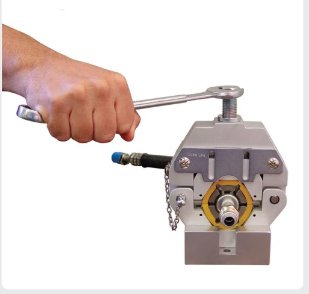
𝗪𝗵𝗮𝘁 𝗮𝗿𝗲 𝗛𝘆𝗱𝗿𝗮𝘂𝗹𝗶𝗰 𝗛𝗼𝘀𝗲 𝗖𝗿𝗶𝗺𝗽𝗶𝗻𝗴 𝗠𝗮𝗰𝗵𝗶𝗻𝗲𝘀?
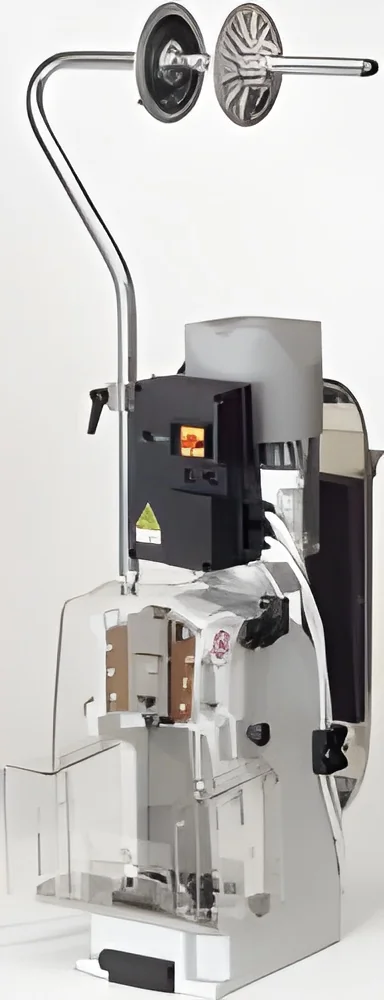
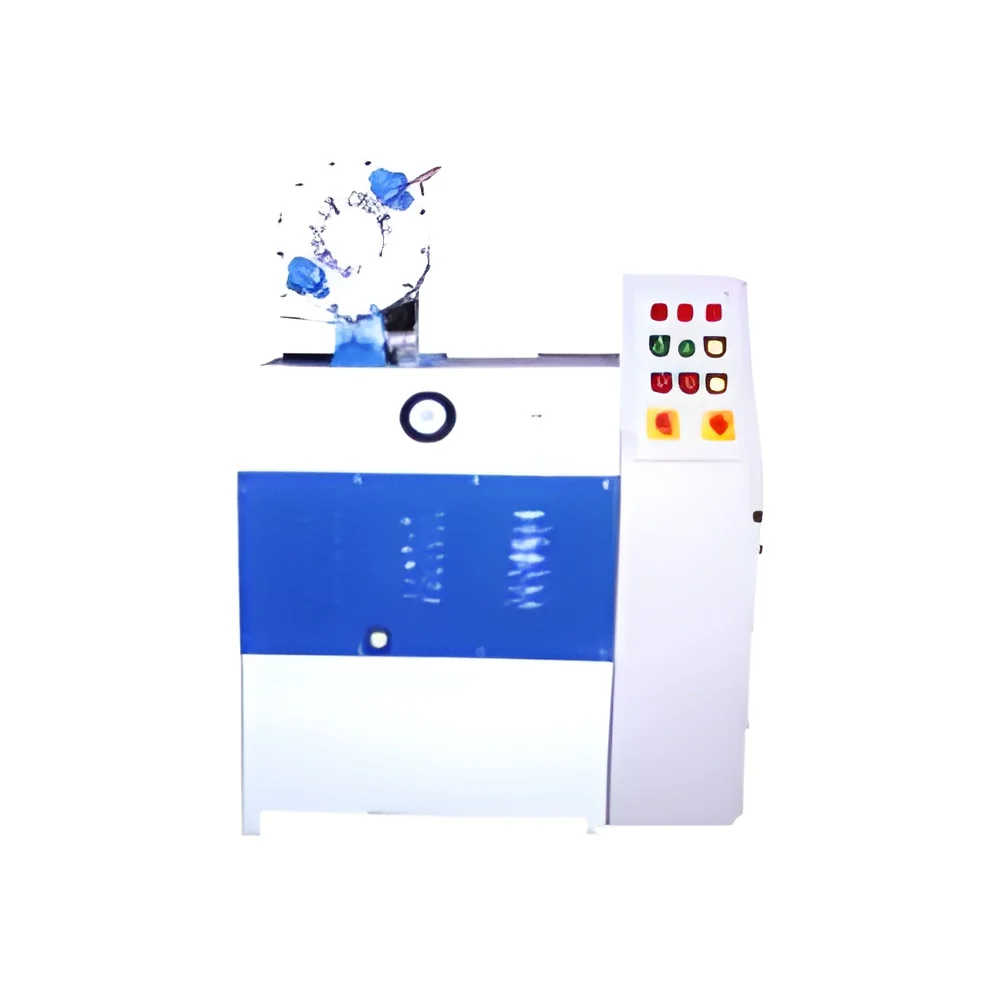
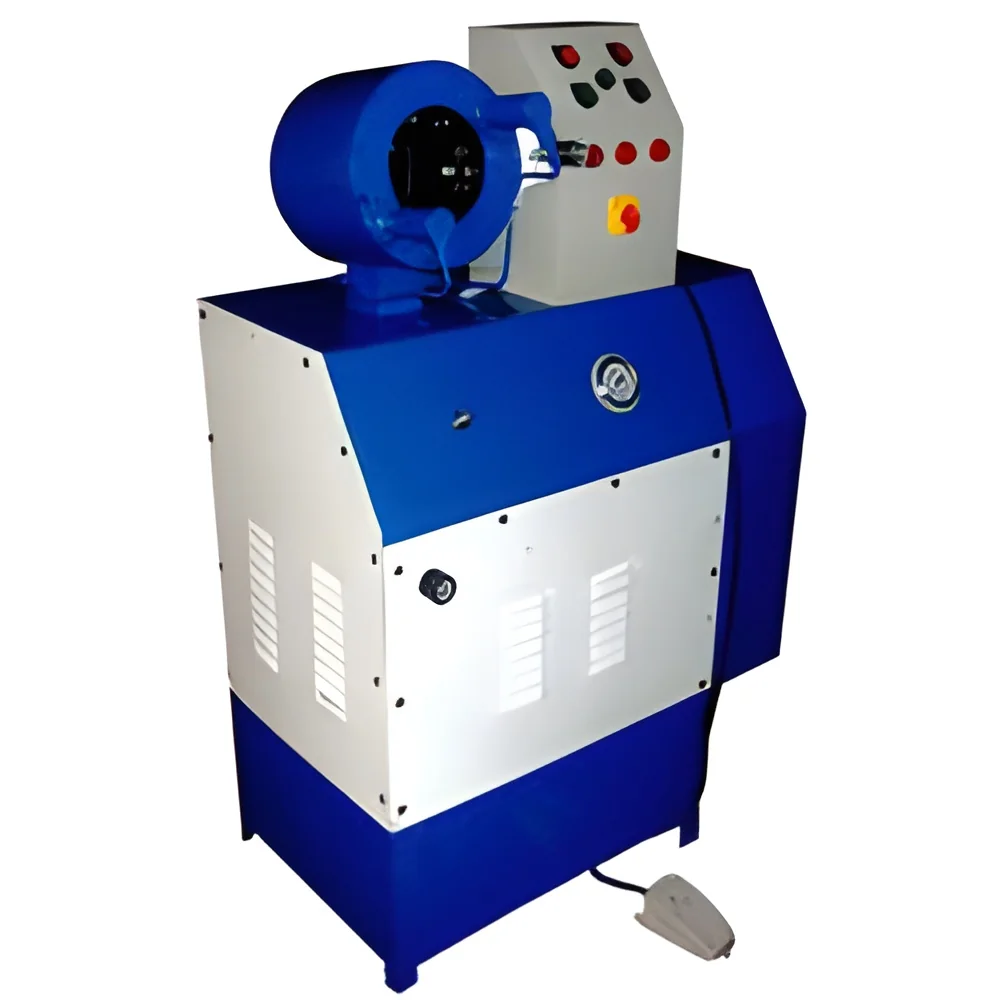
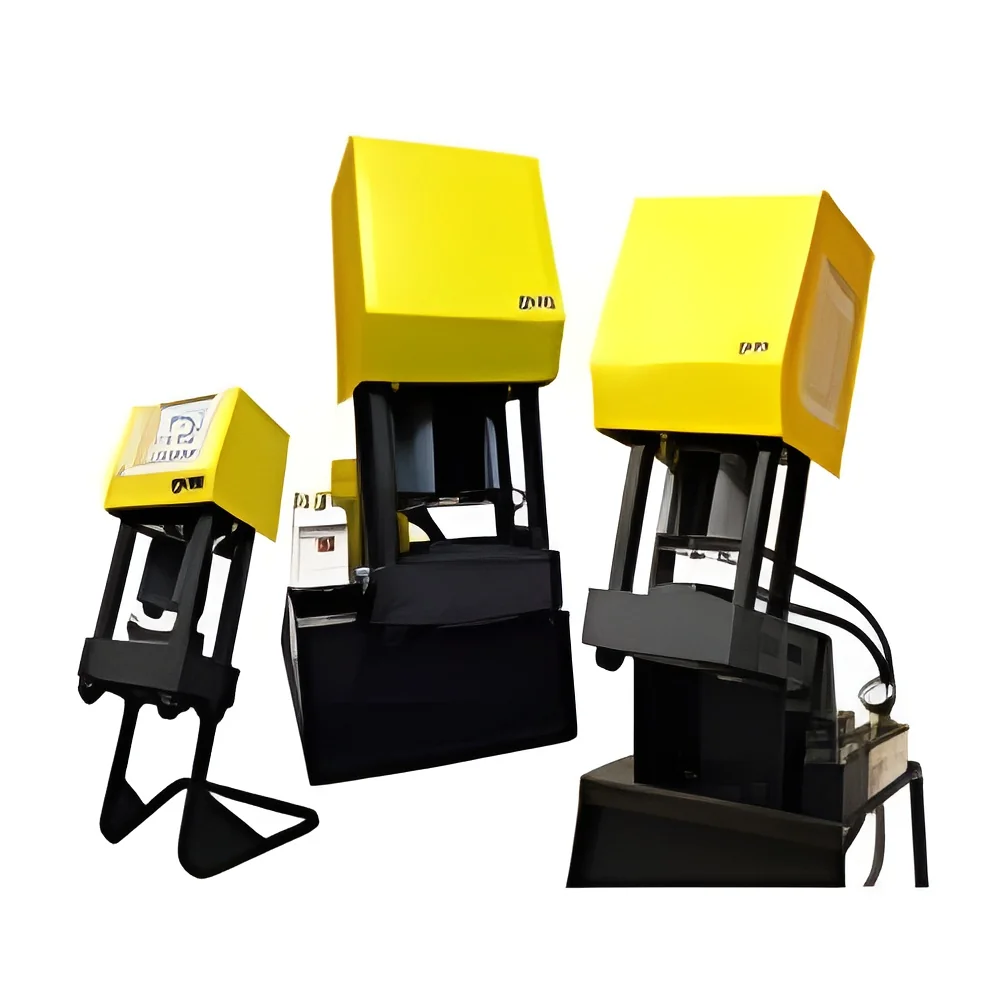
Hydraulic hose crimping machines are specialized tools designed to attach fittings to hydraulic hoses by compressing the hose and fitting together. This process, known as crimping, ensures a secure and leak-proof connection essential for hydraulic systems. These machines can vary in size and functionality, catering to different operational needs and hose specifications.
Primarily, hydraulic hose crimping machines are used in industries that rely on hydraulic systems, such as construction, manufacturing, and automotive sectors. They are essential for creating reliable connections in hydraulic lines, which are crucial for the efficient operation of machinery and equipment. The ability to produce consistent and high-quality crimps makes these machines indispensable in maintaining the safety and reliability of hydraulic systems.
In the context of the market, the demand for hydraulic hose crimping machines has increased due to the growth of industries utilizing hydraulic technology. As businesses expand, the need for reliable and efficient crimping solutions becomes critical, driving innovation and advancements in machine design and functionality.
𝗞𝗲𝘆 𝗙𝗲𝗮𝘁𝘂𝗿𝗲𝘀 𝗮𝗻𝗱 𝗦𝗽𝗲𝗰𝗶𝗳𝗶𝗰𝗮𝘁𝗶𝗼𝗻𝘀
Hydraulic hose crimping machines come equipped with various features that enhance their performance and usability. It is essential for potential buyers to understand these features to make informed decisions.
Key specifications include:
1. Crimping Force
- Determines the maximum pressure the machine can exert to crimp hoses.
- Typical ranges may vary from 50 to 200 tons.
2. Crimping Diameter Range
- Specifies the diameter sizes the machine can accommodate for hose fittings.
- Commonly covers sizes from 1/4 inch to 2 inches.
3. Control System
- Includes manual or automatic controls for ease of operation.
- Advanced models may feature digital displays for precise settings.
4. Power Source
- Machines may be hydraulic, electric, or pneumatic, depending on operational requirements.
- Electric models are often preferred for their efficiency.
5. Speed of Operation
- Refers to how quickly the machine can complete a crimping cycle.
- High-speed models can complete cycles in under a minute.
6. Construction Material
- Indicates the durability and longevity of the machine.
- Heavy-duty steel construction is common for industrial-grade machines.
7. Portability
- Highlights whether the machine is stationary or mobile.
- Portable models are often lighter and come with wheels for easy transport.
8. Safety Features
- Includes emergency stop buttons and safety guards to protect operators.
- Compliance with safety standards is crucial for industrial environments.
These features collectively contribute to the efficiency, safety, and reliability of hydraulic hose crimping machines in various applications.
𝗖𝗼𝗺𝗺𝗼𝗻 𝗔𝗽𝗽𝗹𝗶𝗰𝗮𝘁𝗶𝗼𝗻𝘀 𝗮𝗻𝗱 𝗨𝘀𝗲 𝗖𝗮𝘀𝗲𝘀
Hydraulic hose crimping machines serve several industries and applications, making them versatile tools in the manufacturing process.
1. Construction: In construction, these machines are used to assemble hydraulic hoses for heavy machinery like excavators and bulldozers. Reliable connections are critical for the safe operation of equipment under demanding conditions.
2. Automotive: The automotive industry utilizes crimping machines for creating hydraulic lines in vehicles, ensuring efficient transmission of power and fluid through braking and steering systems.
3. Agriculture: Hydraulic hoses are vital in agricultural machinery, including tractors and harvesters. Crimping machines support the production of durable hoses that withstand the rigors of fieldwork.
4. Manufacturing: Various manufacturing processes require hydraulic systems, making hose crimping machines essential for maintaining production line efficiency and safety.
5. Marine: In the marine industry, these machines are used to create hoses for boats and ships, ensuring reliable performance in harsh marine environments.
6. Mining: Hydraulic systems in mining equipment rely on robust hoses, and crimping machines are crucial for maintaining these connections under extreme conditions.
7. Oil and Gas: The oil and gas industry requires dependable hydraulic hoses for drilling and extraction equipment, making crimping machines essential for operational reliability.
𝗣𝗿𝗼𝗱𝘂𝗰𝘁 𝗩𝗮𝗿𝗶𝗮𝗻𝘁𝘀 𝗮𝗻𝗱 𝗦𝘂𝗯𝗰𝗮𝘁𝗲𝗴𝗼𝗿𝗶𝗲𝘀
Hydraulic hose crimping machines come in various designs to suit specific operational needs. Each variant offers unique features tailored to different applications.
Portable Crimping Machine
This variant is designed for mobility, allowing operators to use it in various locations. It typically features a lightweight design and easy setup, ideal for fieldwork.
Bench-mounted Crimping Machine
These machines offer stability and are designed for use in workshops. They provide high crimping force and are suitable for high-volume production.
Semi-automatic Crimping Machine
This variant combines manual operation with automated features, increasing efficiency while allowing operator control over the crimping process.
Fully Automatic Crimping Machine
These machines automate the entire crimping process, significantly enhancing productivity. They are ideal for high-demand environments where speed and consistency are crucial.
𝗕𝗲𝗻𝗲𝗳𝗶𝘁𝘀 𝗮𝗻𝗱 𝗔𝗱𝘃𝗮𝗻𝘁𝗮𝗴𝗲𝘀
Investing in hydraulic hose crimping machines offers numerous advantages for businesses in various industries.
1. Enhanced Safety: Reliable crimping ensures secure connections, reducing the risk of leaks and failures in hydraulic systems.
2. Increased Efficiency: Automated and semi-automated machines improve production speed, allowing businesses to meet higher demand levels.
3. Cost Savings: High-quality crimping reduces the likelihood of costly repairs and downtime associated with hydraulic failures.
4. Versatility: These machines are adaptable to various hose sizes and types, making them suitable for multiple applications across industries.
5. Improved Quality Control: Consistent crimping results in better performance of hydraulic systems, leading to enhanced overall product quality.
6. Reduced Labor Costs: By automating parts of the crimping process, businesses can lower labor costs and allocate resources more effectively.
𝗕𝘂𝘆𝗶𝗻𝗴 𝗚𝘂𝗶𝗱𝗲 𝗳𝗼𝗿 𝗕𝟮𝗕 𝗕𝘂𝘆𝗲𝗿𝘀
When sourcing hydraulic hose crimping machines, several factors must be considered to ensure a suitable purchase.
1. Quality Assessment: Evaluate the build quality and materials used in the machine. Look for manufacturers that adhere to industry standards to ensure longevity and reliability.
2. Supplier Verification: Ensure suppliers have a good reputation and provide documentation for their machines' performance and quality. Check for customer reviews and case studies.
3. Pricing and MOQ: Consider the machine's cost relative to your budget and the minimum order quantity. Ensure that the pricing aligns with your operational needs and expected return on investment.
4. Delivery and Lead Times: Inquire about the delivery schedule and lead times to avoid disruptions in your production process. Timely delivery is crucial for maintaining operational efficiency.
5. Compliance Requirements: Ensure the machines comply with relevant safety and quality standards. Check for certifications such as CE or UL, which indicate adherence to industry regulations.
𝗖𝗼𝗺𝗽𝗹𝗶𝗮𝗻𝗰𝗲 𝗮𝗻𝗱 𝗖𝗲𝗿𝘁𝗶𝗳𝗶𝗰𝗮𝘁𝗶𝗼𝗻𝘀
Hydraulic hose crimping machines must meet specific compliance and certification standards to ensure safety and operational reliability.
Quality standards such as ISO 9001 are essential for manufacturers, ensuring that products meet consistent quality benchmarks. Additionally, industry certifications like CE and UL are crucial for demonstrating compliance with safety regulations in various markets.
Safety and testing requirements are also vital. Machines should undergo rigorous testing to guarantee their performance under different conditions. This can include assessments for durability, reliability, and operational safety.
Furthermore, regional compliance considerations must be taken into account, as different regions may have specific regulatory requirements. Understanding these regulations is key to ensuring the machines are suitable for your operational environment.
𝗪𝗵𝘆 𝗦𝗼𝘂𝗿𝗰𝗲 𝗛𝘆𝗱𝗿𝗮𝘂𝗹𝗶𝗰 𝗛𝗼𝘀𝗲 𝗖𝗿𝗶𝗺𝗽𝗶𝗻𝗴 𝗠𝗮𝗰𝗵𝗶𝗻𝗲𝘀 𝗳𝗿𝗼𝗺 𝗣𝗲𝗽𝗮𝗴𝗼𝗿𝗮?
Pepagora offers a reliable platform for sourcing hydraulic hose crimping machines, providing numerous advantages to buyers.
Verified Supplier Network: Pepagora ensures that all suppliers within their network are thoroughly vetted. This guarantees that buyers can trust the quality and reliability of the products they purchase.
Streamlined RFQ Process: The request for quotation (RFQ) process on Pepagora is designed to be efficient, allowing buyers to receive multiple quotes from different suppliers quickly. This simplifies decision-making and enhances procurement efficiency.
Trade Assurance and Support: Pepagora provides trade assurance, offering buyers protection through various support mechanisms. This creates a secure environment for transactions, fostering confidence in sourcing decisions.
Regional Coverage: With a focus on regions including India, GCC, and Southeast Asia, Pepagora ensures that buyers have access to a wide range of suppliers capable of meeting diverse needs. Their geographical reach enhances market accessibility for businesses looking to source hydraulic hose crimping machines.

 IN
IN