Key Features and Specifications
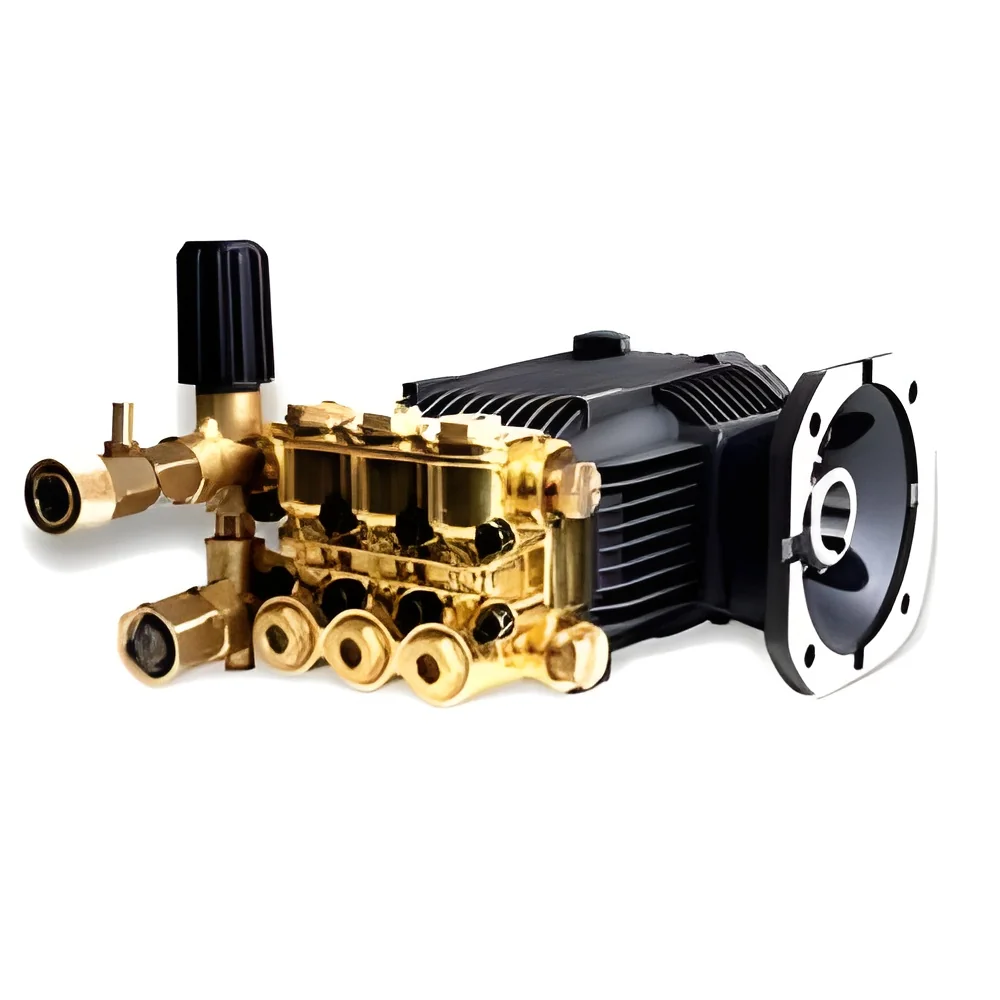
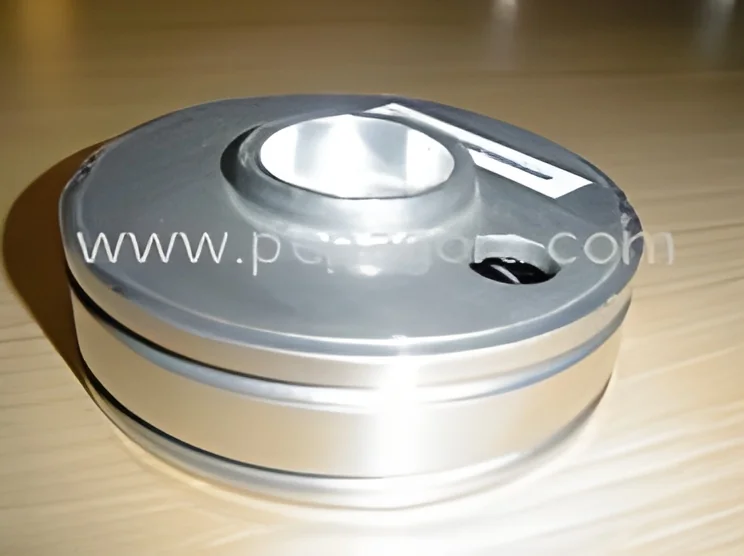
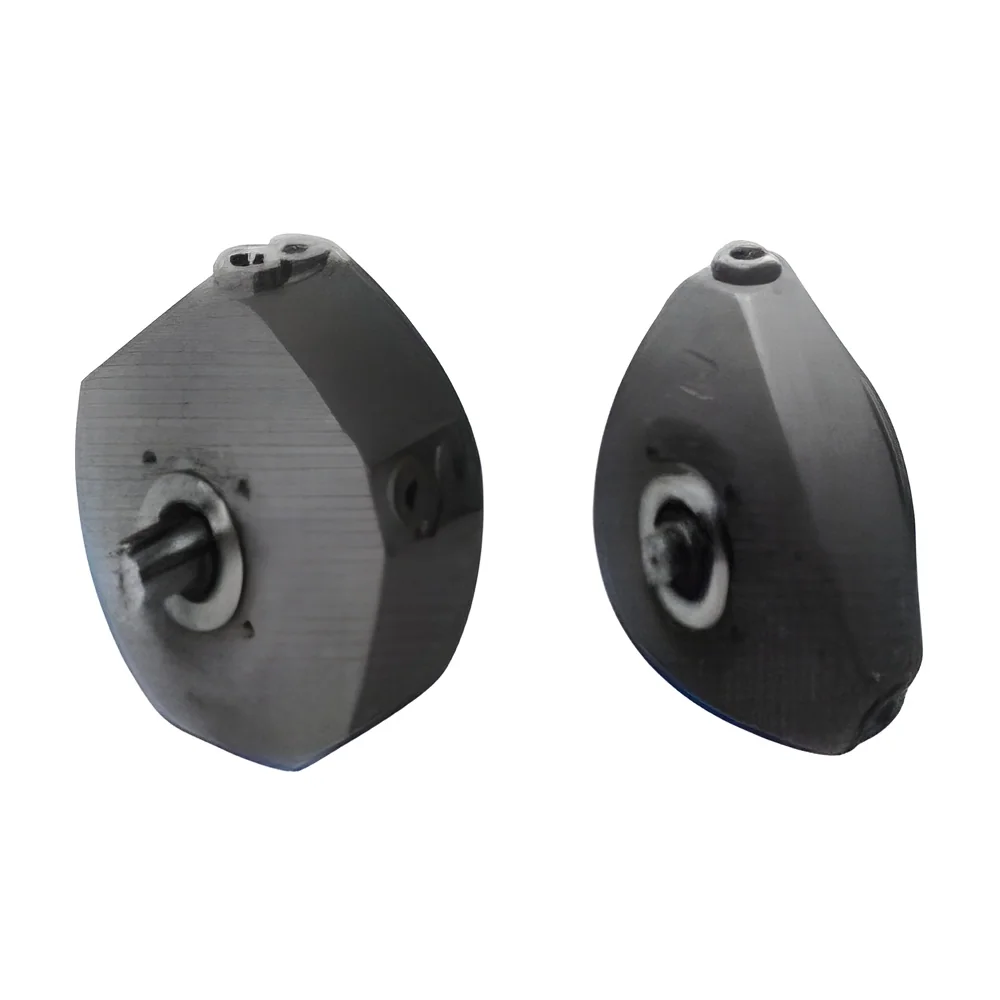
Piston pumps (axial and radial) come with several key features that enhance their performance and adaptability. Understanding these specifications is vital for selecting the right pump for specific applications.
Key specifications include:
1. Displacement Volume
- This refers to the volume of fluid moved per stroke.
- Ranges typically from a few milliliters to several liters, depending on the pump design.
2. Maximum Pressure
- The maximum pressure the pump can withstand without failure.
- Commonly ranges from 10 bar to over 700 bar for industrial applications.
3. Flow Rate
- The volume of fluid delivered over a specified time.
- Flow rates can vary widely, typically from under 1 liter per minute to several hundred liters per minute.
4. Efficiency Rating
- Indicates the pump’s ability to convert input energy into hydraulic energy.
- Efficiency ratings are usually between 80% to 95%.
5. Operating Temperature Range
- The temperature range within which the pump can safely operate.
- Data not available for specific ranges.
6. Material Construction
- Piston pumps are constructed with materials like aluminum, stainless steel, or cast iron for durability.
- Material choice affects corrosion resistance and longevity.
7. Mounting Options
- Various mounting configurations available for ease of integration.
- Options include flange, foot, or bracket mounting.
8. Noise Level
- The operational noise produced by the pump.
- Typically ranges from 60 dBA to 80 dBA, depending on design and application.
These features highlight the versatility and performance of piston pumps, allowing them to be tailored to meet specific operational requirements.
Common Applications and Use Cases
Piston pumps find applications across a broad spectrum of industries, showcasing their versatility in various scenarios.
1. Automotive Industry: Piston pumps are commonly used in hydraulic systems for power steering, brake systems, and fuel injection, ensuring optimal performance and safety.
2. Construction Equipment: These pumps are essential in machinery such as excavators and loaders, where they provide hydraulic power for lifting and moving heavy materials.
3. Manufacturing: Piston pumps are utilized in manufacturing processes for conveying fluids, hydraulic presses, and in automated assembly lines for precision tasks.
4. Oil and Gas: In the oil and gas sector, piston pumps are used for pumping crude oil and other fluids, as well as in hydraulic fracturing operations.
5. Food and Beverage: Piston pumps are employed for transferring liquids in food and beverage processing, ensuring hygiene and efficiency in production.
6. Chemical Processing: These pumps are vital in transferring corrosive and viscous chemicals, providing reliability and safety in handling hazardous materials.
7. Marine Applications: Piston pumps are used in marine engines and hydraulic systems, supporting operational efficiency in challenging environments.
Product Variants and Subcategories
Piston pumps come in various designs and configurations, allowing businesses to select models that best suit their operational needs.
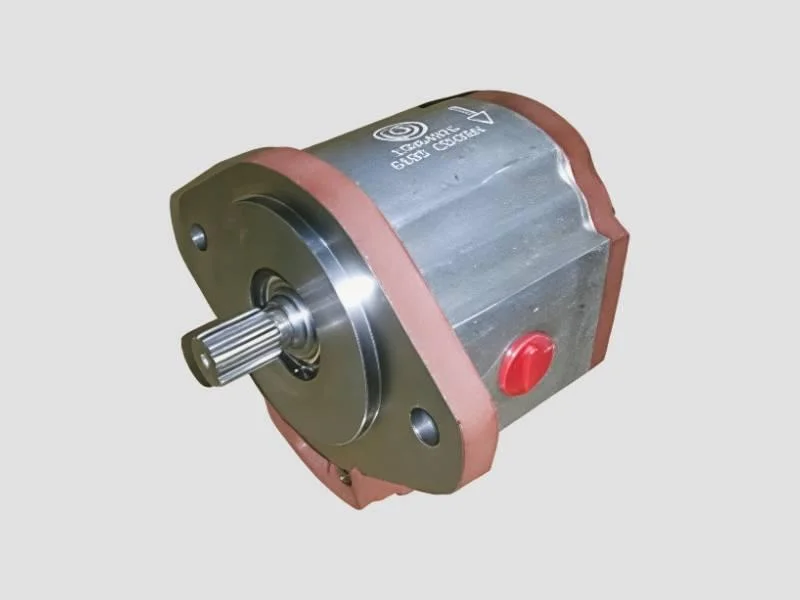
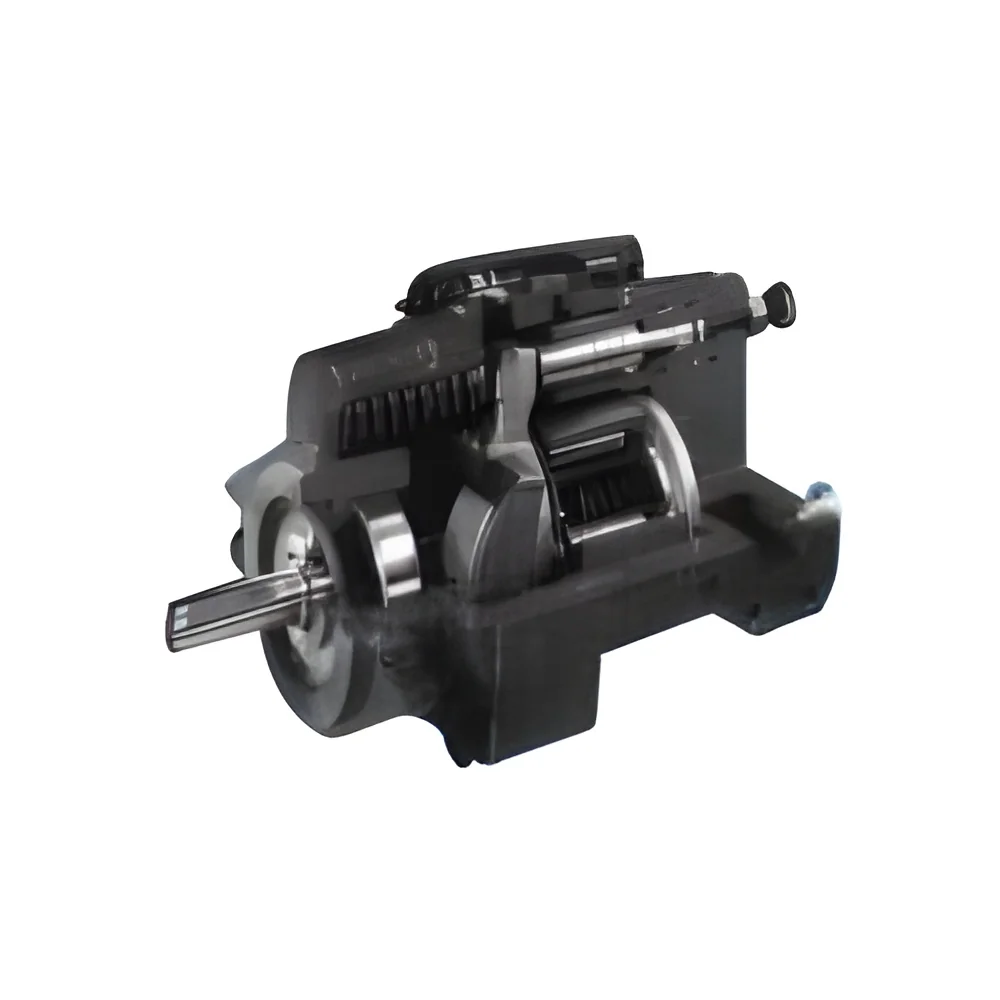
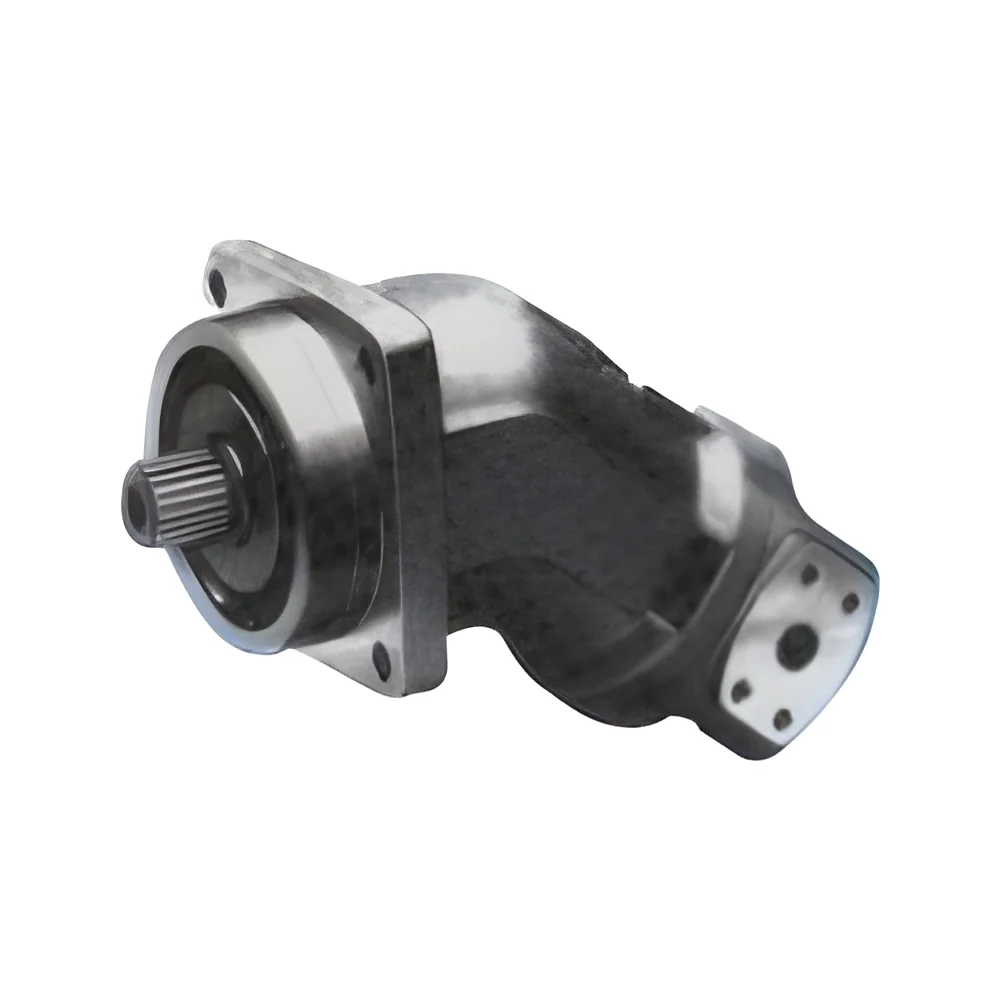
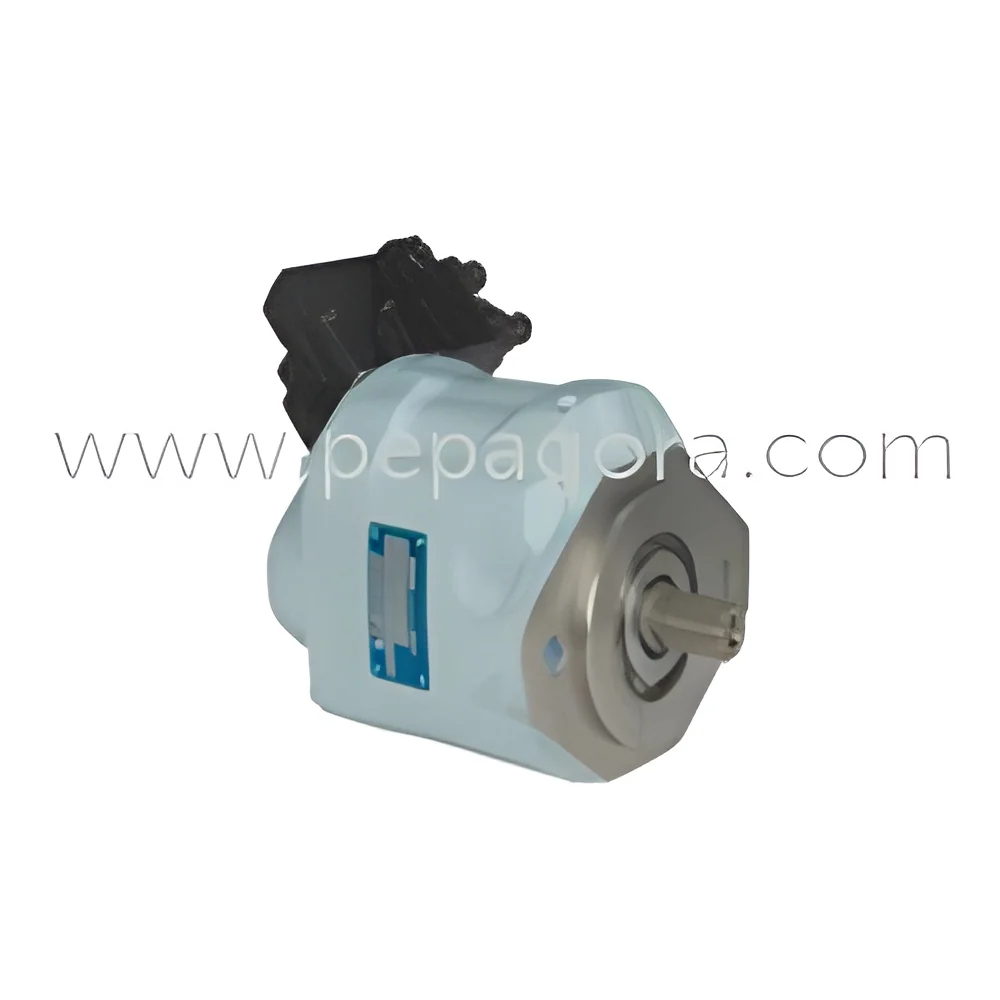
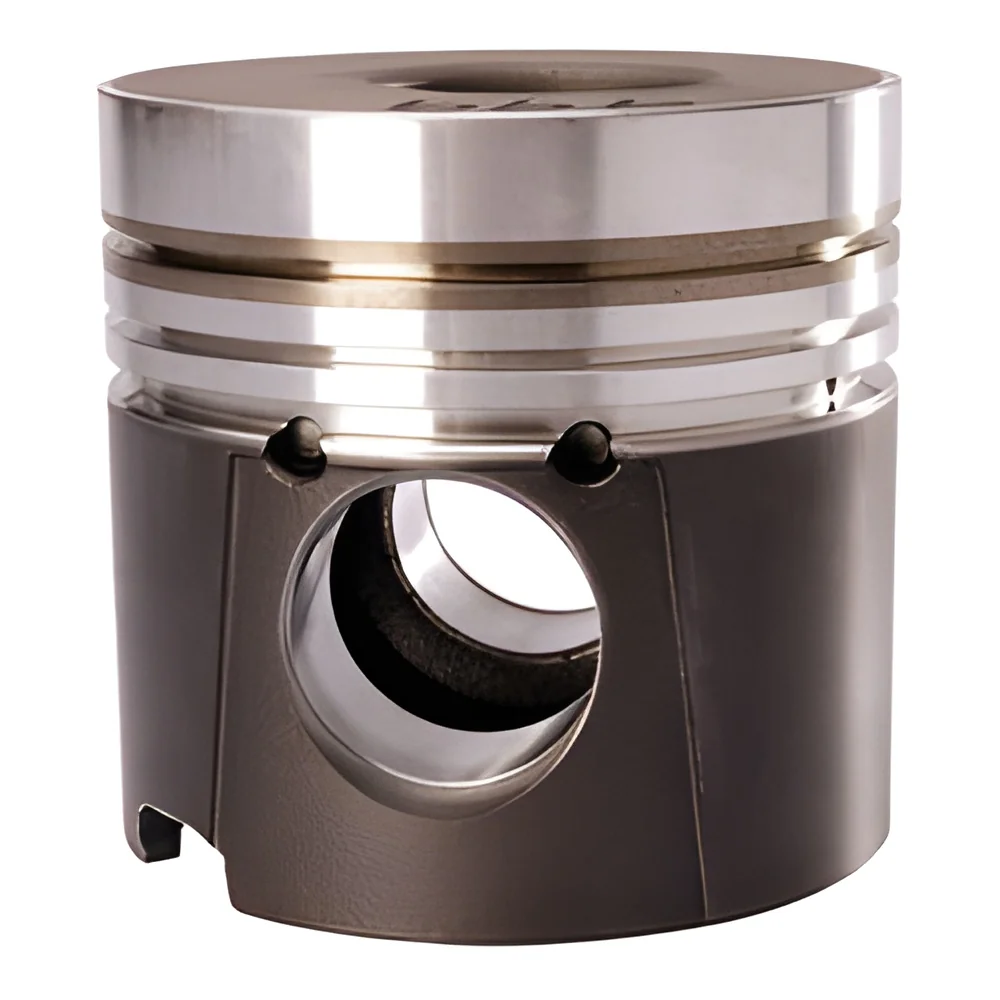
Axial Piston Pumps: These pumps feature pistons that move in a direction parallel to the shaft. They are known for high efficiency and are commonly used in mobile machinery and industrial equipment.
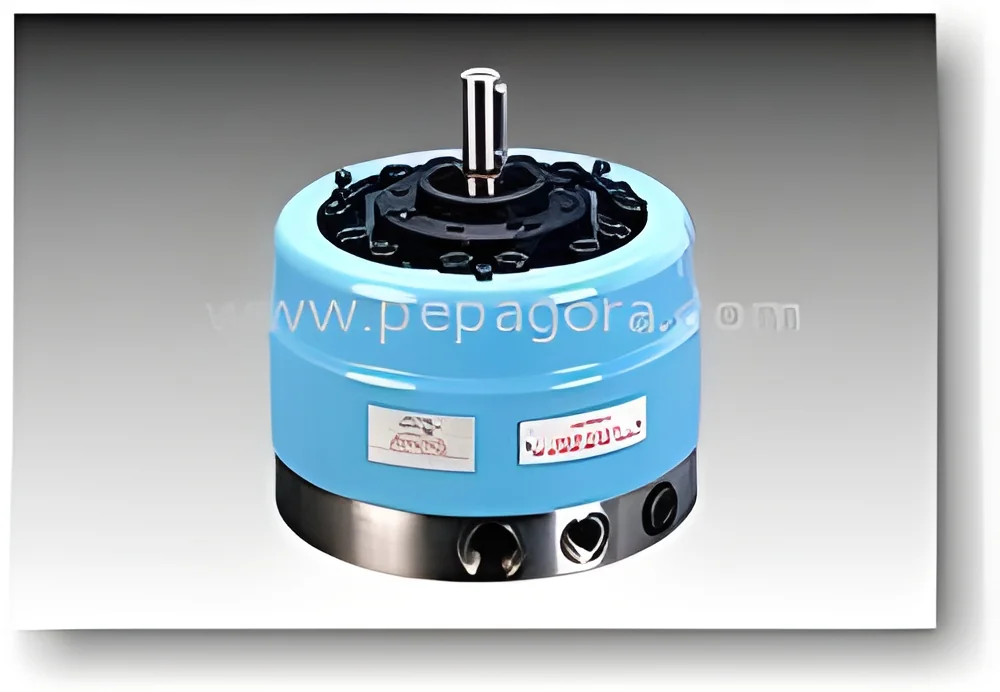
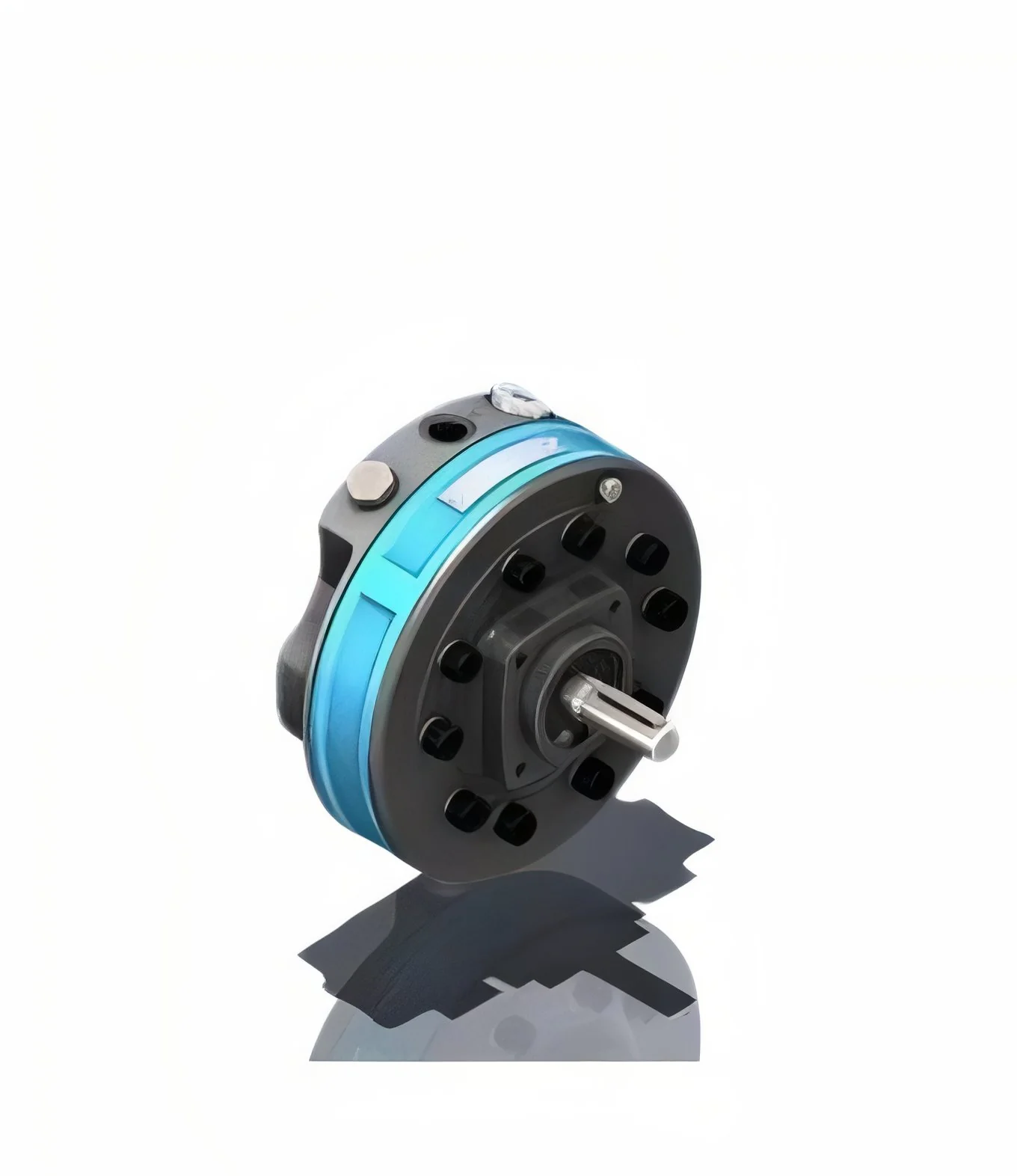
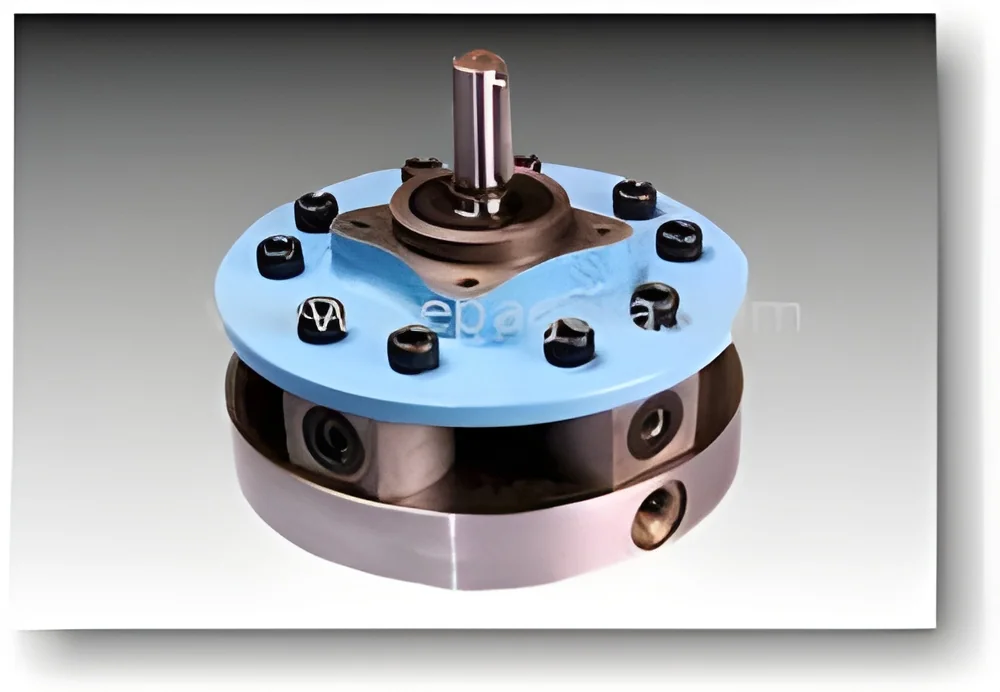
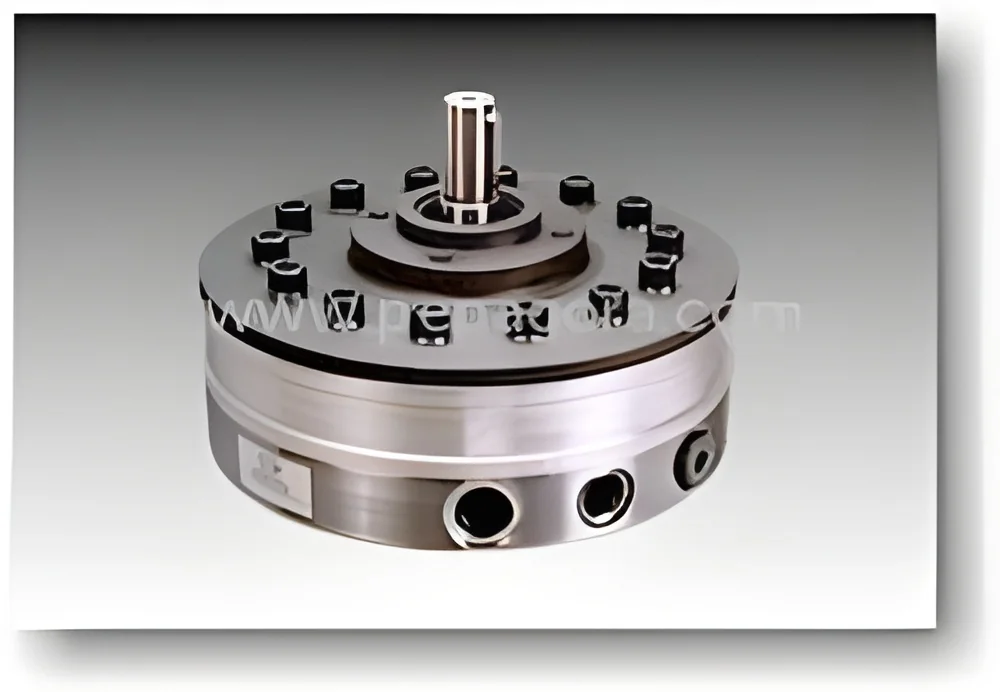
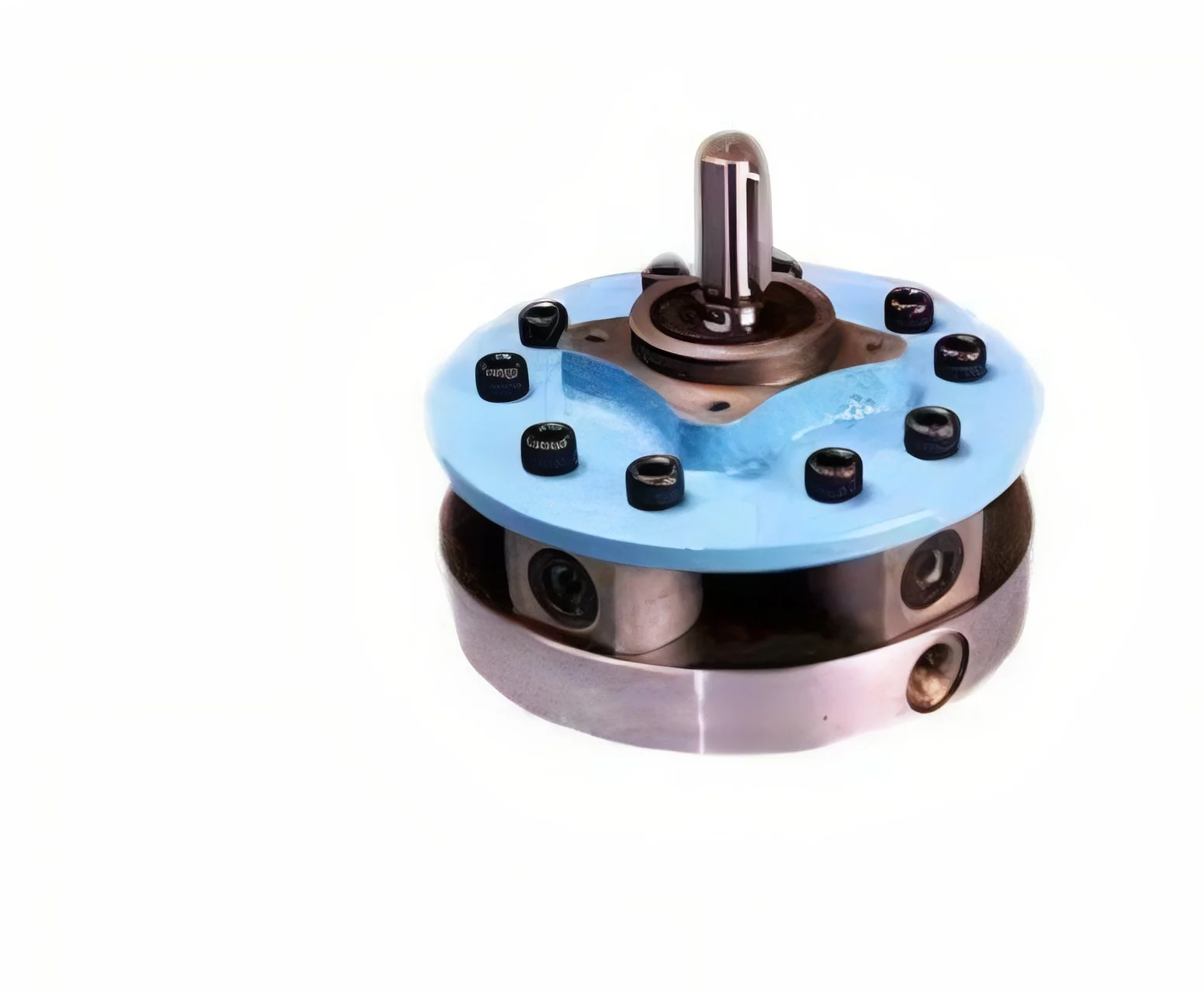
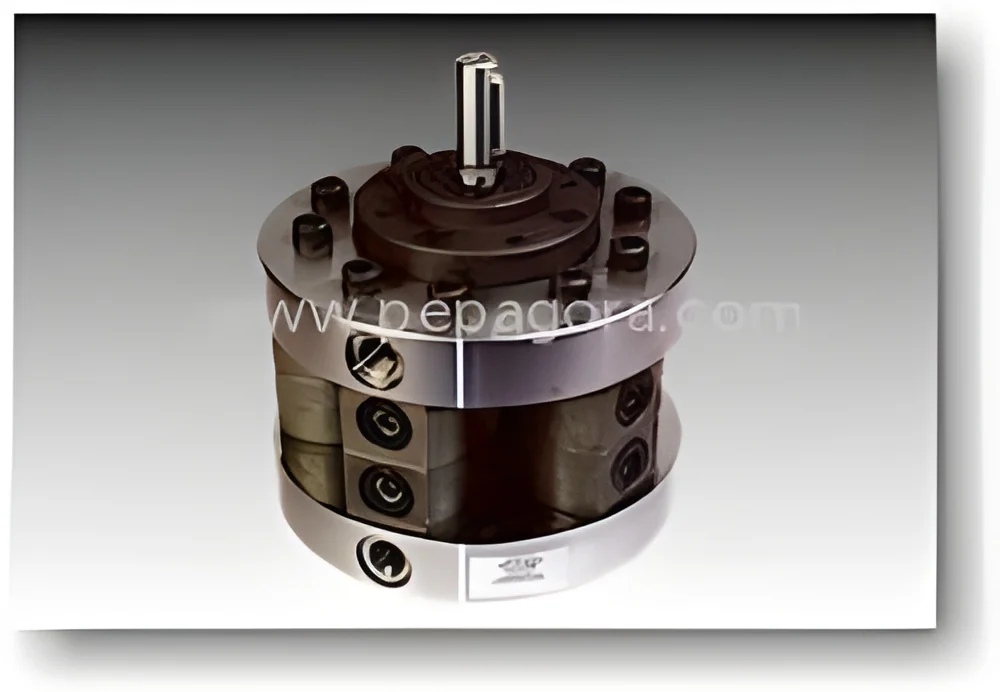
Radial Piston Pumps: With pistons arranged radially around a central drive shaft, these pumps excel in high-pressure applications. They are often utilized in hydraulic systems requiring compact designs and robust performance.
Hydraulic Piston Pumps: A category that includes both axial and radial designs, hydraulic piston pumps are specifically engineered for hydraulic systems, offering high performance in transferring fluids under pressure.
Variable Displacement Piston Pumps: These pumps offer adjustable displacement, allowing for better control over flow rates and pressure. They are ideal for applications requiring variable speed and load conditions.
Fixed Displacement Piston Pumps: These pumps deliver a constant flow rate and are typically used in applications where the demand for fluid remains relatively stable.
Benefits and Advantages
Piston pumps present a variety of benefits that make them suitable for numerous applications across industries.
1. High Efficiency: Piston pumps are known for their ability to maintain high efficiency even under varying operating conditions.
2. Durability: Constructed from robust materials, these pumps are designed to withstand harsh environments, ensuring long service life.
3. Versatility: The wide range of models and configurations allows for customization to meet specific application needs.
4. High Pressure Capability: Piston pumps can operate at high pressures, making them suitable for heavy-duty applications.
5. Precision Control: They offer excellent control over flow rates and fluid delivery, which is crucial in many industrial processes.
6. Low Maintenance: With fewer moving parts compared to other pump types, piston pumps typically require less maintenance, reducing downtime.
Buying Guide for B2B Buyers
When sourcing piston pumps (axial, radial), several factors should be considered to ensure a successful purchase.
1. Quality Assessment: Evaluate the build quality and performance ratings of the pumps. Look for manufacturers that adhere to recognized quality standards to ensure reliability.
2. Supplier Verification: Vet suppliers by checking their industry reputation, experience, and customer feedback. A trusted supplier is vital for ongoing support and service.
3. Pricing and MOQ: Consider the price range and minimum order quantities. Ensure that the cost aligns with your budget while factoring in the total cost of ownership.
4. Delivery and Lead Times: Discuss delivery schedules and lead times with suppliers to avoid disruptions in your operations. Timely delivery is essential for maintaining production schedules.
5. Compliance Requirements: Verify that the pumps meet relevant industry standards and regulatory requirements. Compliance with safety and environmental regulations is critical.
Compliance and Certifications
Piston pumps must adhere to various compliance and certification standards to ensure safety and reliability in their applications.
Quality standards such as ISO 9001 provide a framework for consistent quality management in manufacturing processes. Compliance with these standards indicates that a manufacturer follows best practices in design, production, and customer service.
Certifications like CE demonstrate that the product meets European safety and performance requirements, ensuring it can be used in various applications without compromising safety.
Safety and testing requirements are also paramount. Pumps should undergo rigorous testing to ensure they can handle the specified pressures and temperatures without failure. This testing is crucial for applications in industries such as oil and gas, where safety is a top priority.
Additionally, regional compliance considerations must be taken into account, as different regions may have specific regulations governing the use of industrial pumps. Understanding these requirements helps businesses avoid legal issues and ensures the pumps operate within safe parameters.
Why Source Piston Pumps (Axial, Radial) from Pepagora?
Pepagora is a trusted platform for sourcing high-quality piston pumps (axial, radial), offering numerous advantages to B2B buyers.
Verified Supplier Network: Pepagora connects buyers with a network of verified suppliers, ensuring that businesses can source products from reputable manufacturers. This verification process helps mitigate risks associated with purchasing.
Streamlined RFQ Process: The platform provides a user-friendly request for quotation (RFQ) system, allowing buyers to easily compare prices and features across different suppliers. This streamlined process simplifies decision-making for buyers.
Trade Assurance and Support: Pepagora offers trade assurance, providing buyers with protection during transactions. This includes support in case of disputes, ensuring a secure purchasing experience.
Regional Coverage: With a strong presence in India, the Gulf Cooperation Council (GCC), and Southeast Asia, Pepagora facilitates access to piston pumps across various markets. This regional coverage helps businesses tap into local suppliers and resources effectively.

 IN
IN