What are Hydraulic Rotary Actuators?
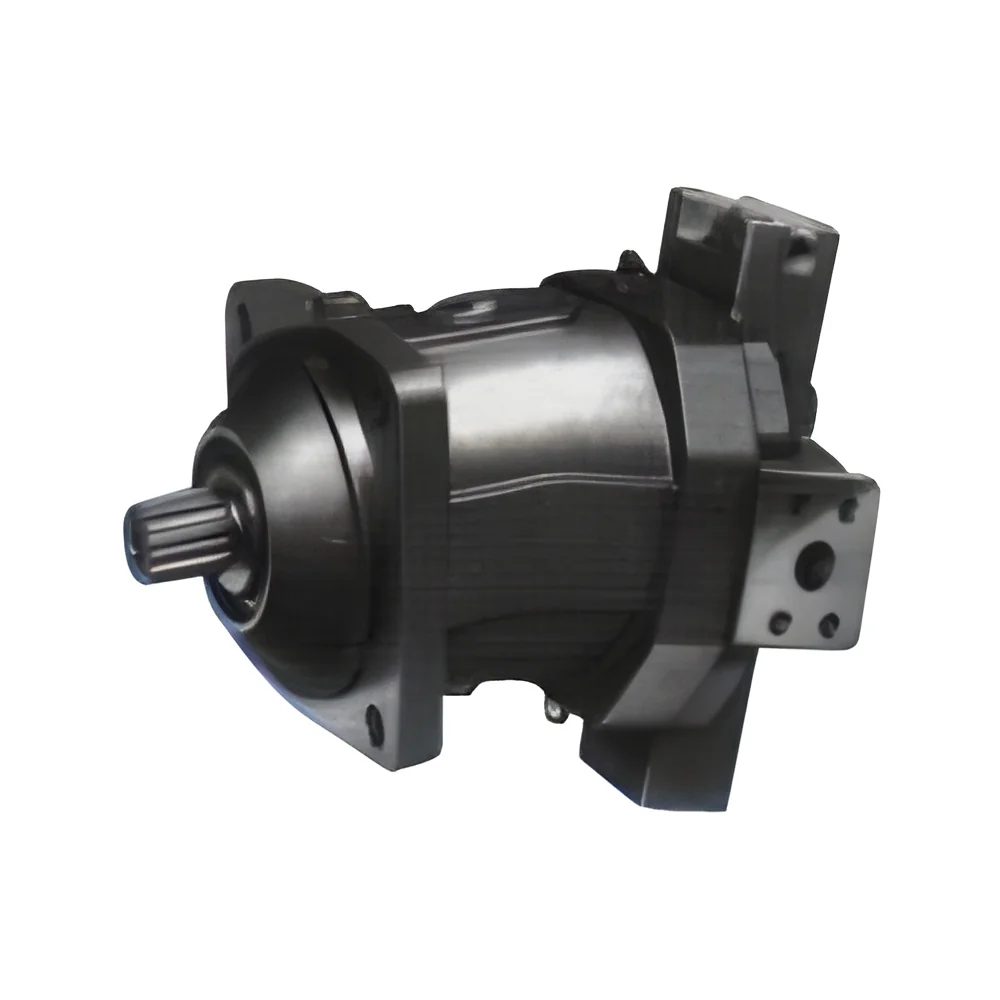
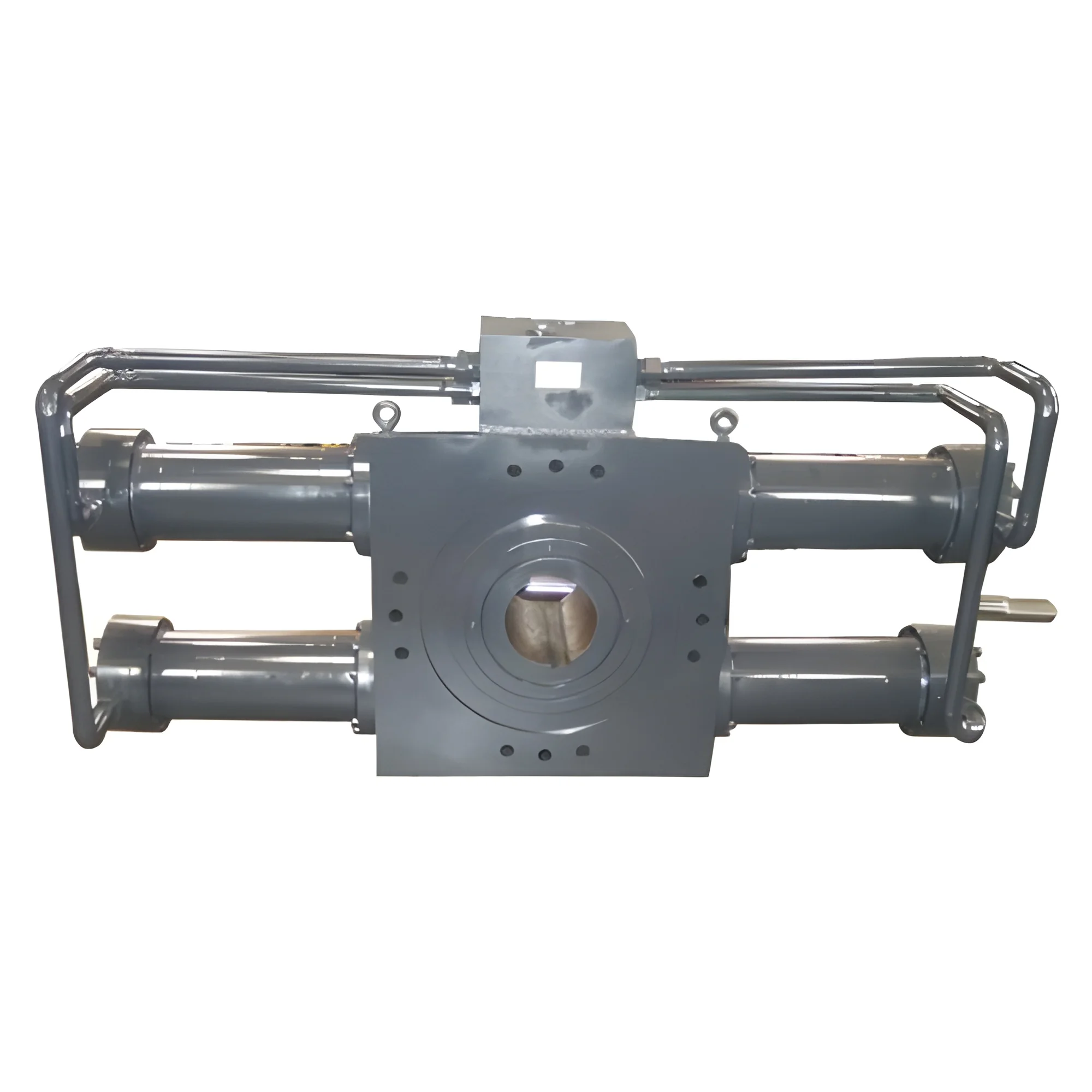
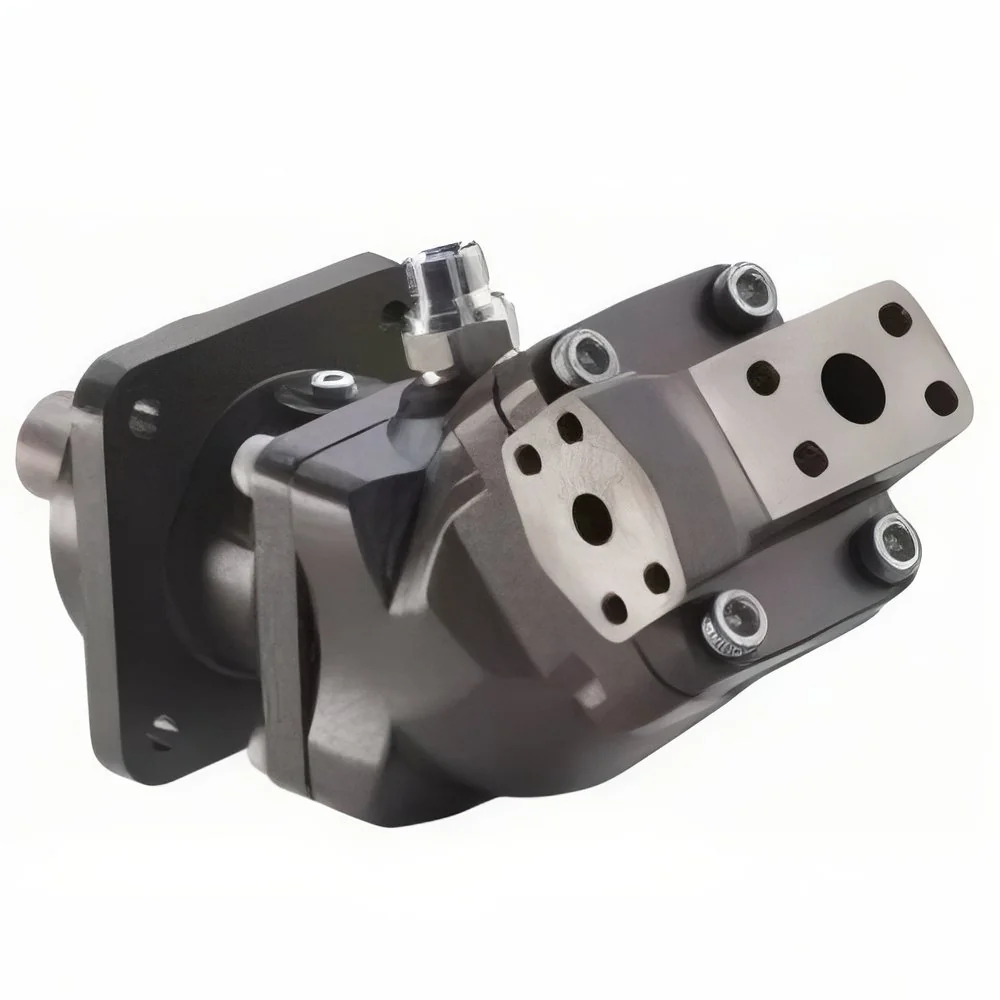
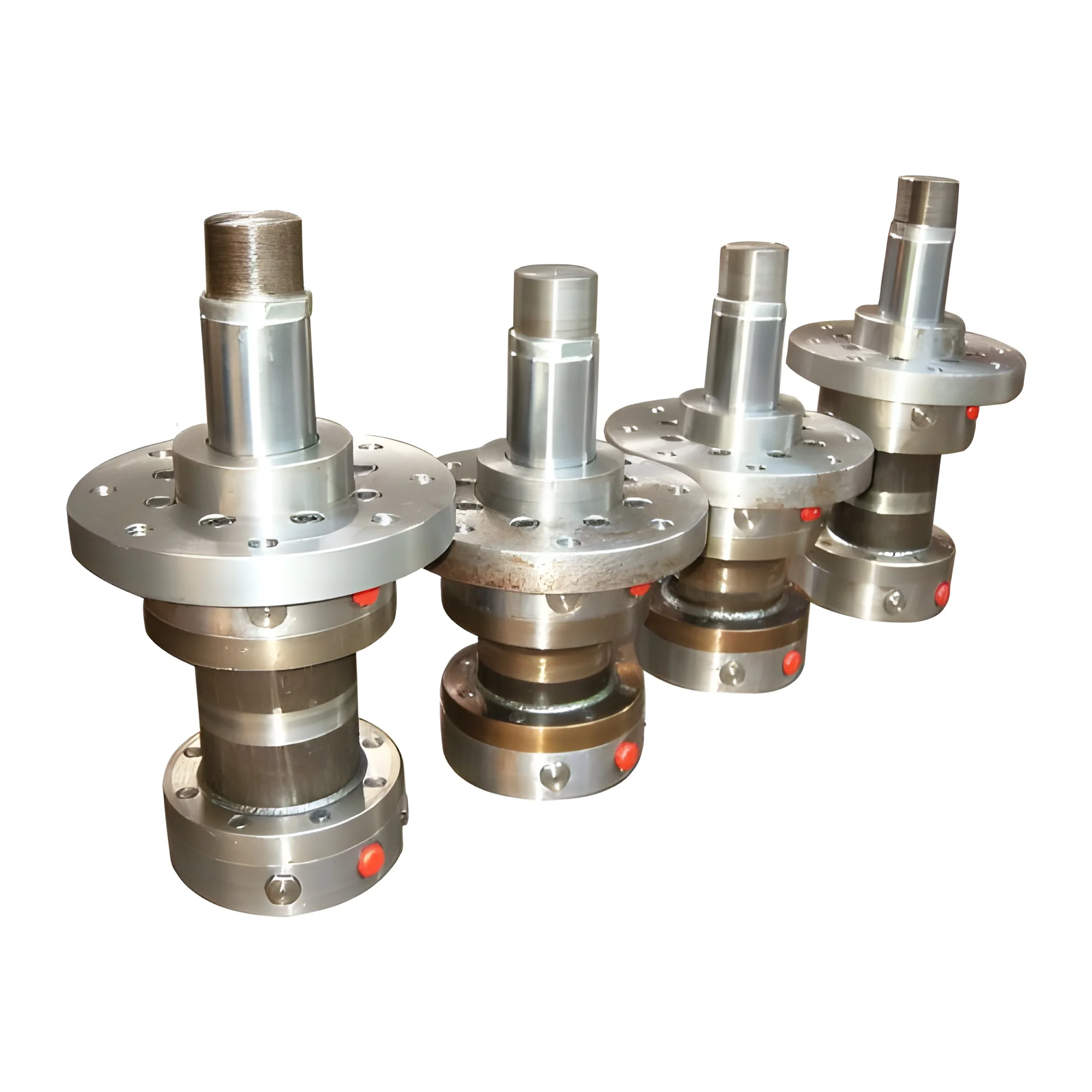
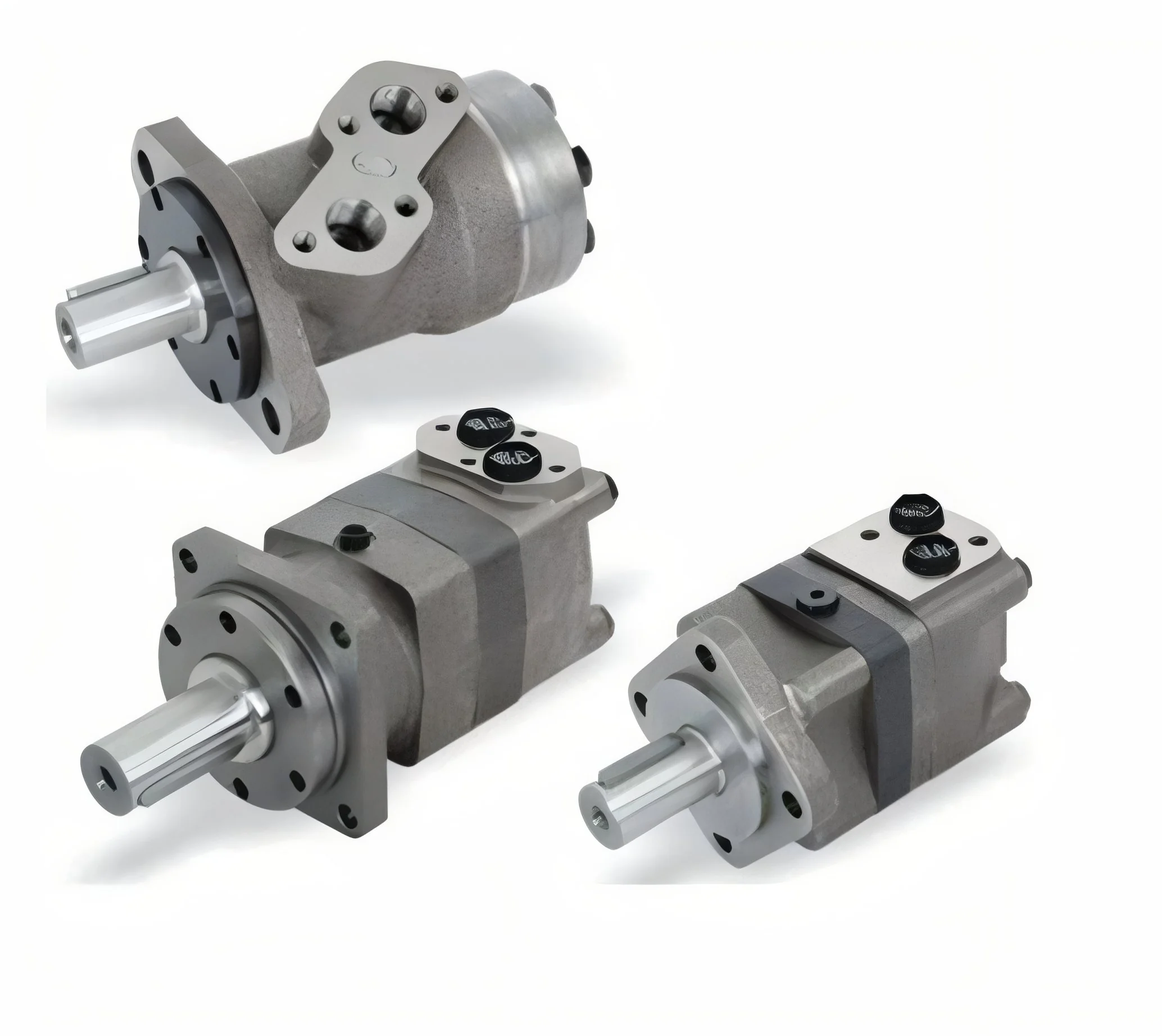
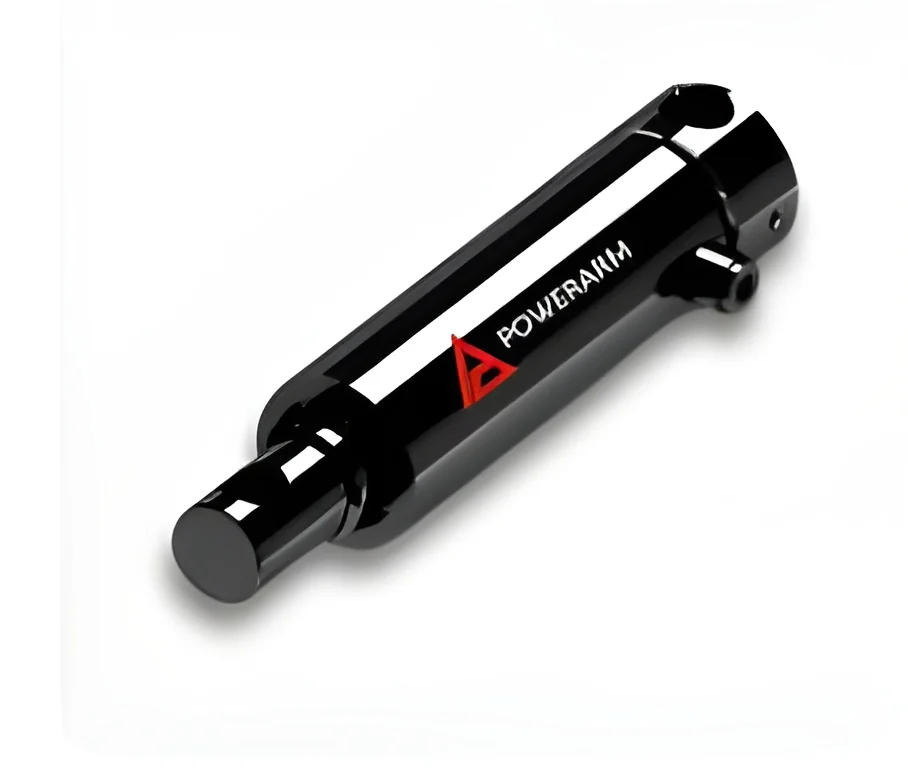
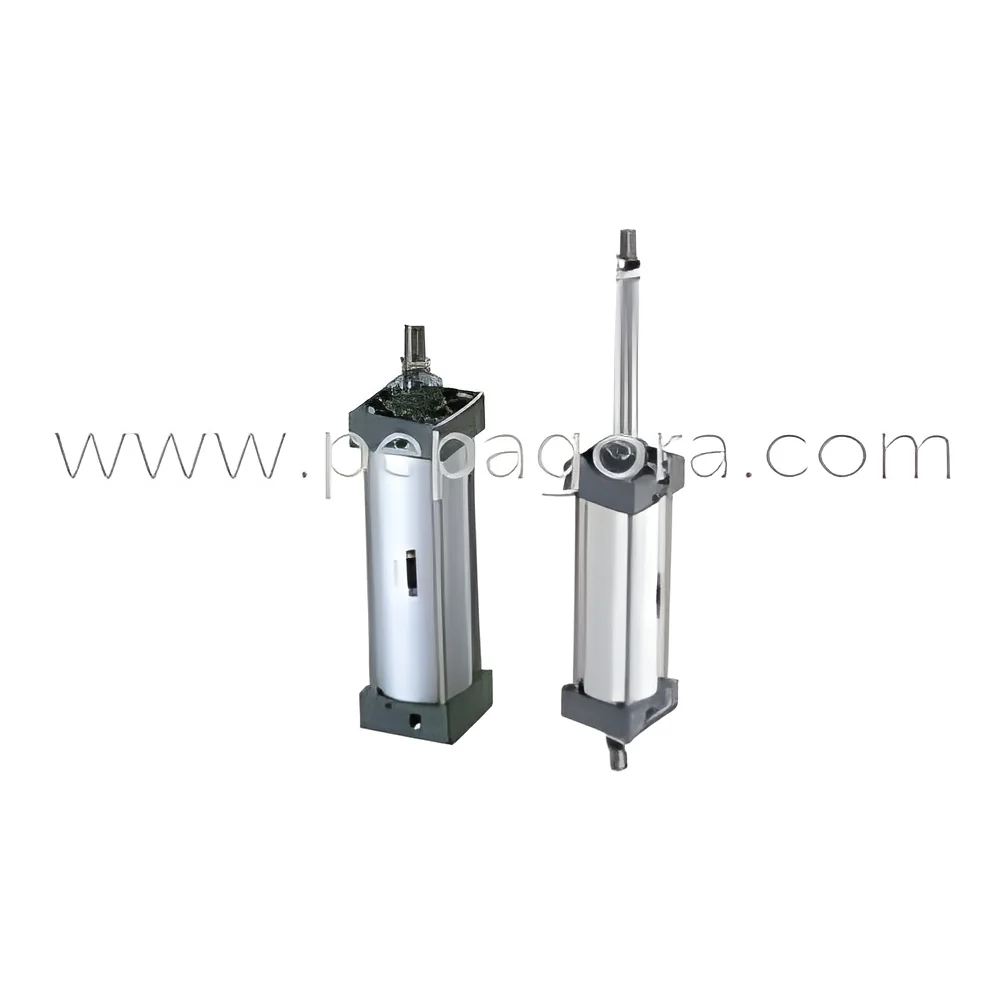
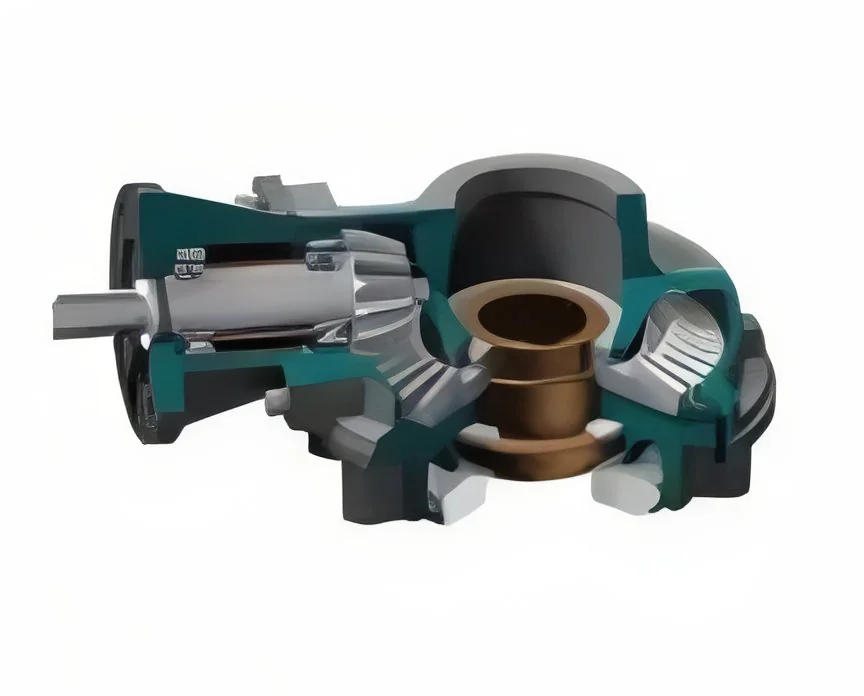
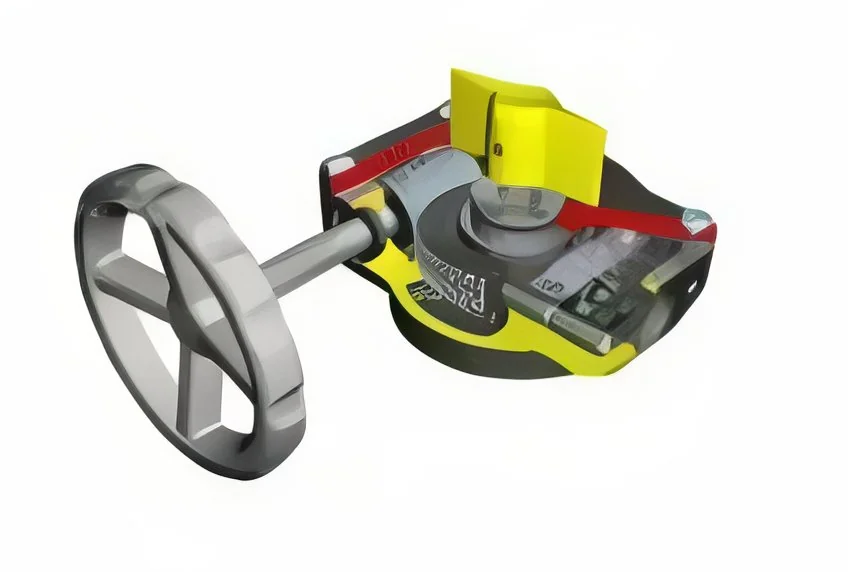
Hydraulic rotary actuators are devices that convert hydraulic energy into rotational motion. They utilize pressurized hydraulic fluid to create torque, enabling mechanical components to rotate and perform various tasks. Typically, these actuators are designed to provide precise control over movement, making them essential in applications that require reliable and consistent performance.
These actuators are widely used across numerous industries, including manufacturing, automotive, aerospace, and construction. Their ability to handle heavy loads and operate in harsh environments makes them particularly valuable in applications such as robotic arms, valve control, and heavy machinery. As industries continue to advance and demand more automation, the relevance and adoption of hydraulic rotary actuators are expected to grow, reflecting the market's trajectory toward increased efficiency and precision.
Key Features and Specifications
Hydraulic rotary actuators come with several key features that enhance their performance and versatility. These specifications are crucial for buyers to understand when selecting the right actuator for their applications.
Key specifications include:
1. Torque Output
- The torque produced by the actuator, measured in Newton-meters (Nm), determines its ability to handle various loads and applications.
2. Rotation Angle
- The maximum angle of rotation, typically ranging from 90 to 360 degrees, defines the actuator's operational limits.
3. Operating Pressure
- The range of hydraulic pressure, usually between 50 to 250 bar, under which the actuator can function safely and effectively.
4. Size and Weight
- Dimensions and weight specifications that ensure compatibility with existing equipment and systems.
5. Speed of Operation
- The speed at which the actuator can complete a full rotation, typically measured in degrees per second.
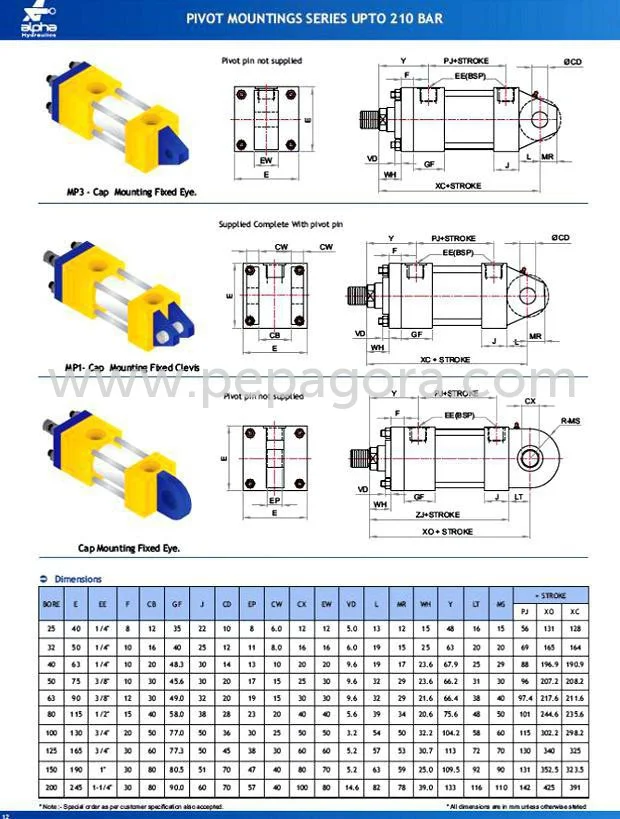
6. Mounting Options
- Available configurations for mounting, allowing for flexibility in installation and integration into systems.
7. Material Construction
- The materials used, such as aluminum or steel, which impact durability and resistance to environmental factors.
8. Seal Types
- The types of seals employed to prevent leakage and ensure the longevity of the actuator, critical for maintaining performance in demanding conditions.
In summary, understanding the features and specifications of hydraulic rotary actuators is essential for making informed purchasing decisions.
Common Applications and Use Cases
Hydraulic rotary actuators are employed in various industries, showcasing their versatility and effectiveness.
1. Manufacturing: In manufacturing settings, hydraulic rotary actuators are used for machine automation, including the operation of conveyor systems and robotic arms.
2. Automotive: In the automotive sector, these actuators play a critical role in controlling valves and steering systems, contributing to improved performance and safety.
3. Aerospace: Hydraulic rotary actuators are crucial in aircraft for controlling wing flaps and landing gear, ensuring reliable operation under extreme conditions.
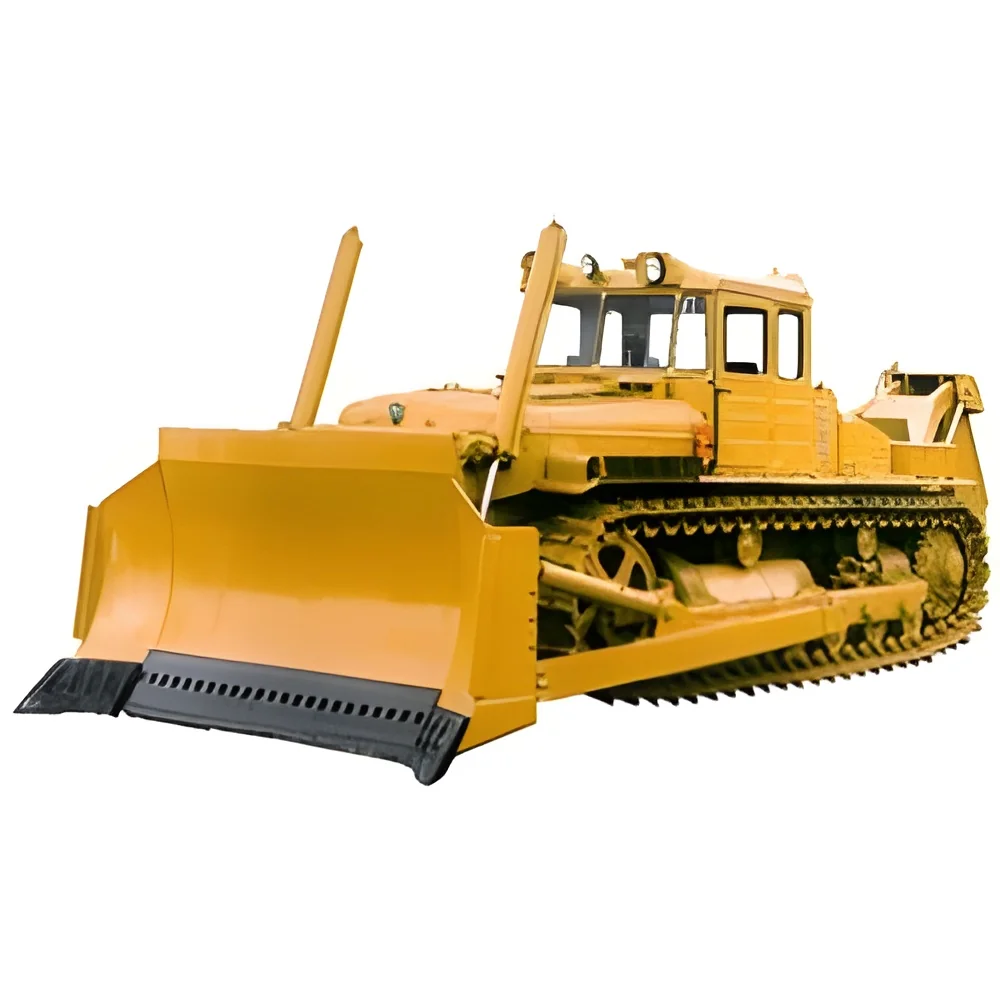
4. Construction: In construction machinery, these actuators are utilized for boom and bucket movements, enhancing the efficiency of heavy equipment.
5. Marine: In marine applications, hydraulic rotary actuators help in steering systems and controlling various deck equipment.
6. Oil and Gas: In the oil and gas industry, they are used in valve control systems, aiding in the safe and efficient flow of materials.
7. Robotics: In robotics, these actuators provide the necessary movement for robotic joints, enabling complex tasks to be performed with precision.
Product Variants and Subcategories
Hydraulic rotary actuators come in various configurations to meet specific application needs.
Standard Hydraulic Rotary Actuator
This variant is designed for general use across multiple industries. It offers reliable performance, high torque output, and compatibility with standard hydraulic systems, making it ideal for a wide range of applications.
High-Torque Hydraulic Rotary Actuator
This variant is specifically engineered for applications requiring higher torque output. It features reinforced construction and advanced hydraulic systems, ensuring optimal performance in heavy-duty scenarios.
Compact Hydraulic Rotary Actuator
This variant is designed for applications where space is limited. Despite its smaller size, it provides efficient torque and is suitable for installations in tight spaces.
Benefits and Advantages
Hydraulic rotary actuators offer several key advantages that enhance their value for businesses.
1. High Efficiency: These actuators provide powerful performance with minimal energy loss, making them cost-effective over time.
2. Precise Control: Hydraulic rotary actuators enable fine-tuned control over movement, which is essential for applications requiring accuracy.
3. Durability: Designed to withstand harsh environments and heavy loads, these actuators have a long operational life, reducing the frequency of replacements.
4. Versatility: Their ability to be customized for various applications makes them suitable for a wide range of industries.
5. Quick Response Time: Hydraulic systems can respond rapidly to input signals, allowing for dynamic control in automated processes.
6. Safety Features: Many hydraulic rotary actuators come equipped with fail-safe mechanisms and pressure relief valves, ensuring safe operation.
Buying Guide for B2B Buyers
When sourcing hydraulic rotary actuators, buyers should consider several important factors to ensure they select the right product for their needs.
1. Quality Assessment: Evaluate the actuator's quality by checking manufacturer certifications and customer reviews. Look for products that meet international standards for reliability and performance.
2. Supplier Verification: Vet potential suppliers to ensure they have a good track record. Check references and request samples if possible to assess product quality firsthand.
3. Pricing and MOQ: Understand the pricing structure and minimum order quantities. Compare prices among suppliers to find the best value while considering the quality of the actuators.
4. Delivery and Lead Times: Confirm lead times for delivery to avoid disruption in operations. Ensure that the supplier can meet your timeline requirements.
5. Compliance Requirements: Be aware of the regulatory standards applicable to your industry. Ensure the actuators comply with necessary safety and quality standards, such as UL and CE certifications.
Compliance and Certifications
Hydraulic rotary actuators must adhere to various compliance and certification standards to ensure safety and reliability in their applications.
ISO 9001 is a widely recognized quality management standard that emphasizes consistent product quality and continuous improvement. Manufacturers of hydraulic rotary actuators should strive for this certification to demonstrate their commitment to quality.
Additionally, certifications such as UL and CE signify that the actuators meet stringent safety and performance criteria. These certifications are essential for products used in industrial settings, where safety is a top priority.
Testing requirements may include performance assessments under various operational conditions to ensure durability and reliability. Regional compliance considerations may also vary, necessitating that manufacturers meet local regulations regarding hydraulic systems.
Why Source Hydraulic Rotary Actuators from Pepagora?
Pepagora provides a trusted platform for sourcing hydraulic rotary actuators, offering several key advantages to B2B buyers.
Verified Supplier Network: Pepagora has built a robust network of verified suppliers, ensuring that buyers can access high-quality hydraulic rotary actuators. This network includes manufacturers who adhere to strict quality standards and certifications.
Streamlined RFQ Process: The request for quotation (RFQ) process on Pepagora is designed to be user-friendly and efficient. Buyers can easily compare quotes from multiple suppliers, facilitating informed decision-making.
Trade Assurance and Support: Pepagora offers trade assurance, which protects buyers against potential risks. This support includes assistance in resolving disputes and ensuring that transactions are secure.
Regional Coverage: With a focus on markets in India, the GCC, and Southeast Asia, Pepagora provides extensive geographic reach. Buyers can benefit from localized support and quicker access to products, enhancing their procurement processes.

 IN
IN