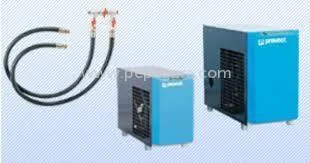
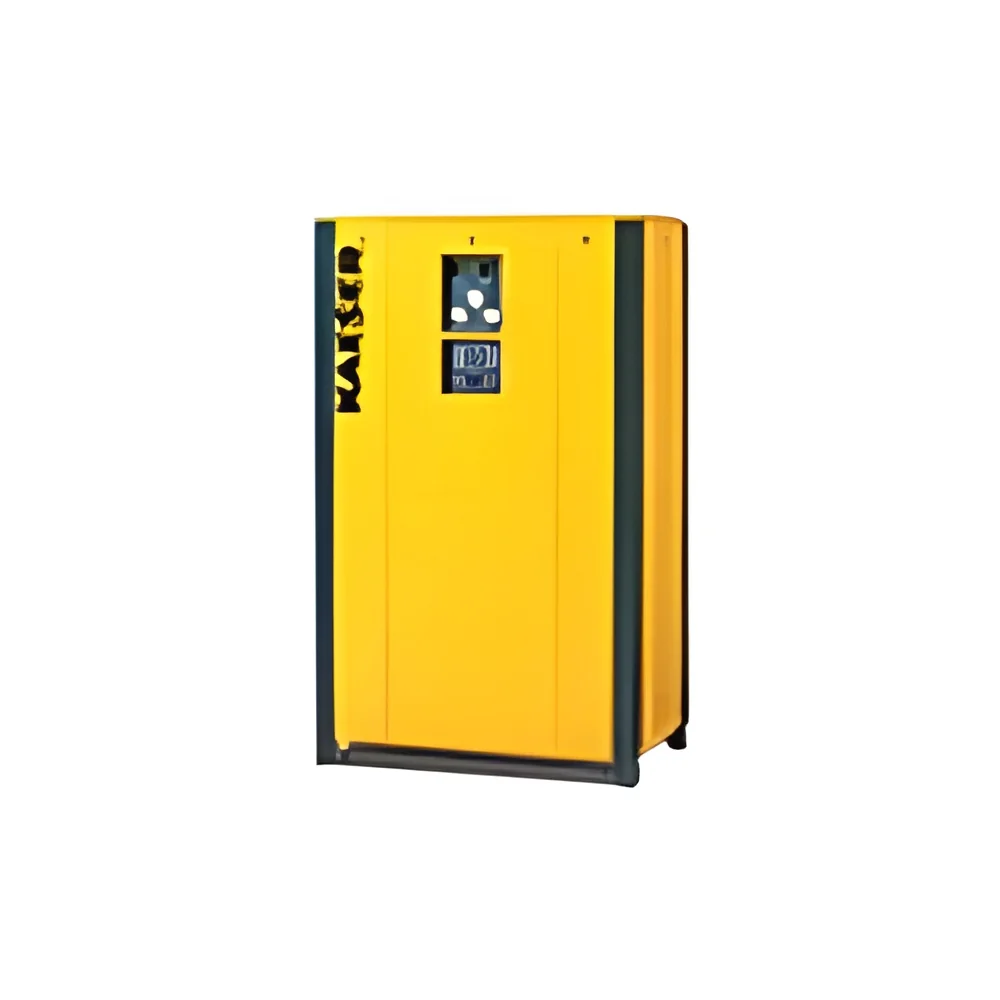
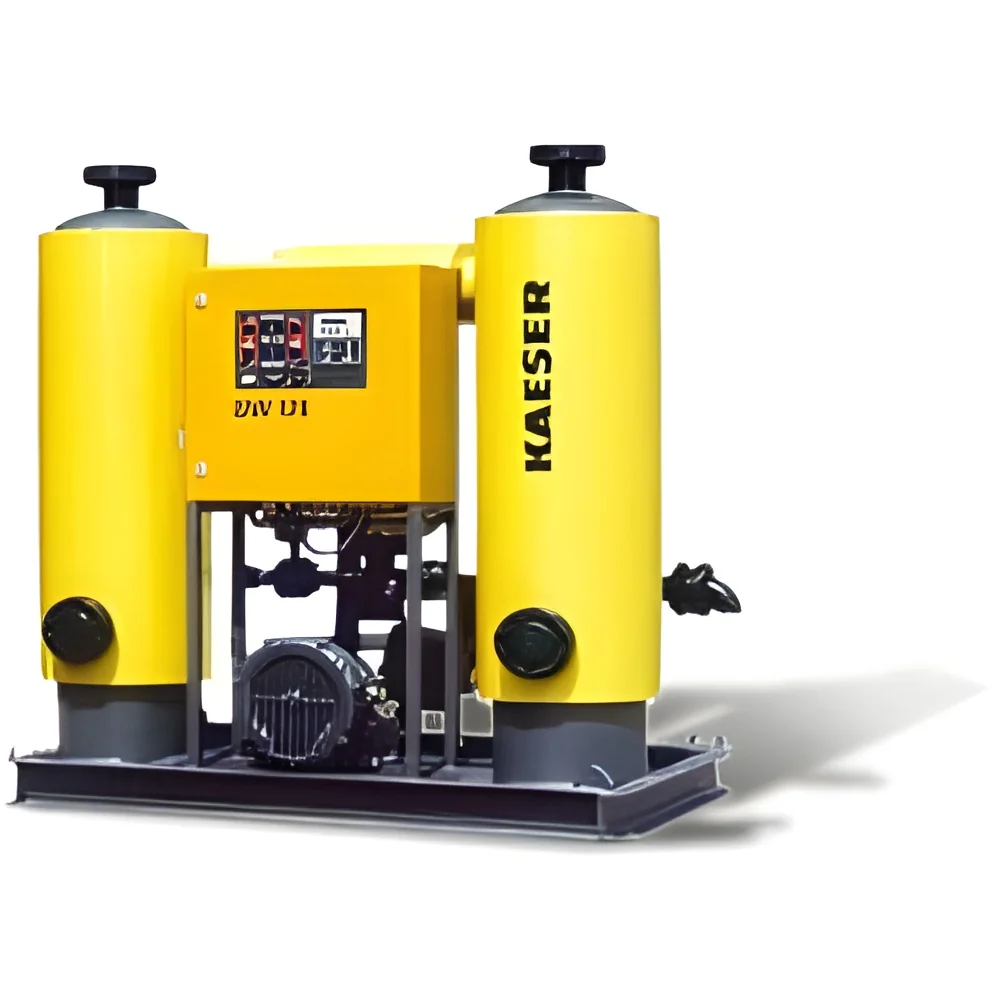
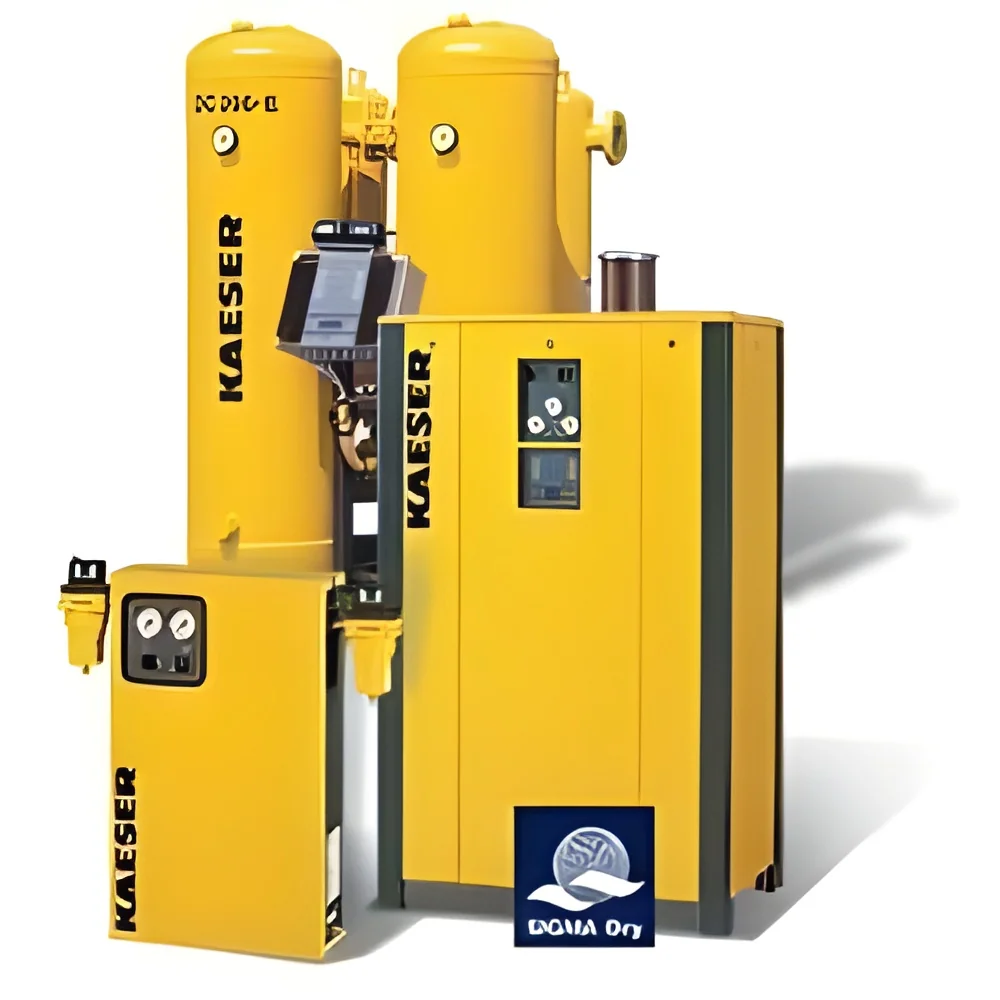
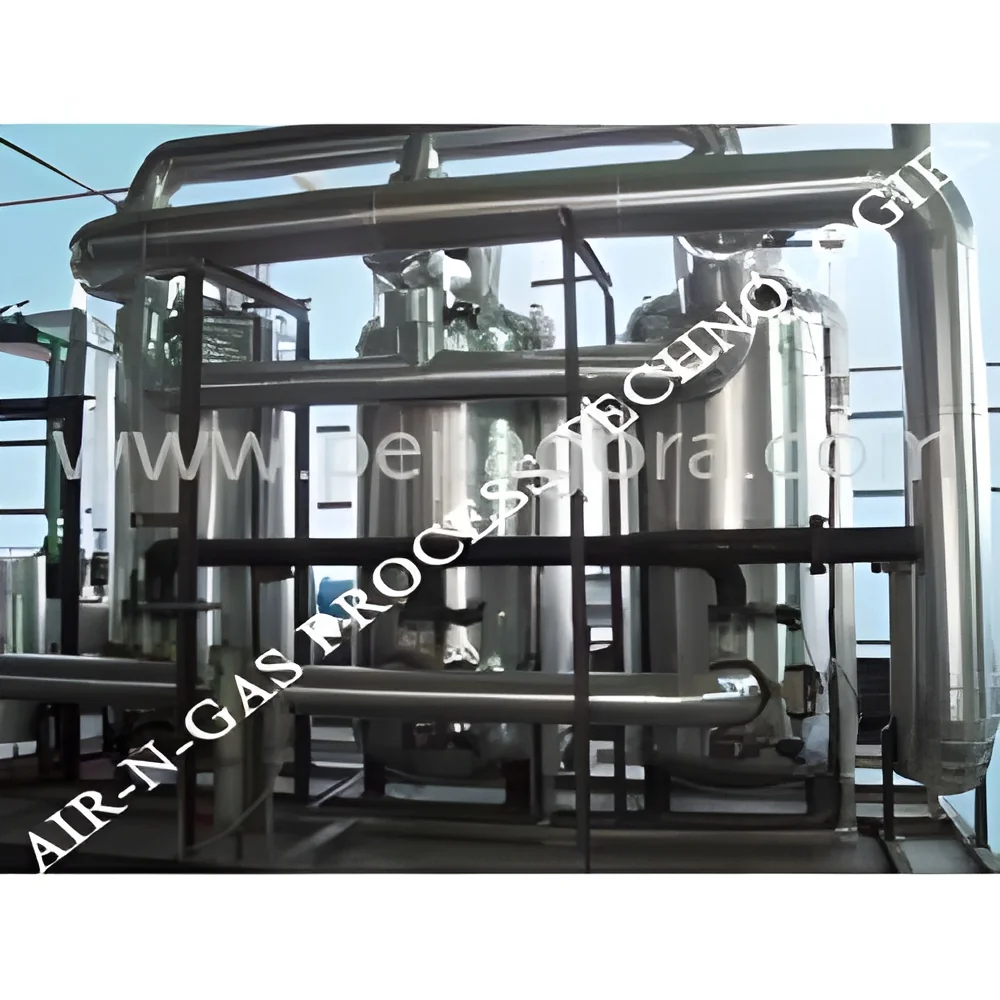
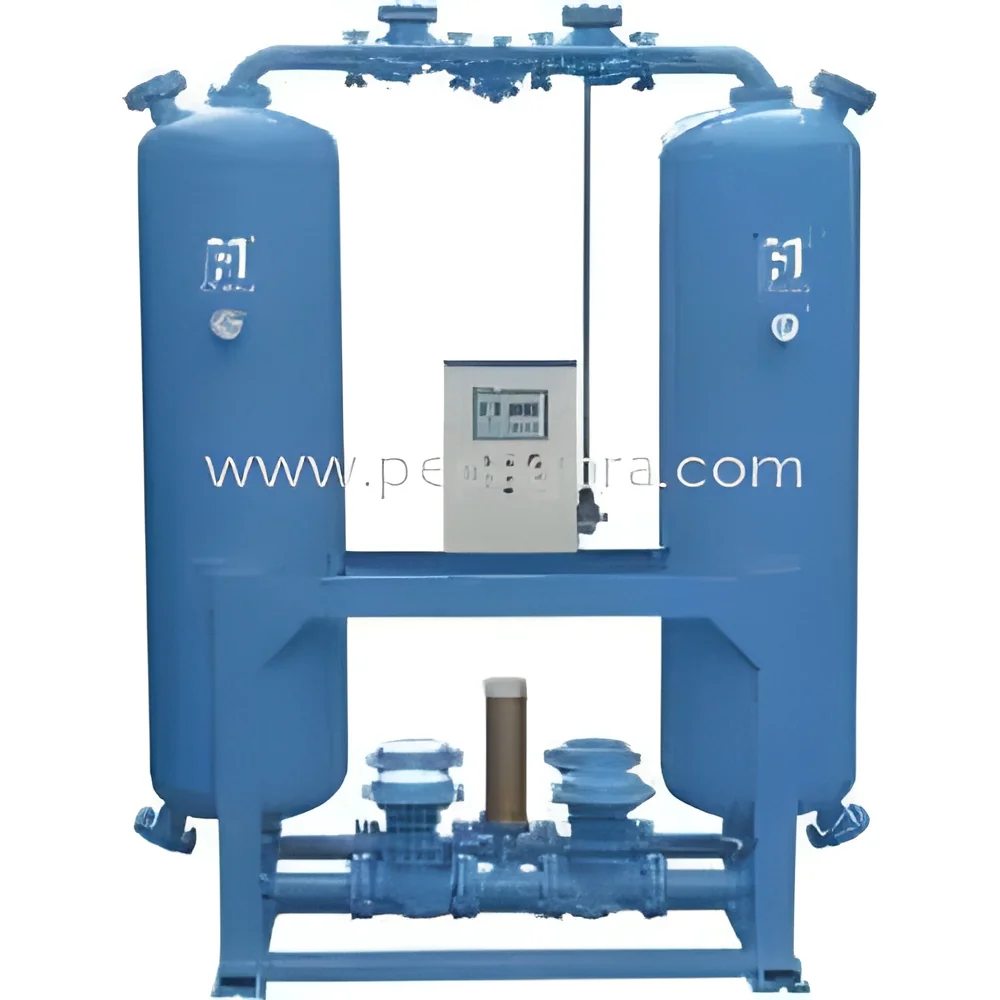
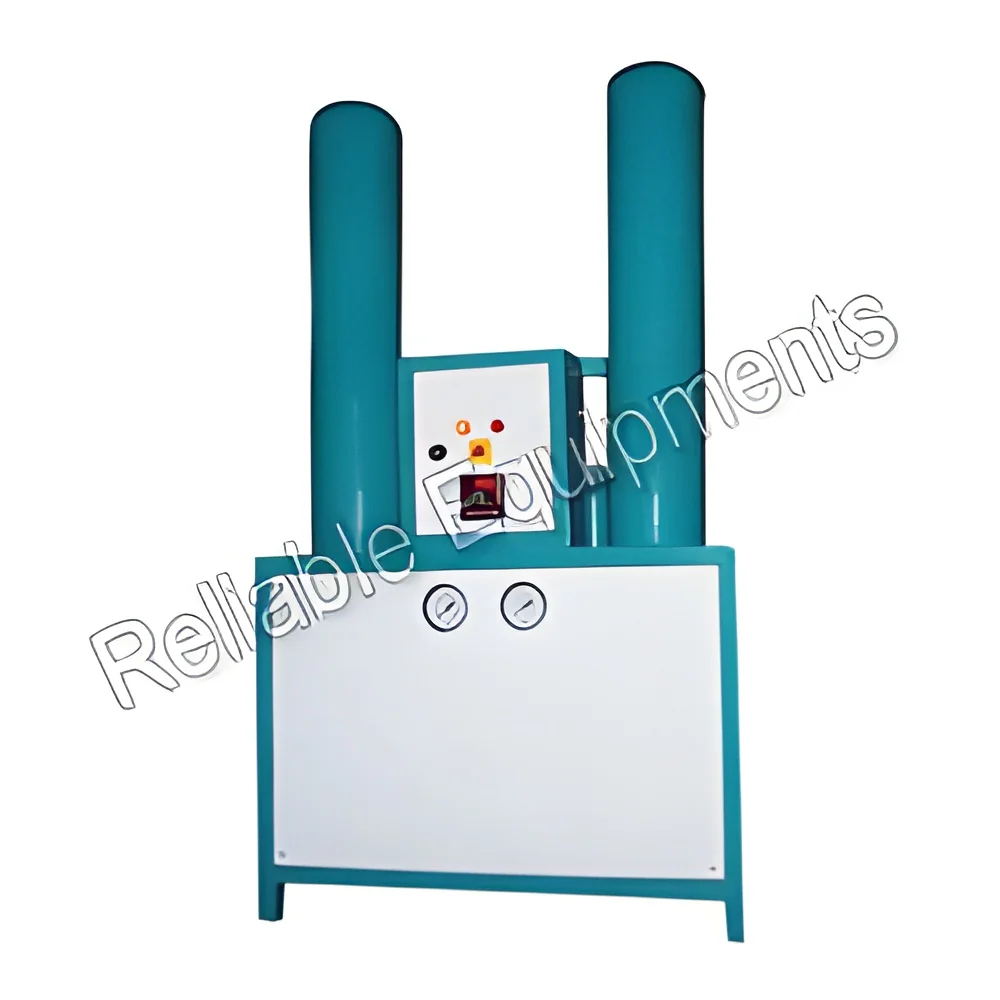
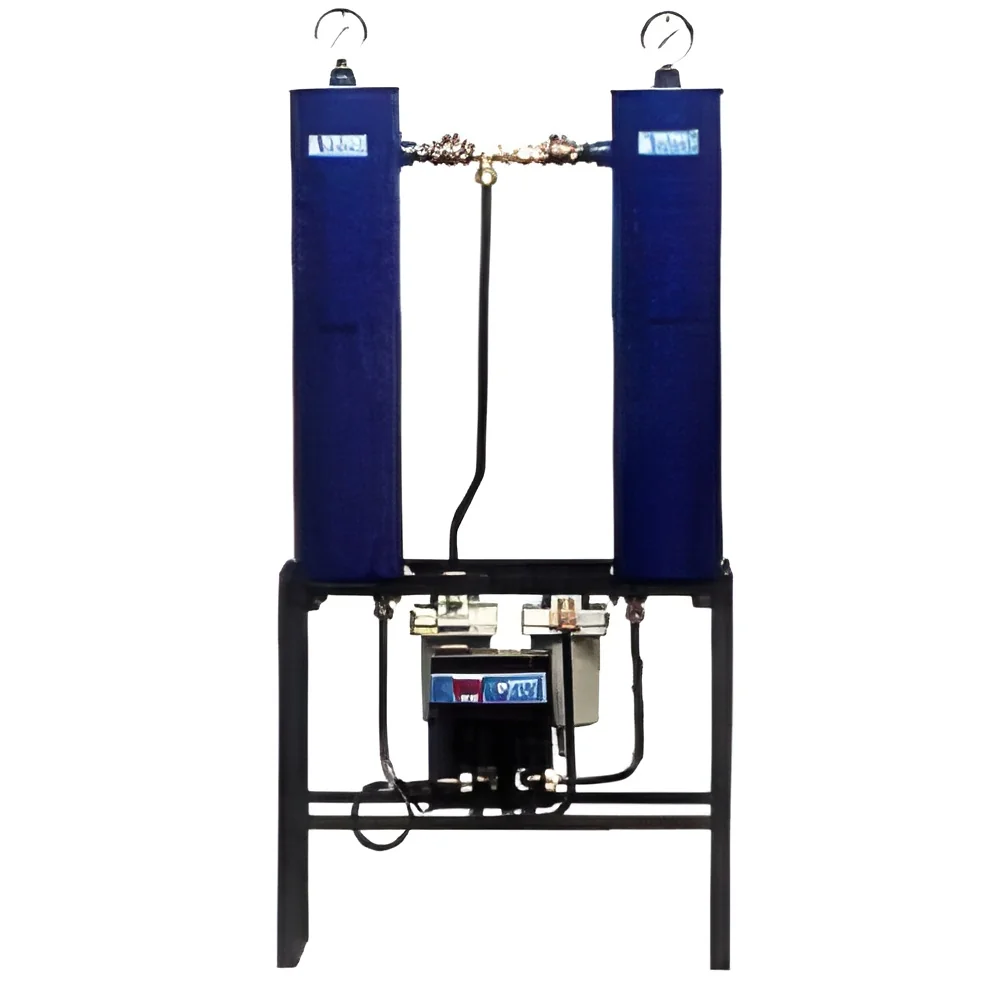
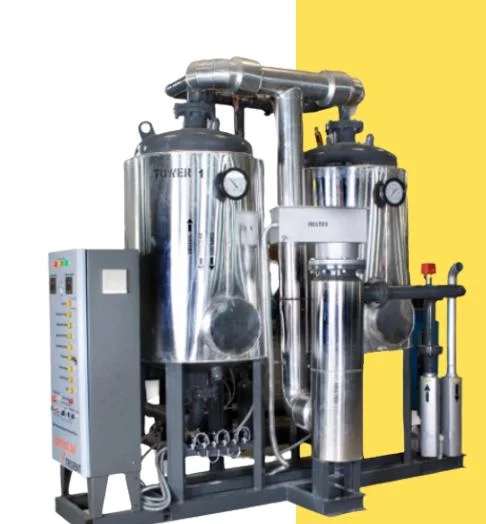
What are Desiccant Dryers?
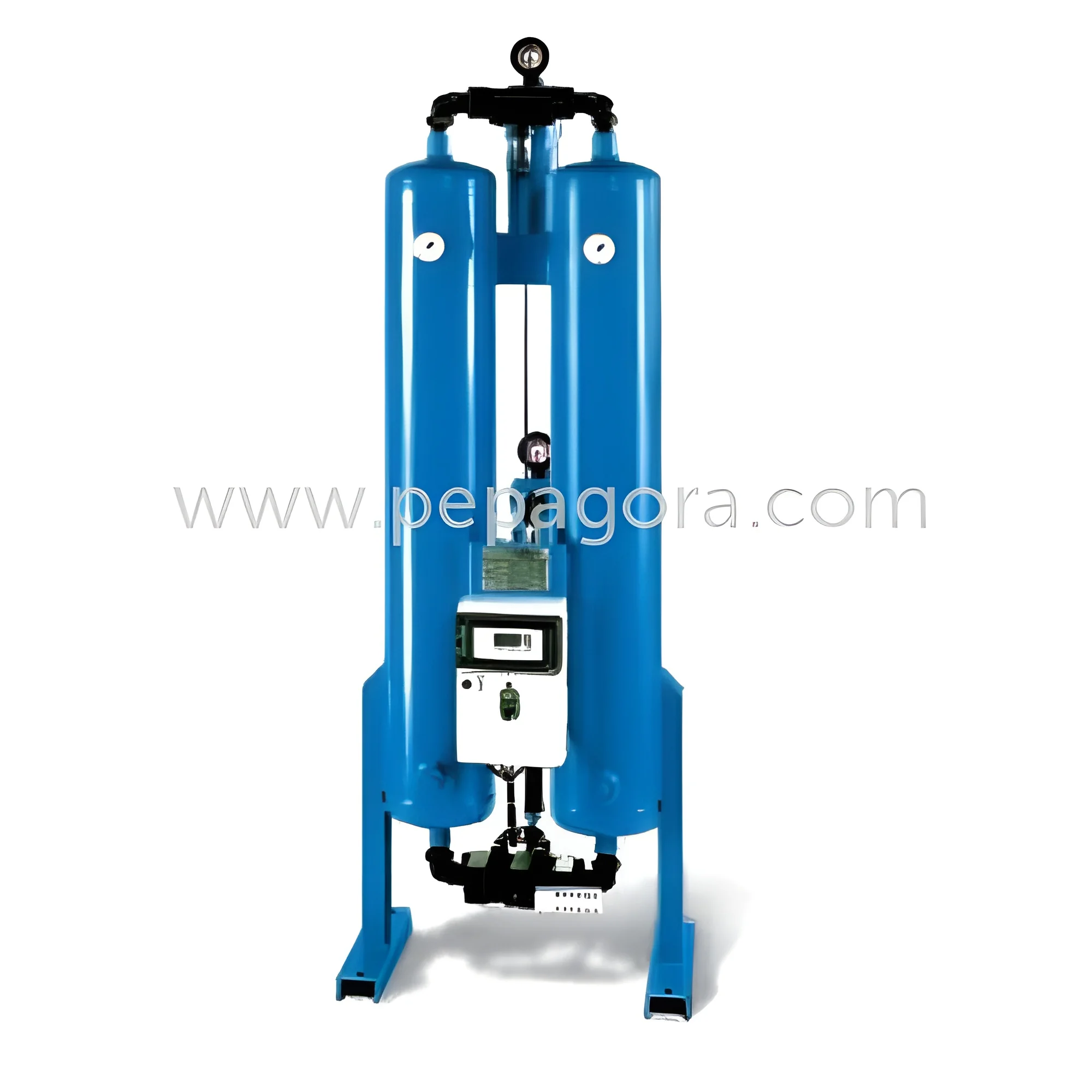
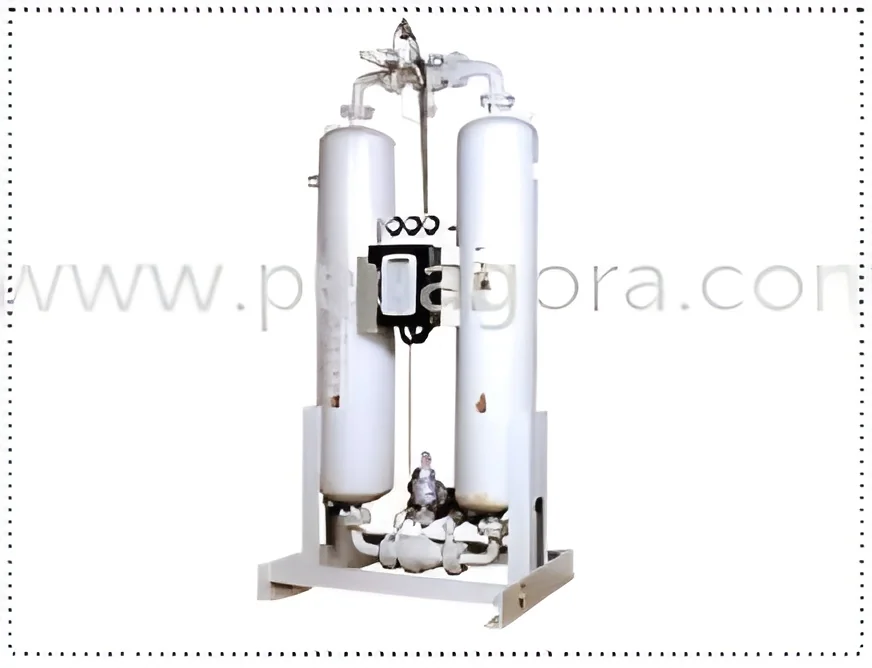
Desiccant dryers are specialized equipment designed to remove moisture from gases and liquids. These systems utilize desiccants, which are hygroscopic materials that absorb water vapor. By creating a low-humidity environment, desiccant dryers prevent condensation and protect sensitive equipment from damage caused by moisture.
These dryers are primarily used in various industrial applications, including compressed air drying, gas processing, and pharmaceutical manufacturing. They play a crucial role in ensuring product quality and reliability by maintaining optimal humidity levels. Industries such as food and beverage, electronics, and automotive often rely on desiccant dryers to safeguard their processes and products from moisture-related issues.
The market for desiccant dryers is growing due to the increasing demand for moisture control in various sectors. As industries become more aware of the detrimental effects of humidity on product integrity, the need for efficient desiccant drying solutions is expected to rise. This trend highlights the relevance of desiccant dryers in modern industrial operations.
Key Features and Specifications
Desiccant dryers come with a range of features designed to enhance performance and efficiency. These features make them suitable for various applications and ensure reliable operation in demanding environments.
Key specifications include:
1. Drying Capacity
- Measured in cubic feet per minute (CFM) or liters per second (L/s)
- Varies based on the specific model and application requirements
2. Desiccant Material
- Typically made from silica gel, activated alumina, or molecular sieves
- Each material offers different absorption capacities and efficiencies
3. Operating Temperature Range
- Usually designed to operate between 20°C to 70°C
- Some models may support higher temperatures depending on design
4. Dew Point Control
- Capable of maintaining specific dew points, often as low as -40°C
- Essential for applications requiring stringent moisture control
5. Regeneration Method
- Includes heated regeneration, pressure swing, or vacuum regeneration
- Selection depends on the application and operational preferences
6. Control System
- Features automatic controls for monitoring and adjusting humidity levels
- May include digital displays and remote monitoring capabilities
7. Energy Efficiency
- Designed to minimize energy consumption during operation
- Features may include variable speed drives and optimized airflow designs
8. Size and Portability
- Available in a range of sizes from compact units to large industrial systems
- Portability options for flexible installation and use
In summary, desiccant dryers feature various specifications that cater to diverse industrial needs. Understanding these specifications helps businesses select the right dryers for their applications.
Common Applications and Use Cases
Desiccant dryers are versatile tools used across multiple industries for effective moisture removal.
1. Food and Beverage: In this sector, desiccant dryers protect products from spoilage due to moisture. They are essential in packaging processes to maintain shelf life.
2. Pharmaceutical: These dryers ensure that active ingredients remain stable by preventing moisture absorption during storage and manufacturing.
3. Electronics: In the electronics industry, desiccant dryers protect sensitive components from humidity, which can cause corrosion and failure.
4. Chemical Processing: Desiccant dryers are used to maintain optimal humidity levels in chemical reactions, preventing unwanted side reactions.
5. Automotive: In automotive manufacturing, these dryers help in paint application processes and protect parts from rust and corrosion.
6. Textile: In textile production, desiccant dryers ensure that materials remain dry during processing to prevent quality issues.
7. Oil and Gas: Used in gas processing, desiccant dryers remove moisture from natural gas to prevent hydrate formation.
Product Variants and Subcategories
Desiccant dryers come in various models and designs to meet specific operational needs.
Compact Desiccant Dryers
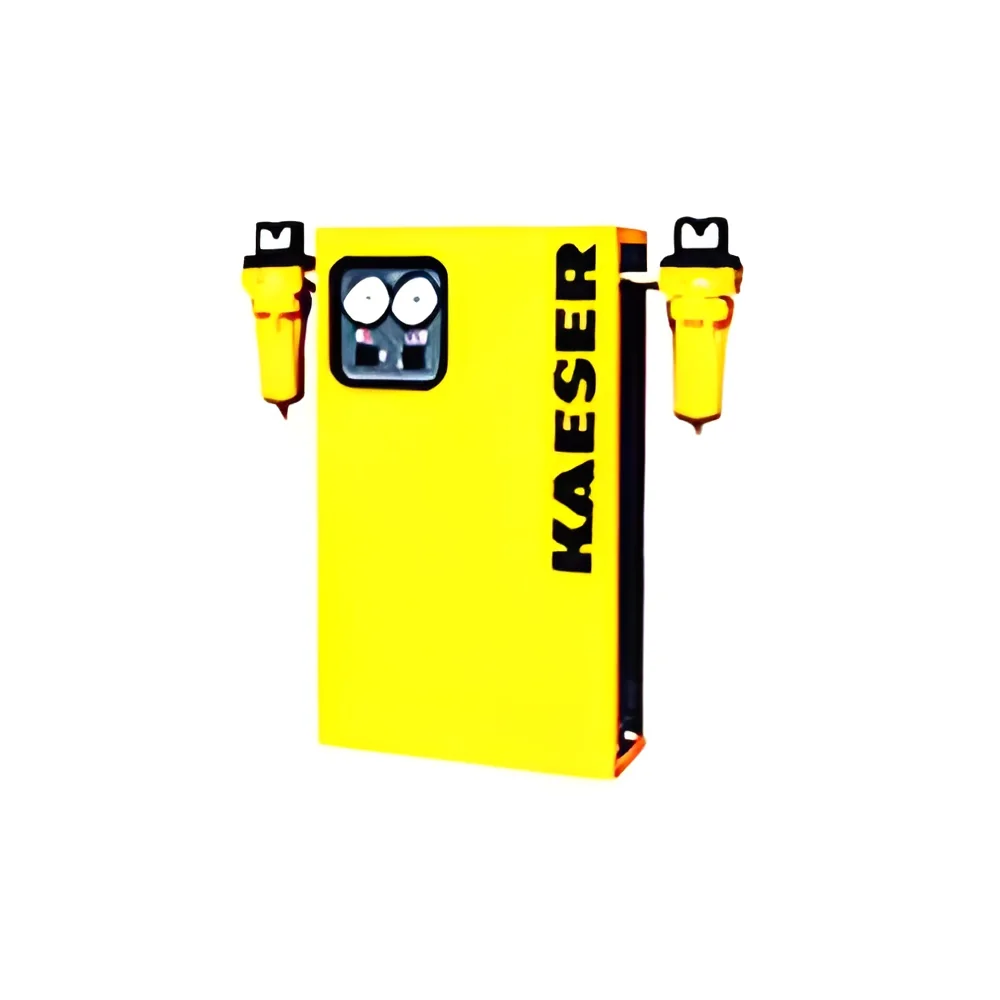
These smaller units are ideal for tight spaces and provide efficient moisture control for smaller applications. They are often used in laboratories and small manufacturing setups.
Industrial Desiccant Dryers
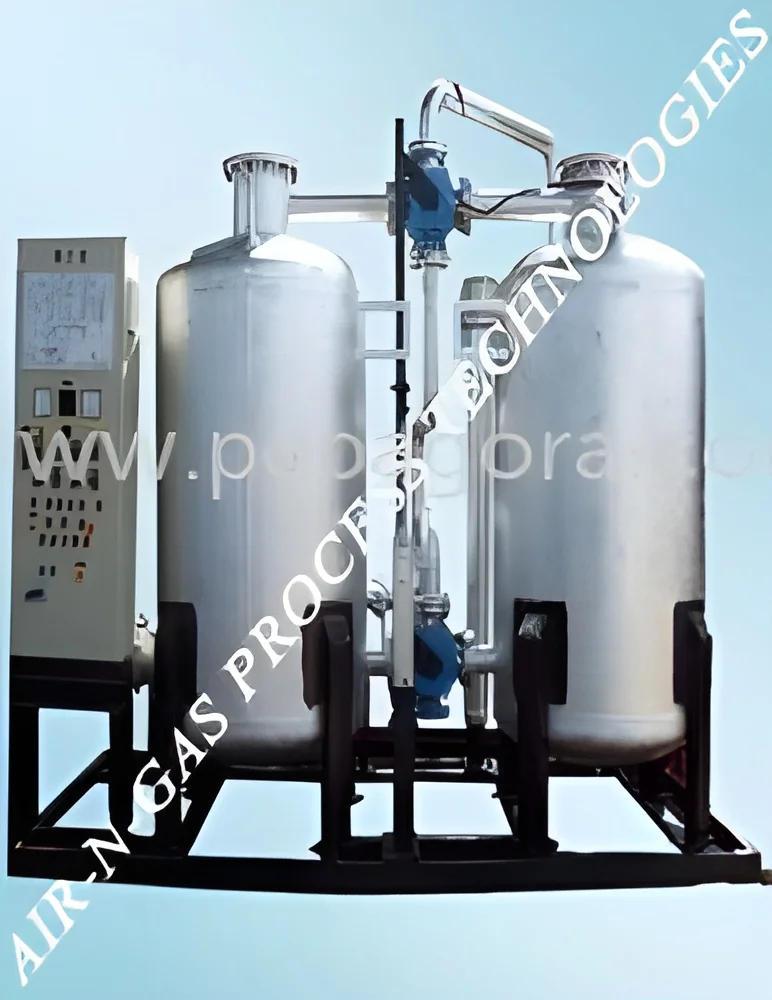
Larger units designed for high-capacity applications in heavy industries. They are built to handle significant moisture loads, making them suitable for large-scale operations.
Portable Desiccant Dryers
These dryers offer flexibility and can be moved easily between different locations. They are beneficial for temporary setups or in situations requiring mobility.
Benefits and Advantages
Desiccant dryers offer several advantages that make them a valuable investment for businesses.
1. Enhanced Product Quality: By controlling humidity levels, these dryers ensure that products maintain their integrity and quality.
2. Cost Savings: Efficient moisture control reduces waste and rework, leading to significant cost savings in production.
3. Increased Equipment Longevity: Protecting machinery and equipment from moisture extends their lifespan and reduces maintenance costs.
4. Versatility: Suitable for a wide range of applications across various industries, providing flexibility for businesses.
5. Improved Safety: By preventing moisture-related issues, these dryers enhance safety in operational environments.
6. Energy Efficiency: Modern desiccant dryers are designed to minimize energy consumption, contributing to overall operational efficiency.
Buying Guide for B2B Buyers
When sourcing desiccant dryers, it is essential to consider several key factors to ensure the right selection.
1. Quality Assessment: Evaluate the quality of the dryers based on construction materials, durability, and performance specifications. Look for products that meet industry standards.
2. Supplier Verification: Conduct thorough research on suppliers. Check their reputation, customer reviews, and compliance with industry regulations to ensure reliability.
3. Pricing and MOQ: Understand the pricing structure and minimum order quantities. This helps in budgeting and ensures that the purchasing process aligns with business needs.
4. Delivery and Lead Times: Consider logistics and the expected lead times for delivery. Timely receipt of equipment is crucial for maintaining production schedules.
5. Compliance Requirements: Ensure that the products meet all regulatory and safety standards relevant to your industry. Compliance with certifications such as CE is essential.
Compliance and Certifications
Compliance and certifications are critical for ensuring the quality and safety of desiccant dryers.
Many desiccant dryers adhere to recognized quality standards, such as ISO 9001, which focuses on maintaining high-quality management systems. This standard ensures that manufacturers consistently produce reliable products through effective quality control processes.
Additionally, certifications like CE mark signify that the equipment meets European safety and environmental requirements. This certification is crucial for businesses operating in or exporting to European markets.
Safety and testing requirements vary by region and application but often include rigorous assessments to ensure that the dryers can operate safely under specified conditions.
Understanding regional compliance considerations is also important, as different countries may have specific regulations that impact the design and operation of desiccant dryers.
Why Source Desiccant Dryers from Pepagora?
Pepagora provides a trusted platform for sourcing desiccant dryers with several key advantages that simplify the purchasing process.
Verified Supplier Network: Pepagora connects buyers with a network of verified suppliers, ensuring that businesses can source high-quality desiccant dryers. This verification process helps reduce risks associated with subpar products.
Streamlined RFQ Process: The platform features a streamlined Request for Quotation (RFQ) process, making it easy for buyers to receive competitive quotes from multiple suppliers. This efficiency helps in making informed purchasing decisions quickly.
Trade Assurance and Support: Pepagora offers trade assurance, providing buyers with protection against potential issues in transactions. This support ensures a smoother purchasing experience and builds trust between buyers and suppliers.
Regional Coverage: With a focus on geographic reach in India, the GCC, and Southeast Asia, Pepagora caters to a diverse range of customers. This extensive coverage allows businesses in various regions to access reliable desiccant dryer solutions tailored to their needs.

 IN
IN