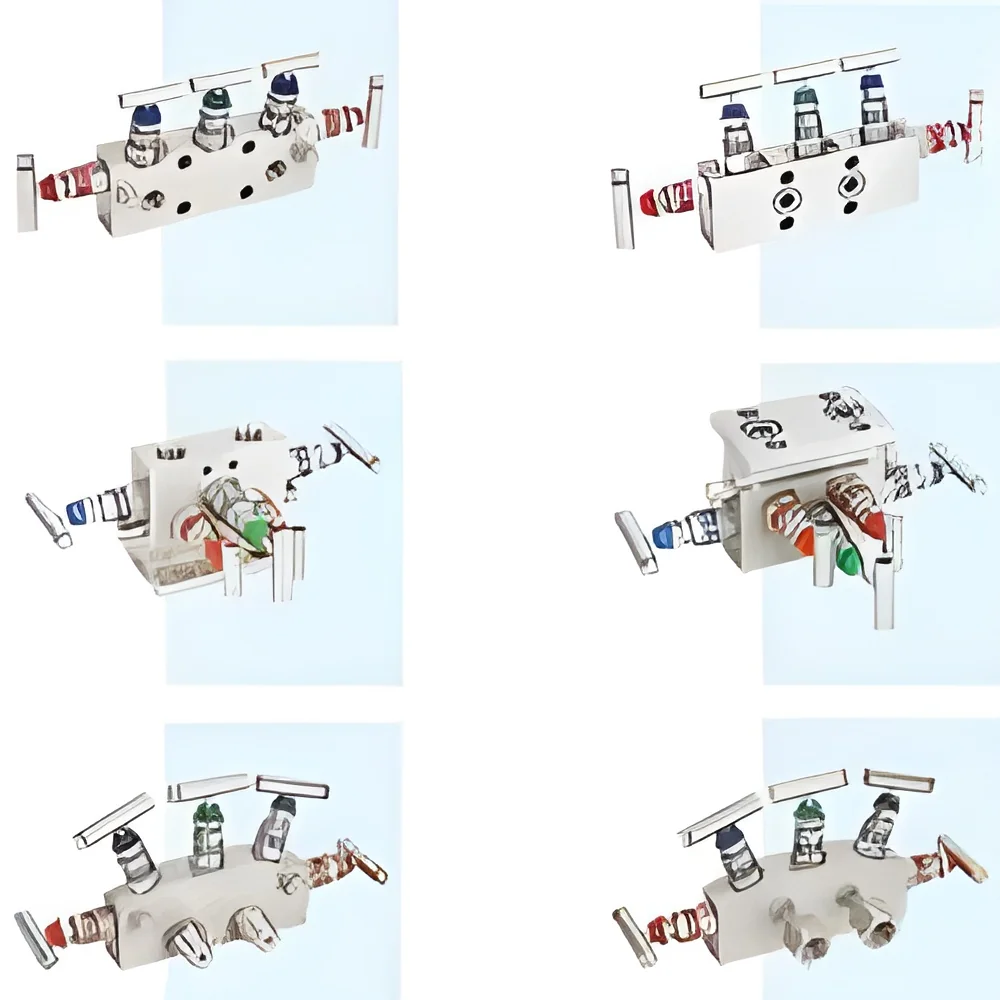
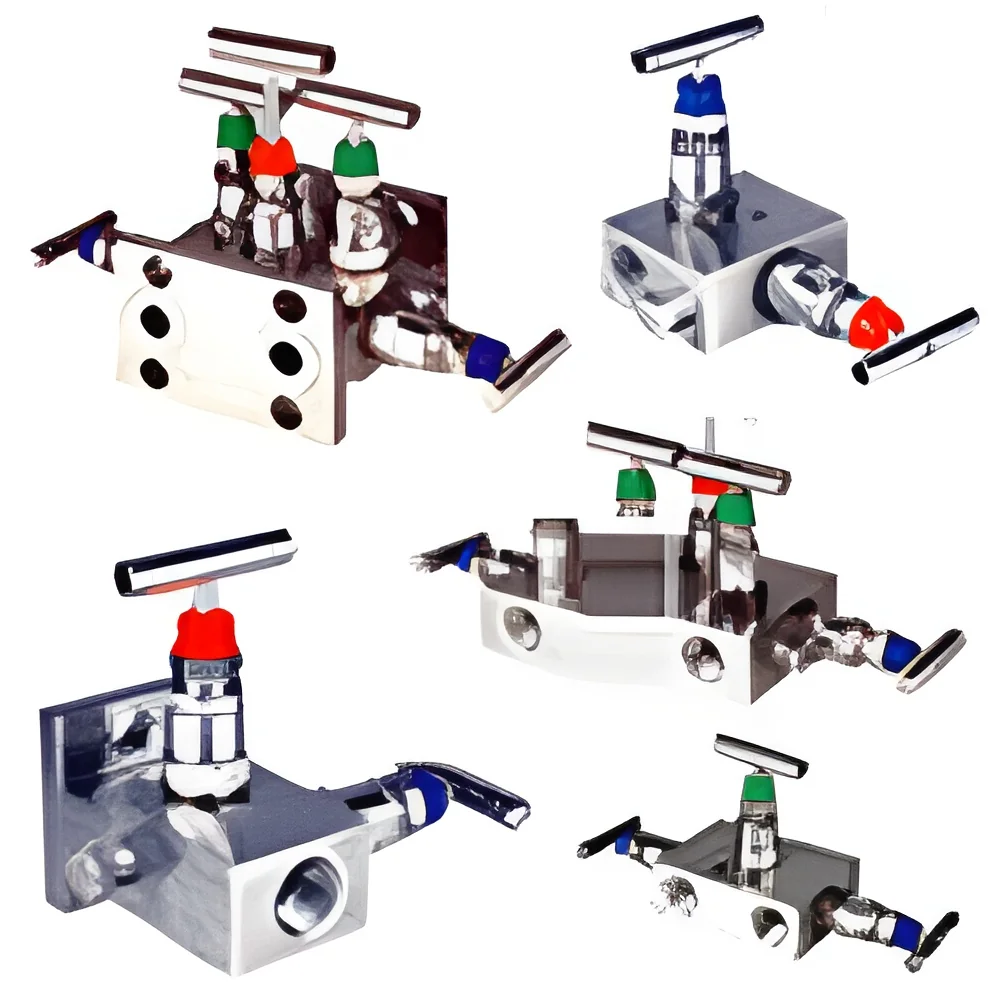
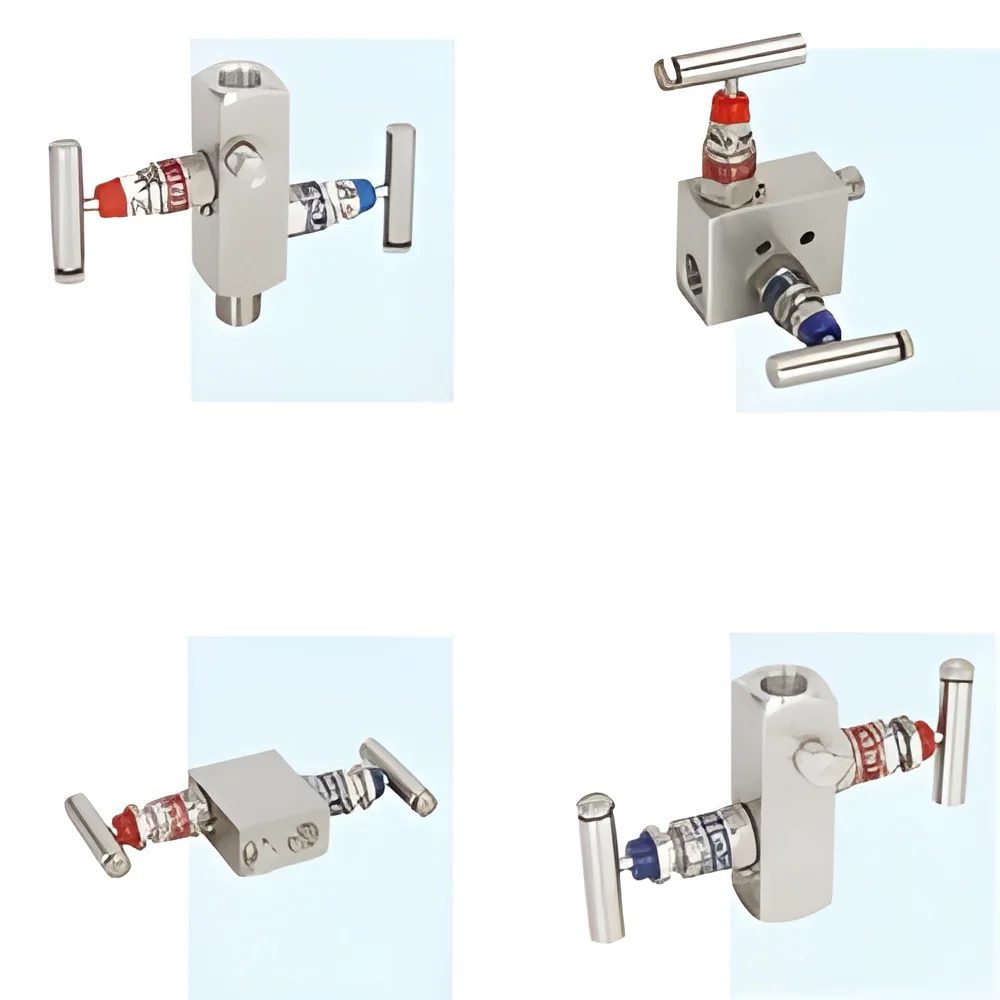
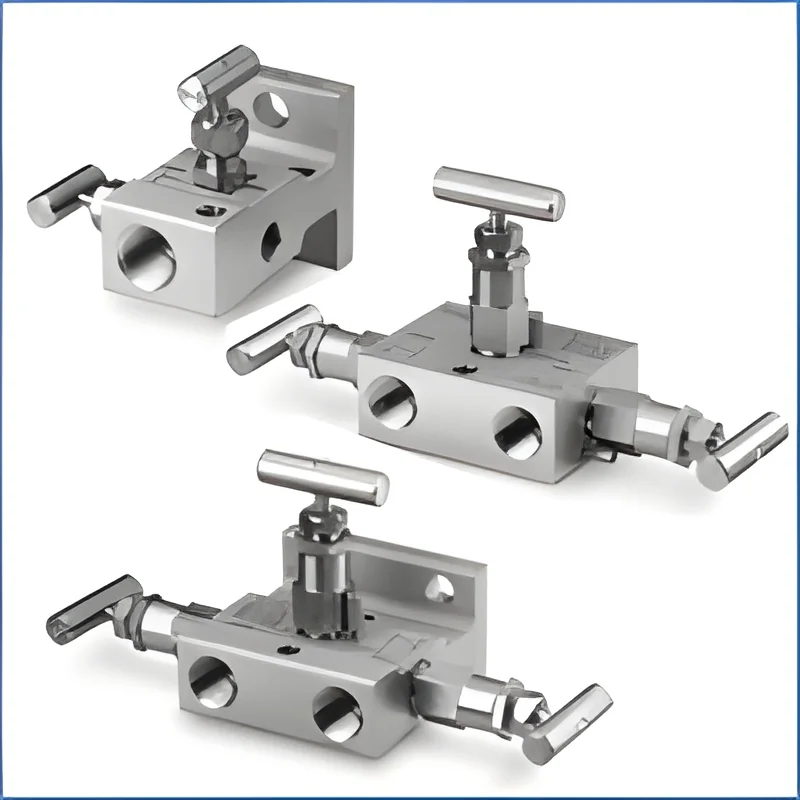
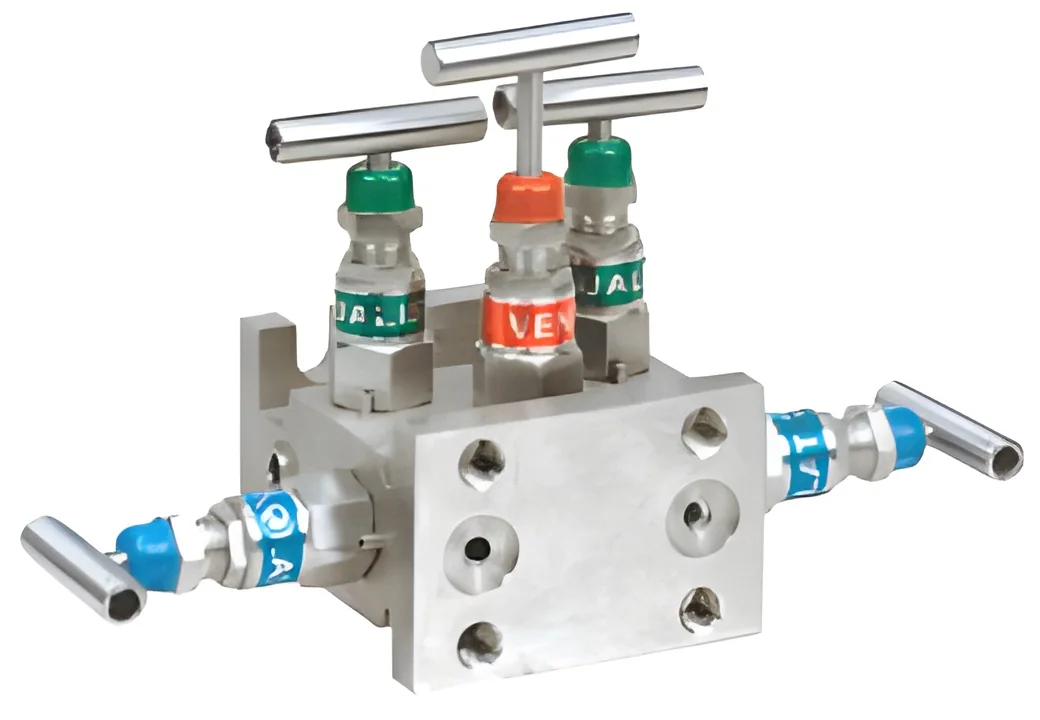
What are Logic Valve Manifolds?
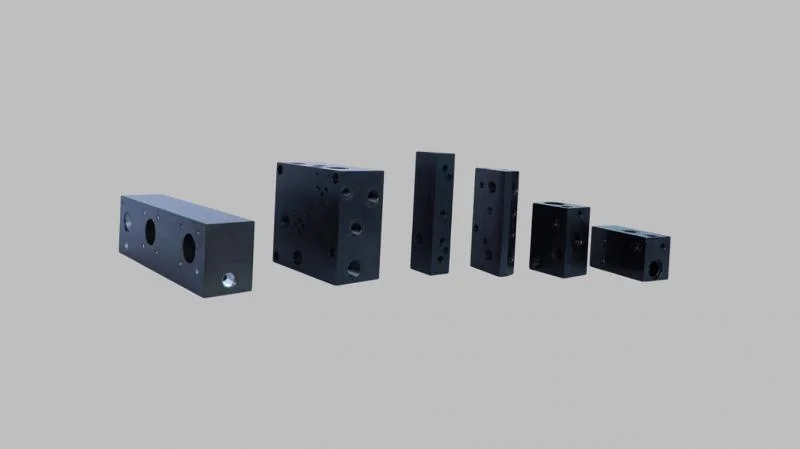
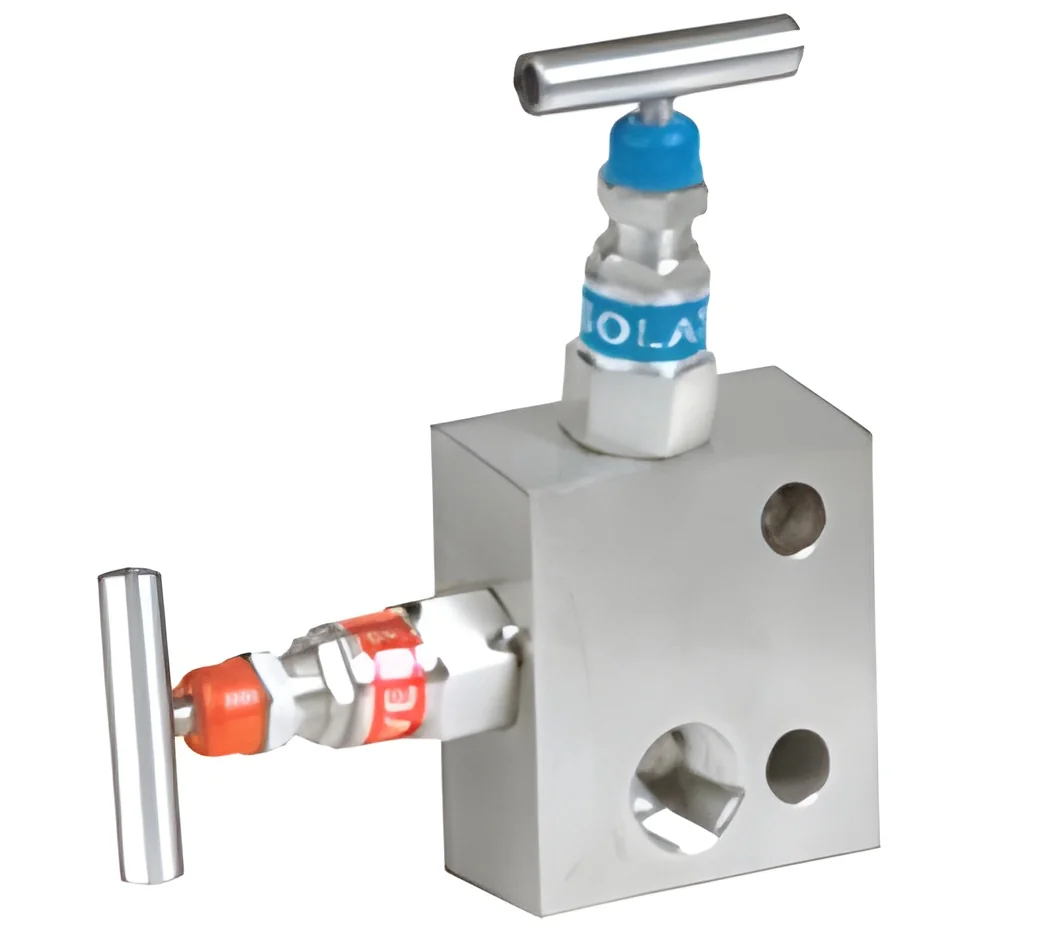
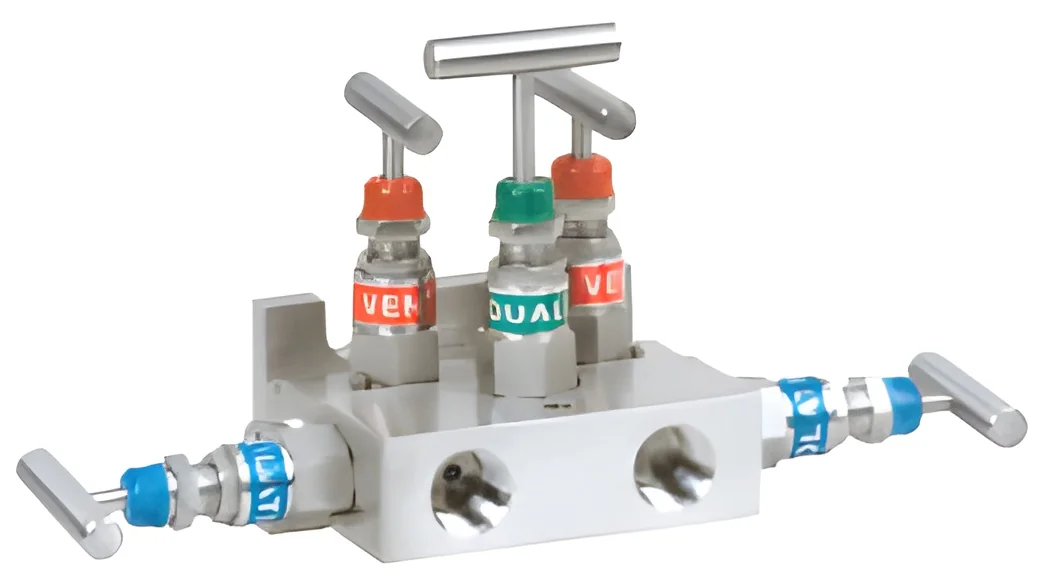
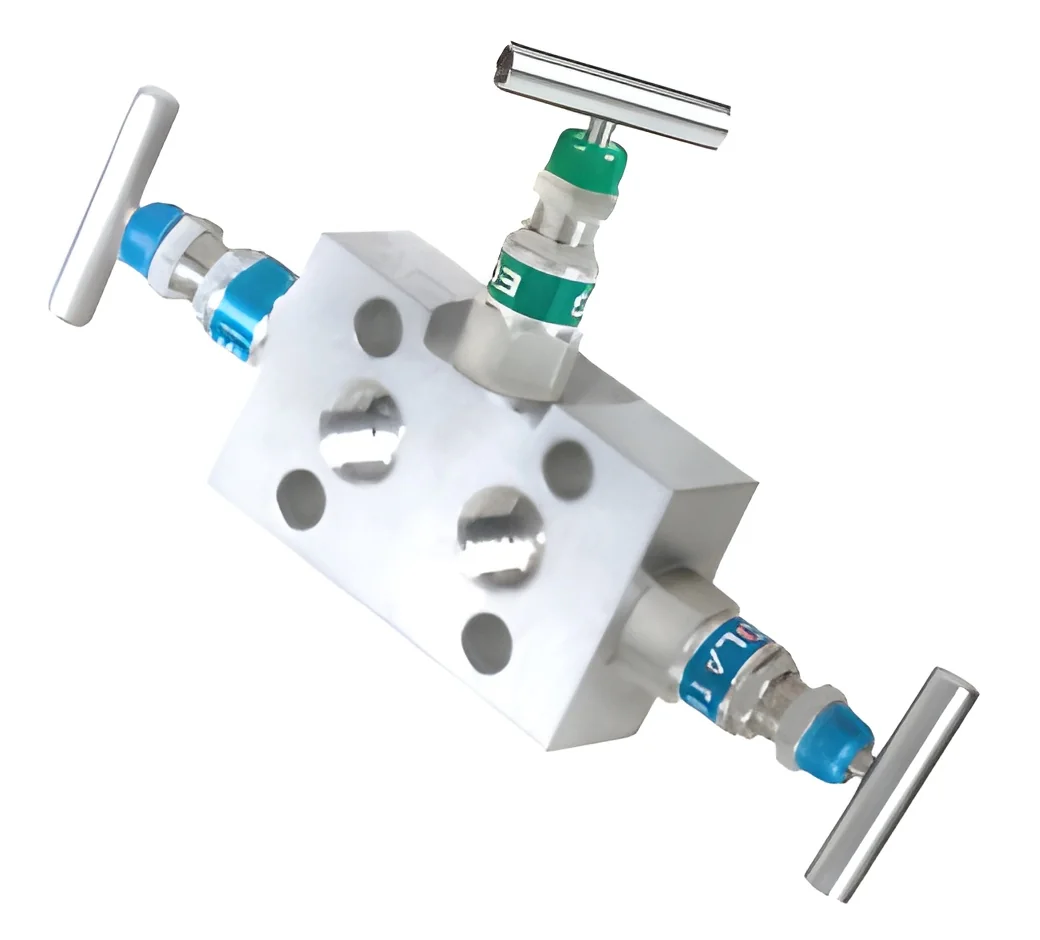
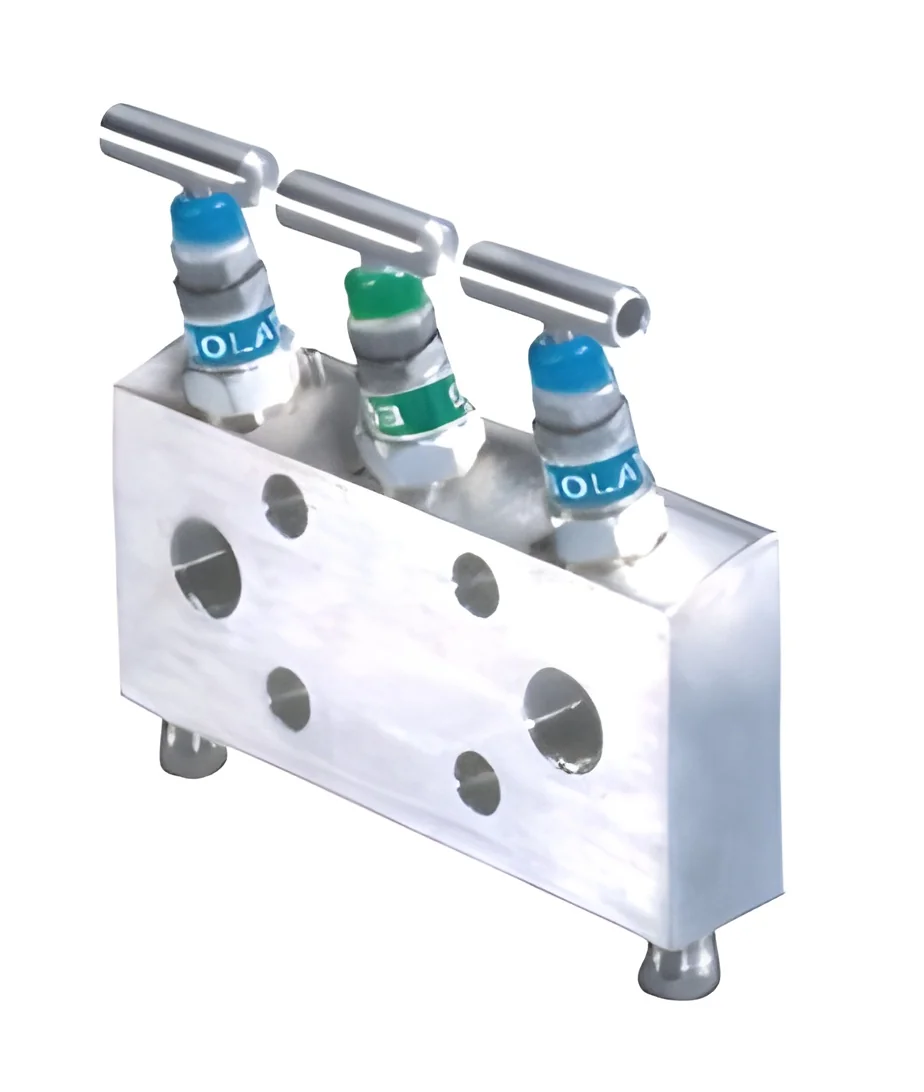
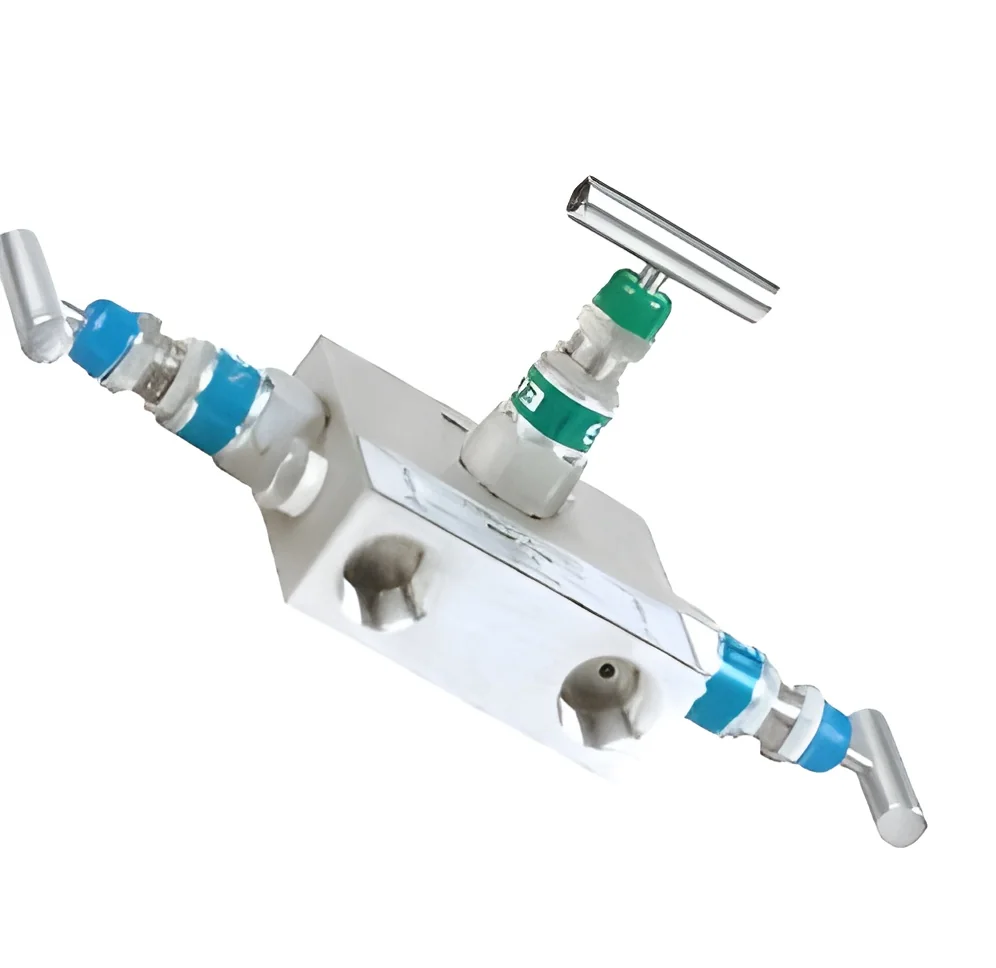
Logic valve manifolds are a critical component in many industrial automation systems. They serve as a central hub for controlling multiple actuators and valves, allowing for streamlined operation and enhanced efficiency. These manifolds integrate various functions such as pressure regulation, flow control, and safety monitoring, which simplifies the design and installation process of complex fluid control systems.
The primary uses of logic valve manifolds span across industries such as manufacturing, automotive, and process control. Businesses utilize these manifolds to manage pneumatic or hydraulic systems effectively, ensuring precise control in applications ranging from assembly lines to robotics. By facilitating the coordination of multiple valves, logic valve manifolds help in reducing system complexity, minimizing the risk of errors, and improving operational reliability.
In today’s competitive market, the relevance of logic valve manifolds is underscored by the growing demand for automation and efficiency. As industries continue to evolve, the integration of advanced valve technology plays a vital role in enhancing productivity and reducing operational costs. The current trend towards smart manufacturing further emphasizes the importance of these components in achieving seamless control and monitoring of industrial processes.
Key Features and Specifications
Logic valve manifolds come equipped with a variety of features and specifications designed to enhance their performance and reliability. Understanding these specifications is crucial for businesses seeking to implement effective fluid control solutions.
Key specifications include:
1. Valve Configuration
- Typically available in 2-way or 3-way configurations
- Options for normally open or normally closed designs
2. Flow Rate
- Designed to handle varying flow rates depending on application needs
- Common ranges from 0.1 to 100 liters per minute
3. Operating Pressure
- Capable of withstanding pressures from 0 to 10 bar
- Ensures safe and efficient operation under varying conditions
4. Material Composition
- Constructed from durable materials like aluminum or stainless steel
- Corrosion resistance enhances longevity in harsh environments
5. Mounting Options
- Versatile mounting configurations for easy installation
- Compatible with various industrial frameworks
6. Port Sizes
- Available in multiple port sizes to fit different piping systems
- Standard sizes include 1/4 inch, 1/2 inch, and 3/4 inch
7. Electrical Connectivity
- Integration with control systems through various electrical interfaces
- Options for digital and analog signals for enhanced compatibility
8. Safety Features
- Equipped with built-in safety mechanisms to prevent system failures
- Includes pressure relief valves and emergency shut-off options
In summary, the specifications of logic valve manifolds are tailored to meet the diverse needs of industrial applications. Their robust design and functional versatility make them an essential component in modern automation systems.
Common Applications and Use Cases
Logic valve manifolds serve various industries, enabling efficient control and automation.
1. Manufacturing: In manufacturing settings, these manifolds are used to manage pneumatic tools and machines. They enable precise control of actuators that power assembly lines, improving production efficiency.
2. Automotive: The automotive sector utilizes logic valve manifolds for automated assembly processes and testing. They help control hydraulic systems in vehicles, ensuring safety and performance.
3. Food and Beverage: In food processing, these manifolds are crucial for controlling the flow of liquids and gases. They ensure compliance with hygiene standards while maintaining operational efficiency.
4. Pharmaceuticals: Logic valve manifolds support complex fluid management in drug manufacturing. They control the flow of ingredients with high accuracy, essential for product quality.
5. Chemical Processing: In chemical plants, these manifolds are used to regulate the flow of hazardous materials. They enhance safety by incorporating multiple control features to prevent leaks or spills.
6. Wastewater Management: These manifolds are employed in treatment facilities to manage the flow of wastewater. They help automate processes, improving treatment efficiency and environmental compliance.
7. Energy Sector: In the energy industry, logic valve manifolds control fluid flow in power plants. They ensure stable operations, enhancing the reliability of energy production.
Product Variants and Subcategories
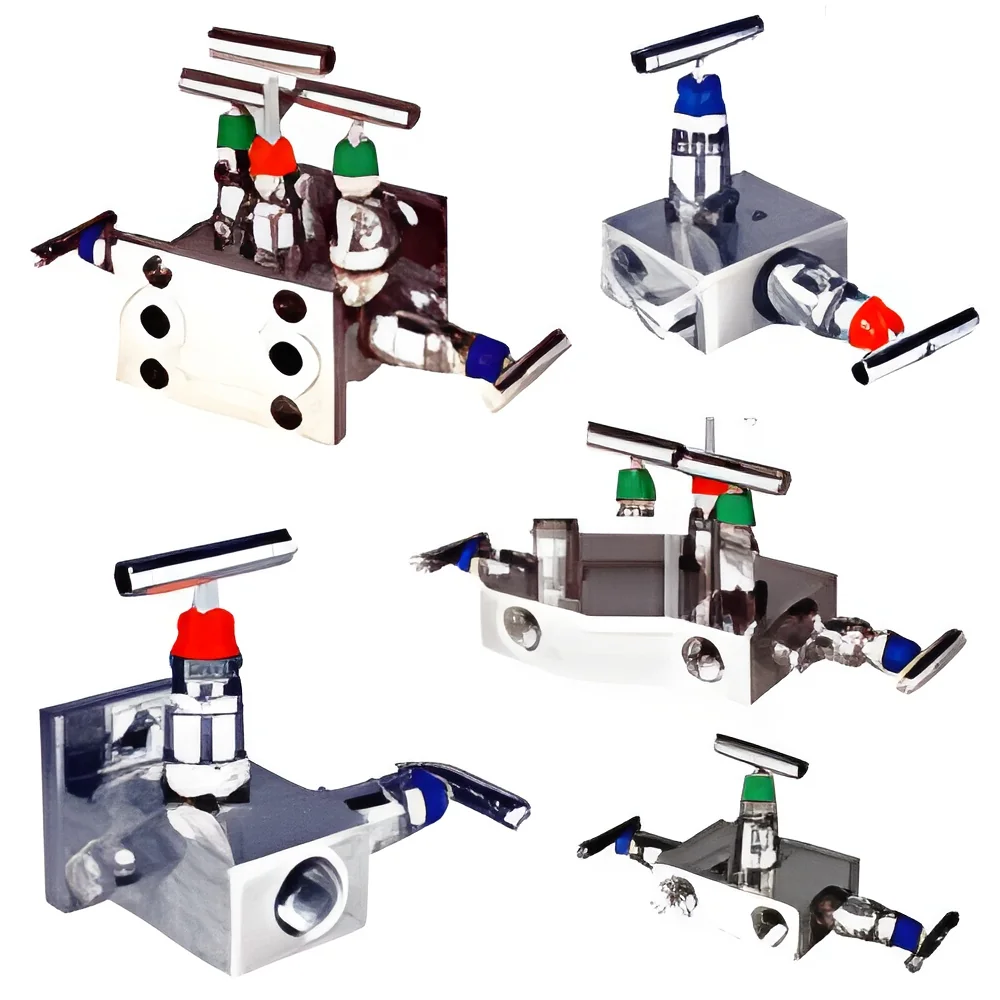
Logic valve manifolds are available in various configurations to suit different industrial applications. This product diversity allows businesses to select the most appropriate solution for their specific needs.
Compact Manifold
This variant is designed for space-constrained environments. It offers a streamlined design that does not compromise on performance, making it ideal for smaller machines and systems.
Modular Manifold
The modular design allows for customization and scalability. Businesses can add or remove sections based on their requirements, making it a flexible choice for evolving applications.
Integrated Manifold
This variant combines valve functions with other components, such as sensors and controllers. It provides an all-in-one solution that simplifies installation and reduces the need for additional components.
Custom Solutions
Some manufacturers offer the option for custom-built manifolds tailored to specific operational needs. These solutions can include unique configurations, materials, and features.
Benefits and Advantages
Logic valve manifolds offer numerous advantages that enhance operational efficiency and reliability in industrial applications.
1. Streamlined Installation: The integrated design simplifies installation processes, reducing setup time and labor costs.
2. Improved Space Efficiency: Compact models take up less space, allowing for more efficient use of valuable floor space in industrial settings.
3. Enhanced Control: These manifolds provide precise control over fluid dynamics, which is essential for maintaining optimal operational conditions.
4. Increased Reliability: Built-in safety features reduce the risk of failure, ensuring consistent performance and minimizing downtime.
5. Cost-Effective: By optimizing the flow and control of fluids, these manifolds contribute to lower operational costs and improved resource management.
6. Customization Options: The availability of various configurations allows businesses to tailor solutions to their specific needs, improving overall functionality.
Buying Guide for B2B Buyers
When sourcing logic valve manifolds, it is important for B2B buyers to consider several key factors to ensure they make informed purchasing decisions.
1. Quality Assessment: Evaluate the quality of the manifolds based on industry standards and certifications. Look for products that meet relevant quality benchmarks to ensure reliability.
2. Supplier Verification: Conduct thorough research on potential suppliers. Verify their reputation, experience, and customer feedback to ensure that you are partnering with a reliable source.
3. Pricing and MOQ: Understand the pricing structure and minimum order quantities. Assess your budget and volume requirements to find a supplier that meets your financial constraints.
4. Delivery and Lead Times: Inquire about delivery schedules and lead times. Timely delivery is crucial to maintaining project timelines and operational efficiency.
5. Compliance Requirements: Ensure that the manifolds meet all necessary regulatory and safety standards. This is vital for maintaining operational compliance and avoiding legal issues.
Compliance and Certifications
Compliance and certifications play a significant role in the manufacturing and sourcing of logic valve manifolds. Adhering to recognized quality standards is essential for ensuring product reliability and safety.
Many logic valve manifolds comply with ISO 9001 standards, which indicate a commitment to quality management systems. This certification ensures that manufacturers maintain high standards throughout their production processes.
Additionally, CE certification is important for products sold in European markets, as it indicates compliance with safety and environmental requirements. This certification provides assurance to buyers that the products meet strict regulatory guidelines.
Safety and testing requirements are also critical. Manufacturers often conduct rigorous testing to ensure that the manifolds can withstand various operational demands without failure. This includes pressure testing and performance evaluations.
Regional compliance considerations may vary. It is important for buyers to understand the specific regulations that apply in their regions to ensure that the products meet local standards.
Why Source Logic Valve Manifolds from Pepagora?
Pepagora provides a trusted platform for sourcing logic valve manifolds, offering several key advantages that facilitate the purchasing process for businesses.
Verified Supplier Network: Pepagora features a network of verified suppliers, ensuring that buyers can connect with reputable manufacturers. This reduces the risk of sourcing from unreliable sources and enhances product quality.
Streamlined RFQ Process: The request for quotation process is simplified, allowing buyers to receive competitive pricing and options from multiple suppliers quickly. This efficiency helps businesses make informed decisions.
Trade Assurance and Support: Pepagora offers trade assurance measures to protect buyers during transactions. This includes support for resolving disputes and ensuring that the products meet specified requirements.
Regional Coverage: With a focus on regions such as India, the GCC, and Southeast Asia, Pepagora provides extensive geographic reach. This enables businesses to connect with local suppliers and access products tailored to their specific market needs.

 IN
IN