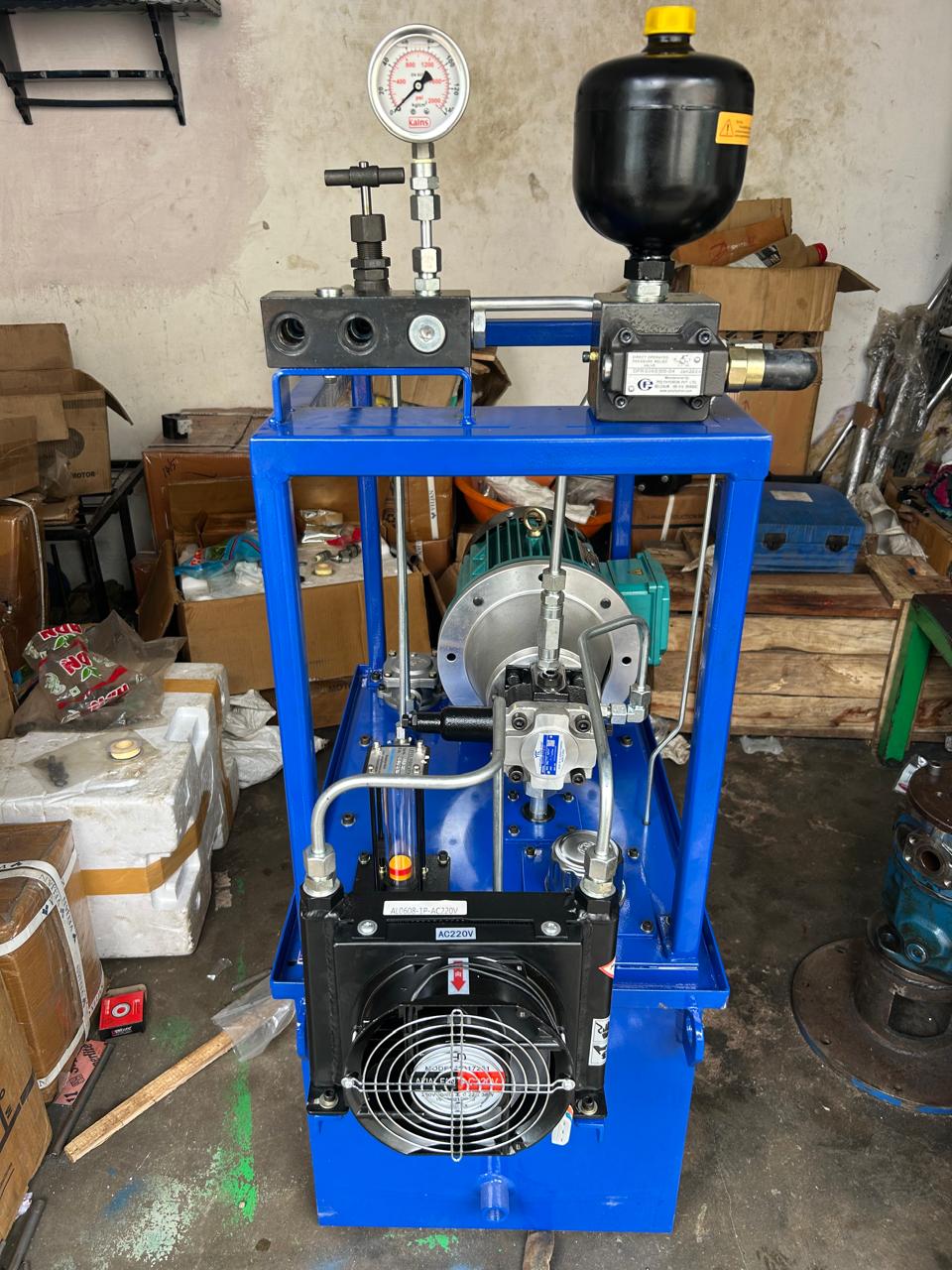
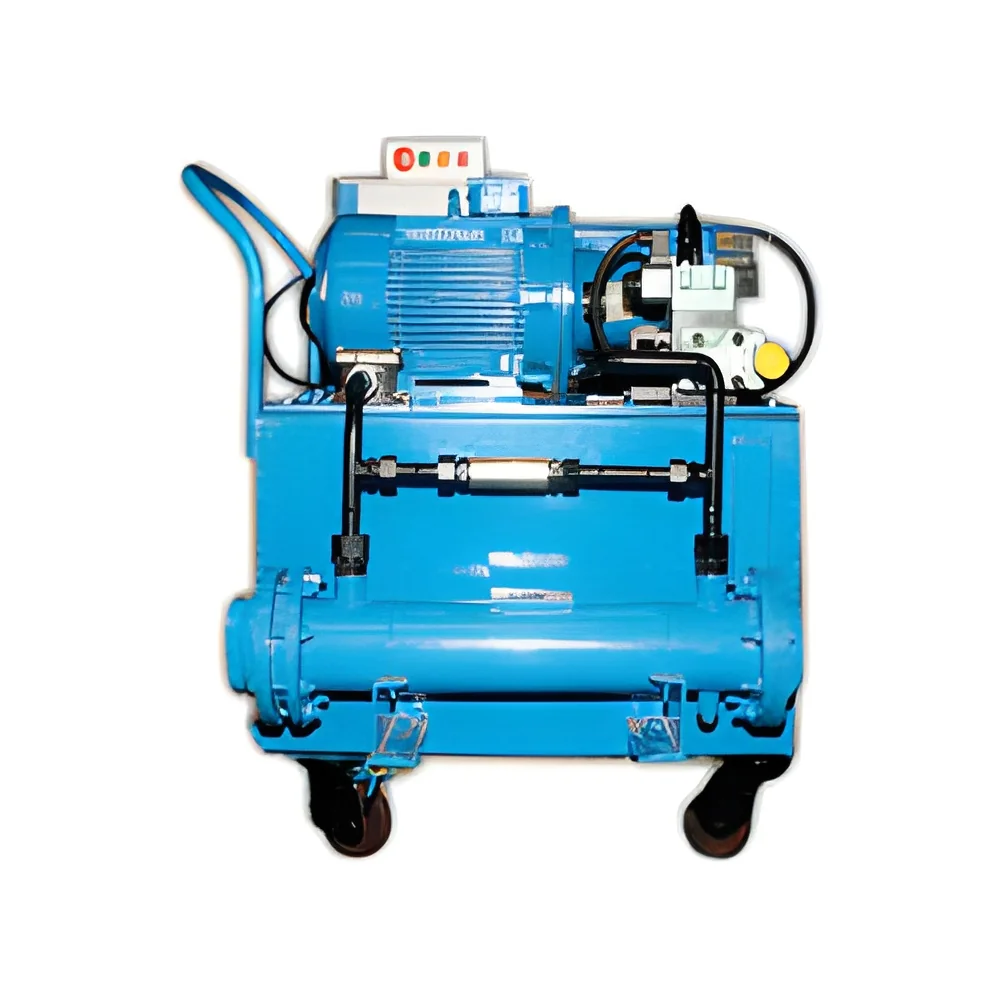
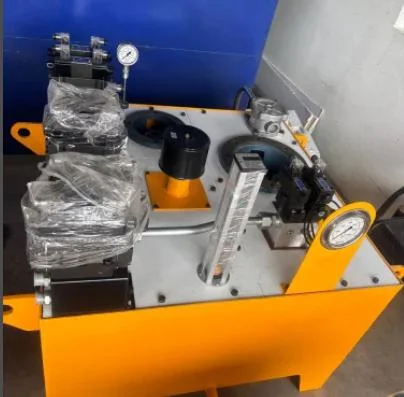
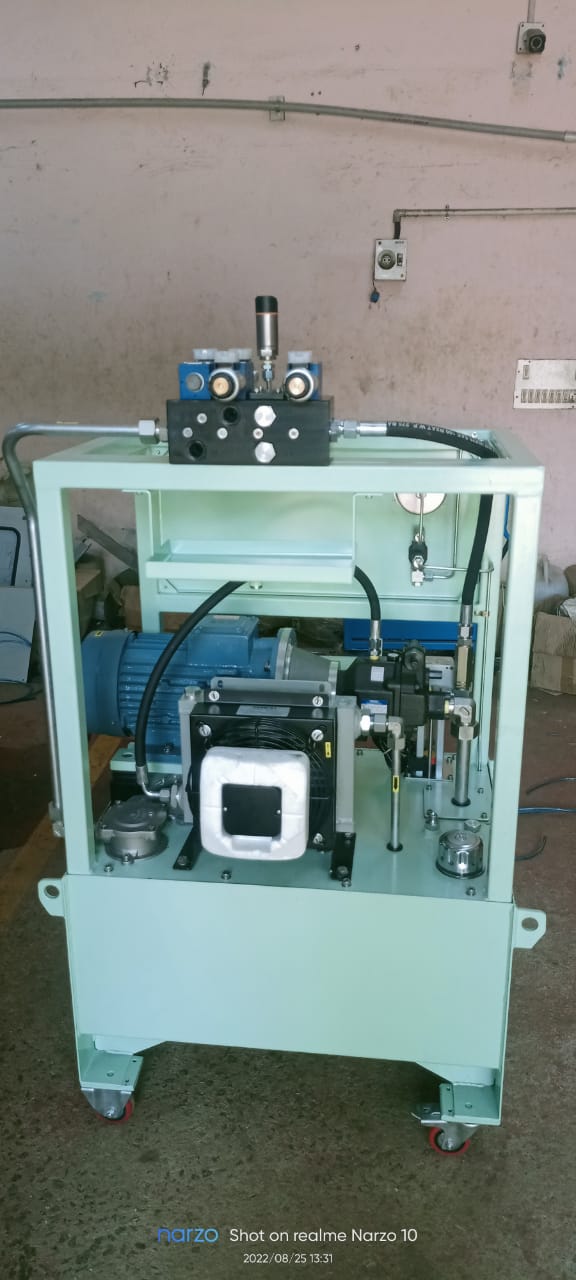
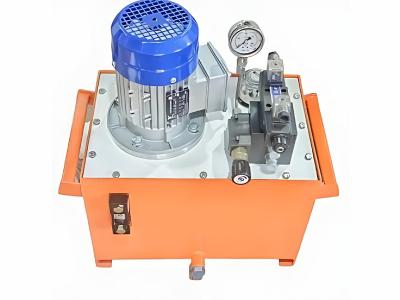
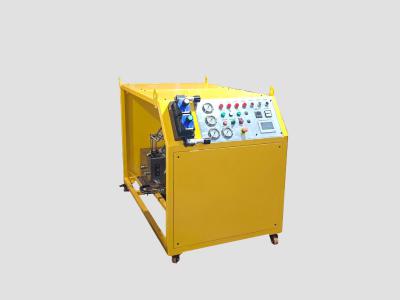
What are Hydraulic Power Packs?
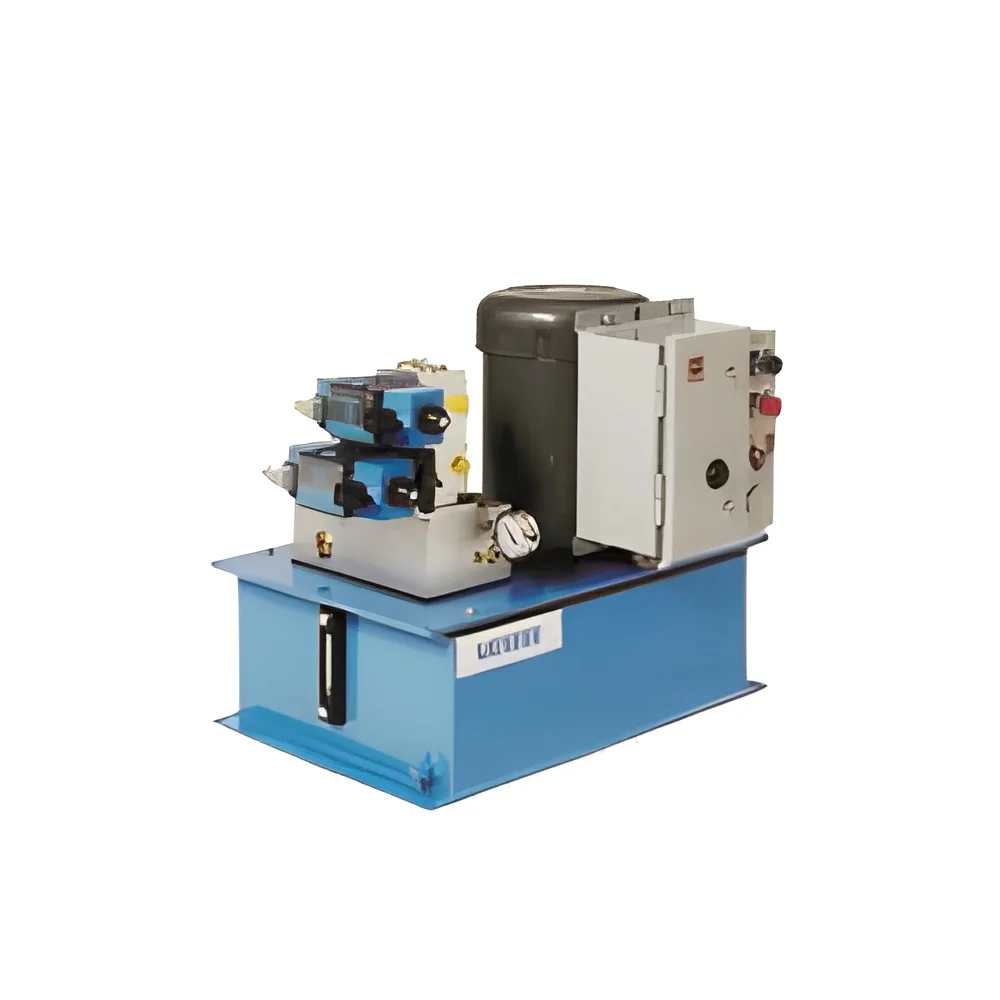
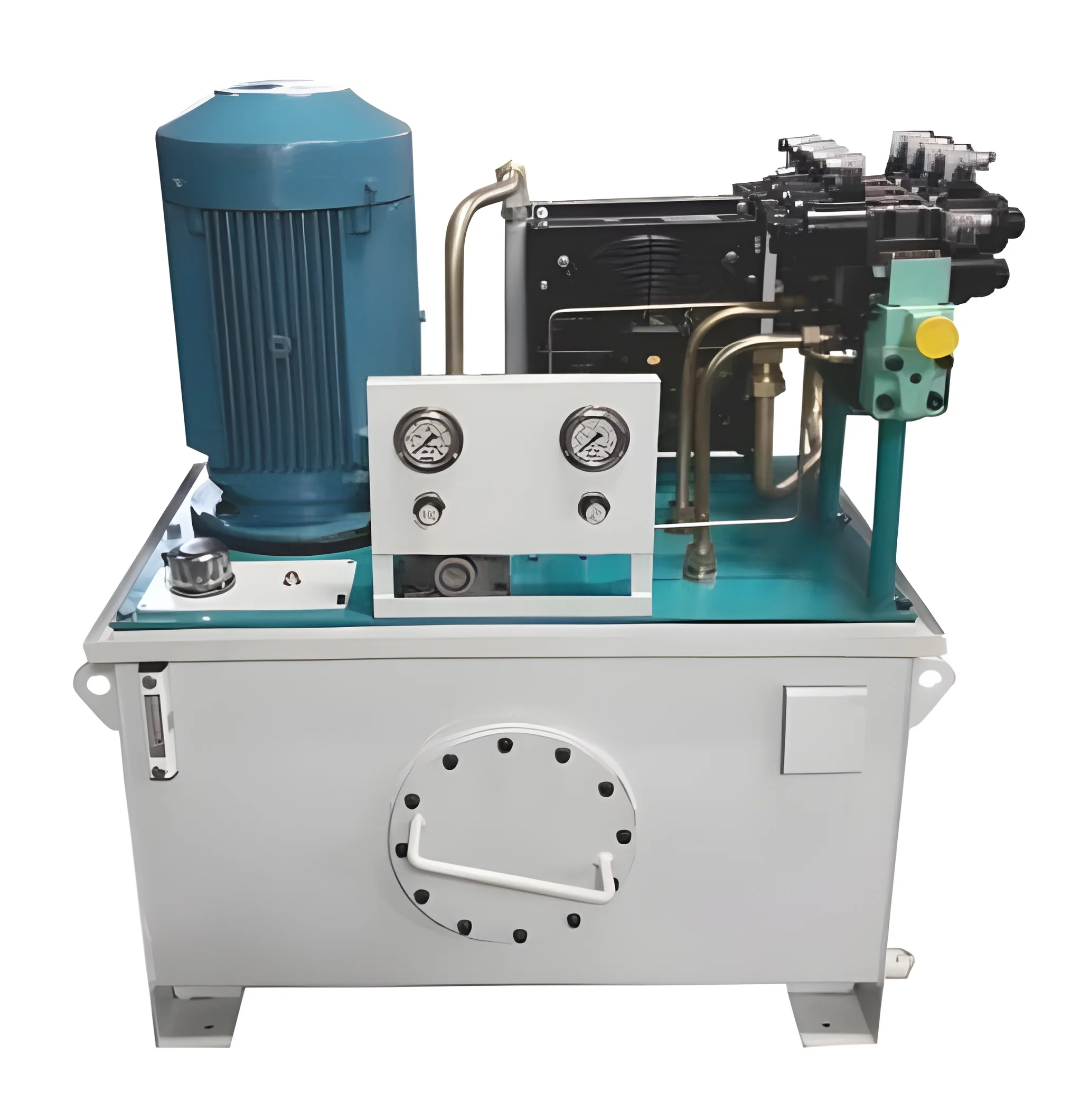
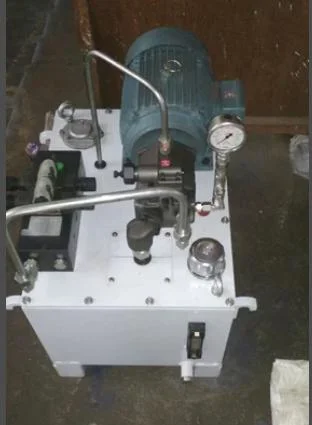
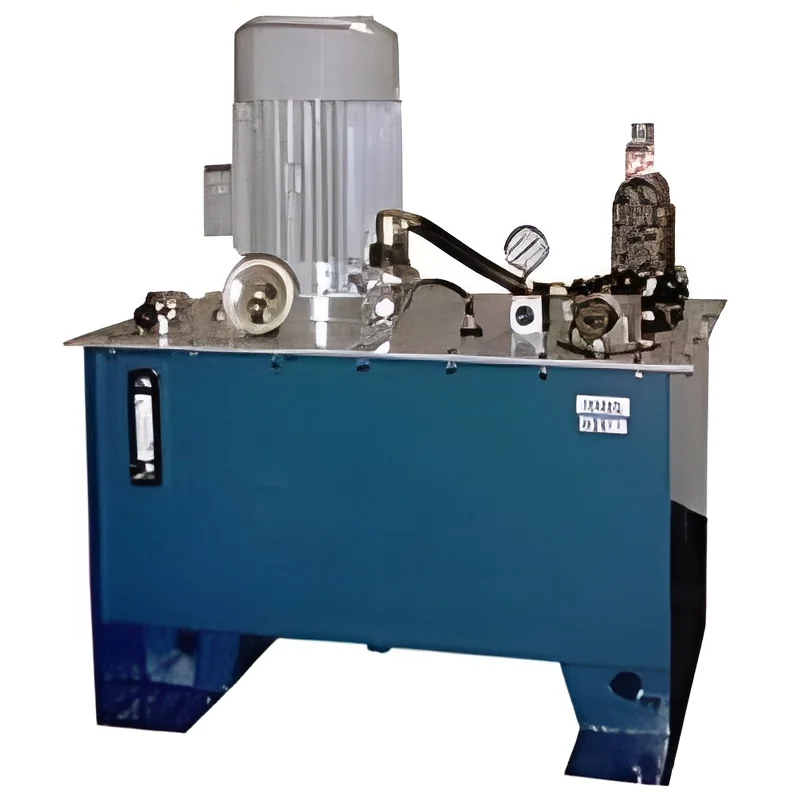
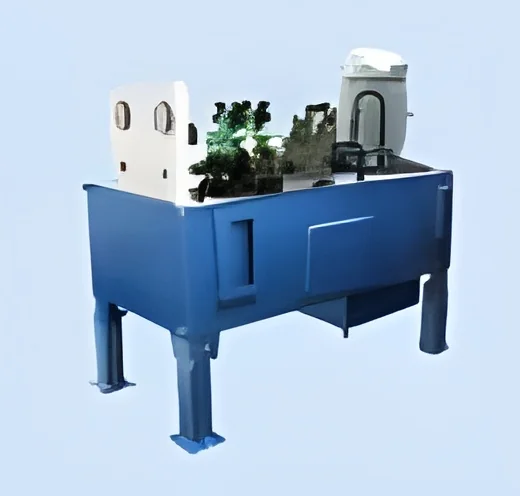
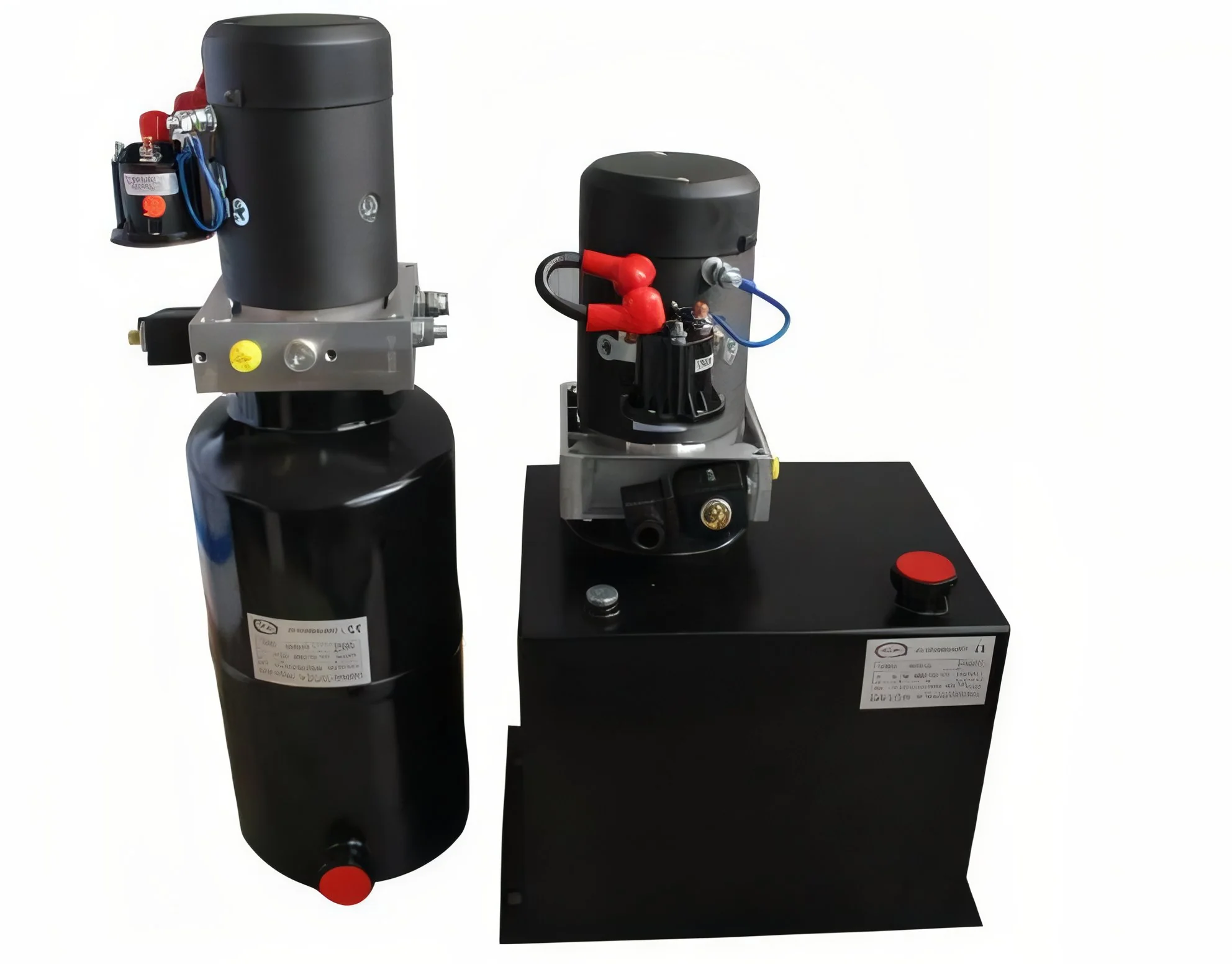
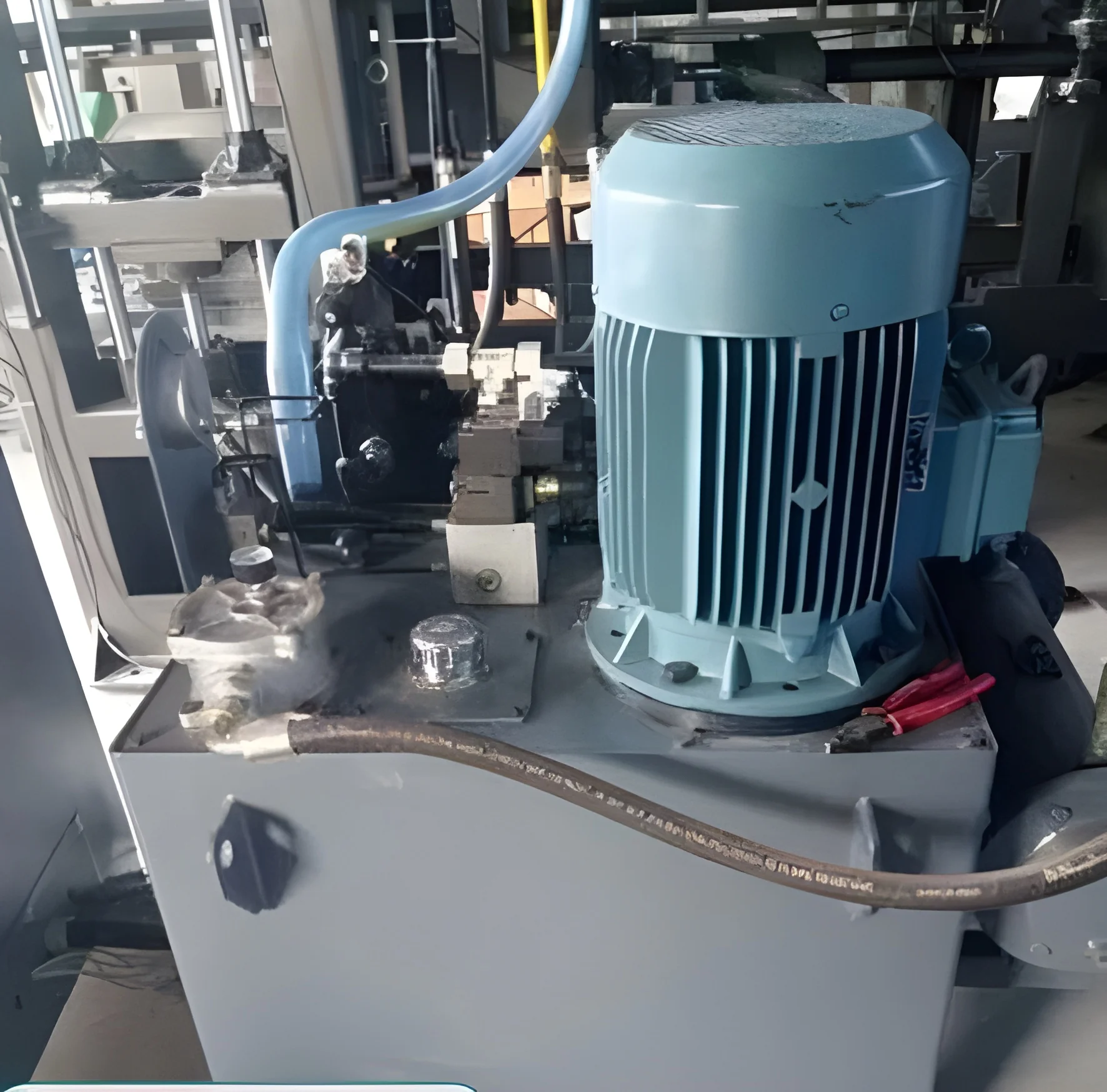
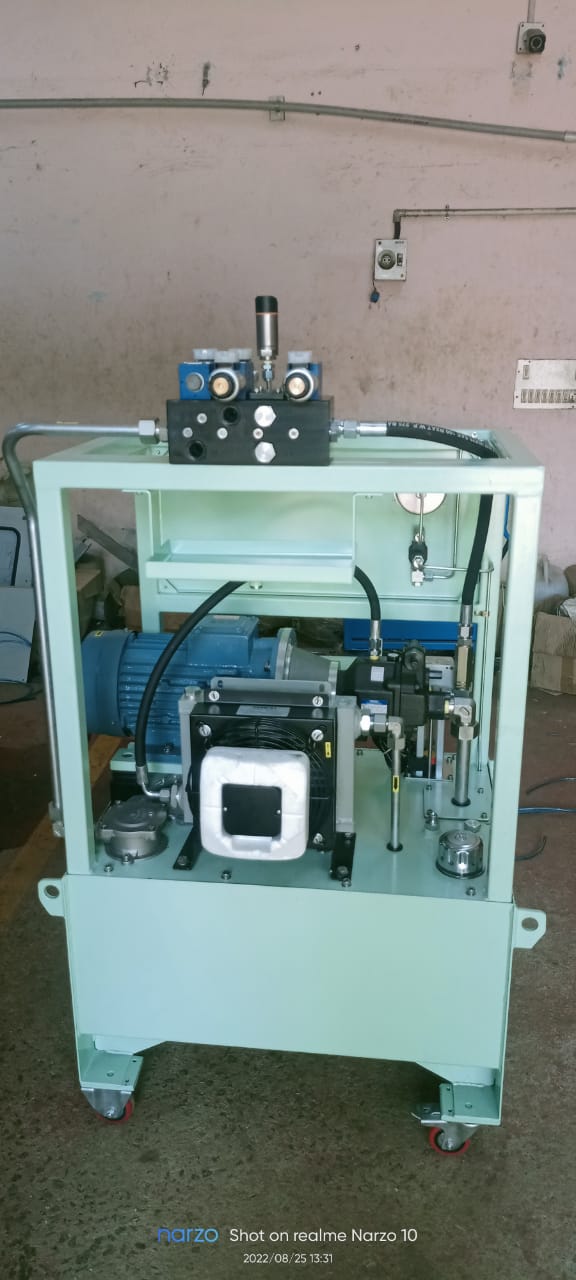
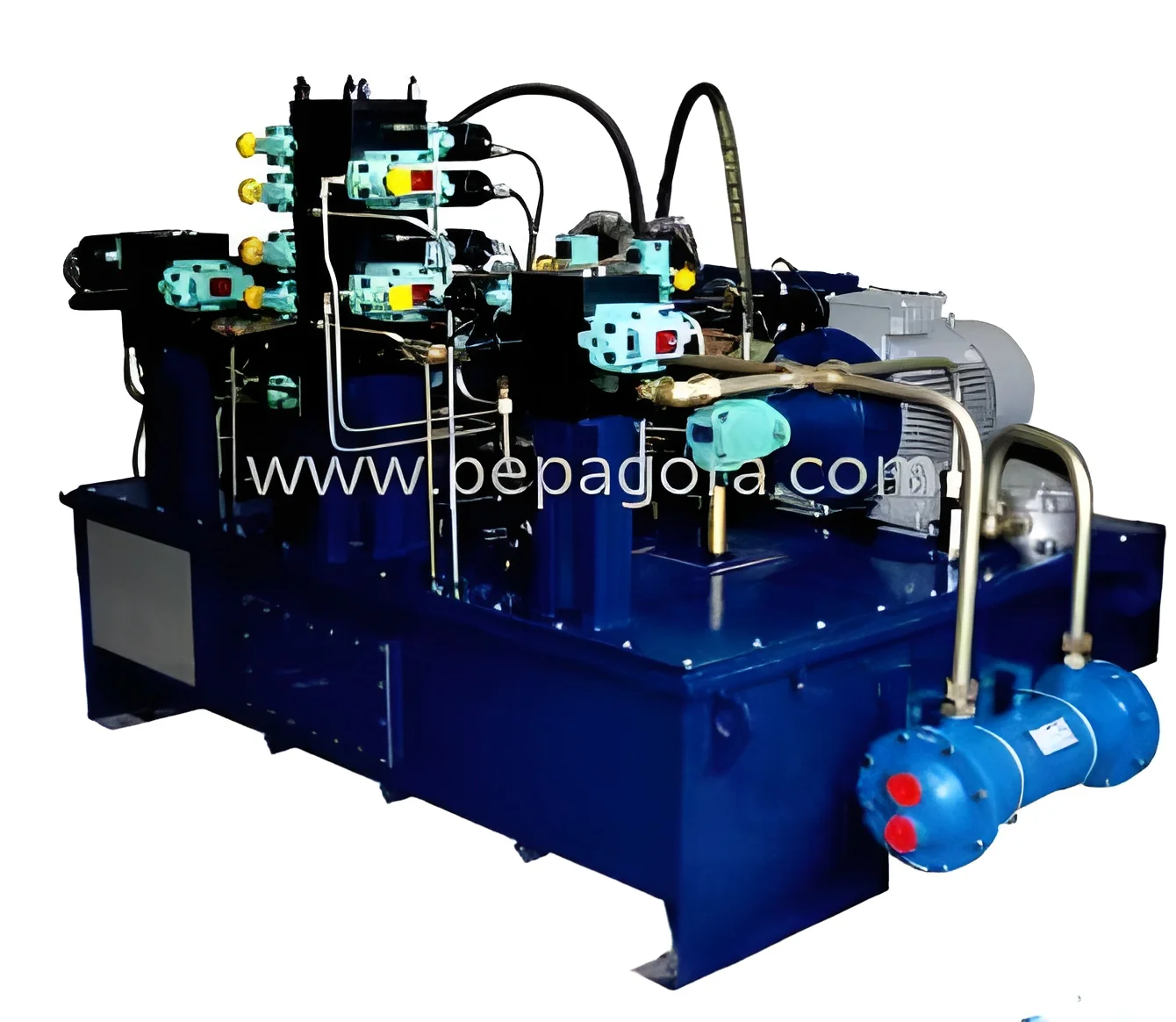
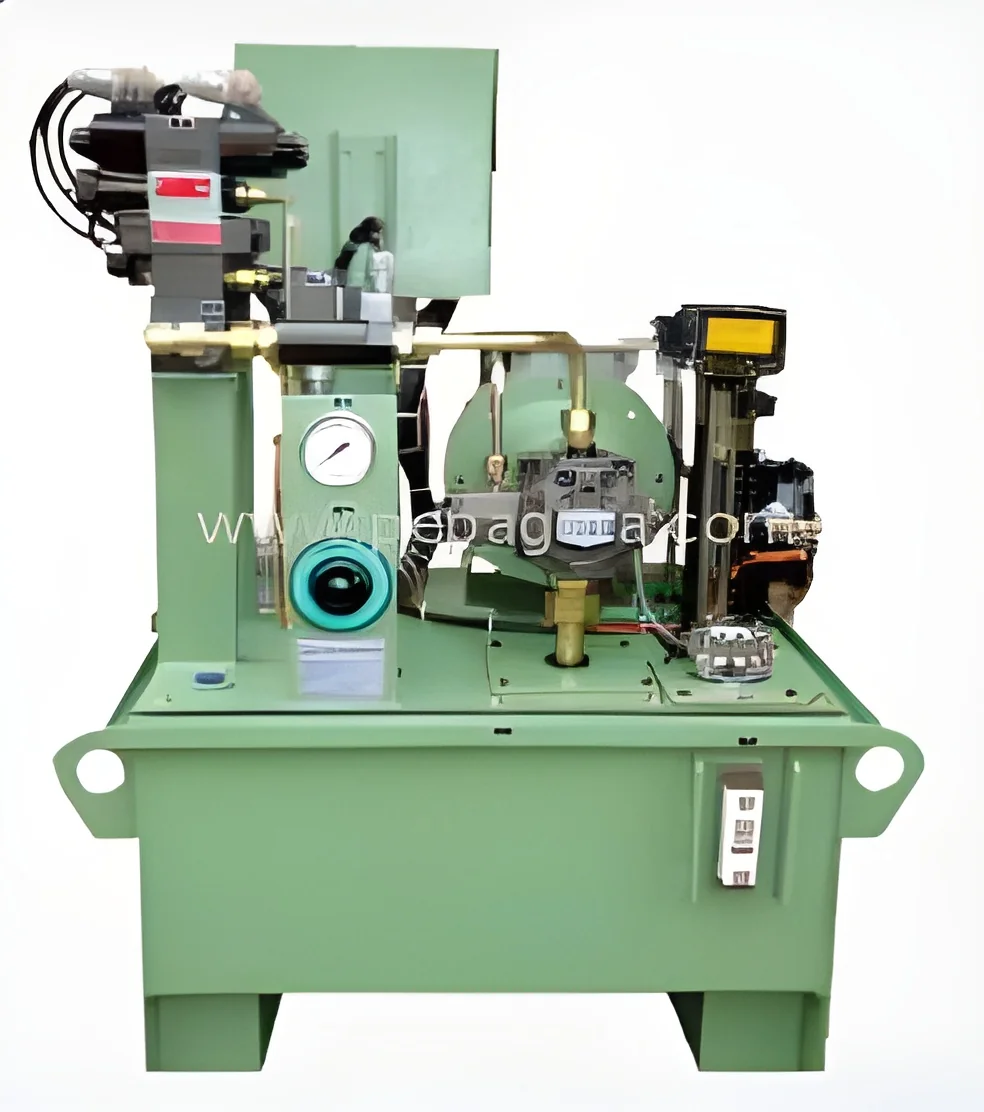
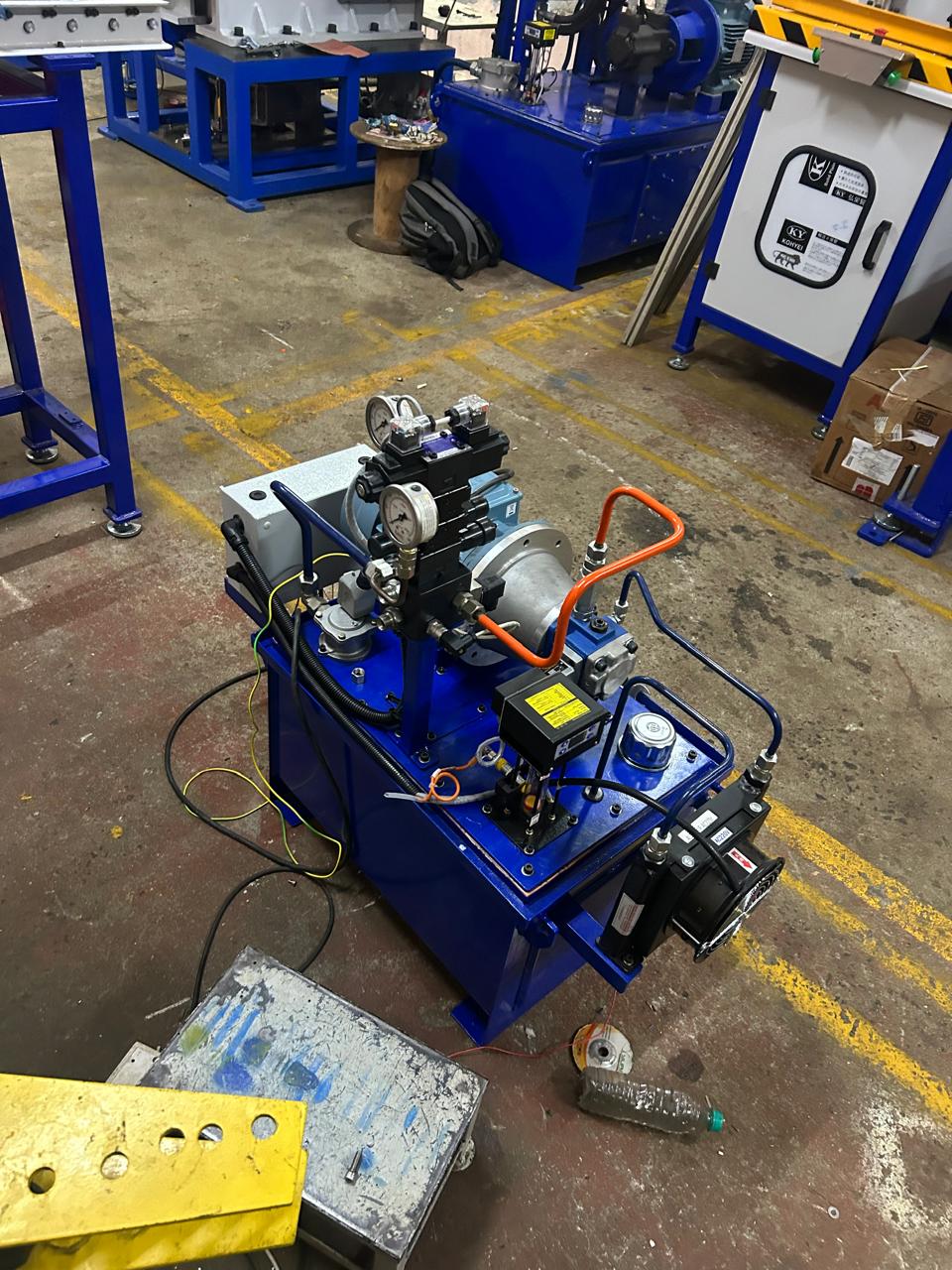
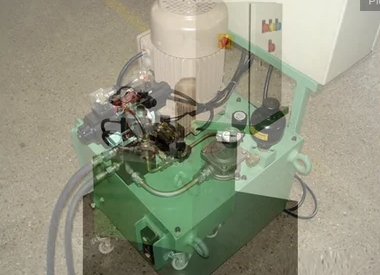
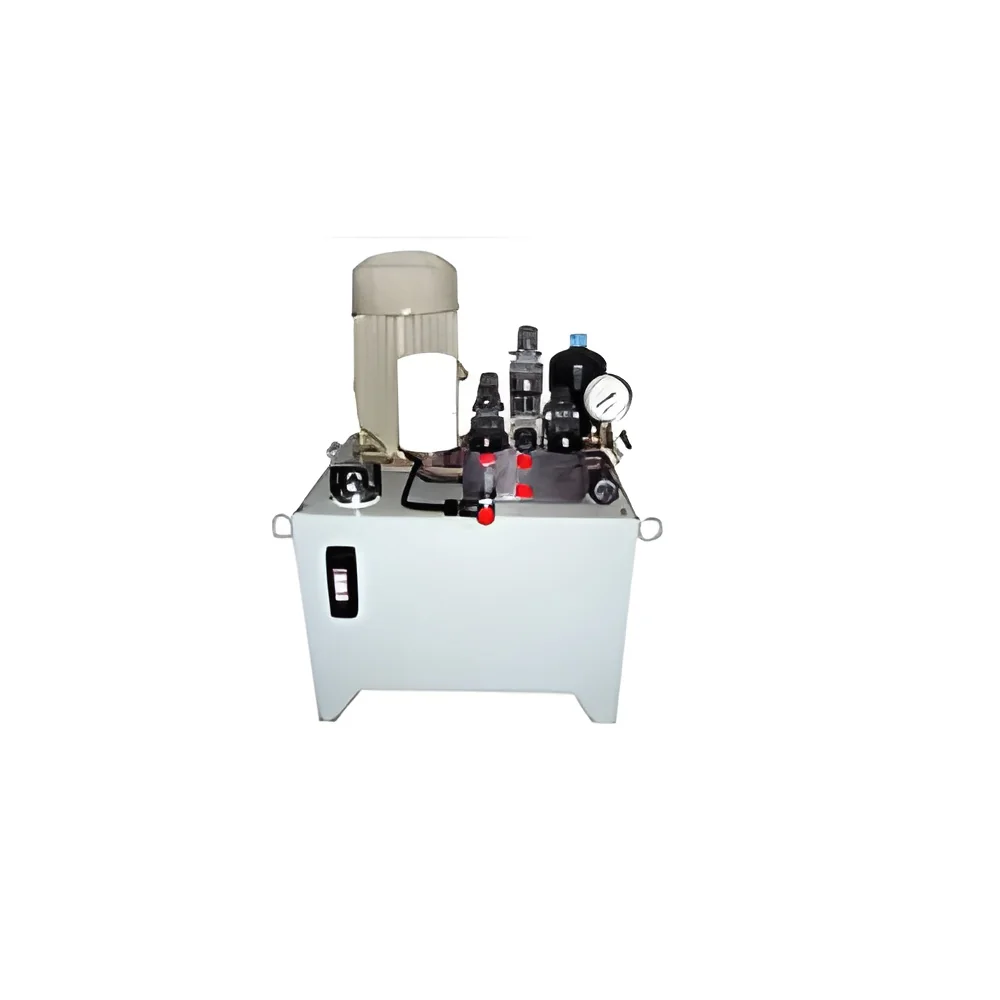
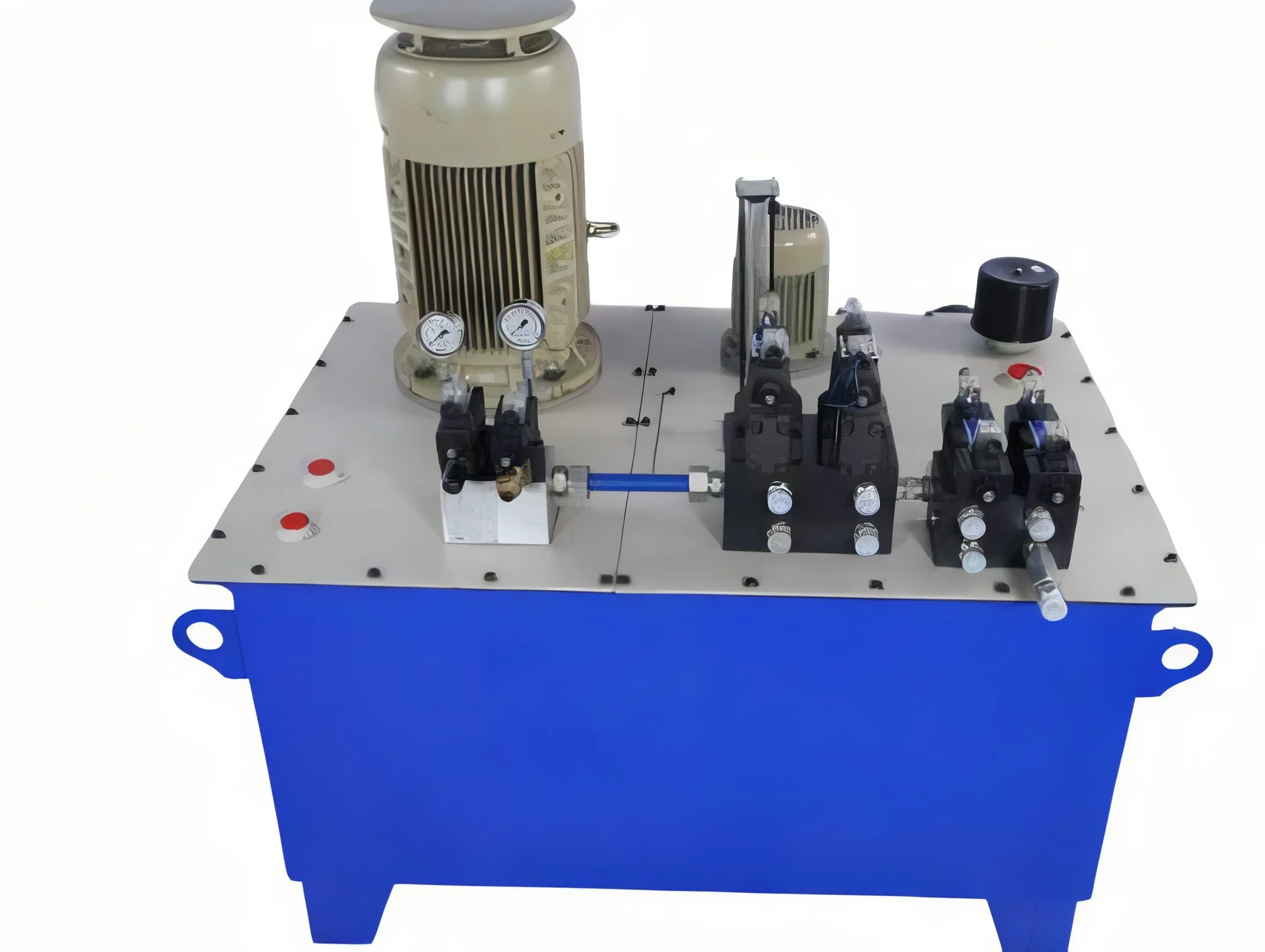
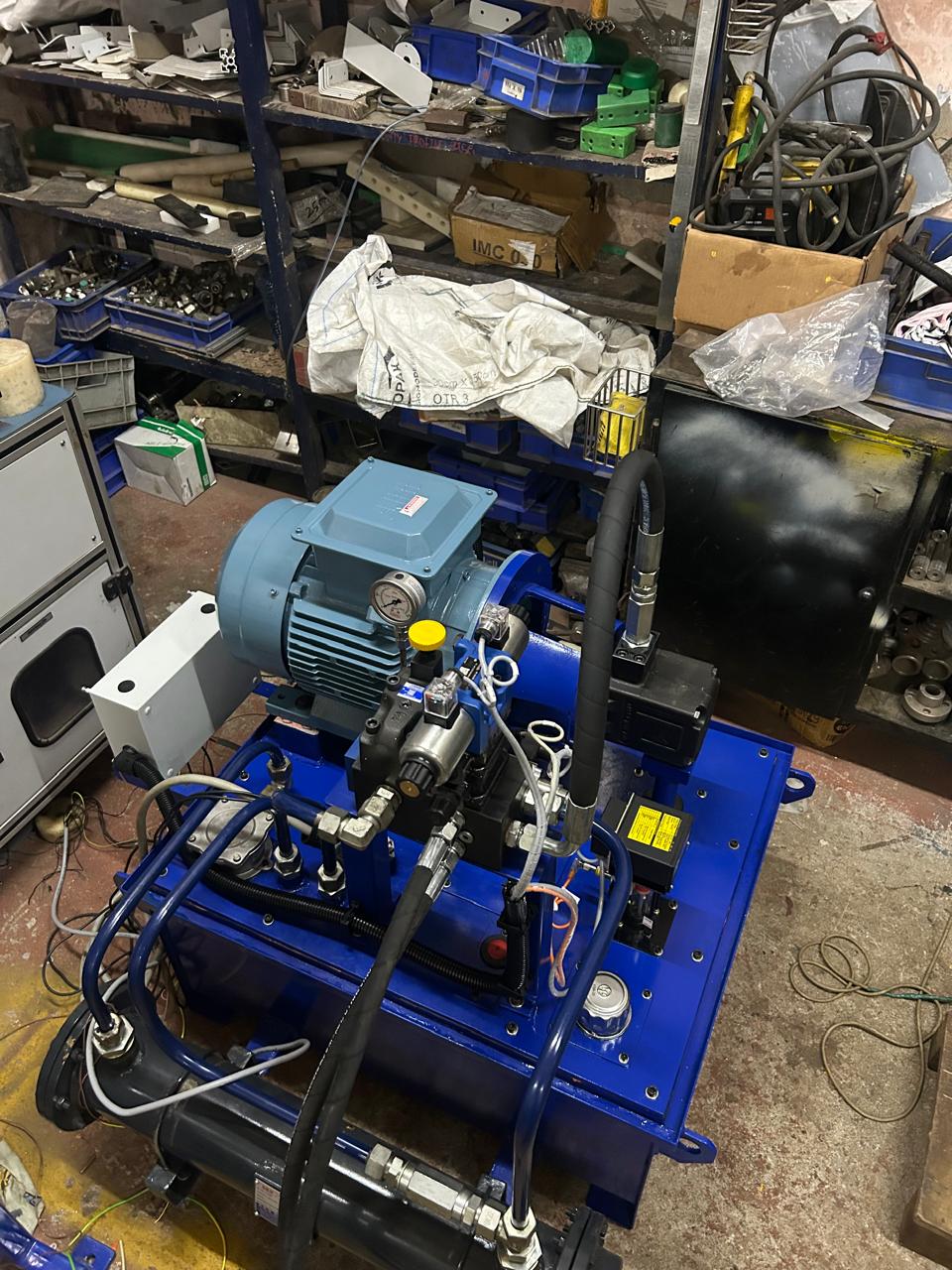
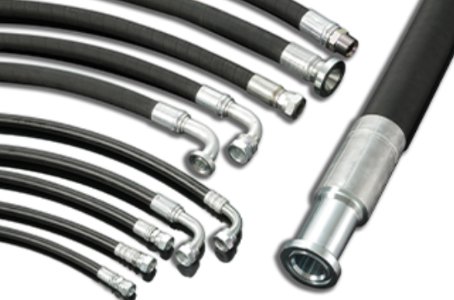
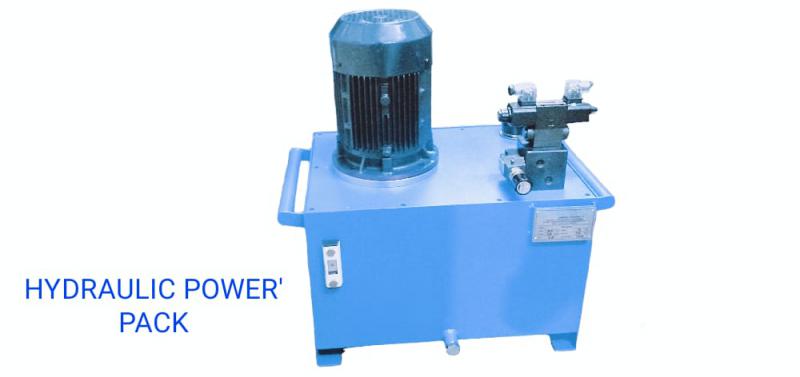
Hydraulic power packs are essential devices that generate hydraulic energy for various applications. They consist of a motor that drives a hydraulic pump, which in turn moves hydraulic fluid through a system of hoses and valves. This process enables the power pack to produce the necessary force to operate hydraulic machinery, tools, and equipment. Hydraulic power packs are available in various configurations, including portable and stationary models, making them versatile for different operational needs.
These power packs are commonly used across numerous industries, including construction, manufacturing, and automotive. In construction, they power heavy equipment like excavators and lifts. In manufacturing, they facilitate processes such as metal forming and assembly line automation. Their applications also extend to the automotive industry, where they are used for tasks like clamping and lifting. The increasing demand for efficient hydraulic systems in these sectors drives the growth of the hydraulic power pack market.
The relevance of hydraulic power packs in today's industrial landscape cannot be overstated. As businesses increasingly adopt automation and advanced machinery, the need for reliable hydraulic solutions continues to rise. Hydraulic power packs play a critical role in enhancing productivity and operational efficiency, making them a vital component in modern industrial applications.
Key Features and Specifications
Hydraulic power packs come with a range of features and specifications that cater to different industrial requirements. Understanding these specifications is crucial for selecting the right power pack for specific applications.
Key specifications include:
1. Power Output
- Typically ranges from 1.5 kW to 30 kW
- Determines the capacity for hydraulic force generation
2. Pressure Rating
- Standard ratings from 70 bar to 400 bar
- Indicates the maximum operating pressure for safe use
3. Fluid Capacity
- Often ranges from 5 liters to 500 liters
- Specifies the volume of hydraulic fluid the power pack can hold
4. Weight
- Varies based on design, typically between 50 kg to 500 kg
- Important for transportation and installation considerations
5. Motor Type
- Options include electric, diesel, or petrol
- Affects operational suitability and energy efficiency
6. Control System
- Can be manual or automated
- Influences ease of use and precision in operation
7. Cooling System
- Options include air-cooled or water-cooled
- Essential for maintaining optimal operating temperatures
8. Noise Level
- Generally ranges from 60 dB to 85 dB
- Important for compliance with workplace noise regulations
These specifications highlight the versatility and capability of hydraulic power packs in meeting diverse industrial needs.
Common Applications and Use Cases
Hydraulic power packs serve a wide variety of industries, each benefiting from their unique capabilities.
1. Construction: Hydraulic power packs are used to operate heavy machinery like cranes and excavators, providing the necessary force for lifting and moving materials on job sites.
2. Manufacturing: In manufacturing, they power hydraulic presses and assembly lines, facilitating processes such as stamping, bending, and welding.
3. Automotive: Hydraulic power packs are utilized in workshops for tasks like lifting vehicles and powering hydraulic jacks, ensuring efficient maintenance and repairs.
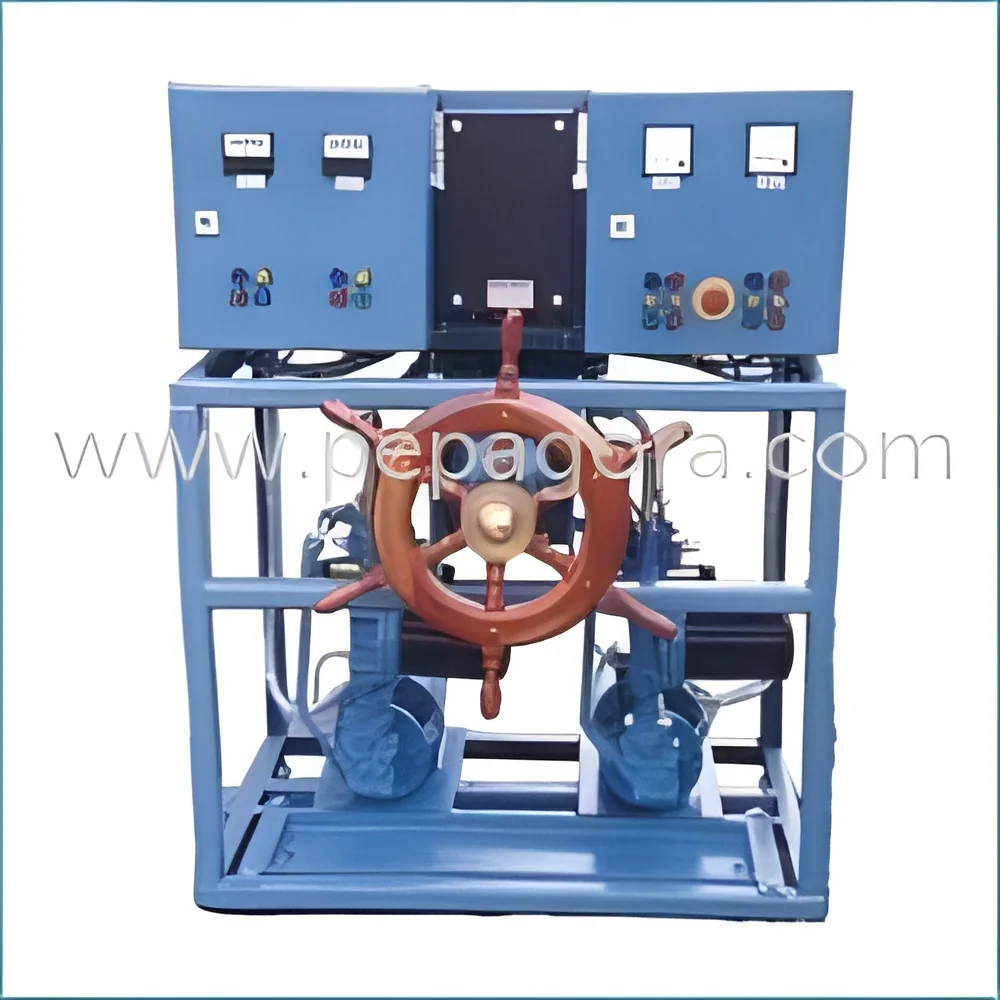
4. Marine: In the marine industry, they assist in operating winches and hoists for loading and unloading cargo.
5. Agriculture: Hydraulic power packs are used in agricultural equipment, such as tractors and harvesters, to enhance efficiency in farming operations.
6. Aerospace: In aerospace applications, they power hydraulic systems for controlling flight surfaces and landing gear.
7. Mining: Hydraulic power packs provide the necessary power for drilling and material handling equipment in mining operations.
Product Variants and Subcategories
Hydraulic power packs come in various designs to suit different needs and applications.
Electric Hydraulic Power Packs: These power packs are powered by electric motors, making them suitable for indoor use and applications requiring a clean and quiet operation. They are often used in manufacturing settings.
Diesel Hydraulic Power Packs: Designed for outdoor and remote applications, these power packs use diesel engines and are ideal for construction sites where electrical power is not available.
Portable Hydraulic Power Packs: Lightweight and compact, these models are designed for mobility and are often used in maintenance and repair tasks across various industries.
Stationary Hydraulic Power Packs: These units are typically larger and installed in fixed locations. They are used in industrial settings where high power output and continuous operation are required.
Benefits and Advantages
The advantages of using hydraulic power packs in various industries are significant.
1. High Efficiency: Hydraulic power packs provide reliable and efficient energy transfer, allowing for the effective operation of machinery.
2. Versatility: They can be utilized across different applications, making them suitable for a wide range of industries.
3. Compact Design: Many hydraulic power packs are designed to be space-efficient, allowing for easy integration into existing systems.
4. Customization: Hydraulic power packs can be tailored to meet specific operational requirements, including power output and pressure ratings.
5. Low Maintenance: With fewer moving parts compared to other power systems, they often require less maintenance, resulting in lower operational costs.
6. Enhanced Control: Advanced hydraulic systems offer precise control over machinery, improving overall productivity and safety.
Buying Guide for B2B Buyers
When sourcing hydraulic power packs, it is essential to consider several key factors to ensure a suitable purchase.
1. Quality Assessment: Evaluate the quality of hydraulic power packs by reviewing certifications such as UL and CE. A reliable power pack should meet industry standards for performance and safety.
2. Supplier Verification: Vet potential suppliers by checking their reputation, customer reviews, and history in the industry. A trustworthy supplier will provide consistent quality and support.
3. Pricing and MOQ: Understand the pricing structure and minimum order quantities. Competitive pricing should align with the quality and features offered.
4. Delivery and Lead Times: Discuss logistics with suppliers to determine expected delivery times. Timely delivery is crucial for maintaining project schedules.
5. Compliance Requirements: Ensure that the selected power pack meets all necessary regulatory and safety standards applicable in your region. Compliance is vital for operational integrity.
Compliance and Certifications
Hydraulic power packs must adhere to various quality standards and industry certifications to ensure safety and performance.
ISO 9001 is a widely recognized standard that specifies requirements for a quality management system. Compliance with ISO 9001 ensures that manufacturers consistently meet customer and regulatory requirements.
Certifications such as UL (Underwriters Laboratories) and CE (Conformité Européenne) indicate that hydraulic power packs have undergone rigorous testing to meet safety and performance standards. These certifications assure buyers of the reliability and safety of the products.
Safety and testing requirements are critical in the design and manufacture of hydraulic power packs. Regular testing for pressure ratings, fluid compatibility, and operational efficiency is necessary to ensure safe operation in various environments.
Regional compliance considerations may vary, so it is essential for buyers to be aware of local regulations governing hydraulic equipment. Adhering to these regulations is crucial for operational licensing and risk management.
Why Source Hydraulic Power Packs from Pepagora?
Pepagora offers a trusted platform for sourcing hydraulic power packs, providing several key advantages to buyers.
Verified Supplier Network: Pepagora has established a comprehensive network of verified suppliers, ensuring that buyers can access high-quality hydraulic power packs from reputable manufacturers. This network helps mitigate risks associated with sourcing.
Streamlined RFQ Process: The Request for Quotation (RFQ) process on Pepagora is designed for efficiency, allowing buyers to easily request and compare quotes from multiple suppliers. This transparency fosters informed purchasing decisions.
Trade Assurance and Support: Pepagora provides trade assurance to protect buyers throughout the sourcing process. This includes support for resolving disputes and ensuring that transactions meet agreed-upon standards.
Regional Coverage: With an extensive presence in regions such as India, the GCC, and Southeast Asia, Pepagora facilitates access to hydraulic power packs tailored to the specific needs of businesses in these markets. This regional focus enhances the ability to connect buyers with local suppliers.

 IN
IN