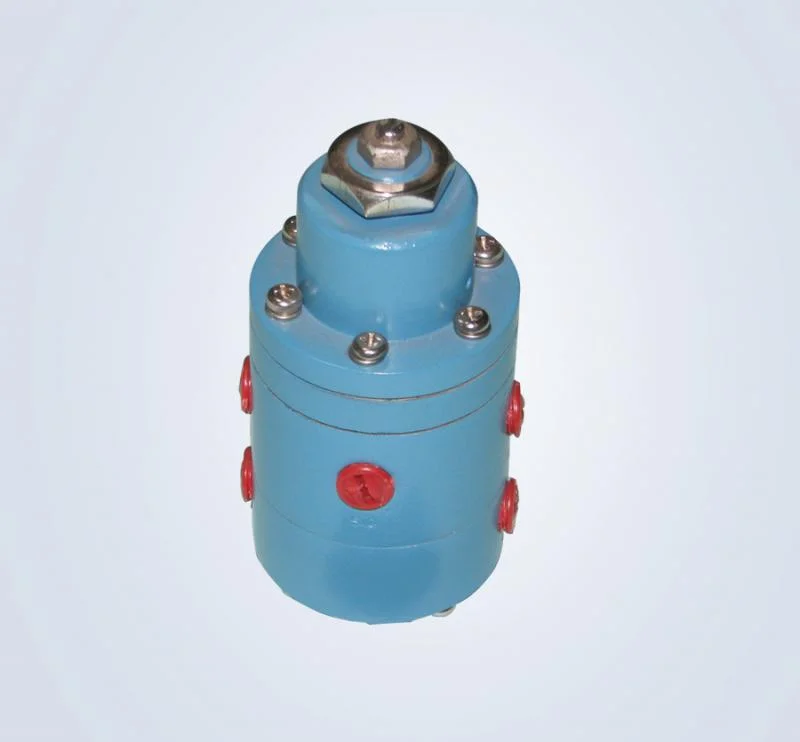
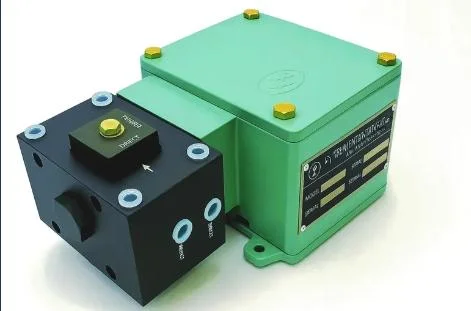
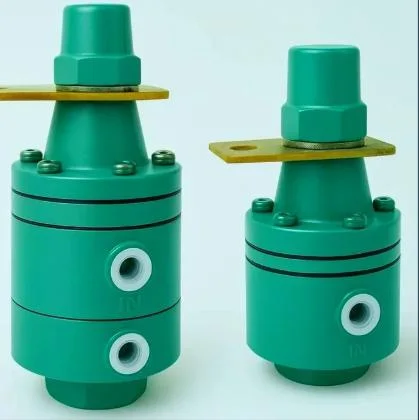
What are Electro-Pneumatic Positioners?
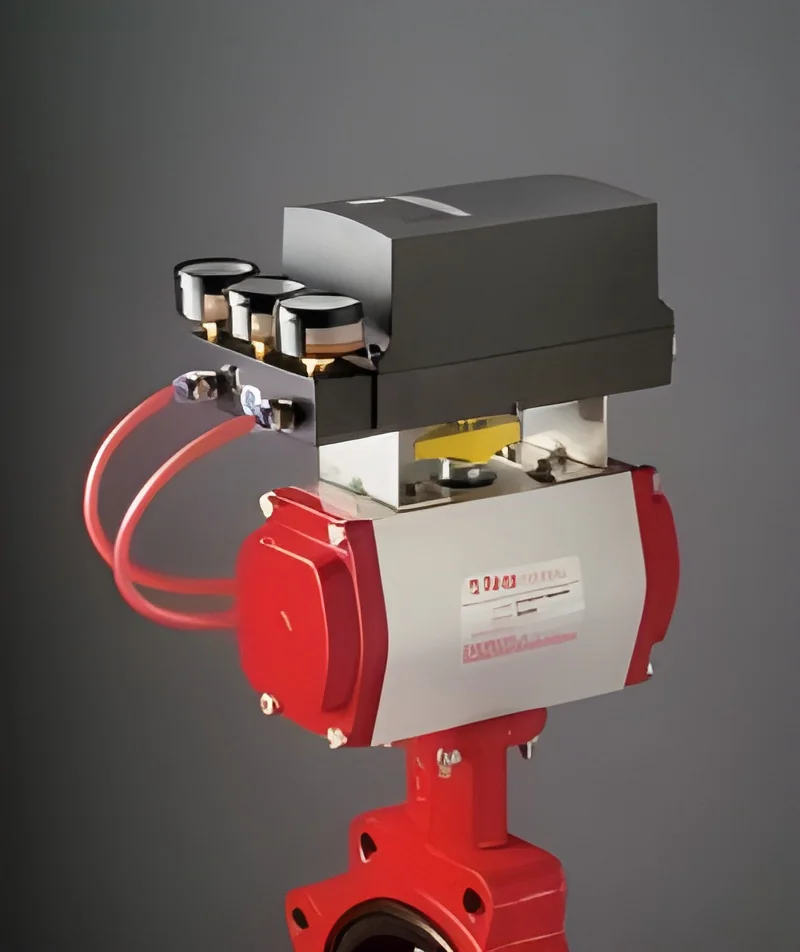
Electro-pneumatic positioners are devices used to control the position of a valve or actuator by converting electrical signals into pneumatic output. These positioners typically receive a control signal from a process controller and adjust the air pressure supplied to the actuator. The result is precise control over the valve's position, allowing for accurate regulation of flow and pressure in various industrial applications.
These positioners are primarily used in industries where precise control and automation are critical. Common applications include oil and gas, chemical processing, water treatment, and power generation. By ensuring that valves operate at the desired positions, electro-pneumatic positioners enhance system efficiency and reliability. Their relevance in the market is growing, as industries increasingly adopt automation technologies to improve operational performance and reduce costs.
Key Features and Specifications
Electro-pneumatic positioners come with a variety of features designed to enhance performance and reliability. These features ensure that they can operate effectively across different industrial environments. The following specifications outline key aspects of these devices.
Key specifications include:
1. Control Signal Input
- Typically 4-20 mA or 0-10 V DC
- Ensures compatibility with standard control systems
2. Supply Pressure Range
- Generally between 20-100 psi
- Allows flexibility in operating conditions
3. Temperature Range
- Standard operation typically between -20°C to 80°C
- Suitable for various environmental conditions
4. Accuracy
- Positioning accuracy within ±0.5% of full scale
- Ensures precise control over valve positions
5. Response Time
- Fast response times, typically less than 200 milliseconds
- Enhances the overall efficiency of control systems
6. Housing Material
- Often constructed from aluminum or stainless steel
- Provides durability and resistance to corrosion
7. Certifications
- Compliant with CE standards
- Ensures quality and safety in operation
8. Communication Protocols
- Availability of various protocols such as HART or Profibus
- Facilitates integration into existing control systems
In summary, these specifications highlight the versatility and reliability of electro-pneumatic positioners, making them suitable for diverse industrial applications.
Common Applications and Use Cases
Electro-pneumatic positioners are integral to the functioning of various industries, enabling precise control and automation of processes.
1. Oil and Gas: In this sector, positioners are used to control valves that regulate the flow of crude oil and natural gas, ensuring optimal extraction and processing.
2. Chemical Processing: Positioners help manage the precise flow of chemicals in reactors, mixers, and storage tanks, enhancing safety and efficiency.
3. Water Treatment: These devices are utilized to operate valves in water filtration and purification systems, ensuring consistent water quality.
4. Power Generation: In power plants, electro-pneumatic positioners control steam and water valves, contributing to the overall efficiency of energy production.
5. Food and Beverage: They are employed to manage the flow of ingredients and maintain quality control in production lines.
6. Pharmaceutical: In this industry, positioners ensure accurate dosing and mixing of sensitive compounds, maintaining compliance with strict regulations.
7. HVAC Systems: Positioners control airflow in heating and cooling systems, improving energy efficiency and comfort.
Product Variants and Subcategories
Electro-pneumatic positioners come in various designs and configurations to meet specific industrial needs.
Standard Positioners
These are the most common types, designed for general use across various industries. They offer a balance of performance and cost-effectiveness, suitable for many applications.
Advanced Digital Positioners
These variants include enhanced features such as digital communication and self-diagnostics, making them ideal for complex industrial automation systems.
Compact Positioners
Designed for limited space applications, these positioners provide reliable performance without the bulk of traditional models.
Smart Positioners
Equipped with advanced monitoring and control features, smart positioners integrate seamlessly with modern control systems, allowing for real-time data analysis and remote monitoring.
Benefits and Advantages
Electro-pneumatic positioners offer numerous advantages that enhance operational efficiency and reliability.
1. Precision Control: They provide accurate and responsive control of valve positions, improving process accuracy.
2. Increased Efficiency: By optimizing valve operations, these positioners reduce energy consumption and waste.
3. Enhanced Reliability: Their robust design ensures consistent performance even in challenging environments, minimizing downtime.
4. Easy Integration: Electro-pneumatic positioners can easily integrate with existing control systems, reducing implementation time.
5. Improved Safety: By ensuring precise control, they help maintain safe operating conditions and reduce the risk of accidents.
6. Cost Savings: Over time, the efficiency gains and reduced maintenance needs translate into significant cost savings for businesses.
Buying Guide for B2B Buyers
When sourcing electro-pneumatic positioners, it is important to consider several key factors to ensure you make an informed decision.
1. Quality Assessment: Look for positioners that meet rigorous quality standards such as ISO 9001. This ensures that the products are reliable and produced under strict guidelines.
2. Supplier Verification: Vetting suppliers is crucial. Check for industry reputation, customer reviews, and certifications to ensure you are dealing with a trusted manufacturer.
3. Pricing and MOQ: Understand the pricing structure and minimum order quantities. This will help in budgeting and determining if the supplier aligns with your purchasing needs.
4. Delivery and Lead Times: Consider the logistics of delivery. Ensure that the supplier can meet your timeline for project completion.
5. Compliance Requirements: Be aware of any regulatory needs specific to your industry. Ensure that the positioners comply with relevant safety and operational standards.
Compliance and Certifications
Electro-pneumatic positioners must adhere to various quality standards and certifications to ensure safety and efficiency in operation.
ISO 9001 is a widely recognized standard that confirms effective quality management systems in manufacturing processes. It ensures that products consistently meet customer and regulatory requirements.
CE certification indicates that the product meets European safety, health, and environmental protection standards. This certification is essential for products sold in European markets.
Safety and testing requirements often include assessments for performance under different environmental conditions. This ensures that positioners can operate reliably in diverse industrial settings.
Regional compliance considerations may vary based on local regulations. It is important to check that the positioners meet these specific requirements to avoid legal issues and ensure safe operation.
Why Source Electro-Pneumatic Positioners from Pepagora?
Pepagora offers a trusted platform for sourcing electro-pneumatic positioners, ensuring that buyers can find high-quality products that meet their operational needs.
Verified Supplier Network: Pepagora works with a network of verified suppliers, providing buyers with confidence in the quality and reliability of their products.
Streamlined RFQ Process: The platform features an efficient Request for Quotation system, allowing buyers to obtain competitive pricing from multiple suppliers quickly.
Trade Assurance and Support: Pepagora offers buyer protection through trade assurance, ensuring that transactions are secure and that buyers receive the products as promised.
Regional Coverage: With a focus on markets in India, the GCC, and Southeast Asia, Pepagora provides extensive geographic reach, helping businesses source products in their local regions while accessing a wide array of suppliers.

 IN
IN