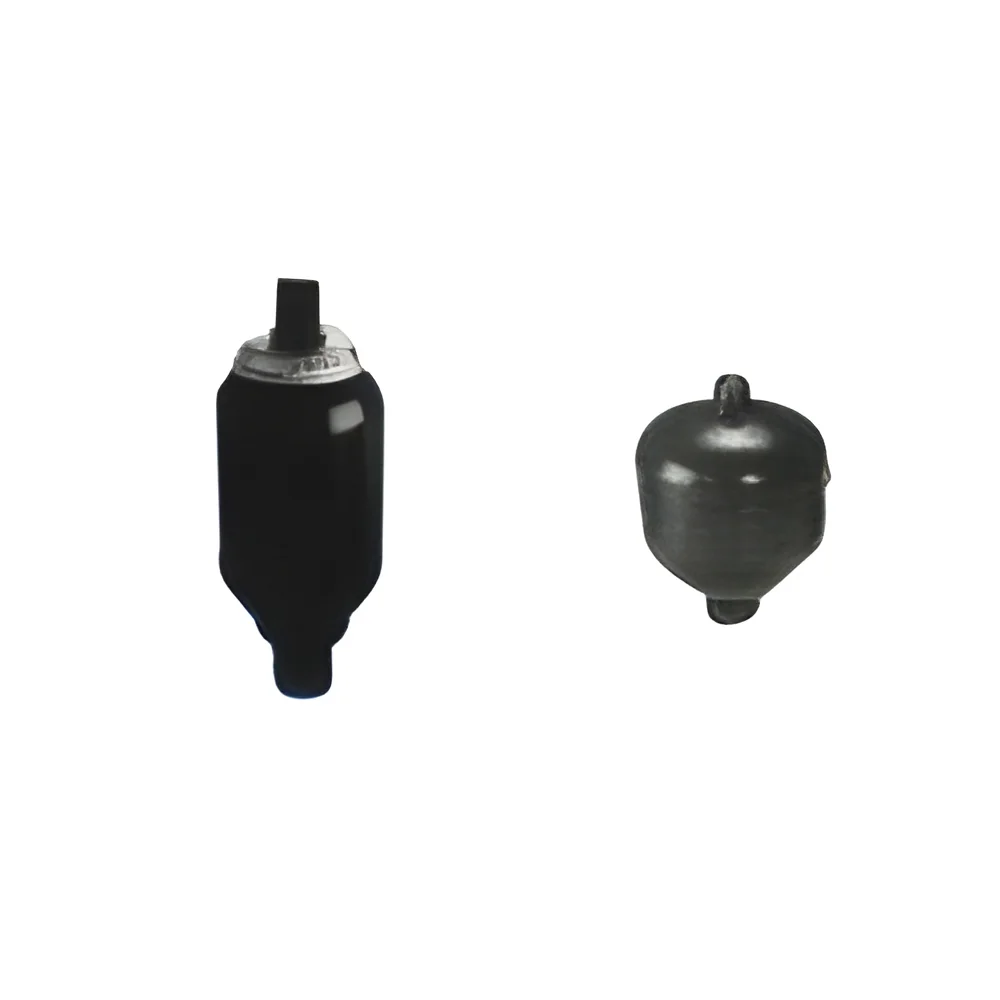
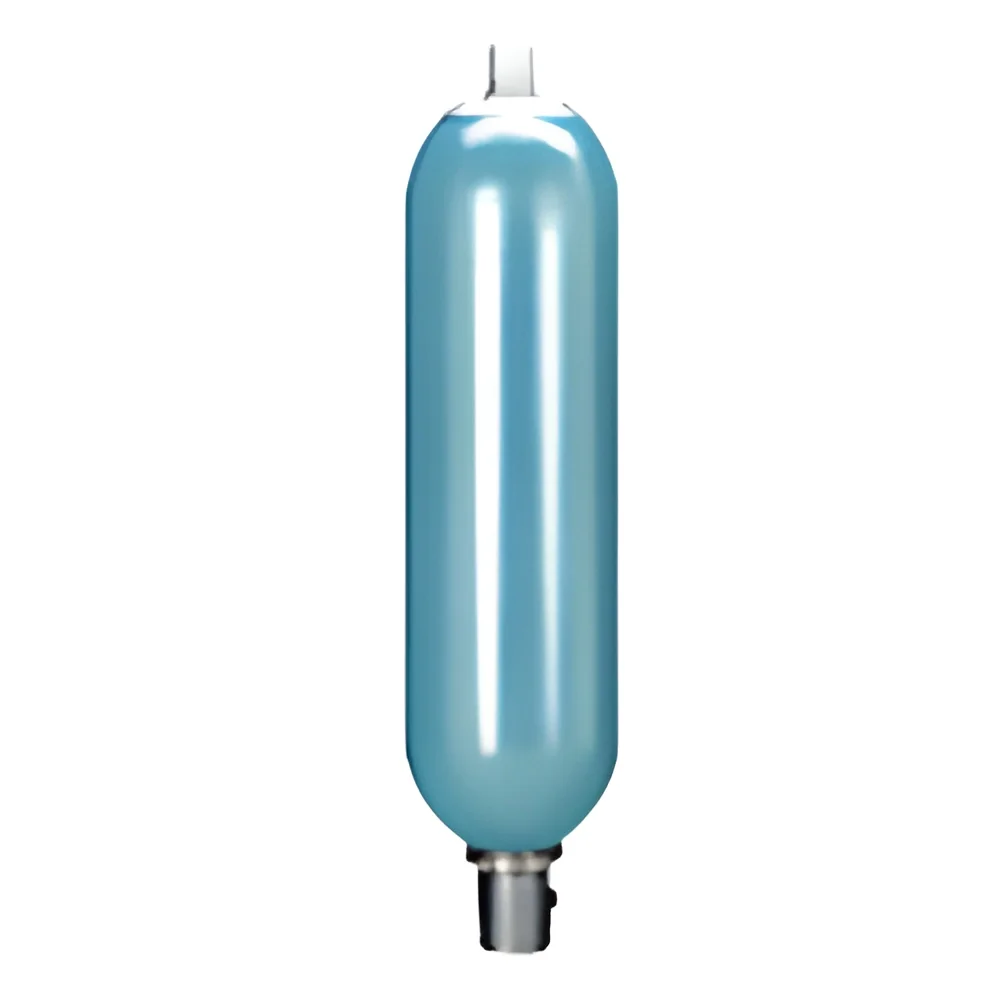
What are Diaphragm Accumulators?
Diaphragm accumulators are critical components used in hydraulic systems to store energy in the form of pressurized hydraulic fluid. They consist of a flexible diaphragm that separates the hydraulic fluid from a gas, usually nitrogen. When the hydraulic fluid is pressurized, it compresses the gas, allowing the accumulator to store energy that can be released on demand. This design allows for effective pressure stabilization, shock absorption, and energy recovery in hydraulic circuits.
These devices are widely utilized in various industries, including manufacturing, aerospace, and automotive, where they serve to enhance system performance and efficiency. By providing a buffer against pressure fluctuations and optimizing the use of hydraulic fluid, diaphragm accumulators can extend the lifespan of hydraulic components and improve overall operational reliability. The growing demand for efficient hydraulic systems in industrial applications has positioned diaphragm accumulators as essential tools in modern engineering practices.
The market for diaphragm accumulators is expanding as industries seek to enhance productivity and reduce maintenance costs. With advancements in technology and manufacturing processes, diaphragm accumulators are becoming increasingly reliable and efficient. This trend reflects the broader movement towards automation and precision in industrial operations, thereby solidifying the relevance of diaphragm accumulators in today's competitive landscape.
Key Features and Specifications
Diaphragm accumulators are designed with several key features that enhance their performance and usability in various applications. Understanding these specifications is crucial for selecting the right product for specific industrial needs.
Key specifications include:
1. Maximum Operating Pressure
- This specification indicates the maximum pressure the accumulator can withstand.
- Typical ranges may vary from 100 to 350 bar.
2. Volume Capacity
- This refers to the amount of hydraulic fluid the accumulator can hold.
- Capacities generally range from 0.5 liters to 50 liters.
3. Diaphragm Material
- The diaphragm is usually made from elastomers or composite materials for durability.
- Common materials include nitrile, EPDM, and fluorocarbon.
4. Gas Precharge Pressure
- This is the initial pressure of the gas inside the accumulator before fluid is introduced.
- Common precharge pressures range from 5 to 20 bar.
5. Temperature Range
- This specifies the operational temperature limits of the accumulator.
- Standard ranges are typically between -20°C to 80°C.
6. Connection Type
- Various connection types are available to ensure compatibility with hydraulic systems.
- Common types include threaded, flanged, and quick-connect fittings.
7. Compliance Standards
- Many diaphragm accumulators are designed to meet specific industry standards.
- Common certifications include CE and UL.
8. Weight
- The weight of the accumulator can impact installation and handling.
- Typical weights vary based on size, ranging from 2 kg to 50 kg.
In summary, diaphragm accumulators offer a range of specifications that cater to diverse industrial applications. Understanding these features will help businesses make informed decisions when selecting the right accumulator for their needs.
Common Applications and Use Cases
Diaphragm accumulators serve a variety of industries, providing essential functions that enhance efficiency and performance.
1. Manufacturing: In manufacturing settings, diaphragm accumulators help manage hydraulic pressure fluctuations, ensuring consistent operation of machinery and reducing downtime during production cycles.
2. Aerospace: In the aerospace industry, these accumulators are used in hydraulic systems for aircraft control surfaces. They assist in providing stable pressure, enhancing safety and responsiveness during flight operations.
3. Automotive: Diaphragm accumulators play a crucial role in automotive systems, particularly in braking systems. They ensure quick pressure recovery, contributing to improved vehicle safety and performance.
4. Oil and Gas: In oil and gas applications, diaphragm accumulators are employed for hydraulic pressure stabilization in drilling rigs and other equipment, allowing for smoother operation and reduced wear on components.
5. Marine: The marine industry utilizes diaphragm accumulators in hydraulic systems for steering and stabilizing systems on vessels, enabling smoother navigation and control.
6. Construction: In construction equipment, these accumulators help manage hydraulic systems in excavators and cranes, enhancing performance and operational efficiency.
7. Renewable Energy: Diaphragm accumulators are also used in renewable energy systems, such as wind turbines, to manage hydraulic systems that control blade pitch and yaw.
Product Variants and Subcategories
Diaphragm accumulators come in various forms to meet specific needs across different applications. Each variant offers unique features tailored to particular operational requirements.
Standard Diaphragm Accumulators: These are the most common type, designed for general applications in hydraulic systems. They provide reliable pressure maintenance and energy storage.
High-Pressure Diaphragm Accumulators: These variants are specifically designed to operate under higher pressure conditions, making them suitable for demanding applications such as aerospace and heavy machinery.
Compact Diaphragm Accumulators: Ideal for space-constrained environments, these accumulators offer efficient energy storage while maintaining a smaller footprint. They are often used in mobile equipment and smaller hydraulic systems.
Custom Diaphragm Accumulators: Some manufacturers offer customization options, enabling businesses to tailor accumulators to their specific requirements, whether that involves size, material, or pressure ratings.
Benefits and Advantages
Diaphragm accumulators provide numerous advantages that can significantly enhance the performance of hydraulic systems.
1. Pressure Stabilization: They effectively smooth out pressure fluctuations in hydraulic systems, leading to more consistent performance and reduced risk of system failure.
2. Energy Efficiency: By storing and releasing energy as needed, diaphragm accumulators help optimize the use of hydraulic fluid, reducing energy consumption in the process.
3. Increased Lifespan: By minimizing pressure spikes and absorbing shocks, diaphragm accumulators contribute to the longevity of hydraulic components, lowering maintenance costs.
4. Compact Design: Many diaphragm accumulators feature a compact design that allows for easy integration into various systems without occupying excessive space.
5. Versatile Applications: Their adaptability makes diaphragm accumulators suitable for a wide range of industries and applications, enhancing their overall utility.
6. Reduced Noise Levels: They can help dampen noise in hydraulic systems, contributing to a quieter operational environment.
Buying Guide for B2B Buyers
When sourcing diaphragm accumulators, it is essential for B2B buyers to consider several key factors to ensure they select the right product for their needs.
1. Quality Assessment: Buyers should evaluate the quality of diaphragm accumulators by reviewing manufacturer certifications and compliance with industry standards. High-quality materials and construction are critical for reliability.
2. Supplier Verification: It is important to vet suppliers to ensure they have a strong reputation and a track record of delivering quality products. Checking references and customer reviews can be beneficial in this regard.
3. Pricing and MOQ: Buyers should compare prices across different suppliers and consider the minimum order quantity (MOQ) to ensure it aligns with their budget and procurement strategy.
4. Delivery and Lead Times: Understanding the logistics involved in the delivery of diaphragm accumulators is crucial. Buyers should inquire about lead times to ensure they can meet project deadlines.
5. Compliance Requirements: Buyers must be aware of any regulatory compliance requirements specific to their industry or region. Ensuring that the products meet these standards is essential for operational safety and legality.
Compliance and Certifications
Diaphragm accumulators are subject to various compliance and certification standards that ensure their quality and safety in industrial applications. Commonly recognized quality standards include ISO 9001, which focuses on maintaining consistency in product quality and customer satisfaction. Adherence to such standards is crucial for manufacturers to establish trust with their clients.
Industry certifications like CE and UL are also vital, indicating that products meet specific safety and performance criteria. These certifications provide assurance to buyers that the diaphragm accumulators have undergone rigorous testing and comply with relevant regulations.
Safety and testing requirements are integral to the manufacturing process of diaphragm accumulators. Each unit must be tested for performance under different conditions to ensure reliability. Additionally, regional compliance considerations may vary, necessitating that manufacturers align with local regulations and standards to facilitate market access.
Why Source Diaphragm Accumulators from Pepagora?
Pepagora offers a trusted platform for sourcing diaphragm accumulators, providing key advantages that set it apart in the market.
Verified Supplier Network: Pepagora maintains a network of thoroughly vetted suppliers, ensuring that buyers can access products from reputable manufacturers. This verification process enhances buyer confidence and reduces risk.
Streamlined RFQ Process: The request for quotation (RFQ) process at Pepagora is designed to be efficient, allowing buyers to obtain competitive quotes quickly and easily. This streamlining helps businesses make informed purchasing decisions.
Trade Assurance and Support: Pepagora provides trade assurance and support to buyers, ensuring their transactions are secure. This protection helps mitigate risks associated with procurement, fostering a seamless purchasing experience.
Regional Coverage: With a focus on geographic reach, Pepagora serves markets in India, the Gulf Cooperation Council (GCC), and Southeast Asia. This broad coverage allows businesses in these regions to access high-quality diaphragm accumulators tailored to their specific needs.

 IN
IN