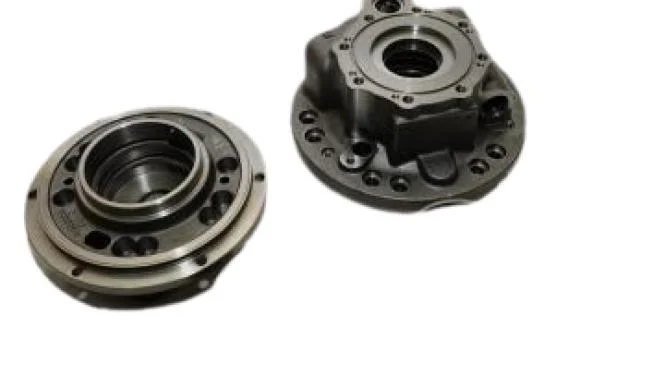
What are Proportional Valves?
Proportional valves are sophisticated devices used to control fluid flow and pressure with high precision. Unlike standard on/off valves, proportional valves adjust flow rates in proportion to an electrical signal. This allows for fine control over various processes, making them ideal for applications requiring variable flow or pressure.
These valves find primary use in industries such as hydraulics, pneumatics, and automation. Businesses leverage proportional valves to enhance system efficiency and performance across various applications, including manufacturing machinery, robotics, and process control systems. The relevance of proportional valves in today’s industrial landscape is significant, as they play a crucial role in optimizing operations and reducing energy consumption.
With the increasing demand for precision in industrial processes, the market for proportional valves is expected to grow. This growth is driven by advancements in technology and the need for smarter, more efficient solutions in manufacturing and automation.
Key Features and Specifications
Proportional valves offer a range of features that enhance their functionality and adaptability. These features cater to specific industrial requirements, ensuring that users can find a suitable valve for their application.
Key specifications include:
1. Control Signal Input
- Typically ranges from 0-10V or 4-20mA
- Determines the flow rate or pressure based on the signal received
2. Flow Rate Capacity
- Measured in liters per minute (L/min)
- Varies based on valve size and design
3. Pressure Rating
- Commonly between 0-350 bar
- Indicates the maximum pressure the valve can handle
4. Temperature Range
- Data not available
- Usually designed for varying industrial temperature conditions
5. Response Time
- Typically between 20-100 milliseconds
- Essential for applications requiring rapid adjustments
6. Mounting Options
- Flange, sub-base, or inline mounting
- Allows flexibility in installation
7. Material Construction
- Often made from aluminum, stainless steel, or plastic
- Influences durability and compatibility with different fluids
8. Electrical Connections
- Can include standard connectors or terminals
- Ensures compatibility with existing control systems
Proportional valves are designed to meet high standards of performance and reliability, making them an essential component in various applications.
Common Applications and Use Cases
Proportional valves are versatile components utilized across multiple industries, each with unique applications.
1. Manufacturing: In manufacturing, proportional valves are used in automation systems to control the movement of machinery and robotic arms, enhancing precision and efficiency.
2. Automotive: In the automotive industry, these valves help manage hydraulic systems in vehicles, providing improved handling and performance.
3. Food and Beverage: Proportional valves regulate fluid flow in processing lines, ensuring consistent quality and compliance with hygiene standards.
4. Pharmaceuticals: They are critical in the pharmaceutical sector, where precise fluid control is necessary for drug formulation and packaging.
5. Aerospace: Proportional valves also find application in aerospace systems, where precise control of hydraulic systems is crucial for safety and performance.
6. Water Treatment: In water treatment facilities, these valves manage the flow of chemicals and water, contributing to efficient processing.
7. HVAC Systems: Proportional valves control heating and cooling systems, improving energy efficiency and comfort in buildings.
Product Variants and Subcategories
Proportional valves come in various configurations to suit diverse needs. Each variant is designed with specific features that cater to different applications.
[Variant 1 Name]
This variant features enhanced flow control capabilities, making it suitable for applications requiring high precision. It is commonly used in automated manufacturing systems.
[Variant 2 Name]
This variant is designed for rugged environments, featuring robust construction materials. It is ideal for use in outdoor applications where durability is essential.
[Variant 3 Name]
This variant offers integrated monitoring features, allowing for real-time feedback on valve performance. It is often utilized in critical fluid management systems.
Benefits and Advantages
Choosing proportional valves provides several significant advantages for businesses.
1. Enhanced Control: Proportional valves allow for precise control of fluid flow, leading to improved process efficiency.
2. Energy Savings: By optimizing fluid usage, these valves help reduce energy consumption, contributing to lower operational costs.
3. Increased Productivity: With better control, organizations can enhance the productivity of their machinery and processes.
4. Flexibility: The ability to adjust flow rates makes proportional valves adaptable to various applications across multiple industries.
5. Reduced Wear and Tear: Smooth operation minimizes stress on machinery, leading to longer equipment life and lower maintenance costs.
6. Improved Safety: Precise control helps prevent accidents related to pressure and flow, enhancing workplace safety.
Buying Guide for B2B Buyers
When sourcing proportional valves, it is essential to consider several key factors to ensure a successful purchase.
1. Quality Assessment: Evaluate the quality of products based on industry standards and certifications. Look for suppliers that adhere to quality assurance processes.
2. Supplier Verification: Research potential suppliers to confirm their reliability and reputation in the market. Check for customer reviews and references when possible.
3. Pricing and MOQ: Understand the pricing structure and minimum order quantities (MOQ) set by suppliers. This helps in budgeting and planning for inventory.
4. Delivery and Lead Times: Inquire about delivery schedules and lead times to ensure timely receipt of products, which is crucial for project timelines.
5. Compliance Requirements: Ensure that the proportional valves meet necessary regulatory and compliance standards relevant to your industry.
Compliance and Certifications
Proportional valves are often manufactured under strict quality standards to ensure reliability and safety. Industry standards such as ISO 9001 guarantee that manufacturing processes meet essential quality benchmarks.
Additionally, certifications like CE signify compliance with European safety and health requirements. This gives buyers confidence in the product's reliability and safety for industrial use.
Safety and testing requirements are critical, especially in sectors like food and pharmaceuticals, where valve performance directly impacts product quality. Regional compliance considerations may also vary, necessitating awareness of local regulations when sourcing valves.
Why Source Proportional Valves from Pepagora?
Pepagora offers a trusted platform for sourcing proportional valves, providing advantages that can enhance your purchasing experience.
Verified Supplier Network: Our network consists of vetted suppliers who meet stringent quality and safety standards. This ensures that buyers receive only the best products.
Streamlined RFQ Process: The request for quotation process is designed for efficiency, allowing buyers to quickly receive competitive pricing and product information.
Trade Assurance and Support: We provide buyer protection through trade assurance features, ensuring that transactions are secure and reliable.
Regional Coverage: With a strong presence in India, the GCC, and Southeast Asia, Pepagora facilitates access to proportional valves across diverse markets, making it easier for businesses to find what they need.

 IN
IN