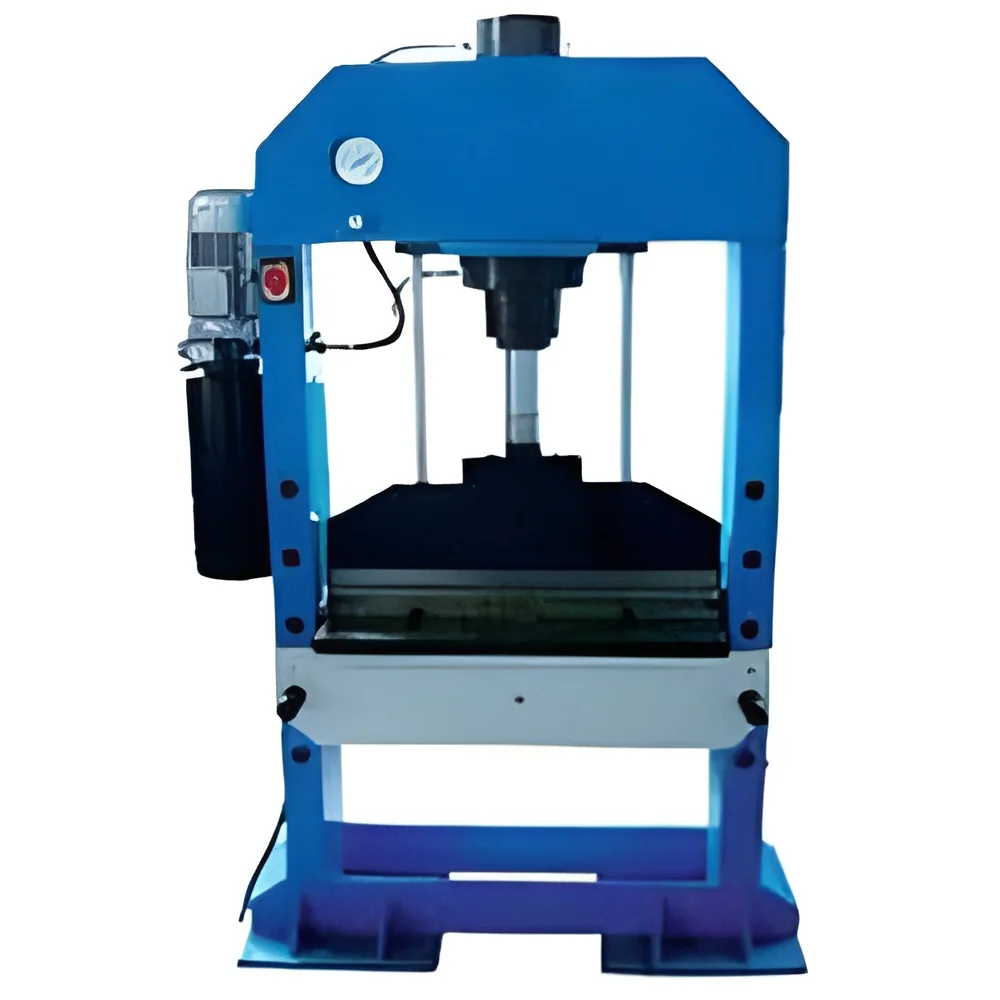
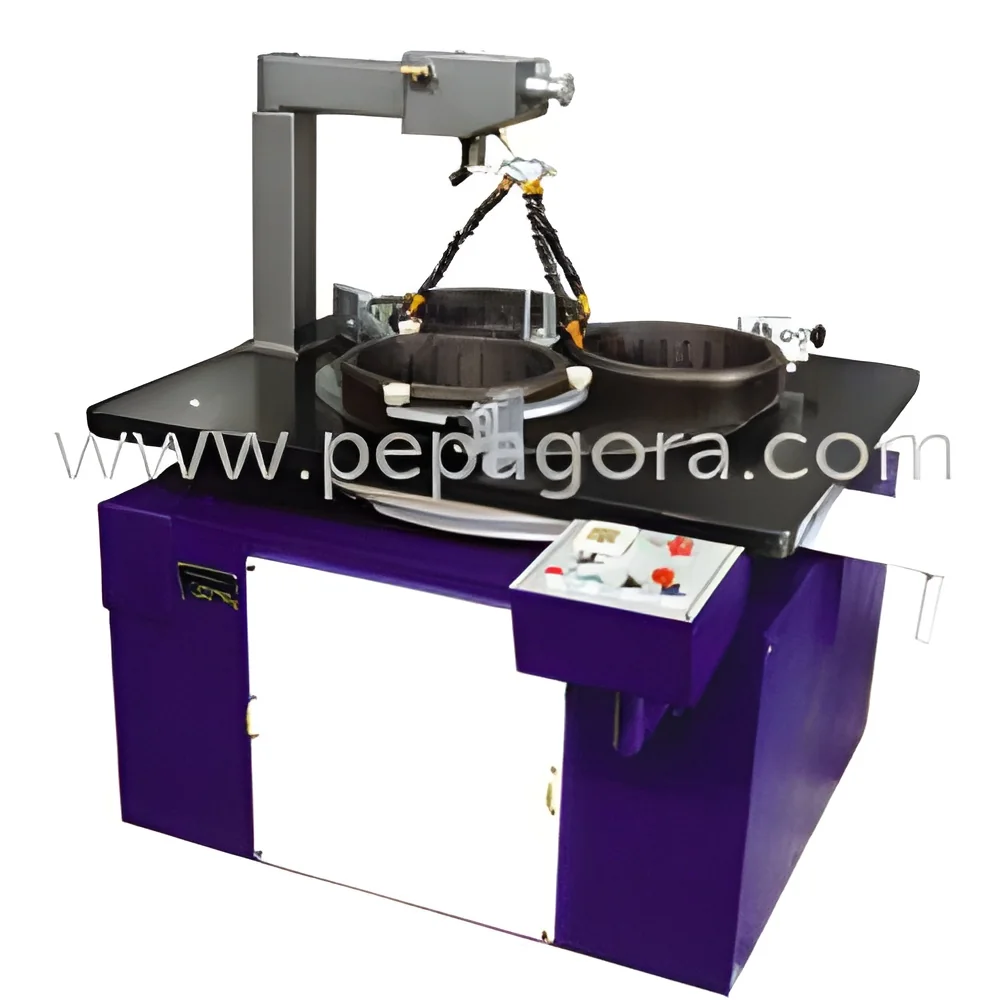
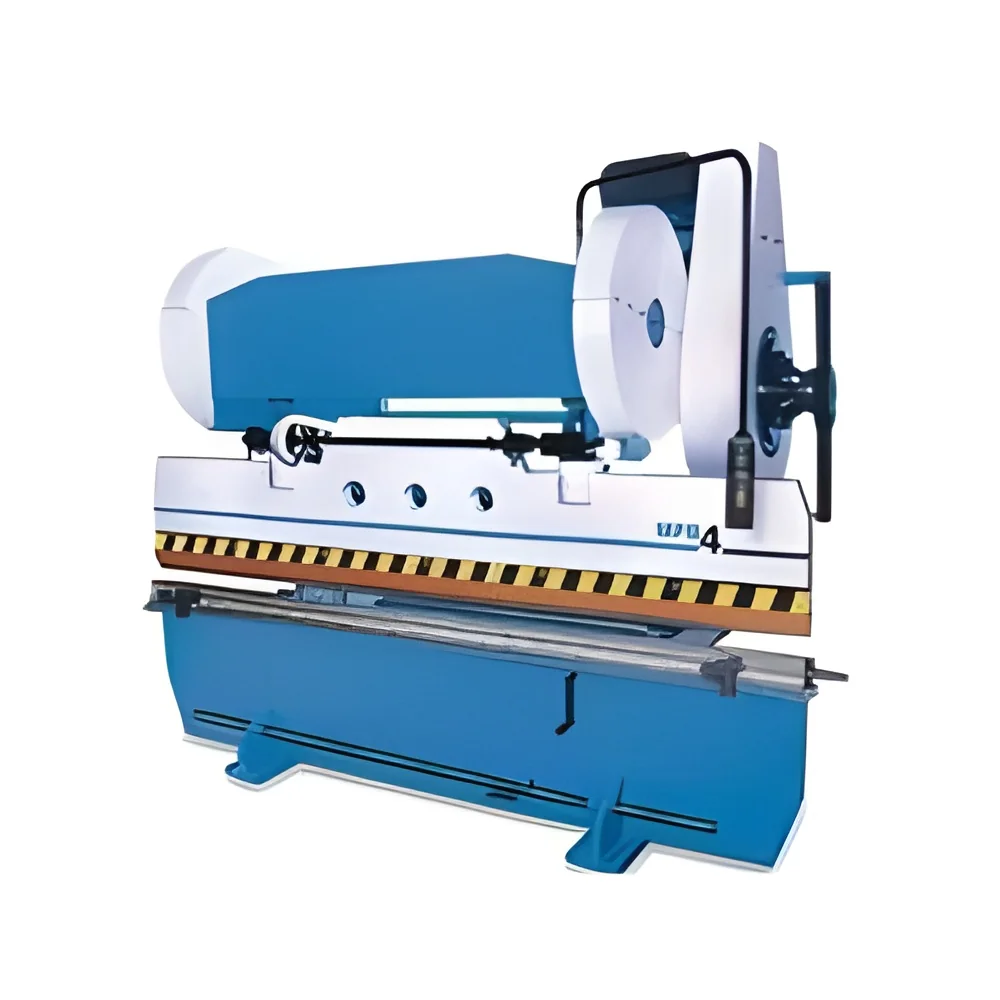
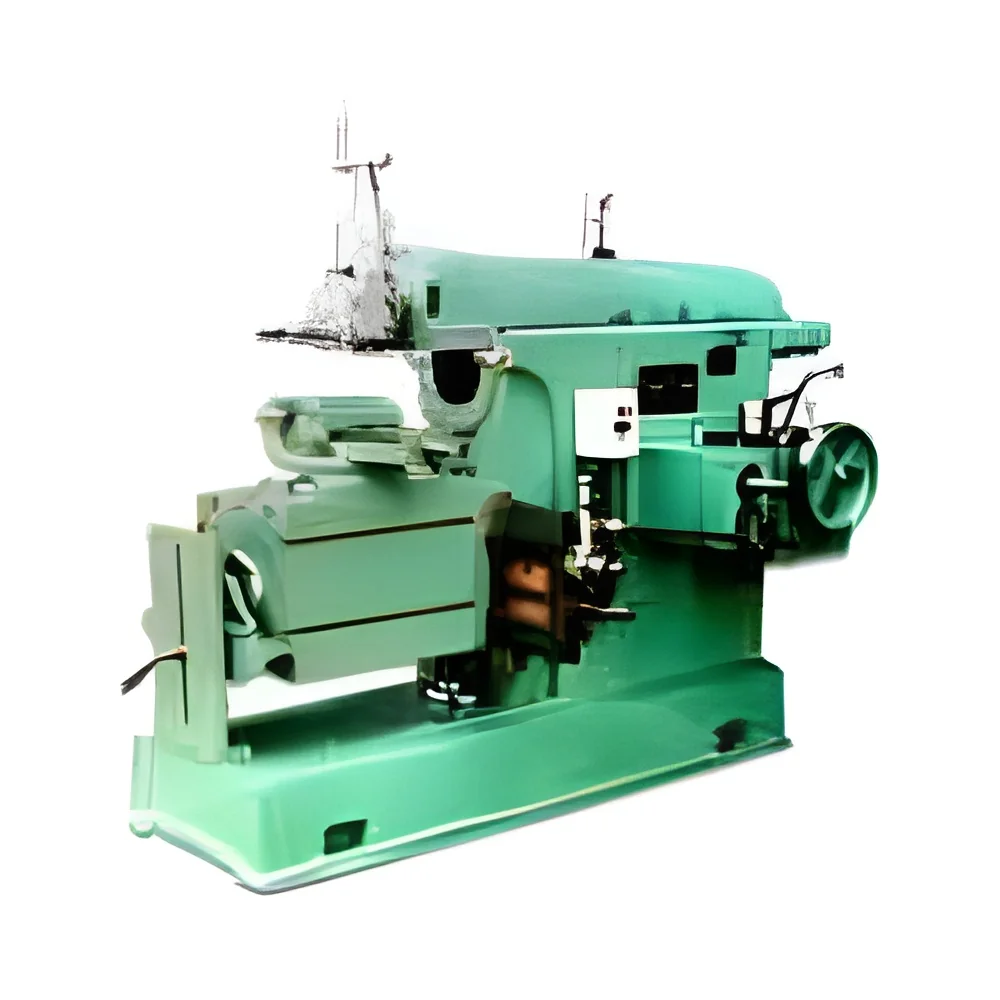
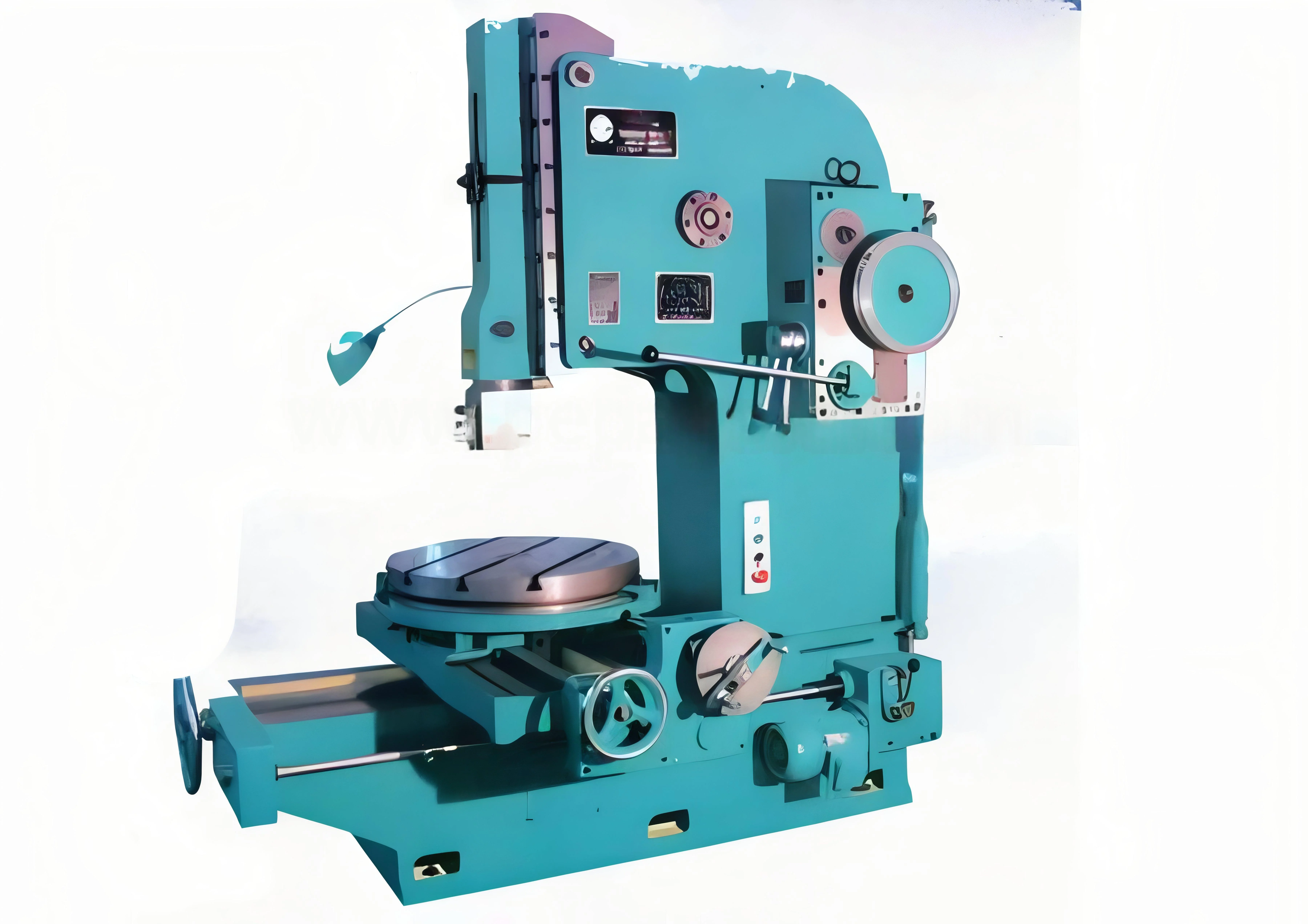
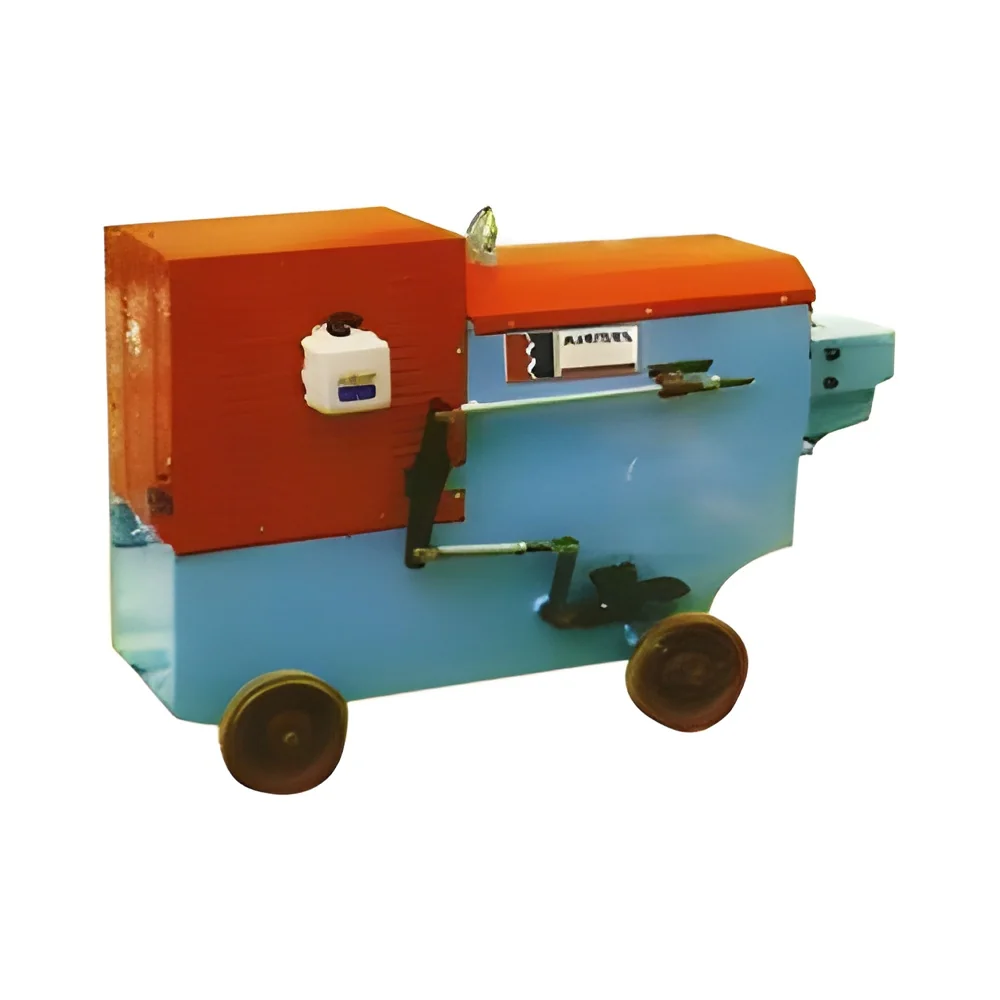
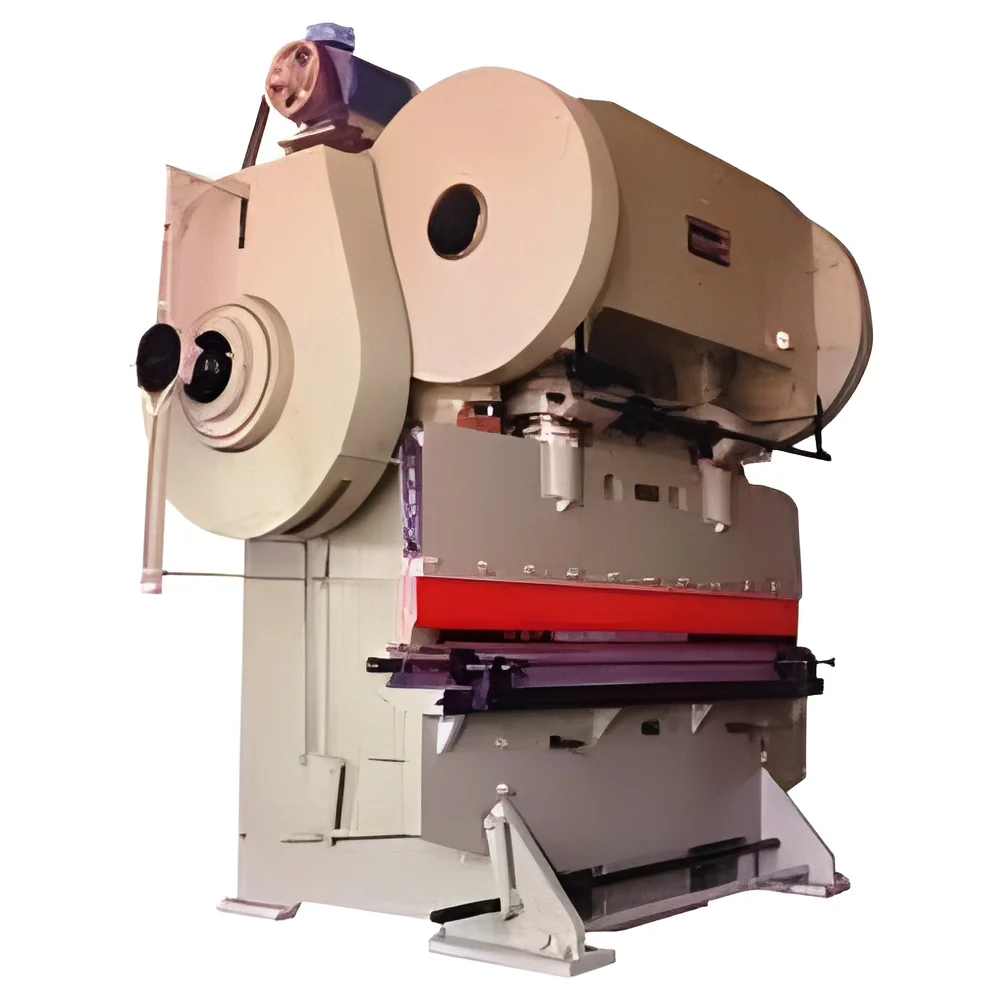
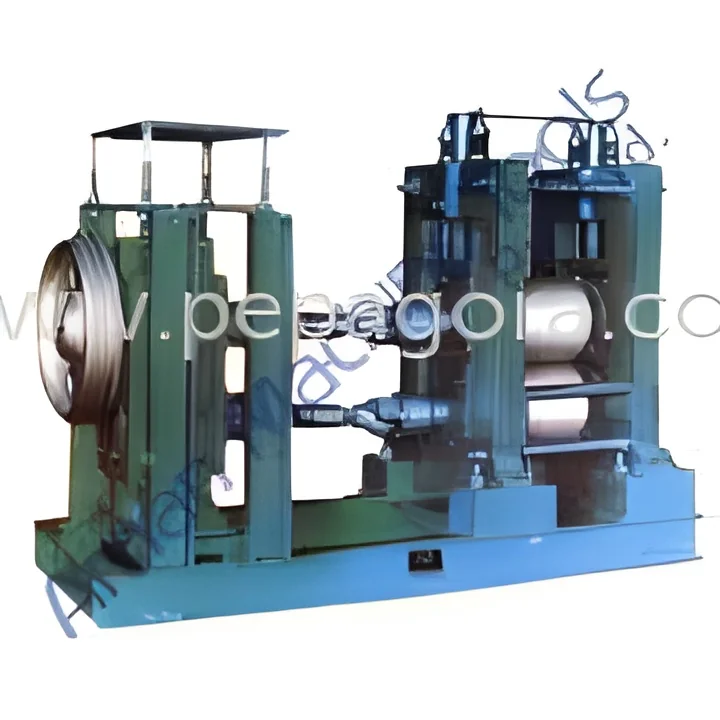
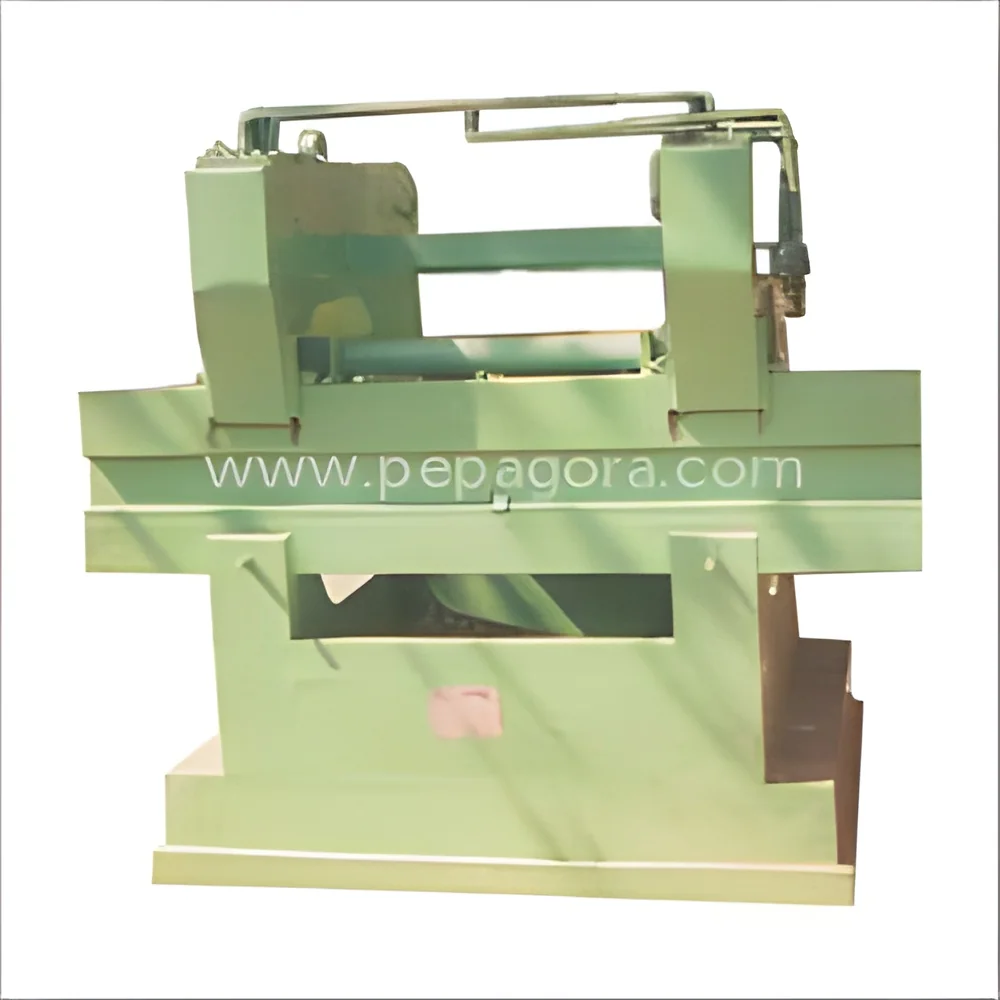
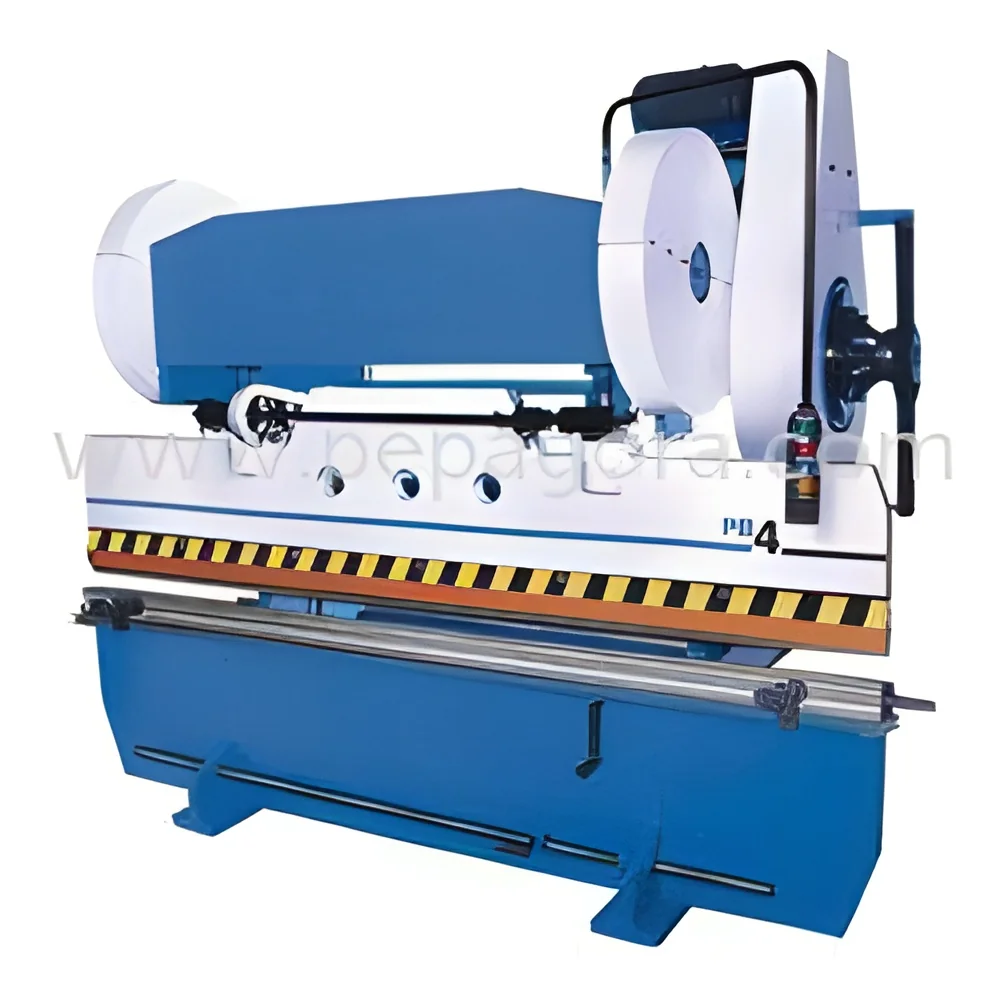
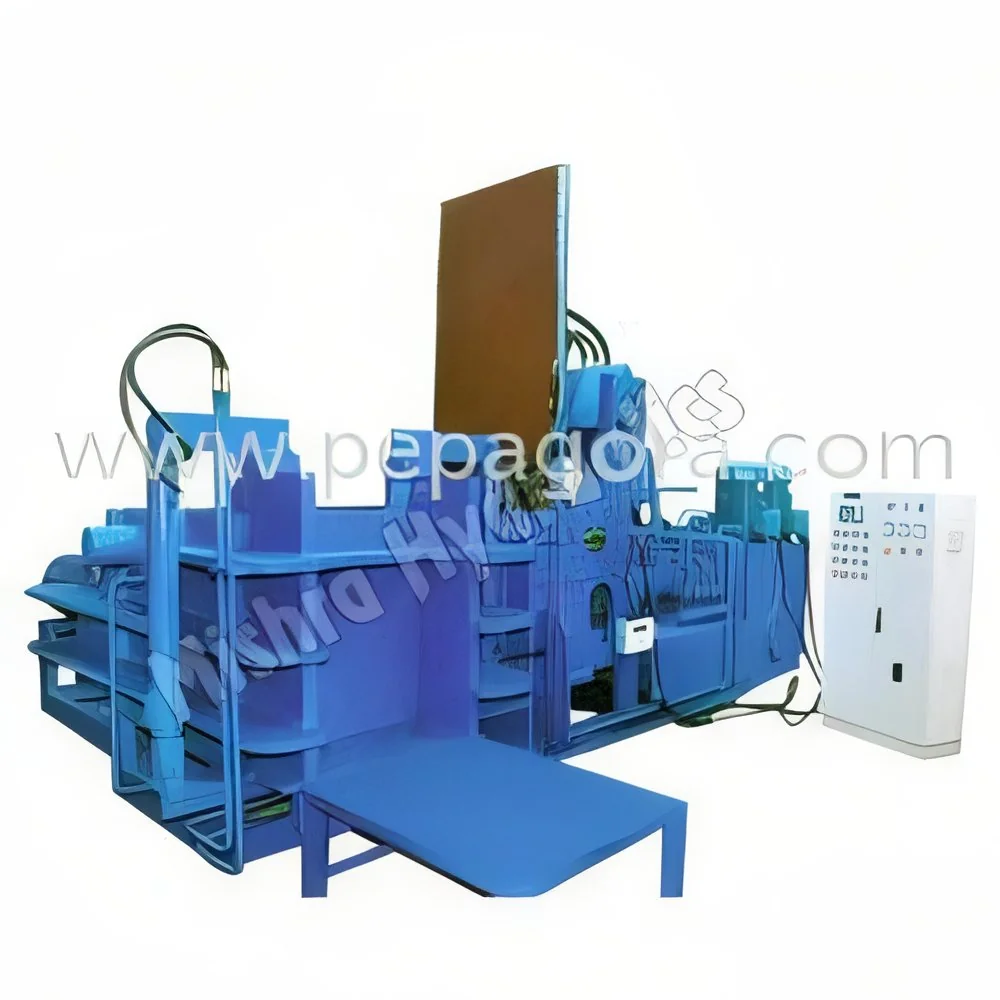
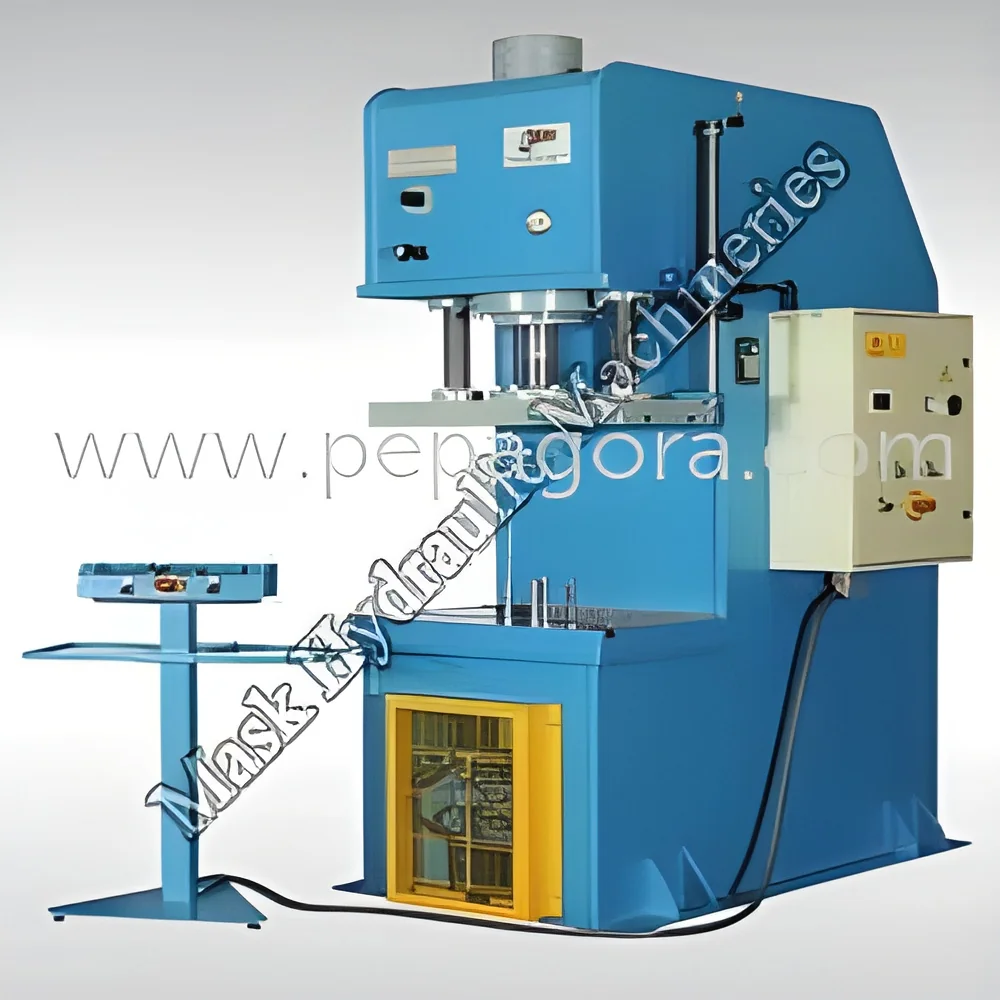
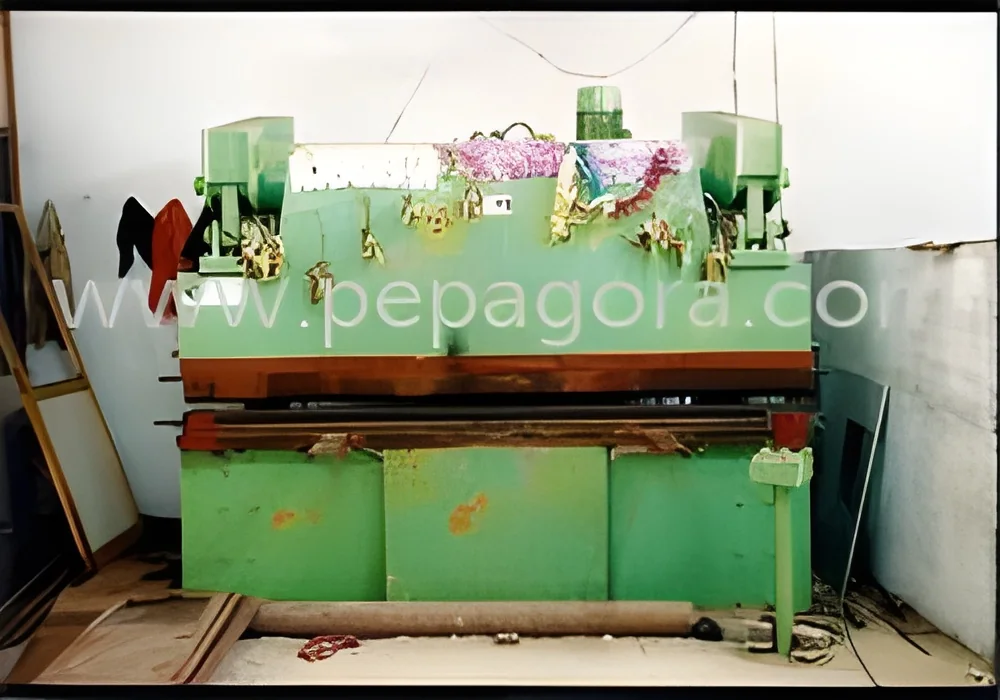
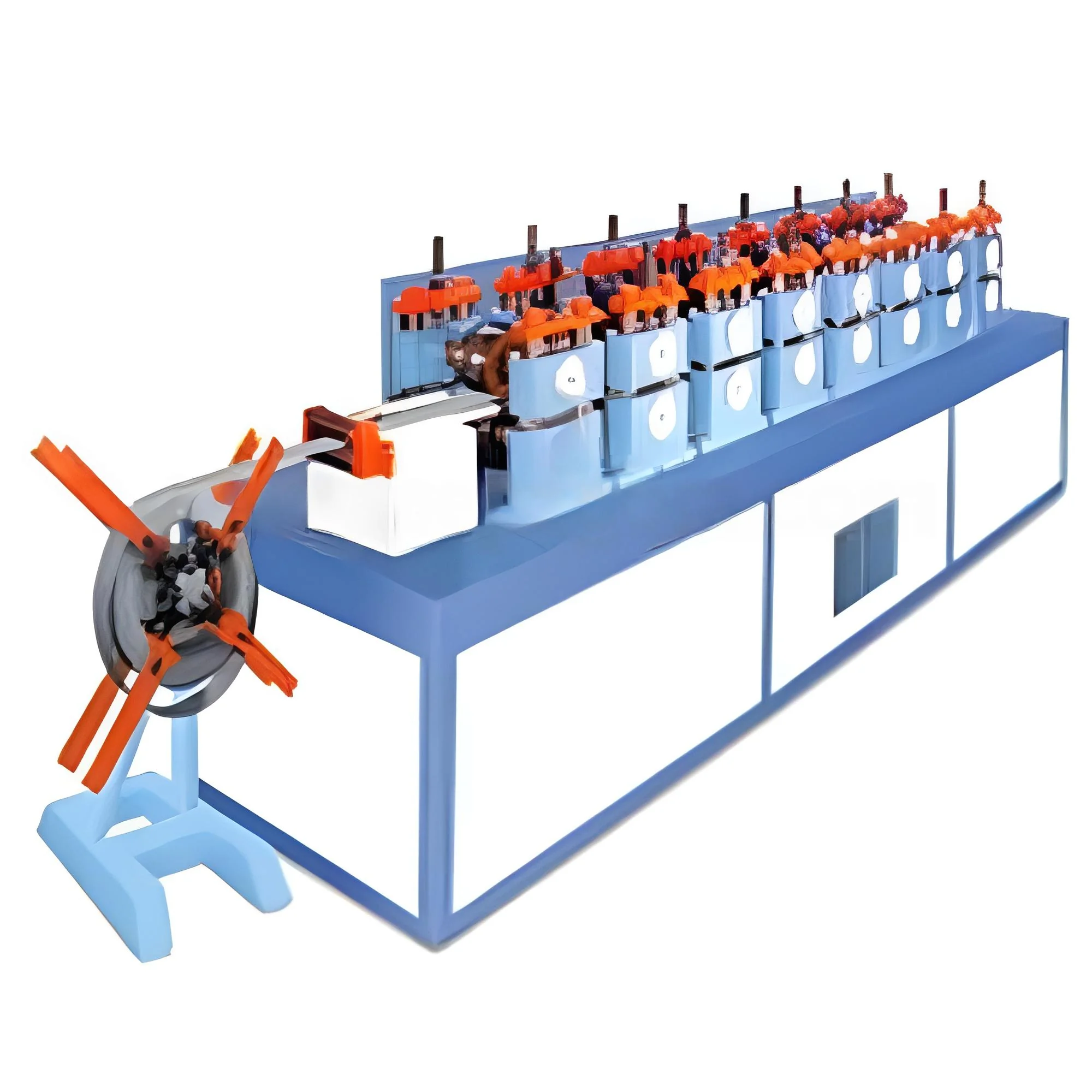
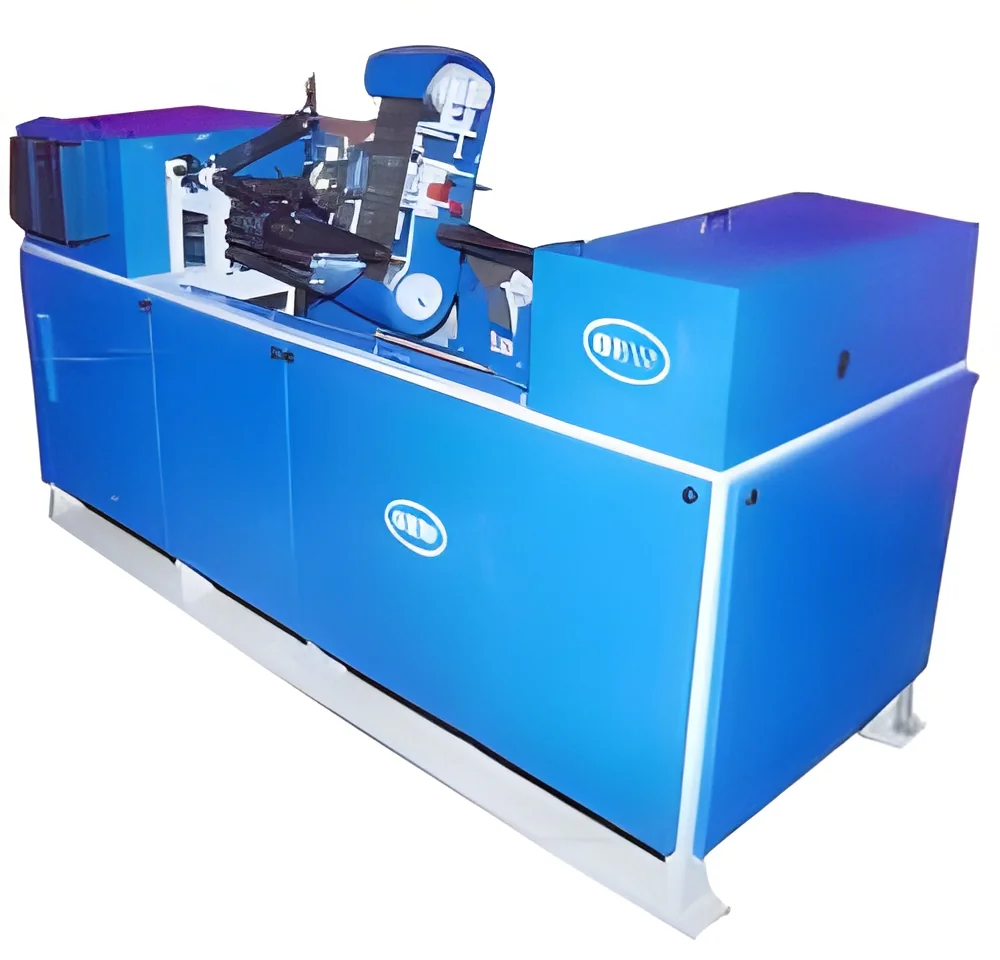
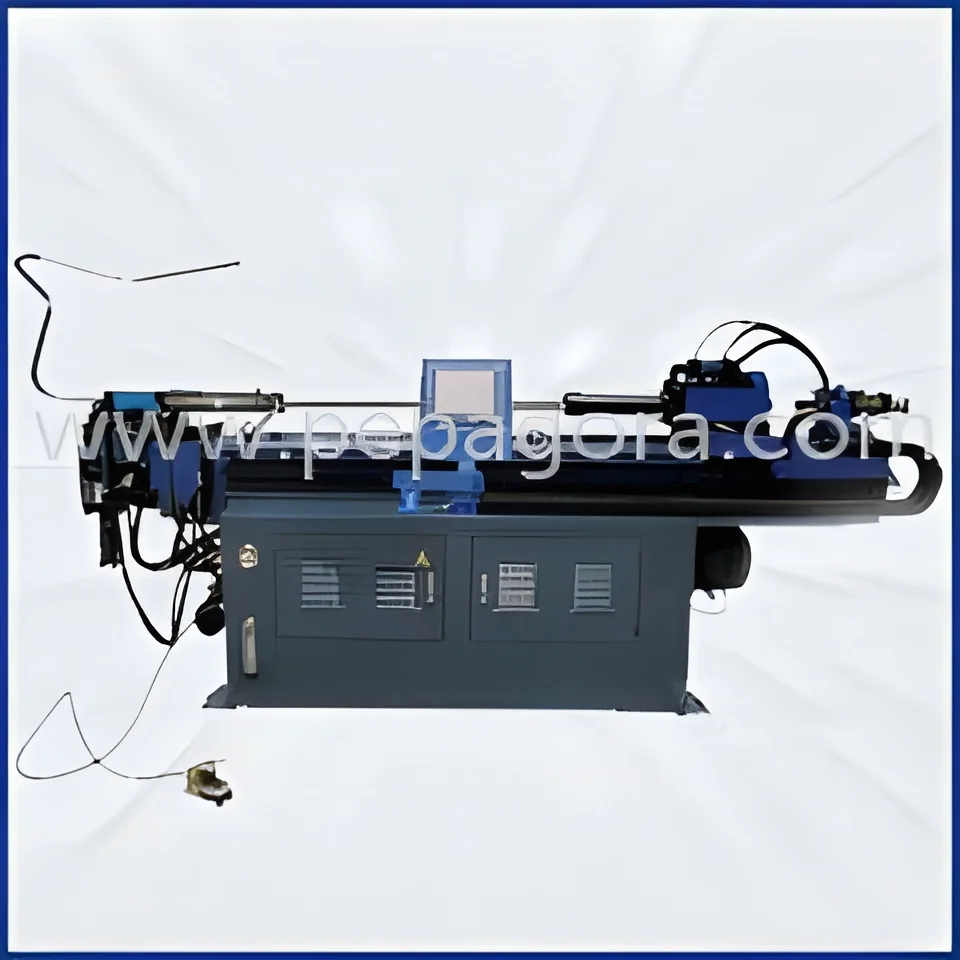
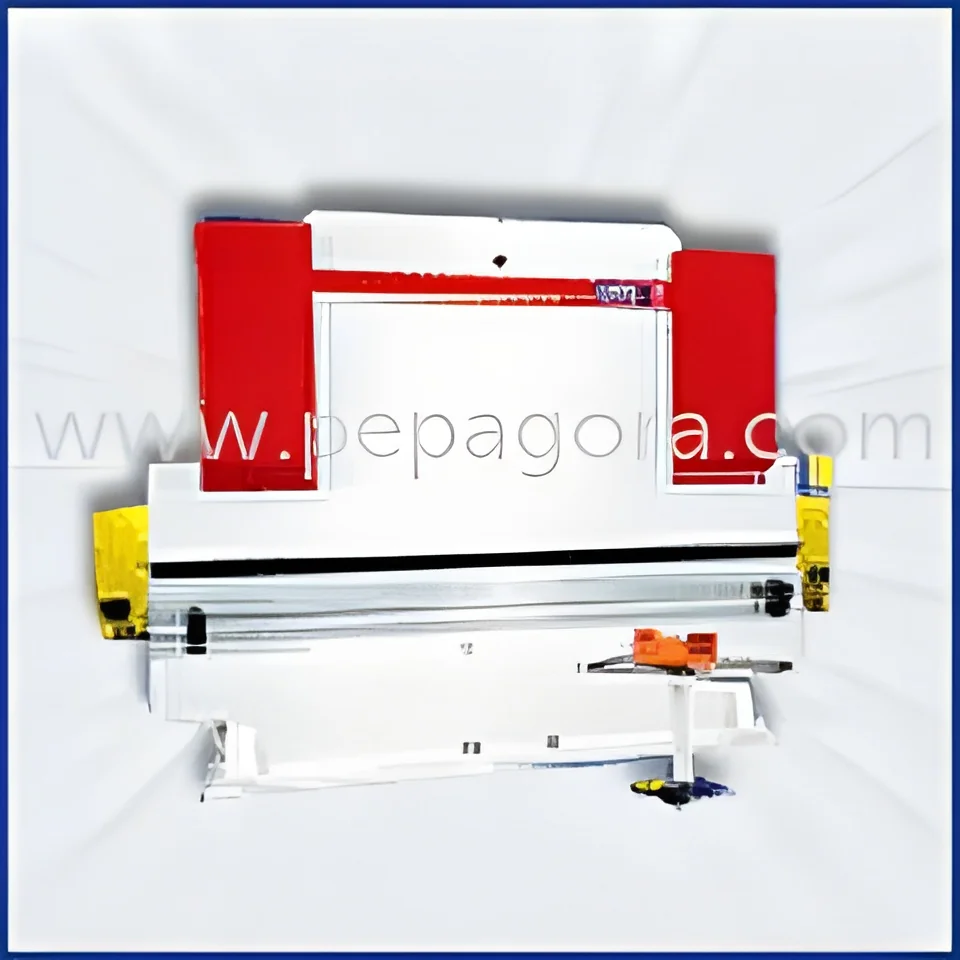
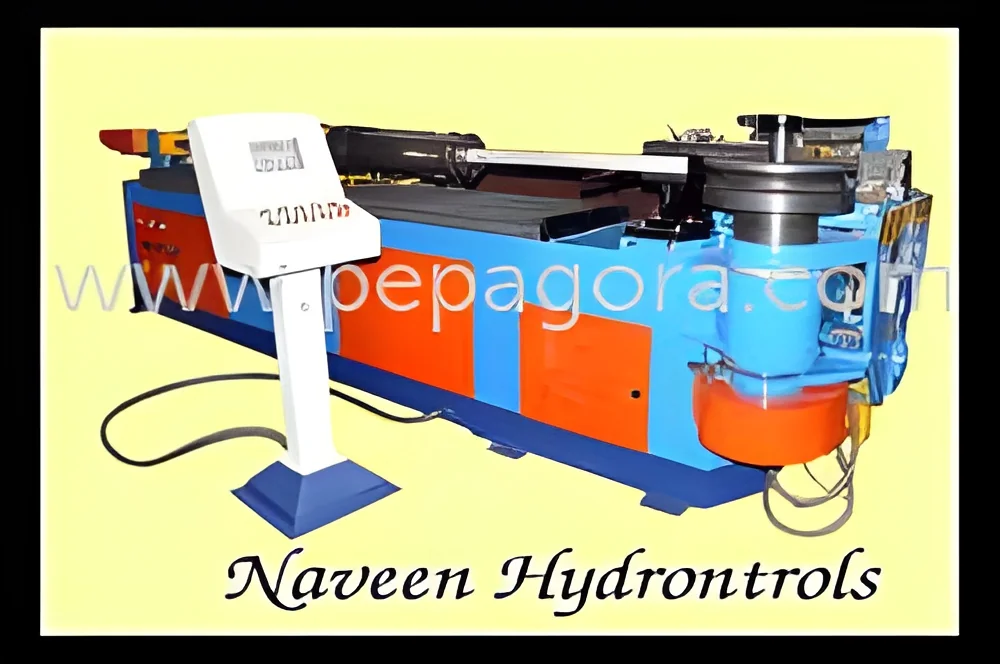
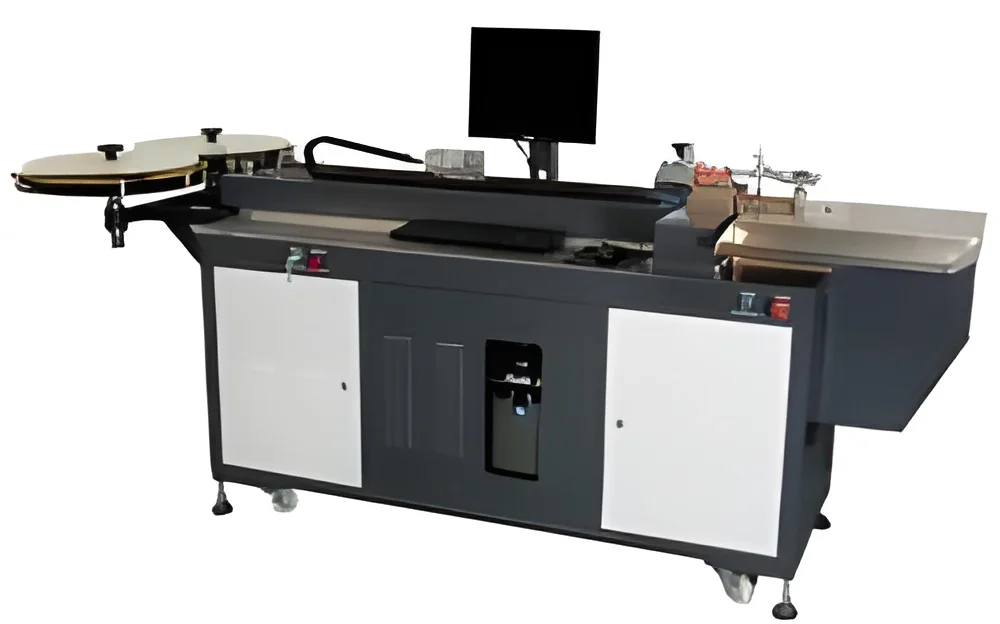
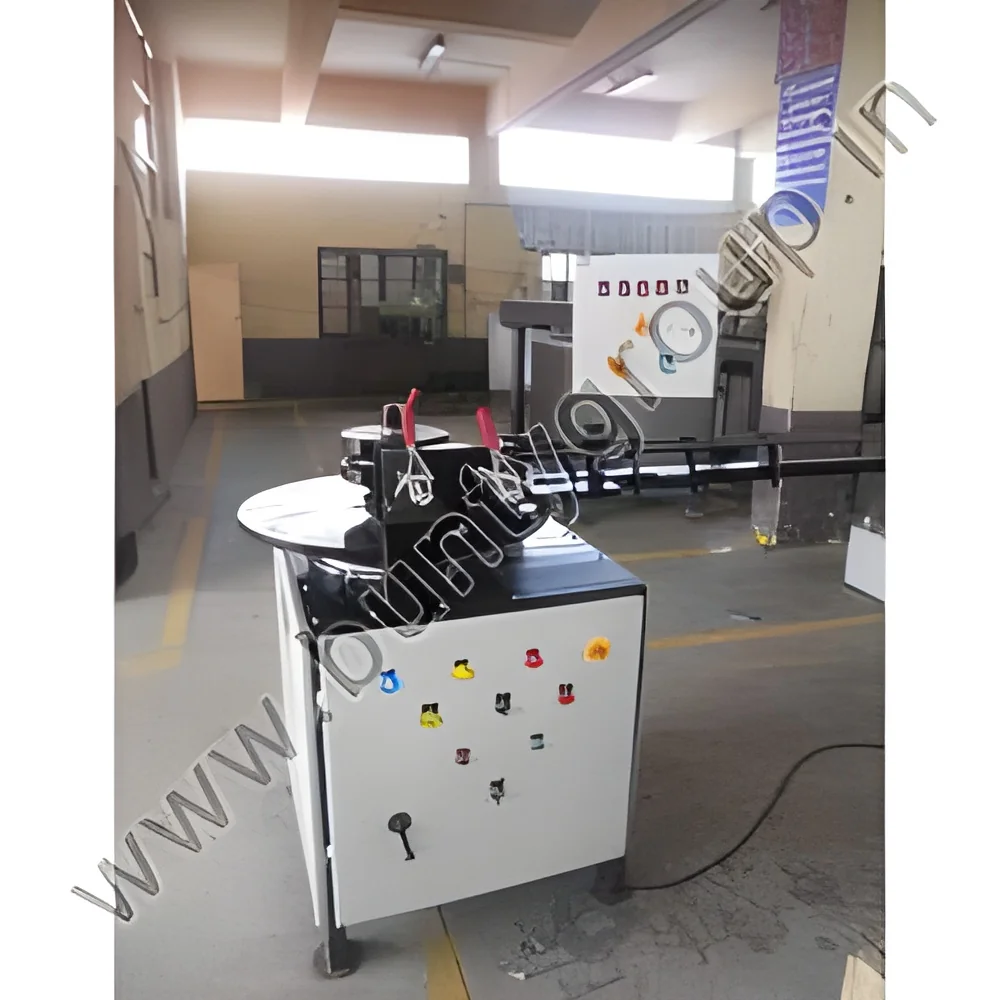
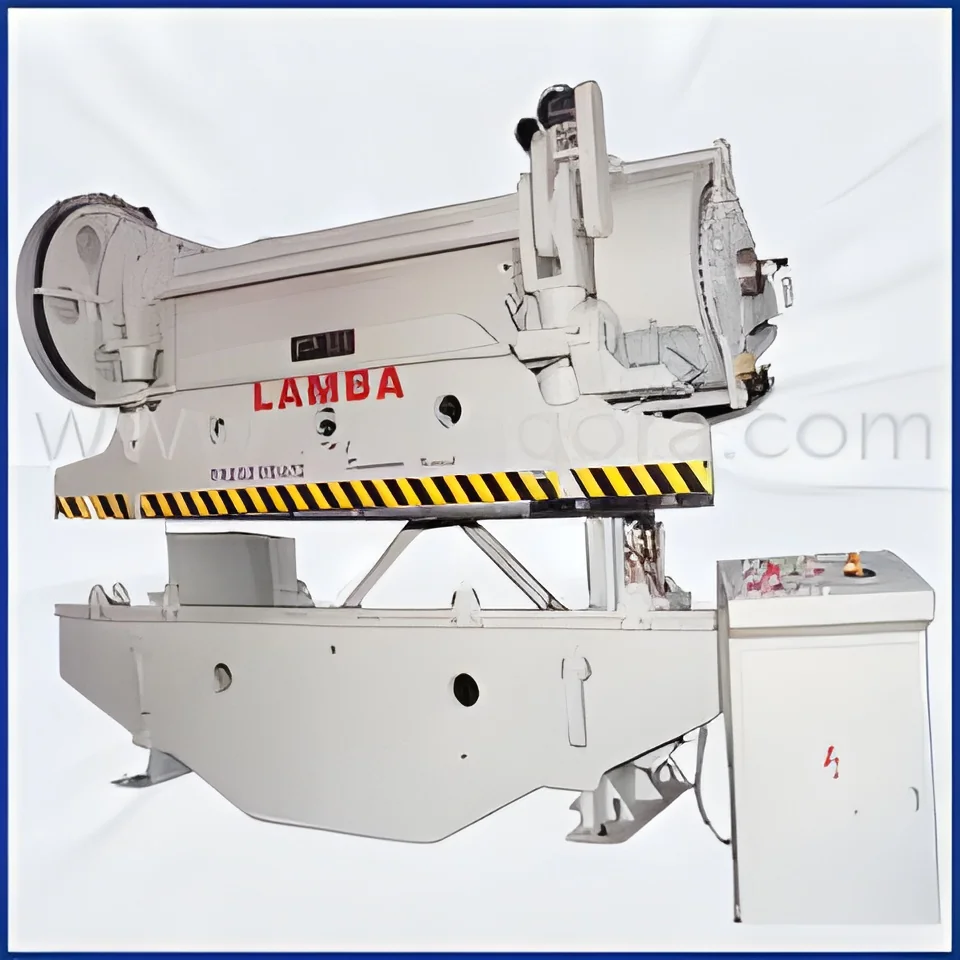
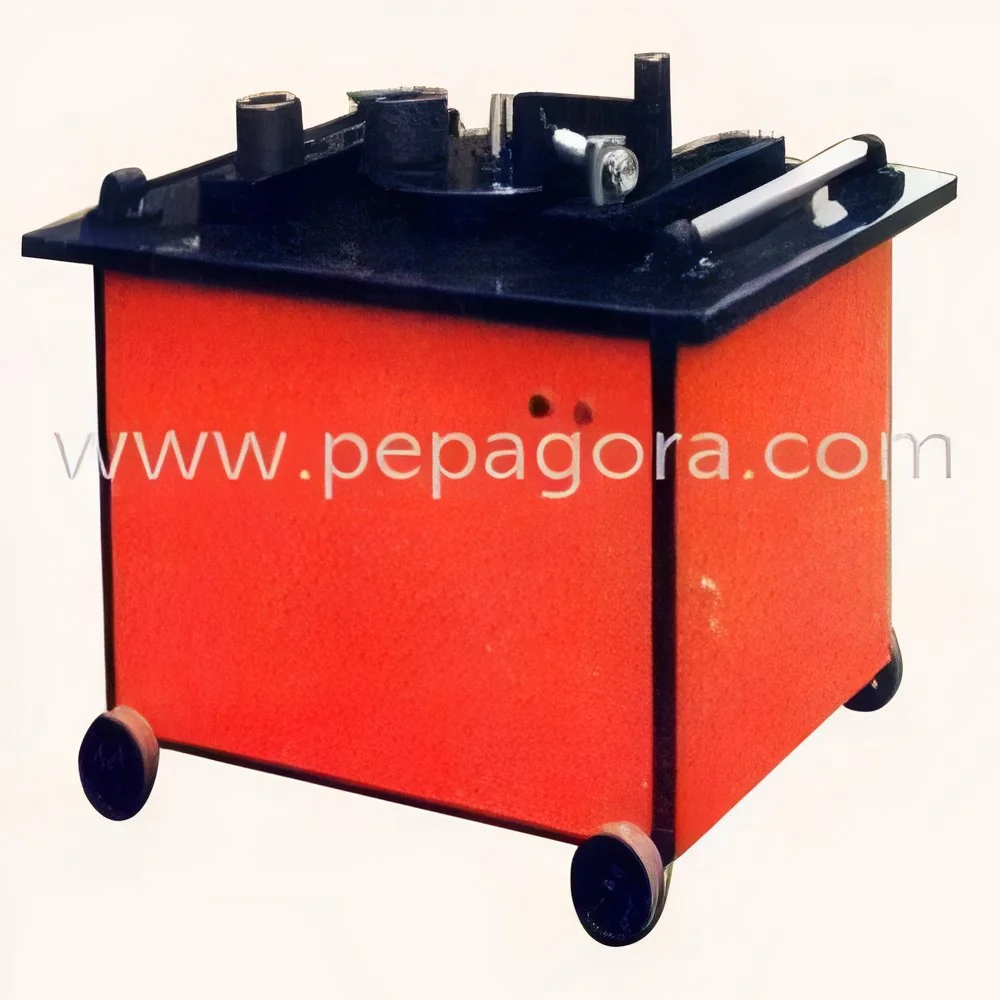
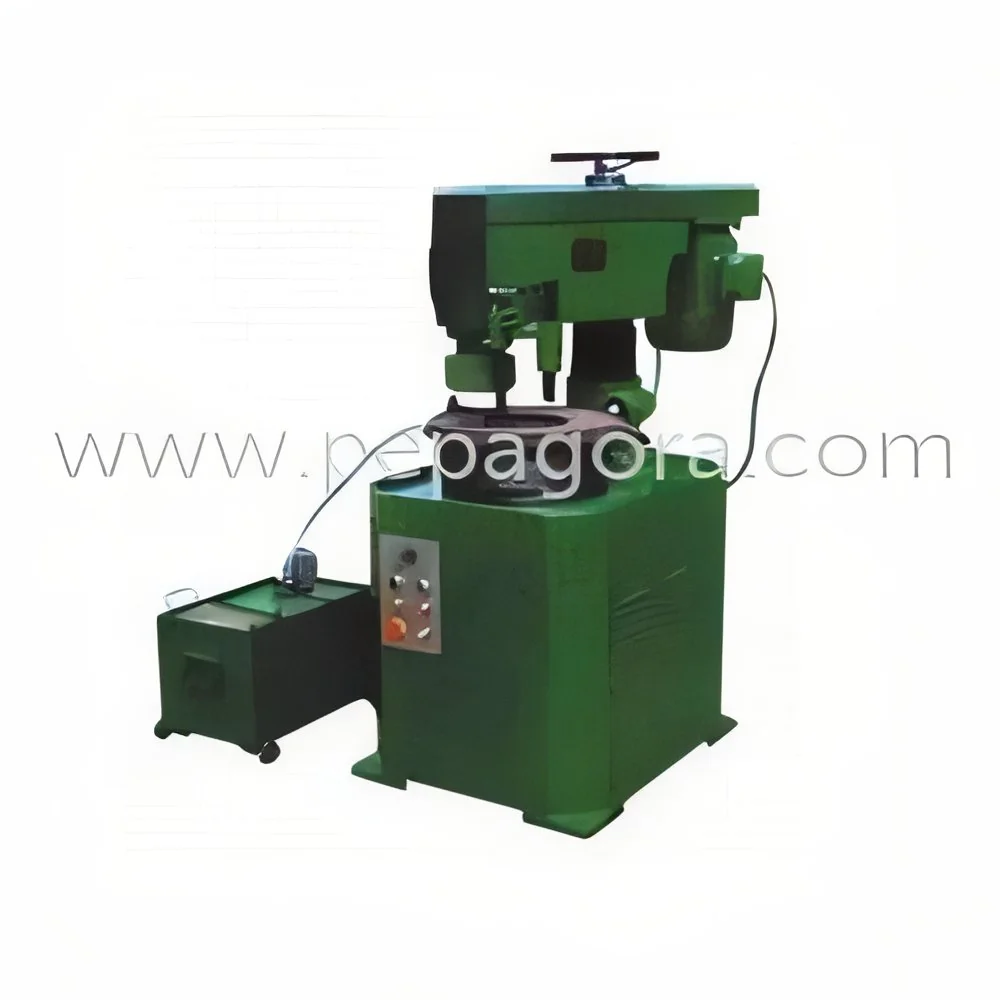
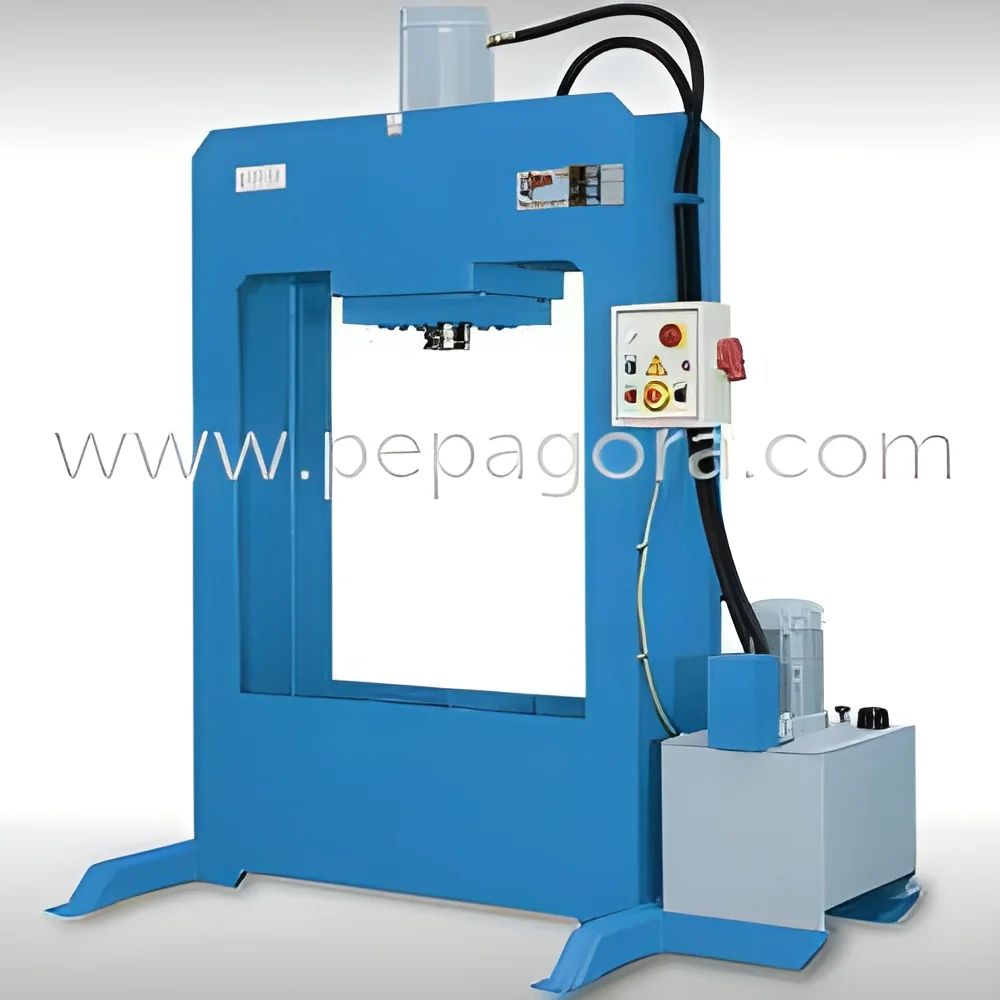
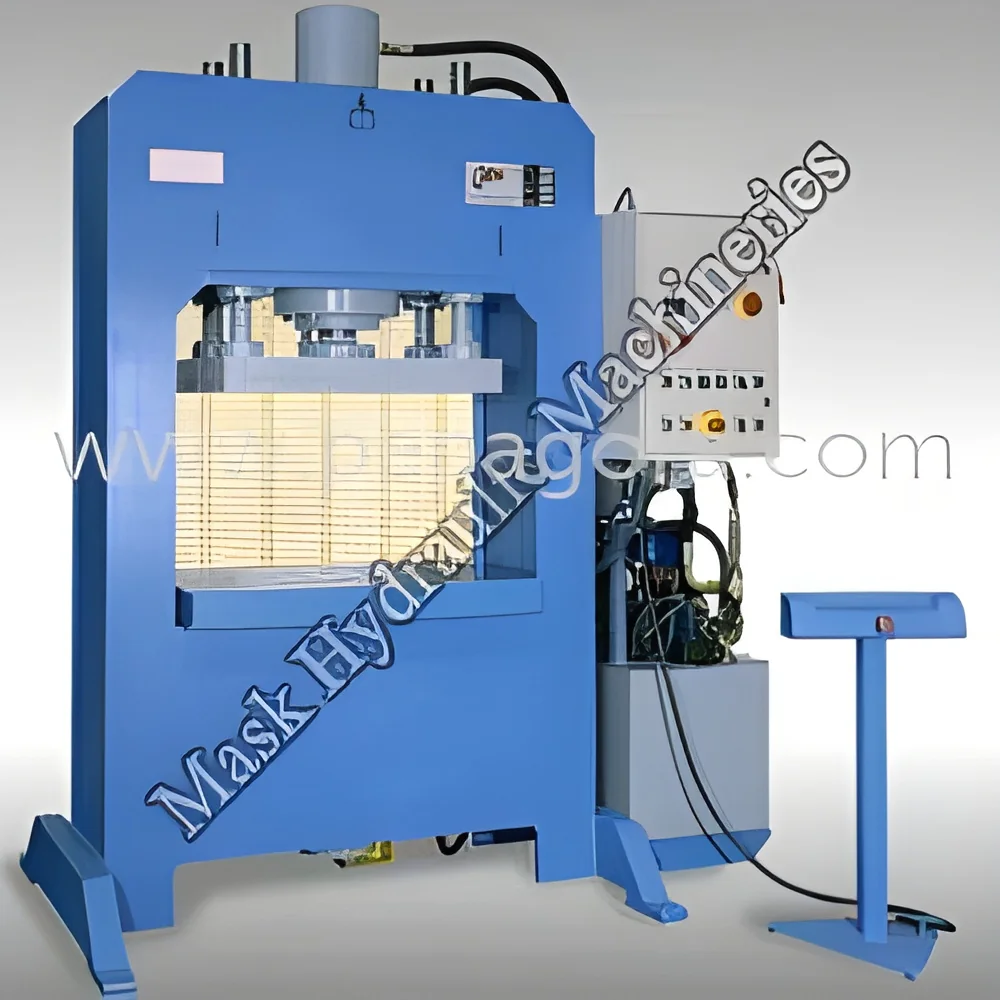
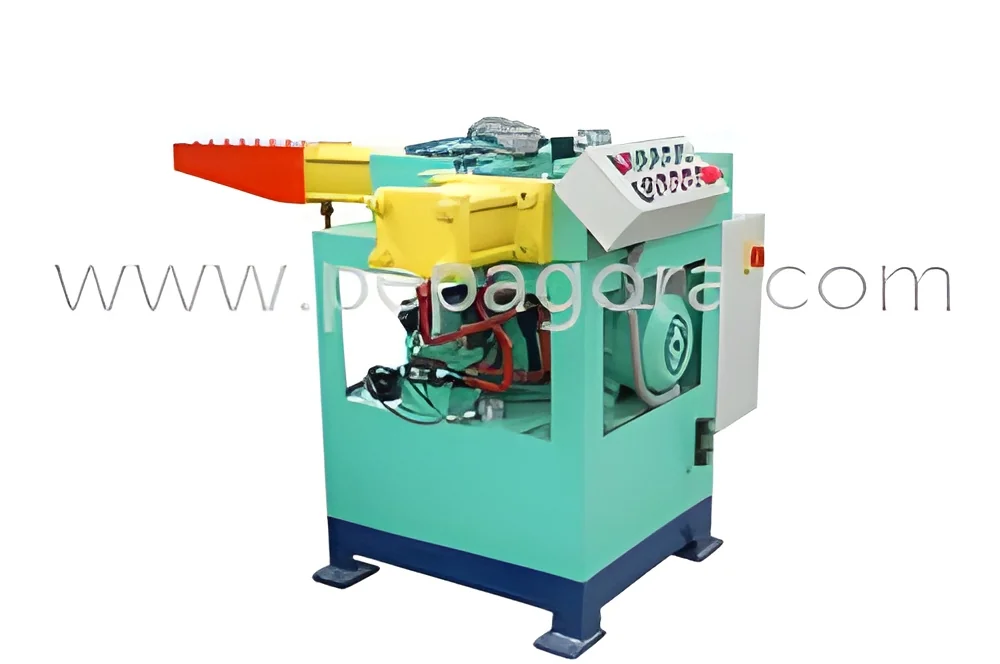
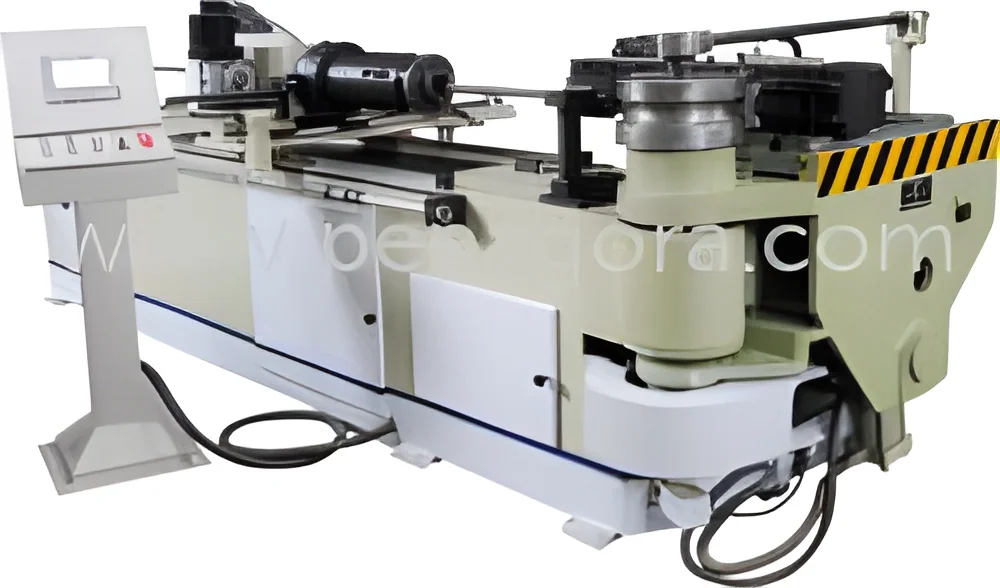
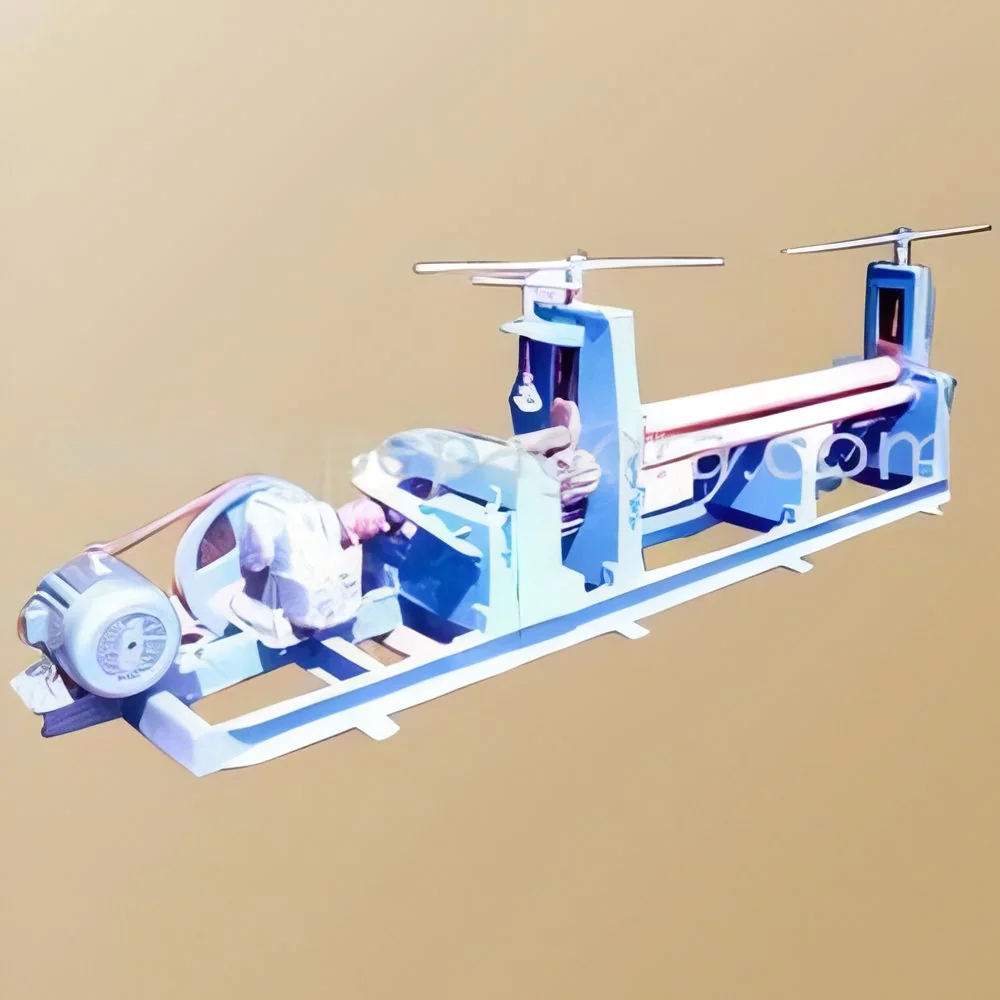
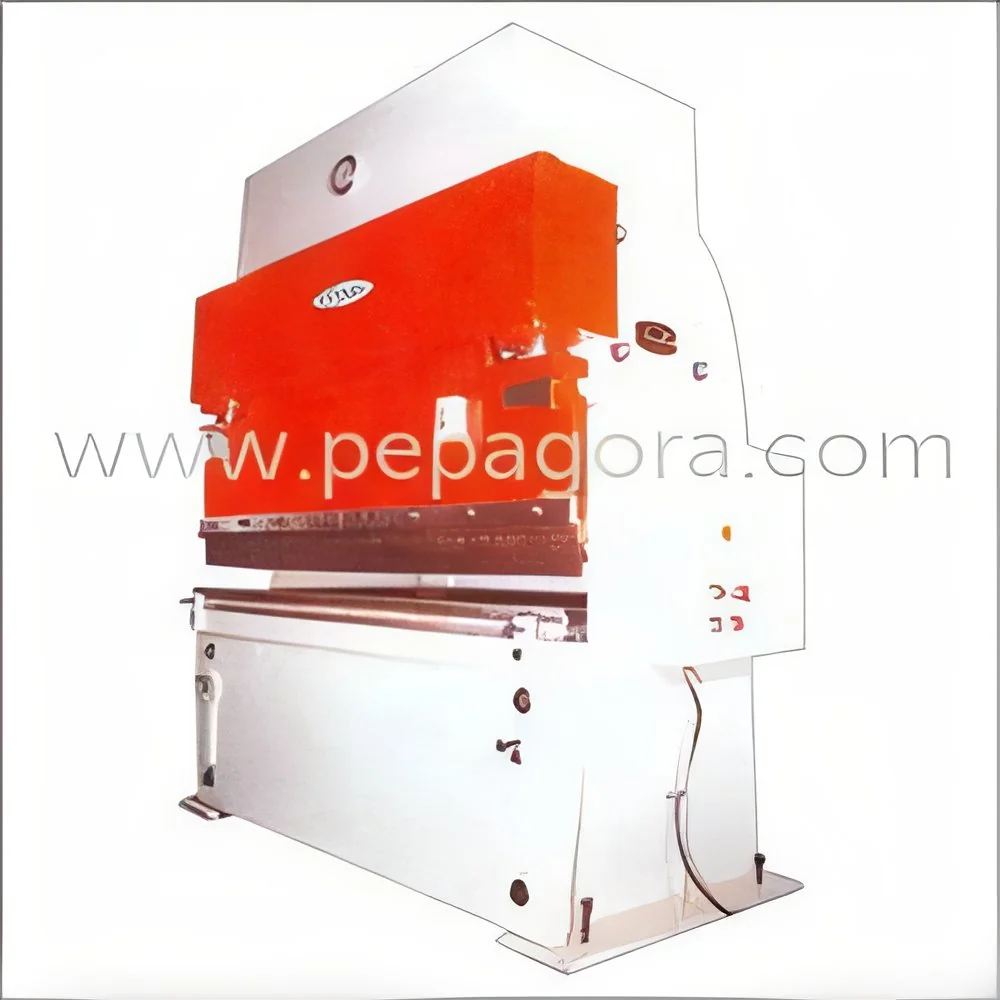
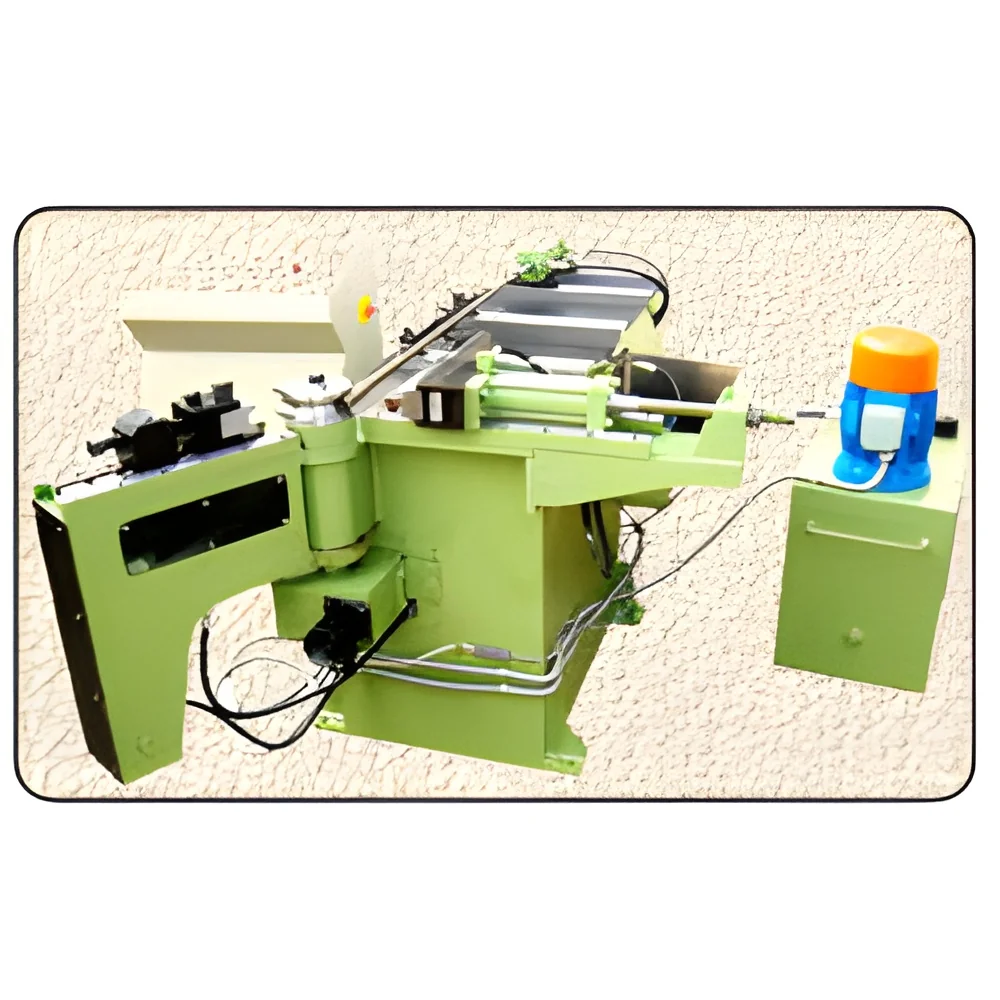
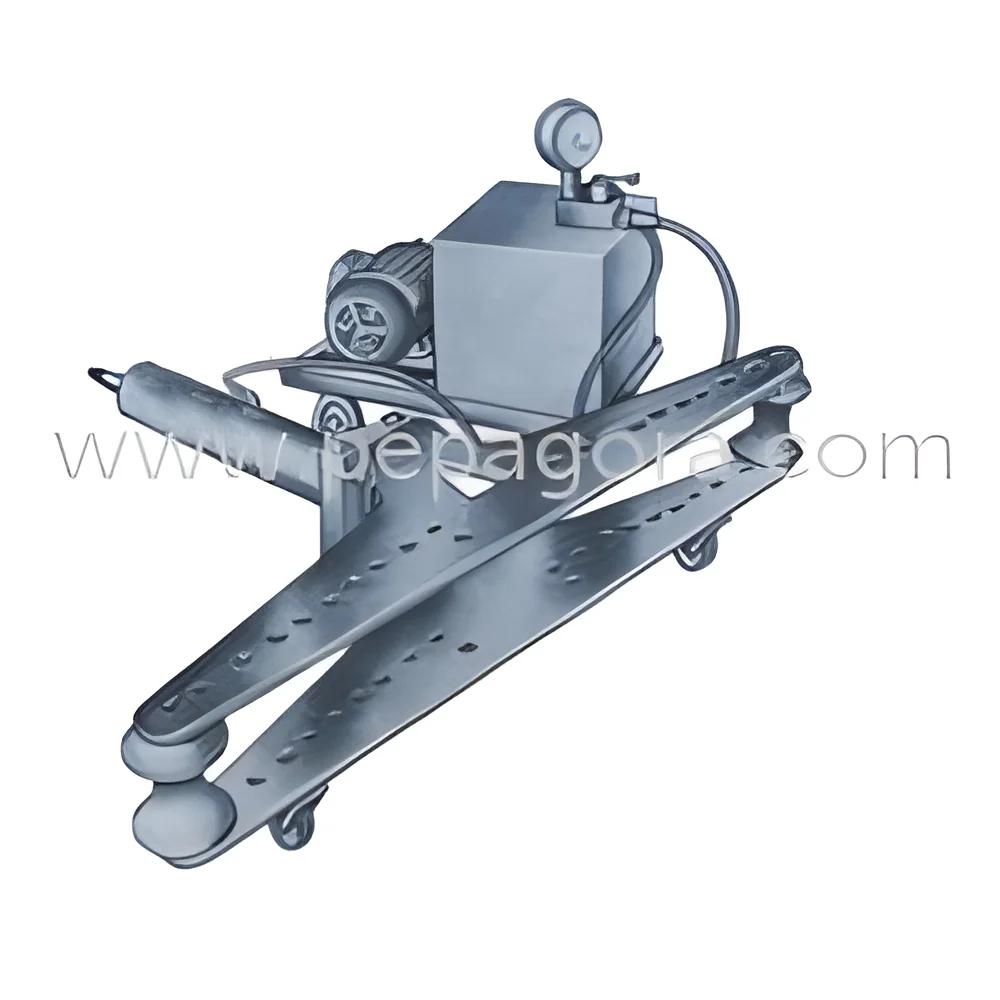
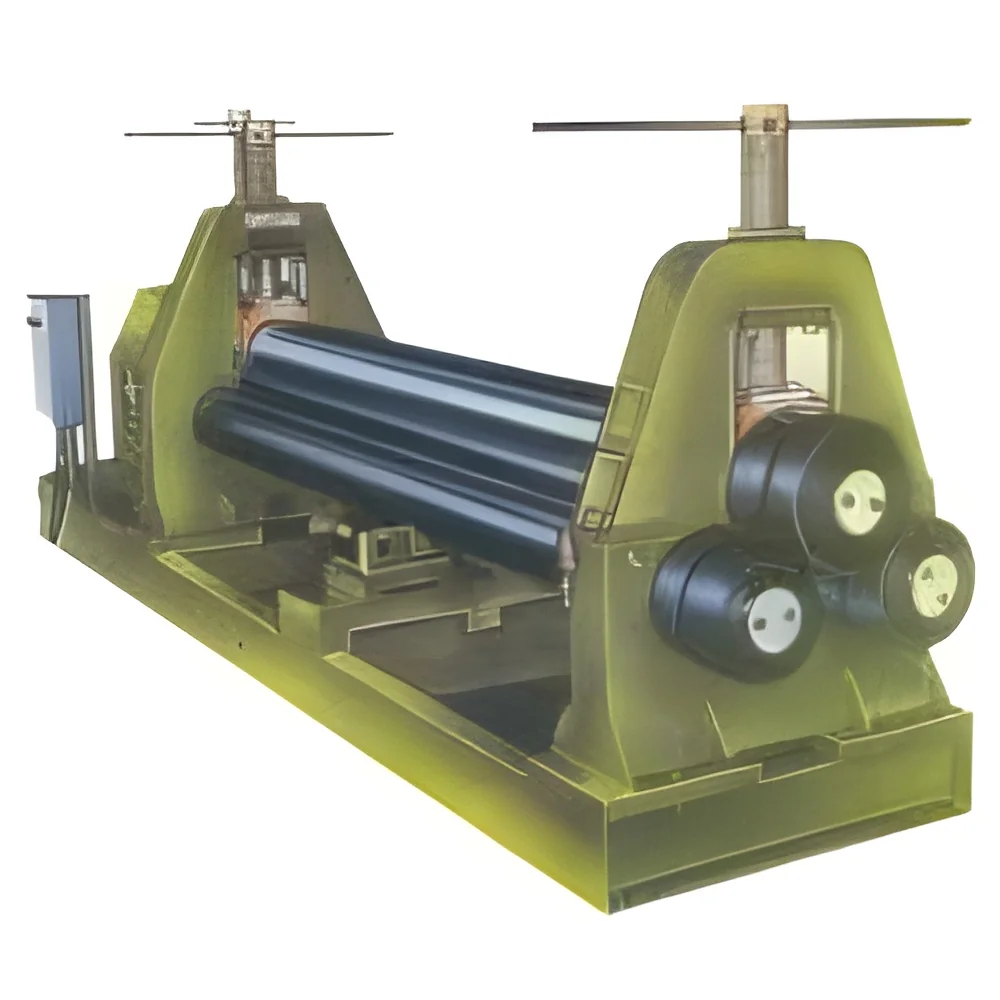
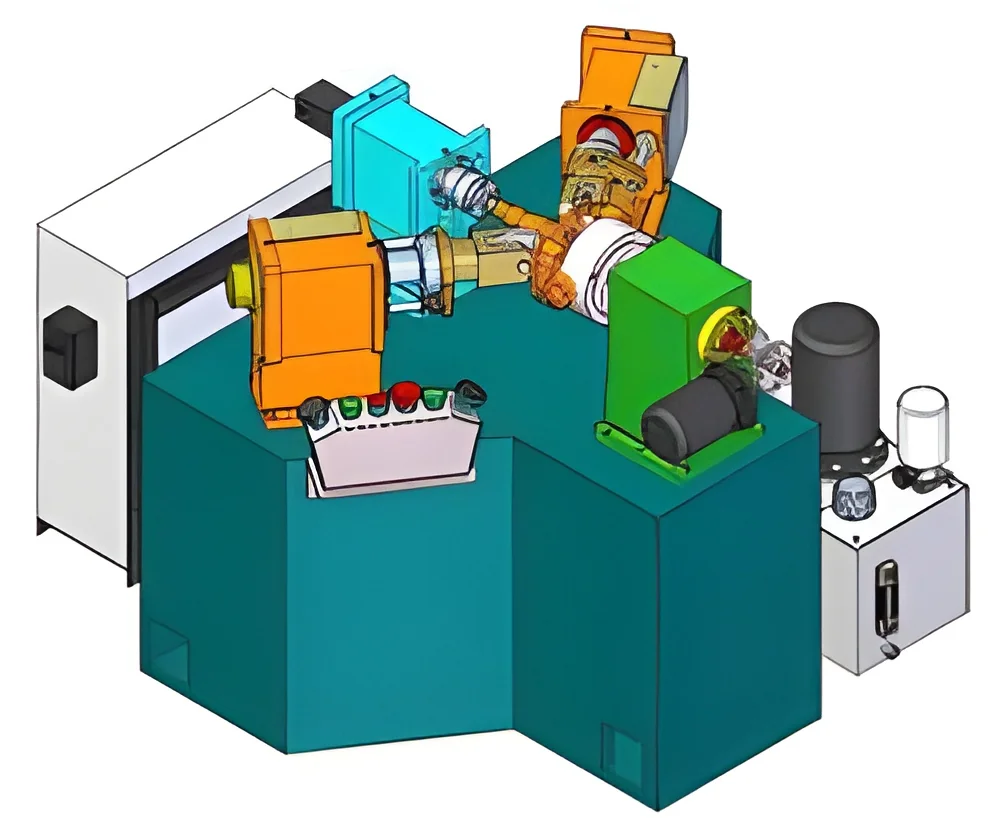
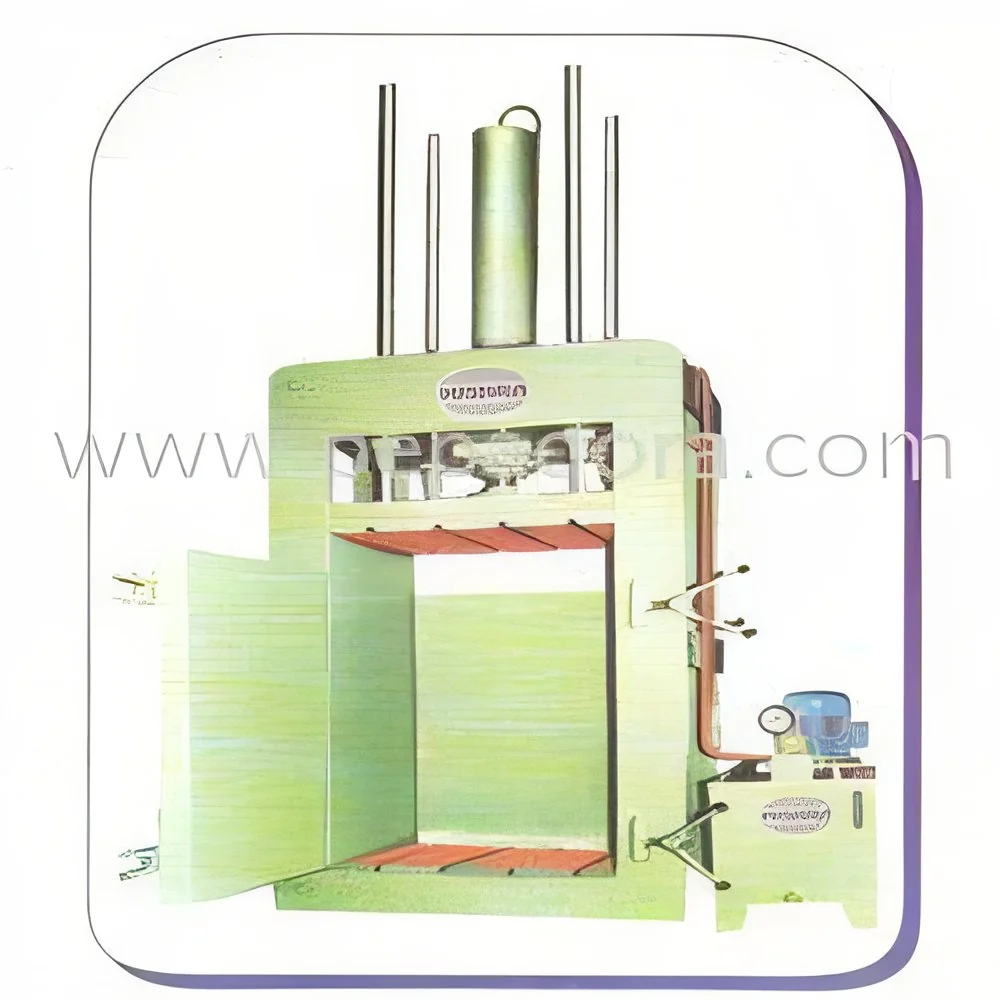
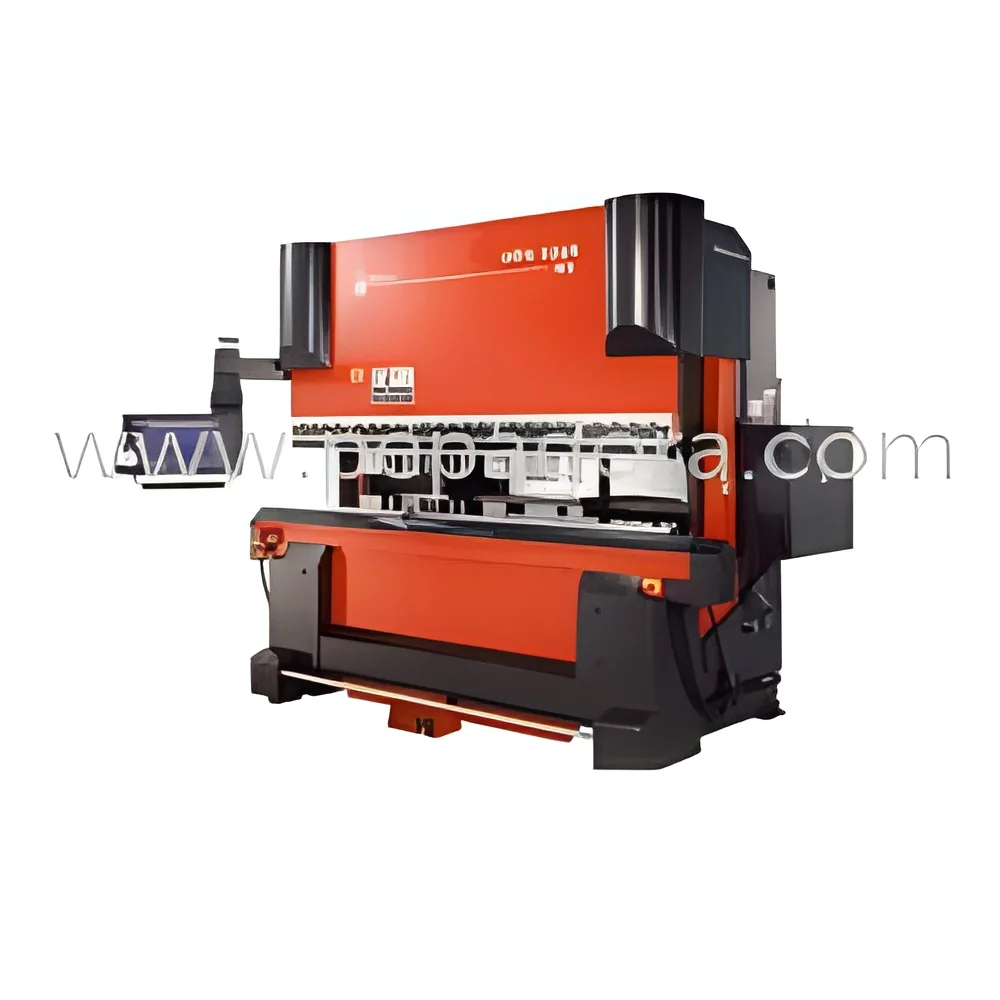
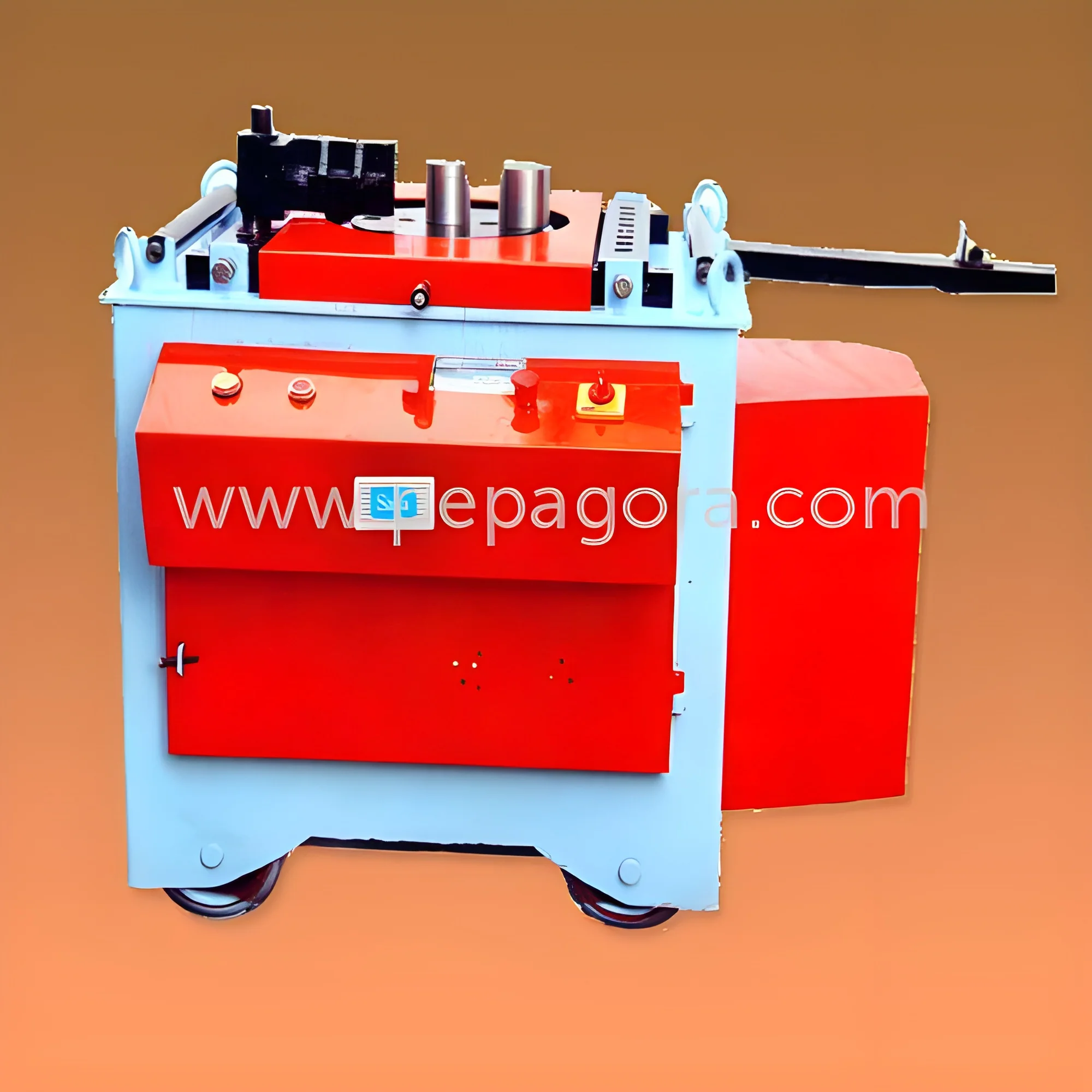
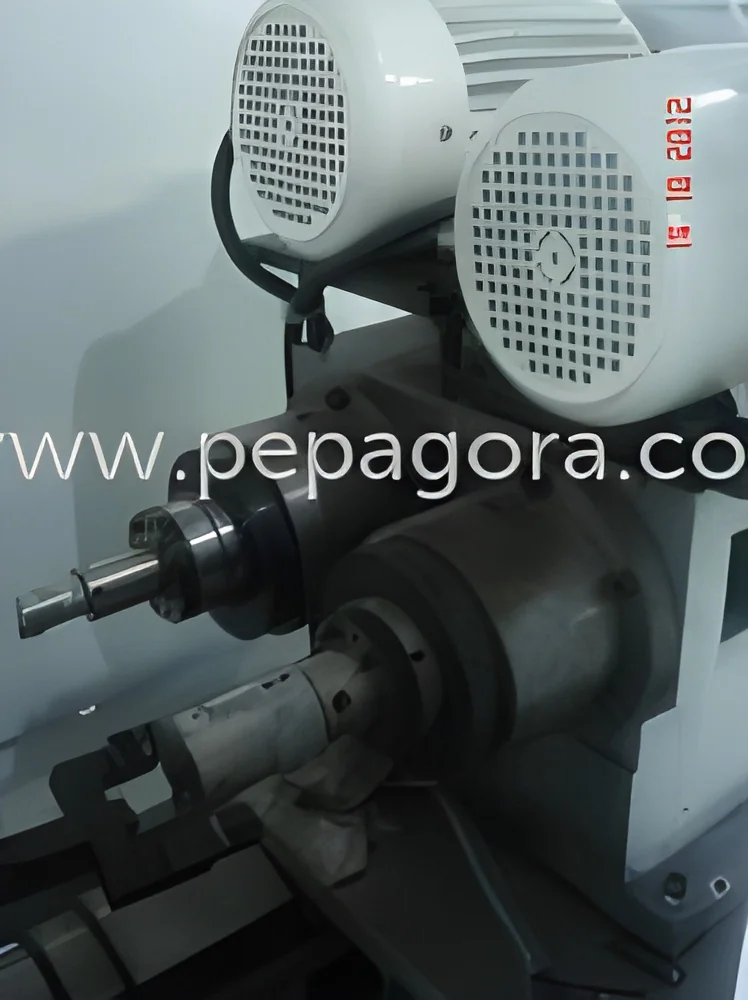
What are Hydraulic Shearing & Bending Machines?
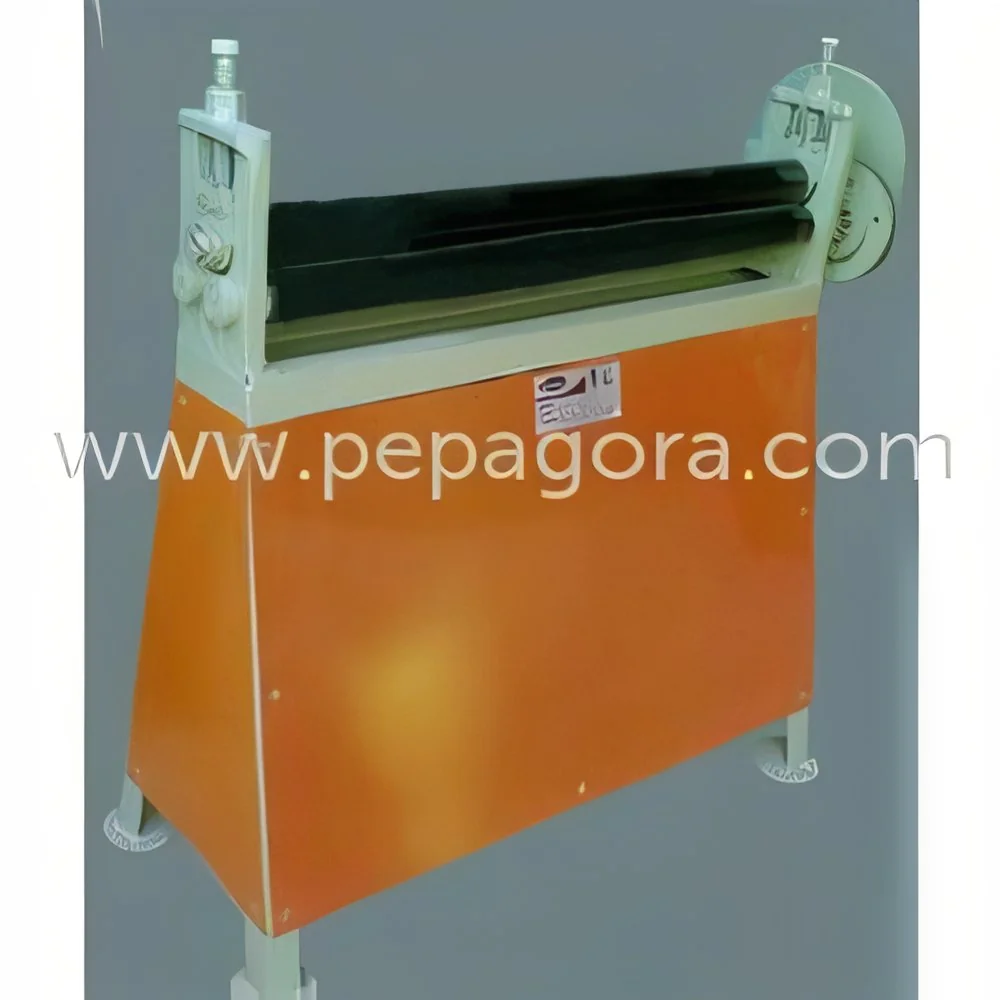
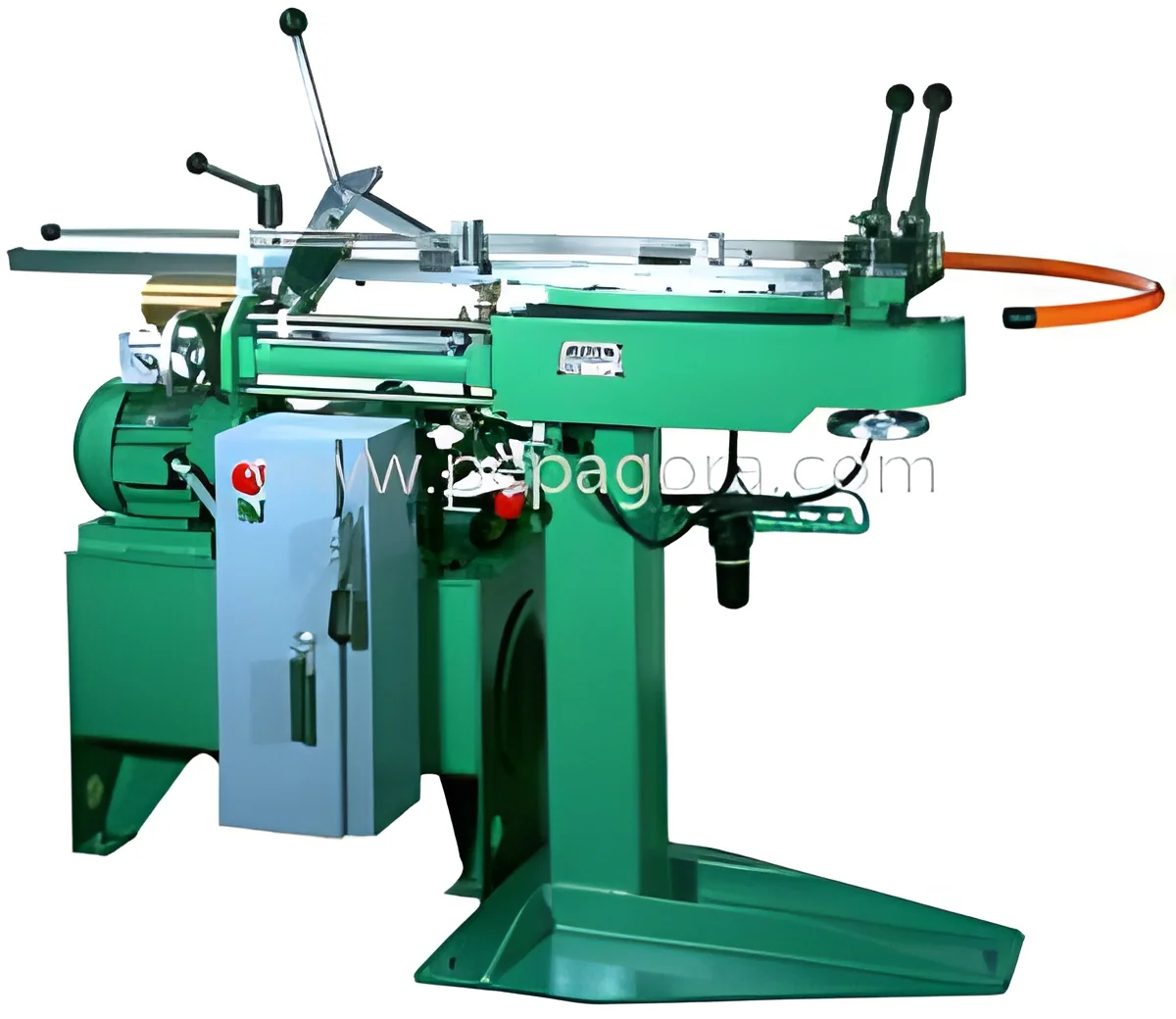
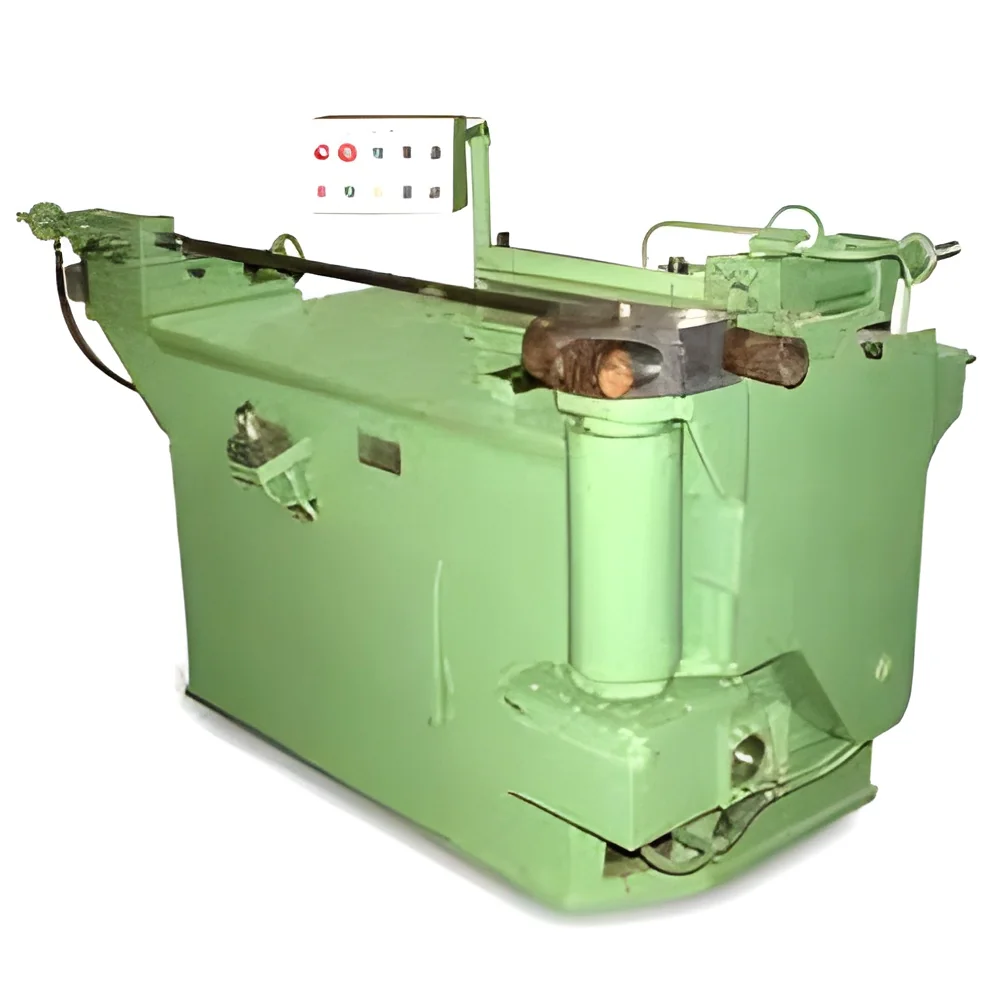
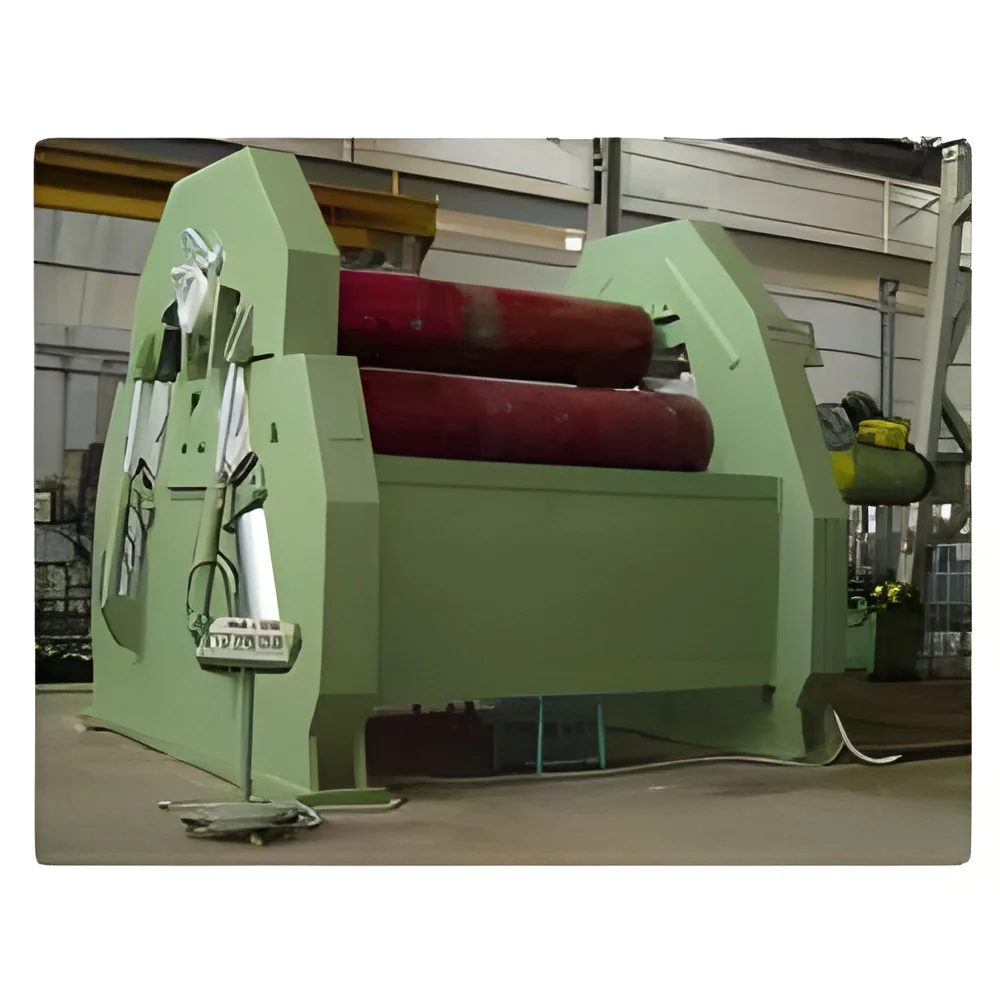
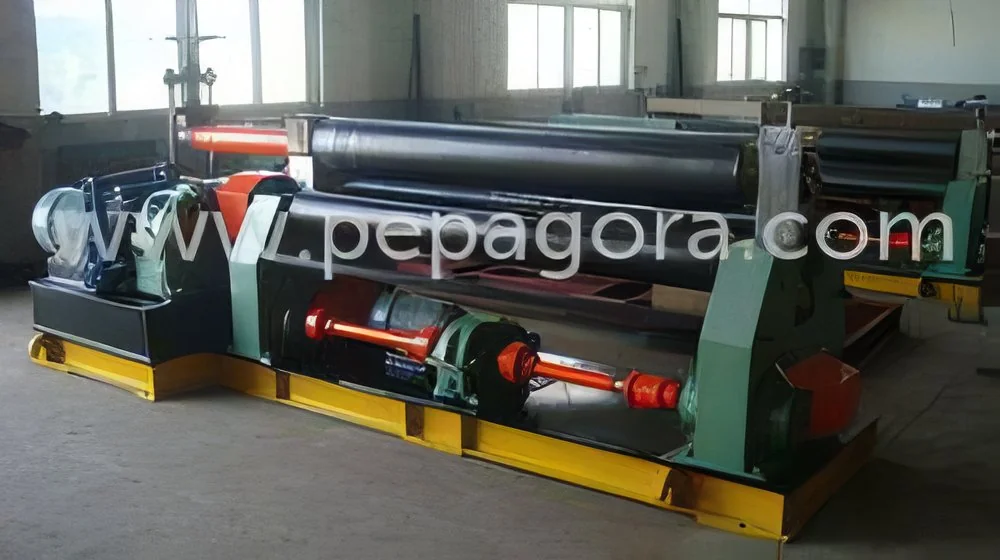
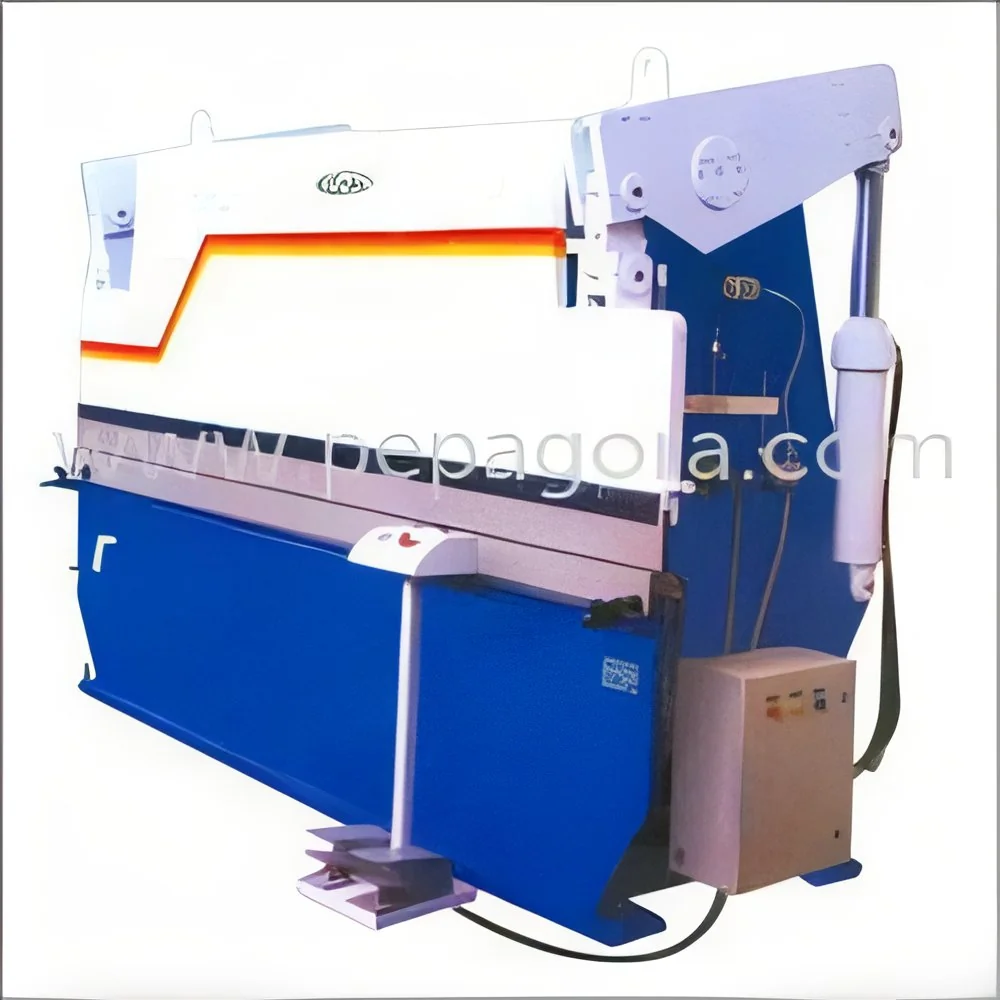
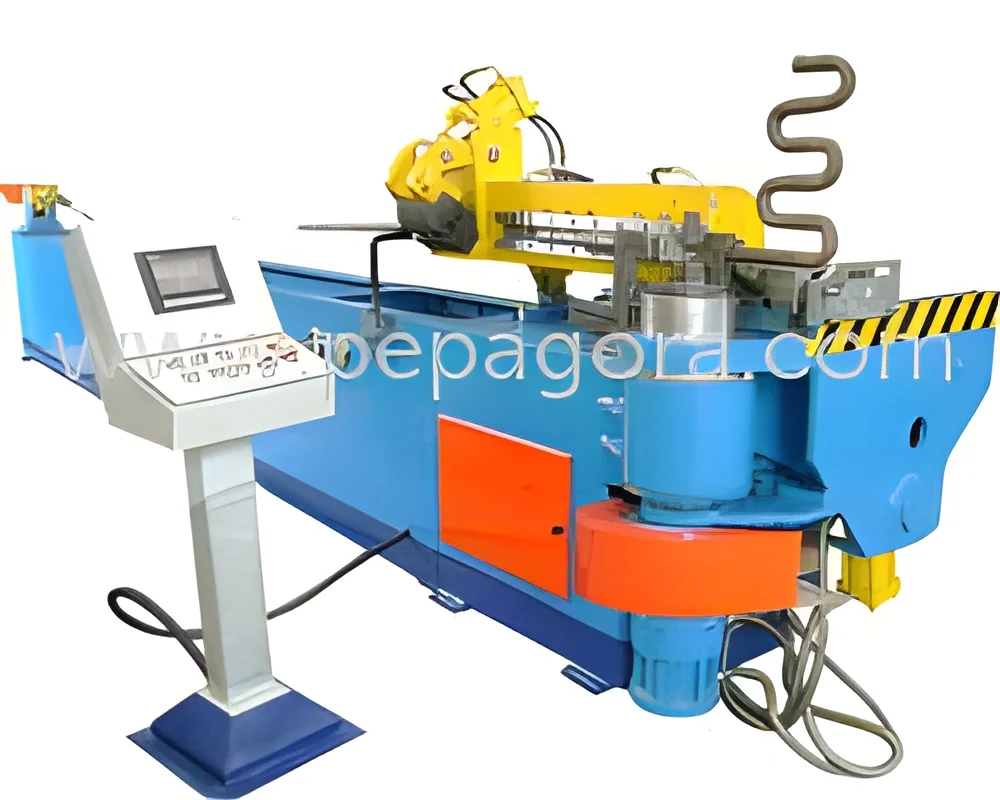
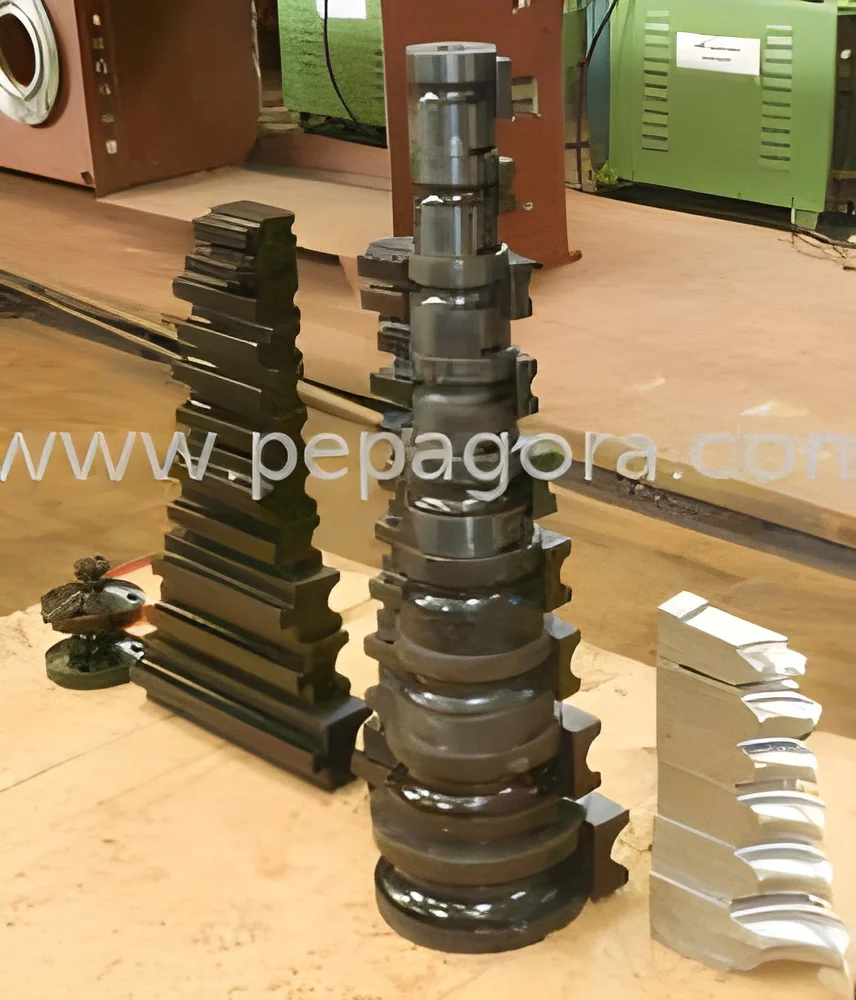
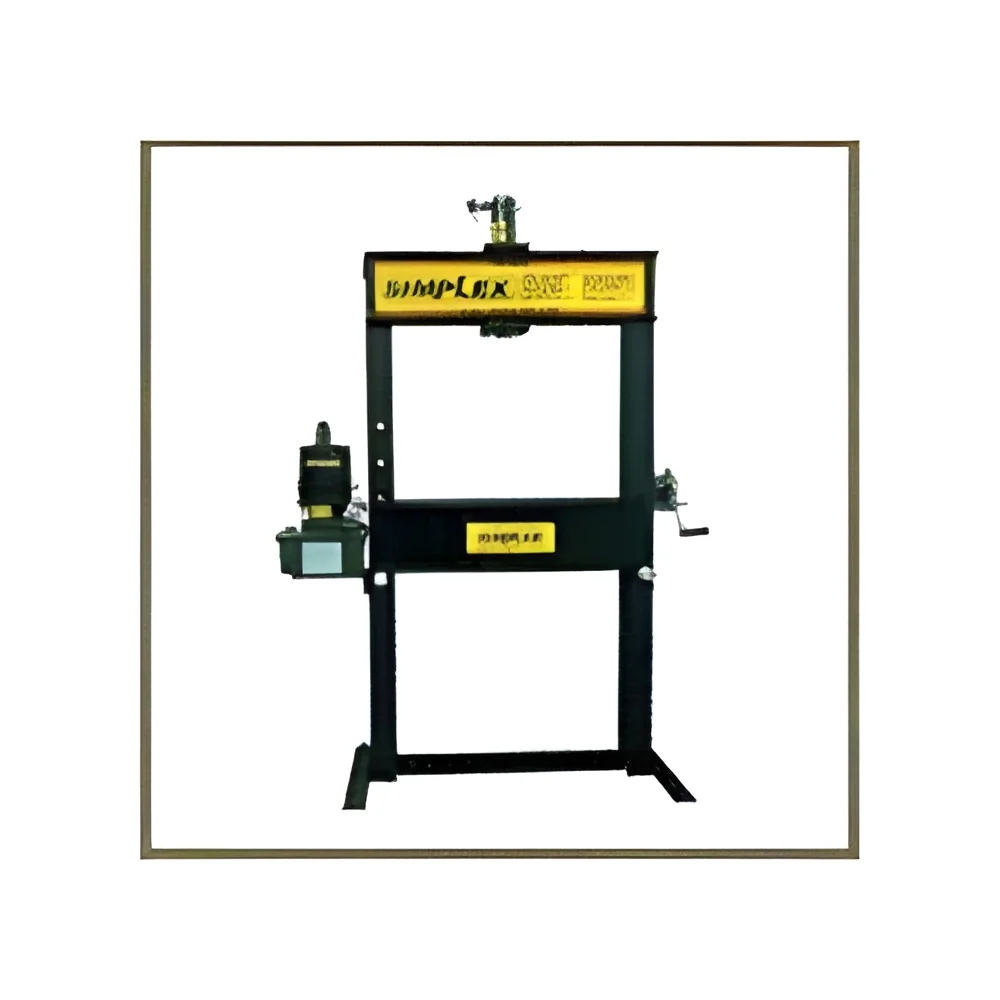
Hydraulic shearing and bending machines are essential tools in metal fabrication, designed to cut and shape materials with precision and efficiency. These machines operate on hydraulic power, allowing for significant force application to shear metal sheets or bend them into desired shapes. The hydraulic system ensures smooth operation and enhances the durability and performance of the machines, making them reliable for various industrial applications.
These machines find primary use in industries such as manufacturing, construction, and automotive. They are pivotal in processes where metal sheets need to be cut to specific sizes or bent to conform to particular design specifications. Businesses leverage these machines for tasks ranging from creating structural components to crafting intricate parts for machinery. Their significance in the market is underscored by the growing demand for automation and precision in manufacturing processes.
The relevance of hydraulic shearing and bending machines is firmly established in today's industrial landscape. As industries evolve, the need for efficient and reliable equipment becomes critical. The global market for these machines continues to expand, driven by advancements in technology and increased production needs.
Key Features and Specifications
Hydraulic shearing and bending machines come equipped with a range of features that enhance their functionality and usability. Understanding these specifications is crucial for businesses looking to invest in such equipment.
Key specifications include:
1. Shearing Capacity
- This specification indicates the maximum thickness and width of material that can be cut.
- Typical ranges vary based on machine size and model.
2. Bending Capacity
- This detail refers to the maximum thickness and width of material that can be bent.
- Bending capacities depend on the hydraulic force and the design of the machine.
3. Stroke Length
- The stroke length determines how far the cutting or bending tool can travel.
- Standard stroke lengths vary widely among different machines.
4. Control System
- Many machines feature programmable controls for precise operations.
- These systems may include manual, semi-automatic, or fully automatic options.
5. Safety Features
- Hydraulic machines typically include safety guards and emergency stop functions.
- Compliance with safety standards is essential for user protection.
6. Dimensions and Weight
- The overall size and weight of the machine affect installation and mobility.
- Specifications vary significantly based on the model.
7. Power Requirements
- Machines require specific voltage and phase configurations to operate efficiently.
- Power ratings are crucial for ensuring compatibility with existing infrastructure.
8. Material Types
- These machines can handle various metals, including steel, aluminum, and stainless steel.
- Understanding material compatibility is vital for optimal performance.
In summary, knowing the key features and specifications of hydraulic shearing and bending machines enables buyers to make informed decisions based on their operational requirements.
Common Applications and Use Cases
Hydraulic shearing and bending machines serve a wide range of industries, each utilizing the technology for specific applications.
1. Manufacturing: In manufacturing, these machines are used to cut and shape metal parts for machinery and products, enabling efficient assembly line operations.
2. Construction: The construction industry relies on these machines to create structural components such as beams and frames, ensuring strength and accuracy in building projects.
3. Automotive: In the automotive sector, these machines are essential for producing components like chassis and body panels, allowing for high precision in vehicle manufacturing.
4. Aerospace: Aerospace applications involve the precise cutting and bending of lightweight materials, ensuring the safety and performance of aircraft components.
5. HVAC: In the heating, ventilation, and air conditioning industry, these machines are used to fabricate ductwork and other metal components, contributing to system efficiency.
6. Shipbuilding: The shipbuilding industry utilizes these machines for cutting and shaping large metal sheets, necessary for constructing ship hulls and other structures.
7. Furniture: In furniture manufacturing, hydraulic machines are employed to create metal frames and structures, enhancing durability and design versatility.
Product Variants and Subcategories
Hydraulic shearing and bending machines come in various models and configurations to meet different industrial needs. This diversity allows businesses to choose machines that best suit their specific applications.
Standard Model
This model is designed for general use with a balance of cutting and bending capabilities. It is ideal for small to medium-sized operations and can handle a range of materials.
Heavy-Duty Model
Heavy-duty machines are built to accommodate thicker materials and larger volumes. They are suitable for industries that require high production rates and robust performance.
Portable Model
Portable hydraulic machines offer flexibility for on-site applications. These models are lightweight and easy to transport, making them ideal for construction and repair tasks.
CNC Model
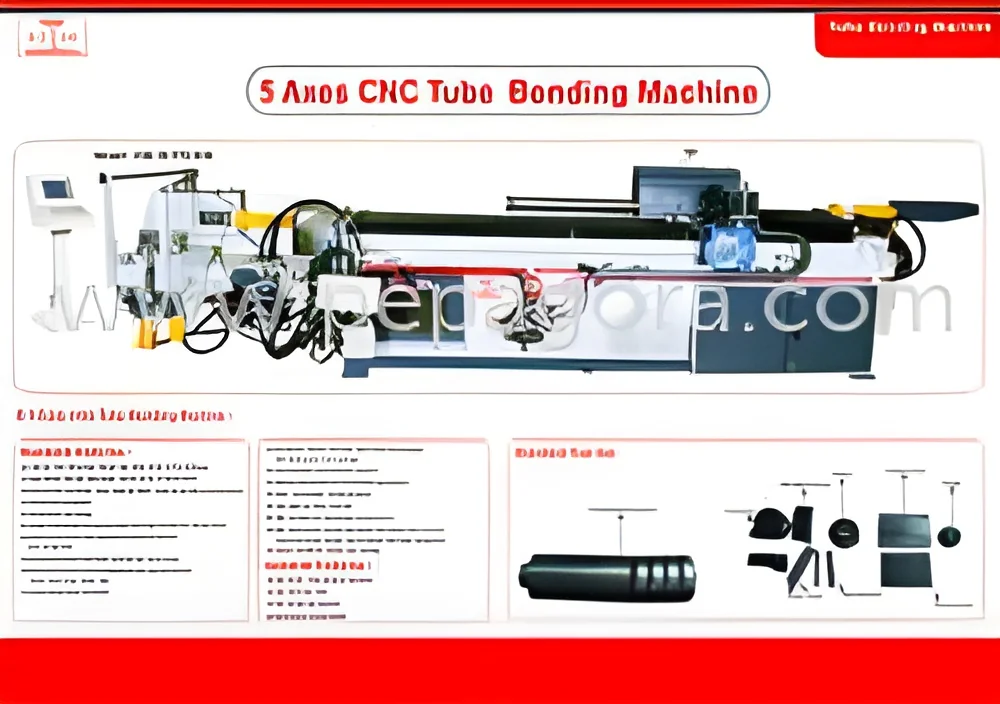
CNC hydraulic shearing and bending machines provide advanced automation and precision. They are equipped with computer controls that allow for complex cuts and bends, enhancing productivity.
Benefits and Advantages
Investing in hydraulic shearing and bending machines brings numerous advantages to businesses in various sectors.
1. Precision: These machines provide high accuracy in cutting and bending, ensuring consistent product quality.
2. Efficiency: Hydraulic systems enable faster operations compared to manual methods, increasing overall productivity.
3. Versatility: They can handle various materials and thicknesses, making them suitable for diverse applications.
4. Durability: Built with robust components, hydraulic machines offer long service life and require less maintenance.
5. Safety: Advanced safety features protect operators, reducing the risk of accidents in the workplace.
6. Cost-Effective: The efficiency and durability of hydraulic machines translate to lower operational costs over time.
Buying Guide for B2B Buyers
When sourcing hydraulic shearing and bending machines, several critical factors should be considered to ensure a successful purchase.
1. Quality Assessment: Evaluate the quality of machines by reviewing manufacturer reputation, materials used, and user feedback. High-quality machines typically offer better performance and longevity.
2. Supplier Verification: Vet potential suppliers by checking certifications, customer reviews, and their history in the industry. Reliable suppliers should have a proven track record.
3. Pricing and MOQ: Understand the price range for the machines you are considering. Also, inquire about minimum order quantities to align with your budget and production needs.
4. Delivery and Lead Times: Discuss logistics with suppliers to determine lead times for delivery. Timely delivery is essential for maintaining production schedules.
5. Compliance Requirements: Ensure that the machines meet relevant industry standards and regulations. Compliance with safety and quality standards is crucial for operational success.
Compliance and Certifications
Compliance with industry standards and certifications is essential for hydraulic shearing and bending machines. Common quality standards include ISO 9001, which ensures consistent quality management practices, and HACCP, which focuses on safety in manufacturing processes.
Industry certifications such as CE and UL signify that machines meet stringent safety and performance criteria. These certifications provide assurance to buyers regarding the reliability and safety of the equipment.
Safety and testing requirements play a crucial role in the design and operation of these machines. Regular testing and adherence to safety protocols help mitigate risks associated with machinery operation.
Additionally, regional compliance considerations should be addressed, as different regions may have specific regulations governing machinery use and safety. Understanding these requirements can aid in making informed purchasing decisions.
Why Source Hydraulic Shearing & Bending Machines from Pepagora?
Pepagora offers a trusted platform for sourcing hydraulic shearing and bending machines, providing numerous advantages for buyers.
Verified Supplier Network: The platform features a network of verified suppliers, ensuring that buyers can connect with reputable manufacturers. This verification process enhances trust and reliability in sourcing.
Streamlined RFQ Process: Pepagora simplifies the request for quotation process, allowing buyers to easily compare offerings from multiple suppliers. This efficiency helps businesses find the best solutions for their needs.
Trade Assurance and Support: Buyers benefit from trade assurance programs that protect their purchases. Pepagora supports its users throughout the buying process, ensuring a positive experience.
Regional Coverage: With a presence in India, the GCC, and Southeast Asia, Pepagora offers wide geographic reach. This allows buyers to access a diverse range of products and suppliers tailored to their regional requirements.

 IN
IN