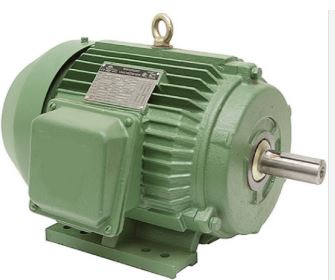
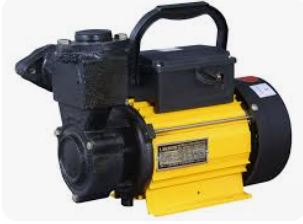
What are Gear Pumps?
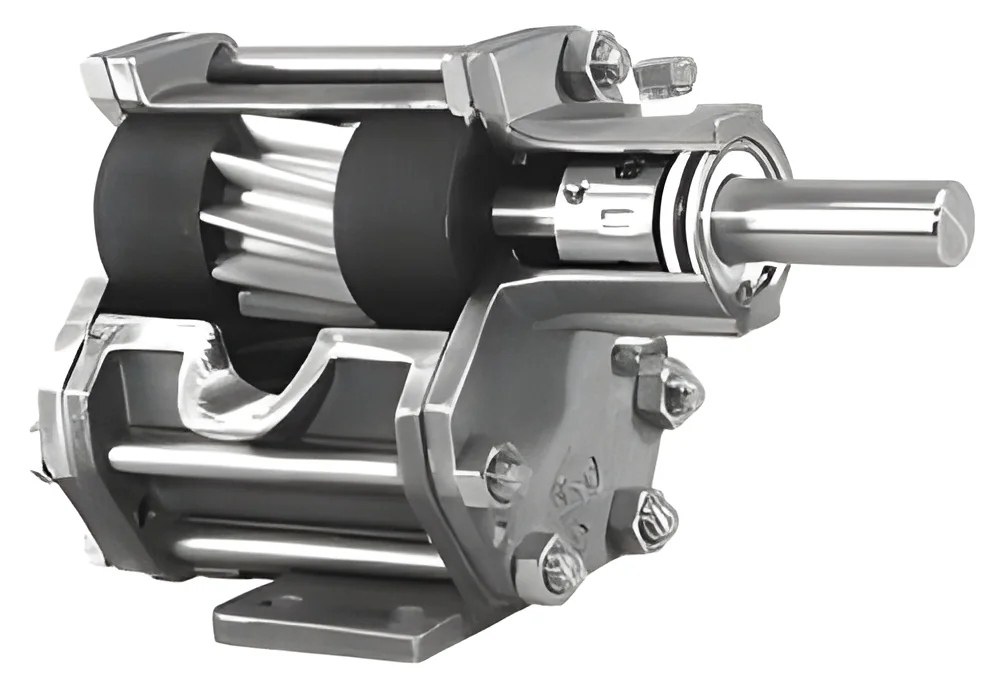
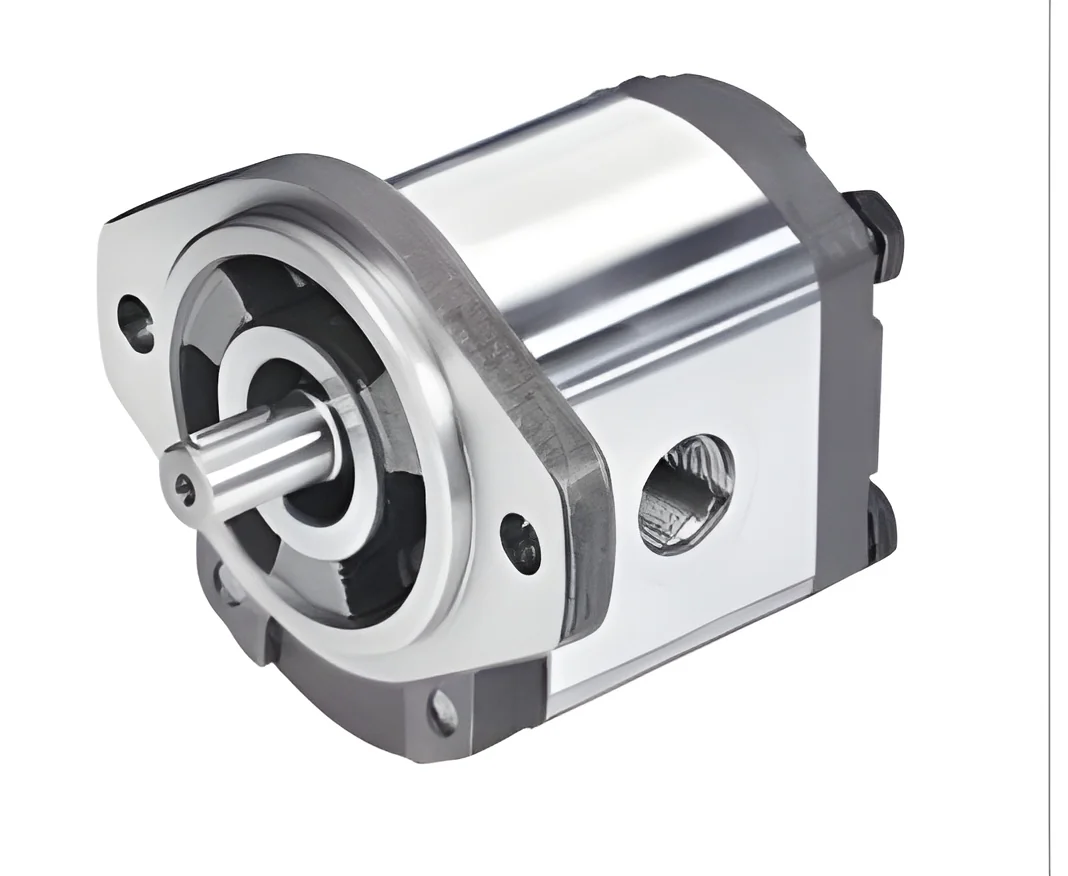
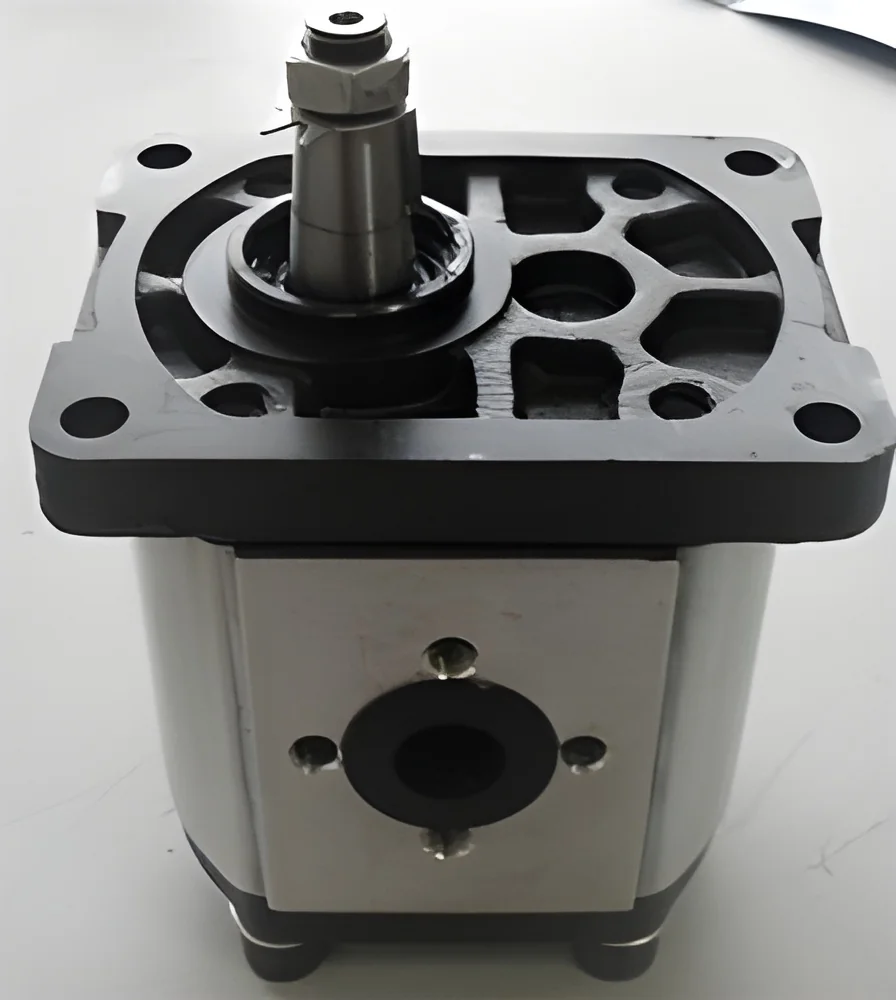
Gear pumps are a type of positive displacement pump that utilize gears to move fluids. They consist of two or more gears that mesh together, creating a sealed cavity that traps fluid and transports it from the inlet to the outlet. As the gears rotate, fluid enters the pump, is pushed through the system, and is expelled at a higher pressure. This design allows for efficient and consistent fluid transfer, making gear pumps suitable for various applications.
These pumps are primarily used in industries where precise fluid control is essential. Common applications include hydraulic systems, lubrication, and the transfer of viscous fluids such as oils and chemicals. Gear pumps are known for their reliability and ability to handle a wide range of fluid viscosities, making them a favored choice in manufacturing, automotive, and oil and gas sectors. Their importance is underscored by the growing demand for efficient fluid handling solutions across various industrial processes.
Key Features and Specifications
Gear pumps are engineered with several features that enhance their performance and adaptability to different applications. Understanding the specifications of gear pumps can help businesses select the right pump for their needs.
Key specifications include:
1. Flow Rate
- Indicates the volume of fluid the pump can handle per minute.
- Common ranges vary based on pump size, typically from a few liters to several hundred liters per minute.
2. Pressure Rating
- Defines the maximum pressure the pump can sustain.
- Standard pressure ratings range from 10 bar to over 200 bar.
3. Gear Material
- Gears can be made from various materials including steel, cast iron, or plastic.
- Material choice affects durability and compatibility with different fluids.
4. Viscosity Range
- Specifies the types of fluids the pump can handle based on their thickness.
- Gear pumps can generally accommodate fluids with viscosities from 1 to 1,000,000 cP.
5. Temperature Range
- Indicates the operating temperature limits of the pump.
- Specific ranges for gear pumps can vary; data not available.
6. Seal Type
- Pumps may feature different sealing mechanisms such as lip seals or mechanical seals.
- The choice of seal affects leak prevention and maintenance frequency.
7. Drive Mechanism
- Gear pumps can be driven by electric motors, hydraulic motors, or manually.
- The drive mechanism influences installation and operational efficiency.
8. Port Sizes
- Refers to the dimensions of the inlet and outlet ports.
- Common sizes include NPT, BSP, or custom dimensions based on application needs.
These specifications highlight the versatility of gear pumps in meeting various industrial requirements.
Common Applications and Use Cases
Gear pumps are utilized across a wide range of industries due to their effectiveness in fluid transfer.
1. Automotive: Gear pumps are commonly used for oil circulation in engines and hydraulic systems, ensuring optimal performance and lubrication.
2. Chemical Processing: They are ideal for moving hazardous and non-hazardous chemicals, thanks to their ability to handle different viscosities and maintain precise flow rates.
3. Food and Beverage: Gear pumps are employed in the food industry for transferring syrups, oils, and other viscous substances while adhering to hygiene standards.
4. Pharmaceutical: In pharmaceutical manufacturing, gear pumps facilitate the movement of active ingredients and other fluids, ensuring accuracy and compliance with industry regulations.
5. Oil and Gas: These pumps are crucial for transferring crude oil and refined products, providing reliable performance under high pressure and varying temperatures.
6. Water Treatment: Gear pumps are used in water treatment facilities to move sludge and other viscous materials during processing.
7. Construction: They play a role in concrete mixing and transportation, ensuring that materials are moved efficiently on job sites.
Product Variants and Subcategories
Gear pumps come in various designs to meet specific industrial needs. Their diversity allows for tailored solutions across applications.
Internal Gear Pump: This variant features one gear inside another, creating a unique pumping mechanism. These pumps are excellent for handling thick fluids and offer a continuous flow.
External Gear Pump: In this design, two gears mesh together outside the pump casing. They are commonly used for low-viscosity fluids and provide a reliable transfer solution.
Gear pumps can also vary in size and configuration, allowing businesses to select the most suitable option for their operational requirements.
Benefits and Advantages
Gear pumps offer numerous advantages that make them a preferred choice for many industries.
1. High Efficiency: The design of gear pumps minimizes fluid slippage, resulting in higher efficiency and consistent flow rates.
2. Precise Flow Control: They provide accurate fluid delivery, making it easier to manage processes that require specific flow rates.
3. Versatility: Gear pumps can handle a wide range of fluids, from low-viscosity liquids to high-viscosity slurries.
4. Durability: Constructed from robust materials, gear pumps are built to withstand harsh operating conditions and have long service lives.
5. Low Maintenance: With fewer moving parts compared to other pump types, gear pumps typically require less maintenance, reducing downtime.
6. Compact Design: Their relatively small footprint allows for easy installation in space-constrained environments.
Buying Guide for B2B Buyers
When sourcing gear pumps, it is essential to consider several factors to ensure you select the right product for your application.
1. Quality Assessment: Look for gear pumps that meet industry standards and have undergone rigorous testing. Check for certifications that validate their performance and reliability.
2. Supplier Verification: Vet suppliers to ensure they have a solid reputation and proven track record in delivering quality products. Look for customer reviews and industry references.
3. Pricing and MOQ: Evaluate pricing options based on your budget and project needs. Understand the minimum order quantities to plan your procurement effectively.
4. Delivery and Lead Times: Discuss lead times with suppliers to ensure timely delivery of pumps, especially if they are needed for critical operations.
5. Compliance Requirements: Ensure that the gear pumps meet all necessary regulatory and compliance standards for your industry, such as safety and environmental regulations.
Compliance and Certifications
Gear pumps must adhere to various quality standards and certifications to ensure safety and performance. Relevant quality standards include ISO 9001, which outlines requirements for a quality management system. This certification demonstrates a commitment to maintaining high-quality products and processes.
Additionally, gear pumps may be certified under CE regulations, indicating compliance with European safety, health, and environmental protection standards. This is particularly important for manufacturers looking to sell in European markets.
Safety and testing requirements also play a vital role in the gear pump industry. Manufacturers must ensure that their products undergo thorough testing to meet safety standards, minimizing risks to operators and equipment.
Regional compliance considerations may vary, so it is crucial to be aware of specific regulations depending on your geographical location and industry sector.
Why Source Gear Pumps from Pepagora?
Pepagora offers a reliable platform for sourcing gear pumps, providing several advantages to B2B buyers.
Verified Supplier Network: Pepagora connects buyers with a network of verified suppliers, ensuring that all listed products meet stringent quality standards. This verification process builds trust and confidence among buyers.
Streamlined RFQ Process: The request for quotation (RFQ) system simplifies the procurement process, allowing buyers to request quotes from multiple suppliers quickly. This feature facilitates comparison and helps in making informed purchasing decisions.
Trade Assurance and Support: Pepagora provides trade assurance to protect buyers, ensuring they receive quality products as agreed. Additionally, their customer support team is available to assist with any inquiries or issues that may arise.
Regional Coverage: With a focus on markets in India, the GCC, and Southeast Asia, Pepagora offers extensive regional coverage, making it easier for businesses in these areas to find suitable gear pump solutions tailored to their needs.

 IN
IN