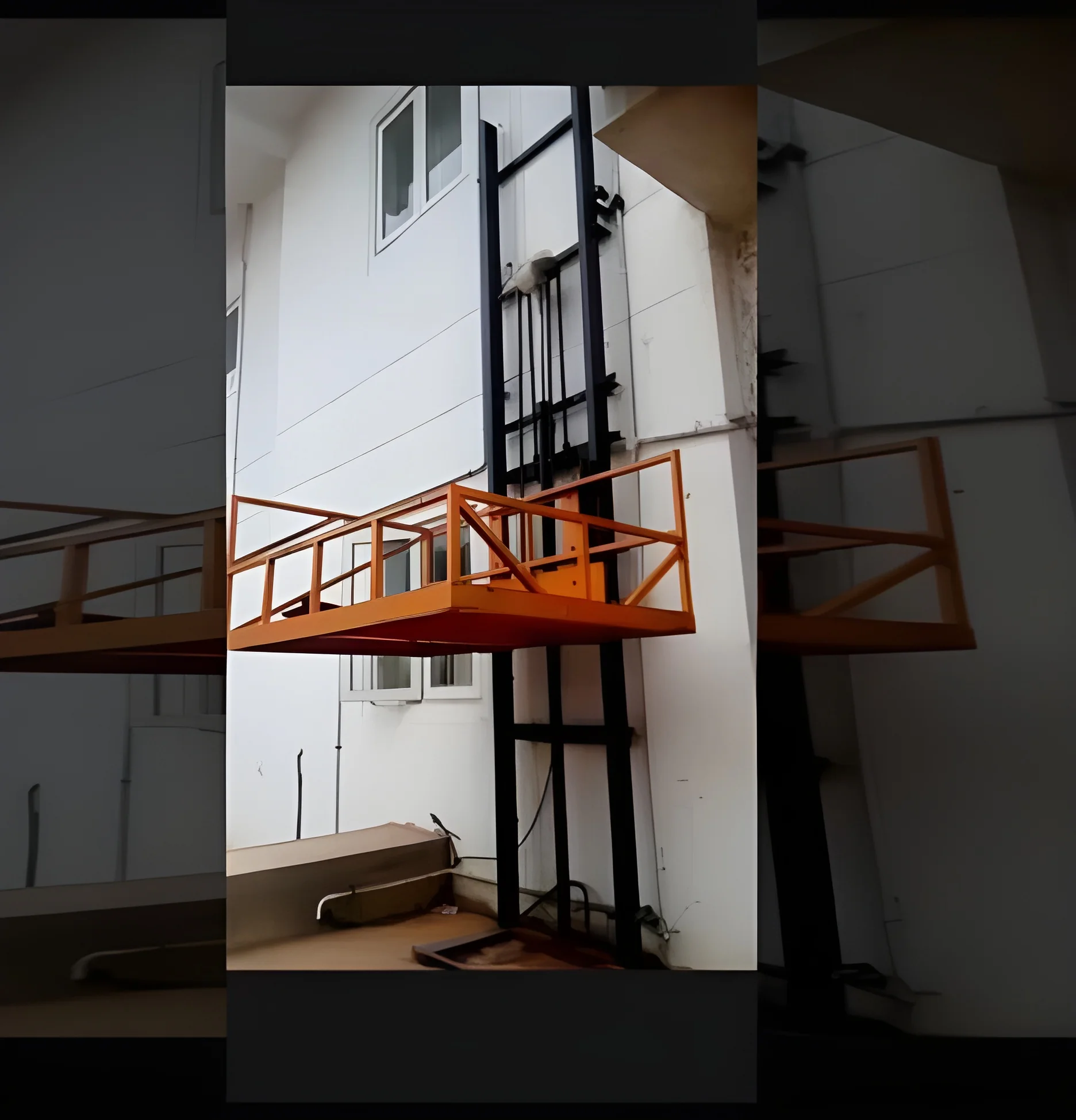
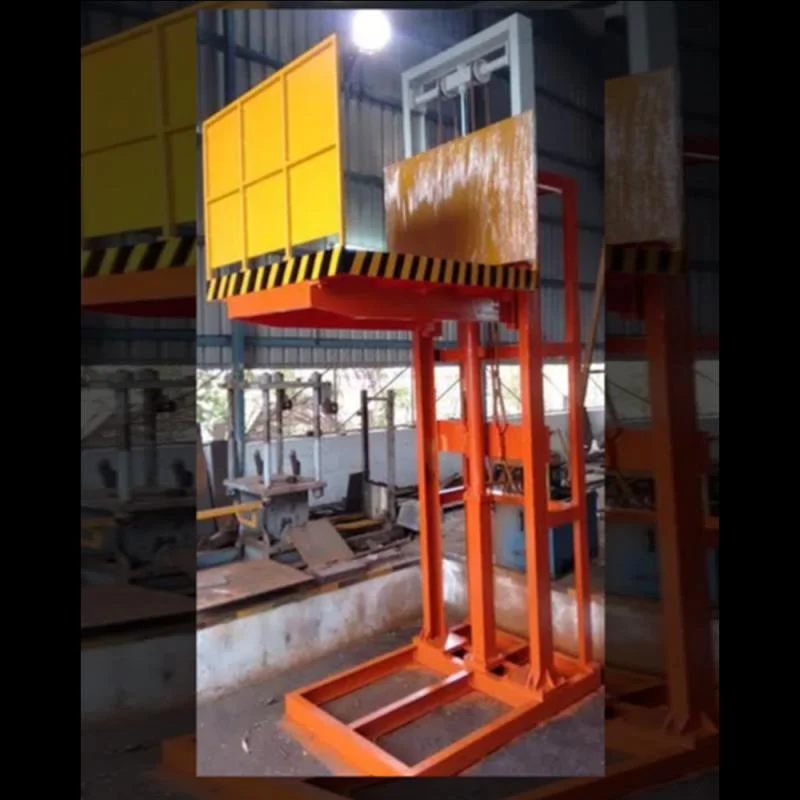
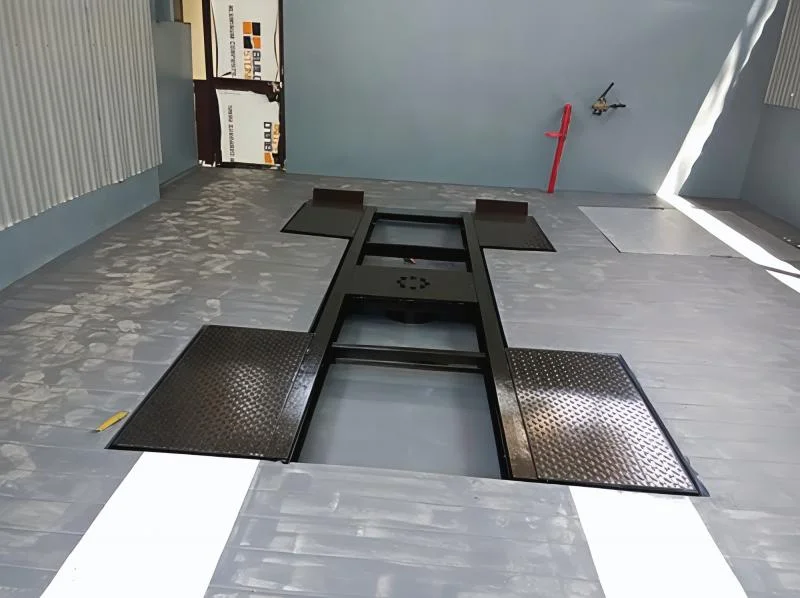
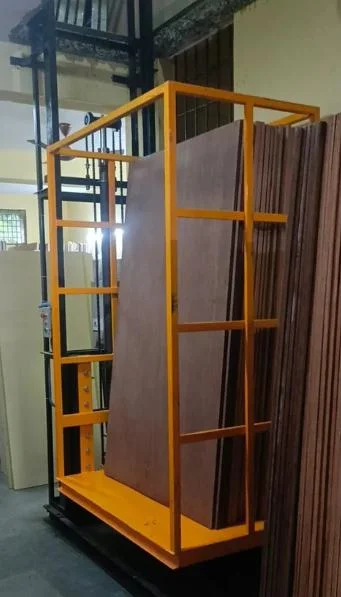
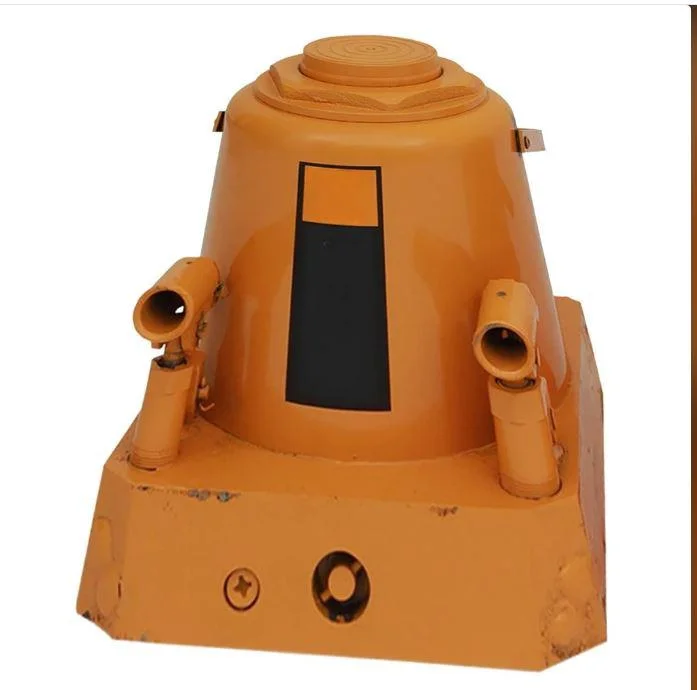
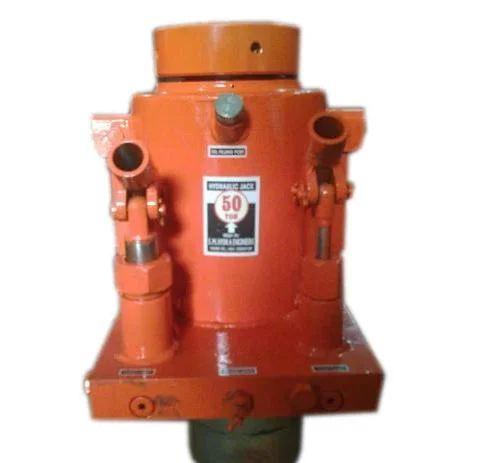
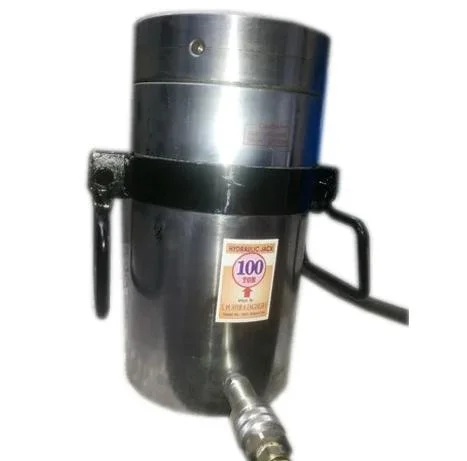
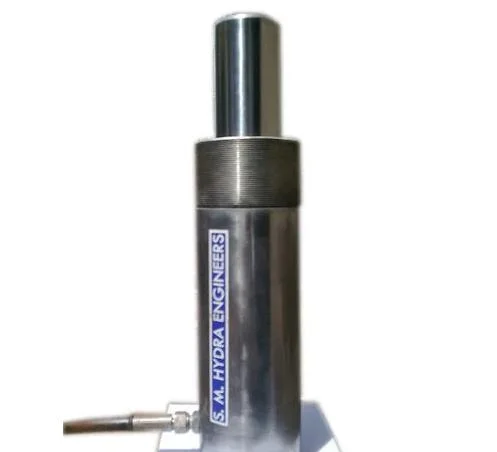
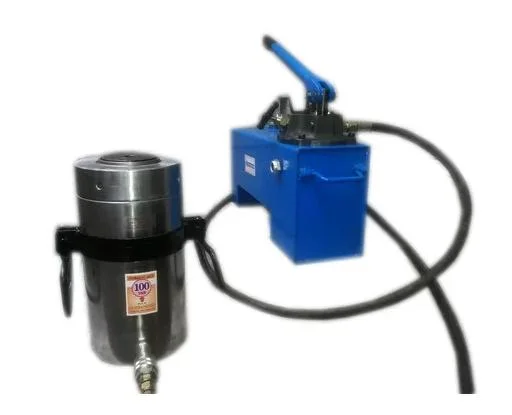
What are Hydraulic Lifts & Jacks?
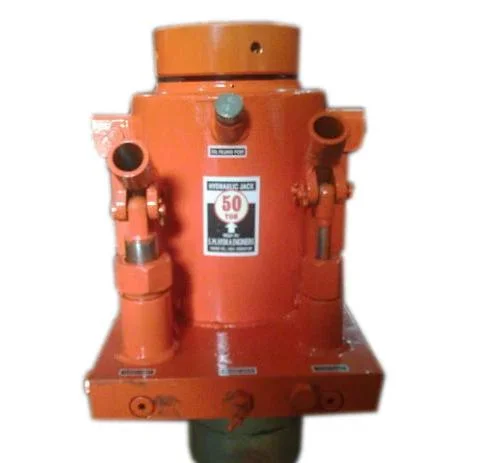
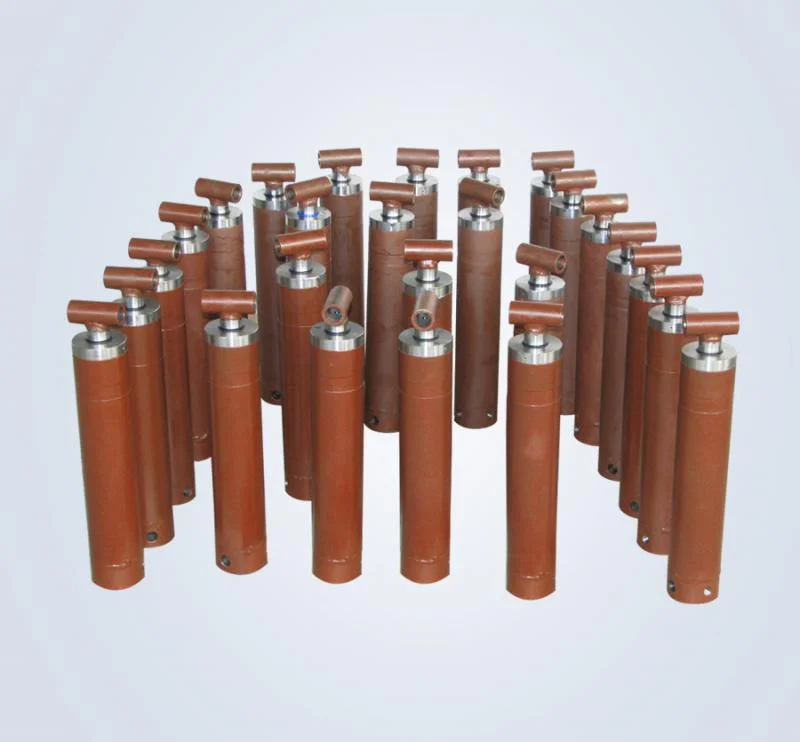
Hydraulic lifts and jacks are mechanical devices that use hydraulic force to lift heavy loads. They operate on the principle of Pascal's law, which states that pressure applied to a confined fluid is transmitted undiminished throughout the fluid. This technology allows for the movement of large objects with minimal effort, making it essential in various industrial settings.
These tools are primarily used in sectors that require heavy lifting, such as construction, automotive repair, and manufacturing. They are invaluable for tasks like vehicle maintenance, warehouse operations, and assembly line work. The ability to lift heavy loads safely and efficiently is crucial for optimizing productivity and ensuring worker safety in these environments.
In the current market context, hydraulic lifts and jacks are widely adopted due to their efficiency and reliability. With the increasing demand for automation and heavy machinery in industries, these devices have become integral components in facilitating operations and enhancing workflow.
Key Features and Specifications
Hydraulic lifts and jacks come equipped with various features that enhance their functionality and safety. When evaluating these products, it is essential to consider both their operational capabilities and the specific requirements of your application.
Key specifications include:
1. Load Capacity
- The maximum weight the lift or jack can safely handle.
- Common ranges vary from 1 ton to over 20 tons.
2. Lifting Height
- The maximum vertical distance the device can lift.
- Typically ranges from 3 feet to 10 feet or more.
3. Power Source
- Indicates whether the device is manually operated or powered by electricity.
- Options include hand pumps, electric motors, or pneumatic systems.
4. Construction Material
- The type of materials used, impacting durability and weight.
- Common materials include steel and aluminum.
5. Safety Features
- Includes overload protection, locking mechanisms, and emergency release systems.
- Essential for ensuring user safety during operation.
6. Weight
- The overall weight of the lift or jack, affecting portability.
- Ranges widely based on construction and capacity.
7. Dimensions
- Overall size and footprint of the device.
- Important for space considerations in storage or operation.
8. Warranty
- Manufacturer’s warranty period and coverage details.
- Typically ranges from one to three years.
In summary, understanding these specifications can help buyers select the right hydraulic lifts and jacks for their specific needs, ensuring safety and efficiency in operations.
Common Applications and Use Cases
Hydraulic lifts and jacks are versatile tools used across various industries.
1. Automotive Industry: These devices are commonly used in garages for lifting vehicles during maintenance and repairs, allowing mechanics to access undercarriages easily.
2. Construction: Hydraulic lifts are essential on construction sites for raising heavy materials or equipment, facilitating the construction of multi-story buildings.
3. Manufacturing: In manufacturing plants, hydraulic jacks help in moving heavy machinery and components, streamlining assembly processes and improving operational efficiency.
4. Warehousing: Hydraulic lifts are widely used in warehouses for loading and unloading goods, enhancing logistics and storage capabilities.
5. Aerospace: In the aerospace industry, hydraulic lifts assist in the maintenance of aircraft, enabling technicians to perform intricate repairs safely.
6. Shipbuilding: Shipyards utilize hydraulic jacks for assembling and maintaining large vessels, ensuring safety and precision during heavy lifting tasks.
7. Heavy Equipment: Hydraulic jacks are vital for servicing and repairing heavy equipment in various sectors, including agriculture and mining.
Product Variants and Subcategories
Hydraulic lifts and jacks come in a range of variants designed for specific applications and industries.
Portable Hydraulic Jacks
These jacks are lightweight and easy to maneuver, making them ideal for roadside assistance and small workshops. Their compact design allows for quick set-up and use in various locations.
Floor Hydraulic Lifts
Designed for more extensive operations, floor hydraulic lifts provide greater stability and lifting capacity. They are commonly found in automotive repair shops and industrial settings, allowing for safe lifting of heavier loads.
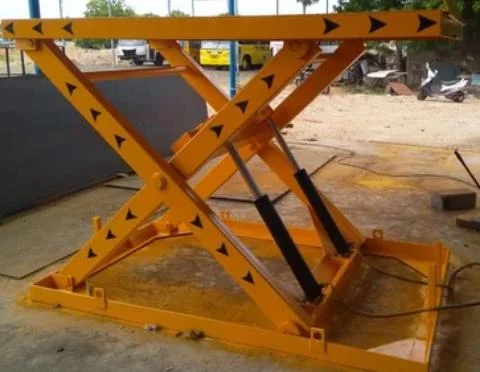
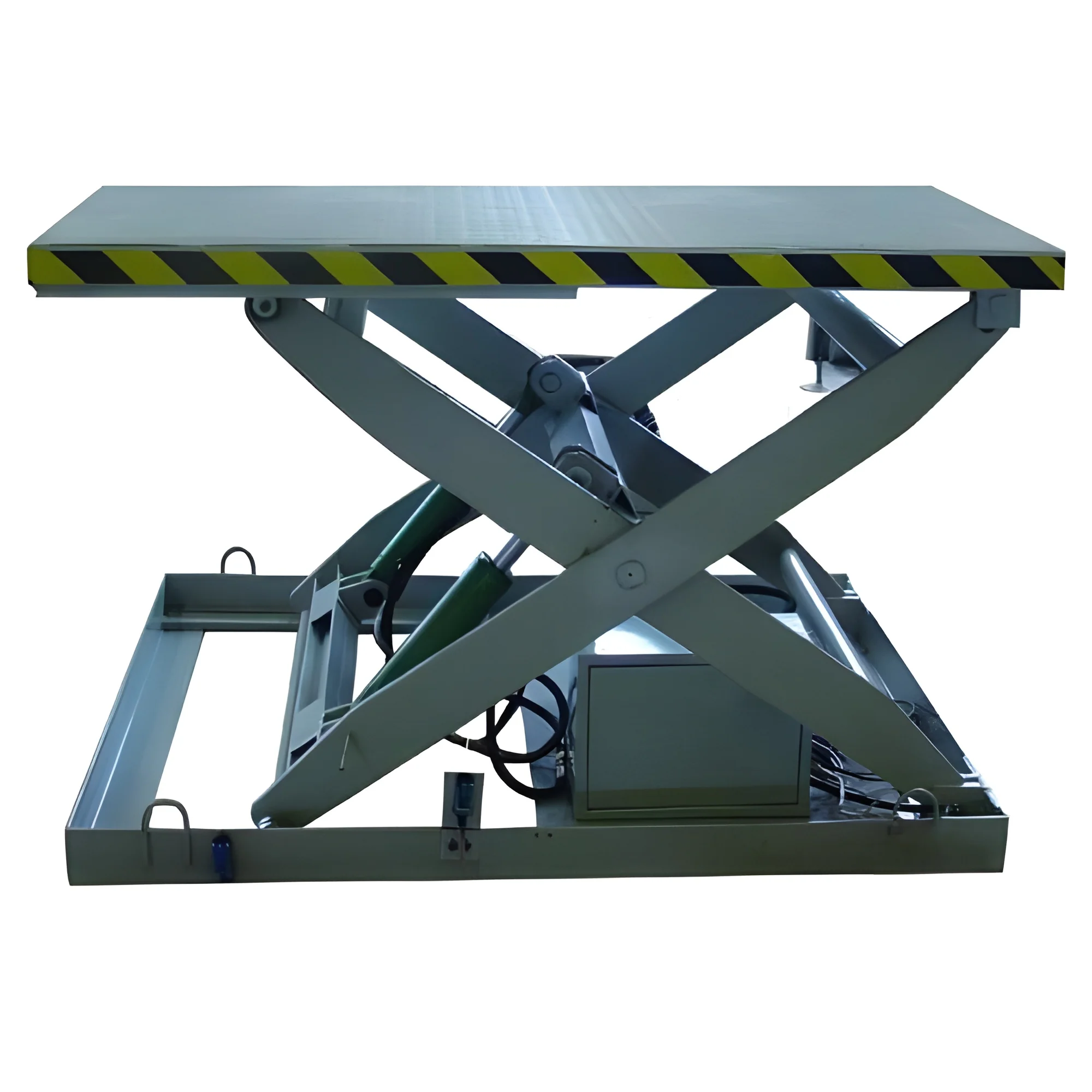
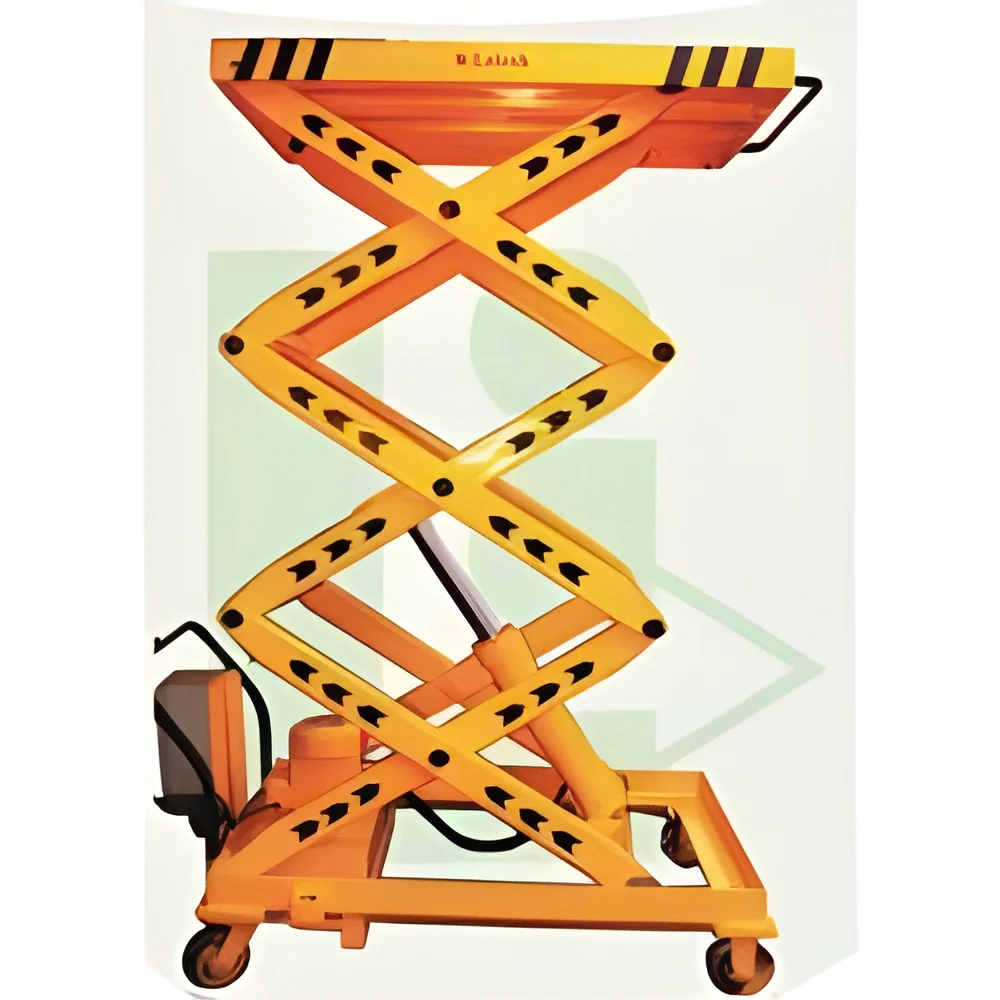
Scissor Lifts
Scissor lifts feature a crisscross design allowing for vertical lifting. They are often used in construction and maintenance applications, providing a stable platform for workers at height.
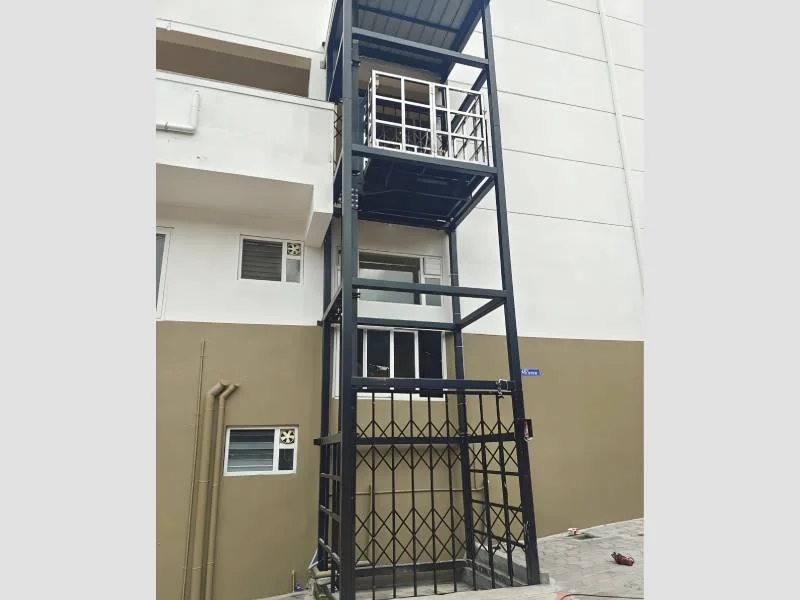
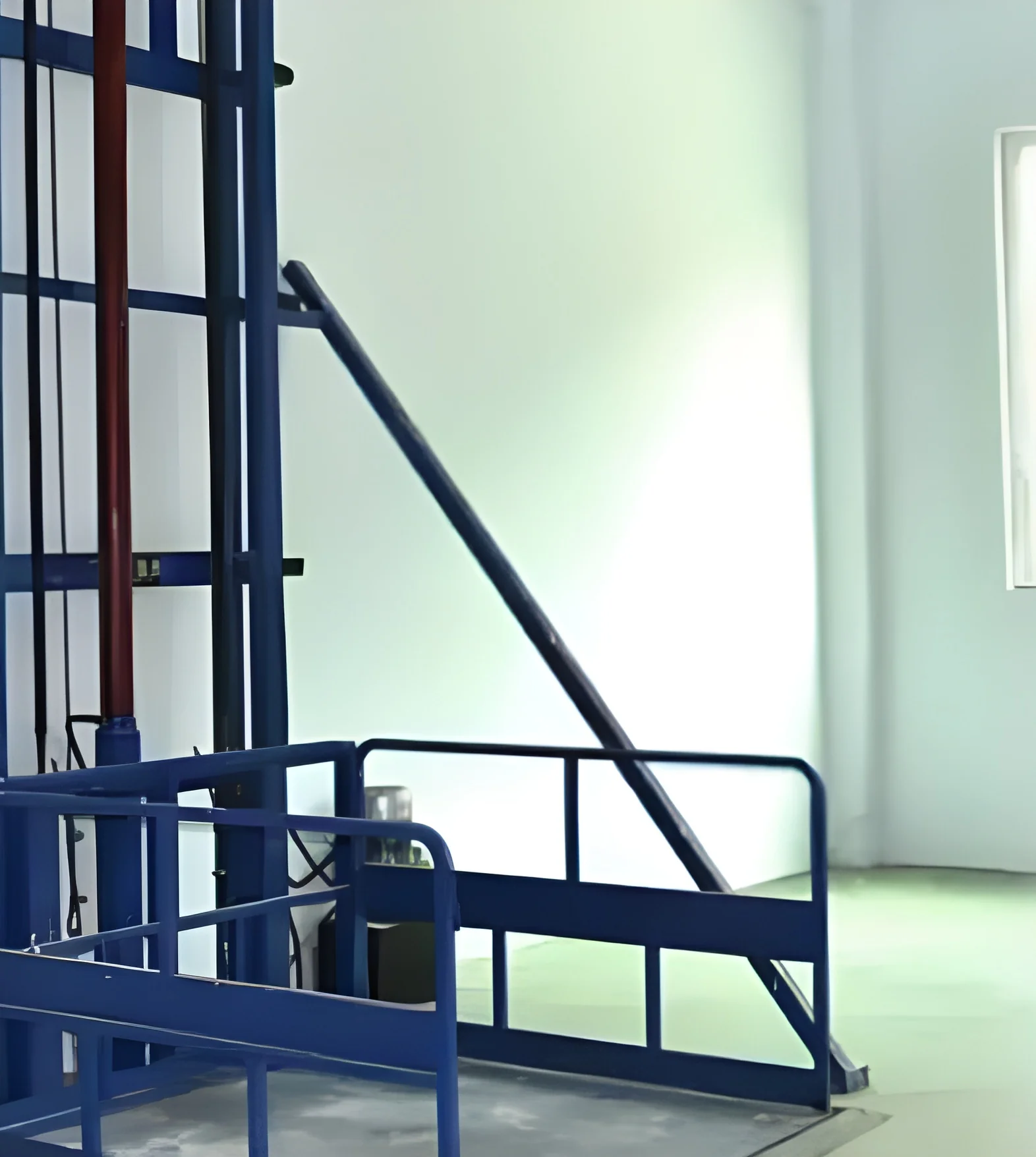
Column Lifts
Column hydraulic lifts are designed for lifting heavy vehicles vertically. They are commonly used in service stations and vehicle repair shops to facilitate thorough inspections and repairs.
Benefits and Advantages
Hydraulic lifts and jacks offer numerous benefits that enhance operational efficiency and safety.
1. High Load Capacity: These devices can lift significant weights, making them suitable for heavy-duty applications across various industries.
2. Enhanced Safety: Equipped with safety features such as overload protection and locking mechanisms, they reduce the risk of accidents during lifting operations.
3. Ease of Use: Hydraulic lifts require minimal physical effort to operate, allowing workers to lift heavy items safely without strain.
4. Versatility: Their diverse applications across industries make them a valuable tool for many businesses, accommodating different lifting needs.
5. Durability: Constructed from robust materials, hydraulic lifts and jacks are designed for long-term use, providing a reliable solution for heavy lifting.
6. Time Efficiency: By streamlining lifting operations, these devices help businesses save time, leading to increased productivity.
Buying Guide for B2B Buyers
When sourcing hydraulic lifts and jacks, it is essential to consider several key factors to ensure you make an informed decision.
1. Quality Assessment: Evaluate the quality of materials and construction. Look for products that meet industry standards and offer warranties, ensuring reliability and durability.
2. Supplier Verification: Vet suppliers carefully to verify their reputation and reliability. Consider their experience, customer reviews, and certifications.
3. Pricing and MOQ: Analyze pricing structures and minimum order quantities. Assess whether the pricing aligns with your budget while considering quality.
4. Delivery and Lead Times: Understand the logistics involved in the delivery process. Inquire about lead times to ensure timely availability for your operations.
5. Compliance Requirements: Ensure that the hydraulic lifts and jacks meet relevant safety and quality standards, such as CE and UL certifications. This is crucial for regulatory compliance in your industry.
Compliance and Certifications
Hydraulic lifts and jacks must adhere to various quality standards and certifications to ensure safety and reliability.
ISO 9001 is a quality management standard that applies to manufacturers of hydraulic lifts and jacks, ensuring consistent quality in production processes.
CE certification indicates that the products meet European safety standards, providing assurance to buyers regarding compliance with health, safety, and environmental protection legislation.
UL certification is another crucial standard that verifies products have been tested for safety in North America, allowing buyers to trust the safety of the equipment.
Manufacturers must also comply with specific safety and testing requirements to ensure their products can withstand operational stresses and hazards. This includes rigorous testing under various conditions to ensure durability and safety.
Regional compliance considerations may vary, so buyers should be aware of local regulations affecting the use and operation of hydraulic lifts and jacks in their area.
Why Source Hydraulic Lifts & Jacks from Pepagora?
Pepagora offers a reliable platform for sourcing hydraulic lifts and jacks, providing several key advantages for B2B buyers.
Verified Supplier Network: Pepagora connects buyers with a network of verified suppliers, ensuring that all partners meet stringent quality and reliability standards. This helps businesses source products with confidence.
Streamlined RFQ Process: The platform features an efficient Request for Quotation (RFQ) process, allowing buyers to quickly receive quotes from multiple suppliers. This simplifies decision-making and promotes competitive pricing.
Trade Assurance and Support: Pepagora provides trade assurance, protecting buyers throughout the purchasing process. This support enhances buyer confidence and ensures a secure transaction.
Regional Coverage: With a broad geographic reach spanning India, the GCC, and Southeast Asia, Pepagora helps businesses find hydraulic lifts and jacks tailored to their regional needs, facilitating smooth operations across diverse markets.

 IN
IN