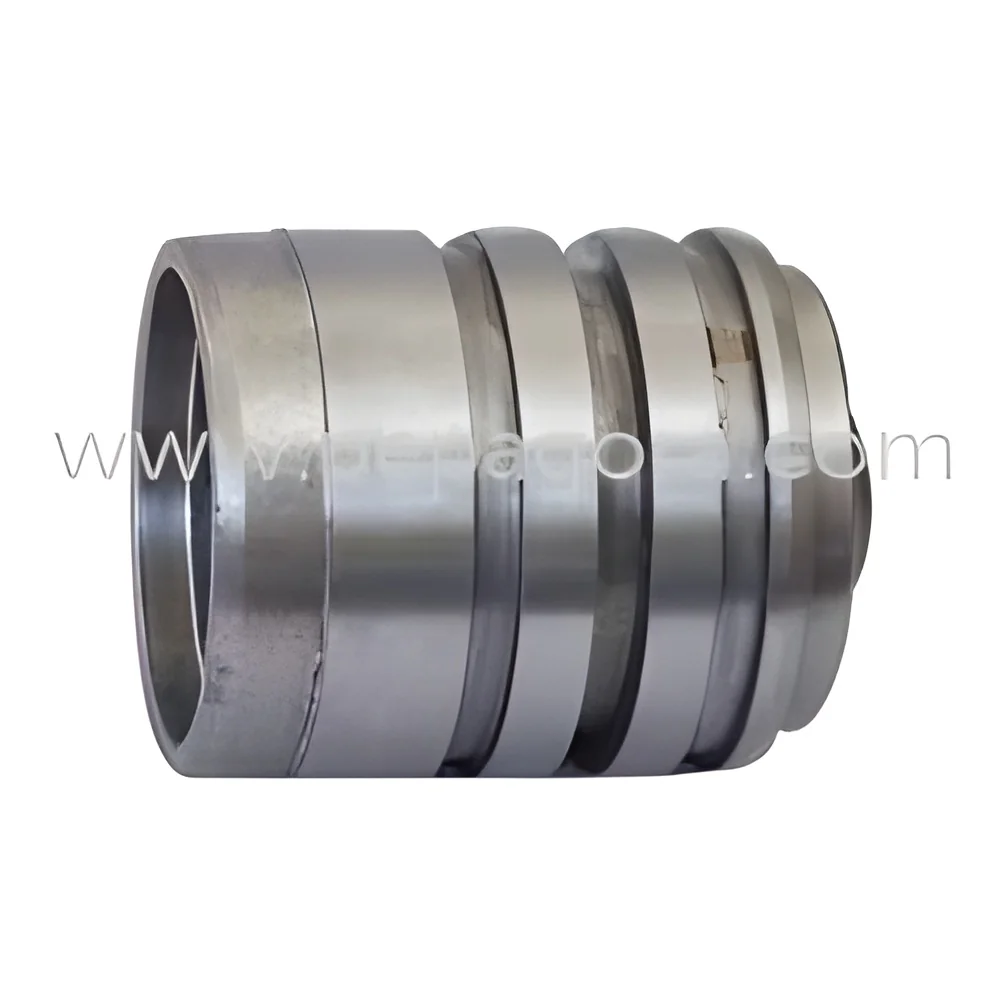
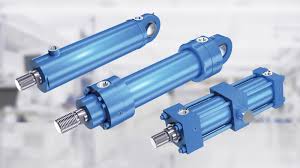
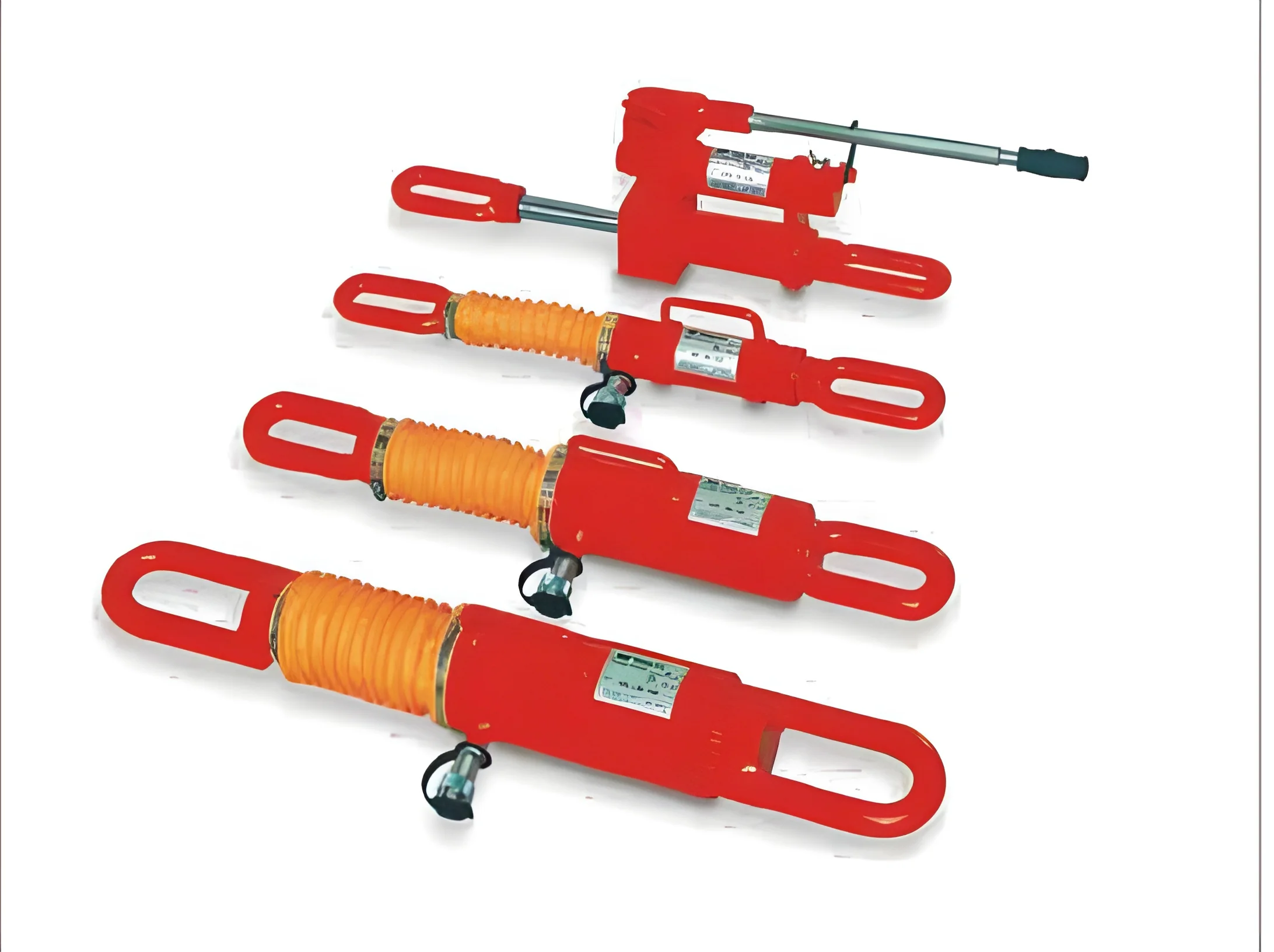
What are Single Acting Hydraulic Cylinders?
Single acting hydraulic cylinders are devices that utilize hydraulic pressure to create linear motion in one direction. They work by using fluid pressure to extend the cylinder while relying on gravity, spring force, or external load to retract. This mechanism makes them efficient for various applications where controlled motion is necessary.
These cylinders are commonly used in industries such as construction, manufacturing, and automotive. They are particularly useful in tasks like lifting, pushing, and clamping, where a single stroke is sufficient for the operation. The simplicity and reliability of single acting hydraulic cylinders make them a preferred choice in situations requiring minimal complexity and maintenance.
In the current market, single acting hydraulic cylinders are significant due to their versatility and effectiveness. As industries continue to automate processes and enhance efficiency, the demand for these hydraulic solutions is expected to grow. Companies are increasingly looking for reliable and high-performing hydraulic components to meet their operational needs.
Key Features and Specifications
Single acting hydraulic cylinders offer various features that cater to different industrial applications. Understanding their specifications is crucial for selecting the right cylinder for your needs.
Key specifications include:
1. Bore Diameter
- This specification indicates the internal diameter of the cylinder.
- Typical ranges vary from 25 mm to 200 mm.
2. Stroke Length
- This refers to the maximum distance the cylinder can extend.
- Common stroke lengths range from 100 mm to 1,000 mm.
3. Operating Pressure
- The maximum pressure the cylinder can operate under.
- Standard operating pressures can be from 70 bar to 300 bar.
4. Material Construction
- Cylinders are often made from steel or aluminum for durability and weight considerations.
- Material choice affects strength and corrosion resistance.
5. Weight
- This specification indicates the overall weight of the cylinder.
- Weight can range from 5 kg to 50 kg, depending on size and material.
6. Port Size
- The size of the hydraulic ports affects the flow rate and compatibility.
- Common port sizes are typically from 1/4 inch to 1 inch.
7. Mounting Options
- Various mounting configurations are available for flexibility in installation.
- Options include flange, foot, and trunnion mounts.
8. Sealing Options
- Different sealing solutions are available to prevent leaks and ensure performance.
- Seals can be made from materials that withstand specific temperatures and pressures.
In summary, understanding these key features and specifications helps businesses select the most suitable single acting hydraulic cylinders for their operational requirements.
Common Applications and Use Cases
Single acting hydraulic cylinders find applications across multiple industries due to their efficient design and functionality.
1. Construction: In construction, these cylinders are used for lifting heavy materials and machinery, such as cranes and excavators, providing essential support during operations.
2. Manufacturing: In manufacturing, they are often employed in assembly lines for tasks like pressing, punching, and clamping, contributing to increased automation and productivity.
3. Automotive: The automotive industry utilizes single acting hydraulic cylinders for various tasks, including testing and quality assurance processes, where precise movement is crucial.
4. Agriculture: Farmers use these cylinders in machinery for tasks such as lifting and tilting equipment, enhancing the efficiency of farming operations.
5. Material Handling: In material handling systems, single acting hydraulic cylinders assist in moving and positioning heavy loads, ensuring safety and effectiveness in logistics.
6. Aerospace: The aerospace sector employs these cylinders in ground support equipment to manage the movement of aircraft components during maintenance.
7. Marine: In marine applications, they are used for docking and anchoring systems to provide precise control over heavy equipment.
Product Variants and Subcategories
Single acting hydraulic cylinders come in various designs to suit specific needs within different applications.
General Purpose Cylinders: These are standard models designed for a wide range of applications. They are typically versatile and suitable for most industrial uses.
Compact Cylinders: These models are designed for spaces where standard cylinders cannot fit. They provide the necessary force in a smaller footprint, ideal for tight working environments.
Heavy-Duty Cylinders: Constructed for more demanding applications, these cylinders can withstand higher pressures and loads, making them suitable for heavy machinery and construction equipment.
Locking Cylinders: These cylinders incorporate a locking mechanism to maintain position under load, ensuring safety during operations where load retention is critical.
Benefits and Advantages
Single acting hydraulic cylinders offer several advantages that make them an attractive choice for businesses.
1. Simple Design: Their straightforward design makes installation and maintenance easier, reducing downtime and operational costs.
2. Cost-Effectiveness: Typically, these cylinders are less expensive than double acting variants, providing an economical solution for many applications.
3. Space Efficiency: Their design allows for use in confined spaces without sacrificing performance, making them ideal for a variety of settings.
4. Reliability: With fewer moving parts, single acting cylinders often experience less wear and tear, resulting in increased reliability and lifespan.
5. Versatility: They can be used in numerous applications across different industries, adding to their appeal for businesses looking for multifunctional solutions.
6. Lightweight: Their construction often results in a lighter weight, making them easier to handle and install.
Buying Guide for B2B Buyers
When sourcing single acting hydraulic cylinders, businesses should consider several critical factors to ensure they choose the right product.
1. Quality Assessment: Evaluate the quality of the cylinders by checking for certifications and industry standards. Look for units that meet ISO 9001 or other relevant quality benchmarks.
2. Supplier Verification: Vet suppliers thoroughly to ensure reliability and quality. Check for customer reviews, industry reputation, and compliance with standards.
3. Pricing and MOQ: Understand the pricing structure and minimum order quantities. This helps in budgeting and ensures that your purchase aligns with financial constraints.
4. Delivery and Lead Times: Consider the logistics involved in sourcing cylinders. Ensure that suppliers can meet your delivery timelines to avoid project delays.
5. Compliance Requirements: Verify that the cylinders meet regional safety and regulatory standards, such as UL and CE certifications, to ensure safe and legal operation.
Compliance and Certifications
Single acting hydraulic cylinders are subject to various quality standards and certifications that ensure safety and performance.
ISO 9001 is a widely recognized standard that outlines quality management principles, ensuring that manufacturers produce reliable products through consistent processes.
Certifications such as UL and CE indicate that the cylinders have been tested for safety and meet specific regulatory requirements. These certifications are crucial for industries where safety and reliability are paramount.
Additionally, safety testing requirements often involve assessments for pressure capabilities, durability under load, and material quality.
Regional compliance considerations can vary, so it is essential for businesses to understand the requirements specific to their location and industry to ensure full compliance.
Why Source Single Acting Hydraulic Cylinders from Pepagora?
Pepagora provides a trusted platform for sourcing single acting hydraulic cylinders, offering several advantages that benefit B2B buyers.
Verified Supplier Network: Pepagora connects buyers with a network of verified suppliers, ensuring high-quality products and reliable service.
Streamlined RFQ Process: The platform simplifies the request for quotation process, allowing buyers to easily compare offers from multiple suppliers, saving time and effort.
Trade Assurance and Support: Buyers benefit from trade assurance programs that protect their purchases, ensuring peace of mind when sourcing essential components.
Regional Coverage: With a strong presence in regions like India, the GCC, and Southeast Asia, Pepagora helps businesses access a wide range of suppliers, enhancing their purchasing options.
By choosing Pepagora, businesses can navigate the complexities of sourcing single acting hydraulic cylinders with confidence and ease.

 IN
IN