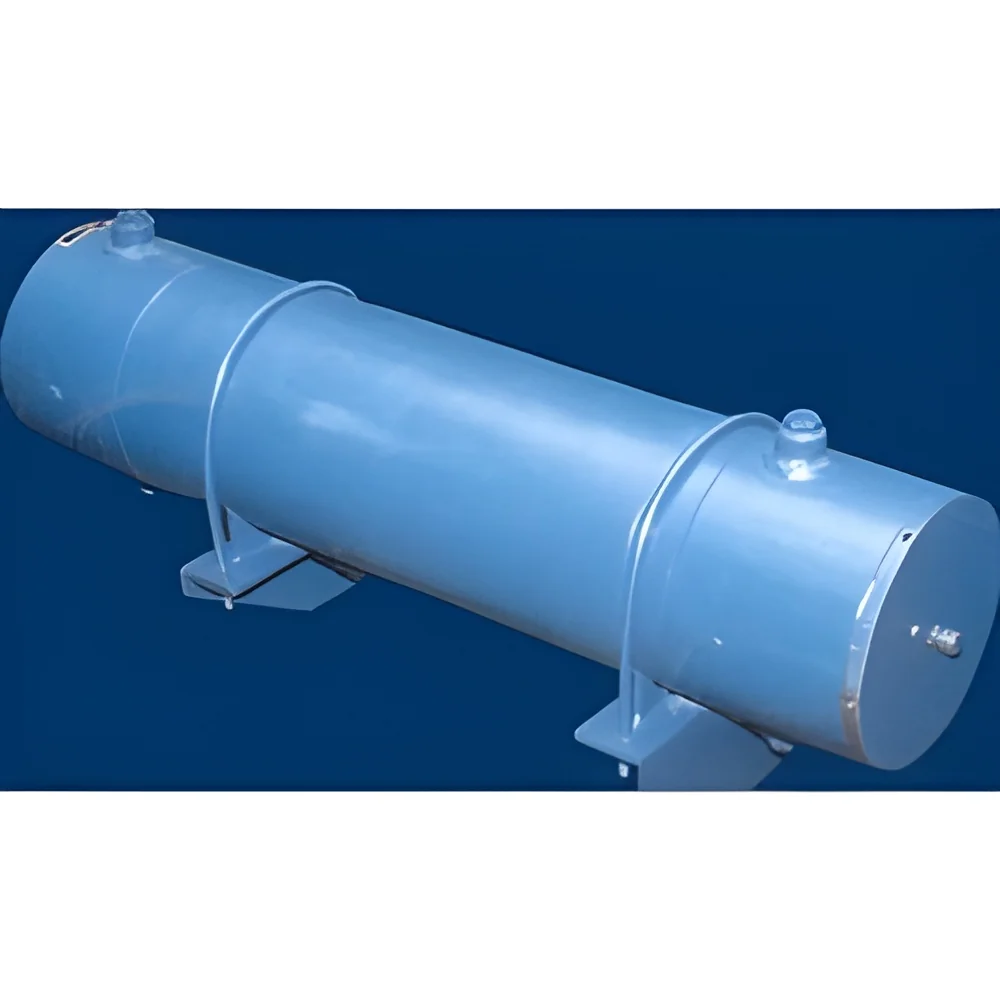
What are Piston Accumulators?
Piston accumulators are hydraulic devices designed to store energy in the form of pressurized fluid. They consist of a piston that moves within a cylinder, separating the hydraulic fluid from a gas, usually nitrogen. This design allows for the efficient accumulation and release of energy, making them essential in various hydraulic systems.
These accumulators are primarily used to absorb pressure spikes, maintain system pressure, and provide additional fluid flow during peak demand. Industries such as manufacturing, construction, and energy utilize piston accumulators to enhance the efficiency and reliability of hydraulic machinery. Their ability to act as shock absorbers and energy storage solutions positions them as critical components in any hydraulic system.
As industries continue to advance towards automation and efficiency, the demand for reliable hydraulic components like piston accumulators is on the rise. The market for these devices is expanding, driven by the growing need for energy management and system optimization across various sectors.
Key Features and Specifications
Piston accumulators come with several features that enhance their functionality and adaptability in different applications. Understanding these specifications is crucial for selecting the right model for specific needs.
Key specifications include:
1. Energy Storage Capacity
- This specification indicates the total amount of energy the accumulator can store.
- Typically measured in liters or cubic centimeters.
2. Maximum Operating Pressure
- This defines the maximum pressure the accumulator can safely handle.
- Common ranges are from 100 bar to 700 bar.
3. Piston Diameter
- The diameter of the piston affects the accumulator's performance.
- Common sizes range from 25 mm to 150 mm.
4. Cylinder Material
- The material of the cylinder impacts durability and weight.
- Common materials include carbon steel and stainless steel.
5. Gas Pre-charge Pressure
- This refers to the initial pressure of the gas in the accumulator.
- Usually set between 5 bar and 20 bar.
6. Temperature Range
- Indicates the operating temperature limits for safe functionality.
- Typical ranges are from -20°C to 80°C.
7. Connection Types
- Different models may feature various connection types, such as threaded or flanged.
- Connection types must match the hydraulic system requirements.
8. Weight
- The weight of the accumulator can affect installation and handling.
- This varies based on size and material, typically ranging from a few kilograms to over 100 kilograms.
In summary, understanding these features and specifications is essential for selecting the appropriate piston accumulator for your hydraulic system needs.
Common Applications and Use Cases
Piston accumulators find applications across multiple industries, enhancing the efficiency and reliability of hydraulic systems.
1. Manufacturing: In manufacturing, piston accumulators are used to maintain constant pressure in hydraulic presses and injection molding machines, ensuring consistent operation.
2. Construction: These devices serve critical roles in construction equipment, such as excavators and cranes, by providing additional power during heavy lifting and absorbing shock during operation.
3. Energy: In the energy sector, piston accumulators support hydraulic systems in power plants and renewable energy applications, helping to regulate pressure and store energy.
4. Agriculture: Agricultural machinery utilizes piston accumulators to optimize hydraulic functions, improving efficiency in equipment like tractors and harvesters.
5. Automotive: The automotive industry employs piston accumulators in hydraulic brake systems and suspension systems to enhance performance and safety.
6. Aerospace: In aerospace applications, these accumulators help manage hydraulic systems, ensuring reliable operation of landing gear and flight control systems.
7. Marine: Piston accumulators are used in marine applications for stabilizing hydraulic systems on ships and offshore platforms, contributing to safety and operational efficiency.
Product Variants and Subcategories
Piston accumulators are available in various product variants designed for specific applications and operational requirements.
Standard Piston Accumulators: These are the most common type, designed for general use in various hydraulic systems. They feature robust construction and are suitable for a wide range of pressures and conditions.
Bladder Accumulators: These variants utilize a flexible bladder instead of a piston, providing a different mechanism for energy storage. They are often used in applications requiring lower pressure and volume.
Compact Piston Accumulators: These are designed for space-constrained environments, offering the same performance as standard models but in a smaller package. They are ideal for mobile machinery and equipment.
High-Pressure Accumulators: Specifically engineered to withstand higher pressures, these accumulators are suitable for demanding applications in industries such as oil and gas.
Benefits and Advantages
Piston accumulators offer several advantages that contribute to their popularity in industrial applications.
1. Energy Efficiency: By storing energy, piston accumulators help reduce energy consumption during peak demand periods, leading to lower operational costs.
2. Pressure Stabilization: They maintain constant pressure in hydraulic systems, enhancing operational reliability and performance.
3. Shock Absorption: Piston accumulators effectively absorb pressure spikes, protecting hydraulic components from damage and extending their lifespan.
4. Versatility: With various designs and specifications, piston accumulators can be tailored for specific applications across numerous industries.
5. Increased System Performance: By providing additional fluid flow when needed, these accumulators improve the overall performance of hydraulic systems.
6. Reduced System Size: Their ability to store energy allows for smaller hydraulic systems, optimizing space and weight in equipment design.
Buying Guide for B2B Buyers
When sourcing piston accumulators, it is essential for B2B buyers to consider several key factors to ensure they choose the right product for their needs.
1. Quality Assessment: Evaluate the quality of the piston accumulators by checking for certifications and compliance with industry standards to ensure reliability and safety.
2. Supplier Verification: It is crucial to vet suppliers to ascertain their credibility and track record in delivering high-quality hydraulic components.
3. Pricing and MOQ: Understand the pricing structure and minimum order quantities (MOQ) associated with piston accumulators, as these can vary significantly among suppliers.
4. Delivery and Lead Times: Consider logistics aspects, including delivery schedules and lead times, to ensure that the accumulators are available when needed.
5. Compliance Requirements: Be aware of any regulatory and compliance requirements that may apply to the use of piston accumulators in specific industries or regions.
Compliance and Certifications
Piston accumulators are subject to various quality standards and certifications that ensure their safety and reliability.
Relevant quality standards include ISO 9001, which focuses on quality management systems, ensuring that manufacturers meet customer and regulatory requirements effectively.
Industry certifications, such as CE and UL, demonstrate that the accumulators comply with European and North American safety standards, respectively. These certifications are crucial for buyers looking to ensure that their hydraulic components meet rigorous safety and performance benchmarks.
Additionally, safety and testing requirements must be met to guarantee that the accumulators can operate safely under required conditions. Regular inspections and testing also help maintain these standards.
Buyers should be aware of regional compliance considerations, as different countries may have specific regulations governing the manufacturing and use of hydraulic components. Ensuring compliance with local laws is essential for operational success.
Why Source Piston Accumulators from Pepagora?
Pepagora provides a trusted platform for sourcing piston accumulators, offering several key advantages for B2B buyers.
Verified Supplier Network: Pepagora connects buyers with a network of verified suppliers, ensuring that they receive quality products backed by reliable manufacturers. This network undergoes stringent checks to guarantee compliance with industry standards.
Streamlined RFQ Process: The platform simplifies the request for quotation (RFQ) process, allowing buyers to efficiently gather multiple quotes from different suppliers. This feature saves time and helps buyers make informed decisions based on competitive pricing.
Trade Assurance and Support: Pepagora offers trade assurance services that protect buyers throughout the purchasing process. This includes support in case of disputes or challenges, providing peace of mind during transactions.
Regional Coverage: With a strong presence in India, the GCC, and Southeast Asia, Pepagora facilitates access to piston accumulators across these regions, catering to diverse market needs and preferences. This broad geographic reach ensures that buyers can find the right products tailored to their specific operational requirements.

 IN
IN