What are Vane Pumps?
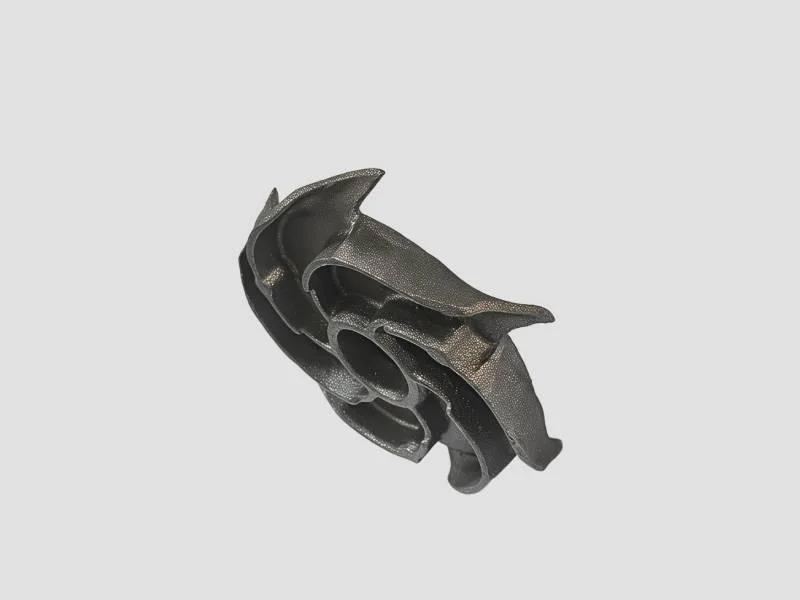
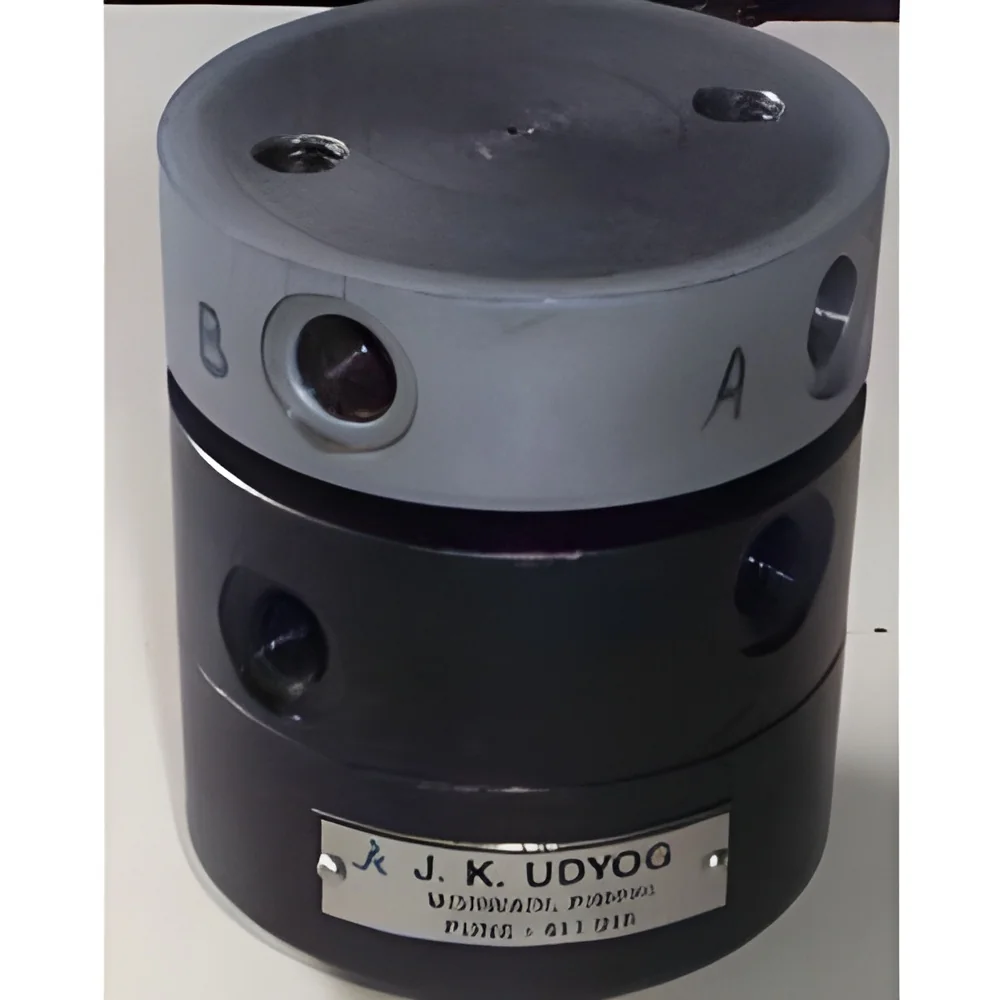
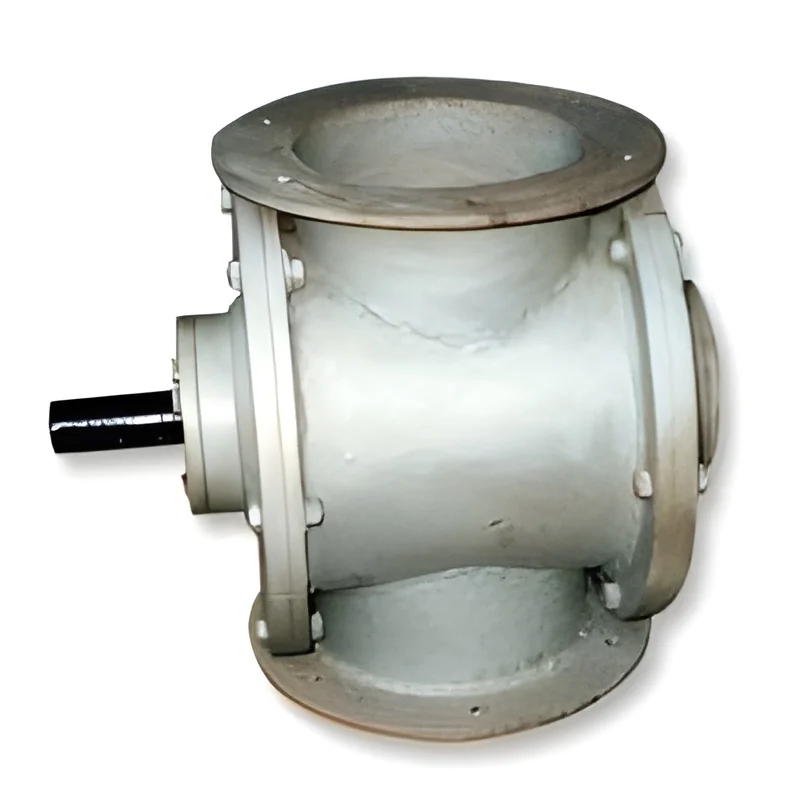
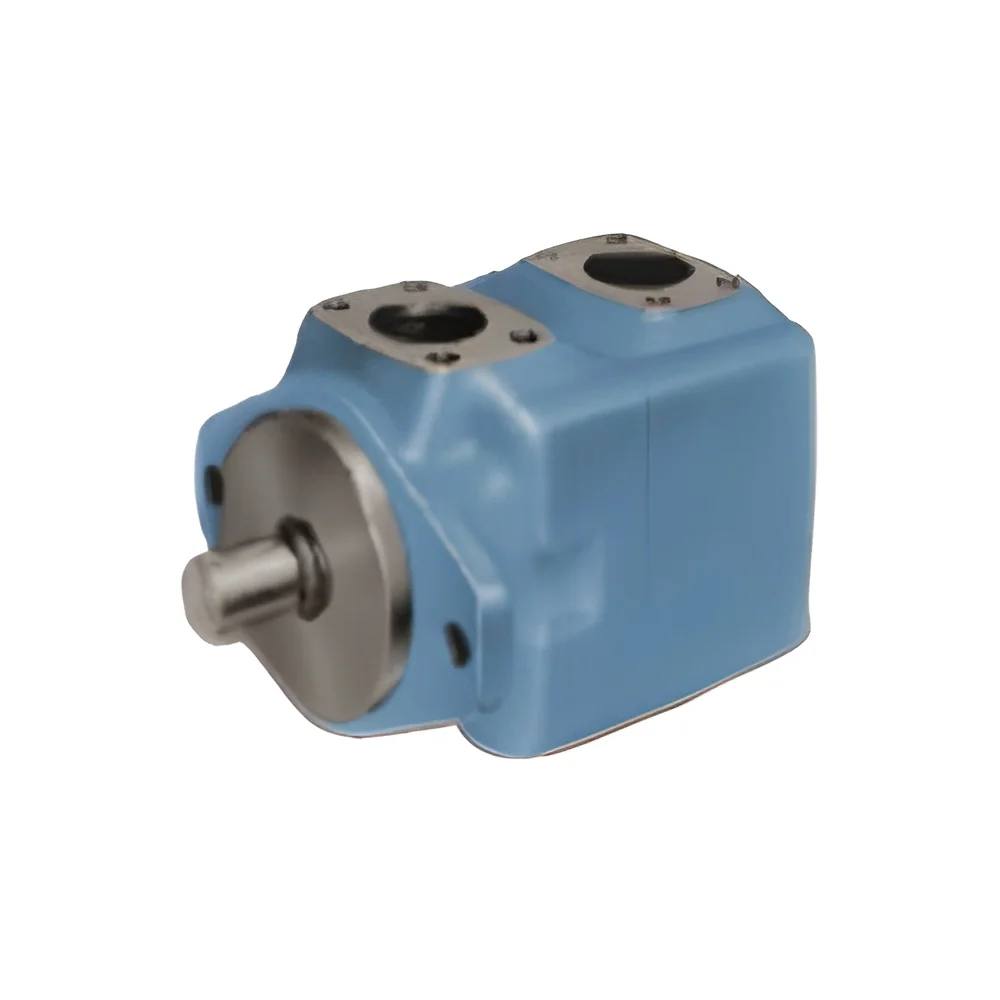
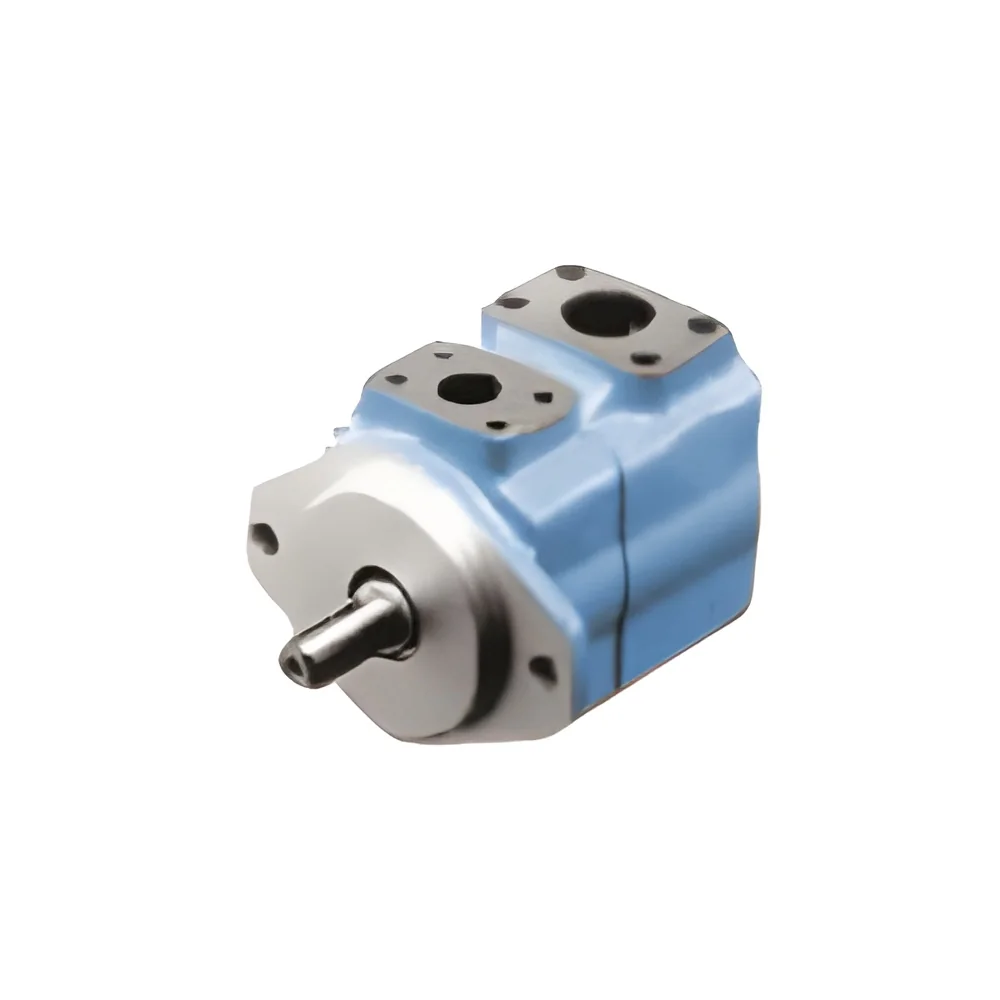
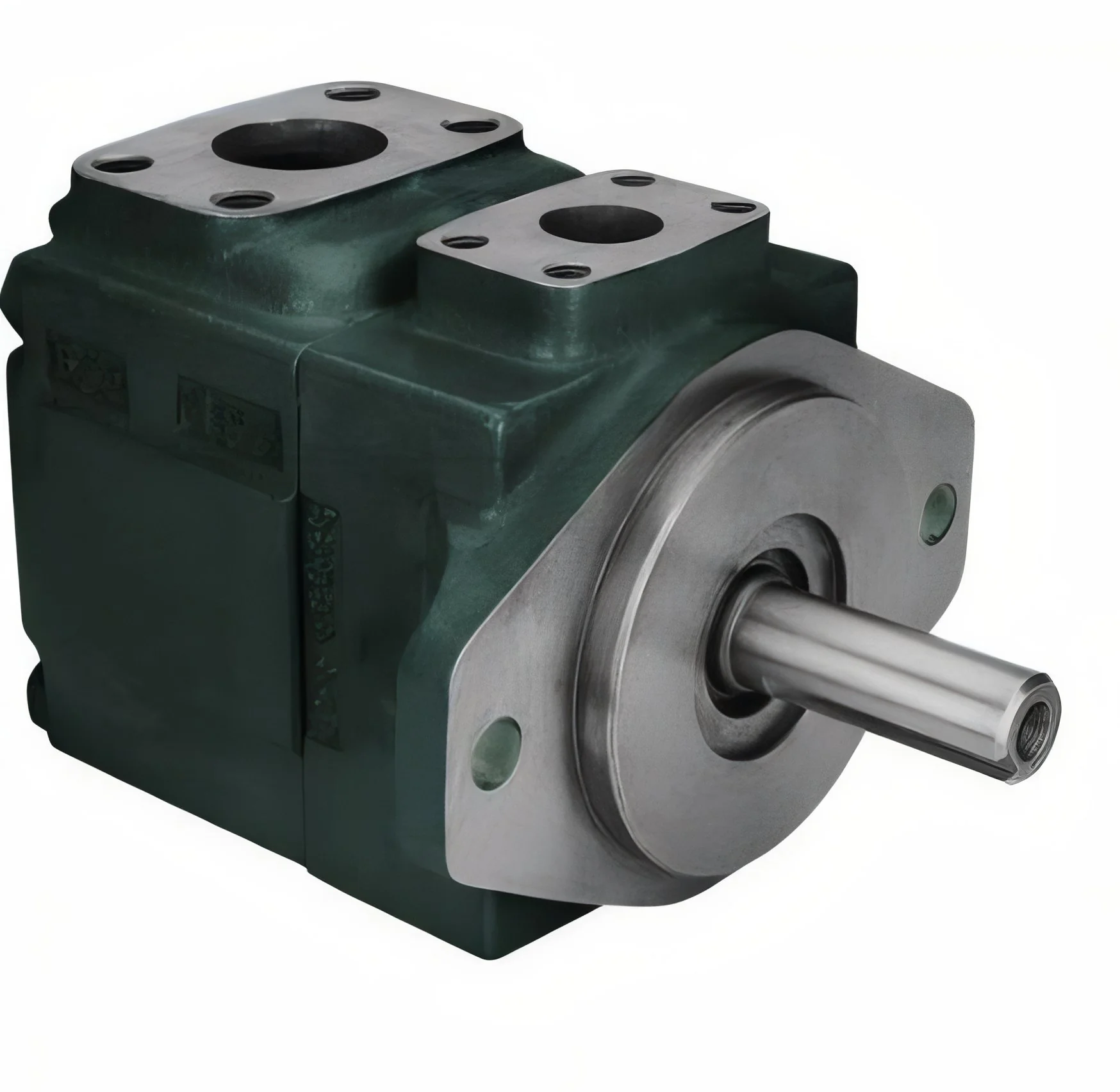
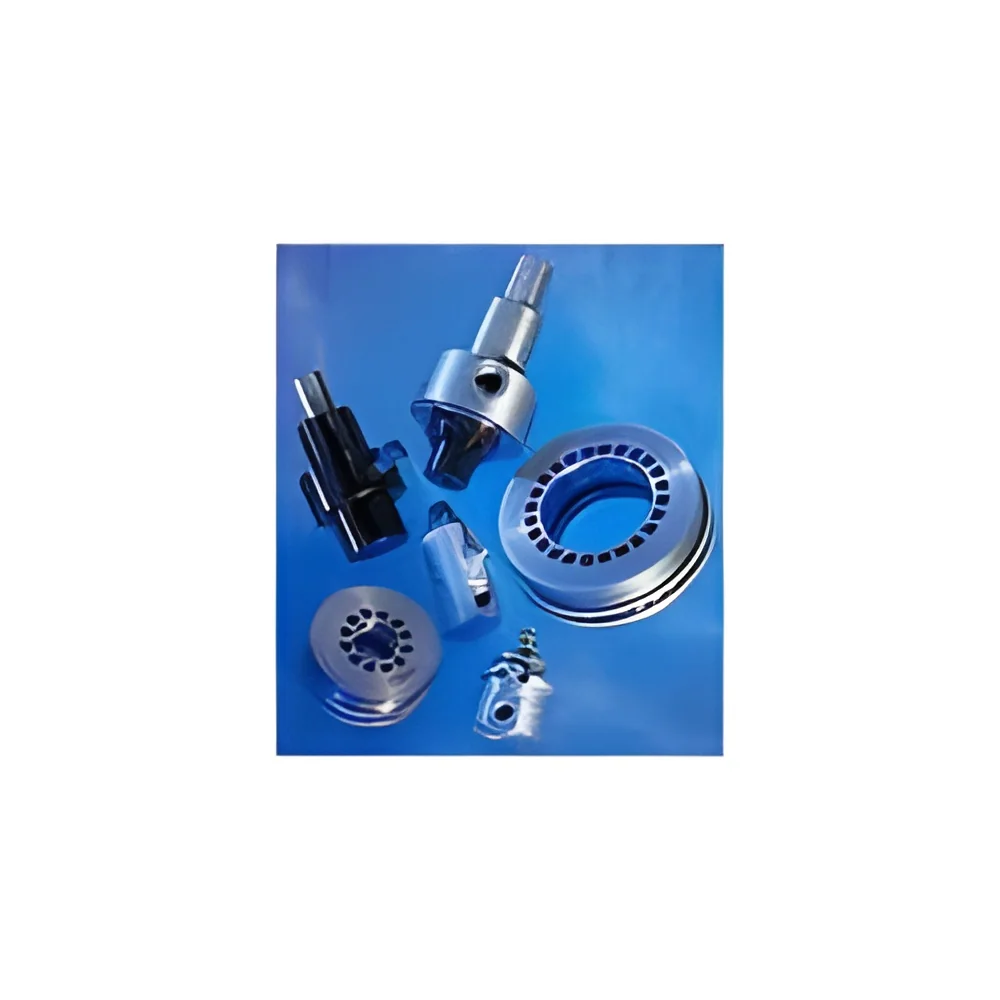
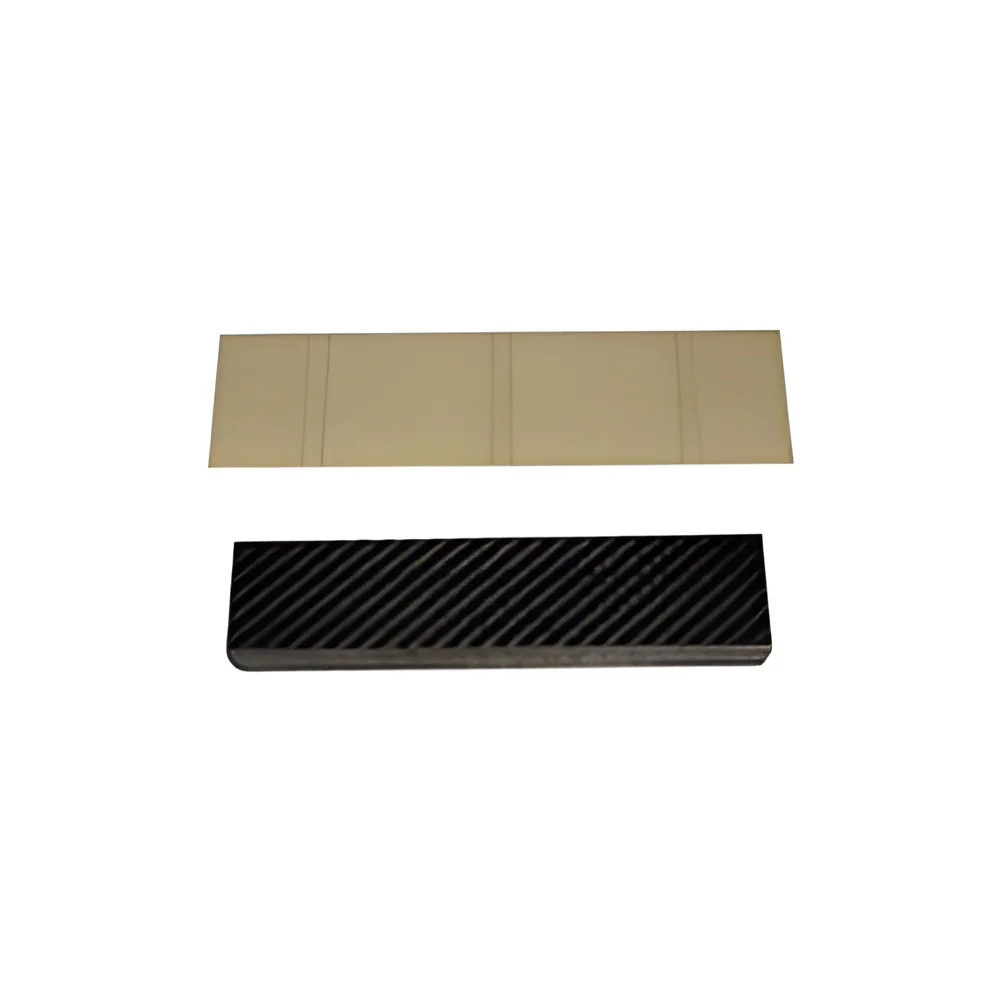
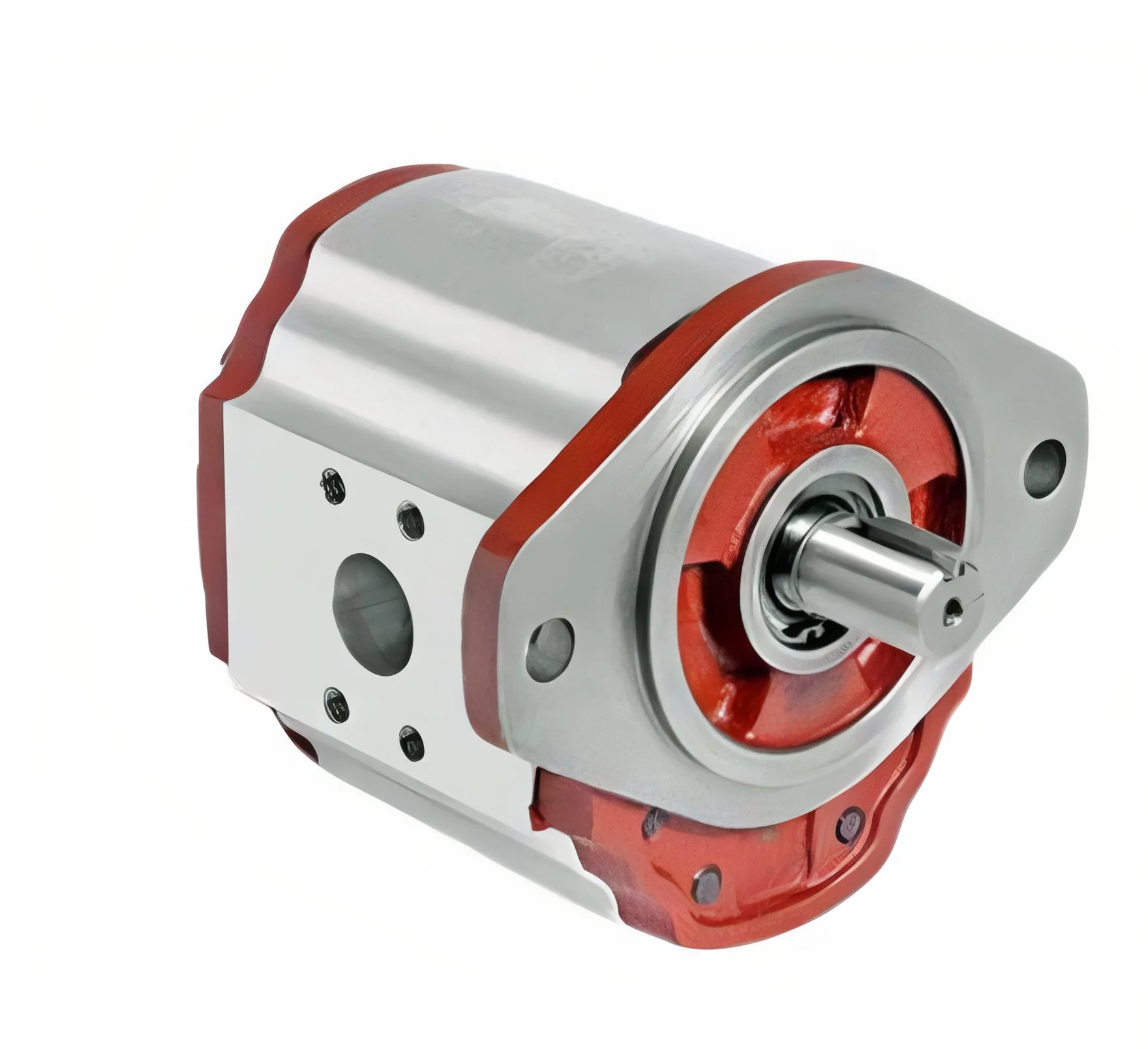
Vane pumps are a type of positive displacement pump that uses a series of vanes to move fluid. These vanes are mounted on a rotor and slide in and out of slots as the rotor turns. This action creates a vacuum that draws fluid into the pump and then displaces it through the outlet. Vane pumps are known for their ability to maintain a consistent flow rate and pressure, making them suitable for various fluid transfer applications.
These pumps are commonly used in industries such as hydraulic systems, automotive applications, and chemical processing. They are particularly effective for handling viscous fluids and can accommodate a wide range of fluid types, including oils, fuels, and other specialty chemicals. The design of vane pumps allows them to operate efficiently in both low and high-pressure environments, which enhances their versatility and appeal across multiple sectors.
In the current market, vane pumps are recognized for their reliability and efficiency. Their ability to perform in demanding conditions makes them a preferred choice in many industrial applications. As businesses increasingly seek to optimize their operations, the demand for high-performance vane pumps continues to grow, positioning them as a critical component in modern industrial processes.
Key Features and Specifications
Vane pumps offer several features that enhance their performance and reliability. Their design and construction are tailored to withstand various operating conditions, making them suitable for diverse applications.
Key specifications include:
1. Flow Rate
- Vane pumps can provide a wide range of flow rates, typically from a few liters per minute to several thousand liters per minute, depending on the model and application.
2. Operating Pressure
- These pumps are capable of operating under high pressure, often reaching up to 200 bars or more, which makes them suitable for demanding applications.
3. Viscosity Range
- Vane pumps can handle fluids with varying viscosities, generally accommodating materials ranging from low-viscosity fluids like water to high-viscosity substances like oils and pastes.
4. Temperature Range
- While specific temperature ranges are not specified, vane pumps are designed to operate effectively in a variety of temperatures, with some models capable of handling both low and high-temperature fluids.
5. Efficiency
- Vane pumps are known for their high volumetric efficiency, typically exceeding 90%, which contributes to reduced energy consumption in industrial processes.
6. Materials of Construction
- Common materials used in vane pump construction include cast iron, aluminum, and various alloys, chosen for their durability and compatibility with different fluids.
7. Maintenance Requirements
- These pumps generally require less maintenance compared to other pump types, although regular checks on the vanes and seals are advised to ensure optimal performance.
In summary, vane pumps are characterized by their versatility and efficiency, making them suitable for a broad range of industrial applications.
Common Applications and Use Cases
Vane pumps find applications across various industries due to their adaptability and performance.
1. Automotive Industry: Vane pumps are commonly used in fuel delivery systems, oil lubrication, and hydraulic applications within vehicles, ensuring reliable operation under varying conditions.
2. Chemical Processing: These pumps handle a wide range of chemicals, including corrosive and viscous substances, making them essential in processes such as mixing, transferring, and dosing.
3. Food and Beverage: Vane pumps are utilized for transferring oils, syrups, and other food products, where hygiene and efficiency are paramount.
4. Pharmaceutical Industry: In pharmaceutical applications, vane pumps are employed for precise dosing and the transfer of sensitive substances, ensuring compliance with stringent quality standards.
5. Hydraulic Systems: Vane pumps are integral to hydraulic systems, where they provide the necessary pressure and flow for machinery and equipment used in construction and manufacturing.
6. Marine Applications: These pumps are used in various marine systems, including fuel transfer and lubrication, due to their reliability and ability to handle different fluid types.
7. HVAC Systems: In heating, ventilation, and air conditioning systems, vane pumps are employed to circulate fluids, maintaining efficient operation and temperature control.
Product Variants and Subcategories
Vane pumps come in various designs to meet specific operational needs.
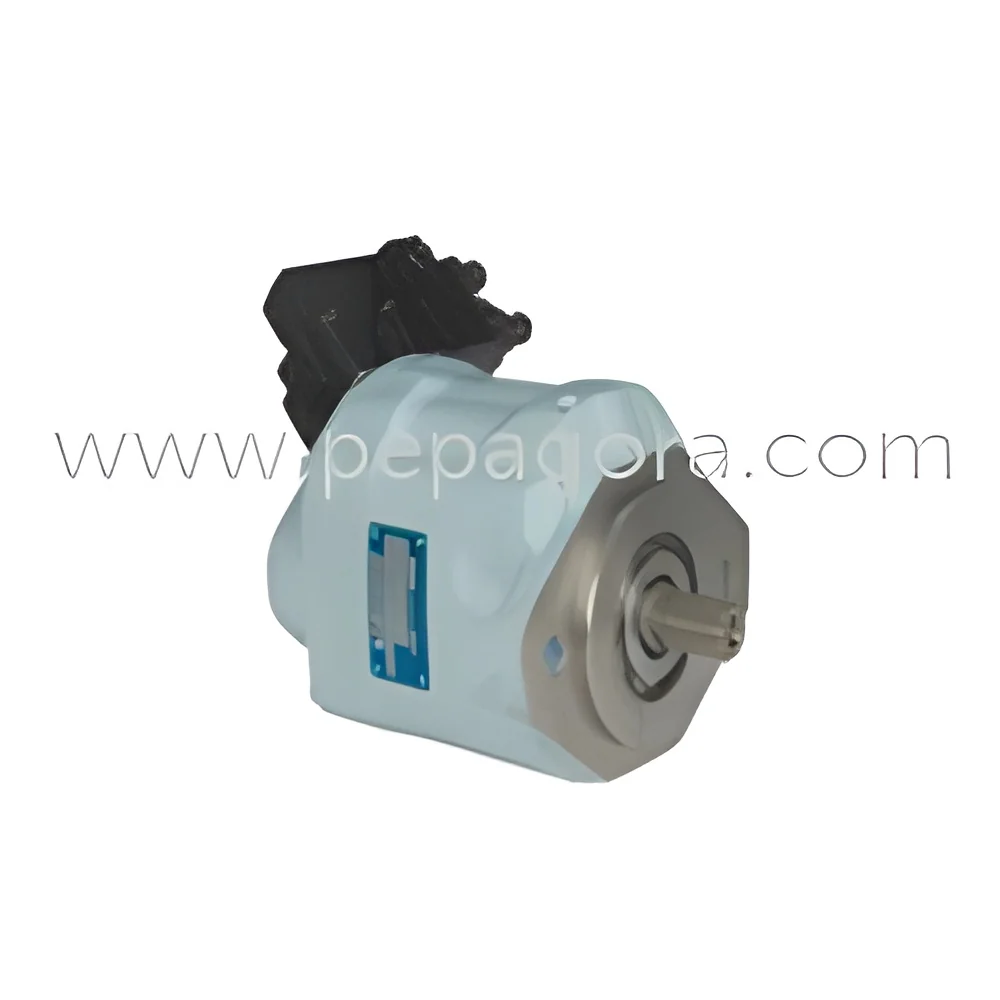
Hydraulic Vane Pumps: These pumps are specifically designed for hydraulic applications, providing high-pressure capabilities and precise flow control, essential for machinery and equipment.
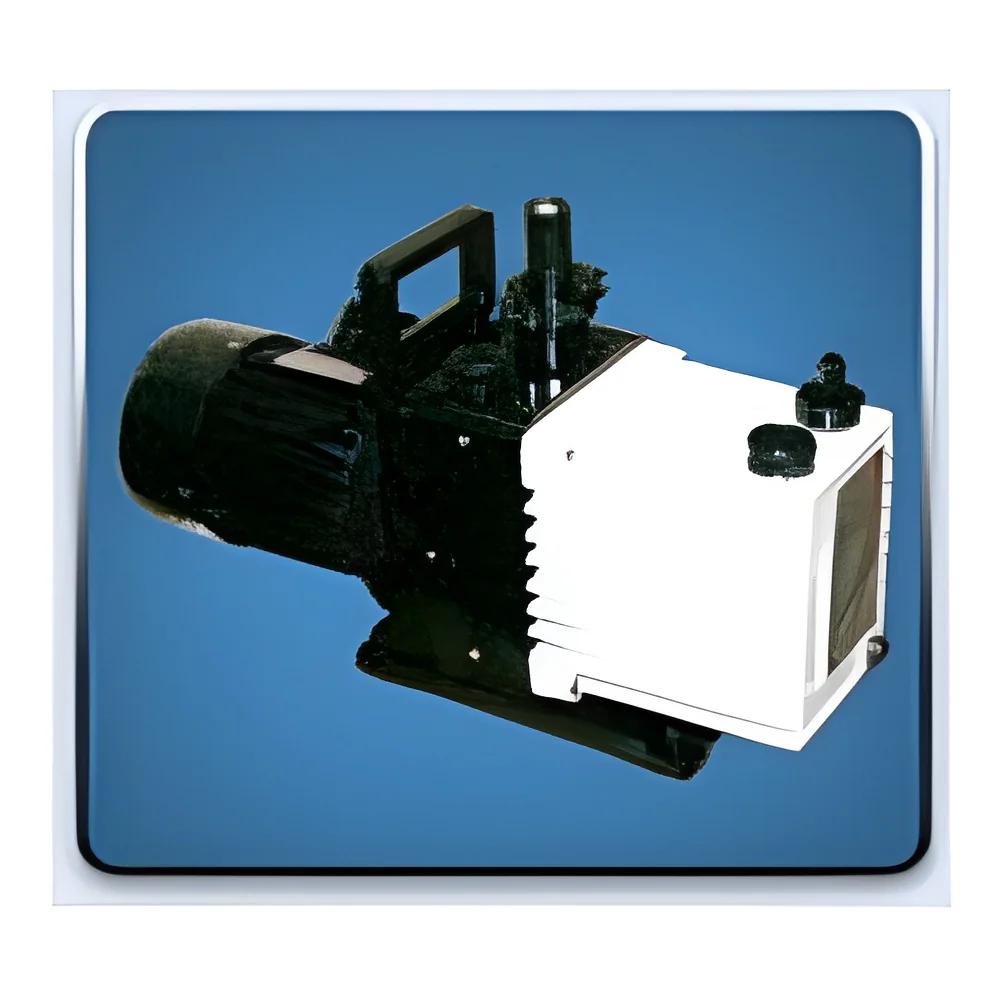
Vacuum Vane Pumps: Used in applications requiring vacuum generation, these pumps efficiently remove air and gases from systems, making them suitable for processes like packaging and material handling.
Industrial Vane Pumps: These models are built for heavy-duty applications, capable of handling high-viscosity fluids and operating in harsh environments, ideal for manufacturing and processing sectors.
Compact Vane Pumps: Designed for space-constrained applications, these pumps provide reliable performance in a smaller footprint, making them suitable for portable and lightweight equipment.
Benefits and Advantages
Vane pumps offer numerous benefits that enhance their appeal in industrial applications.
1. Consistent Flow Rate: Vane pumps provide a stable and predictable flow rate, which is crucial for maintaining process efficiency.
2. Versatile Fluid Compatibility: These pumps can handle a wide variety of fluids, including those with different viscosities, making them adaptable to multiple applications.
3. Low Maintenance: With fewer moving parts and a robust design, vane pumps typically require less maintenance compared to other pump types, resulting in lower operational costs.
4. High Efficiency: Vane pumps are known for their high efficiency, which leads to reduced energy consumption and lower operating costs.
5. Compact Design: Many vane pumps feature a compact design, allowing for easy integration into existing systems and saving valuable space in industrial settings.
6. Reliable Performance: Vane pumps are designed for durability and reliability, ensuring they can withstand demanding operational conditions without compromising performance.
Buying Guide for B2B Buyers
When sourcing vane pumps, it is essential to consider several factors to ensure you make an informed purchase.
1. Quality Assessment: Evaluate the quality of the vane pumps by examining certifications such as CE and looking for compliance with industry standards. A reliable quality assessment can prevent future operational issues.
2. Supplier Verification: Research potential suppliers to ensure they have a proven track record in providing high-quality vane pumps. Look for reviews, testimonials, and case studies that demonstrate their reliability.
3. Pricing and MOQ: Understand the pricing structure and minimum order quantities (MOQs) required by suppliers. This information is vital for budgeting and ensuring that the quantities meet your operational needs.
4. Delivery and Lead Times: Discuss delivery timelines with suppliers to ensure that the pumps can be delivered within your project schedules. Timely delivery is critical to maintaining workflow and avoiding delays.
5. Compliance Requirements: Confirm that the vane pumps meet any regulatory compliance requirements specific to your industry. This may include safety standards and environmental regulations that must be adhered to.
Compliance and Certifications
Compliance and certifications play a crucial role in the quality assurance of vane pumps. Many vane pumps adhere to quality standards such as ISO 9001, which focuses on effective quality management systems. This certification ensures that manufacturers consistently produce quality products that meet customer and regulatory requirements.
Additionally, certifications like CE indicate that a product meets European safety standards, which is essential for gaining access to certain markets. Compliance with industry-specific regulations, such as HACCP in food processing, ensures that products are safe to use and do not pose risks to health.
Safety and testing requirements are also critical. Manufacturers often perform rigorous testing to ensure that their products can withstand operational stresses and meet safety protocols. Regional compliance considerations may vary; therefore, it is essential to check local regulations that govern the use of vane pumps in your area.
Why Source Vane Pumps from Pepagora?
Pepagora offers a trusted platform for sourcing vane pumps, ensuring that buyers receive high-quality products from verified suppliers. The supplier network at Pepagora is carefully vetted, providing peace of mind that the products meet industry standards and specifications.
The platform features a streamlined Request for Quotation (RFQ) process, allowing buyers to efficiently compare quotes from multiple suppliers. This system simplifies the procurement process, making it easier to find the best deals without compromising quality.
Pepagora also provides trade assurance and support, protecting buyers during the purchasing process. This includes assistance with disputes and ensuring that products are delivered as promised, enhancing the overall buyer experience.
With a strong regional presence in India, the GCC, and Southeast Asia, Pepagora is well-positioned to cater to the diverse needs of businesses across these regions. This geographic coverage ensures that buyers can access a broad range of vane pump options tailored to various industrial applications, making Pepagora a preferred sourcing partner.

 IN
IN