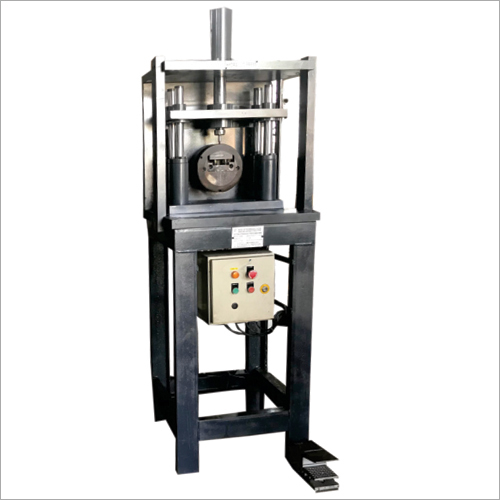
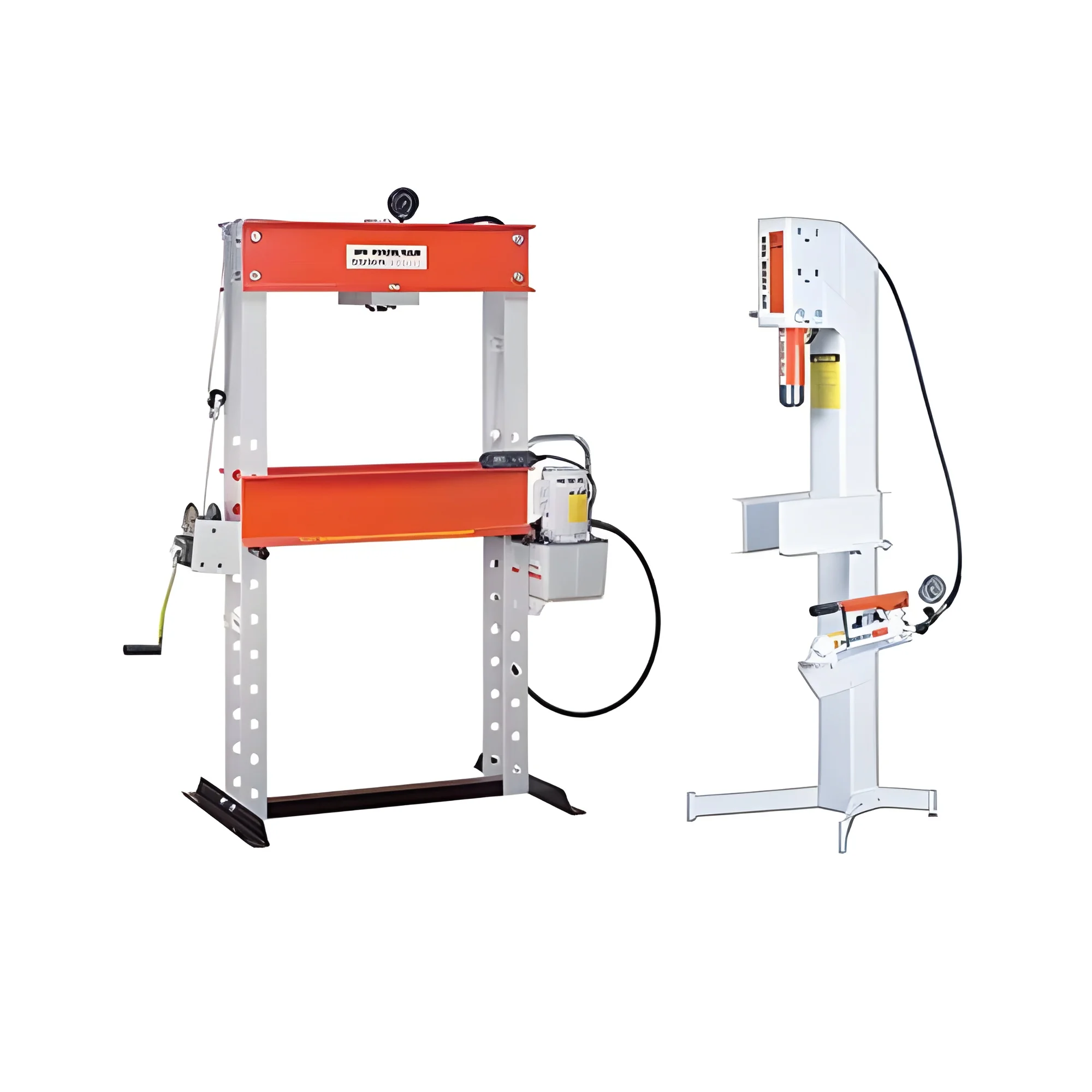
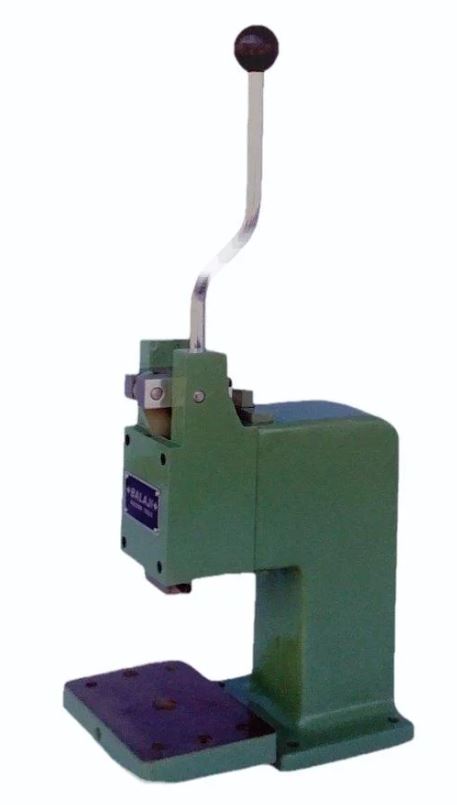
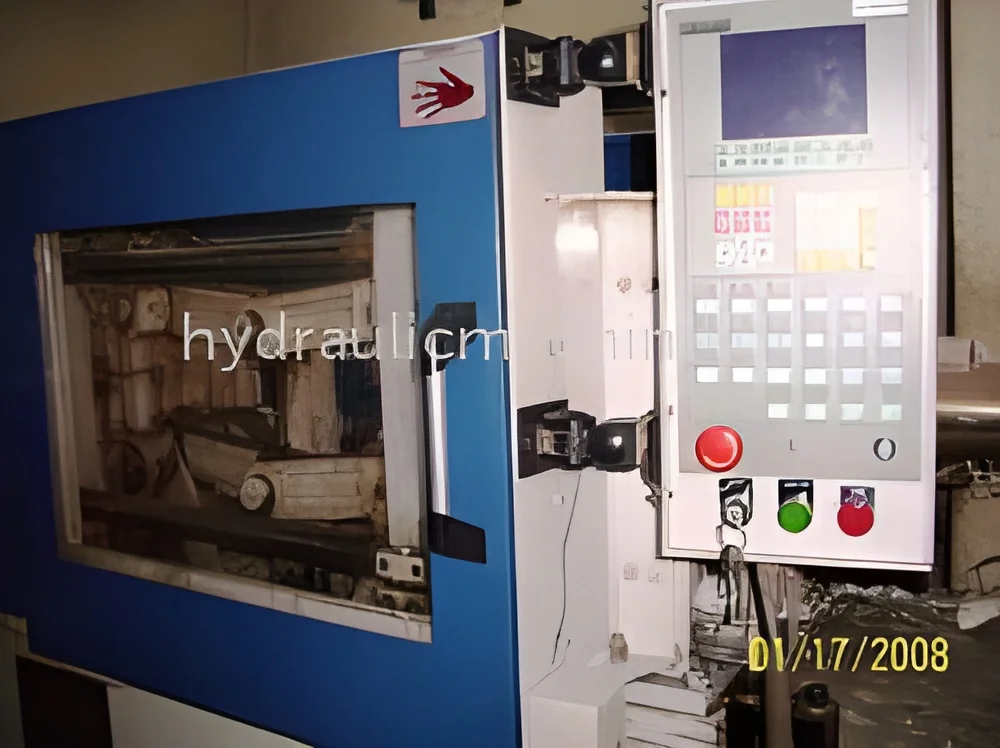
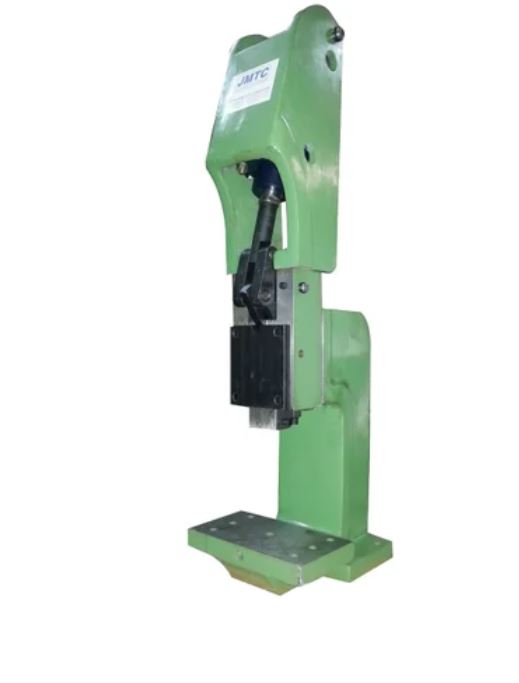
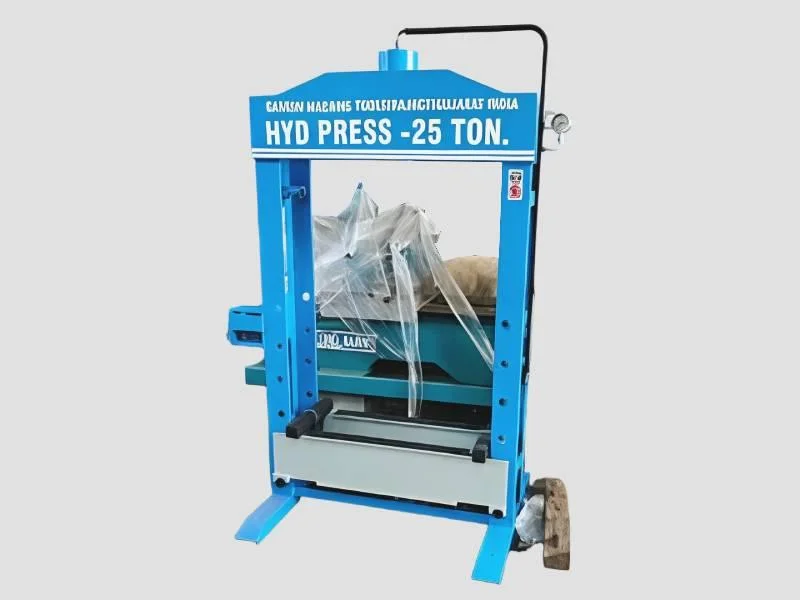
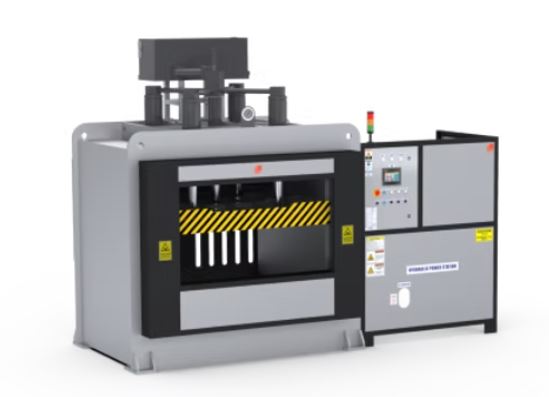
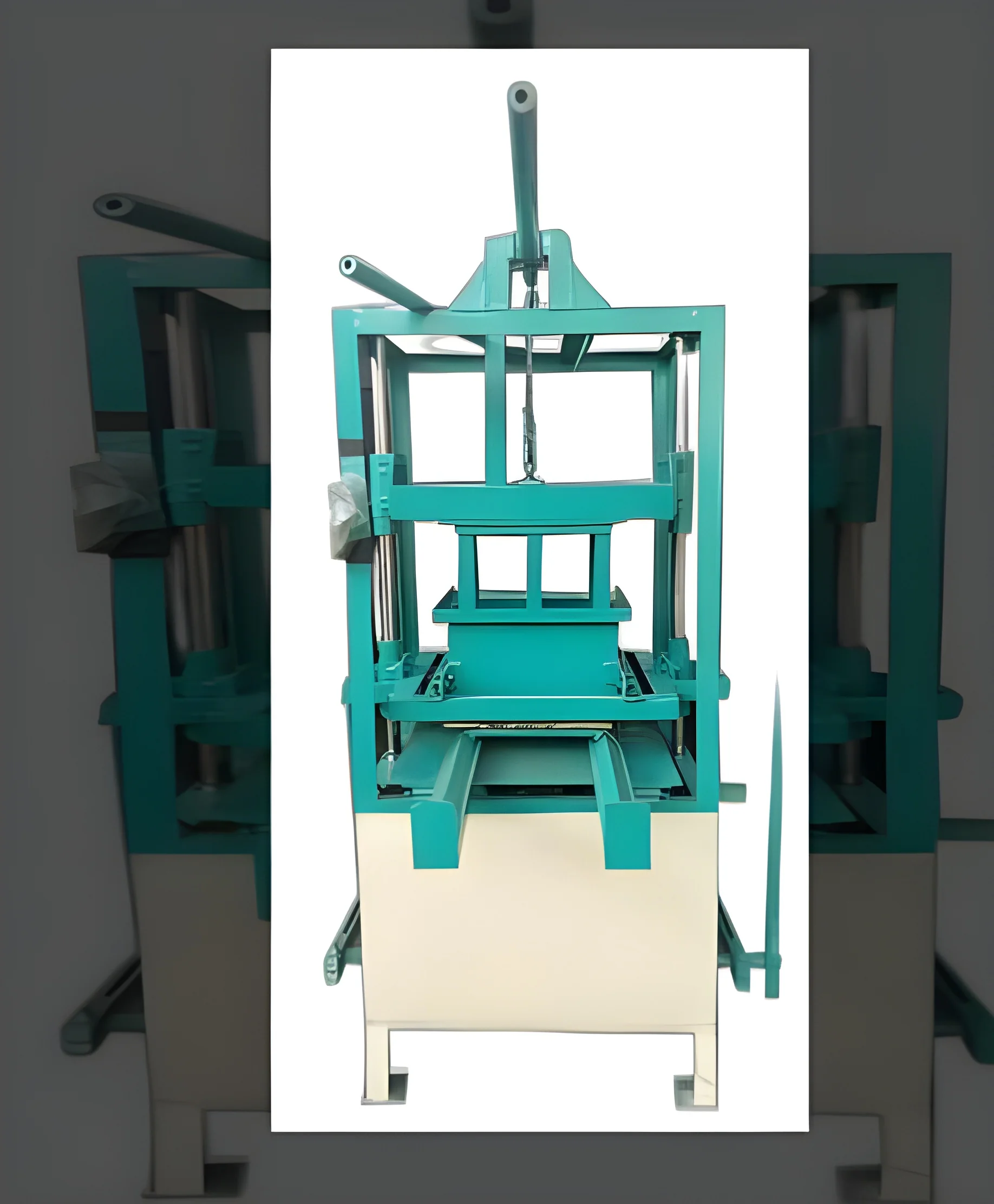
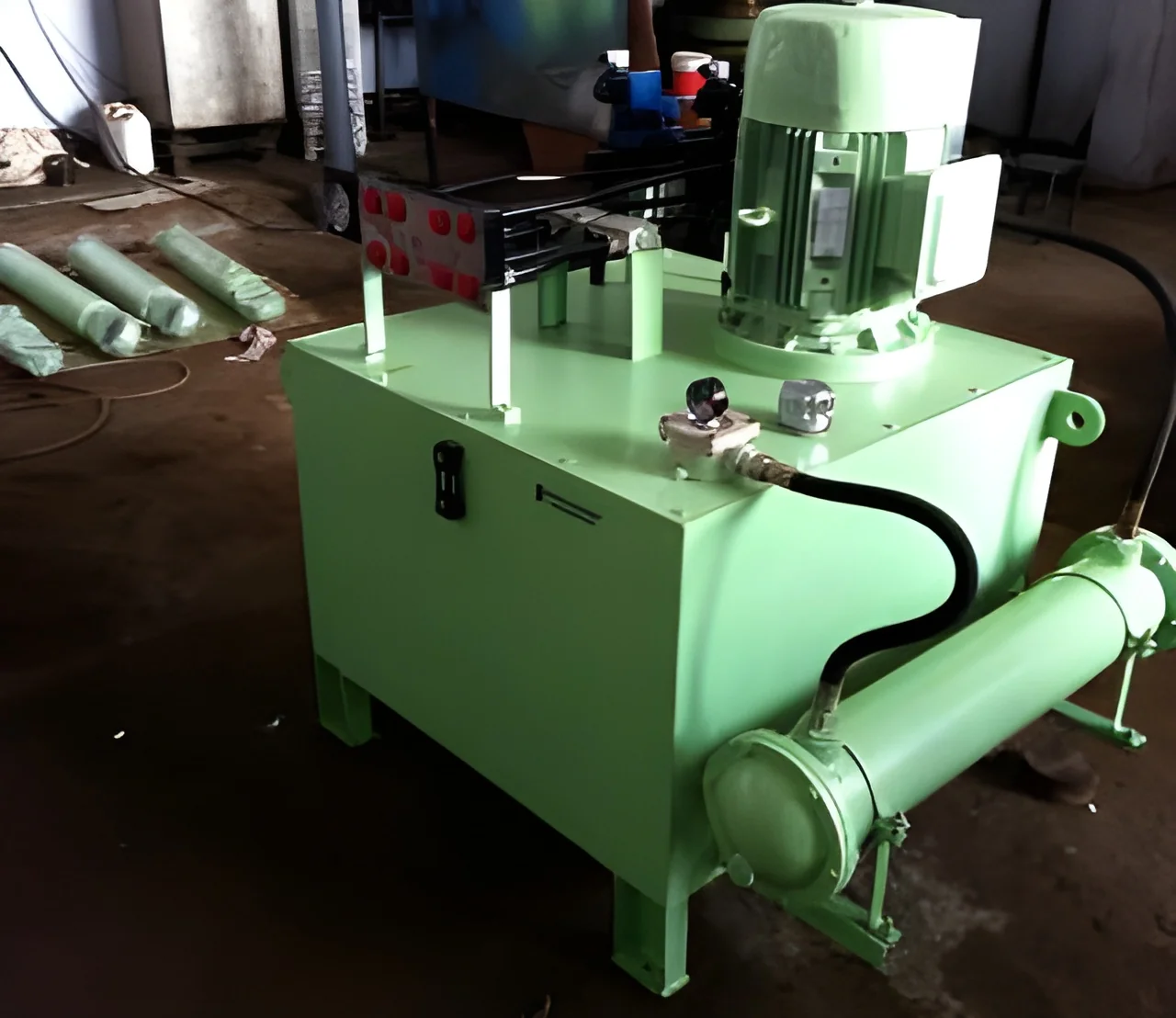
Key Features and Specifications
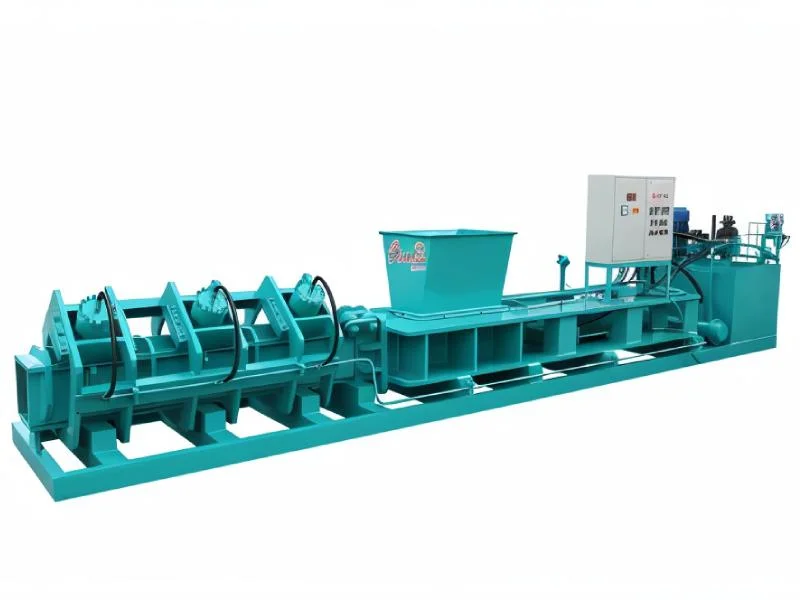
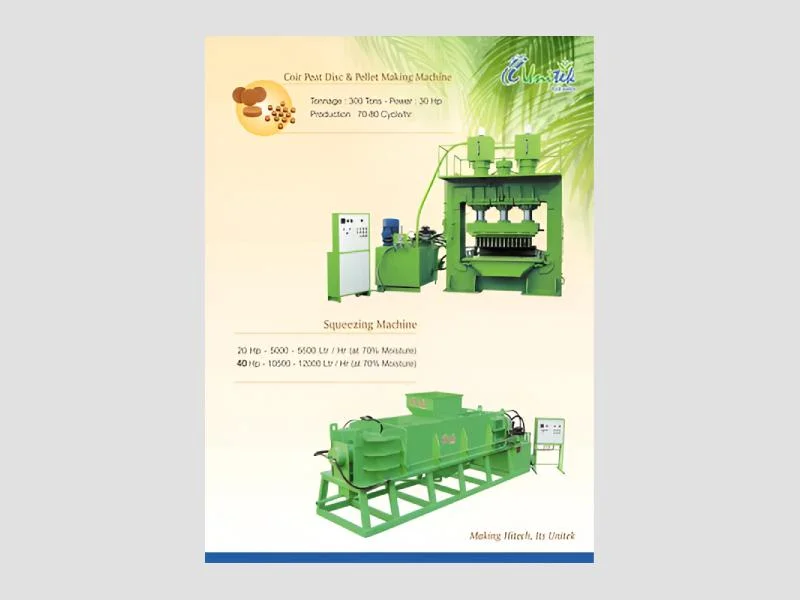
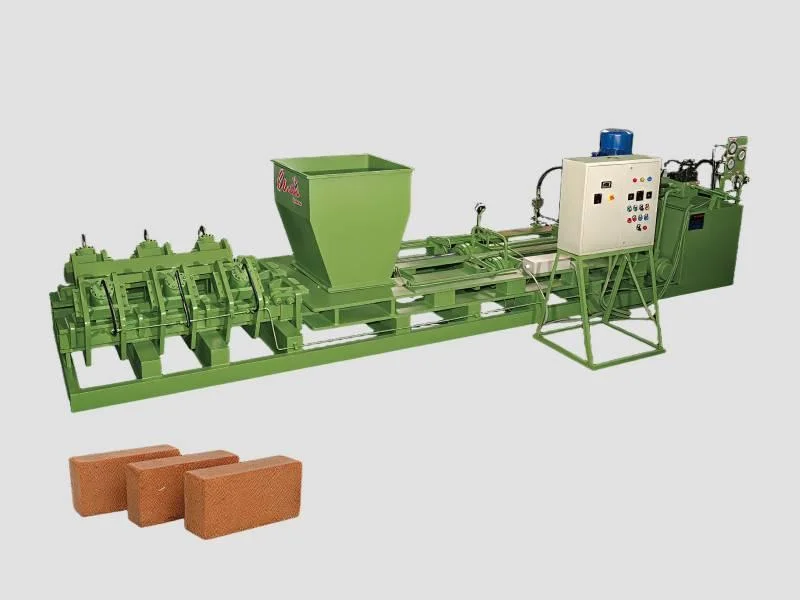
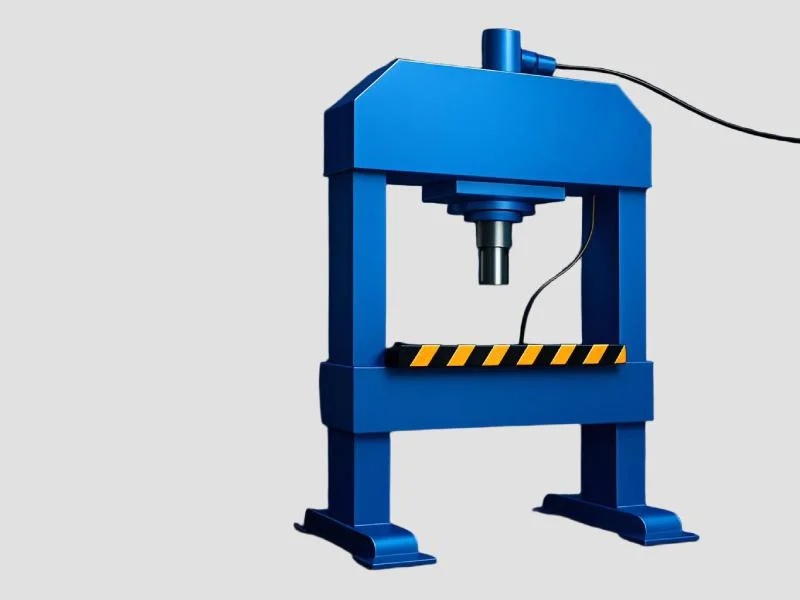
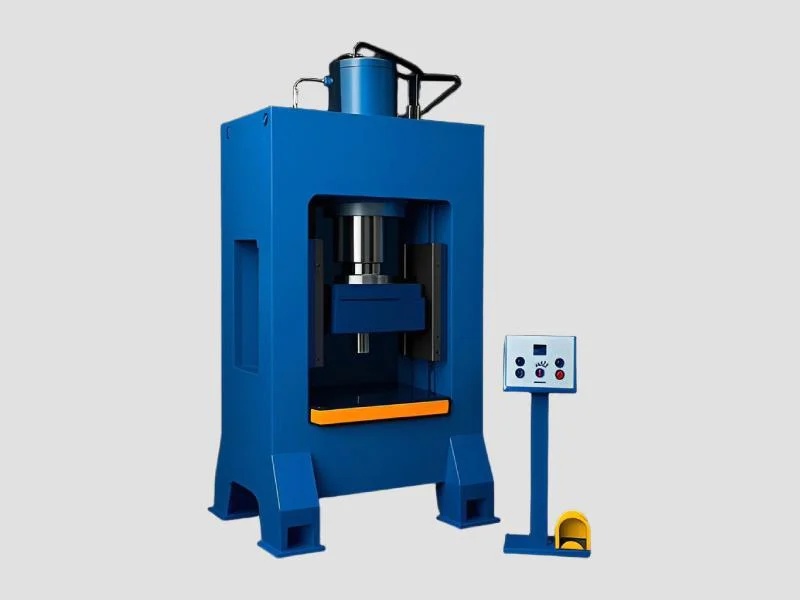
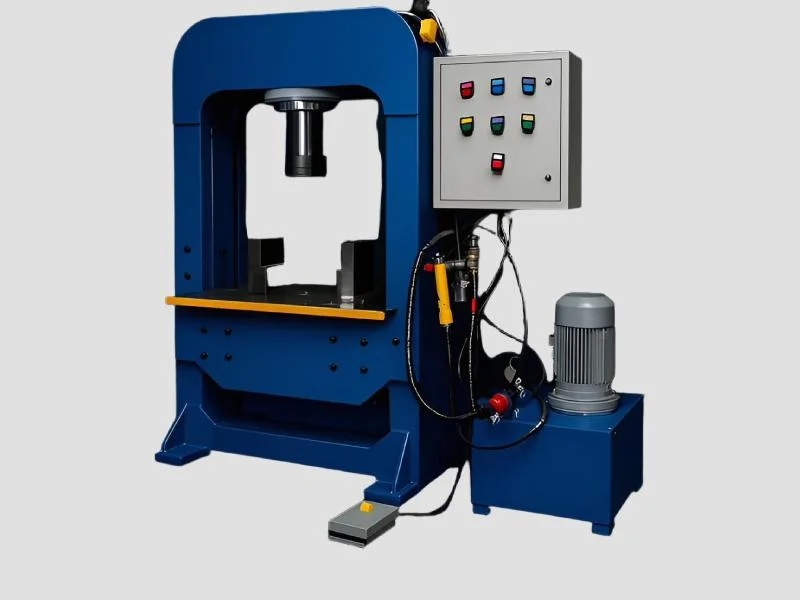
Press machines come equipped with various features and specifications that enhance their performance and usability. Understanding these specifications is crucial for businesses looking to invest in these machines.
Key specifications include:
1. Force Capacity
- The maximum force the machine can exert, typically measured in tons.
- Ranges can vary widely, from a few tons to several hundred tons, depending on the model.
2. Stroke Length
- The distance the ram travels during operation.
- Common stroke lengths range from 100 mm to 500 mm.
3. Operating Pressure
- The pressure level at which the machine operates, measured in bar or psi.
- Hydraulic machines may operate at pressures between 50 to 700 bar, while pneumatic machines often operate at lower pressures around 6 to 8 bar.
4. Speed
- The operational speed of the machine, affecting cycle times.
- Varies based on the type; hydraulic presses are generally slower than pneumatic presses.
5. Control System
- The technology used for controlling the operation, which can be manual or automated.
- Advanced models may include programmable logic controllers (PLC) for enhanced precision.
6. Dimensions
- The overall size of the machine, which can affect installation and operation space.
- Typically varies based on force capacity and intended application.
7. Weight
- The total weight of the machine, impacting transportation and installation requirements.
- Can range from a few hundred kilograms to several tons.
8. Safety Features
- Essential for operator protection, including emergency stop buttons and safety guards.
- Compliance with industry standards is critical for ensuring safe operation.
In summary, understanding the key features and specifications of press machines is vital for businesses to select the right equipment that meets their operational needs.
Common Applications and Use Cases
Press machines are utilized across a wide range of industries due to their versatility and efficiency.
1. Automotive: In the automotive industry, hydraulic and pneumatic presses are used for stamping and forming metal parts, such as body panels and chassis components.
2. Aerospace: These machines play a crucial role in fabricating lightweight materials and complex shapes required for aircraft manufacturing, ensuring precision and reliability.
3. Manufacturing: In general manufacturing, press machines are integral for assembling parts, creating molded components, and performing various machining operations.
4. Electronics: In the electronics sector, pneumatic presses are commonly used for assembling circuit boards and other delicate components, providing quick and precise operations.
5. Furniture: The furniture industry utilizes press machines for shaping and assembling wooden components, ensuring high-quality finishes and durability.
6. Packaging: Press machines are employed in the packaging industry for compressing materials and forming containers, enhancing efficiency in production lines.
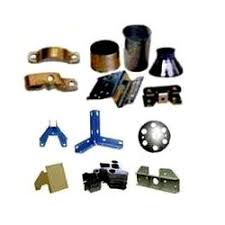
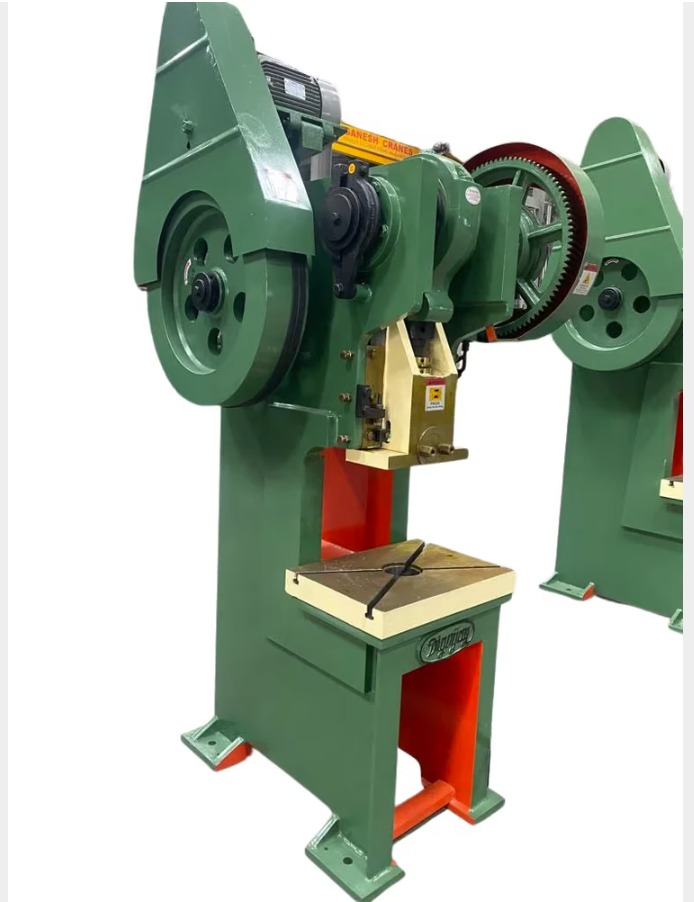
7. Metalworking: These machines are essential in metalworking applications, including forging and bending metal parts to specific shapes and sizes.
Product Variants and Subcategories
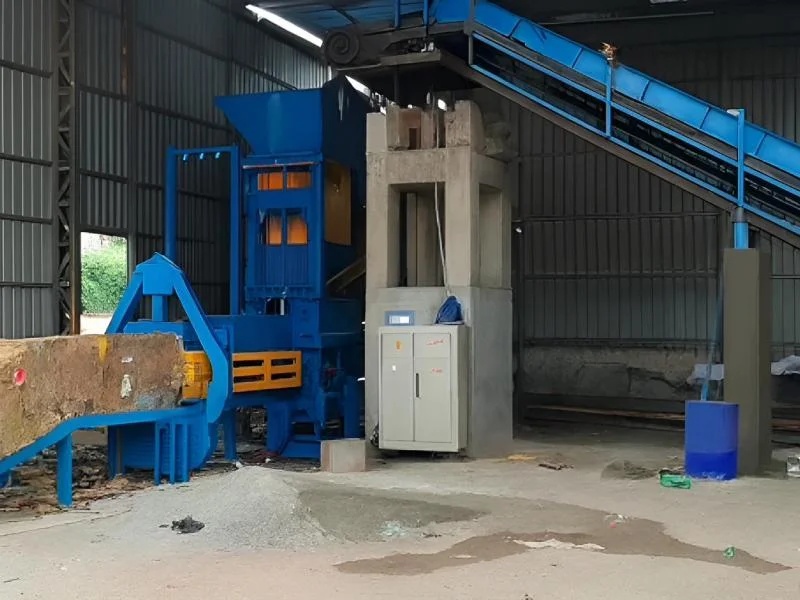
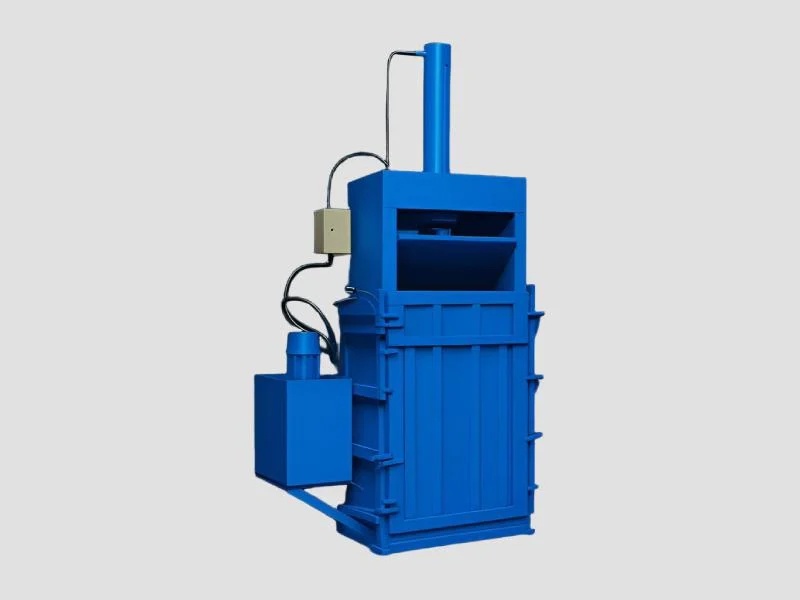
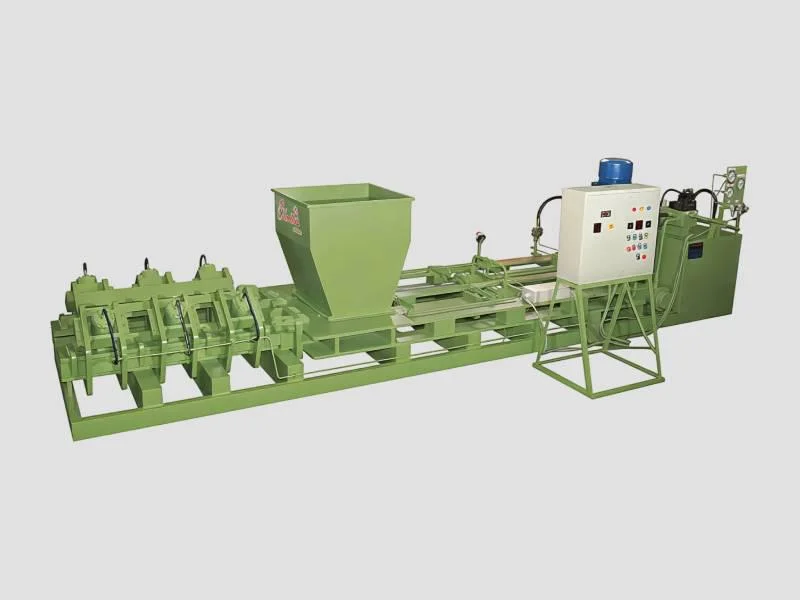
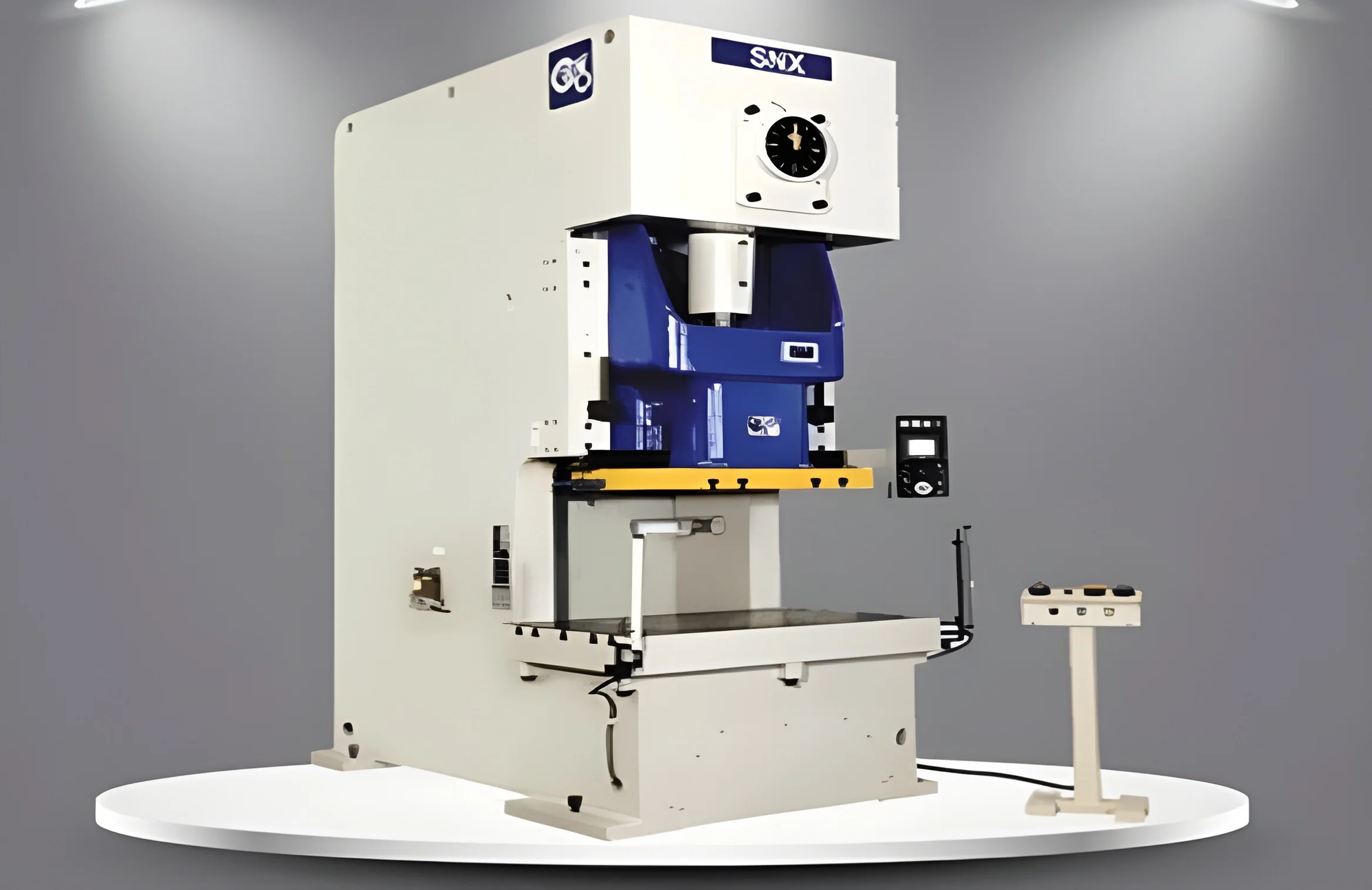
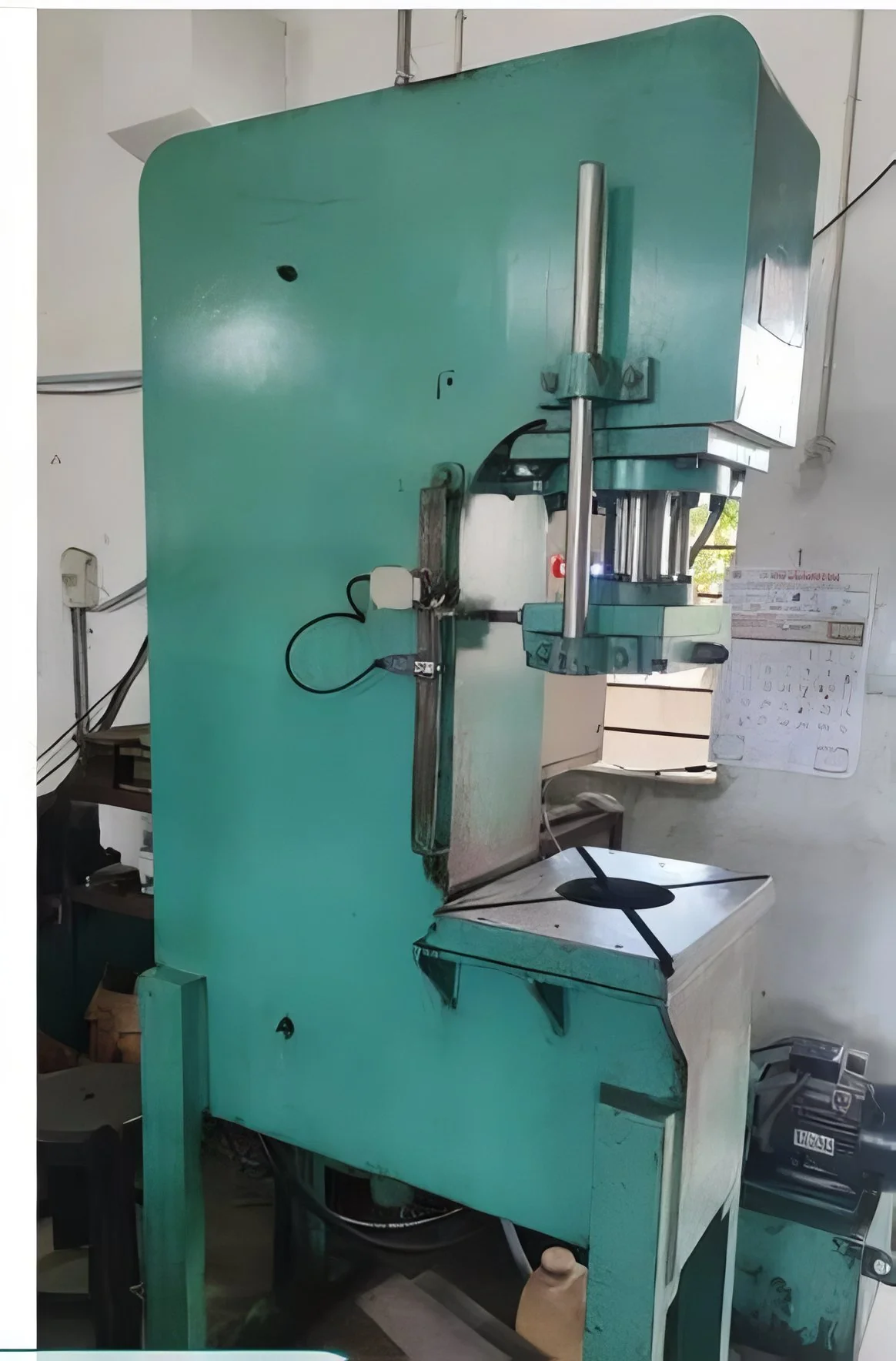
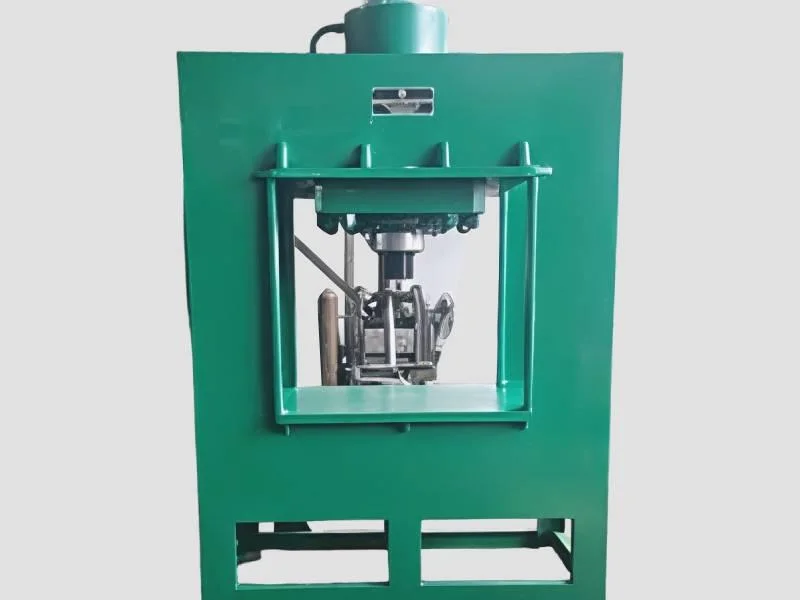
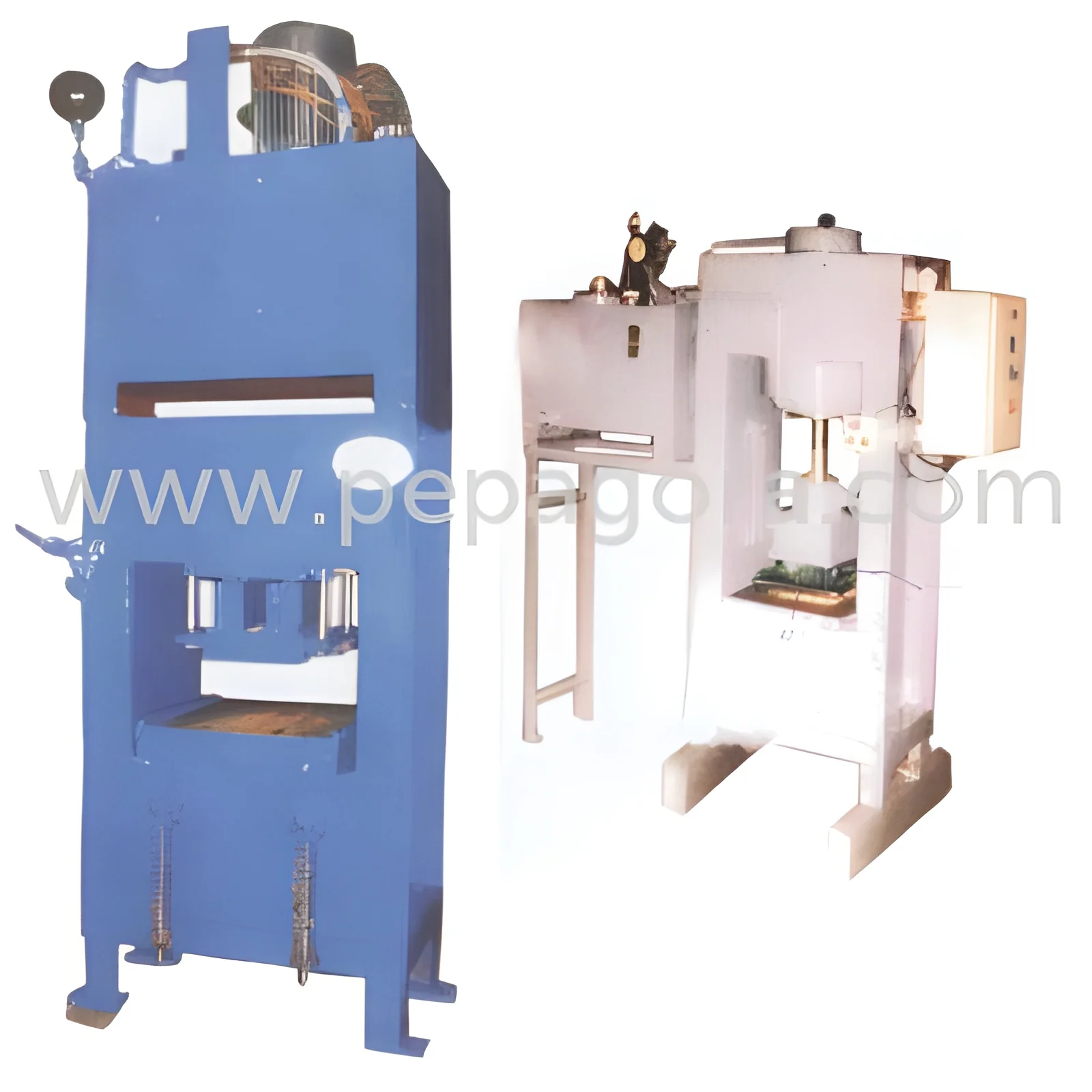
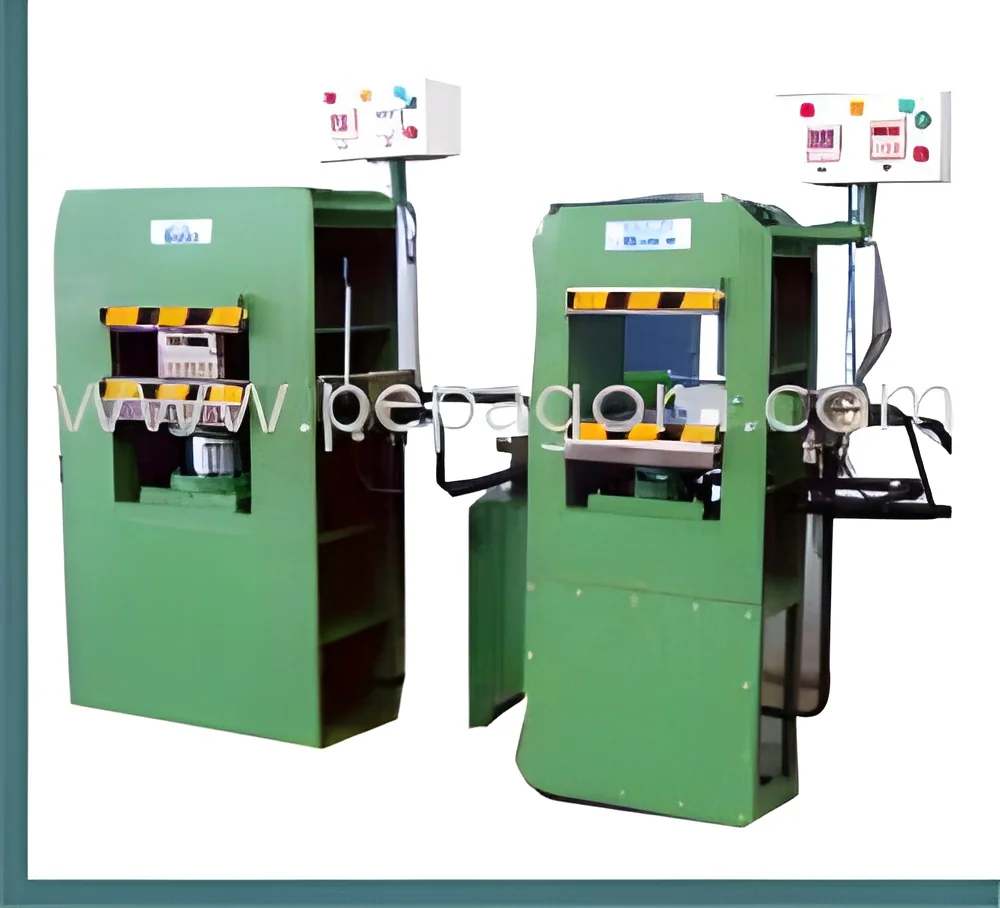
Press machines come in various configurations tailored to specific applications. This diversity allows businesses to choose the equipment that best fits their production needs.
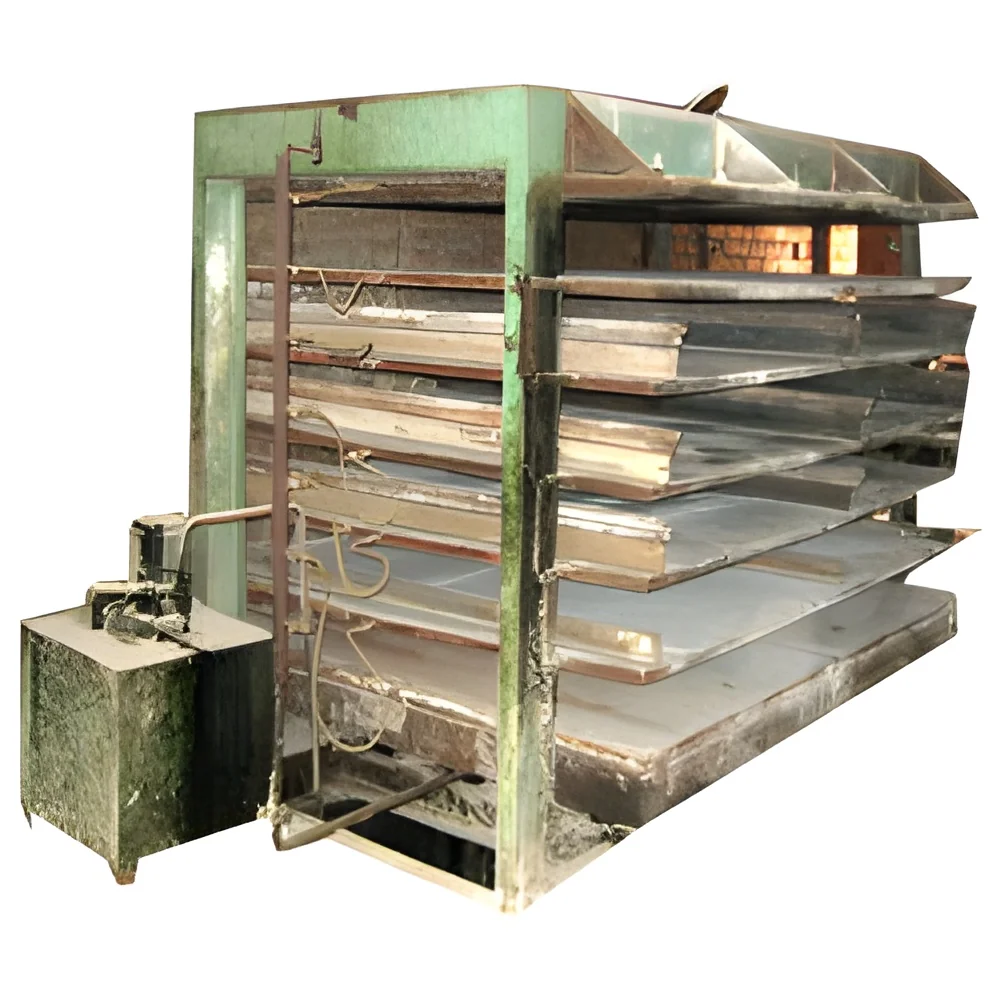
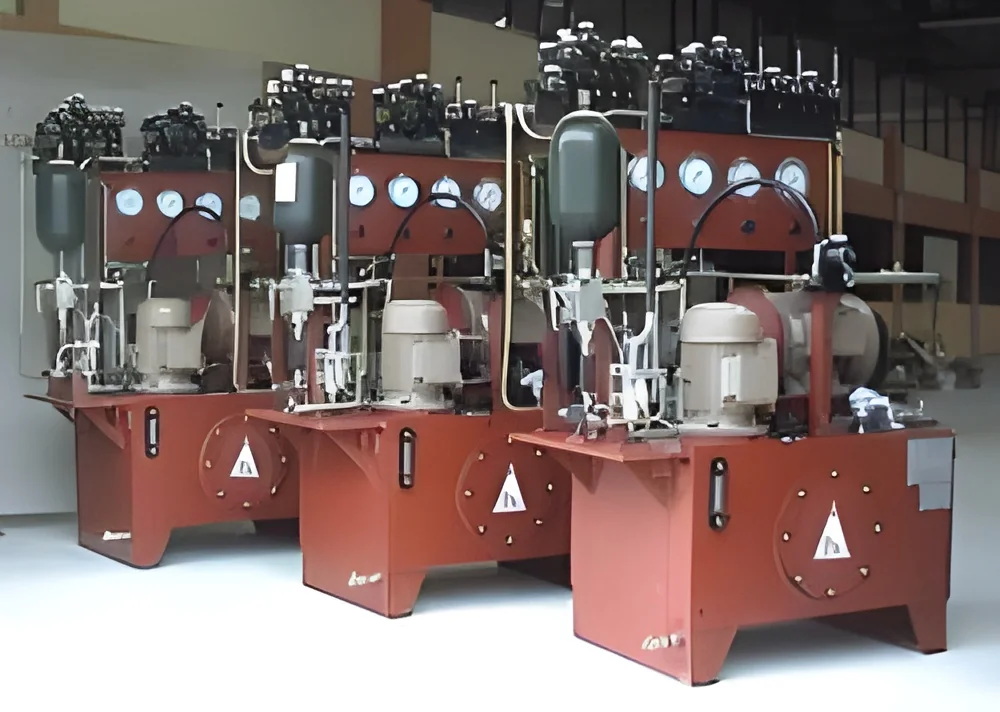
Hydraulic Press Machines
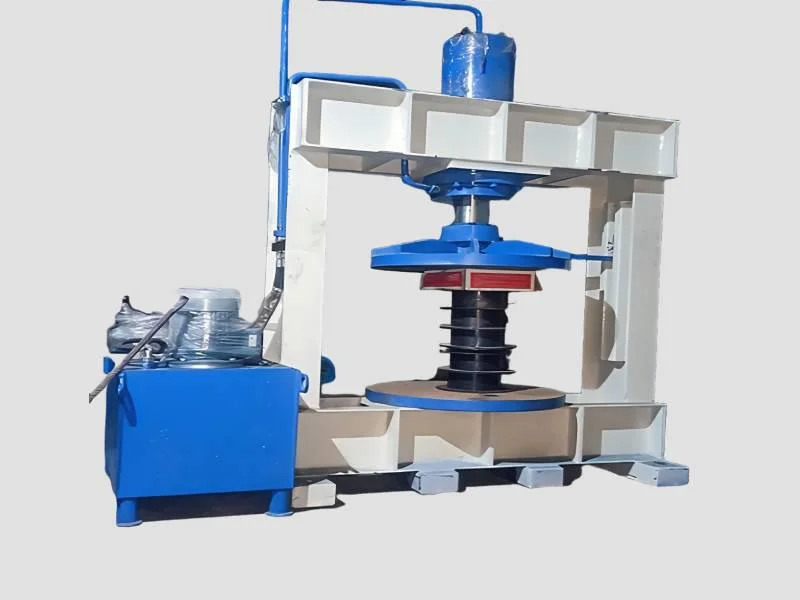
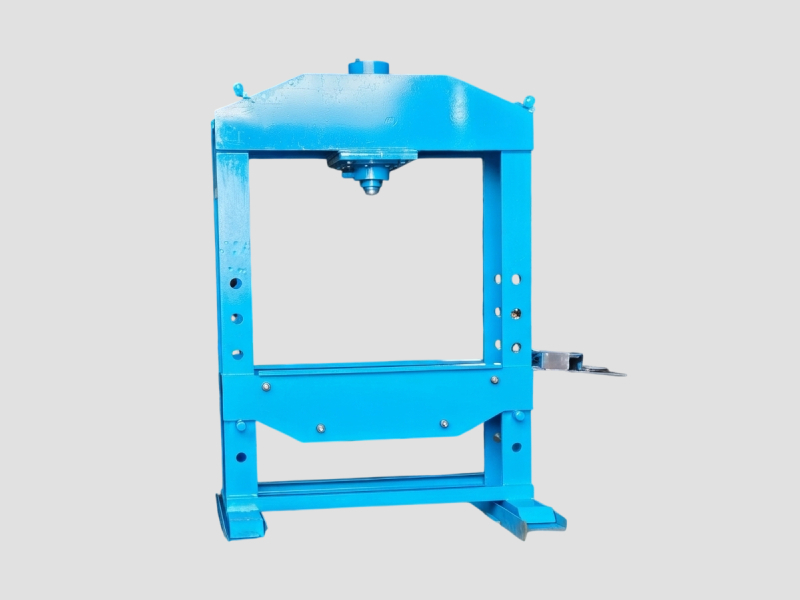
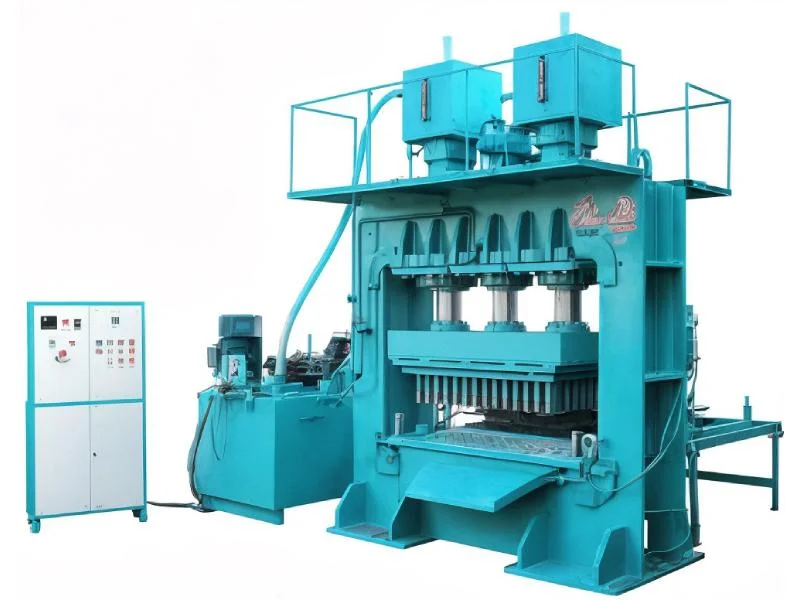
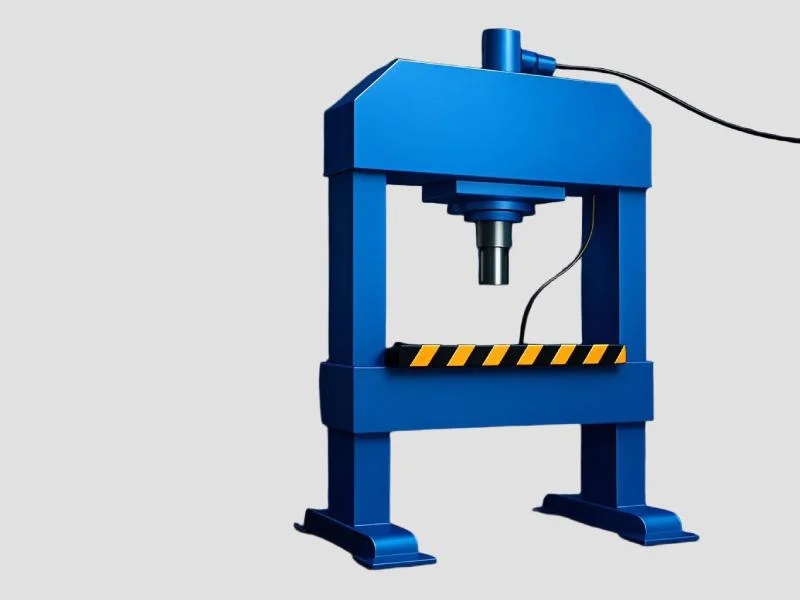
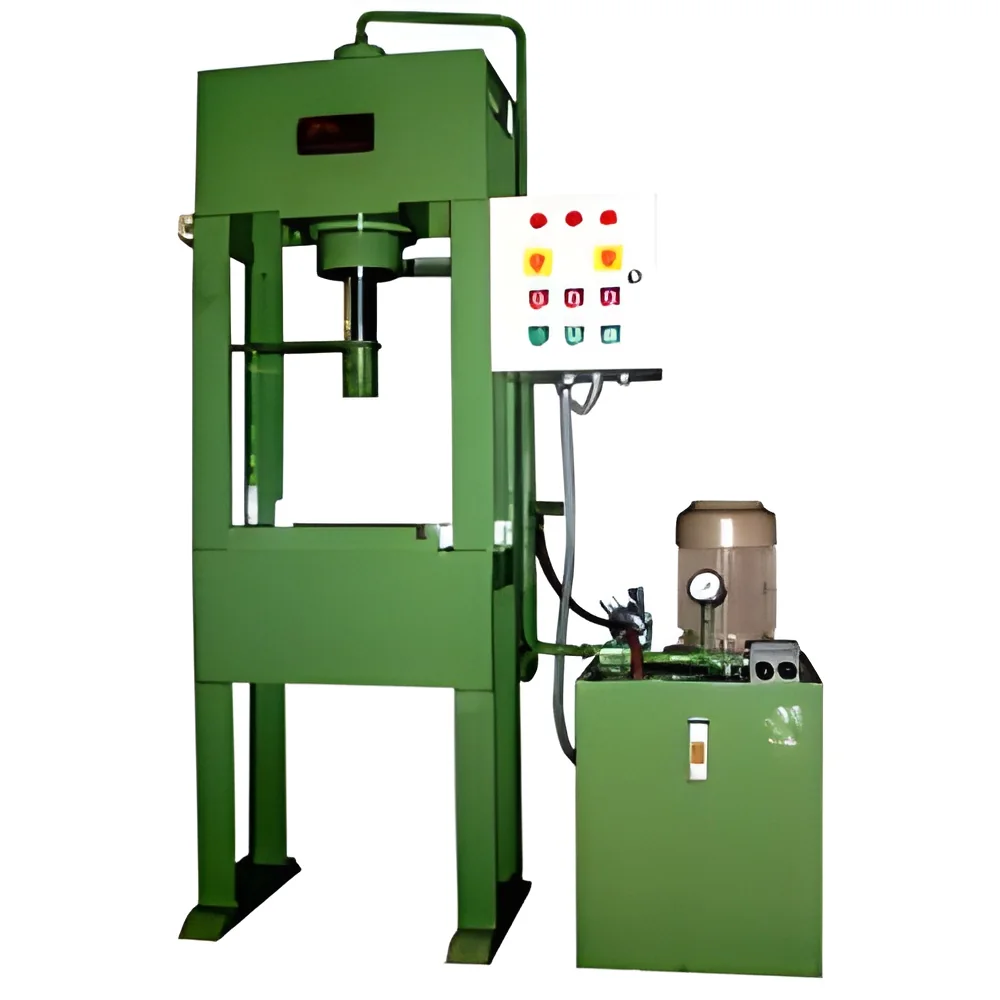
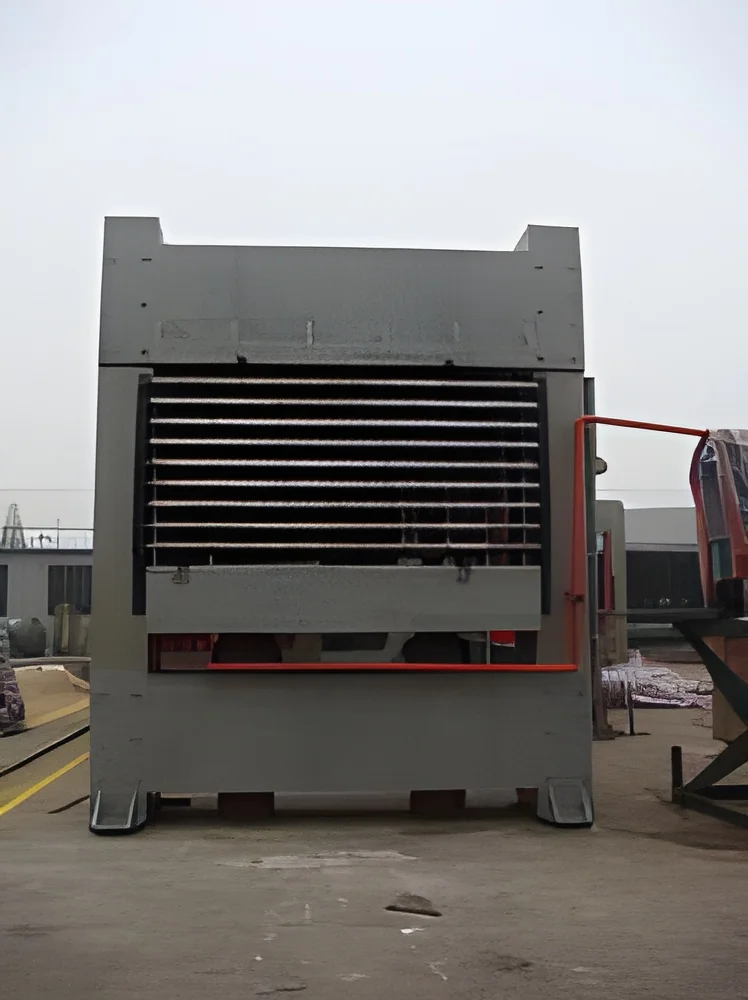
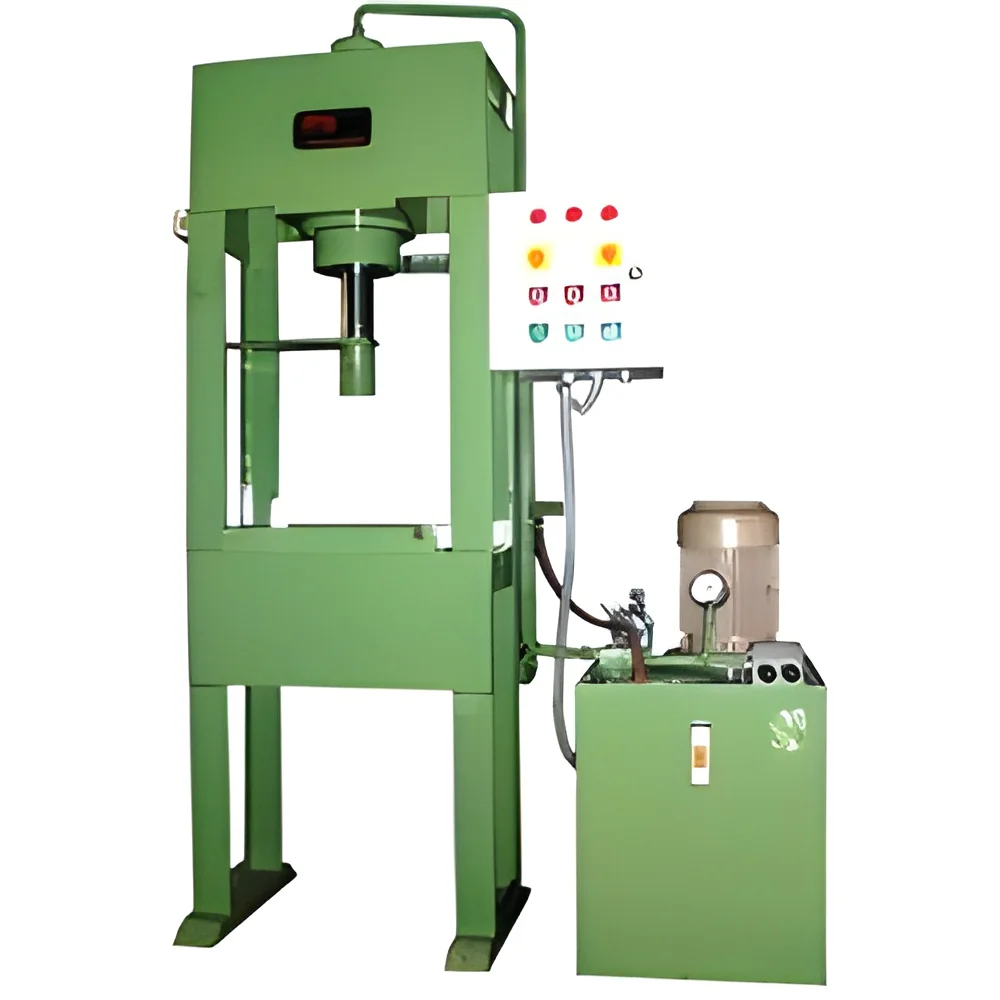
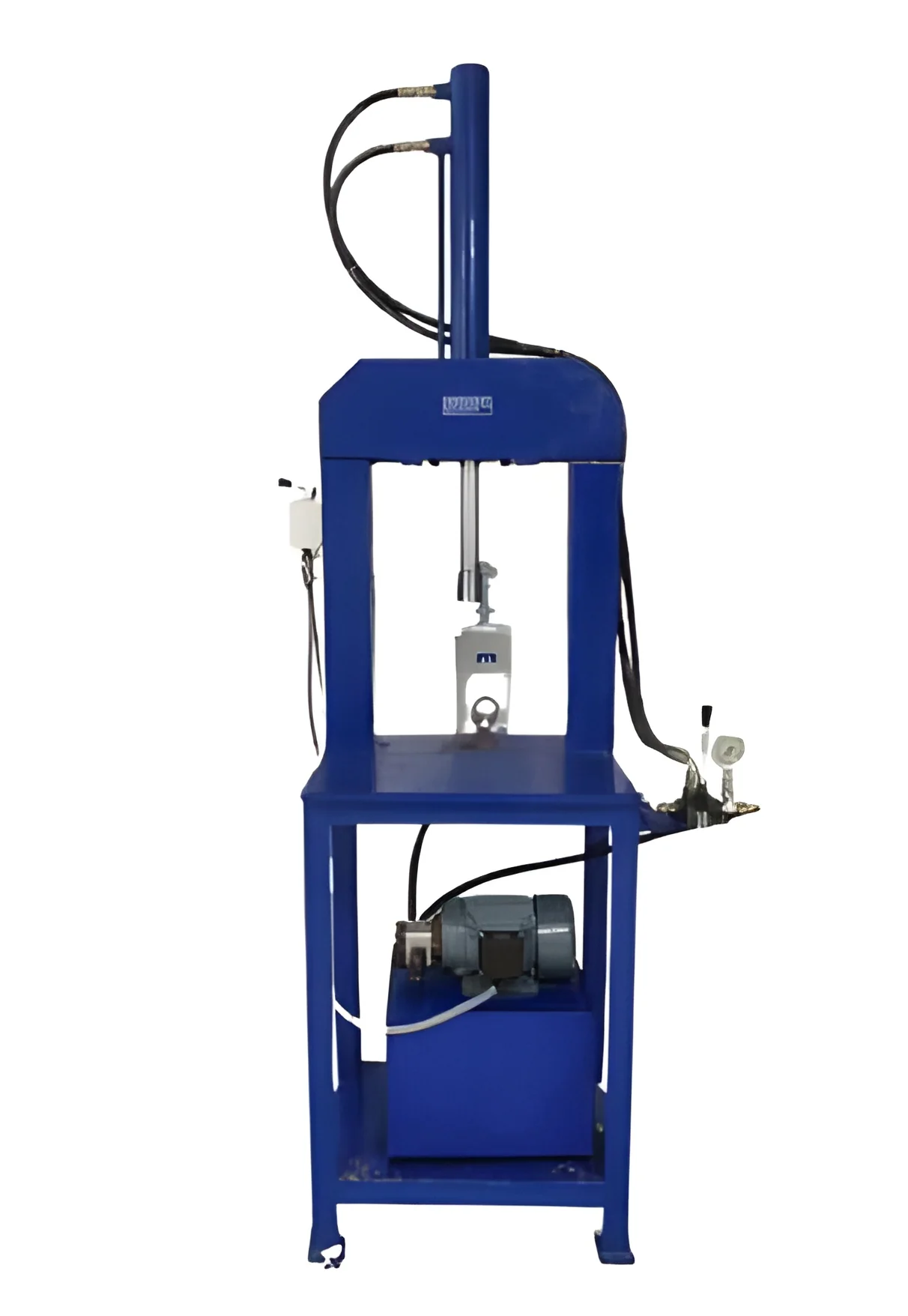
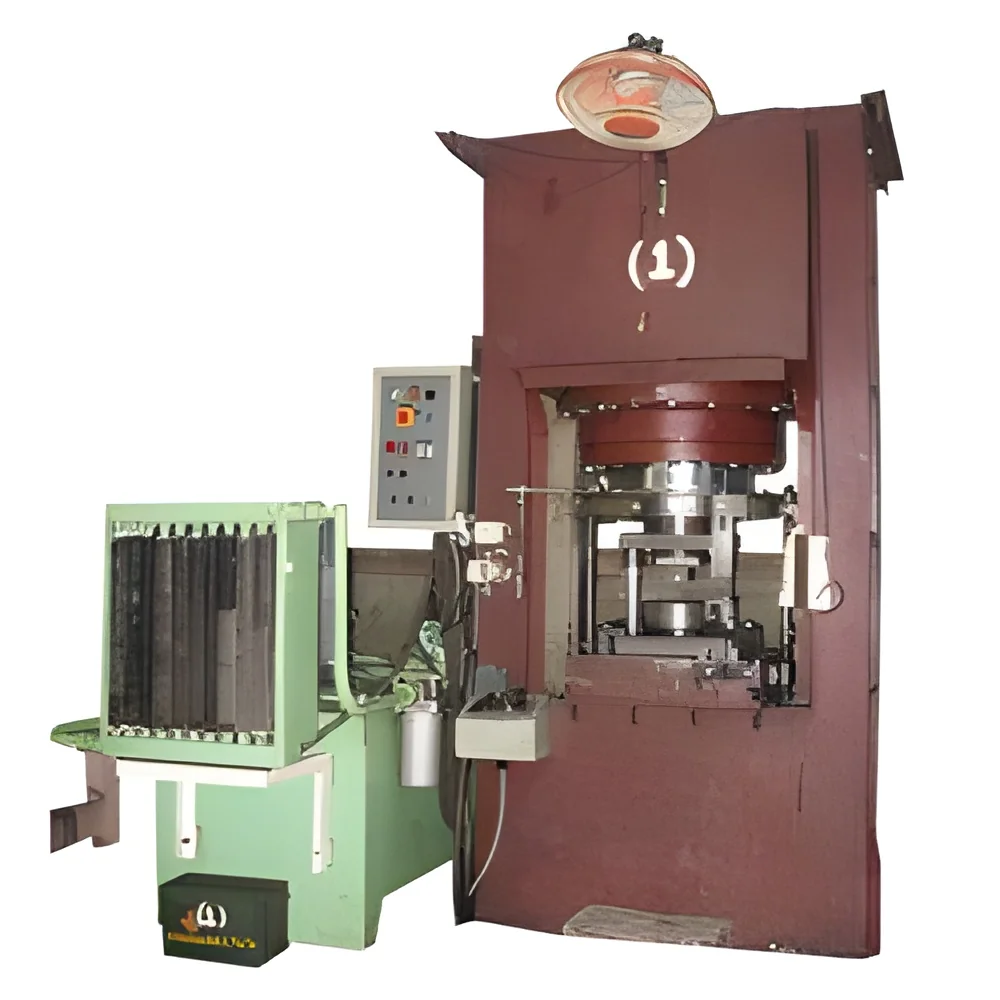
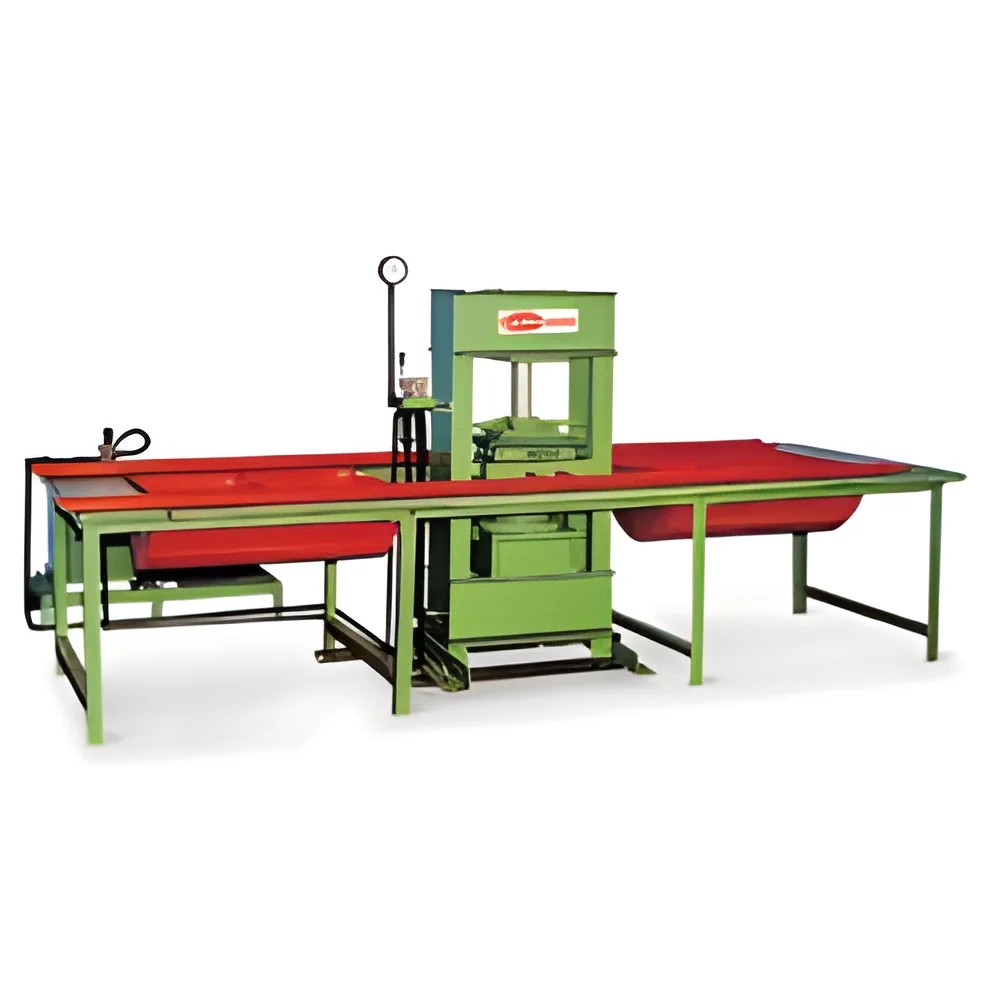
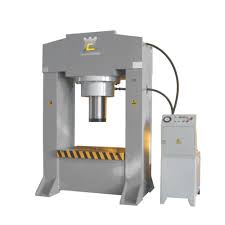
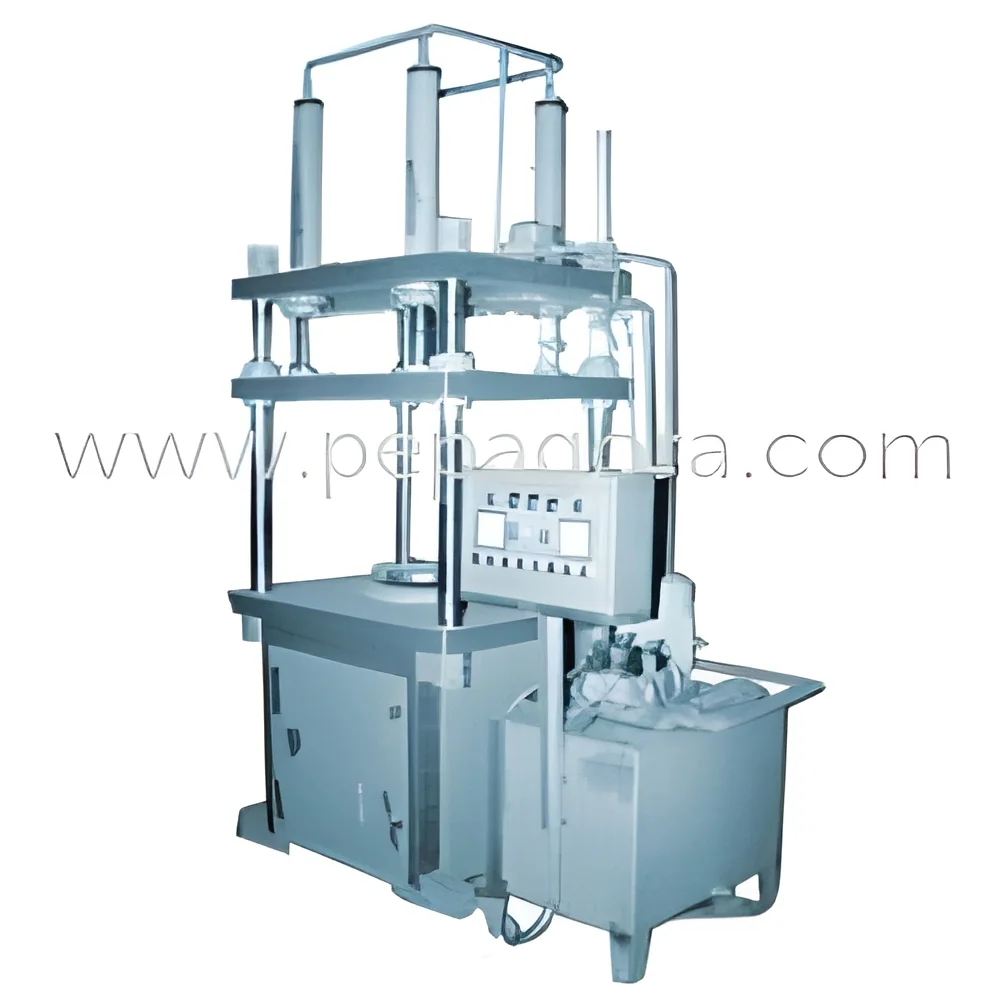
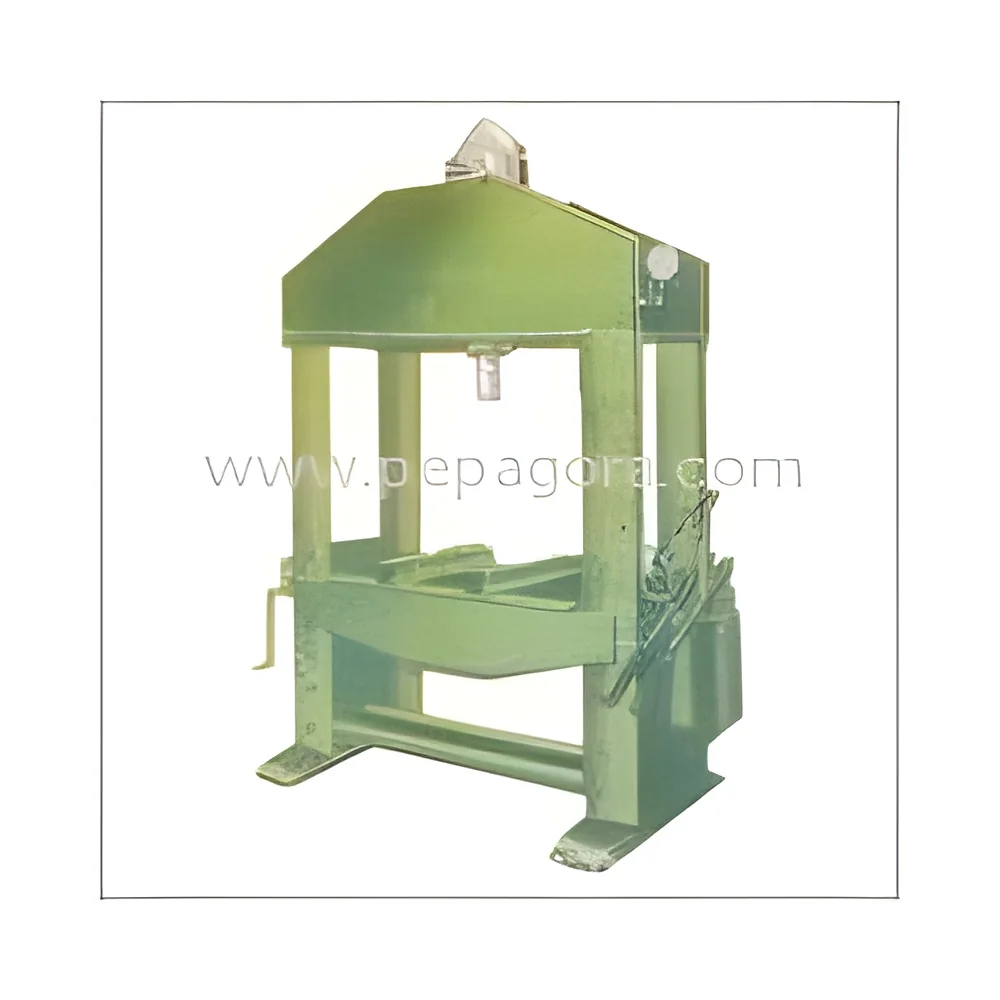
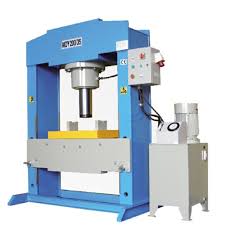
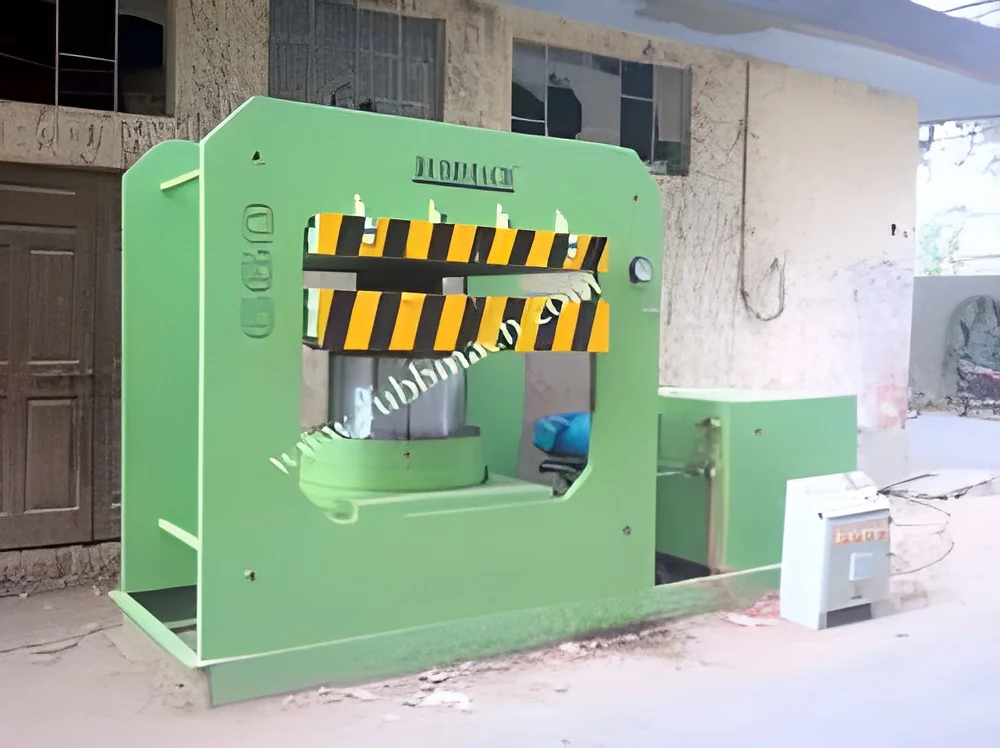
Hydraulic press machines are designed for heavy-duty applications, utilizing hydraulic fluid to generate high force. They are ideal for metal forming, molding, and stamping applications. Their ability to control pressure and speed makes them suitable for complex manufacturing tasks.
Pneumatic Press Machines
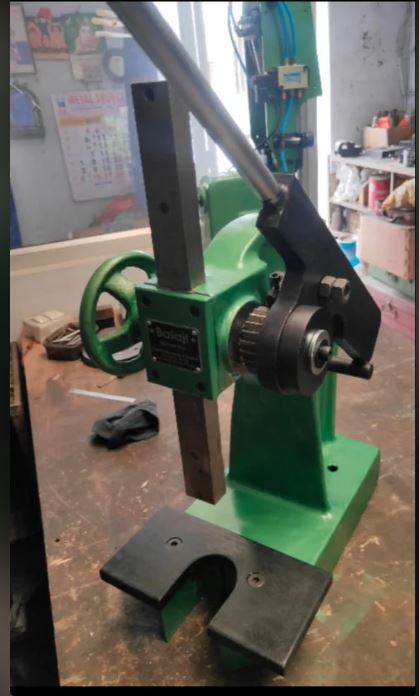
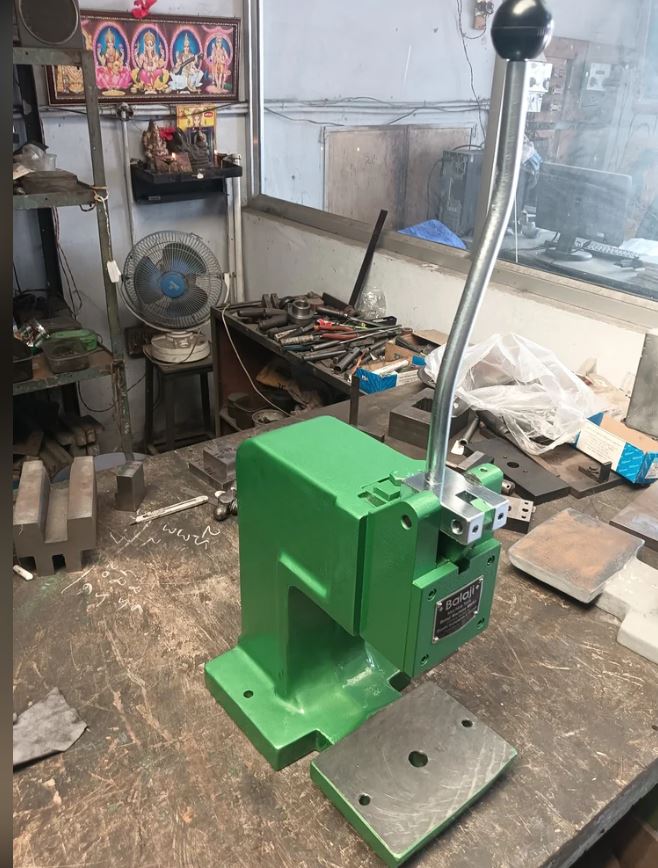
Pneumatic press machines use compressed air to operate. They are often favored for operations requiring quick cycle times and less force compared to hydraulic models. These presses are commonly used in assembly lines, packaging, and lighter manufacturing tasks.
Benefits and Advantages
Investing in press machines offers numerous advantages for businesses in various industries.
1. High Efficiency: Press machines significantly reduce production times, allowing for higher output and improved operational efficiency.
2. Precision: These machines provide accurate and consistent results, ensuring high-quality products with minimal defects.
3. Versatility: With various configurations and force capacities, press machines can be adapted to handle a wide range of applications.
4. Cost-Effectiveness: By automating processes, businesses can lower labor costs and reduce material waste, improving overall profitability.
5. Safety Features: Modern press machines include advanced safety mechanisms that protect operators and minimize workplace accidents.
6. Durability: Built to withstand rigorous industrial environments, press machines offer long service life and reliability.
Buying Guide for B2B Buyers
When sourcing press machines, businesses should consider several critical factors to ensure they choose the right equipment for their needs.
1. Quality Assessment: Evaluate the machine's construction quality, including materials and engineering standards. Ensure the product meets industry benchmarks.
2. Supplier Verification: Investigate potential suppliers by checking their reputation, experience, and customer reviews. This helps ensure reliability and quality.
3. Pricing and MOQ: Understand the pricing structure and minimum order quantity (MOQ) requirements. Compare prices among suppliers to find the best value.
4. Delivery and Lead Times: Discuss delivery schedules and lead times with suppliers. Ensure they can meet your operational deadlines.
5. Compliance Requirements: Verify that the machines comply with relevant industry regulations and safety standards, such as CE and UL certifications.
Compliance and Certifications
Compliance with industry standards and certifications is crucial for press machines to ensure quality and safety.
Manufacturers should adhere to quality standards like ISO 9001, which outlines criteria for a quality management system. This certification demonstrates the manufacturer's commitment to quality and continuous improvement.
Industry certifications, such as CE and UL, are essential for ensuring that machines meet safety and performance requirements. These certifications provide assurance that the equipment has been tested and complies with relevant safety regulations.
Moreover, safety and testing requirements play a significant role in the operation of press machines. Regular inspections and adherence to safety protocols are necessary to protect operators and maintain machine performance.
Regional compliance considerations are also important, as regulations may vary by country or region. Businesses must ensure that their equipment meets local standards to avoid legal issues and ensure safe operation.
Why Source Press Machines (Hydraulic & Pneumatic) from Pepagora?
Pepagora offers a trusted platform for sourcing press machines, providing several key advantages that benefit B2B buyers.
Verified Supplier Network: Pepagora connects buyers with a network of verified suppliers. Each supplier undergoes a thorough vetting process to ensure reliability and quality, giving buyers peace of mind.
Streamlined RFQ Process: The platform features a streamlined request for quotation (RFQ) process. Buyers can easily submit their requirements and receive competitive quotes from multiple suppliers, saving time and effort.
Trade Assurance and Support: Pepagora offers trade assurance to protect buyers during transactions. The platform provides support to address any issues that may arise, ensuring a smooth purchasing experience.
Regional Coverage: With a focus on markets in India, the GCC, and Southeast Asia, Pepagora provides extensive regional coverage. This allows businesses to access a wide range of suppliers and products tailored to their specific regional needs.

 IN
IN