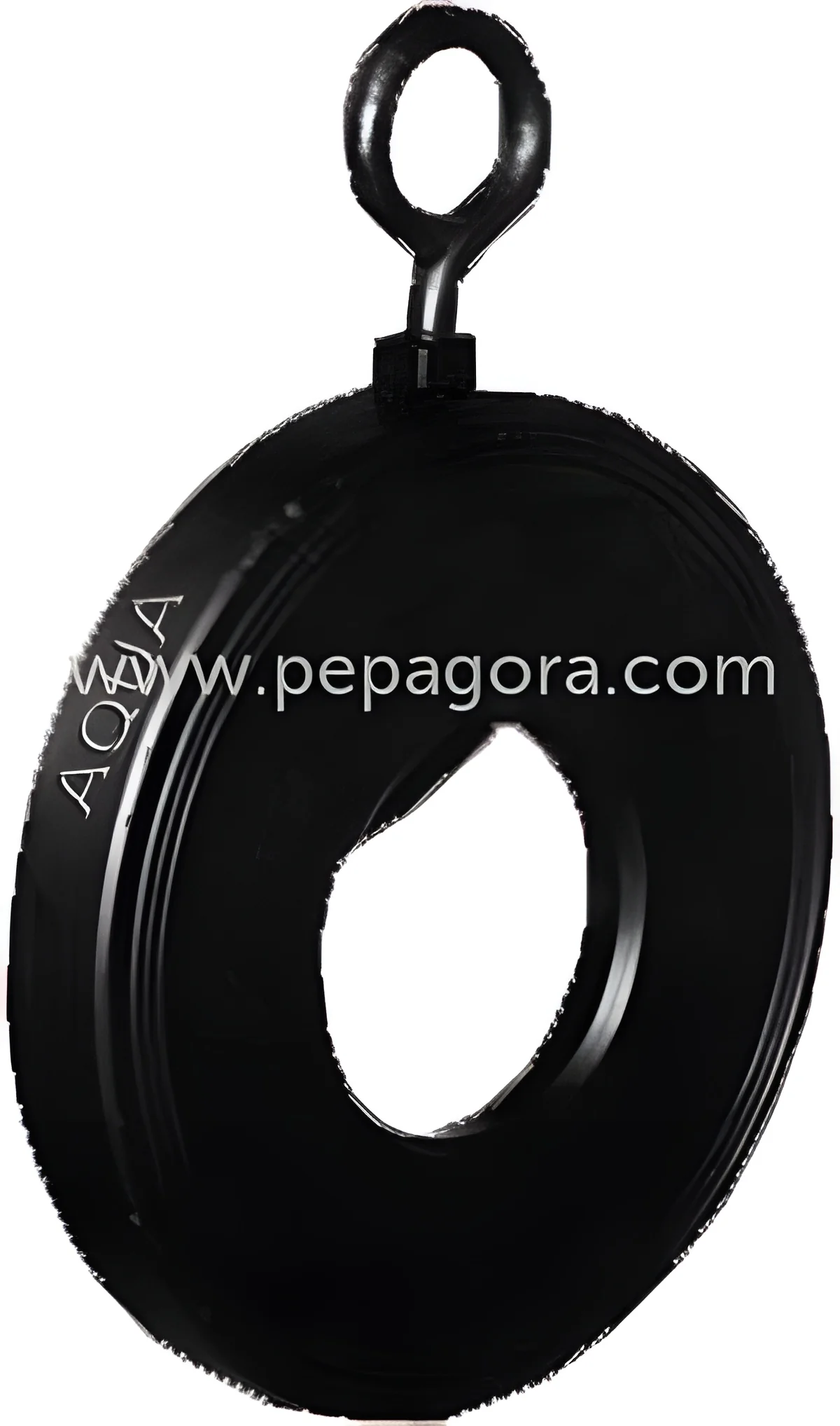
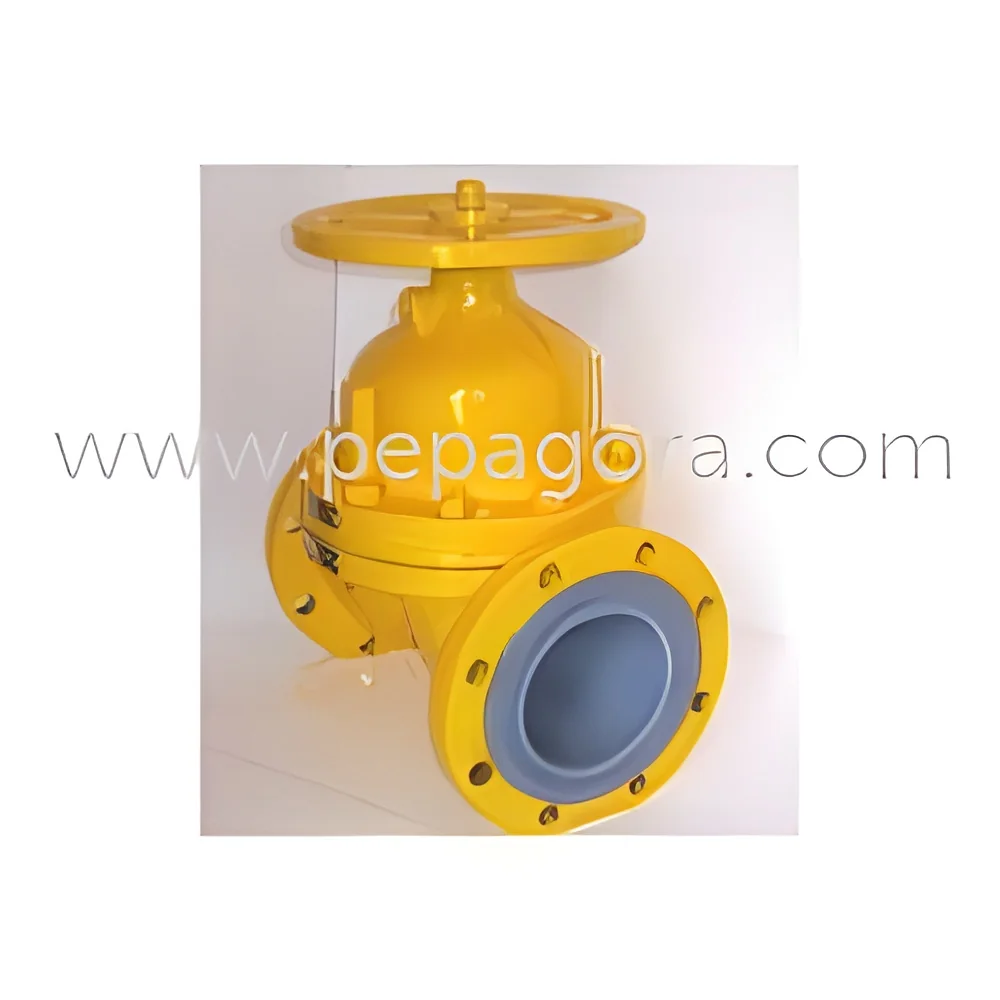
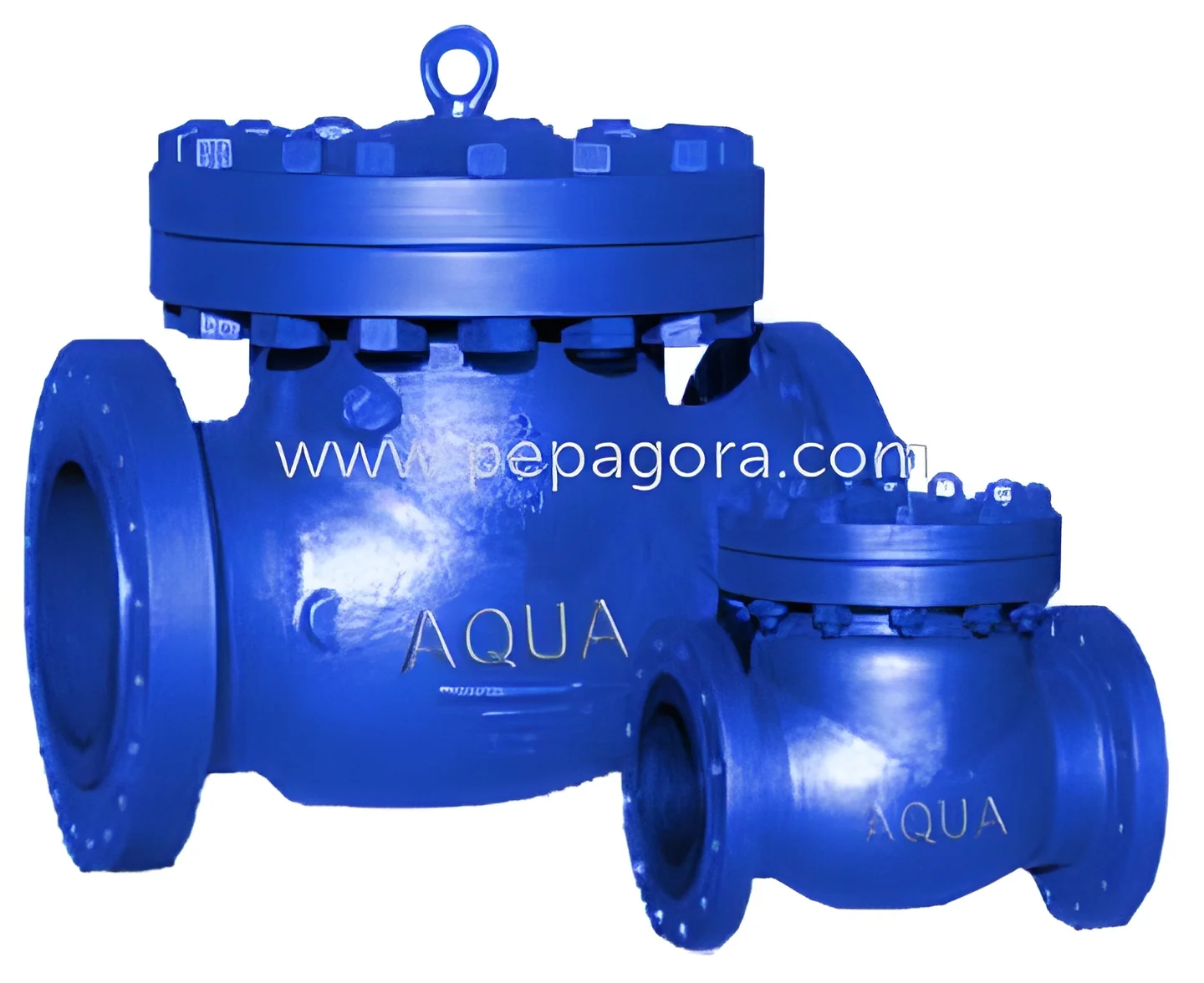
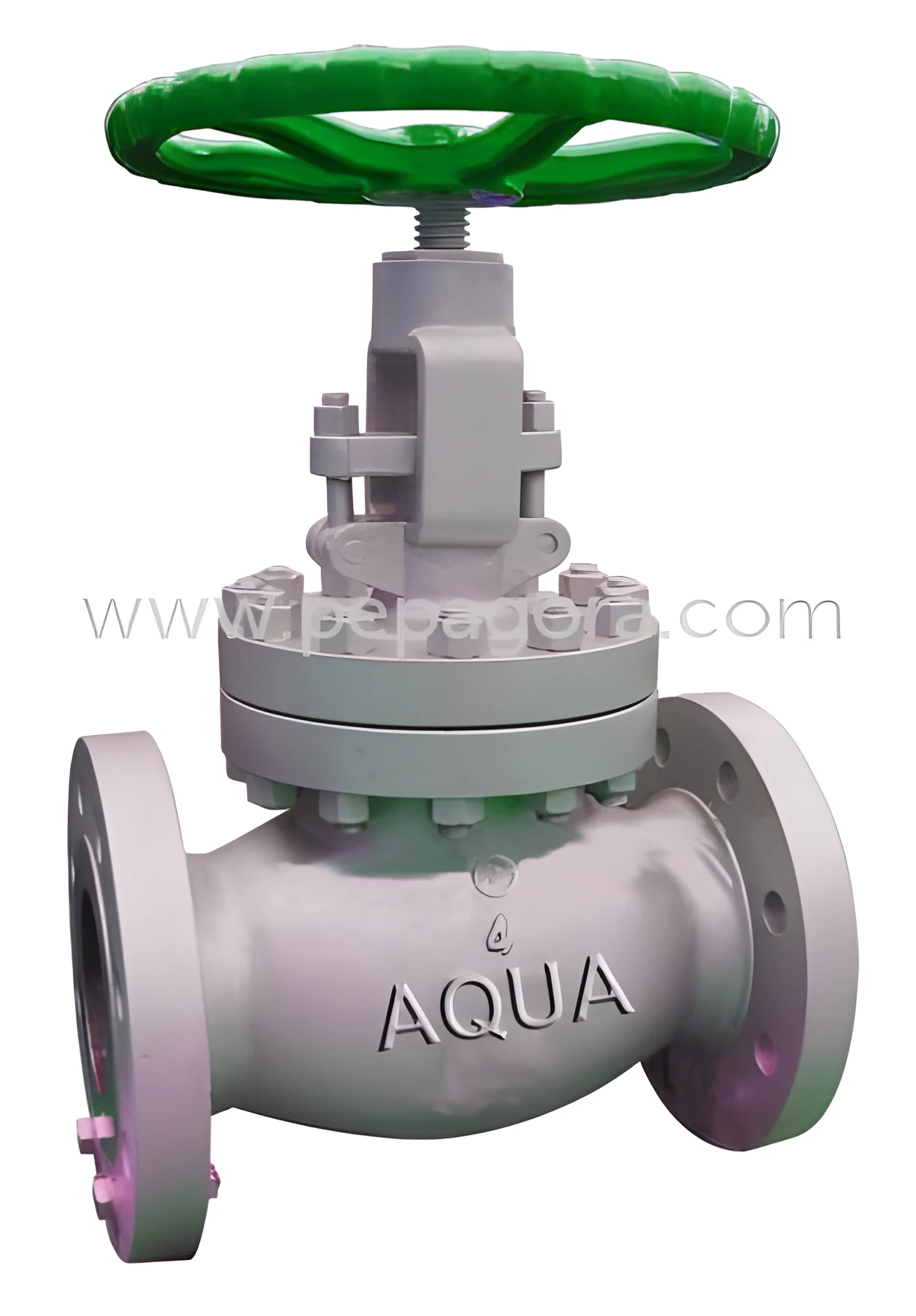
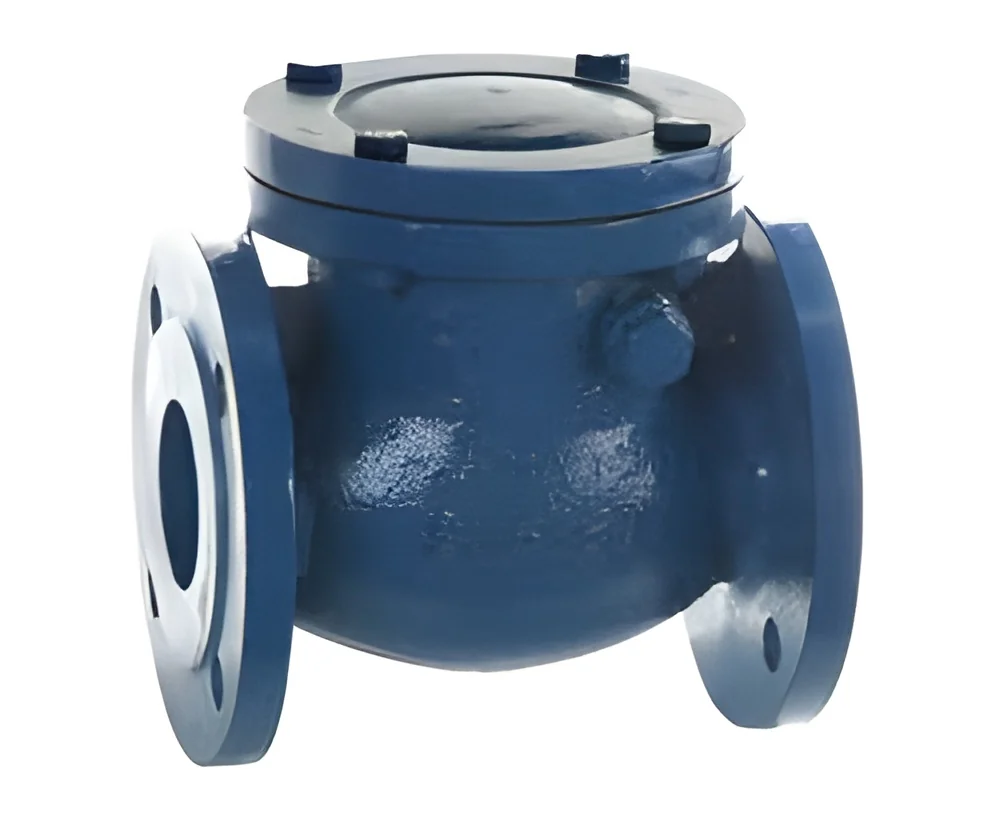
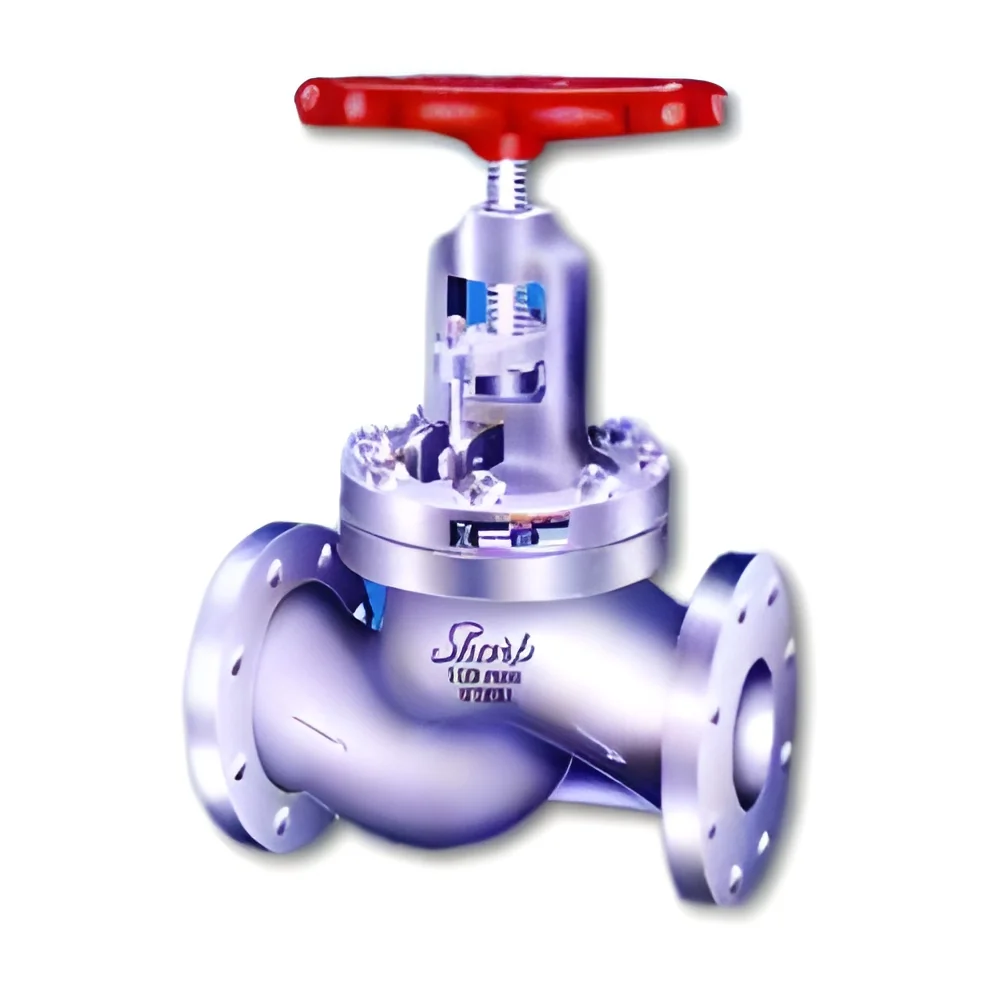
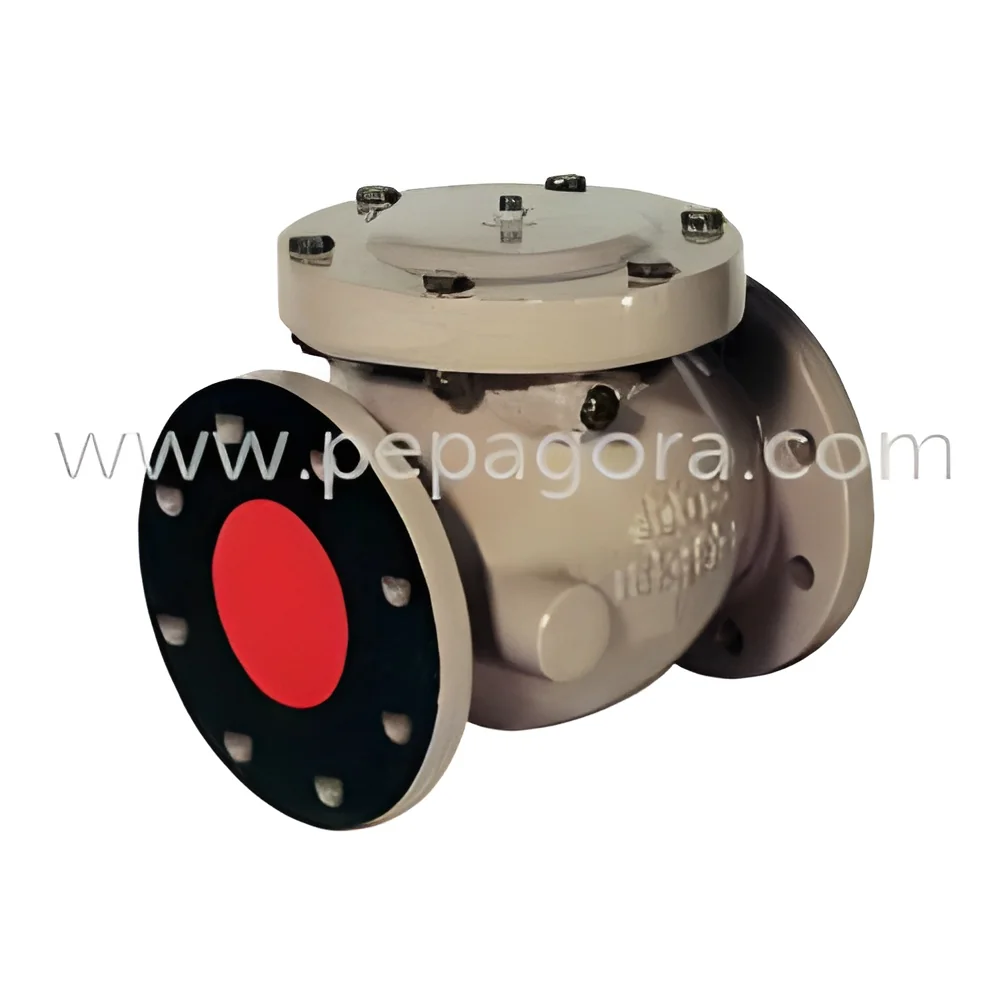
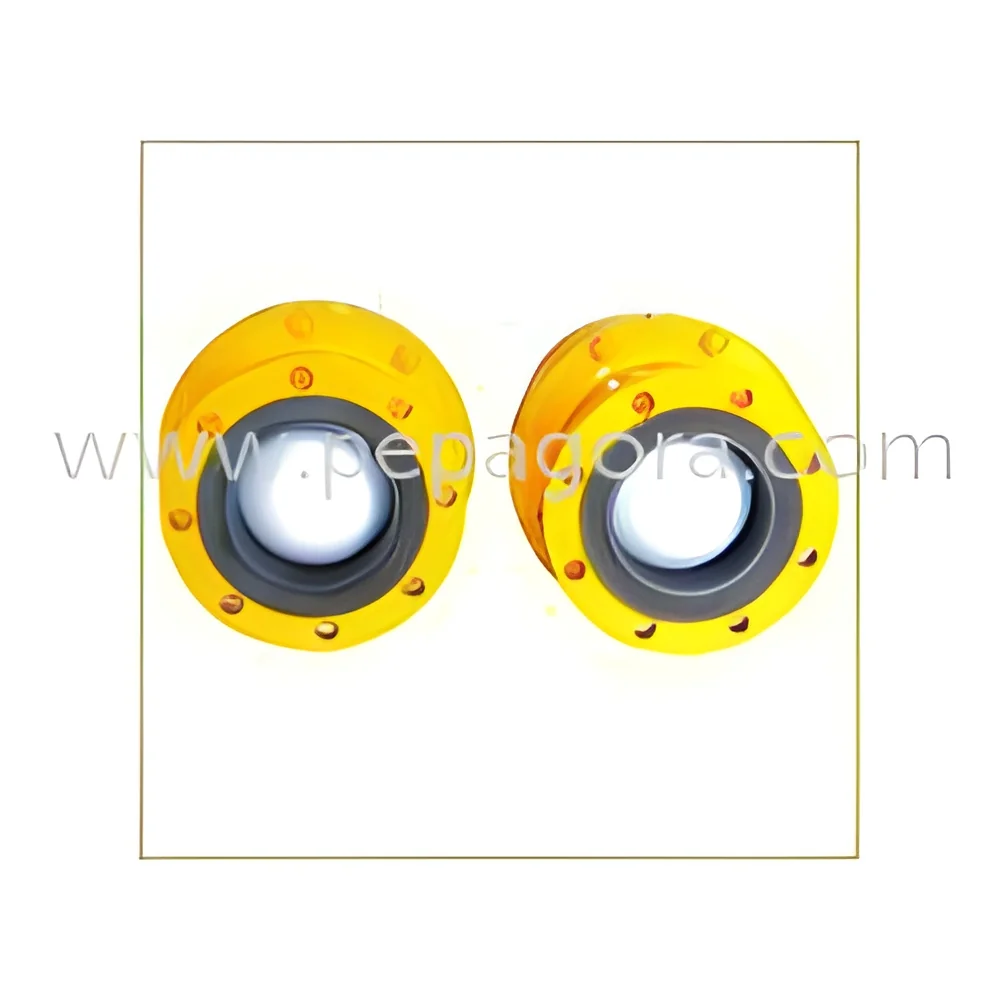
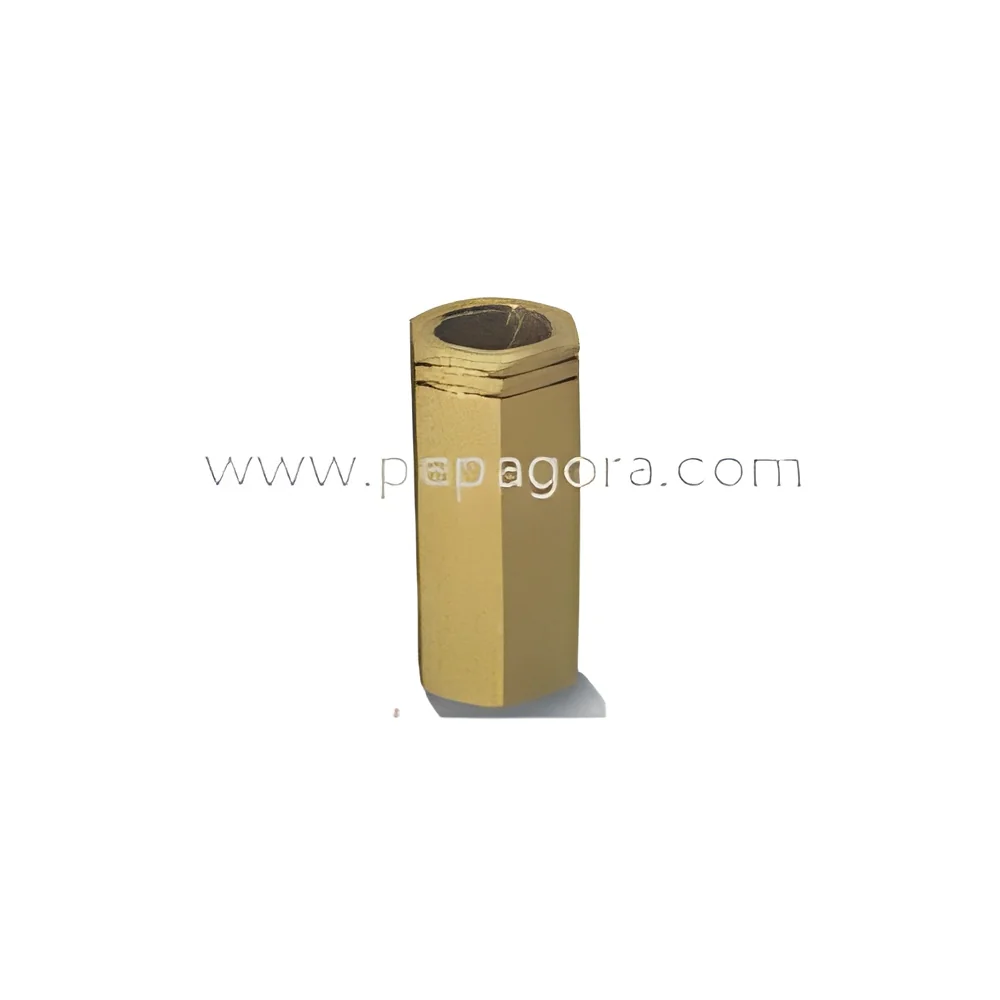
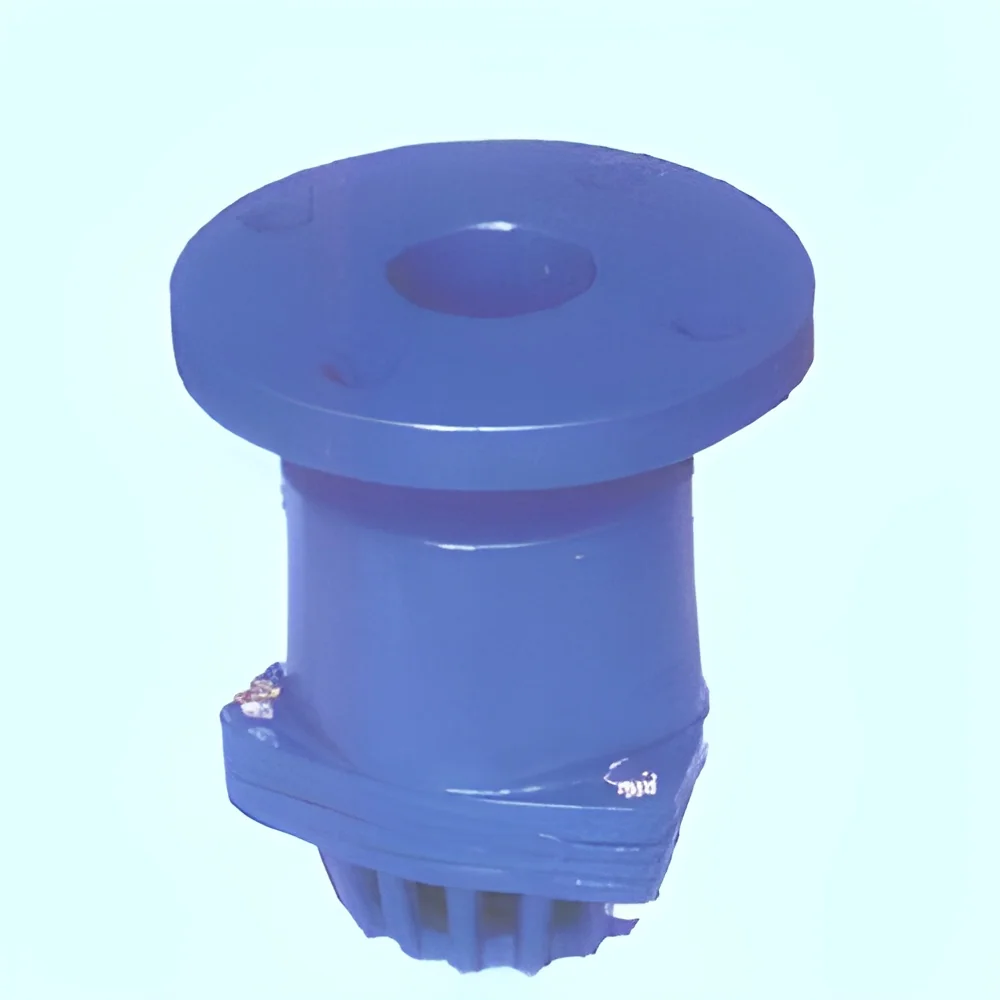
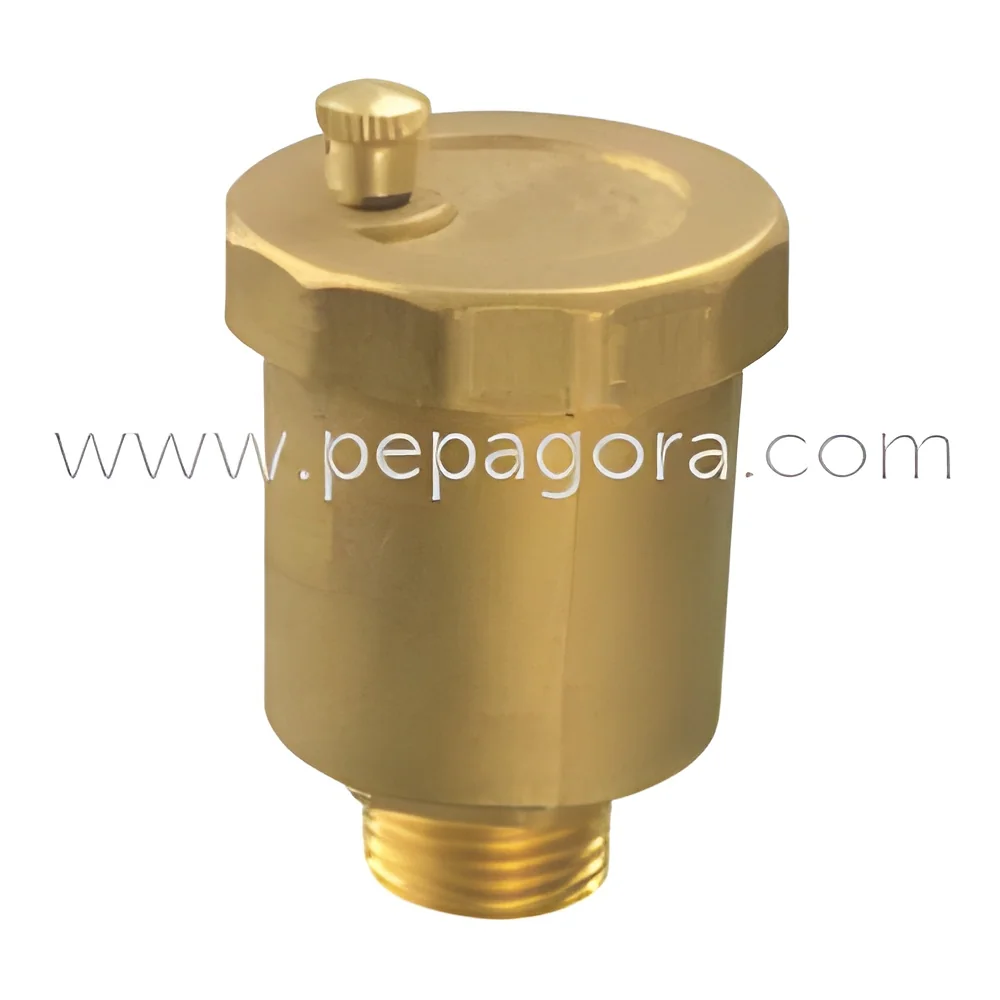
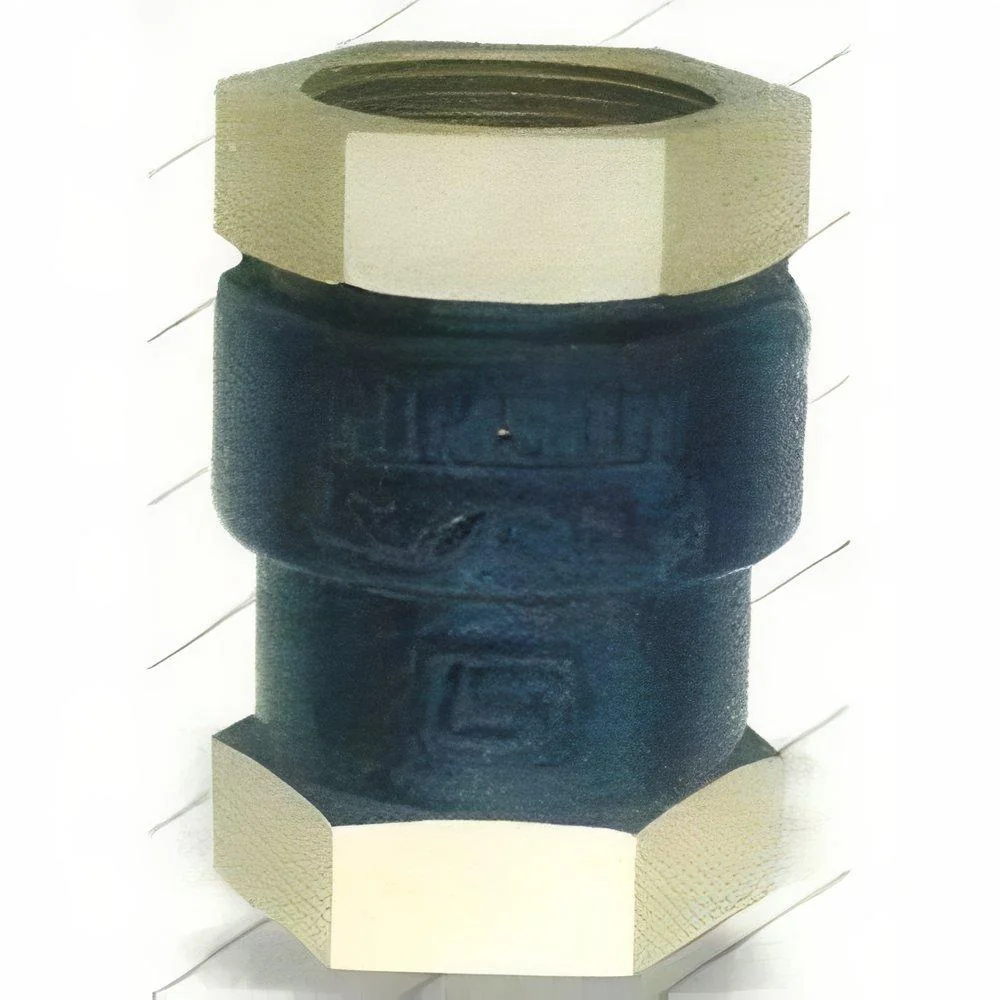
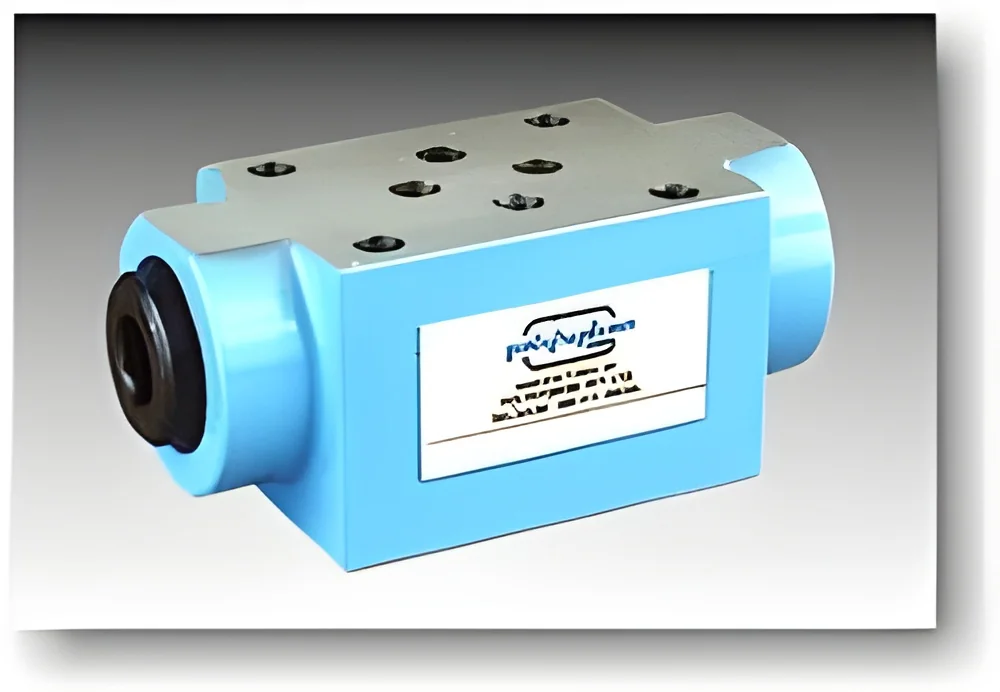
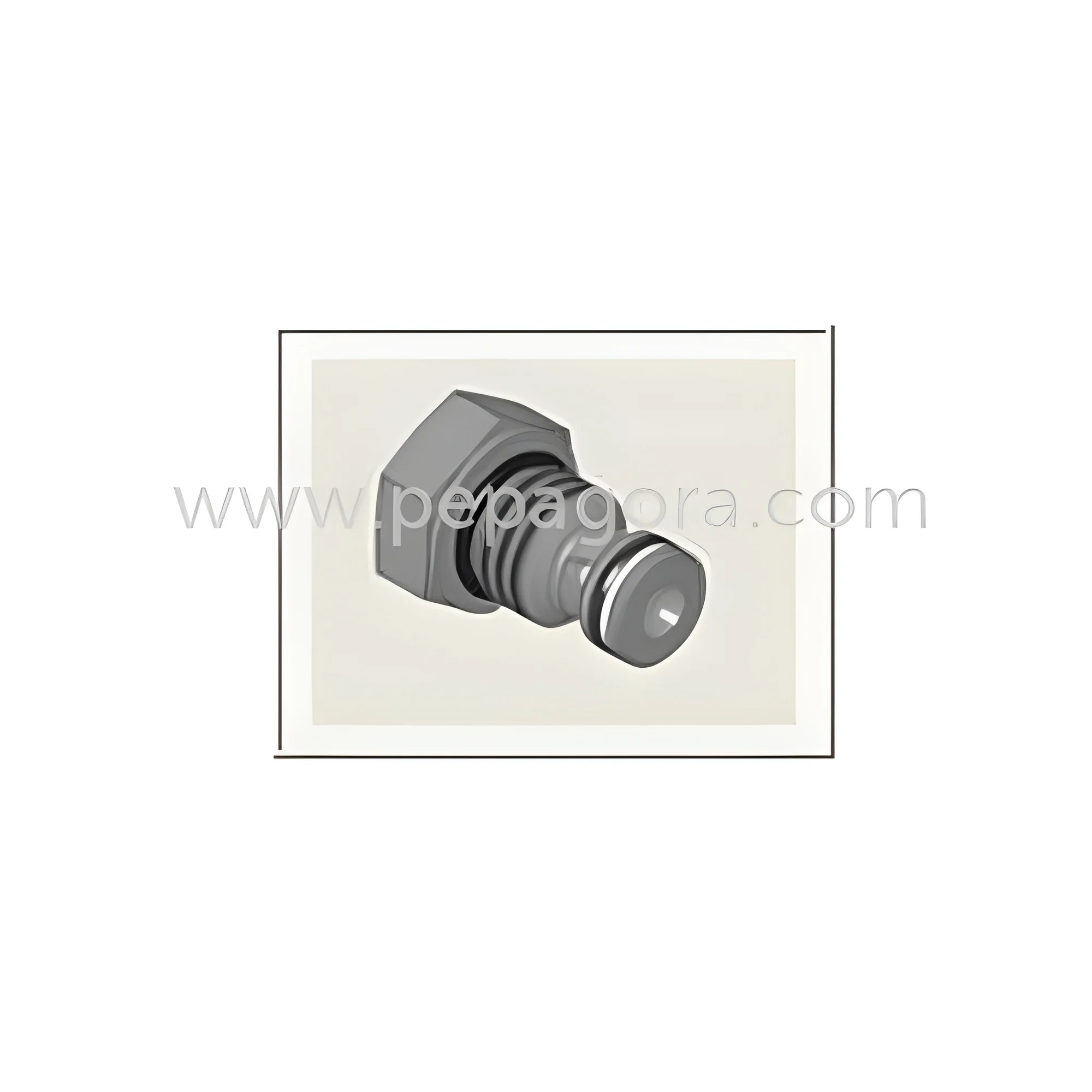
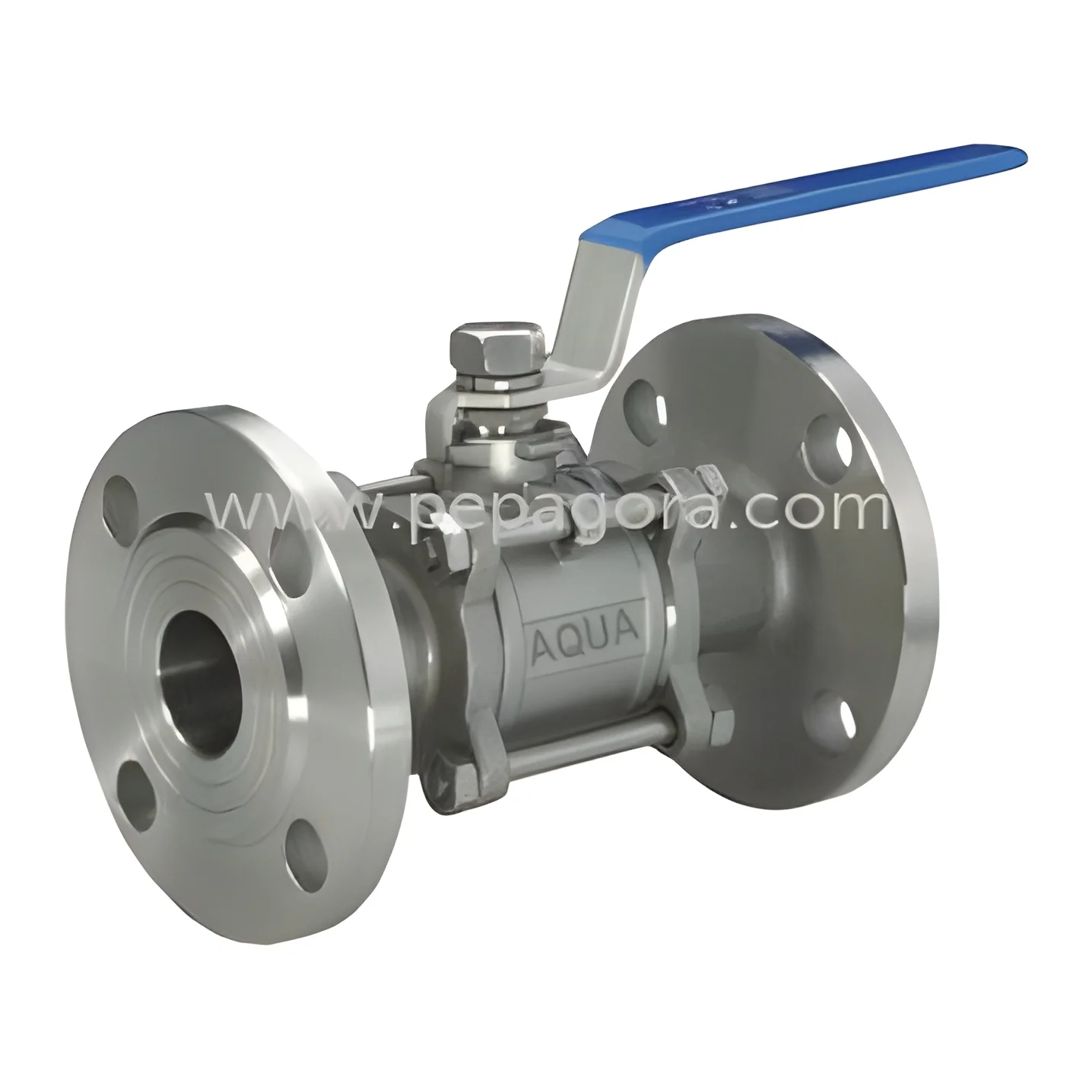
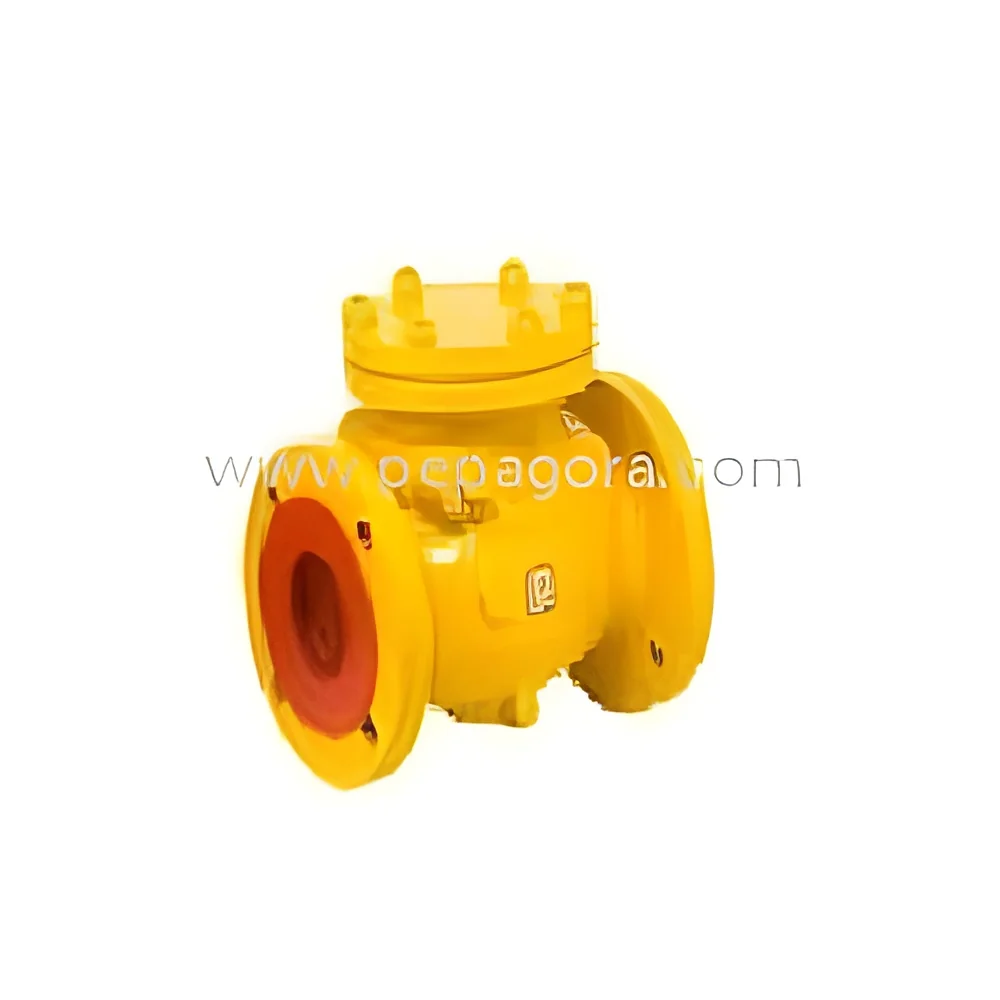
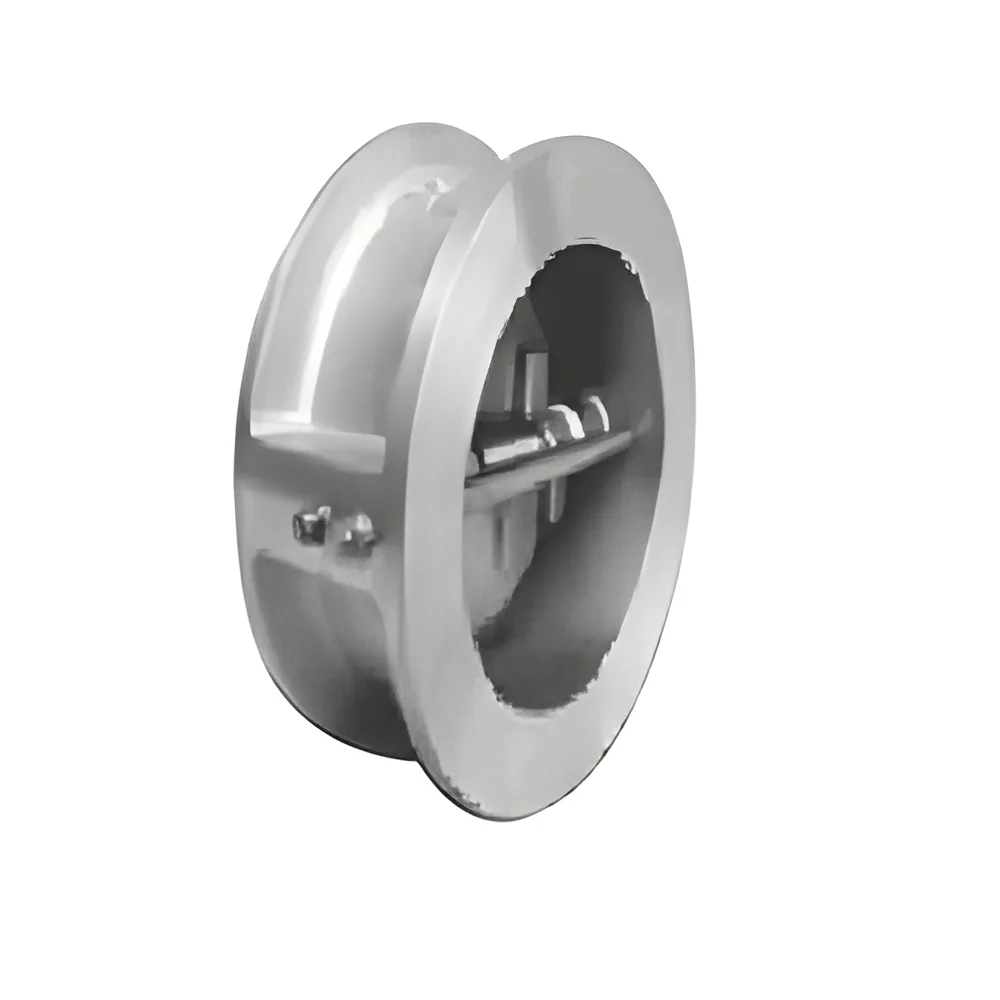
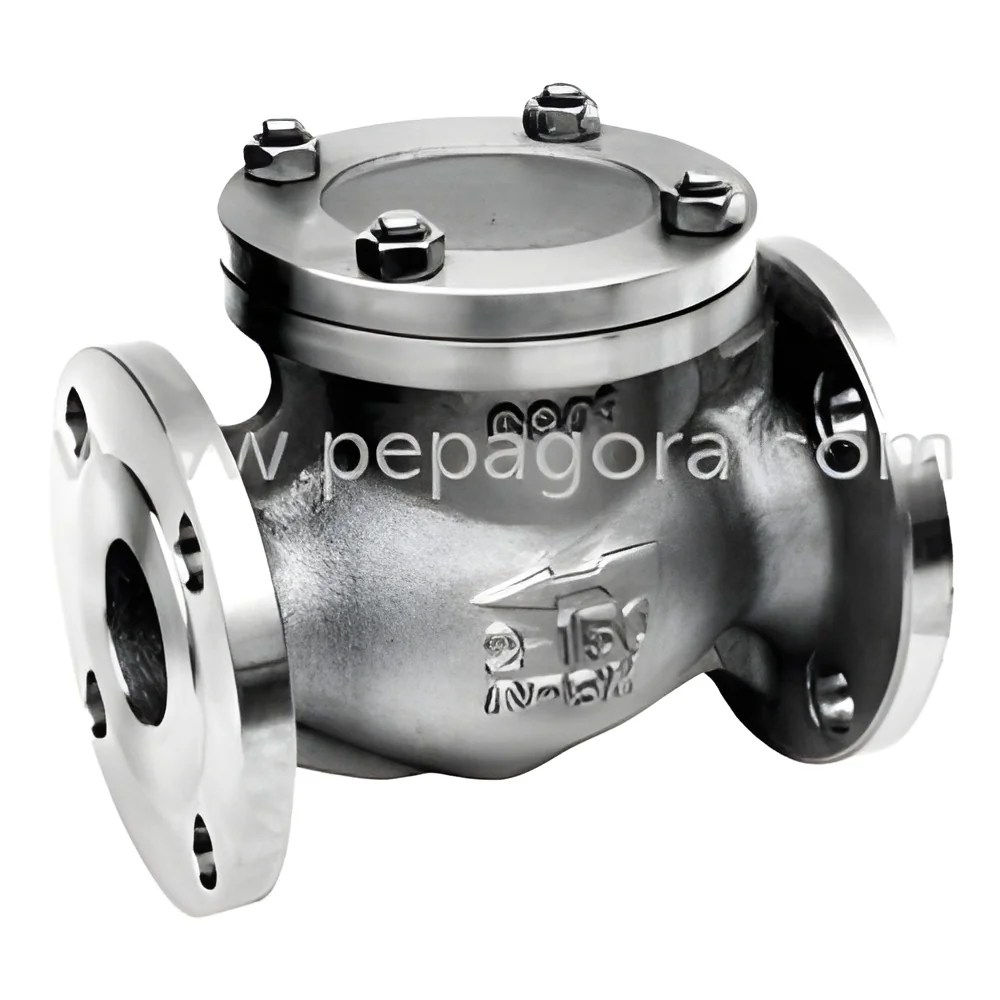
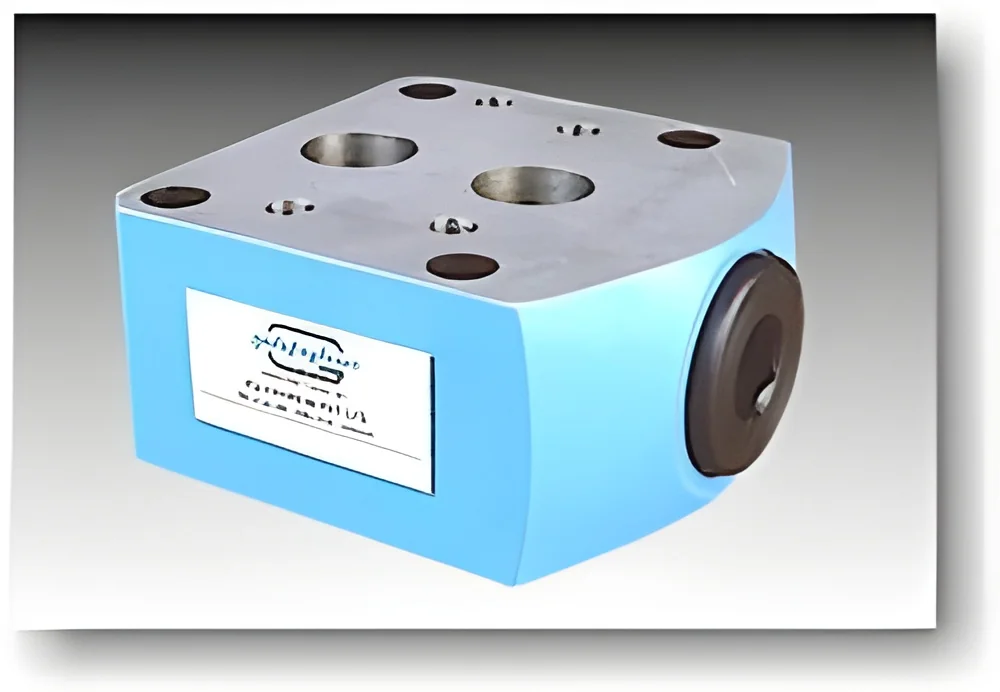
What are Check Valves?
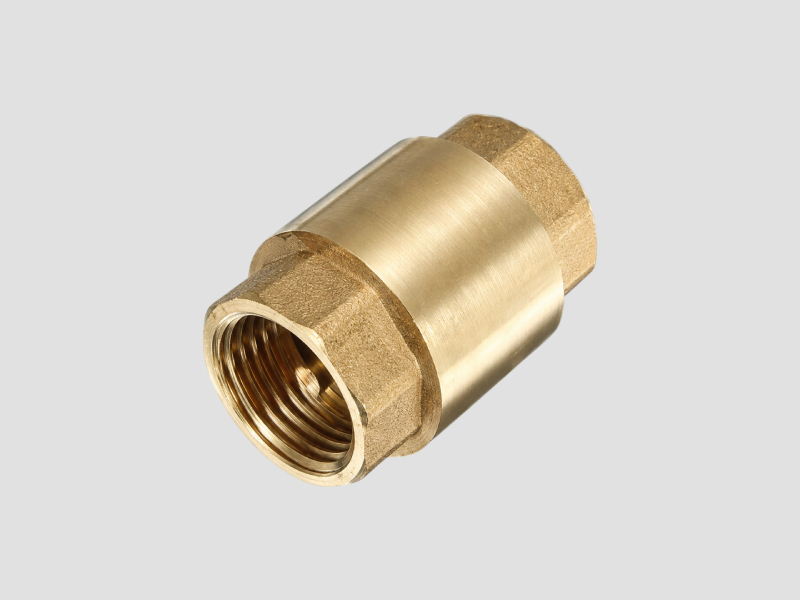
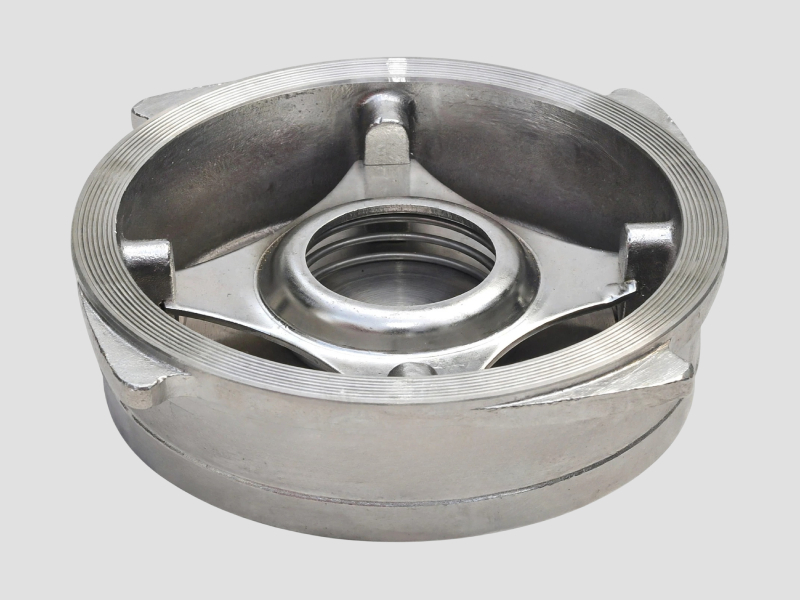
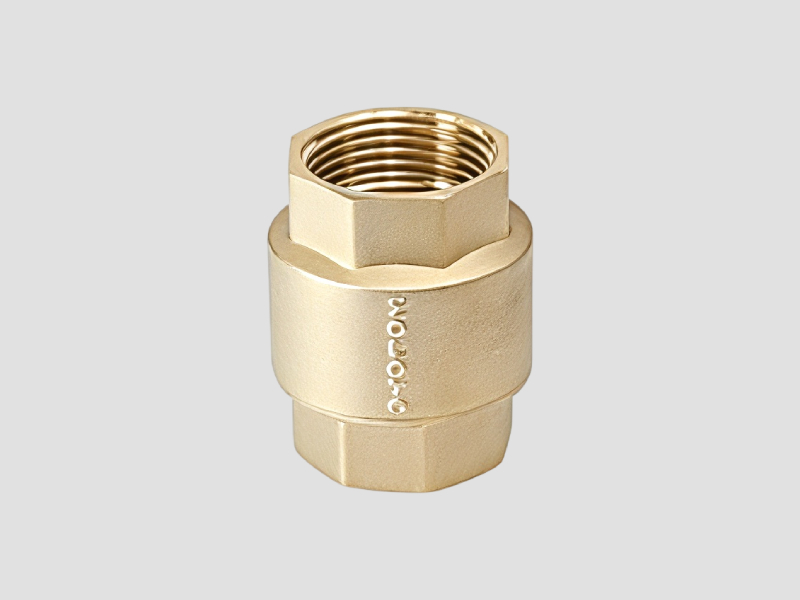
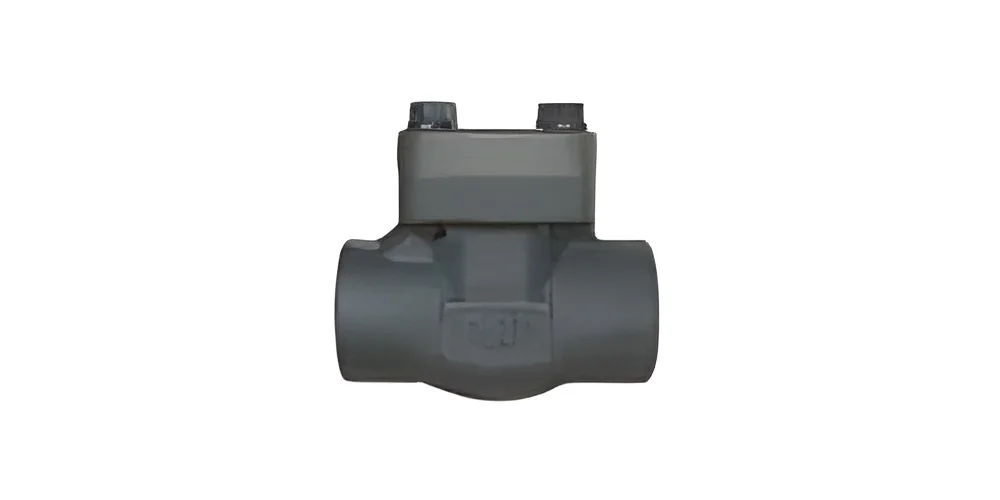
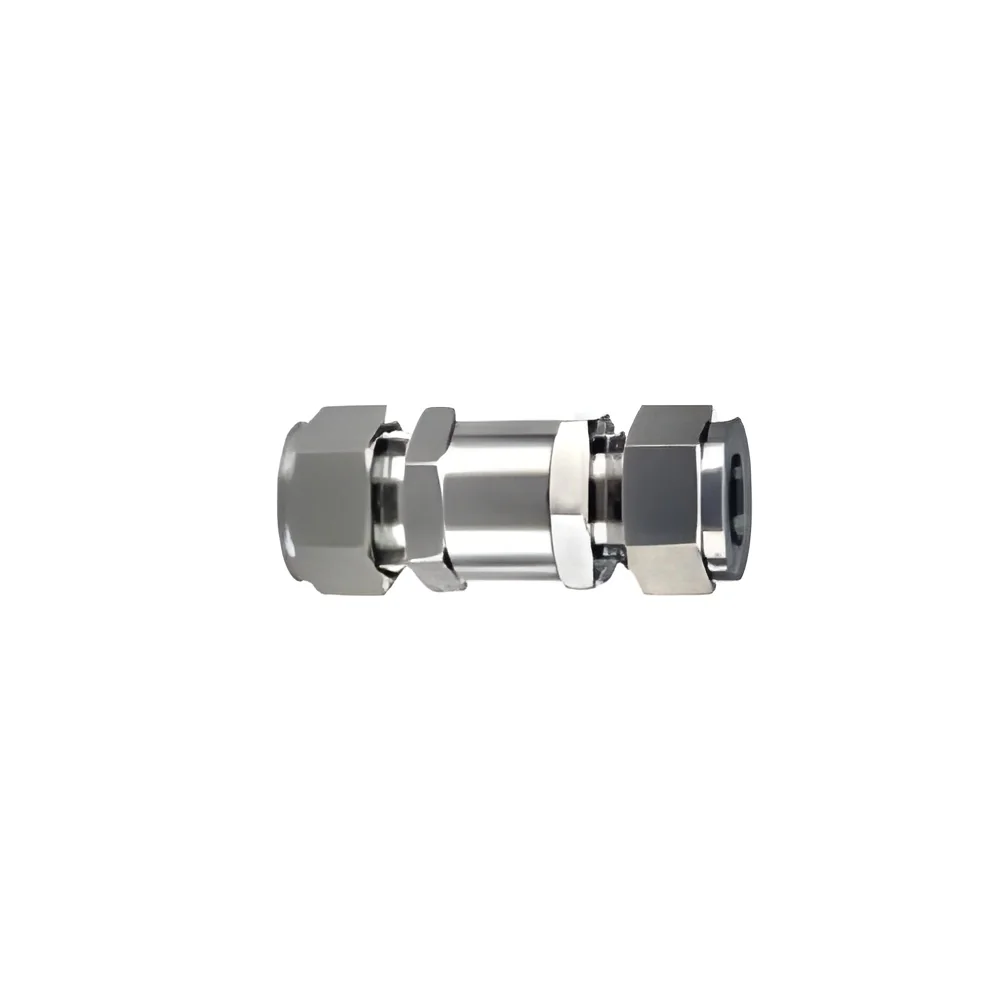
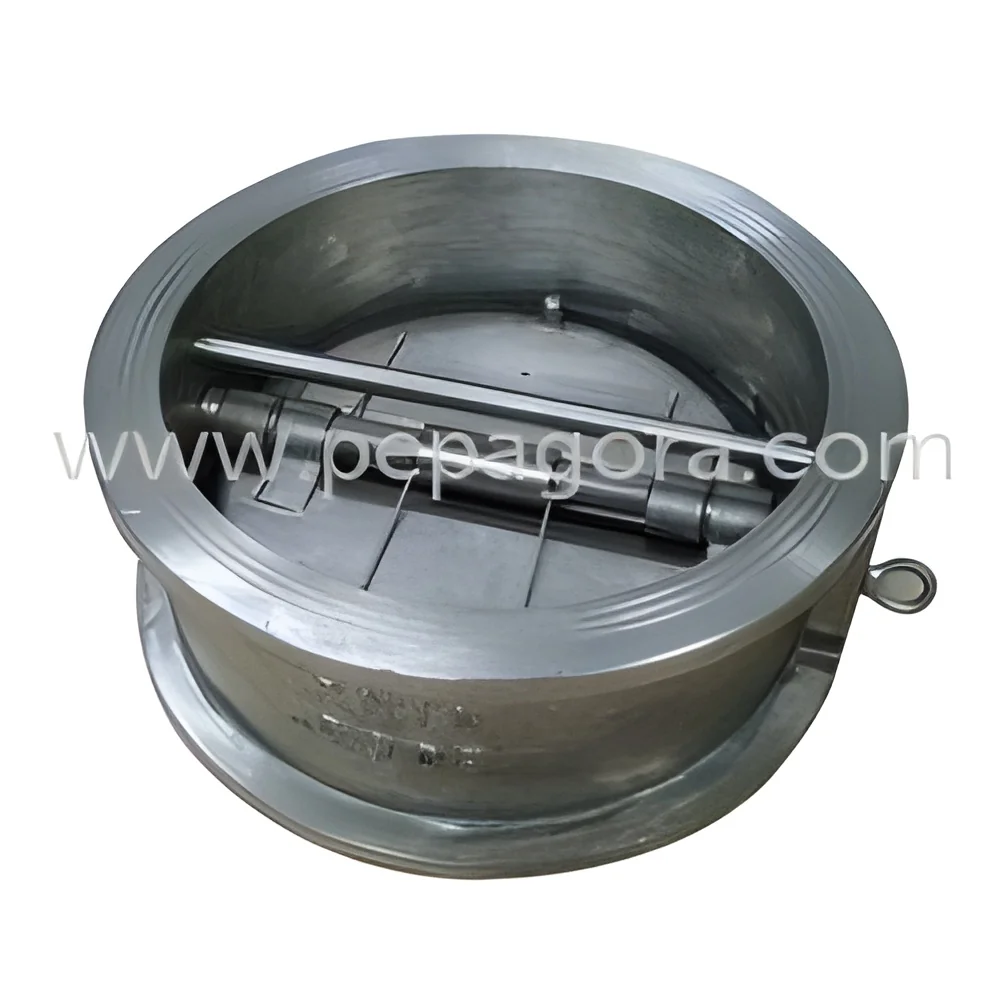
Check valves are essential components in various fluid systems, designed to allow the flow of liquid or gas in one direction while preventing backflow. These valves operate automatically, utilizing the pressure difference between the upstream and downstream sides to open and close. This automatic mechanism ensures the integrity and efficiency of fluid systems, protecting equipment from potential damage caused by reverse flow.
In industrial settings, check valves are commonly used in pipelines, pumps, and other equipment where backflow can lead to operational issues. They are critical in applications such as water supply systems, wastewater treatment, and chemical processing. Their ability to maintain proper flow direction makes them indispensable in many sectors, including oil and gas, pharmaceuticals, and food and beverage production. As industries continue to focus on efficiency and safety, the demand for reliable check valves remains strong.
Key Features and Specifications
Check valves come with various features and specifications that cater to different industrial needs. Understanding these specifications helps in selecting the right valve for specific applications.
Key specifications include:
1. Material Construction
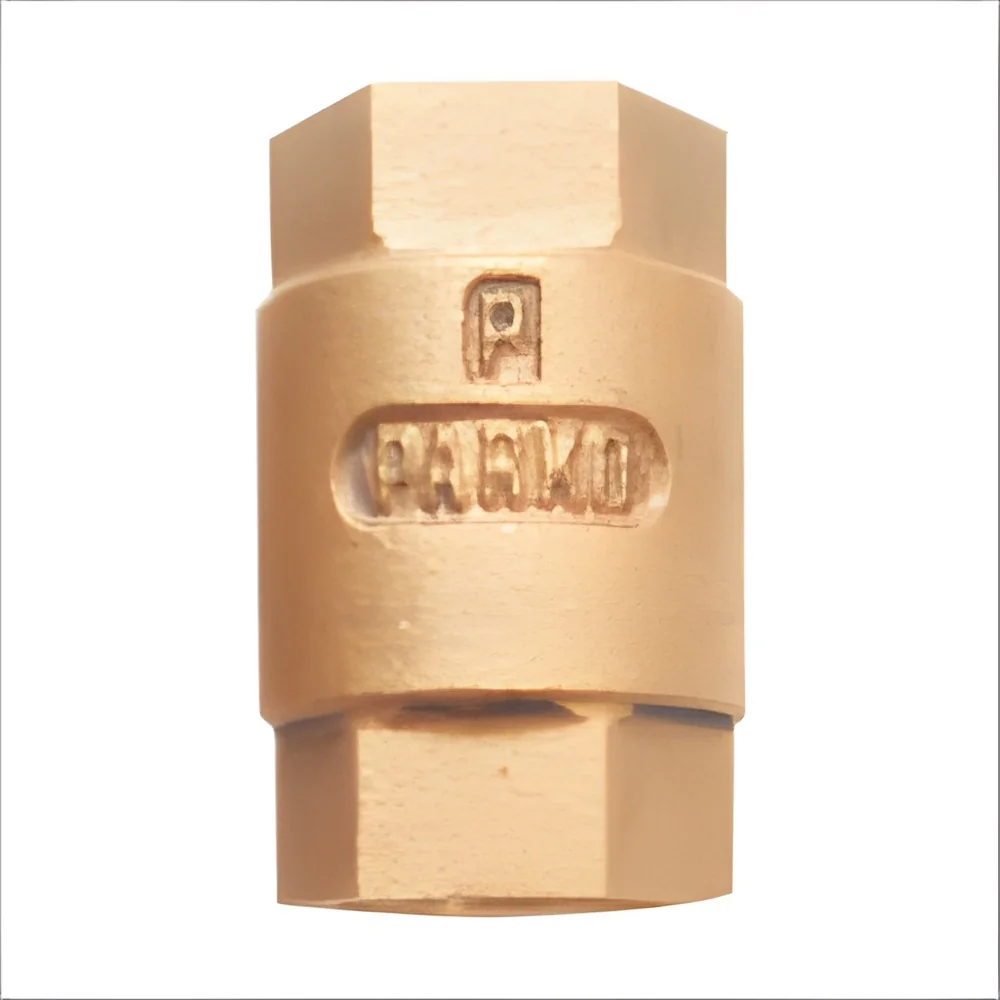
- Check valves can be made from brass, stainless steel, or plastic.
- Selection depends on the fluid type and operating conditions.
2. Pressure Rating
- Check valves are designed to withstand specific pressure levels.
- Common ratings range from 150 psi to 600 psi or higher.
3. Size and Diameter
- Available in various diameters, typically from 1/2 inch to 6 inches.
- Size selection is crucial for compatibility with existing systems.
4. Temperature Range
- Check valves operate effectively within certain temperature limits.
- Specific ranges not available, but typically designed for general industrial use.
5. End Connections
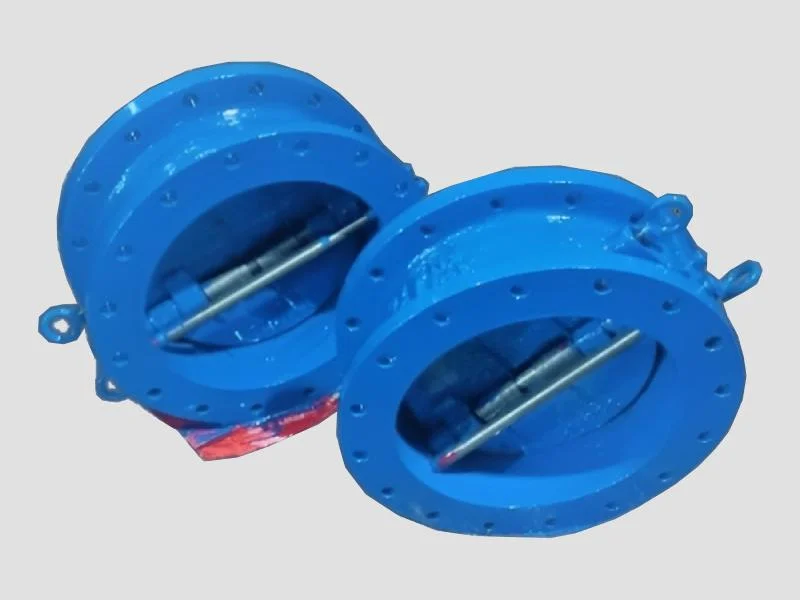
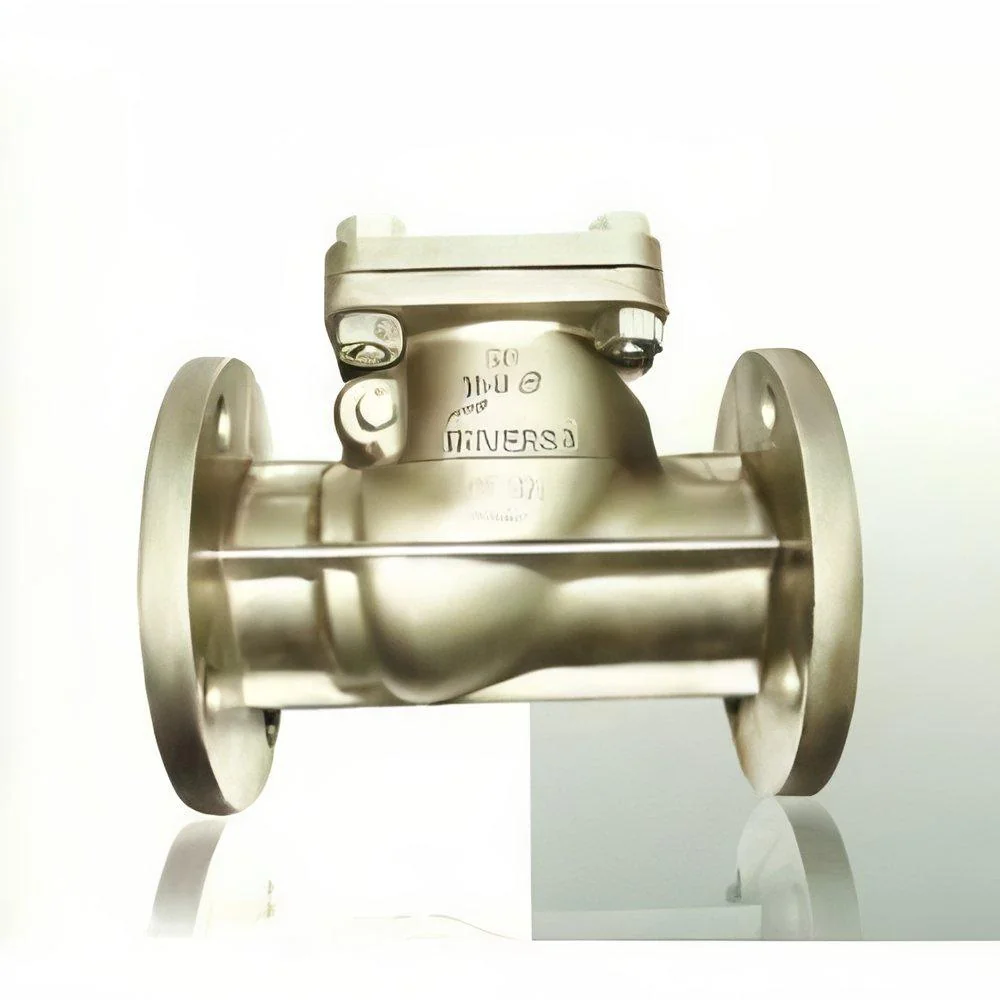
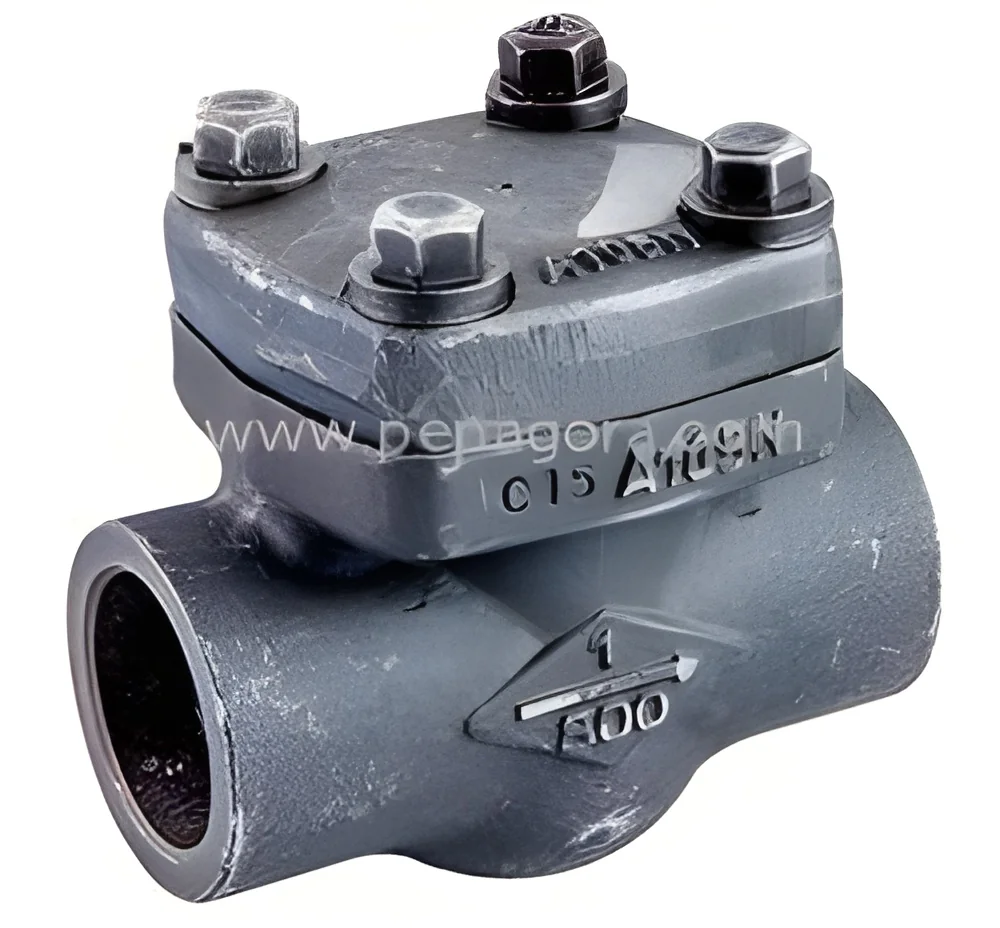
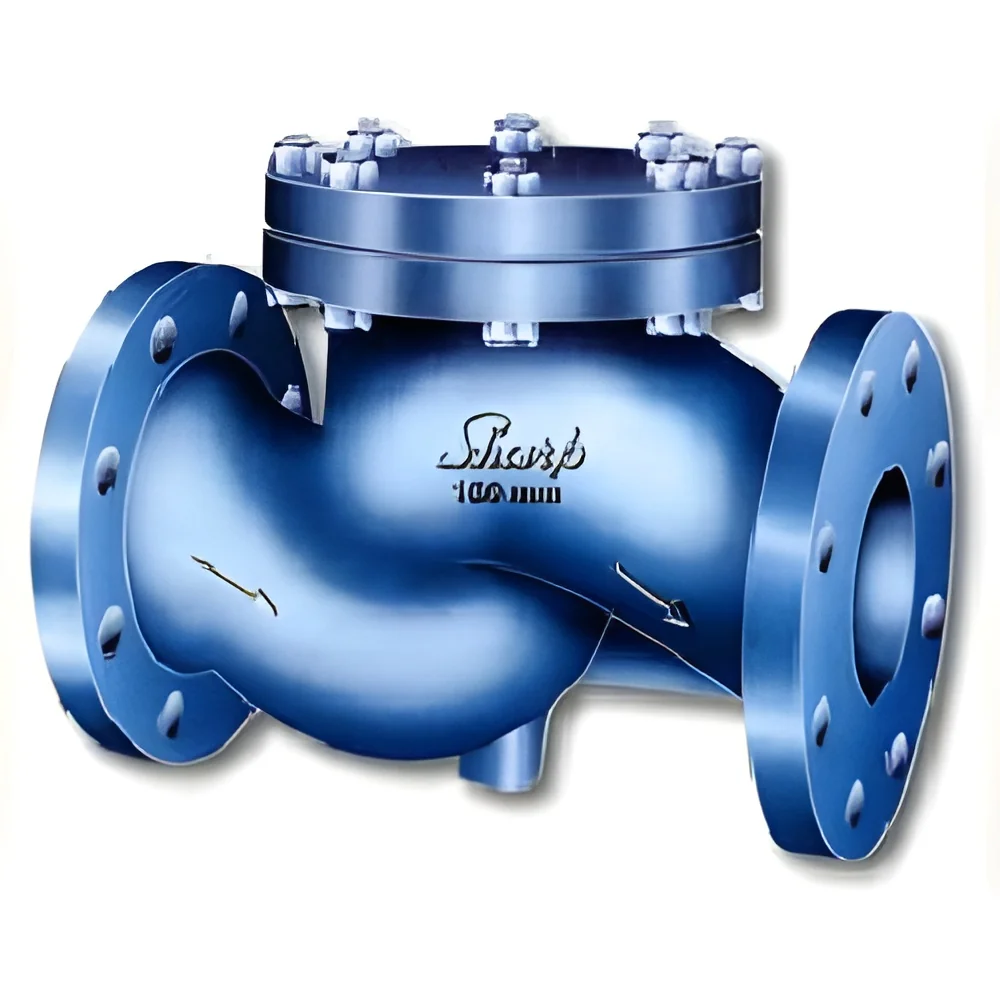
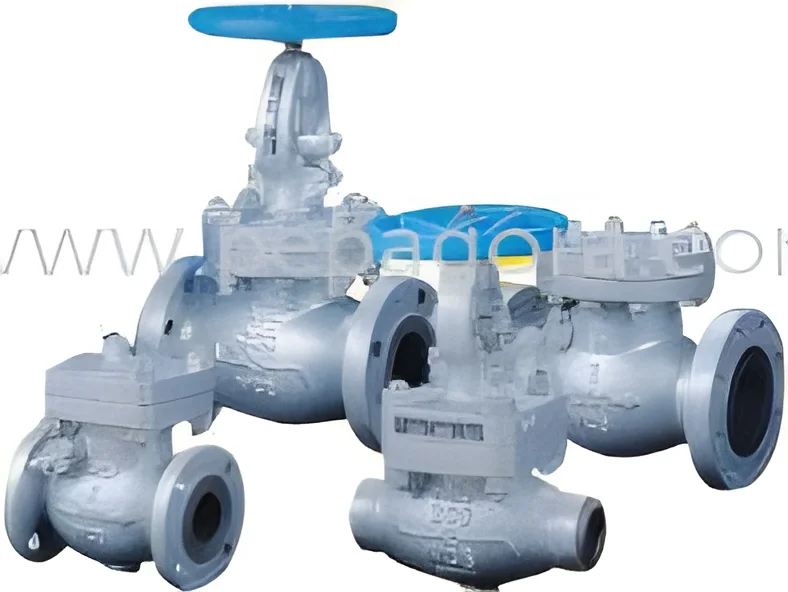
- Check valves can have threaded, flanged, or socket connections.
- Connection type should match the system requirements.
6. Flow Coefficient (Cv)
- Indicates the flow capacity of the valve.
- Higher Cv values allow for greater flow rates.
7. Type of Check Valve
- Includes swing, lift, and ball check valves.
- Each type has unique operational characteristics.
8. Compliance and Certifications
- Many check valves meet industry certifications, such as CE.
- Ensures adherence to quality and safety standards.
Understanding these features helps buyers make informed decisions based on their specific operational needs.
Common Applications and Use Cases
Check valves serve a wide range of industries, ensuring safe and efficient fluid flow management.
1. Water and Wastewater Treatment: Used to prevent backflow in treatment facilities, ensuring clean water supply and protecting pumps.
2. Oil and Gas: Essential in pipelines to prevent reverse flow, maintaining pressure and safety in transportation.
3. Pharmaceutical: Used in processes to maintain sterile environments and prevent contamination during fluid transfer.
4. Food and Beverage: Protects product integrity by preventing backflow, ensuring compliance with health regulations.
5. HVAC Systems: Helps maintain proper airflow and pressure in heating and cooling systems.
6. Chemical Processing: Prevents backflow in hazardous fluid systems, ensuring safe handling and processing.
7. Mining: Used to manage fluid flow in various mining processes, ensuring operational efficiency and safety.
Product Variants and Subcategories
Check valves come in a variety of designs, each tailored for specific applications and operational requirements.
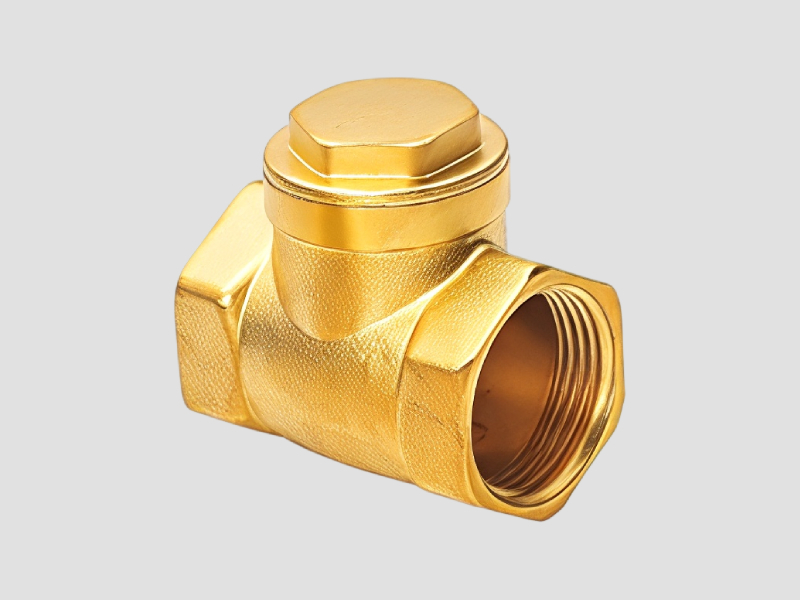
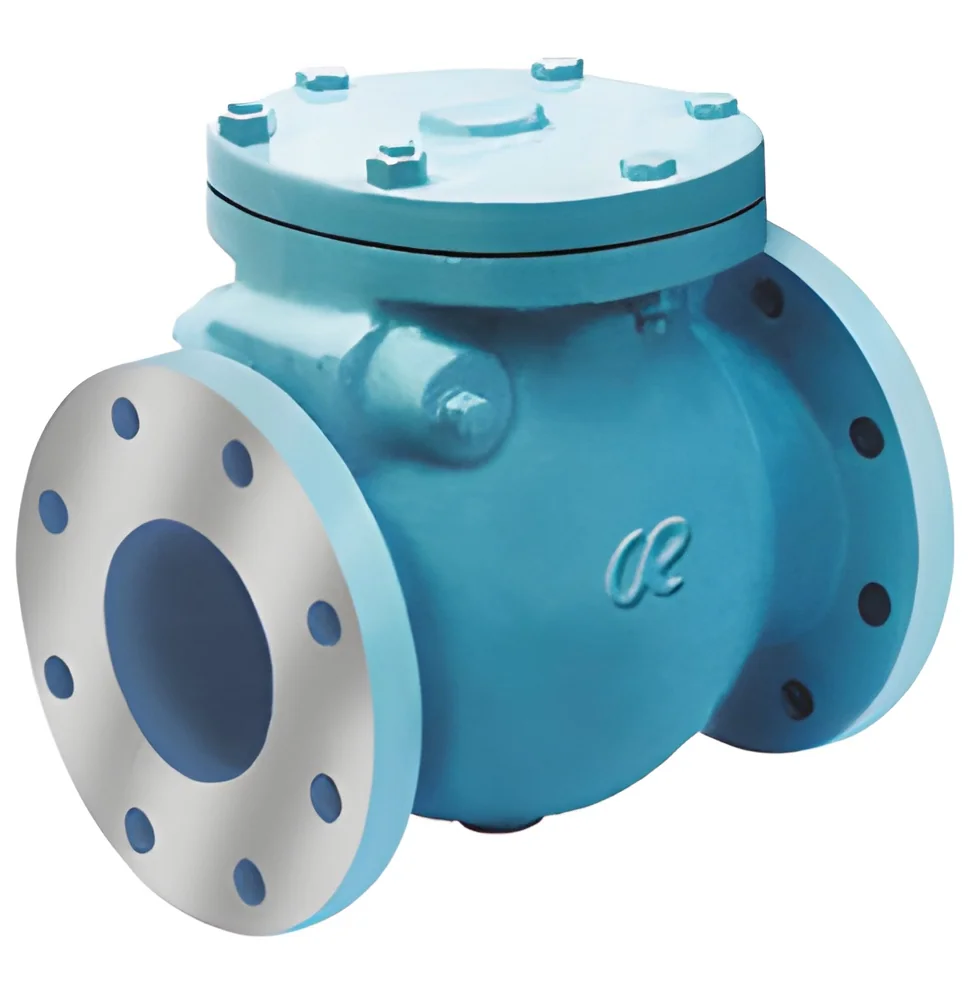
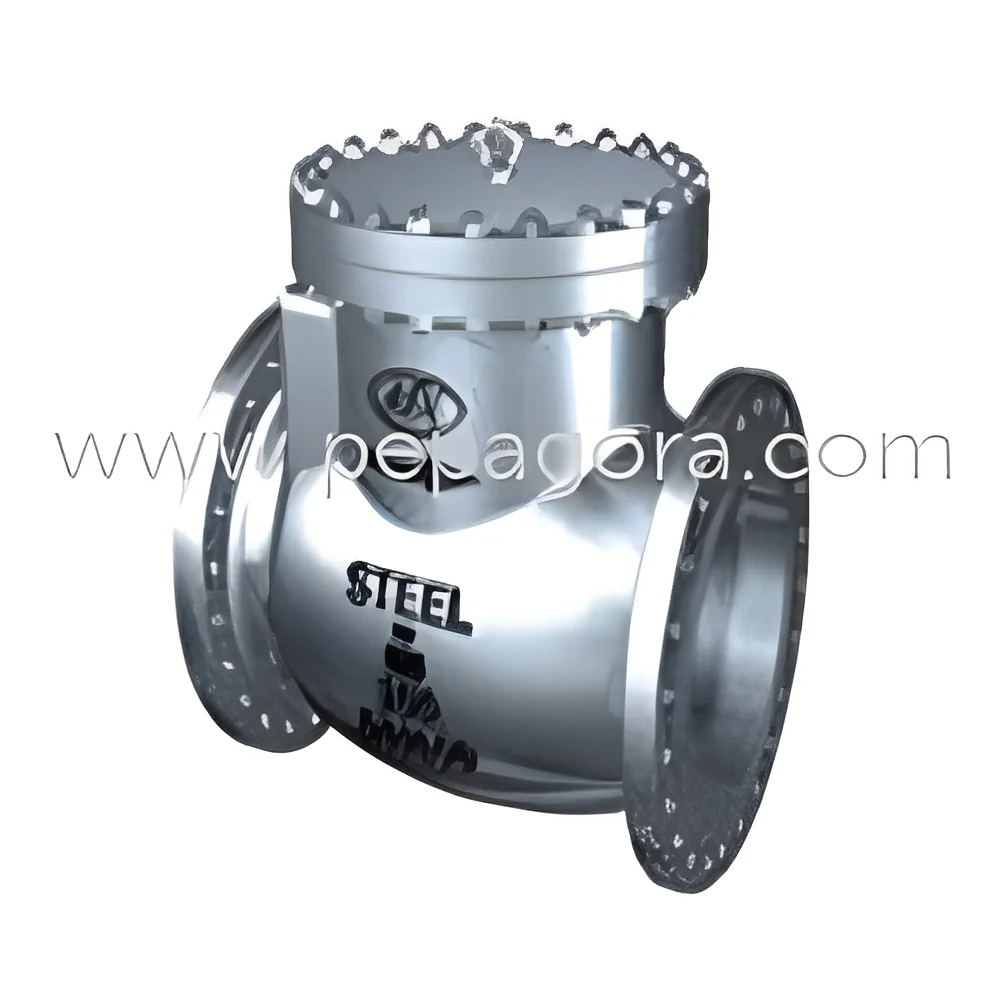
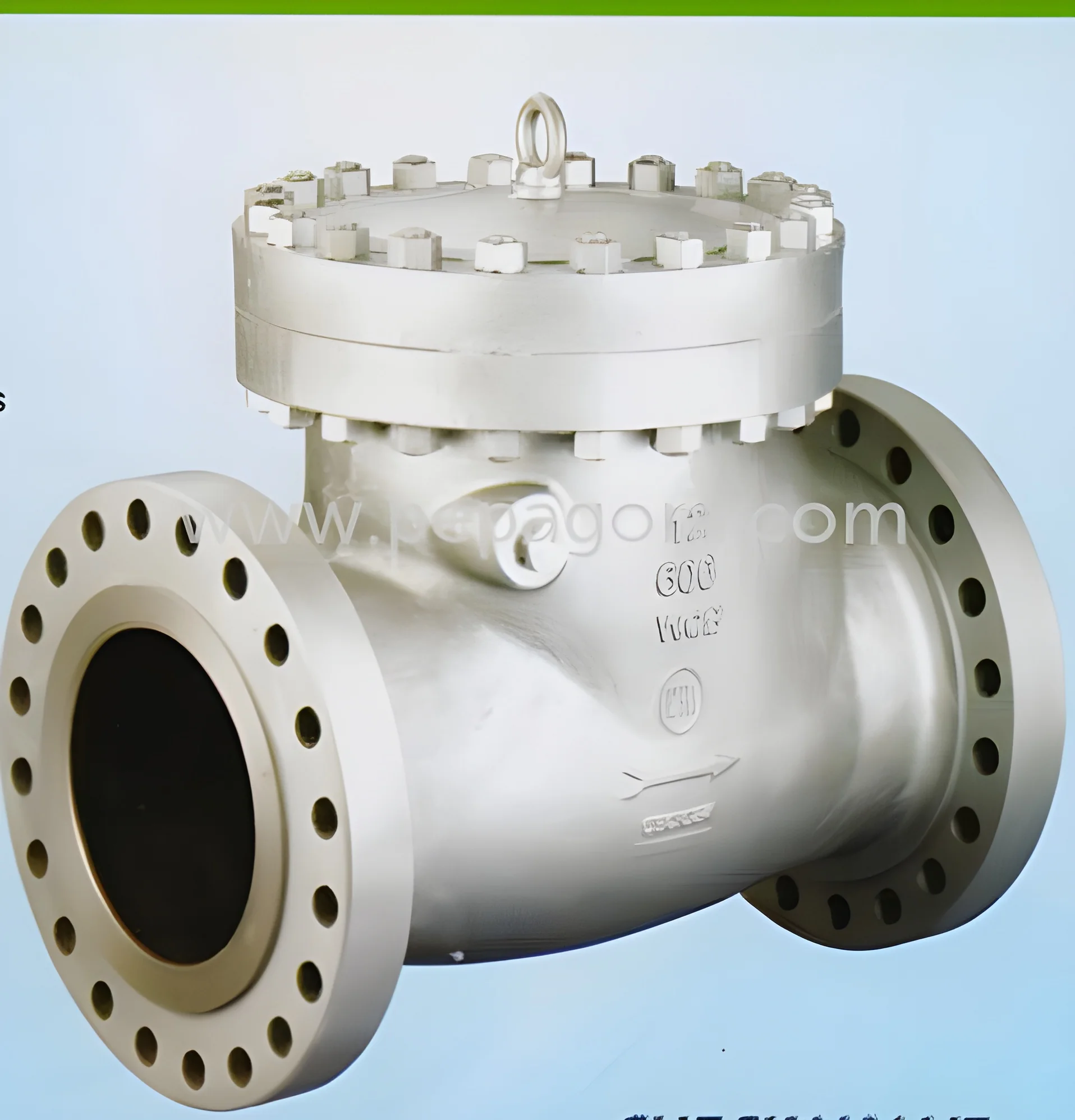
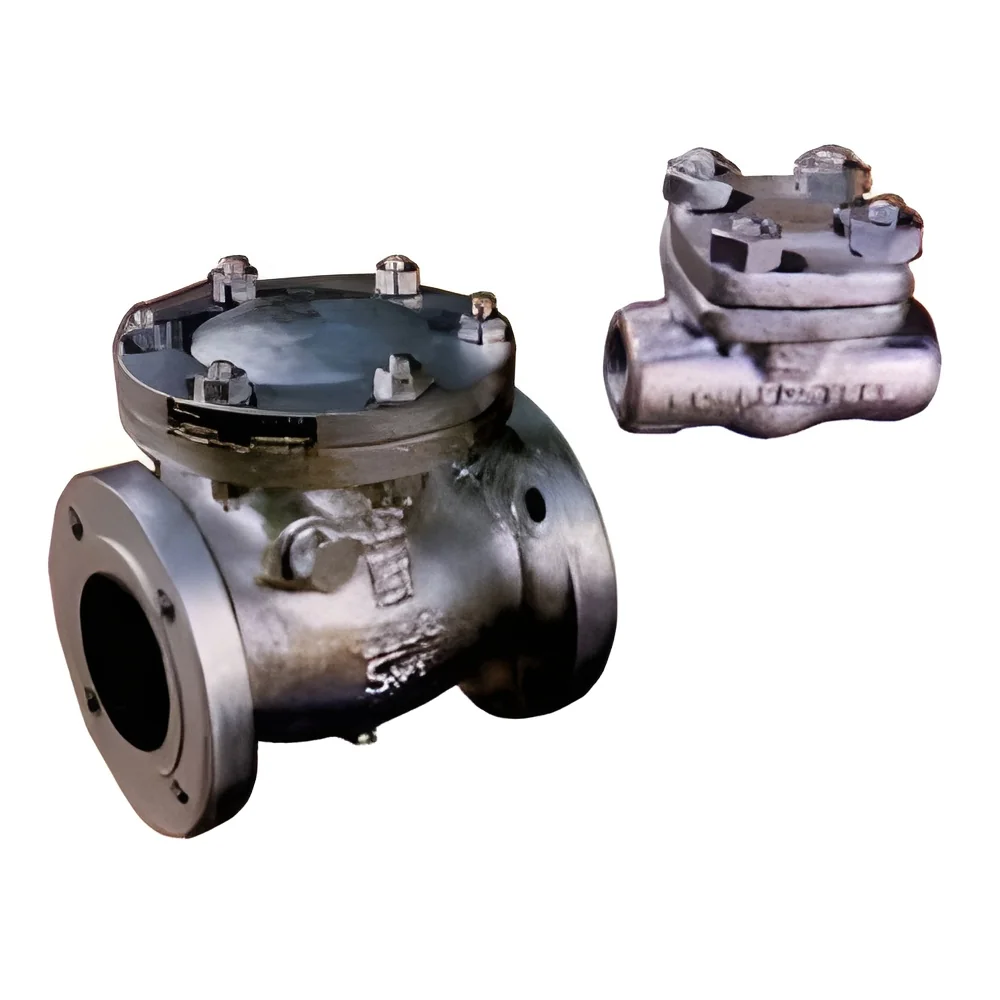
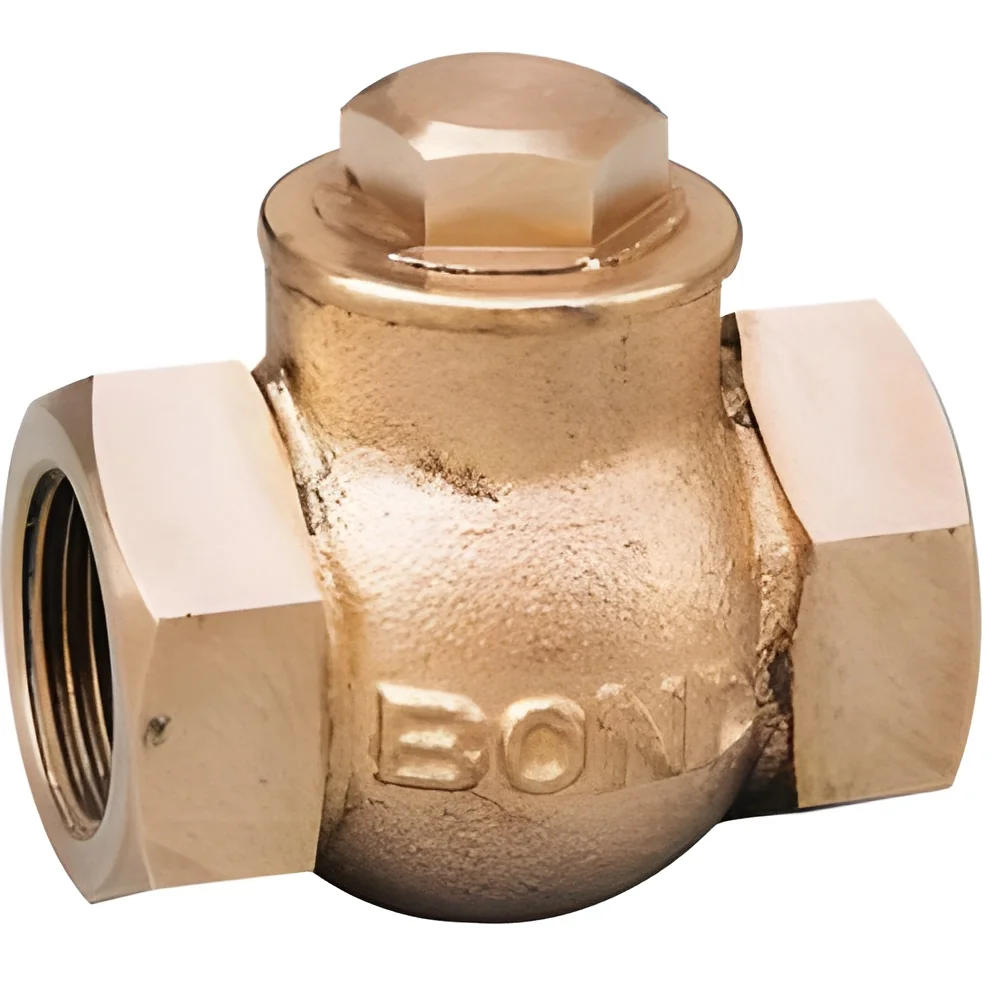
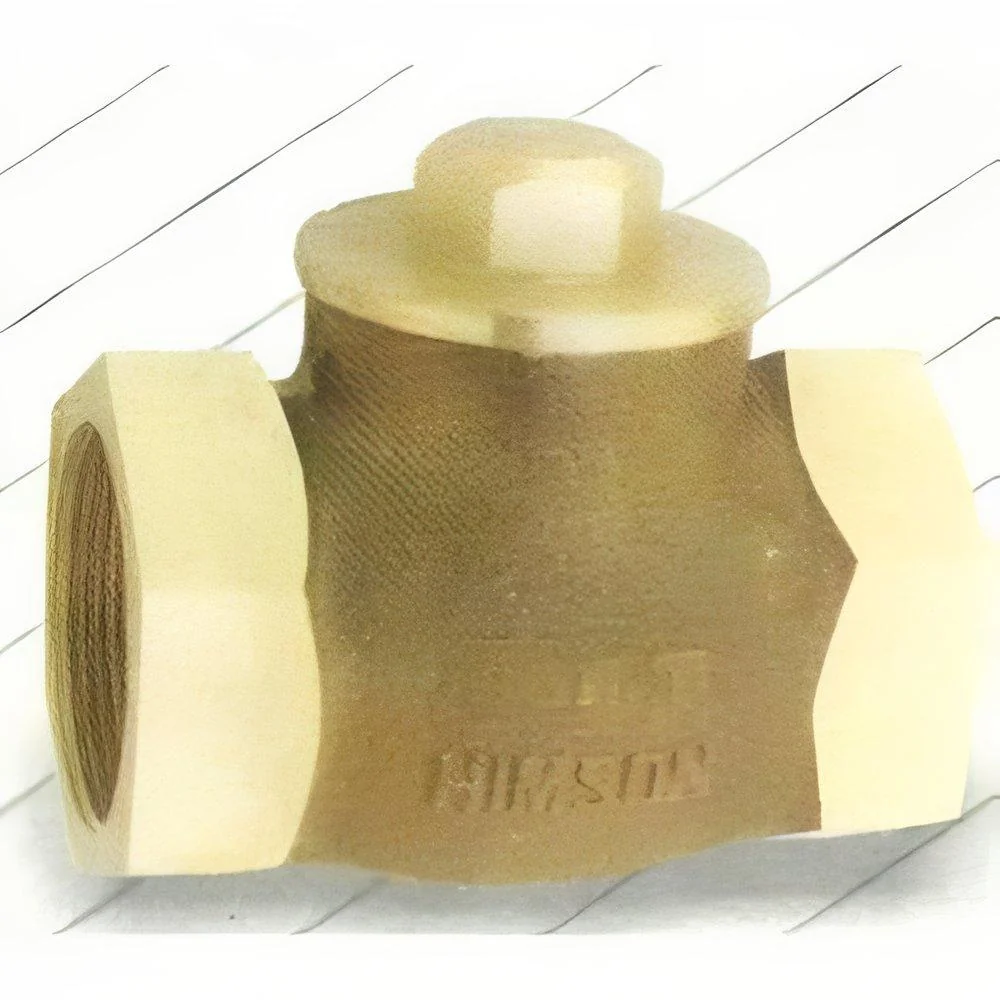
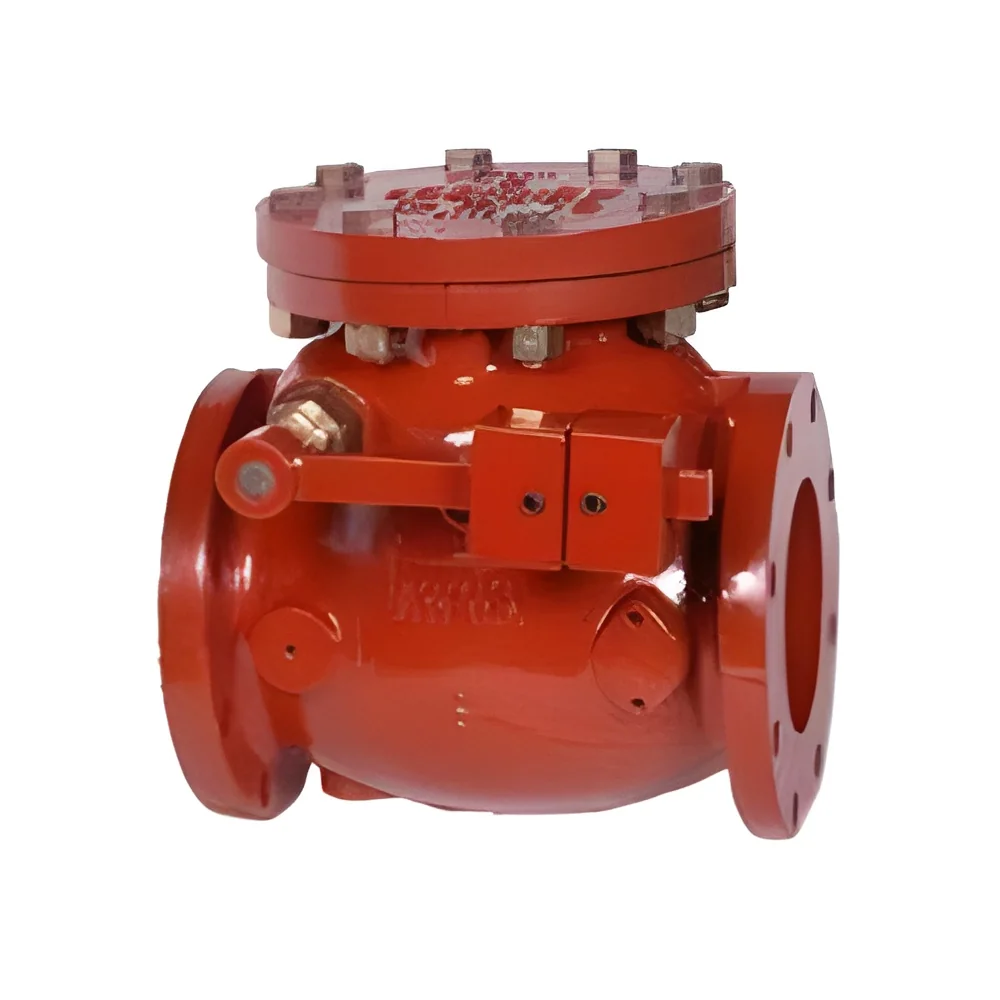
Swing Check Valve
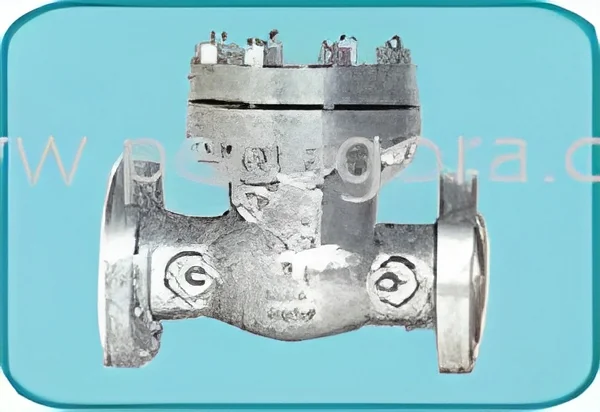
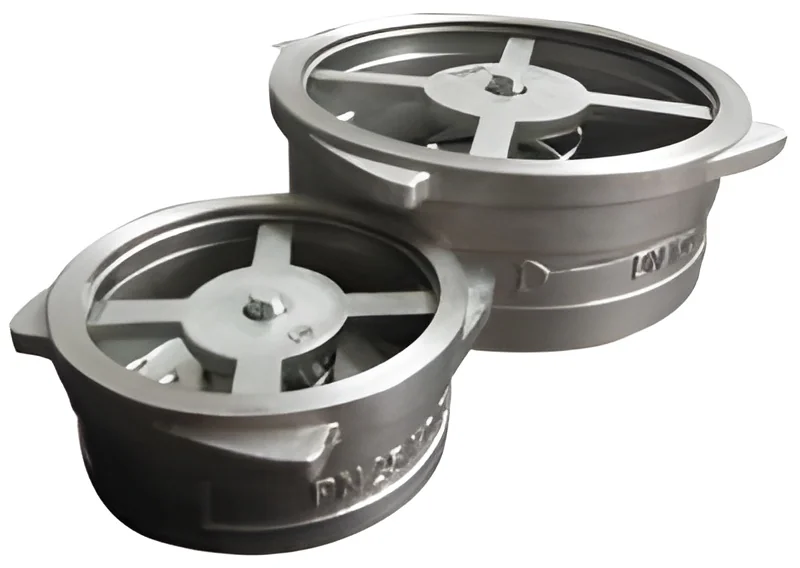
This variant uses a swinging disc to allow fluid flow in one direction. It is ideal for applications with low pressure and is commonly used in water systems.
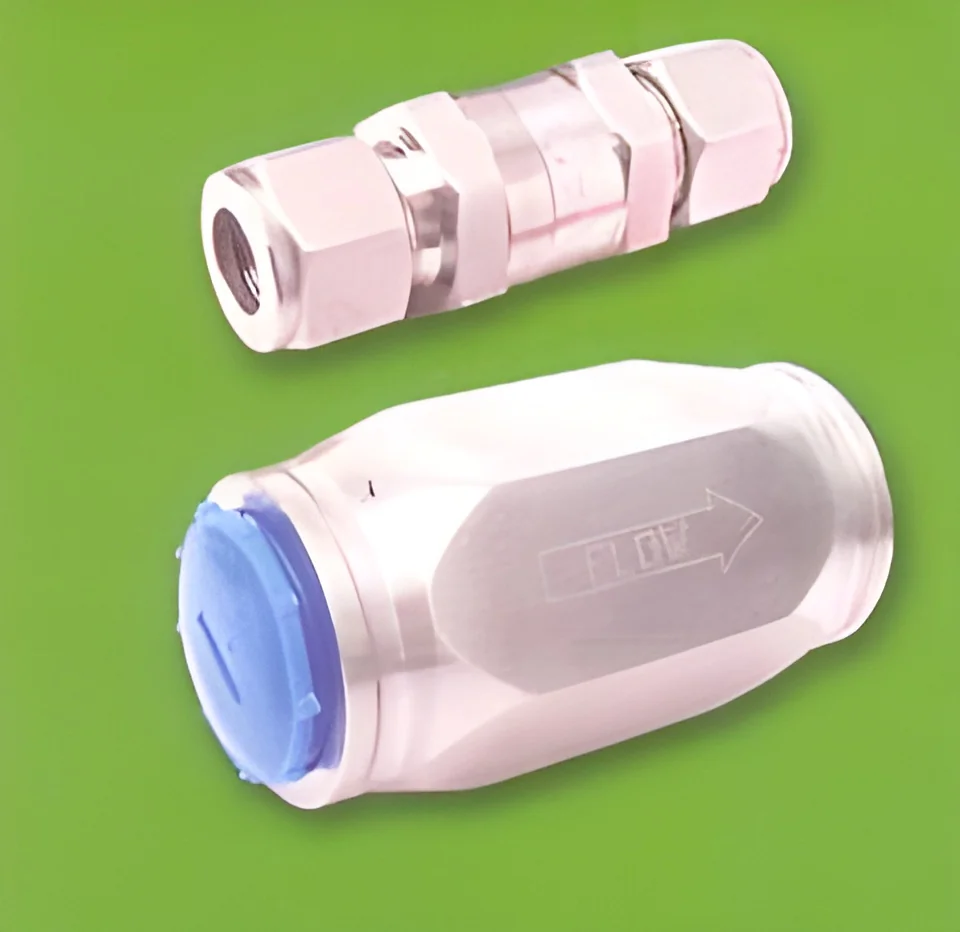
Ball Check Valve
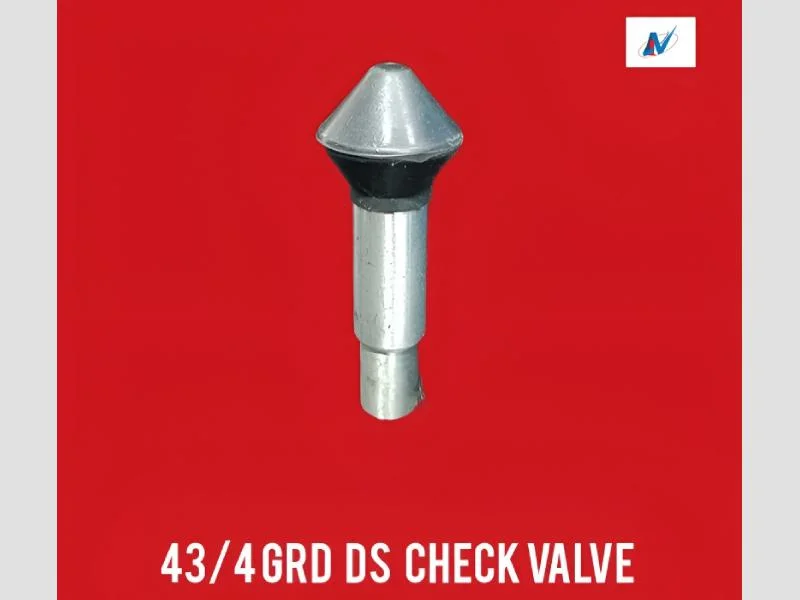
Utilizing a ball that moves with flow, this type provides a reliable seal against backflow. It is often used in applications with varying pressure conditions.
Lift Check Valve
This variant features a disc that lifts off its seat to allow flow. It is suitable for high-pressure applications and is commonly found in industrial pipelines.
Benefits and Advantages
Check valves provide several advantages that enhance operational efficiency and safety in industrial applications.
1. Prevent Backflow: They effectively stop reverse flow, protecting pumps and other equipment from damage.
2. Enhance System Safety: By ensuring that fluids flow in one direction, they help maintain safety standards in various industries.
3. Reduce Maintenance Costs: Preventing backflow minimizes wear and tear on equipment, leading to lower maintenance expenses.
4. Increase Efficiency: They help maintain optimal flow conditions, enhancing the overall efficiency of fluid systems.
5. Simplify Installation: Many check valves are designed for easy installation in existing systems, reducing downtime.
6. Versatility: Available in various materials and designs, check valves can be customized for a wide range of applications.
Buying Guide for B2B Buyers
When sourcing check valves, it is essential to consider several critical factors to ensure the right selection for your needs.
1. Quality Assessment: Evaluate the quality of materials and construction to ensure durability and reliability. Look for products that meet industry standards.
2. Supplier Verification: Vet suppliers to ensure they have a proven track record in providing quality products and services. Check for customer reviews and certifications.
3. Pricing and MOQ: Consider the pricing structure and minimum order quantities. Compare quotes from multiple suppliers to find the best deal.
4. Delivery and Lead Times: Assess the supplier's ability to meet your delivery requirements, including lead times for production and shipping.
5. Compliance Requirements: Ensure that the check valves comply with relevant industry standards and regulations to guarantee safety and performance.
Compliance and Certifications
Compliance and certifications are vital aspects of check valves that ensure quality and safety in industrial applications. Many check valves meet internationally recognized standards such as ISO 9001, which focuses on quality management systems. This certification ensures that manufacturers maintain high-quality production processes.
Additionally, industry-specific certifications like CE indicate that the products meet European safety and environmental requirements. Compliance with safety standards is critical, especially in industries such as pharmaceuticals and food processing, where the integrity of systems is paramount.
Testing requirements also play a significant role in the certification process. Check valves must undergo rigorous testing to ensure they function correctly under various conditions. Regional compliance considerations may vary, so it is important to understand local regulations before sourcing.
Why Source Check Valves from Pepagora?
Pepagora offers a reliable platform for sourcing check valves, providing numerous advantages for buyers in industrial sectors.
Verified Supplier Network: Pepagora connects buyers with a network of verified suppliers, ensuring that all products meet stringent quality standards. This verification process helps buyers make informed purchasing decisions.
Streamlined RFQ Process: The Request for Quotation (RFQ) system simplifies the procurement process, allowing buyers to easily request quotes from multiple suppliers. This efficiency helps in comparing options and securing the best deals.
Trade Assurance and Support: Buyers can benefit from trade assurance programs that protect their purchases, providing peace of mind when sourcing check valves. Customer support is also available to assist with any inquiries.
Regional Coverage: With a strong presence in regions such as India, the GCC, and Southeast Asia, Pepagora facilitates access to local and international suppliers. This geographic reach ensures that buyers can find the right products for their specific needs.

 IN
IN