
 IN
Compact Pneumatic Cylinders
3 products available
What are Compact Pneumatic Cylinders?
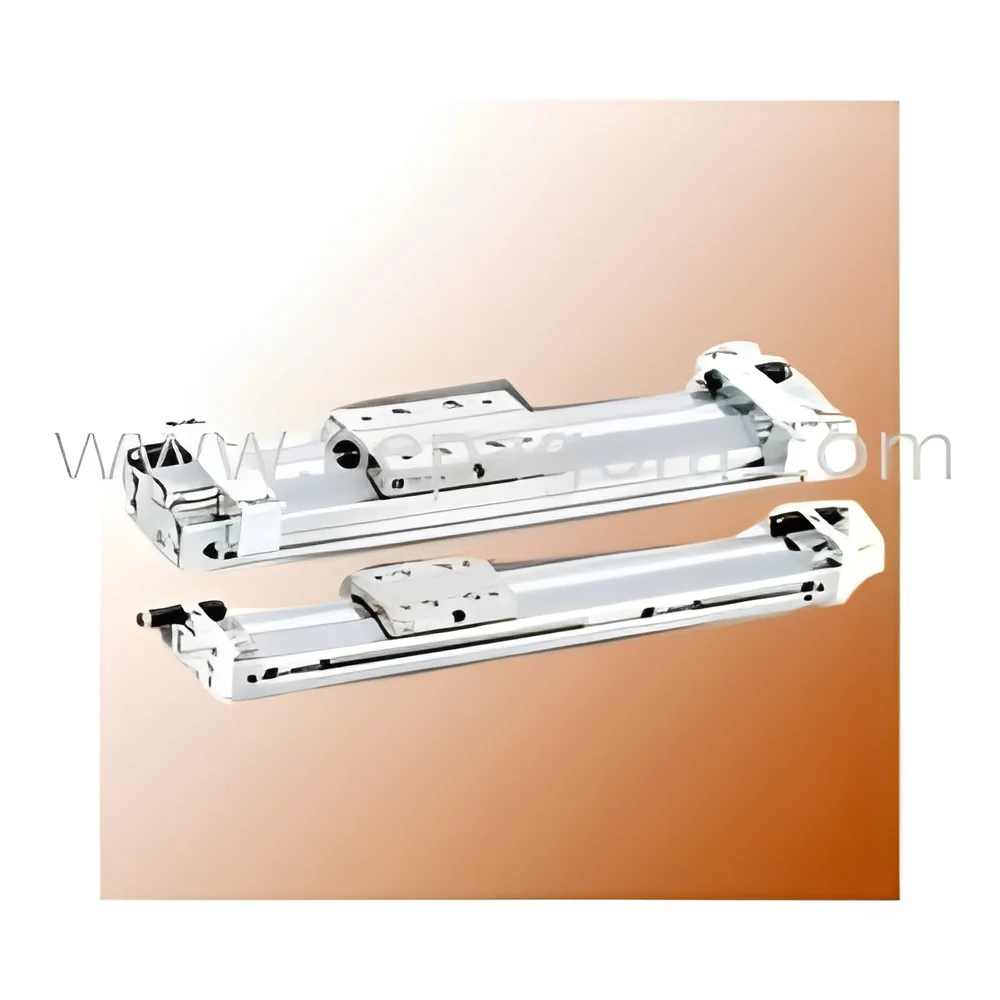
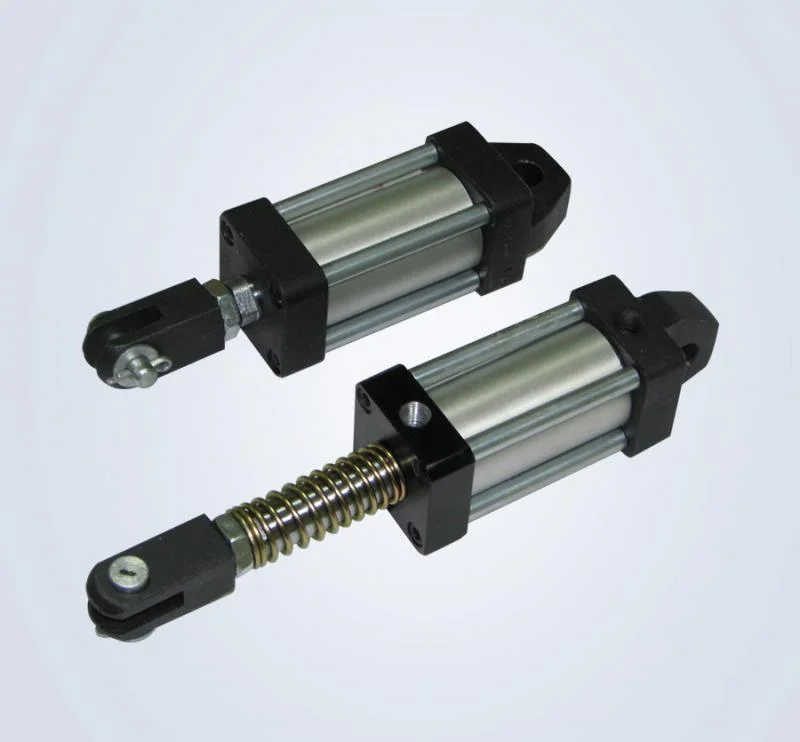
Compact pneumatic cylinders are devices designed to convert compressed air into linear motion. These cylinders are characterized by their small footprint and lightweight construction, making them ideal for applications where space is limited. Unlike standard pneumatic cylinders, compact models offer a more streamlined design without sacrificing performance. They utilize a piston mechanism enclosed within a durable housing, allowing for efficient operation and reliable performance in various environments.
These cylinders are primarily used in automation and manufacturing processes. Applications include material handling, assembly lines, and robotics. Their ability to deliver precise and controlled movements makes them essential in industries such as automotive, electronics, and packaging. As businesses increasingly adopt automation technologies, the demand for compact pneumatic cylinders continues to grow, reflecting their importance in enhancing productivity and efficiency in various industrial settings.
Key Features and Specifications
Compact pneumatic cylinders come with a range of features that cater to different industrial needs. Understanding these specifications is crucial for selecting the right product for specific applications. The following specifications highlight the key attributes of these cylinders:
1. Bore Size
- Typically ranges from 8 mm to 25 mm
- Determines the force output and application suitability
2. Stroke Length
- Standard stroke lengths vary from 10 mm to 100 mm
- Custom lengths may be available based on requirements
3. Operating Pressure
- Generally operates within a pressure range of 0.1 to 1.0 MPa
- Ensures optimal performance and efficiency
4. Material Construction
- Commonly made from aluminum and other durable materials
- Provides resistance to corrosion and wear
5. Mounting Options
- Available in various mounting styles, including front and rear
- Offers flexibility for installation in different setups
6. Cushioning Mechanism
- Equipped with adjustable cushioning for smooth operation
- Reduces impact and enhances lifespan
7. Temperature Range
- Typically operates in environments from -10°C to 80°C
- Suitable for a variety of industrial applications
8. Certifications
- CE certification is standard for quality assurance
- Ensures compliance with industry safety standards
In summary, compact pneumatic cylinders offer a versatile solution for various industrial applications due to their compact design, reliable performance, and broad specifications.
Common Applications and Use Cases
Compact pneumatic cylinders are utilized in a multitude of industries due to their adaptability and efficiency.
1. Automotive Industry: These cylinders are used in assembly lines for tasks such as clamping, lifting, and positioning components during manufacturing processes.
2. Electronics Manufacturing: They provide precise movements for assembling delicate electronic components, ensuring accuracy and efficiency in production.
3. Packaging Industry: Compact pneumatic cylinders are employed for automation in packaging processes, including sealing, filling, and labeling.
4. Food and Beverage: Used in conveyor systems for sorting, packing, and handling products without contamination.
5. Pharmaceutical: They play a critical role in automating processes such as filling and capping bottles, where hygiene and precision are paramount.
6. Textile Industry: These cylinders assist in various tasks such as cutting, folding, and stitching materials in garment production.
7. Robotics: Compact pneumatic cylinders are integrated into robotic arms for precise movements in various applications, enhancing automation capabilities.
Product Variants and Subcategories
Compact pneumatic cylinders come in various designs to meet specific industrial needs. Each variant offers unique features suitable for different applications.
Standard Compact Pneumatic Cylinder: This variant is the most common and is designed for general-purpose applications. It features a lightweight aluminum body and offers a range of bore sizes and stroke lengths.
High-Performance Compact Cylinder: Engineered for demanding environments, this variant provides enhanced durability and can withstand higher pressures. It is ideal for applications requiring robust performance.
Miniature Compact Cylinder: Specifically designed for applications with limited space, this cylinder offers a smaller footprint while maintaining efficiency. It is commonly used in medical devices and small machinery.
Benefits and Advantages
The use of compact pneumatic cylinders comes with several advantages that enhance operational efficiency and reliability in various industries.
1. Space Efficiency: Their compact design allows for installation in tight spaces, maximizing available area in machinery and equipment.
2. Lightweight Construction: The lightweight materials used reduce the overall weight of machinery, leading to lower energy consumption and easier handling.
3. Precision Control: Compact pneumatic cylinders provide accurate and repeatable motion, essential for tasks requiring high precision.
4. Reduced Maintenance: With fewer moving parts and durable materials, these cylinders require less frequent maintenance, lowering operational costs.
5. Versatility: Suitable for a wide range of applications, they can be easily adapted to various industrial needs.
6. Energy Efficiency: Operating on compressed air, they consume less energy compared to electric alternatives in many applications.
Buying Guide for B2B Buyers
When sourcing compact pneumatic cylinders for industrial applications, it is important to consider various factors to ensure you acquire the right product.
1. Quality Assessment: Evaluate the build quality and materials used in the cylinders. Look for manufacturers that adhere to recognized quality standards to ensure reliability.
2. Supplier Verification: Research potential suppliers to ensure they have a good reputation in the market. Look for reviews, certifications, and years of experience.
3. Pricing and MOQ: Consider the pricing structure and minimum order quantities (MOQ). Ensure that the costs align with your budget and operational needs.
4. Delivery and Lead Times: Inquire about delivery options and lead times. Timely delivery is crucial to avoid delays in production.
5. Compliance Requirements: Ensure that the products meet relevant industry standards and regulations, such as CE certification, to guarantee safety and compliance.
Compliance and Certifications
Compliance with industry standards is vital for the performance and safety of compact pneumatic cylinders. Many manufacturers adhere to quality standards such as ISO 9001, which ensures consistent quality management systems.
In addition, CE certification is commonly associated with compact pneumatic cylinders, signifying that they meet European safety, health, and environmental protection requirements. This certification is crucial for buyers looking to ensure product safety and reliability.
Manufacturers may also follow other industry-specific certifications, ensuring that their products meet rigorous testing and safety requirements. It is important for buyers to verify compliance with regional regulations to ensure safe operations in their respective industries.
Why Source Compact Pneumatic Cylinders from Pepagora?
Pepagora provides a reliable platform for sourcing compact pneumatic cylinders, offering numerous advantages for B2B buyers.
Verified Supplier Network: Pepagora features a network of verified suppliers, ensuring that buyers can find quality products from reputable manufacturers. This verification process helps reduce the risk of sourcing from unreliable vendors.
Streamlined RFQ Process: The request for quotation (RFQ) system simplifies the procurement process. Buyers can easily submit their requirements and receive competitive quotes from multiple suppliers, allowing for informed decision-making.
Trade Assurance and Support: Pepagora offers trade assurance to protect buyers during transactions. This includes support for resolving disputes and ensuring that orders are fulfilled as promised.
Regional Coverage: With a strong presence in India, the Gulf Cooperation Council (GCC), and Southeast Asia, Pepagora covers a wide geographic area, making it easier for businesses to source compact pneumatic cylinders tailored to their regional needs.
By choosing Pepagora, buyers can ensure a smooth sourcing experience that meets their industrial requirements effectively.

Frequently Asked Questions
What are Compact Pneumatic Cylinders?
Compact Pneumatic Cylinders are actuators that use compressed air to produce linear motion in a reduced size. These cylinders are designed for applications where space is limited, providing efficient power and performance.
What are the different types of Compact Pneumatic Cylinders?
The different types of Compact Pneumatic Cylinders include standard cylinders, double-acting cylinders, and single-acting cylinders. Each type offers unique functionalities tailored to specific applications and requirements.
How do I choose the right Compact Pneumatic Cylinders?
Choosing the right Compact Pneumatic Cylinder involves considering factors such as application requirements, load capacity, stroke length, and mounting options. It is important to assess the operational environment and compatibility with existing systems.
What are the standard specifications for Compact Pneumatic Cylinders?
Standard specifications for Compact Pneumatic Cylinders typically include bore size, stroke length, pressure rating, and mounting style. Manufacturers may also provide additional specifications related to materials and temperature ratings.
What is the price range for Compact Pneumatic Cylinders?
The price range for Compact Pneumatic Cylinders can vary significantly based on factors such as size, manufacturer, and features. Generally, prices can start from a few hundred rupees and go up to several thousand rupees per unit.
What quality standards apply to Compact Pneumatic Cylinders?
Quality standards for Compact Pneumatic Cylinders often include ISO certifications, ensuring reliability and consistency in manufacturing. Compliance with industry standards such as ISO 6431 and ISO 15552 may also be applicable.
Where can I find Compact Pneumatic Cylinders suppliers in India?
Compact Pneumatic Cylinders suppliers in India can be found through online B2B marketplaces, trade directories, and industry exhibitions. Websites like Pepagora.com can help connect buyers with reputable manufacturers and suppliers.
Can Compact Pneumatic Cylinders be customized?
Yes, many manufacturers offer customization options for Compact Pneumatic Cylinders to meet specific application needs. Customization may include variations in size, stroke length, and mounting configurations.
What is the typical minimum order quantity for Compact Pneumatic Cylinders?
The typical minimum order quantity (MOQ) for Compact Pneumatic Cylinders can vary by supplier and product type, but it often ranges from 10 to 50 units. It is advisable to check with individual suppliers for their specific MOQs.
What is the typical lead time for Compact Pneumatic Cylinders?
The typical lead time for Compact Pneumatic Cylinders can vary based on factors such as supplier location and order complexity. Generally, lead times can range from 2 to 6 weeks after order confirmation.
Why Businesses Trust Pepagora
Thousands of companies trust Pepagora to source smarter and sell faster
Expand Your Sales Globally

Source Smarter,Grow Faster
