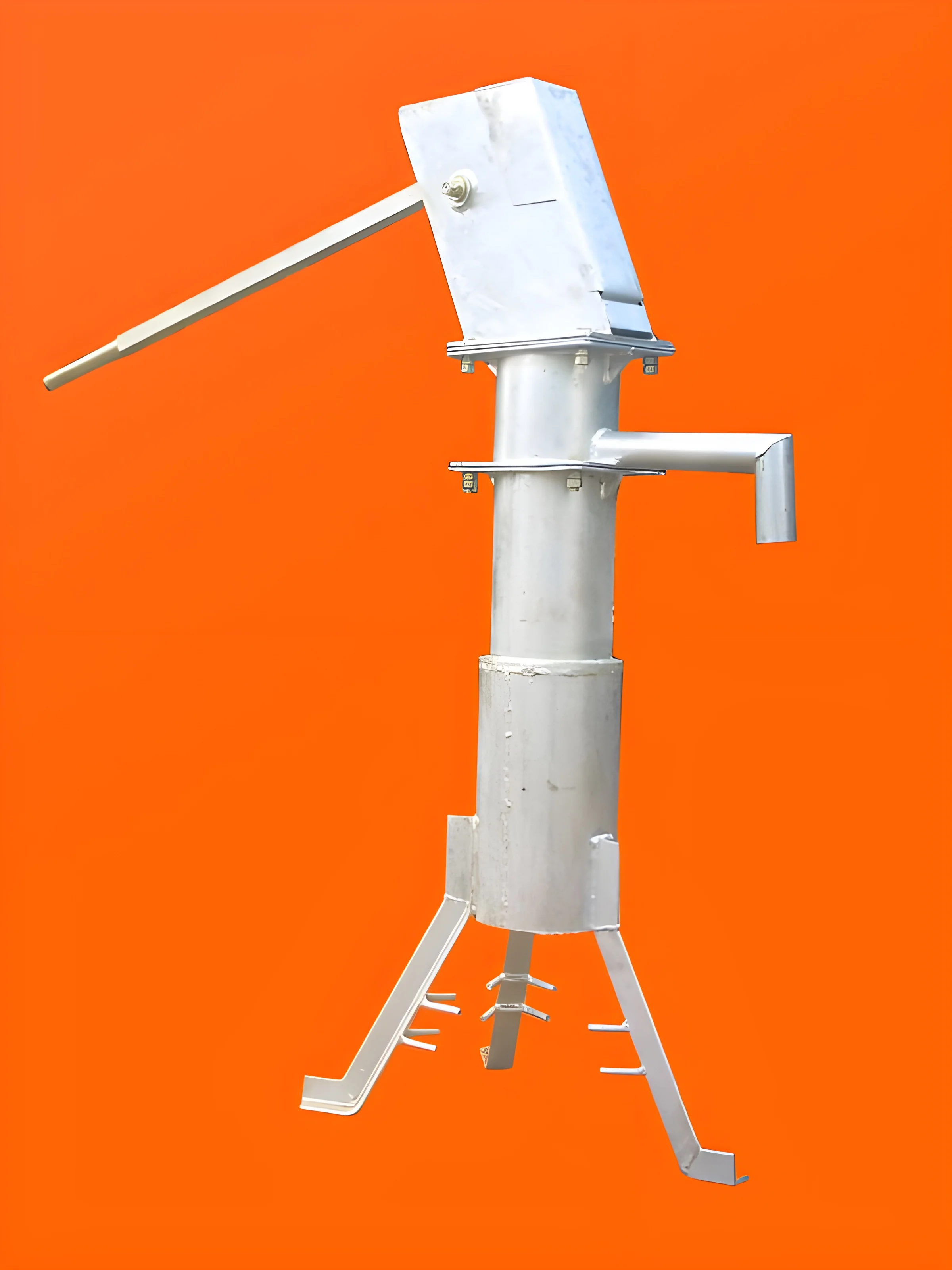
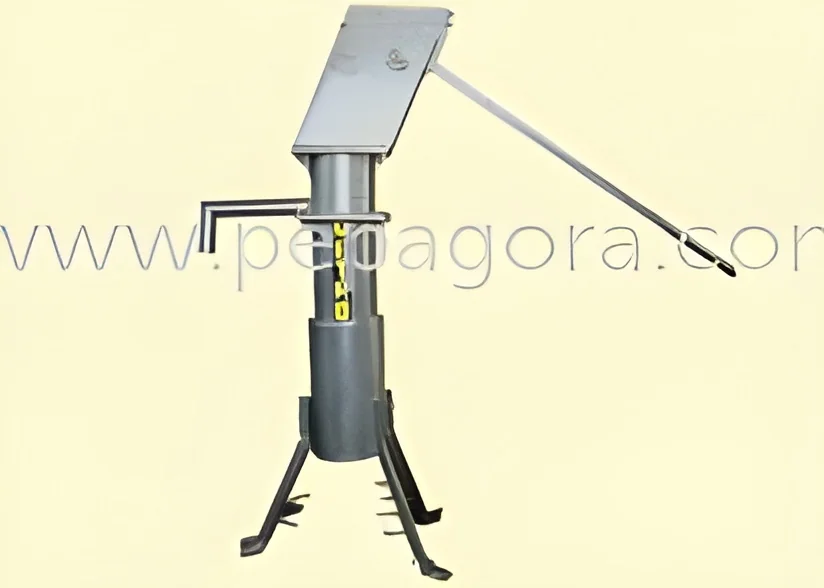
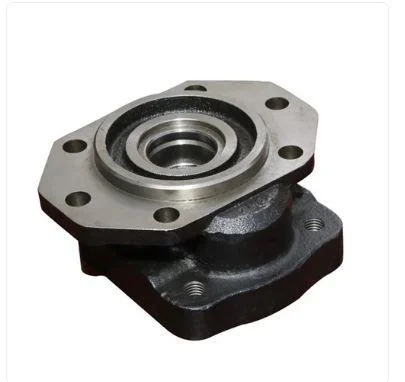
What are Hand Operated Hydraulic Pumps?
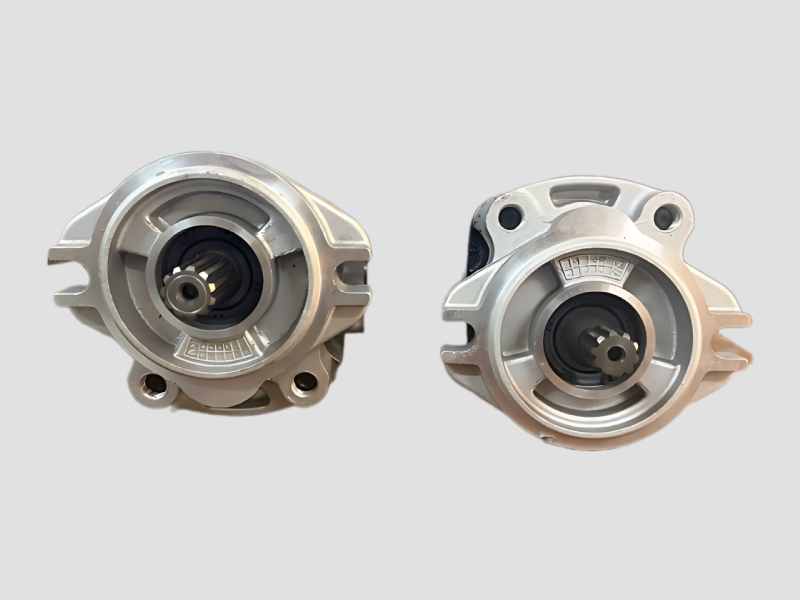
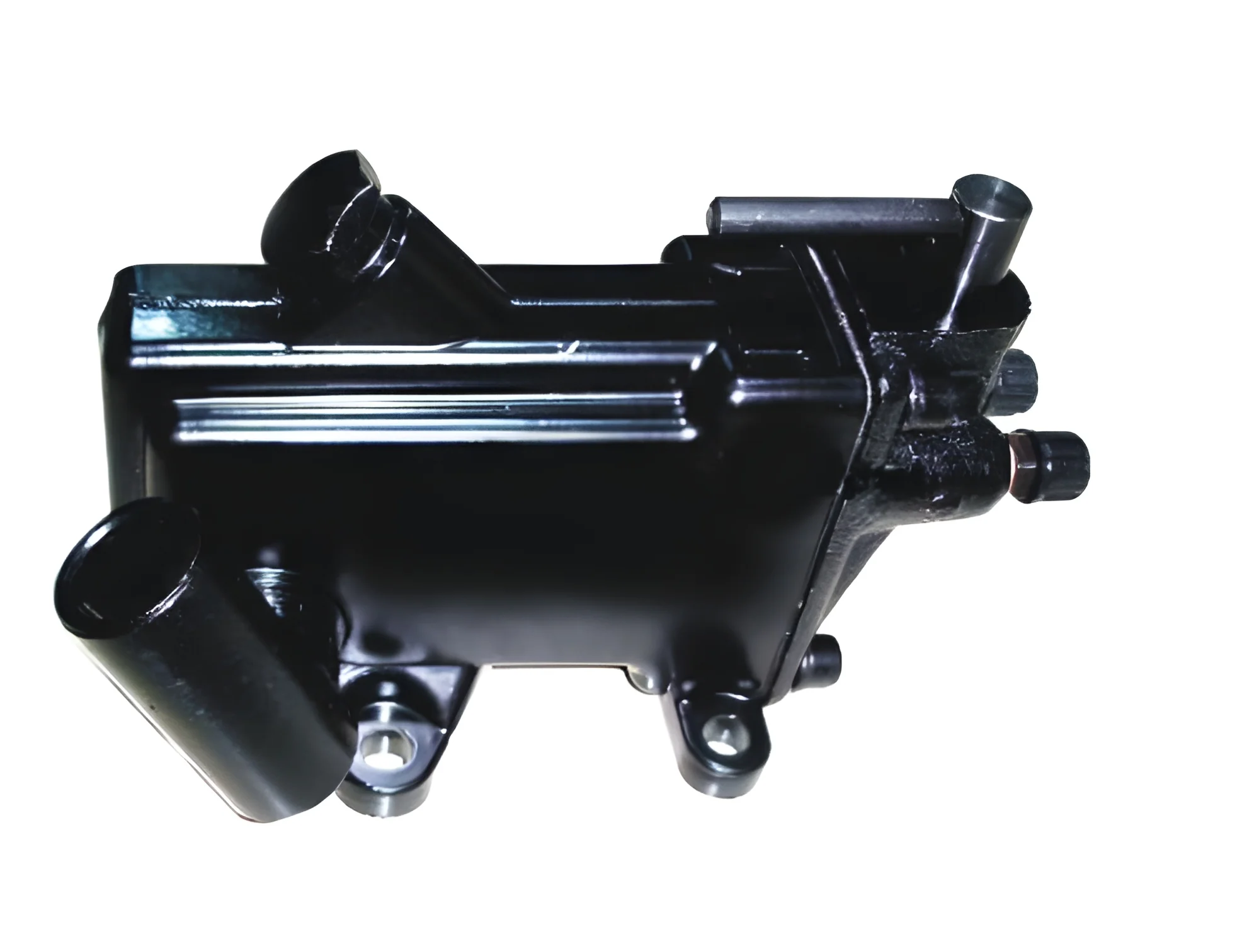
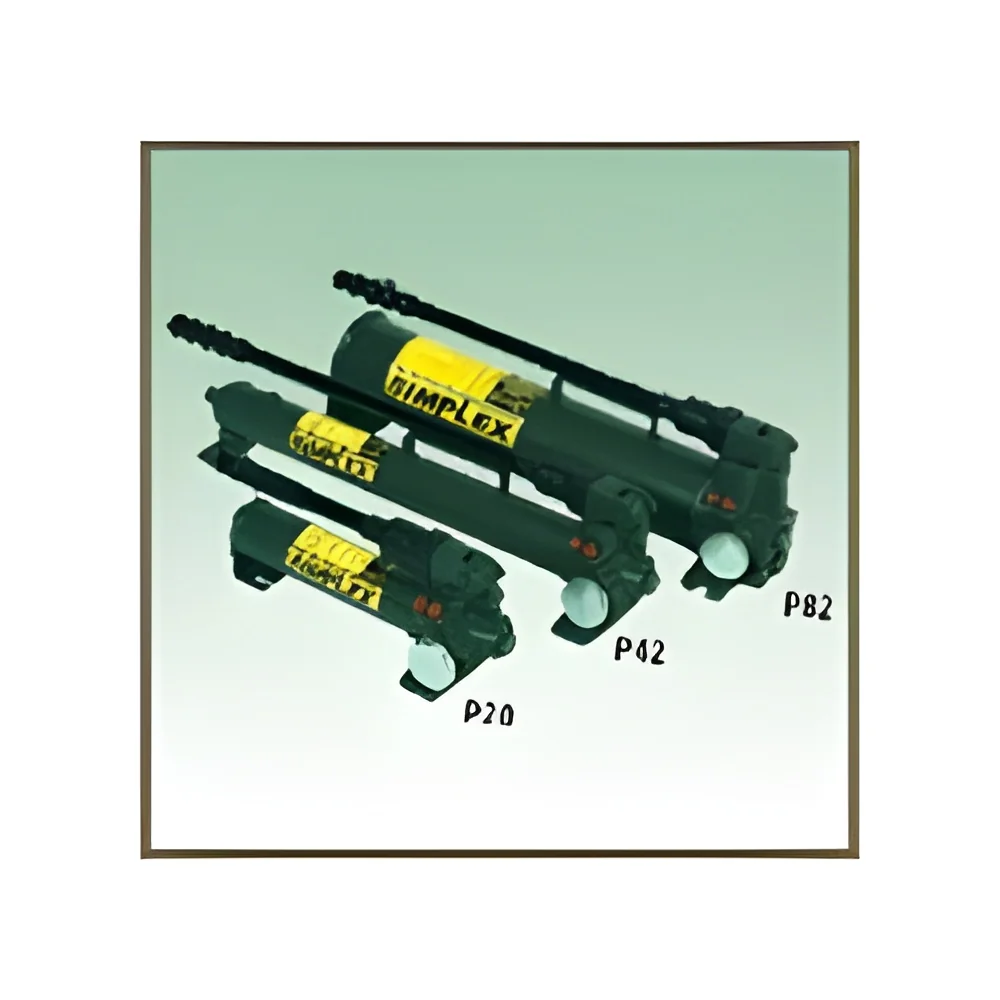
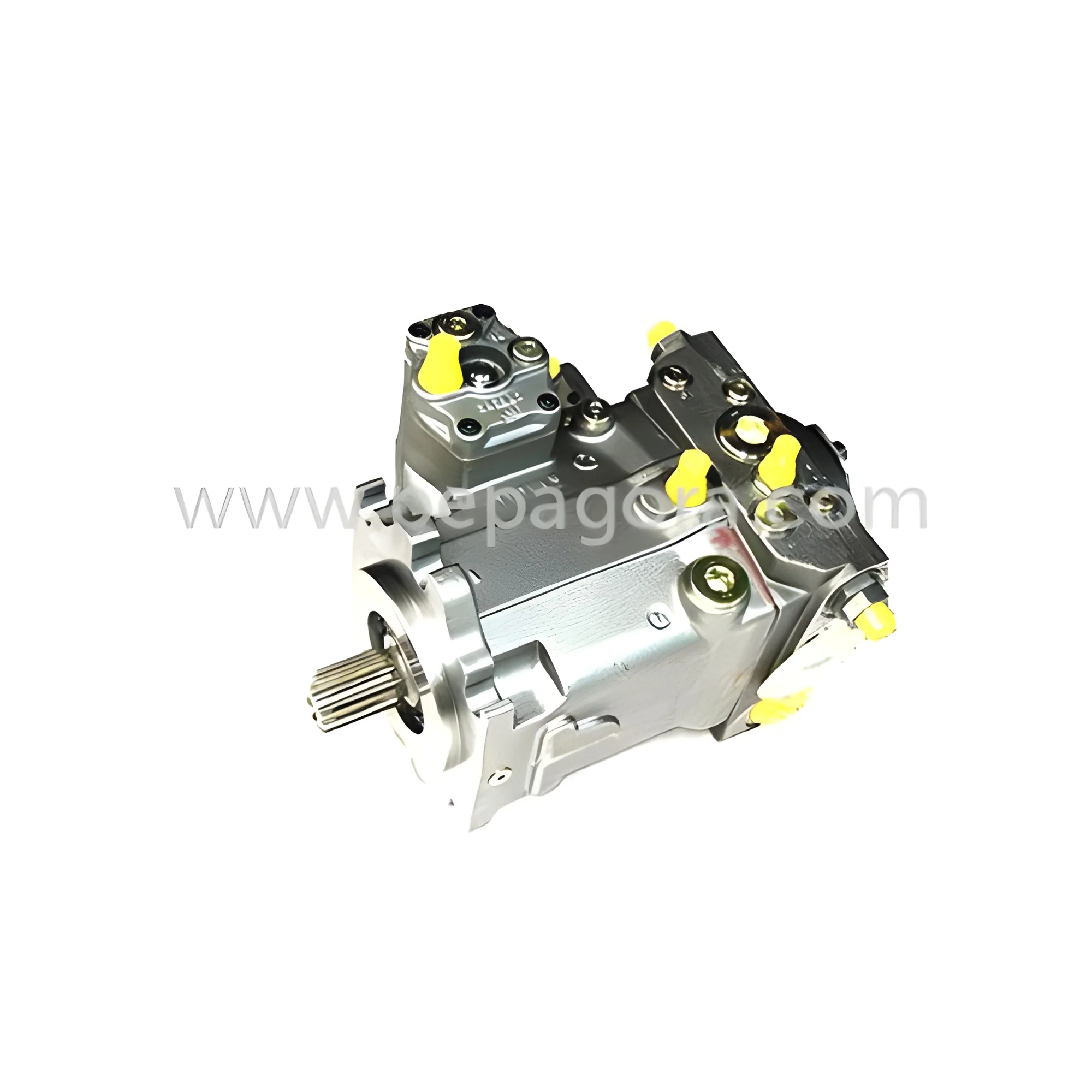
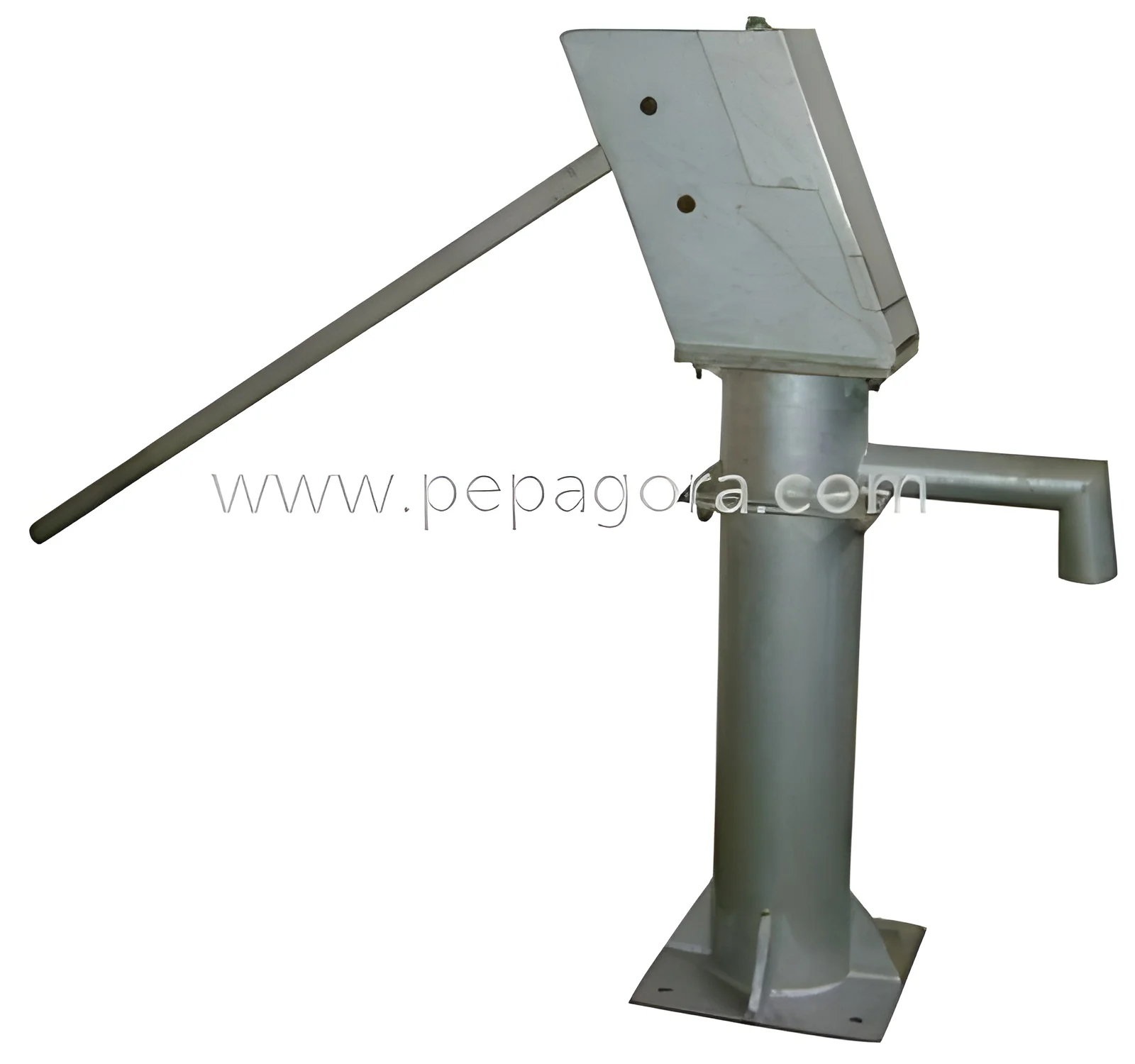
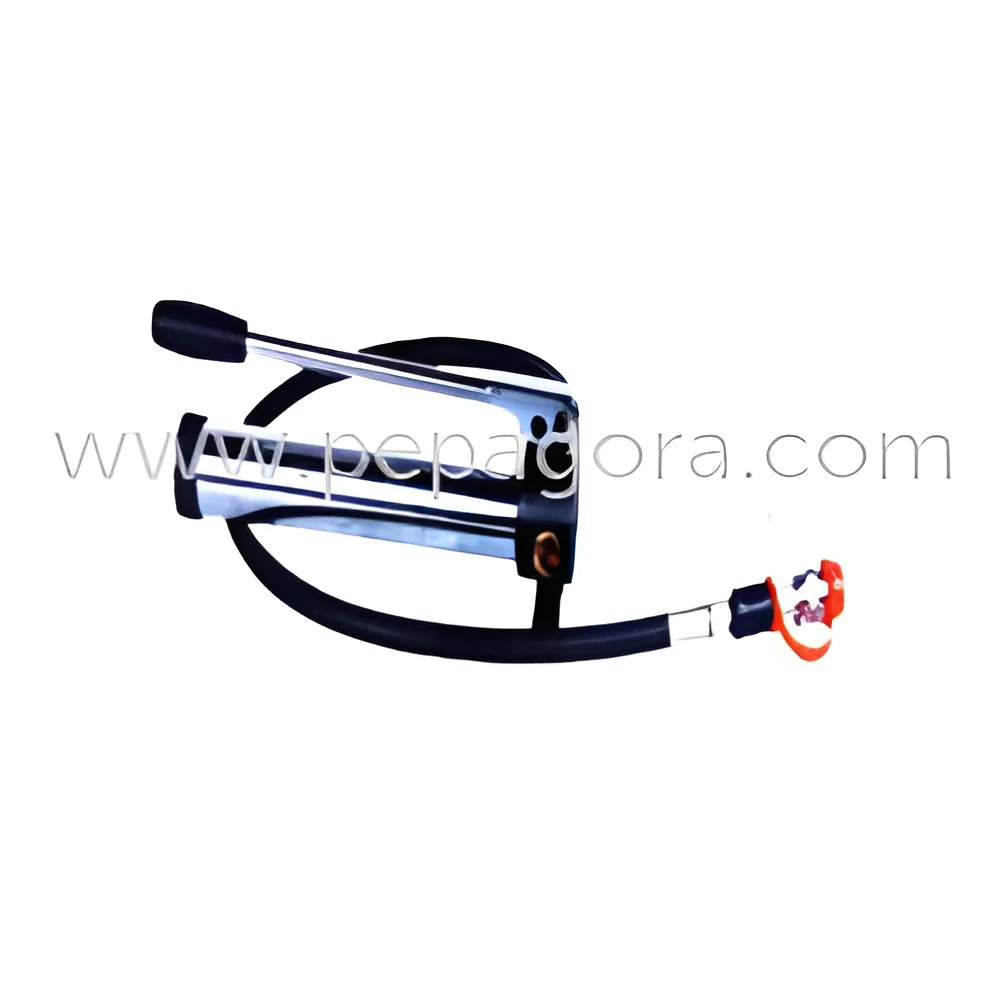
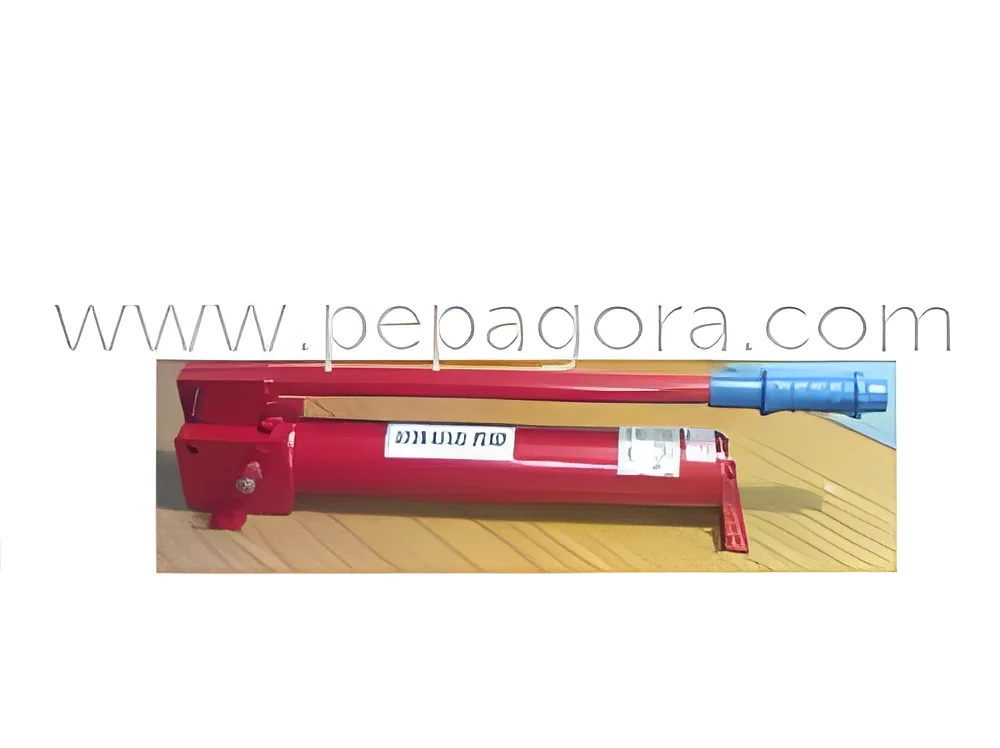
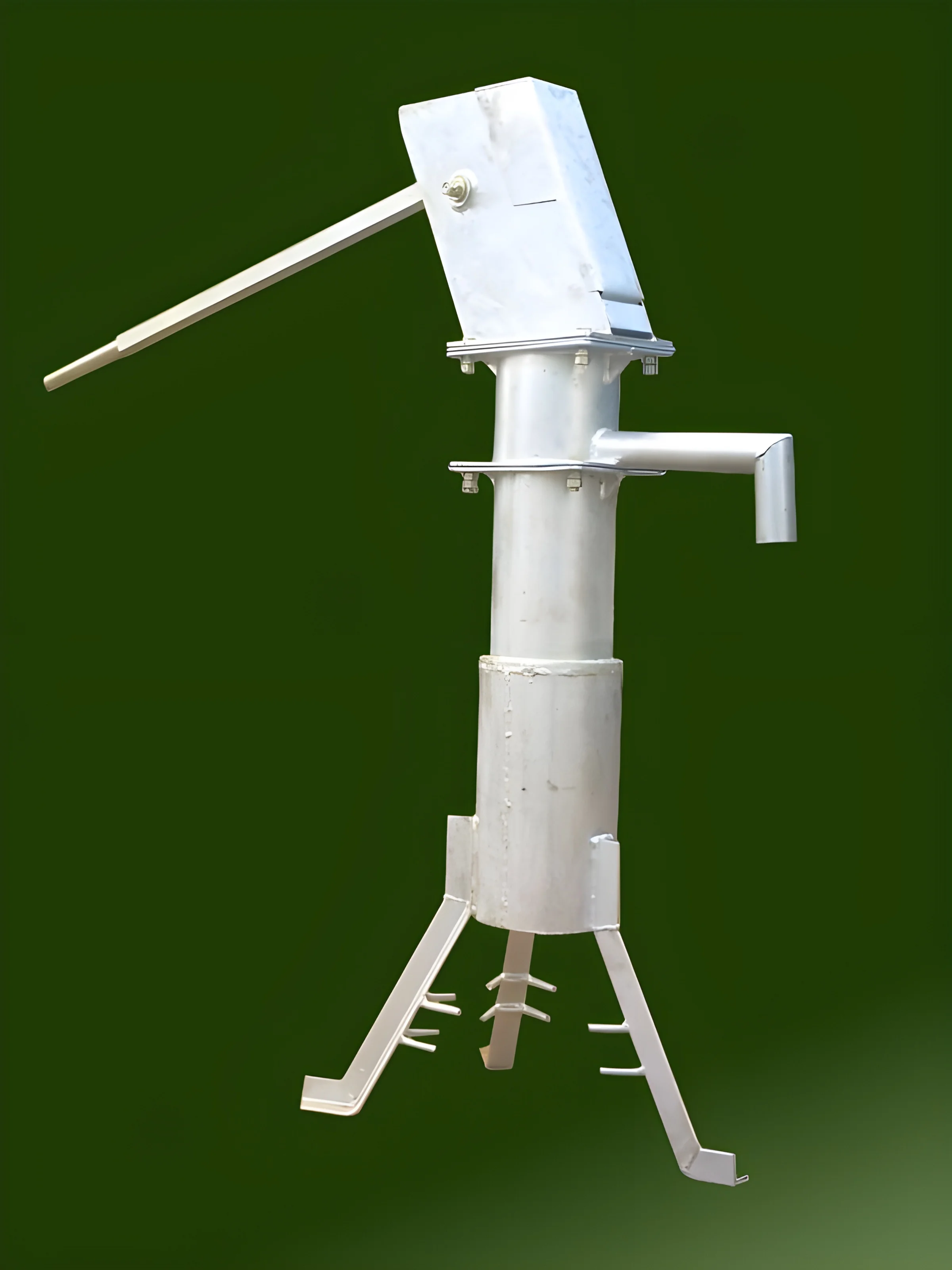
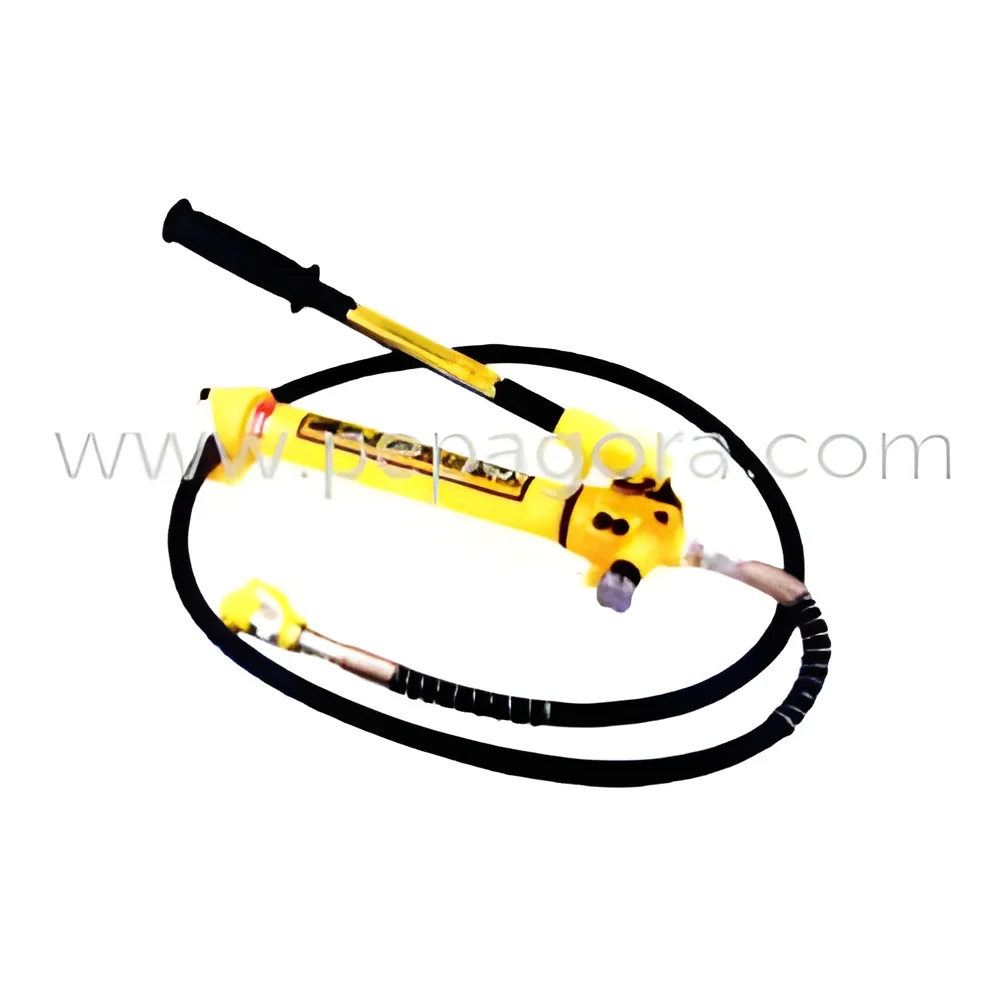
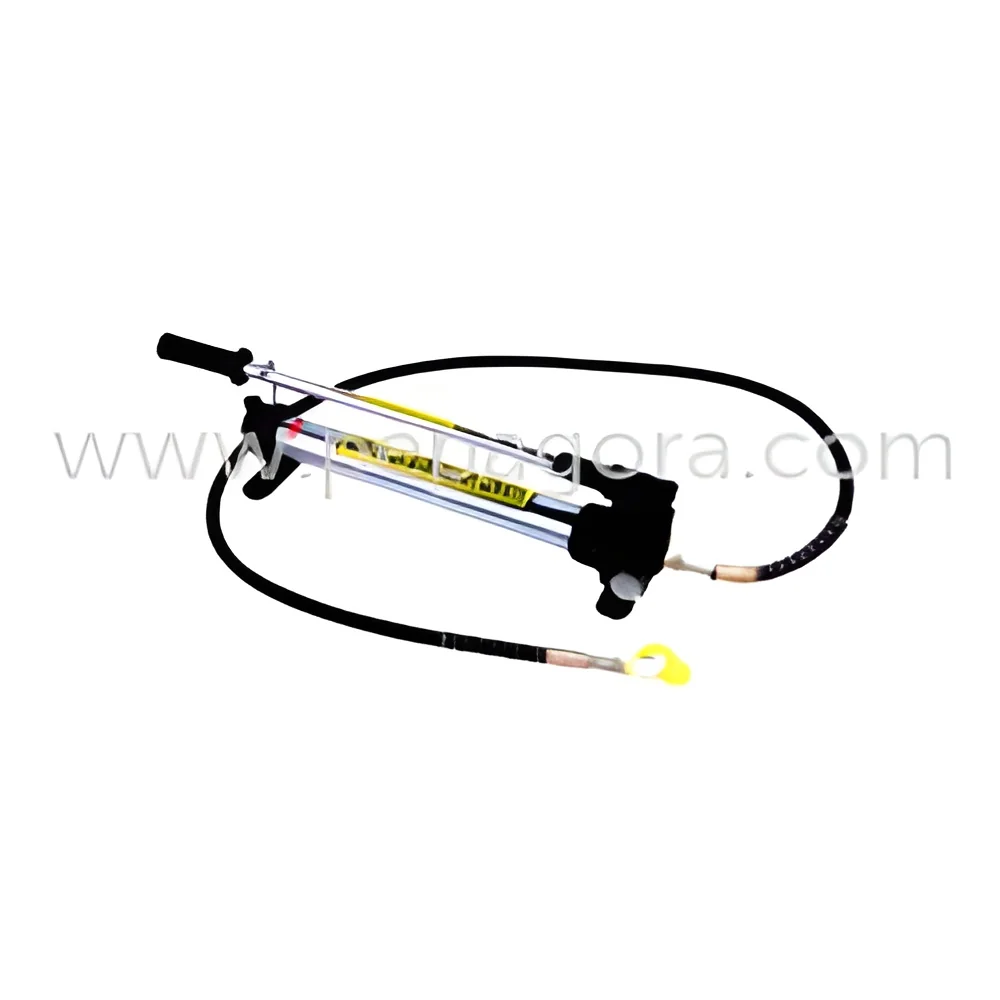
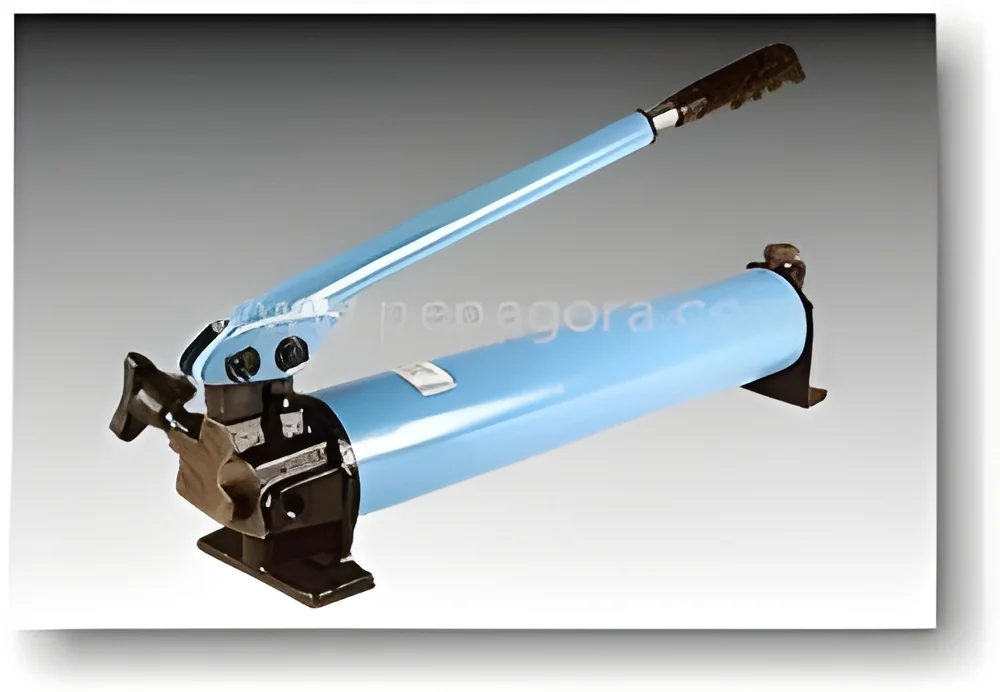
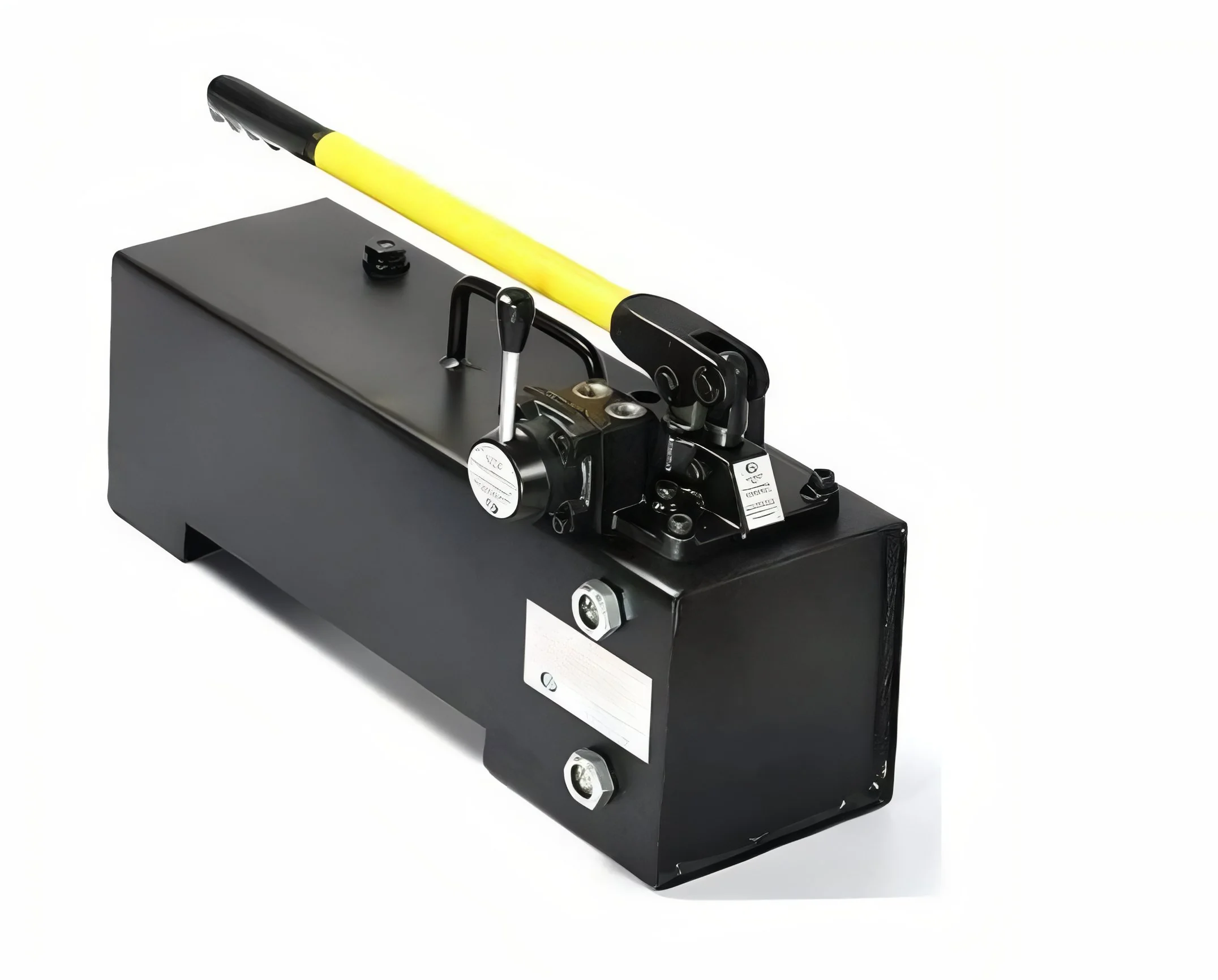
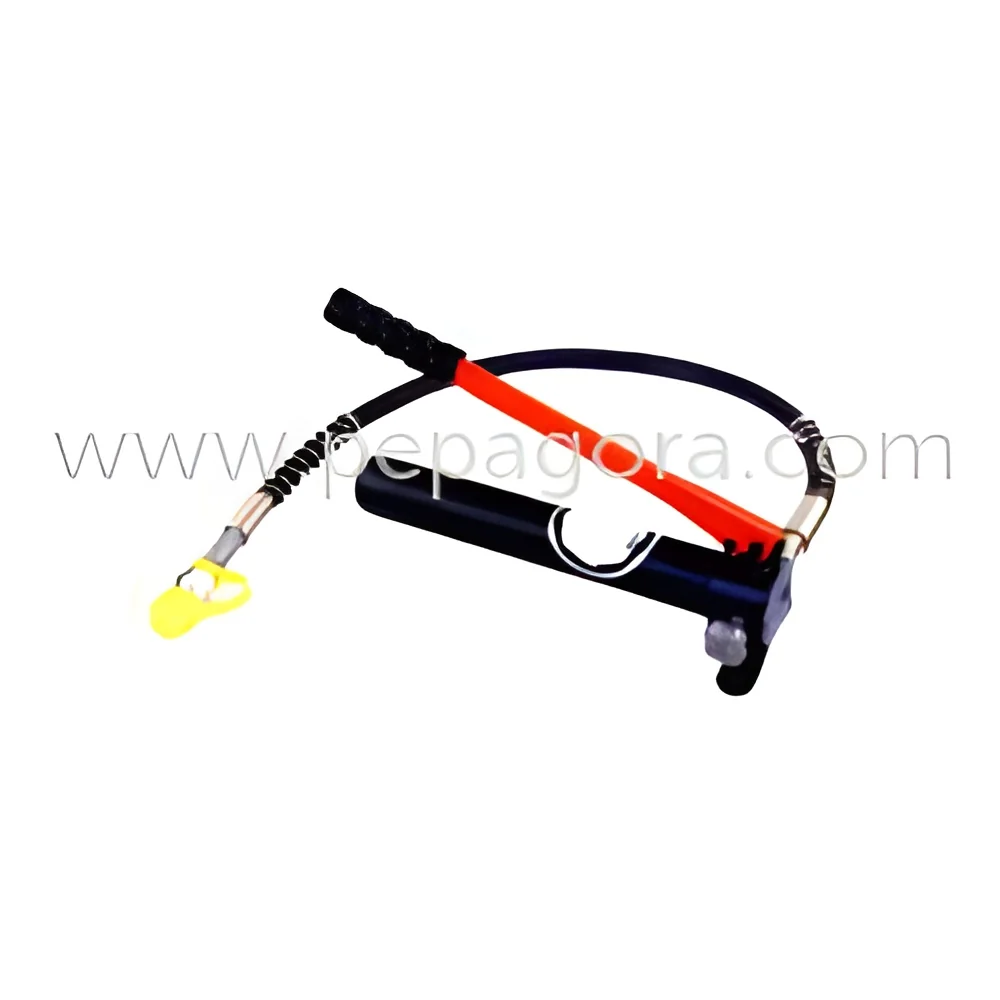
Hand operated hydraulic pumps are mechanical devices used to generate hydraulic pressure through manual operation. These pumps utilize a piston mechanism to create pressure in hydraulic fluid, which can then be used to operate various hydraulic equipment. They are designed for ease of use and portability, making them suitable for a range of applications where electric or pneumatic power sources are not available.
These pumps are primarily used in industries such as construction, automotive, and manufacturing. They play a crucial role in lifting heavy loads, powering hydraulic tools, and facilitating various tasks that require precise control of hydraulic pressure. Hand operated hydraulic pumps are particularly valuable in situations where space is limited or where a power supply is not accessible, making them essential tools for maintenance and repair operations in numerous sectors.
The relevance of hand operated hydraulic pumps in today's market is significant, particularly in developing regions where electrical infrastructure may not be robust. They offer a reliable solution for various lifting and hydraulic tasks and have a steady demand in industries that prioritize efficiency and safety. As businesses continue to seek versatile and dependable tools, hand operated hydraulic pumps remain a vital component of hydraulic systems.
Key Features and Specifications
Hand operated hydraulic pumps come with various features that enhance their functionality and usability. Understanding these features is essential when selecting the right pump for specific applications.
Key specifications include:
1. Pressure Rating
- Common pressure ratings range from 700 to 10,000 psi.
- Higher pressure ratings enable the handling of more demanding tasks.
2. Fluid Capacity
- Fluid capacities typically range from 0.5 to 5 liters.
- Larger capacities allow for extended operation without frequent refilling.
3. Construction Material
- Made from high-strength steel or aluminum for durability and weight reduction.
- Corrosion-resistant coatings are often applied for enhanced longevity.
4. Pump Stroke
- Stroke lengths generally range from 1.5 to 3 inches.
- Longer strokes can move more fluid per pump, increasing efficiency.
5. Weight
- Weights typically vary between 5 to 15 kg depending on size and material.
- Lightweight models promote ease of transport and handling.
6. Handle Design
- Ergonomically designed handles reduce operator fatigue.
- Certain models feature adjustable handles for better leverage.
7. Safety Features
- Equipped with pressure relief valves to prevent overload.
- Some models include locking mechanisms for secure storage.
8. Portability
- Designed with compact dimensions for ease of transport.
- Many come with built-in carrying handles for convenience.
In summary, the key features and specifications of hand operated hydraulic pumps make them versatile tools for various industrial applications. Buyers should consider these factors to ensure they select a pump that meets their specific needs.
Common Applications and Use Cases
Hand operated hydraulic pumps are utilized across diverse industries, each with unique applications.
1. Construction: In construction, these pumps are often used to lift heavy equipment, such as scaffolding and formwork. They provide the necessary hydraulic force to support tasks like concrete pouring.
2. Automotive: In the automotive sector, hand operated pumps are commonly used for lifting vehicles during maintenance and repair tasks. They facilitate the operation of hydraulic jacks and lifts.
3. Manufacturing: In manufacturing, these pumps assist in operating hydraulic presses for metal forming and shaping. They are also used for powering various assembly line machinery.
4. Agriculture: Agricultural applications include lifting and moving heavy equipment and components. Hand operated pumps can power hydraulic attachments on tractors.
5. Mining: In the mining industry, these pumps are essential for operating hydraulic tools, such as drills and loaders, in areas where electrical power is unavailable.
6. Maritime: Hand operated hydraulic pumps are utilized in marine applications for lifting and positioning equipment on boats and ships.
7. Maintenance: In maintenance tasks, these pumps are used to operate hydraulic tools for repairs and installations in various settings, including industrial plants and warehouses.
Product Variants and Subcategories
Hand operated hydraulic pumps come in various designs to accommodate different needs and applications.
Manual Hydraulic Bottle Jack: This variant is designed for lifting heavy loads in tight spaces. It features a compact design and is ideal for automotive and construction applications.
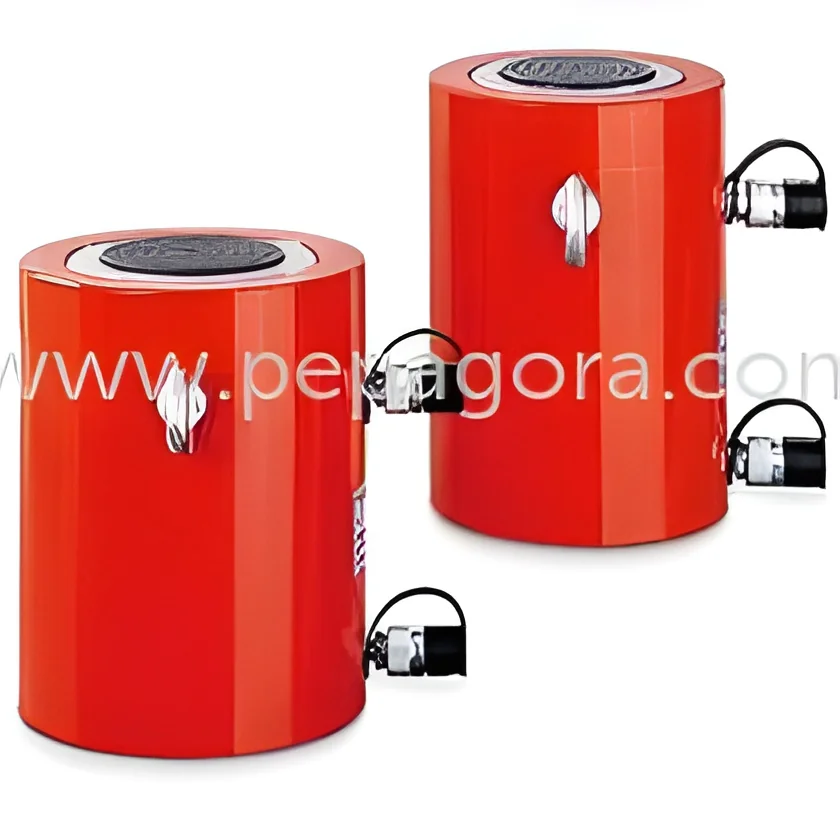
Hand Pump for Hydraulic Cylinders: This version is specifically tailored for use with hydraulic cylinders, offering precise pressure control. It is commonly used in manufacturing and assembly tasks.
Low-Profile Hydraulic Pump: Designed for applications requiring minimal height, this variant is useful in confined spaces, such as under machinery. It is widely used in maintenance and repair operations.
Pneumatic Hand Pump: While primarily hand operated, this variant can also accommodate pneumatic pressure, providing versatility for different hydraulic tasks in various industries.
Benefits and Advantages
Using hand operated hydraulic pumps offers several notable benefits for businesses.
1. Portability: Their compact design allows easy transport and use in remote locations, making them ideal for fieldwork.
2. Cost-Effective: Hand operated pumps are generally more affordable than powered alternatives, reducing initial investment costs.
3. Simplicity of Use: These pumps require minimal training to operate, making them accessible for workers in various industries.
4. Reliability: With fewer moving parts and no reliance on electrical power, hand operated hydraulic pumps are less prone to failure, ensuring consistent performance.
5. Versatility: They can be used across multiple applications and industries, providing flexibility for businesses with diverse operational needs.
6. Safety: Many models include safety features such as pressure relief valves, reducing the risk of accidents and enhancing user safety.
Buying Guide for B2B Buyers
When sourcing hand operated hydraulic pumps, several factors should be considered to ensure optimal selection.
1. Quality Assessment: Buyers should evaluate the pump's quality based on material durability and overall construction. Look for manufacturers that comply with industry standards.
2. Supplier Verification: It is crucial to vet suppliers for their reliability and reputation. Check for reviews and request references to ensure you are dealing with established providers.
3. Pricing and MOQ: Compare prices among different suppliers while considering minimum order quantities. Understanding pricing structures can help in budgeting for purchases.
4. Delivery and Lead Times: Inquire about delivery schedules and lead times. Timely delivery is essential for maintaining operational efficiency, so ensure suppliers can meet your timelines.
5. Compliance Requirements: Check for any regulatory compliance requirements relevant to your industry. This includes certifications such as UL and CE, which ensure safety and quality.
Compliance and Certifications
Compliance and certifications play a vital role in the manufacturing and procurement of hand operated hydraulic pumps.
Relevant quality standards such as ISO 9001 ensure that manufacturers adhere to quality management systems that enhance product reliability and customer satisfaction. These standards provide a framework for continuous improvement and operational efficiency.
Industry certifications like UL and CE are essential for ensuring safety and compliance with regulatory requirements. UL certification indicates that a product has been tested for safety, while CE marking ensures conformity with health, safety, and environmental protection standards within the European market.
Safety and testing requirements must be rigorously followed to minimize risks associated with hydraulic systems. This includes regular testing of pressure ratings and performance under various conditions to ensure reliability and safety in operation.
Additionally, regional compliance considerations may vary based on local regulations. Buyers should be aware of these variances to ensure that the products they source meet all necessary legal and safety standards.
Why Source Hand Operated Hydraulic Pumps from Pepagora?
Pepagora provides a trusted platform for sourcing hand operated hydraulic pumps with several key advantages for B2B buyers.
Verified Supplier Network: Pepagora connects buyers with a network of verified suppliers who meet stringent quality and performance standards. This ensures that purchasers are working with reputable manufacturers.
Streamlined RFQ Process: The platform offers a streamlined request for quotation (RFQ) process, allowing buyers to easily compare quotes from multiple suppliers. This efficiency helps in making informed purchasing decisions quickly.
Trade Assurance and Support: Pepagora offers trade assurance to protect buyers, ensuring that they receive the products as specified. Support services are also available to assist buyers throughout the sourcing process.
Regional Coverage: With a strong presence in India, the GCC, and Southeast Asia, Pepagora provides extensive regional coverage, making it easier for businesses in these areas to access quality hydraulic pumps and related products.
By choosing Pepagora, businesses can enhance their procurement processes, ensuring they obtain high-quality hand operated hydraulic pumps that meet their specific needs.

 IN
IN