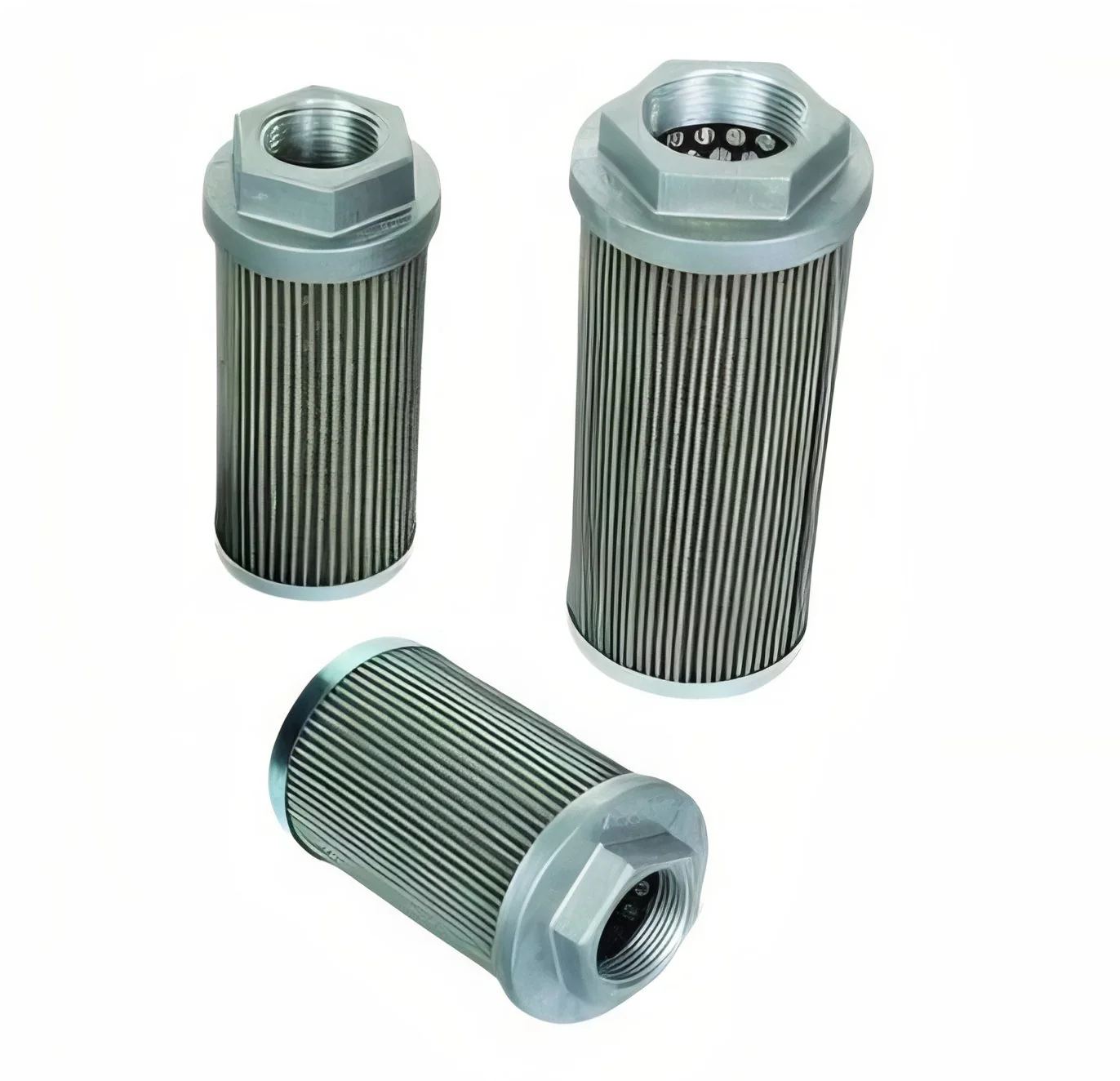
What are Hydraulic Oil Filters?
Hydraulic oil filters are essential components designed to remove contaminants from hydraulic fluids in various systems. These filters ensure that the hydraulic fluids remain clean, which is crucial for the efficient operation of machinery and equipment. By trapping particles such as dirt, metal shavings, and other impurities, hydraulic oil filters help maintain the integrity and performance of hydraulic systems.
The primary uses of hydraulic oil filters span across multiple industries, including manufacturing, construction, and agriculture. In these sectors, hydraulic systems are commonly used to power machinery such as excavators, forklifts, and hydraulic presses. By ensuring that hydraulic fluids are free from contaminants, these filters enhance equipment reliability, reduce maintenance costs, and prolong the lifespan of hydraulic components. As industries increasingly prioritize efficiency and operational reliability, the demand for high-quality hydraulic oil filters continues to grow.
In the current market context, hydraulic oil filters are relevant not only for their functional benefits but also for their role in ensuring compliance with industry standards. Manufacturers and operators are recognizing the importance of using reliable filters to meet regulatory requirements and uphold safety standards. This growing awareness contributes to the increasing market demand for advanced hydraulic oil filter solutions.
Key Features and Specifications
Hydraulic oil filters come with various key features and specifications that enhance their performance and suitability for different applications. Understanding these features is vital for selecting the right filter for specific needs.
Key specifications include:
1. Filtration Efficiency
- This specification indicates the filter's ability to remove contaminants from hydraulic fluids.
- Filters typically offer efficiency ratings ranging from 90% to 99.9%, depending on the application.
2. Flow Rate
- The flow rate defines the maximum amount of hydraulic fluid that can pass through the filter without causing a significant pressure drop.
- Flow rates can vary widely, with typical ranges from 10 to 200 liters per minute.
3. Maximum Operating Pressure
- This specification indicates the highest pressure the filter can withstand without failure.
- Maximum operating pressures often range from 6 to 25 bar.
4. Filter Media
- The type of filter media (e.g., cellulose, synthetic, metal) affects filtration performance and durability.
- Different media types offer varying levels of dirt-holding capacity and lifespan.
5. Temperature Range
- This specification defines the operational temperature limits for the filter.
- Temperature ranges can typically be from -20 to 100 degrees Celsius.
6. Size and Dimensions
- The size of the filter must be compatible with the hydraulic system it serves.
- Filters come in various dimensions to accommodate different installation spaces.
7. End Connections
- The type of end connections (e.g., threaded, flanged) affects how the filter integrates into the system.
- Standard sizes and fittings ensure compatibility with existing hydraulic lines.
8. Service Life
- This indicates how long the filter can operate before needing replacement.
- Service life can vary based on application conditions, typically ranging from 500 to 2000 operating hours.
Understanding these specifications helps businesses select the most appropriate hydraulic oil filters for their specific applications, ensuring optimal performance and reliability.
Common Applications and Use Cases
Hydraulic oil filters are utilized in a variety of industrial applications, ensuring the smooth operation of hydraulic systems across different sectors.
1. Manufacturing: In manufacturing environments, hydraulic systems are used in machinery such as presses and injection molding machines. Hydraulic oil filters help maintain the cleanliness of the hydraulic fluid, which is crucial for precision operations.
2. Construction: Construction equipment, including excavators, bulldozers, and cranes, relies heavily on hydraulic systems. Filters help protect against contaminants that could lead to equipment failure and costly downtime.
3. Agriculture: Agricultural machinery frequently incorporates hydraulic systems to operate equipment like tractors and harvesters. Hydraulic oil filters ensure that the hydraulic fluids remain free of debris, enhancing the efficiency and longevity of these machines.
4. Automotive: Hydraulic systems in automotive applications, such as power steering and brake systems, benefit from effective filtration. Clean hydraulic fluids are vital for safety and performance in vehicles.
5. Marine: In marine applications, hydraulic systems are used in steering and lifting equipment. Hydraulic oil filters protect these systems from seawater and sediment contamination.
6. Mining: Hydraulic systems in mining equipment, such as drills and loaders, require reliable filtration to prevent wear and ensure operational efficiency in harsh environments.
7. Aerospace: Aerospace applications utilize hydraulic systems for various functions, including landing gear and flight control systems. High-quality filters help maintain the integrity and safety of aerospace operations.
Product Variants and Subcategories
Hydraulic oil filters are available in various configurations to meet the diverse needs of different industries.
Standard Filter
This variant is designed for general use in hydraulic systems. It features robust filtration efficiency and is suitable for a wide range of hydraulic fluids.
High-Pressure Filter
These filters are specifically designed for high-pressure hydraulic applications. They can withstand greater pressure levels while maintaining filtration performance, making them ideal for demanding environments.
Low-Temperature Filter
This variant is designed to operate effectively in low-temperature conditions. It ensures optimal performance of hydraulic systems that may be exposed to colder climates.
By understanding the different variants of hydraulic oil filters, businesses can choose the most suitable options for their specific operational requirements.
Benefits and Advantages
Hydraulic oil filters offer numerous benefits that significantly enhance the performance of hydraulic systems.
1. Improved Equipment Longevity: By removing contaminants, hydraulic oil filters help extend the life of hydraulic components, reducing the need for frequent replacements.
2. Enhanced Efficiency: Clean hydraulic fluids improve the overall efficiency of hydraulic systems, leading to better performance and reduced energy consumption.
3. Reduced Maintenance Costs: Effective filtration minimizes wear and tear on machinery, resulting in lower maintenance and repair costs over time.
4. Increased Safety: By ensuring the reliability of hydraulic systems, filters contribute to safer operations, particularly in critical applications such as construction and aerospace.
5. Compliance with Standards: Using high-quality hydraulic oil filters helps businesses meet industry standards and regulatory requirements, ensuring operational compliance.
6. Environmental Protection: Clean hydraulic fluids reduce the risk of spills and contamination, contributing to better environmental practices.
Buying Guide for B2B Buyers
When sourcing hydraulic oil filters, several factors should be considered to ensure the best fit for your needs.
1. Quality Assessment: Evaluate the quality of the filters by examining manufacturer certifications and performance ratings. High-quality filters are essential for optimal system performance.
2. Supplier Verification: Vet suppliers to ensure they have a proven track record of providing reliable products. Check for reviews, references, and their overall reputation in the industry.
3. Pricing and MOQ: Understand the pricing structure and minimum order quantities (MOQ) required by suppliers. This will help optimize your purchasing strategy.
4. Delivery and Lead Times: Consider the logistics involved in sourcing your filters. Understand typical lead times to ensure you have the necessary inventory when needed.
5. Compliance Requirements: Ensure that the hydraulic oil filters meet relevant industry standards and regulatory requirements for your specific applications.
Compliance and Certifications
Hydraulic oil filters must adhere to various compliance standards and certifications to ensure safety and reliability.
Relevant quality standards, such as ISO 9001, ensure that manufacturers maintain consistent quality management practices. This is crucial for producing high-quality hydraulic oil filters that meet industry expectations.
Industry certifications such as CE and UL further demonstrate compliance with safety and performance standards. These certifications assure buyers that the products have passed rigorous testing and meet necessary safety requirements.
Additionally, safety and testing requirements dictate that hydraulic oil filters undergo thorough testing to confirm their performance under different conditions. Compliance with these standards is essential for maintaining safety and operational reliability.
Regional compliance considerations may vary, so it is important for buyers to understand local regulations governing hydraulic systems in their specific regions.
Why Source Hydraulic Oil Filters from Pepagora?
Pepagora provides a trusted platform for sourcing hydraulic oil filters with several key advantages that make it an appealing choice for businesses.
Verified Supplier Network: Pepagora features a robust network of verified suppliers, ensuring that buyers can access high-quality hydraulic oil filters from reputable manufacturers. This verification process provides peace of mind when making purchasing decisions.
Streamlined RFQ Process: The request for quotation (RFQ) process is designed to be straightforward, allowing buyers to efficiently obtain quotes from multiple suppliers. This streamlining helps businesses save time and compare options effectively.
Trade Assurance and Support: Pepagora offers trade assurance and buyer protection, providing added security for transactions. This support helps buyers feel confident in their sourcing decisions.
Regional Coverage: With a strong presence in India, the GCC, and Southeast Asia, Pepagora caters to a wide geographical range. This extensive coverage ensures that businesses across various regions can find suitable hydraulic oil filters to meet their operational needs.

 IN
IN