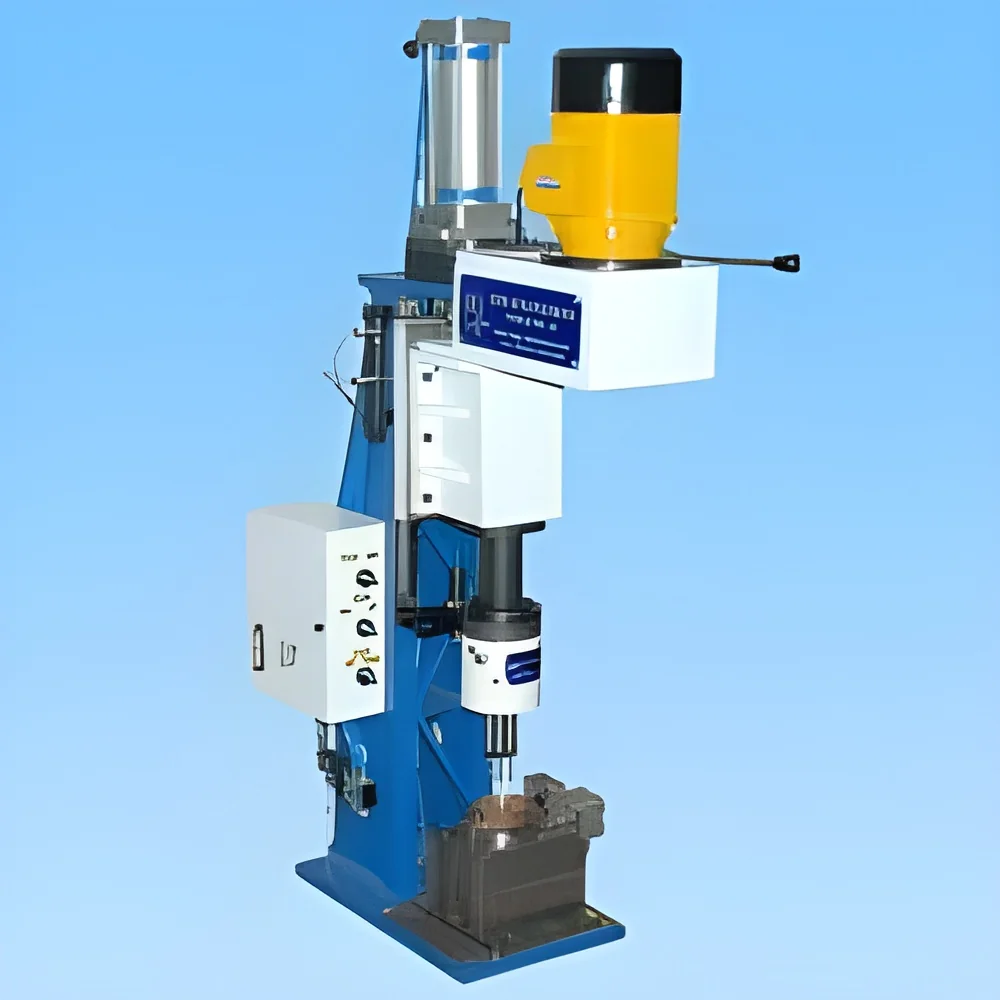
What are Pneumatic Pick & Place Units?
Pneumatic pick and place units are automation devices that utilize pneumatic power to move, position, and transfer items in manufacturing and assembly processes. These units operate using compressed air to generate movement, allowing for precise handling of various materials and products. Their design typically includes a series of actuators, sensors, and control systems that make them highly efficient and reliable in high-speed applications.
These units are primarily used in industries such as packaging, electronics, automotive, and food processing. They streamline operations by automating repetitive tasks, which increases productivity and reduces the risk of human error. Pneumatic pick and place units are ideal for tasks that require speed and accuracy, such as sorting, packing, and assembly of components. As businesses increasingly turn to automation for efficiency, these units are becoming essential tools in the modern industrial landscape.
The relevance of pneumatic pick and place units in today's market is underscored by the growing demand for automation solutions. As industries seek to optimize production processes and enhance operational efficiency, these units provide a practical and effective solution. Their adaptability to various applications makes them a valuable asset in the competitive industrial sector.
Key Features and Specifications
Pneumatic pick and place units are characterized by several key features that enhance their functionality and efficiency. Understanding these specifications can help businesses select the right unit for their applications.
Key specifications include:
1. Actuation Type
- Utilizes pneumatic cylinders for movement
- Offers high-speed operation and responsiveness
2. Load Capacity
- Capable of handling weights ranging from lightweight components to heavier items
- Load capacity varies based on unit design and configuration
3. Stroke Length
- Adjustable stroke lengths to accommodate different handling requirements
- Range typically from several millimeters to over a meter
4. Speed Range
- Operating speeds can reach up to several hundred cycles per minute
- Speed adjustments available for specific applications
5. Control System
- Equipped with programmable logic controllers (PLC) for precise operation
- Integration with existing manufacturing systems for seamless automation
6. Sensor Integration
- Features built-in sensors for accurate positioning and feedback
- Enhances reliability and reduces operational errors
7. Material Compatibility
- Designed to handle various materials including plastic, metal, and glass
- Ensures versatility across different applications
8. Safety Features
- Incorporates safety mechanisms to prevent accidents
- Complies with industry safety standards
These features collectively make pneumatic pick and place units a versatile choice for many automation applications, ensuring efficiency and precision in material handling.
Common Applications and Use Cases
Pneumatic pick and place units find applications across various industries, making them essential tools in modern manufacturing.
1. Automotive: Used for assembling components such as dashboards, engines, and other parts, enhancing production speed and accuracy.
2. Electronics: Ideal for handling delicate components during assembly, ensuring precision and reducing the risk of damage.
3. Food Processing: Employed for packaging and sorting food items, maintaining hygiene and efficiency in production lines.
4. Pharmaceutical: Used for transferring and packaging medications, ensuring compliance with safety and regulatory standards.
5. Logistics: Facilitates the sorting and handling of packages in warehouses, improving workflow and reducing manual labor.
6. Plastics: Utilized in the manufacturing and assembly of plastic components, ensuring efficient production processes.
7. Textile: Assists in the handling and sorting of fabric materials during manufacturing, enhancing operational efficiency.
These applications demonstrate the versatility of pneumatic pick and place units, making them valuable assets in various sectors.
Product Variants and Subcategories
Pneumatic pick and place units come in a variety of designs to meet specific operational needs. Although detailed subcategories are not available, the diversity in pneumatic technology allows for tailored solutions.
Compact Units
These variants are specifically designed for confined spaces, making them ideal for smaller assembly lines. Their lightweight construction ensures ease of installation and operation.
Heavy-Duty Units
Engineered to handle larger and heavier items, these units are essential in industries like automotive and manufacturing. They feature robust construction and higher load capacities.
Customizable Solutions
Many suppliers offer customizable pneumatic pick and place units to cater to unique business requirements. These units can be tailored in terms of size, load capacity, and control systems.
Benefits and Advantages
Pneumatic pick and place units offer several advantages that enhance their appeal in industrial applications.
1. Increased Efficiency: Automating material handling tasks significantly reduces cycle times, leading to higher productivity.
2. Precision Handling: These units provide accurate positioning and movement, minimizing errors in assembly and packaging processes.
3. Reduced Labor Costs: By automating repetitive tasks, companies can lower labor costs and reallocate workforce for more skilled tasks.
4. Versatility: Pneumatic pick and place units can handle a wide range of materials, making them suitable for various industries.
5. Low Maintenance: Compared to other automated systems, pneumatic units generally require less maintenance, reducing downtime.
6. Safety Features: Designed with safety in mind, these units help mitigate risks associated with manual handling and operations.
These benefits make pneumatic pick and place units a smart investment for businesses looking to improve efficiency and streamline operations.
Buying Guide for B2B Buyers
When sourcing pneumatic pick and place units, it is vital for businesses to consider several factors to ensure they make the right choice.
1. Quality Assessment: Buyers should evaluate the quality of the units by checking certifications, materials used, and overall build quality. High-quality units typically offer better performance and longevity.
2. Supplier Verification: It is important to vet suppliers thoroughly. Look for established companies with a solid reputation, positive customer reviews, and a history of reliable service.
3. Pricing and MOQ: Understanding the pricing structure and minimum order quantities (MOQ) is crucial. Buyers should compare quotes from multiple suppliers to ensure competitive pricing.
4. Delivery and Lead Times: Consider the logistics involved in sourcing units. Check the supplier's ability to meet delivery schedules and lead times to avoid production delays.
5. Compliance Requirements: Ensure that the units meet industry-specific compliance standards and regulations. This is especially important in sectors like food processing and pharmaceuticals.
By focusing on these factors, B2B buyers can make informed decisions when acquiring pneumatic pick and place units.
Compliance and Certifications
Pneumatic pick and place units are subject to various compliance standards and certifications that ensure their safety and quality. ISO 9001 is a quality management standard that emphasizes consistent quality in manufacturing processes. Compliance with this standard indicates that a manufacturer adheres to established quality management principles.
In addition to ISO certifications, many pneumatic pick and place units also carry CE certification, indicating compliance with European safety standards. This certification is essential for products sold in the European market, ensuring they meet safety, health, and environmental protection requirements.
Moreover, safety and testing requirements are paramount in industries that deal with sensitive materials, such as food and pharmaceuticals. Units must undergo rigorous testing to confirm their reliability and safety. Buyers should also be aware of regional compliance considerations, as different regions may have specific regulatory requirements that must be met.
Why Source Pneumatic Pick & Place Units from Pepagora?
Pepagora offers a trusted platform for sourcing pneumatic pick and place units, presenting several key advantages for B2B buyers.
Verified Supplier Network: Pepagora features a network of verified suppliers, ensuring that buyers can find reputable manufacturers with a proven track record. This reduces the risk associated with sourcing and enhances buyer confidence.
Streamlined RFQ Process: The platform provides a streamlined request for quotation (RFQ) process, allowing buyers to easily compare offers from multiple suppliers. This efficiency saves time and helps in making informed purchasing decisions.
Trade Assurance and Support: Pepagora's trade assurance features protect buyers, offering support in case of discrepancies or issues with orders. This added layer of protection fosters a safe buying environment.
Regional Coverage: With a focus on regions like India, the GCC, and Southeast Asia, Pepagora provides access to a broad range of suppliers and products. This geographic reach ensures that businesses can find the right pneumatic pick and place units to suit their operational needs.
Overall, Pepagora serves as a valuable resource for businesses seeking reliable pneumatic pick and place units, simplifying the sourcing process while ensuring quality and compliance.

 IN
IN