What are High Pressure Hydraulic Hoses?
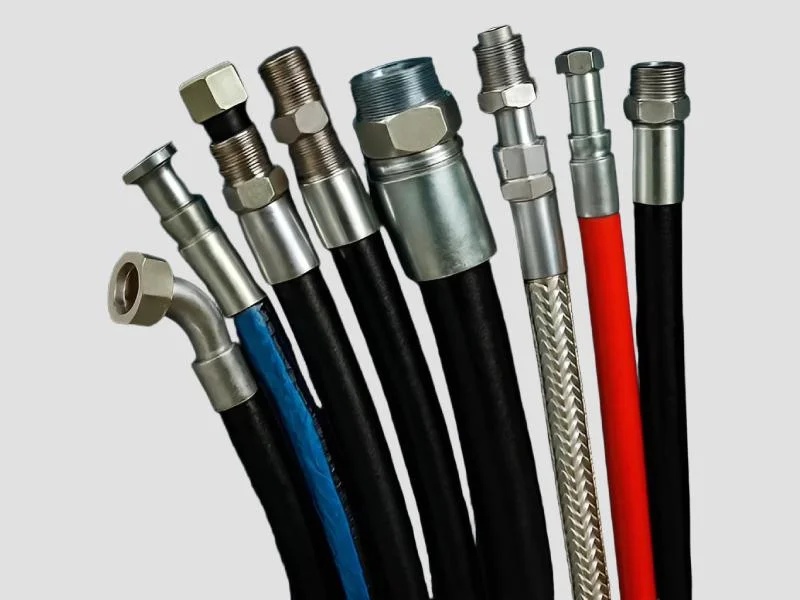
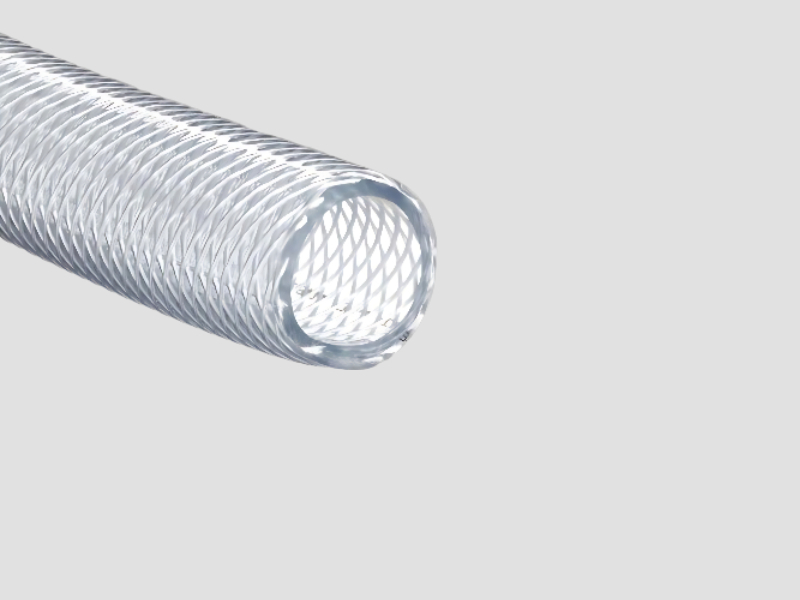
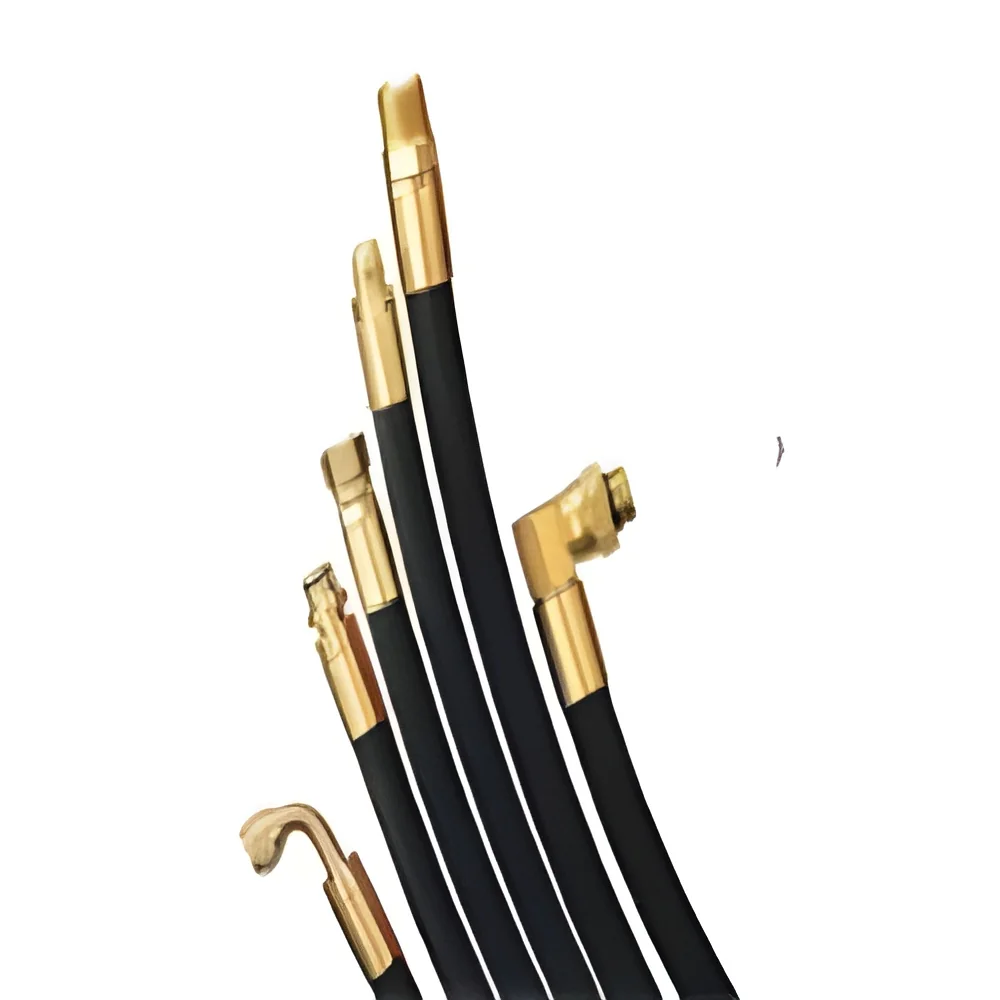
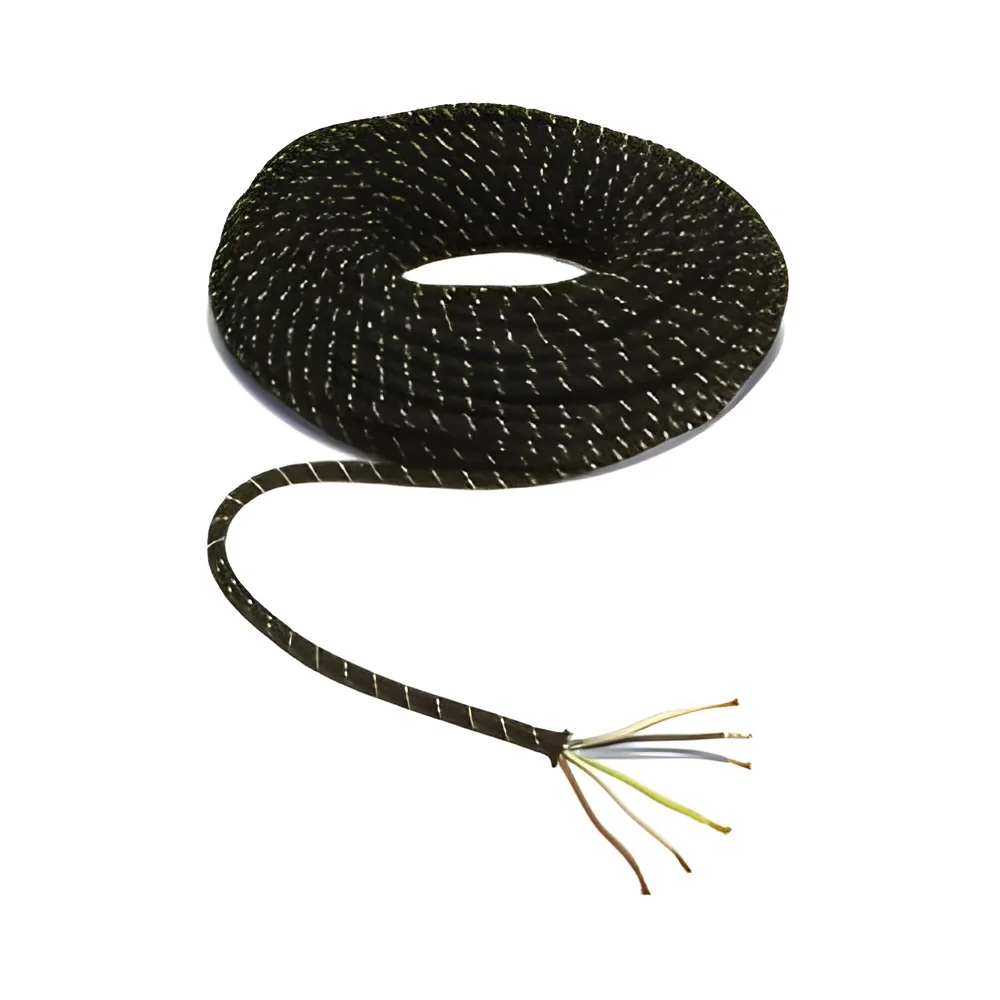
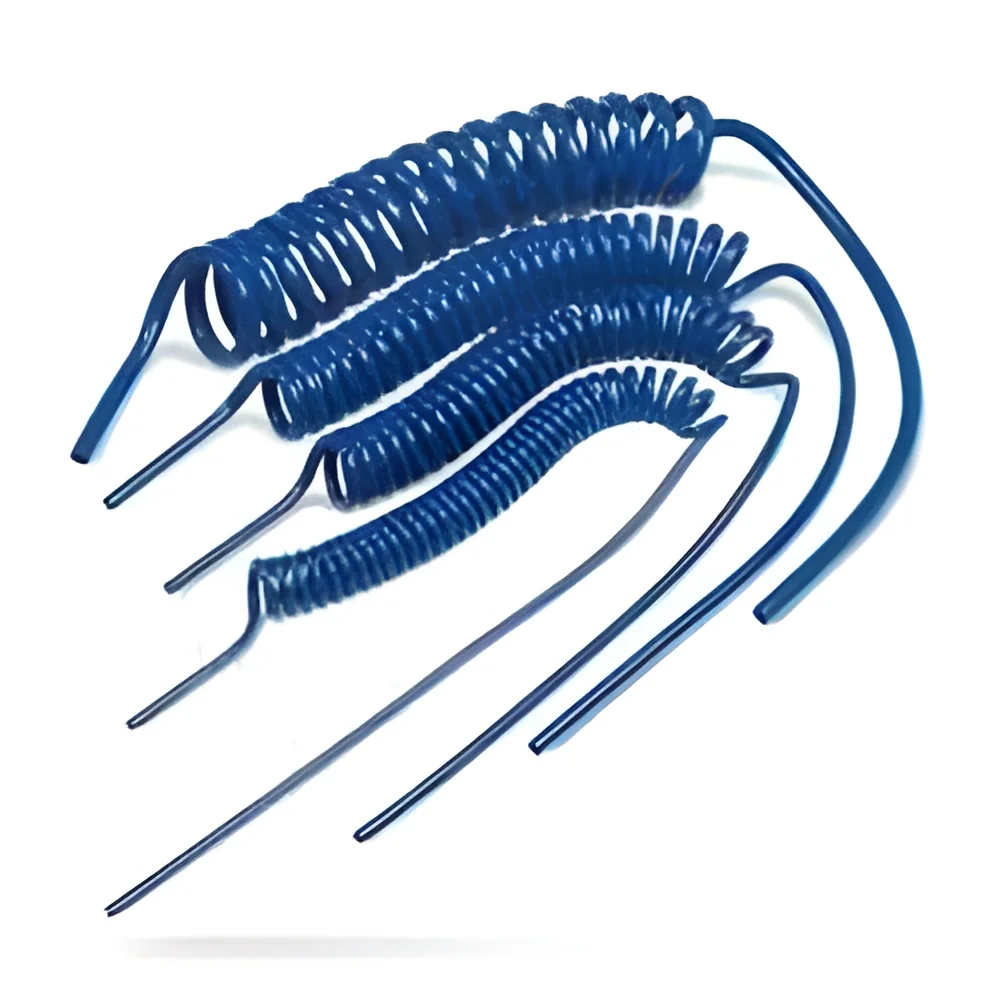
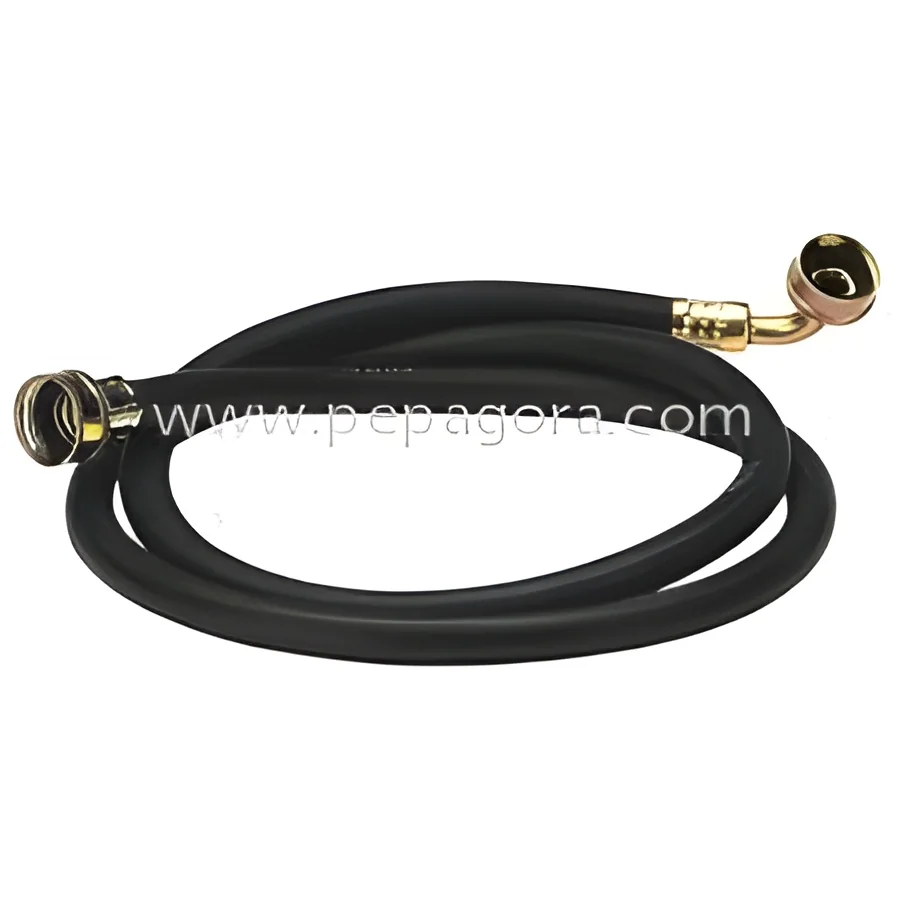
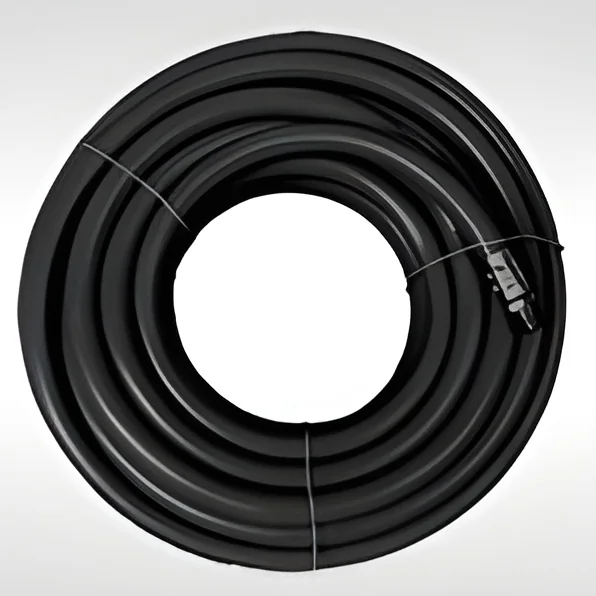
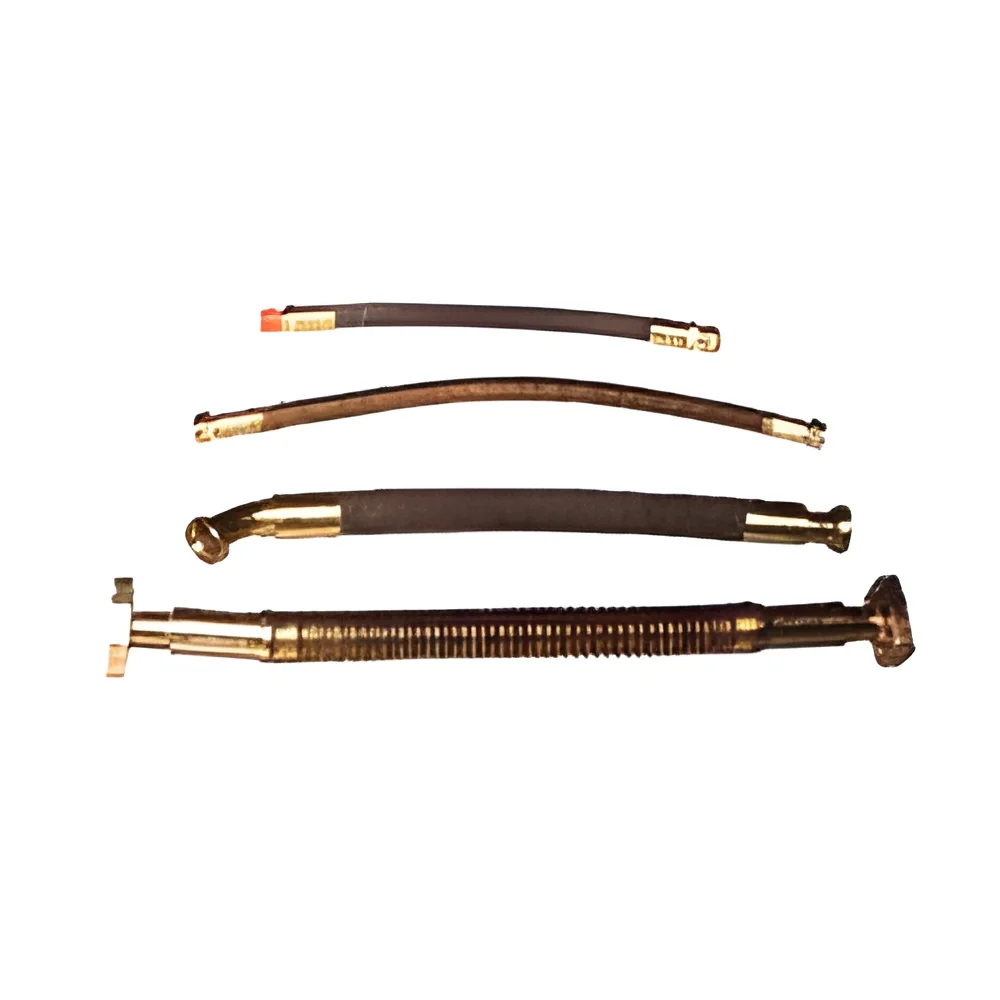
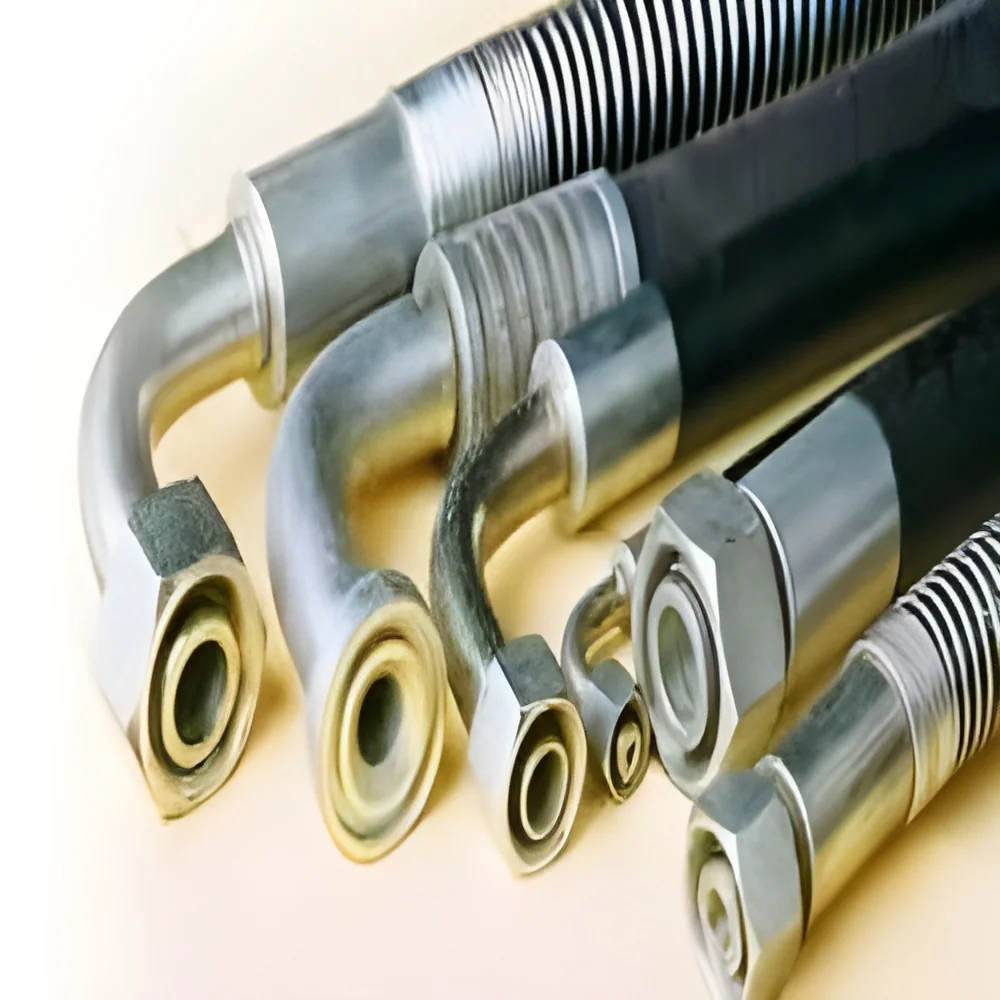
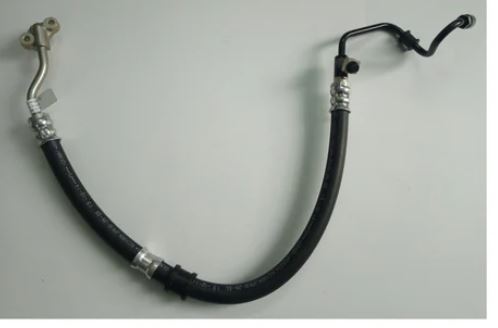
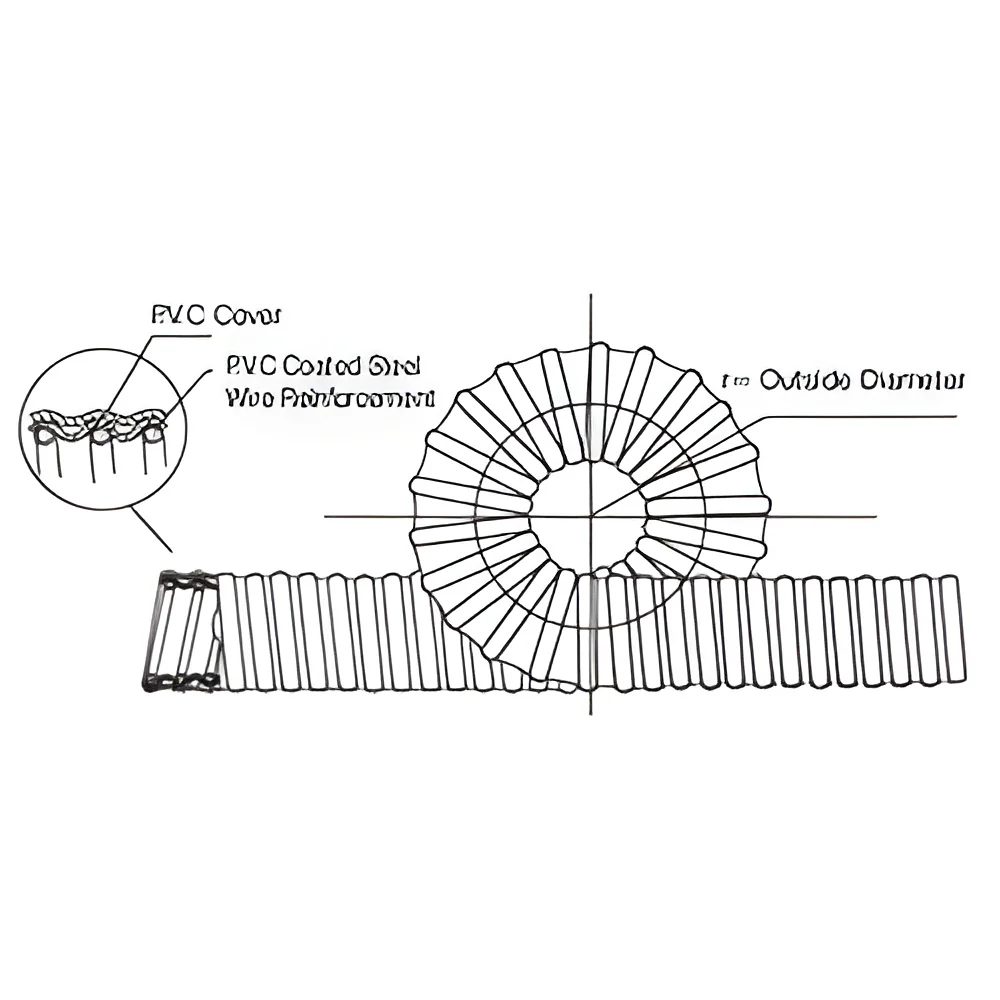
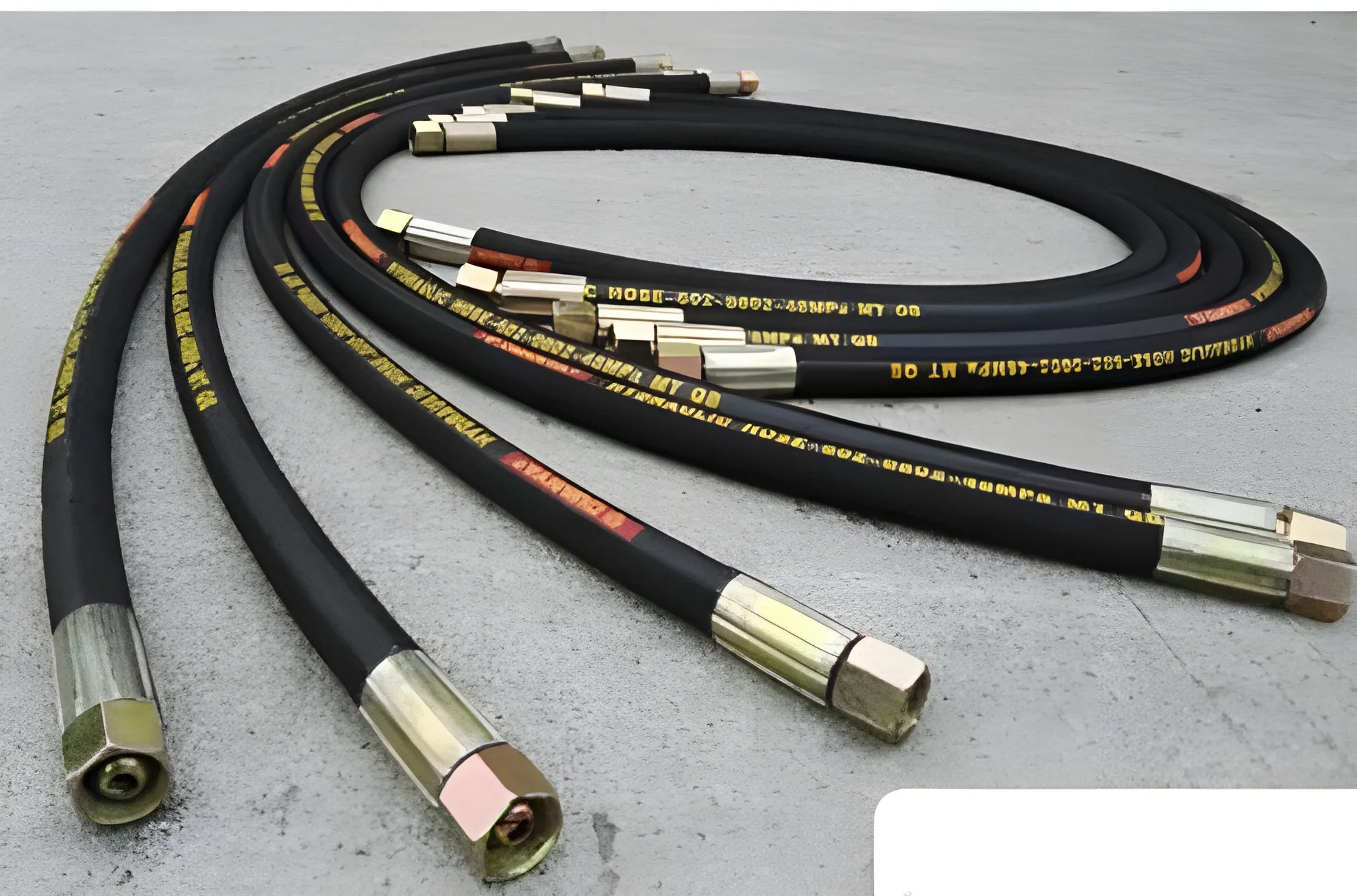
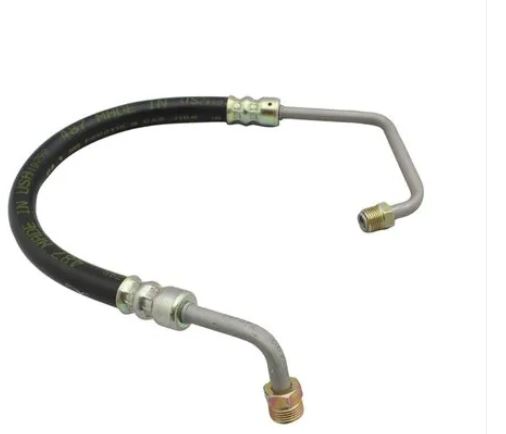
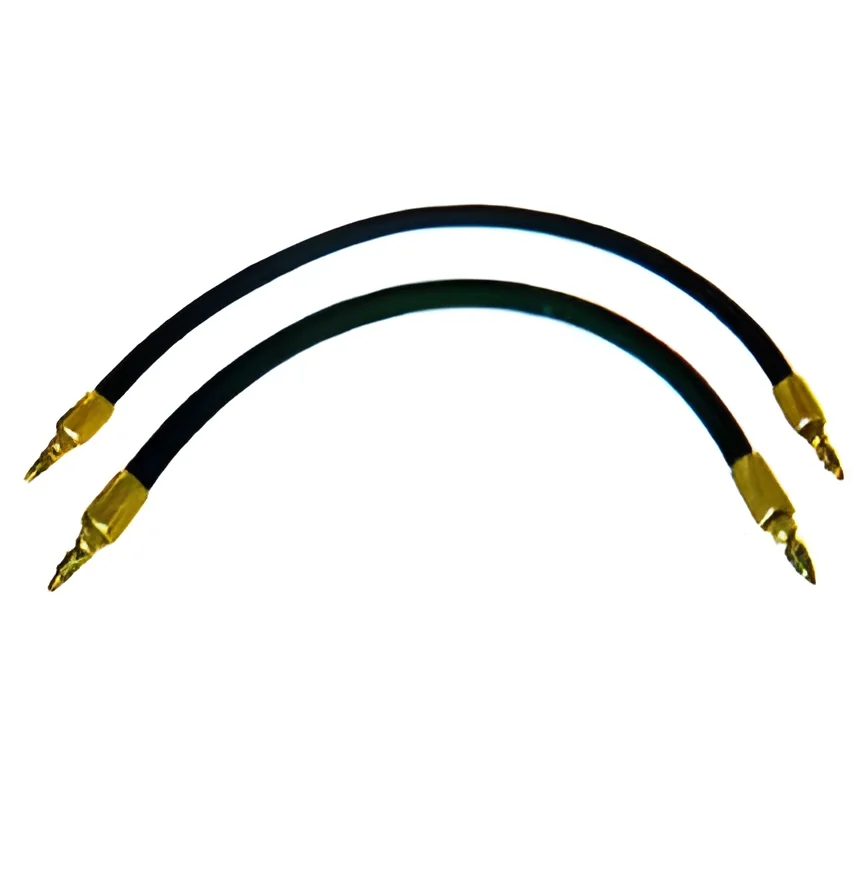
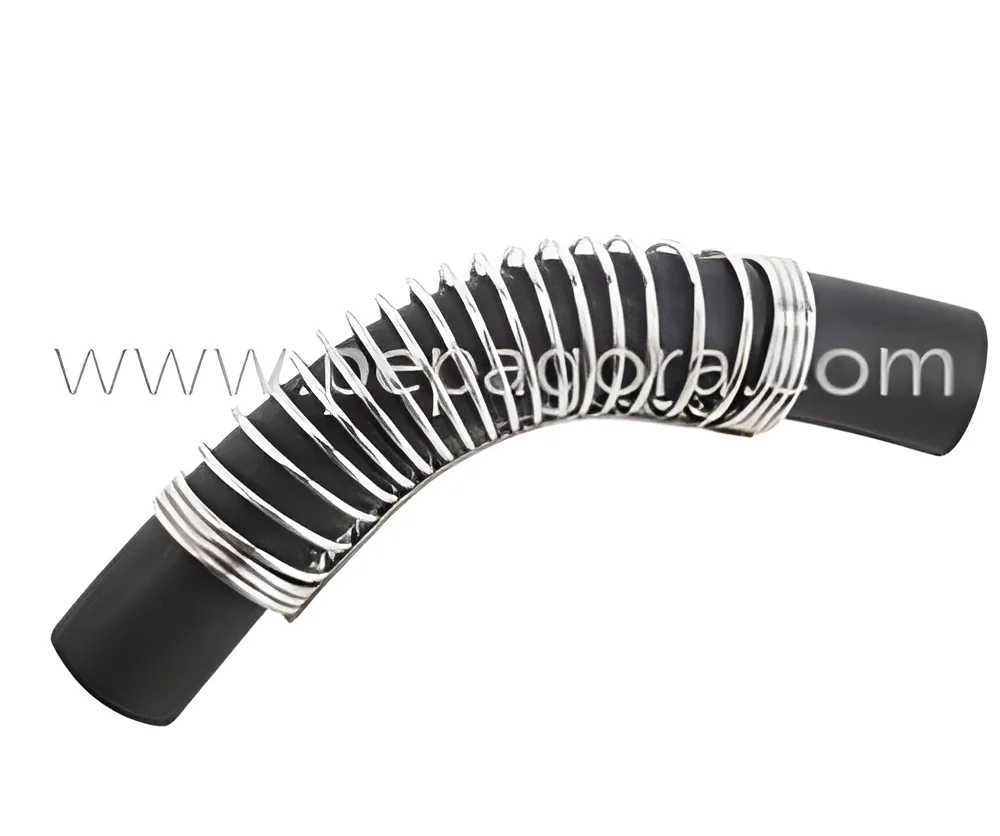
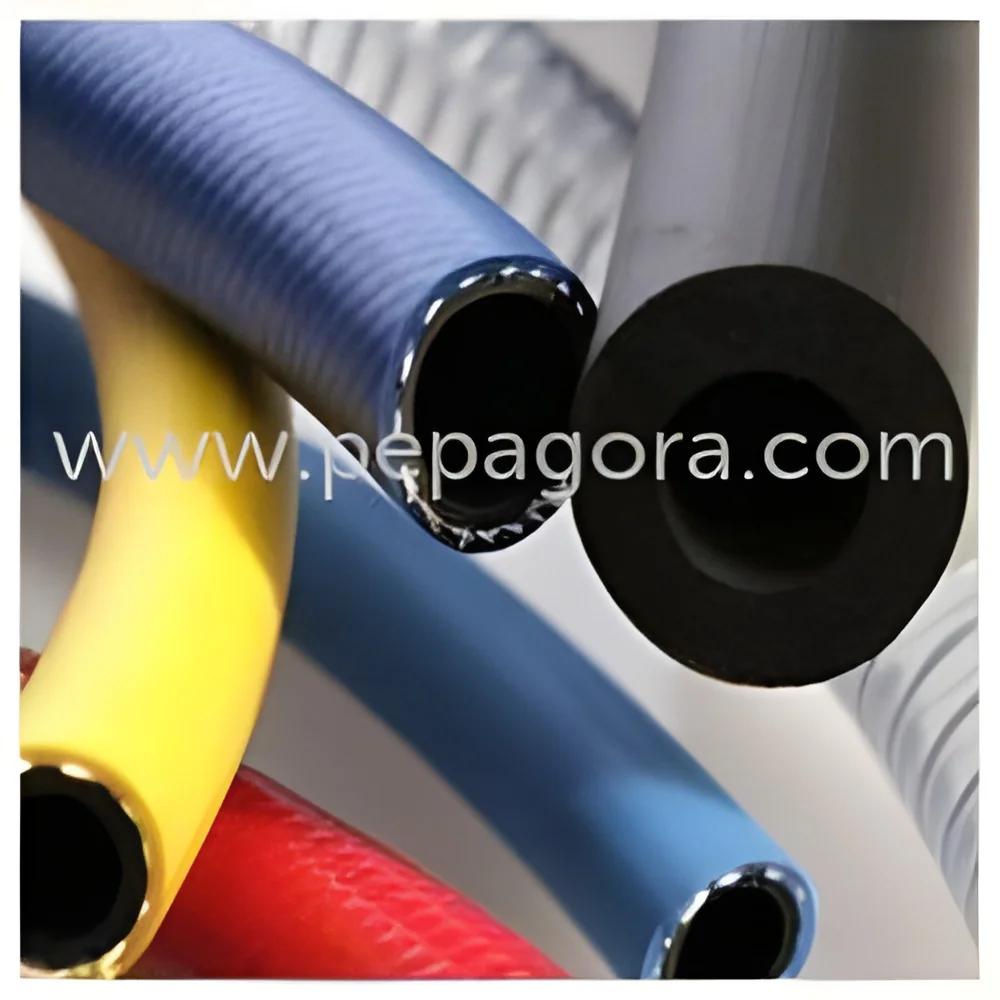
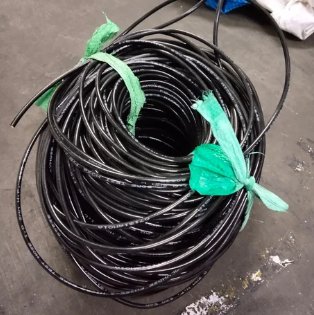
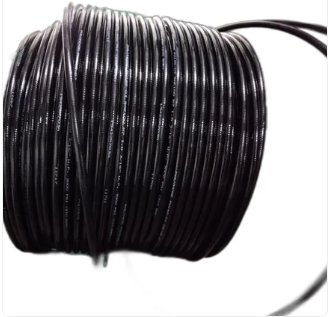
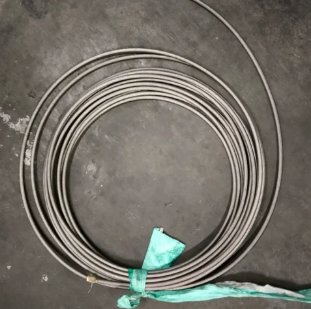
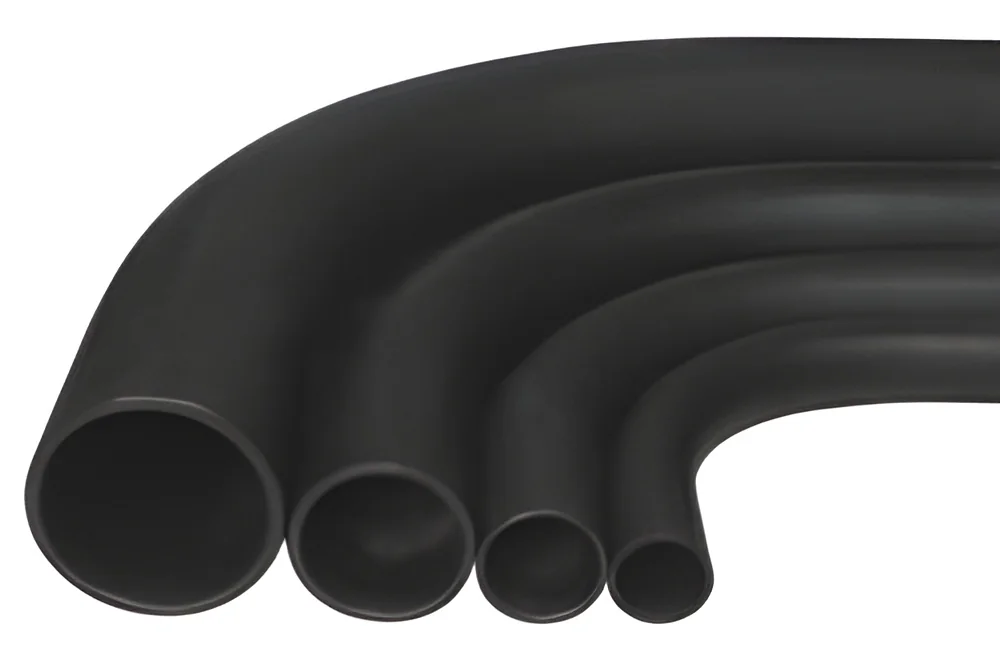
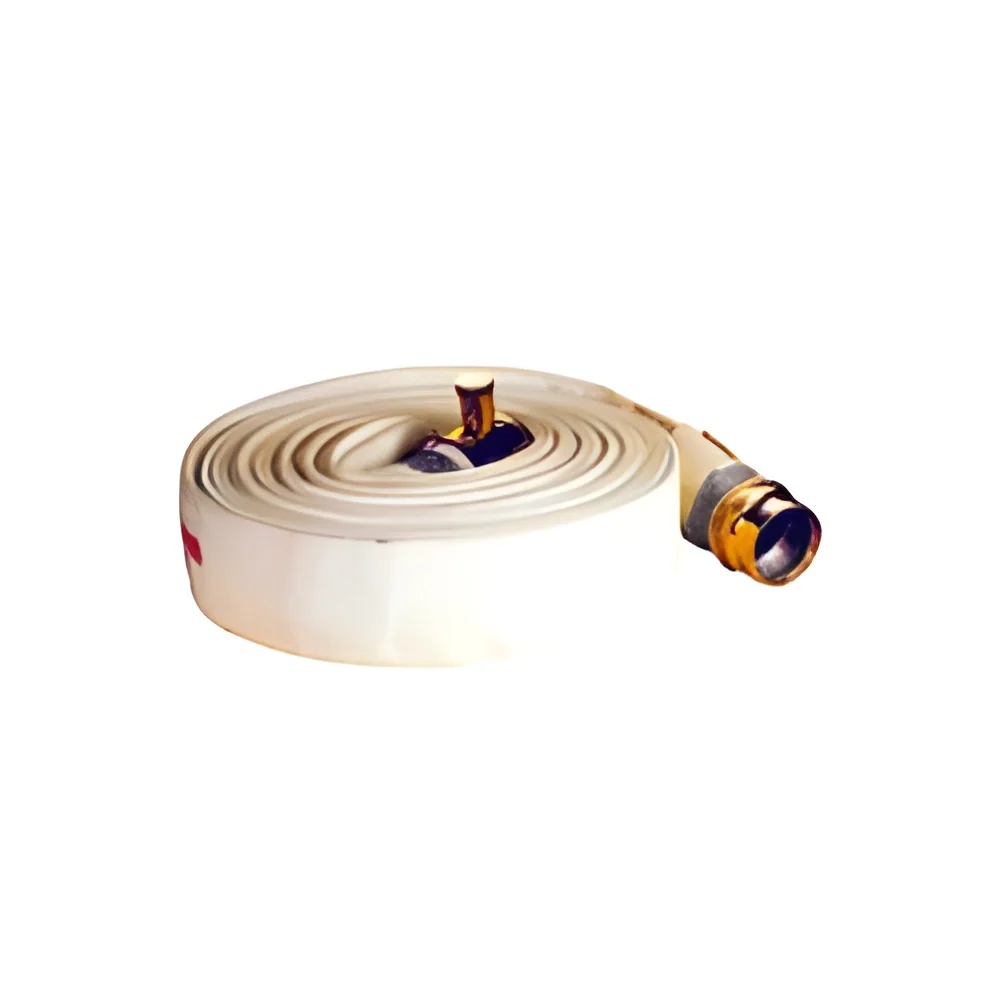
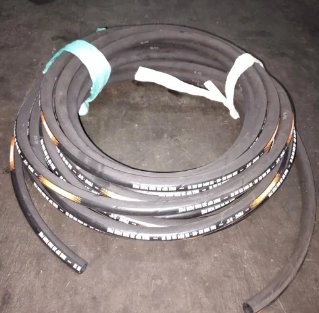
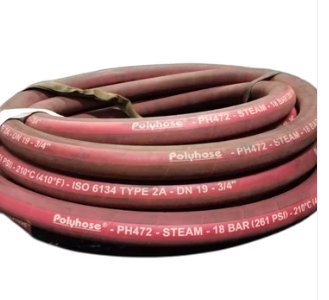
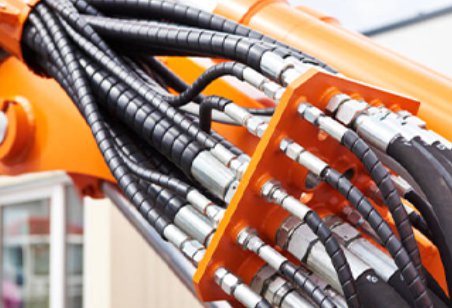
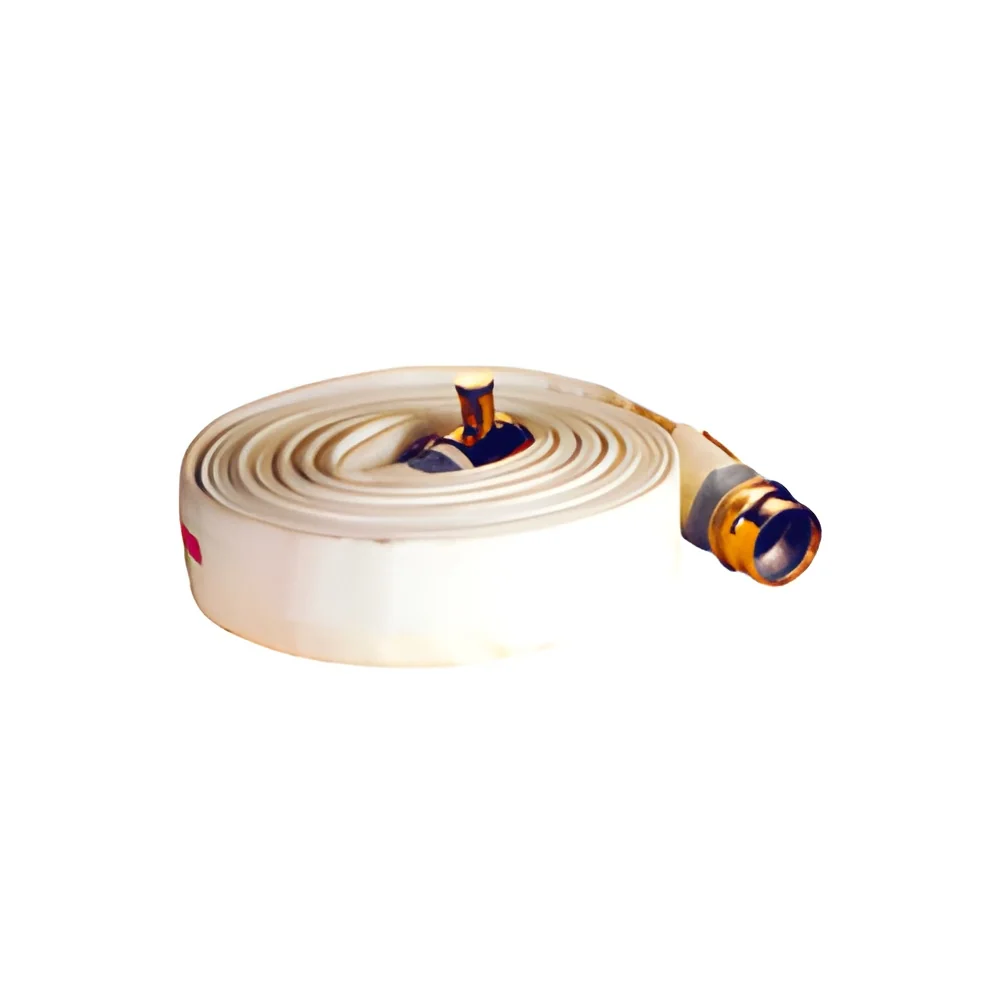
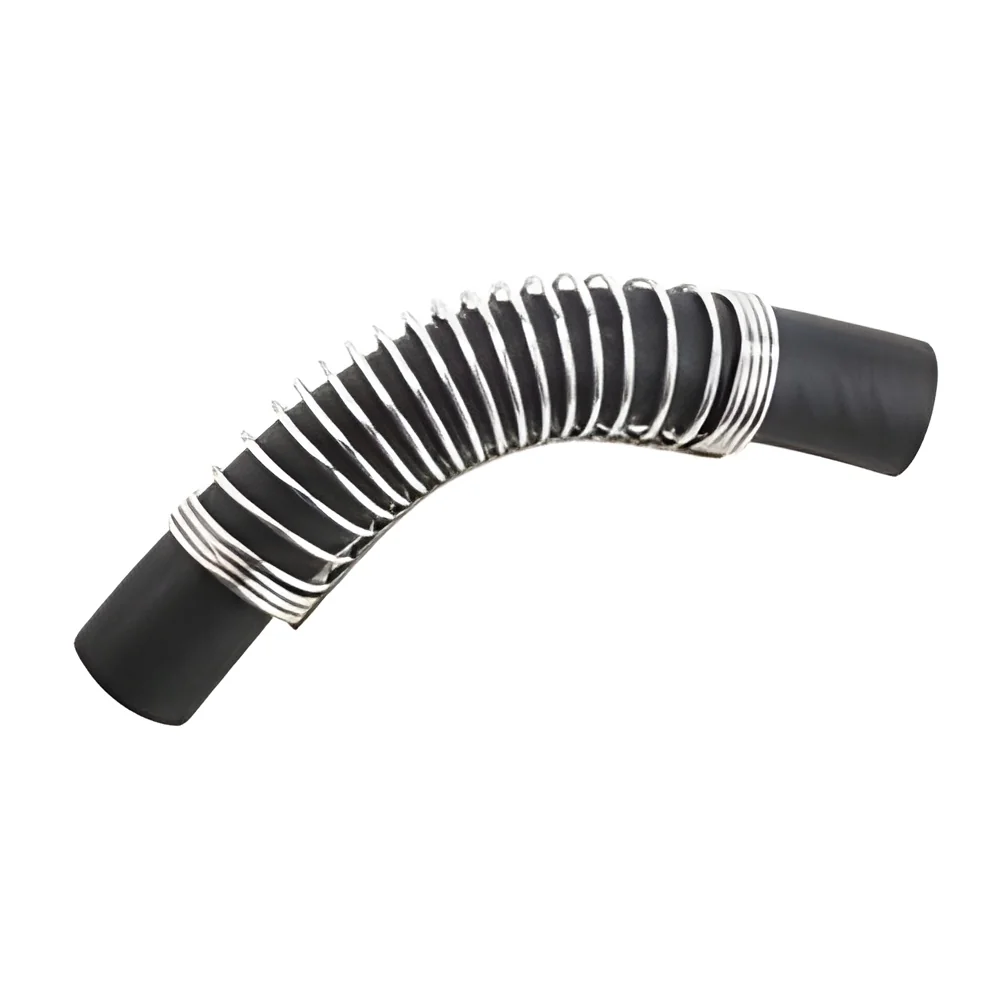
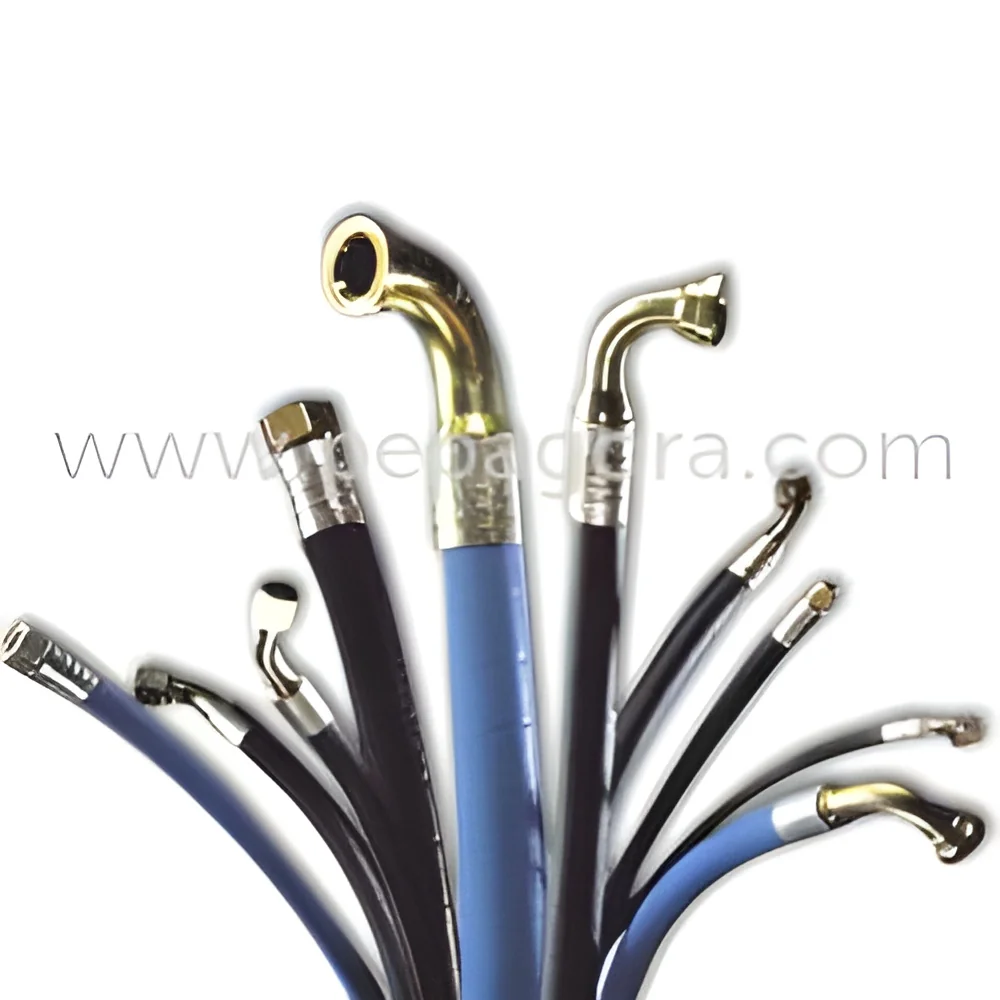
High Pressure Hydraulic Hoses are specialized tubes designed to transport hydraulic fluid under high pressure conditions. These hoses are constructed to withstand intense pressure, temperature variations, and mechanical stresses, making them essential for various industrial applications. They typically consist of a rubber or thermoplastic outer layer, reinforced with multiple layers of steel wire or textile fibers to enhance strength and flexibility.
These hoses are widely used across numerous industries, including construction, manufacturing, and agriculture, where hydraulic systems are prevalent. The primary function of high-pressure hydraulic hoses is to transfer hydraulic fluids, which can power machinery and equipment. Their reliable performance is crucial for ensuring operational efficiency and safety in demanding environments. The market for high-pressure hydraulic hoses is growing as industries continue to adopt advanced hydraulic systems.
Key Features and Specifications
High Pressure Hydraulic Hoses offer a range of features that enhance their performance and suitability for various applications. These specifications ensure that the hoses can handle the pressures and conditions they will face in the field.
Key specifications include:
1. Pressure Rating
- This indicates the maximum pressure the hose can withstand.
- Common ratings range from 1500 to over 4000 psi.
2. Temperature Range
- High pressure hydraulic hoses operate effectively within a specified temperature range.
- Typical ranges are from -40°F to 250°F, depending on the material.
3. Material Composition
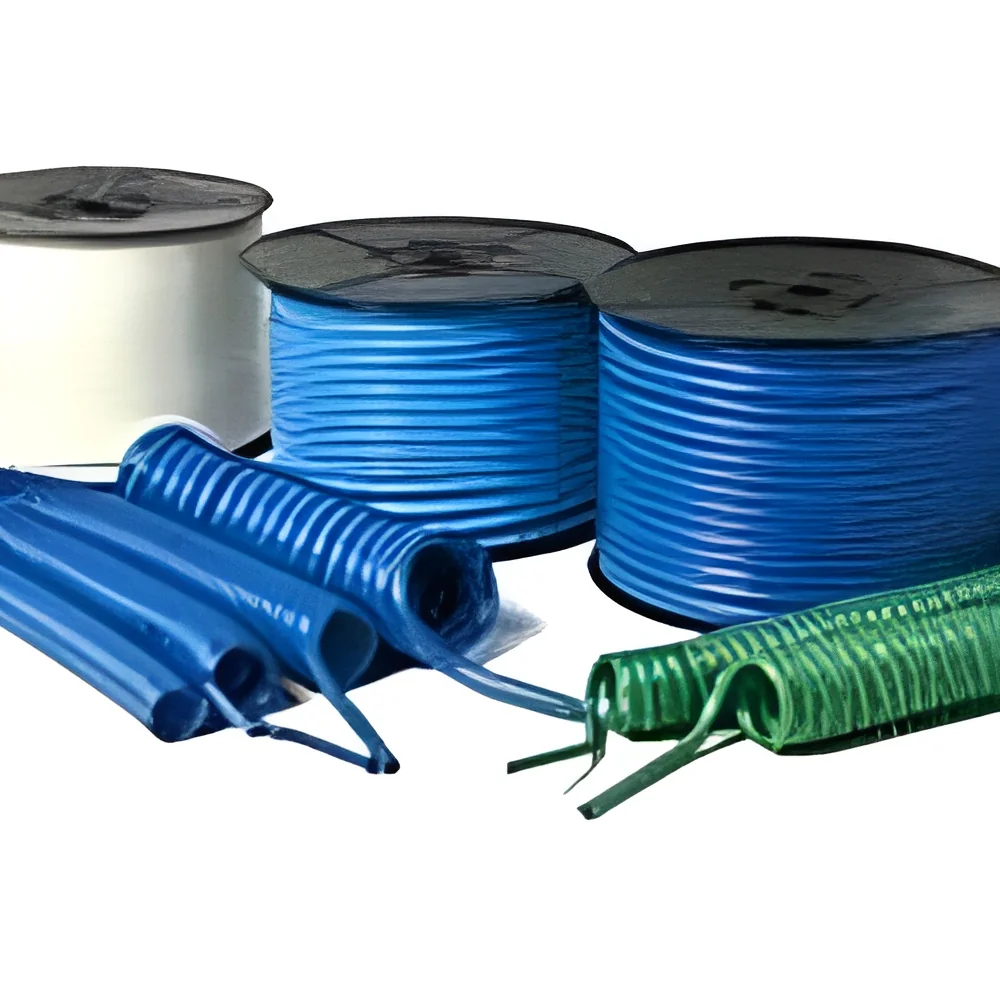
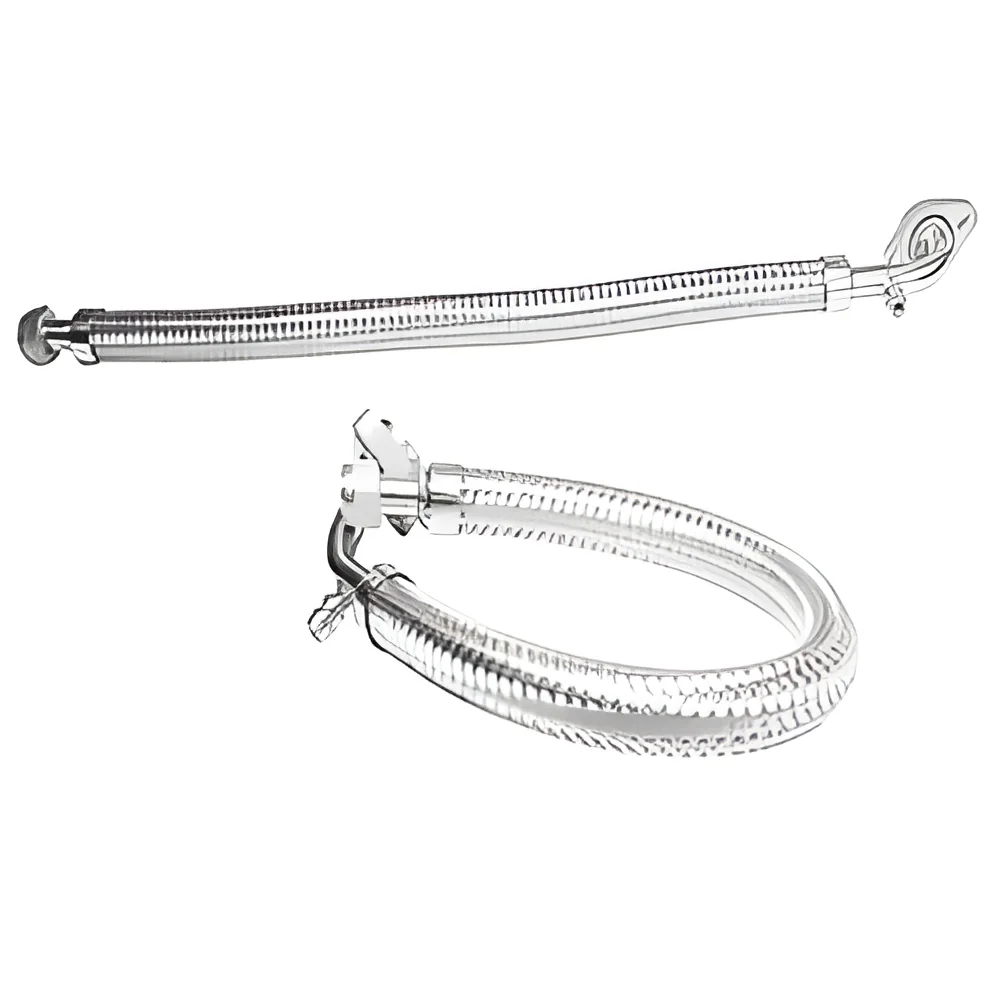
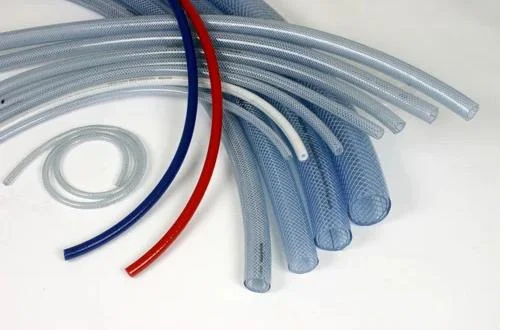
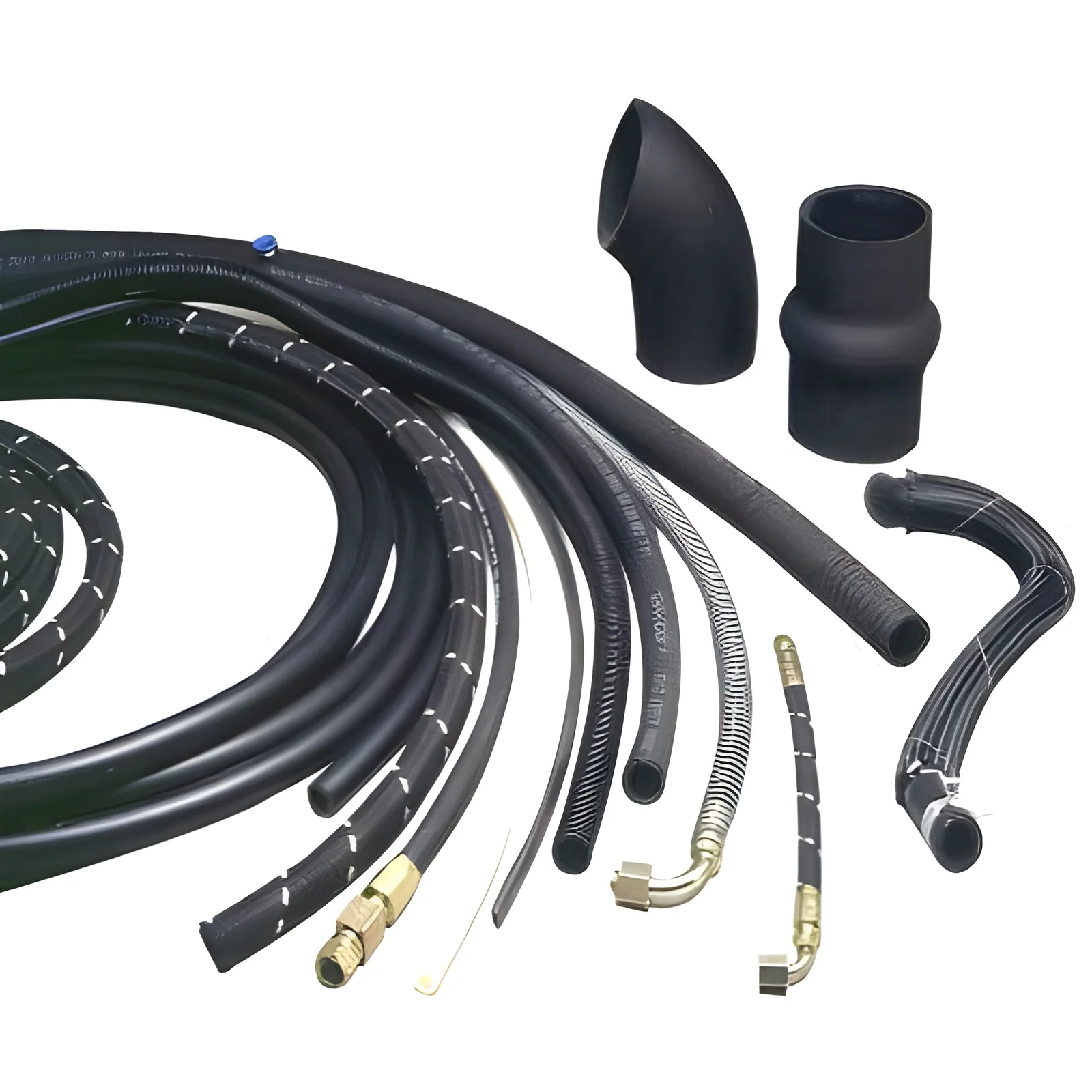
- The hoses can be made from rubber, thermoplastic, or composite materials.
- Each material offers different levels of flexibility and durability.
4. Bend Radius
- This specification defines the minimum bend radius to prevent damage.
- Generally, the bend radius can range from 3 to 12 inches.
5. Length Options
- Hoses come in various lengths to meet specific installation requirements.
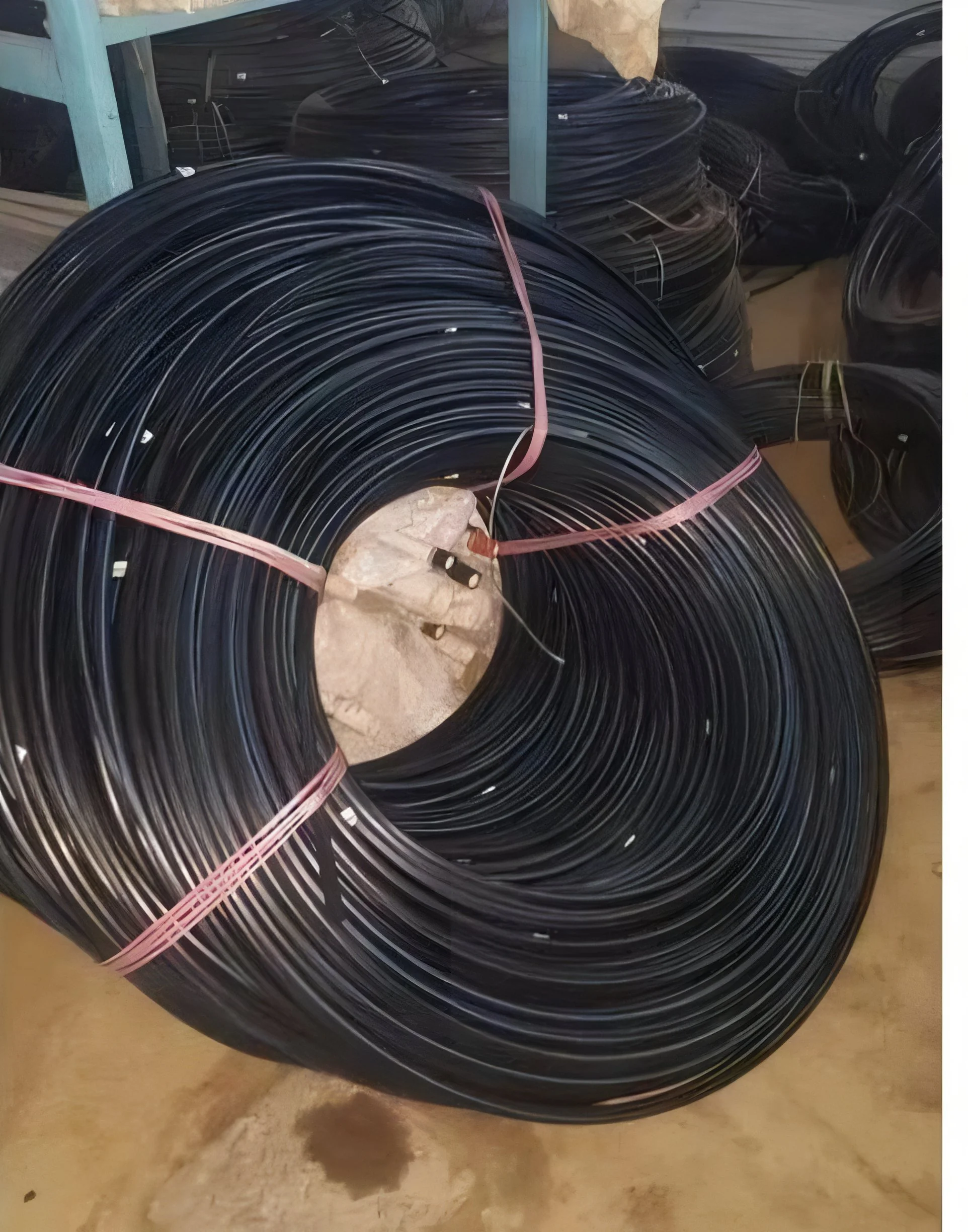
- Standard lengths range from 3 to 50 feet, with custom lengths available.
6. Compliance Standards
- Many hoses comply with industry standards such as ISO 9001 and CE certifications.
- Compliance ensures quality and safety in performance.
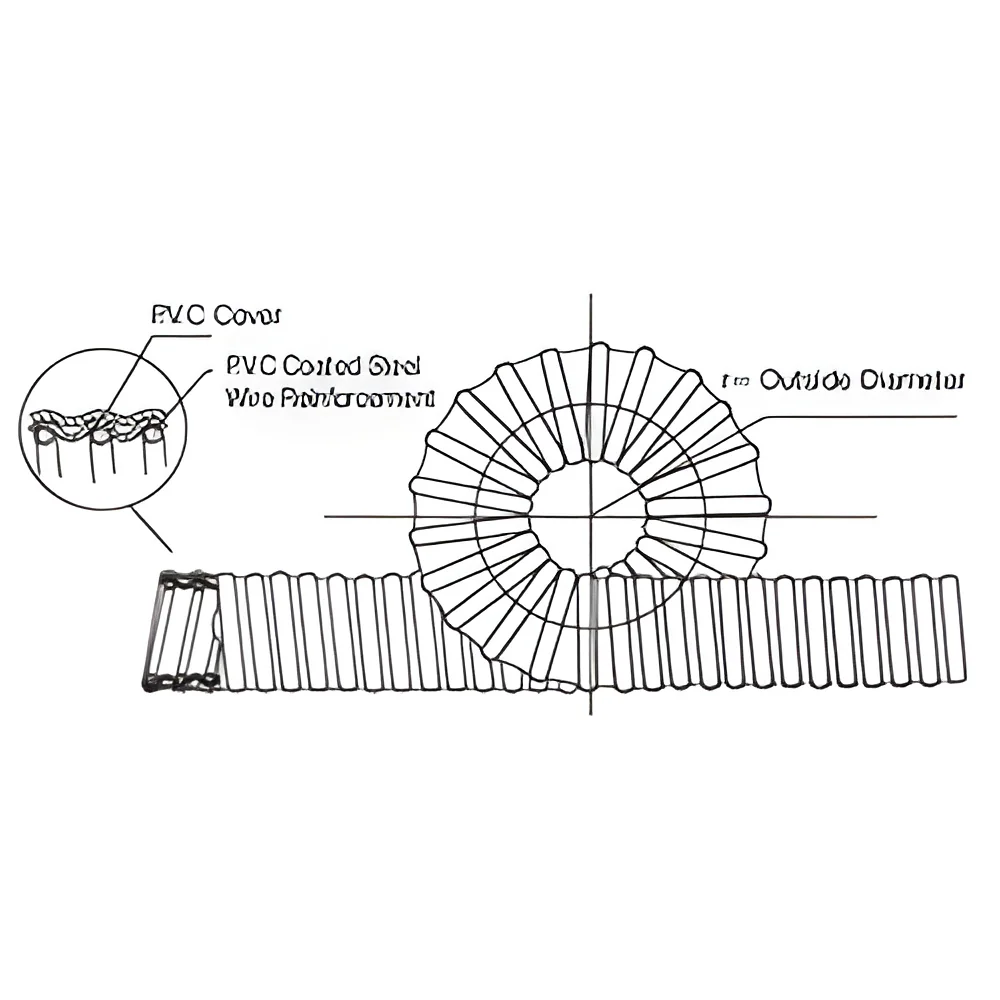
7. Reinforcement Layers
- Hoses may feature multiple layers of steel wire or textile reinforcement.
- This construction enhances pressure resistance and flexibility.
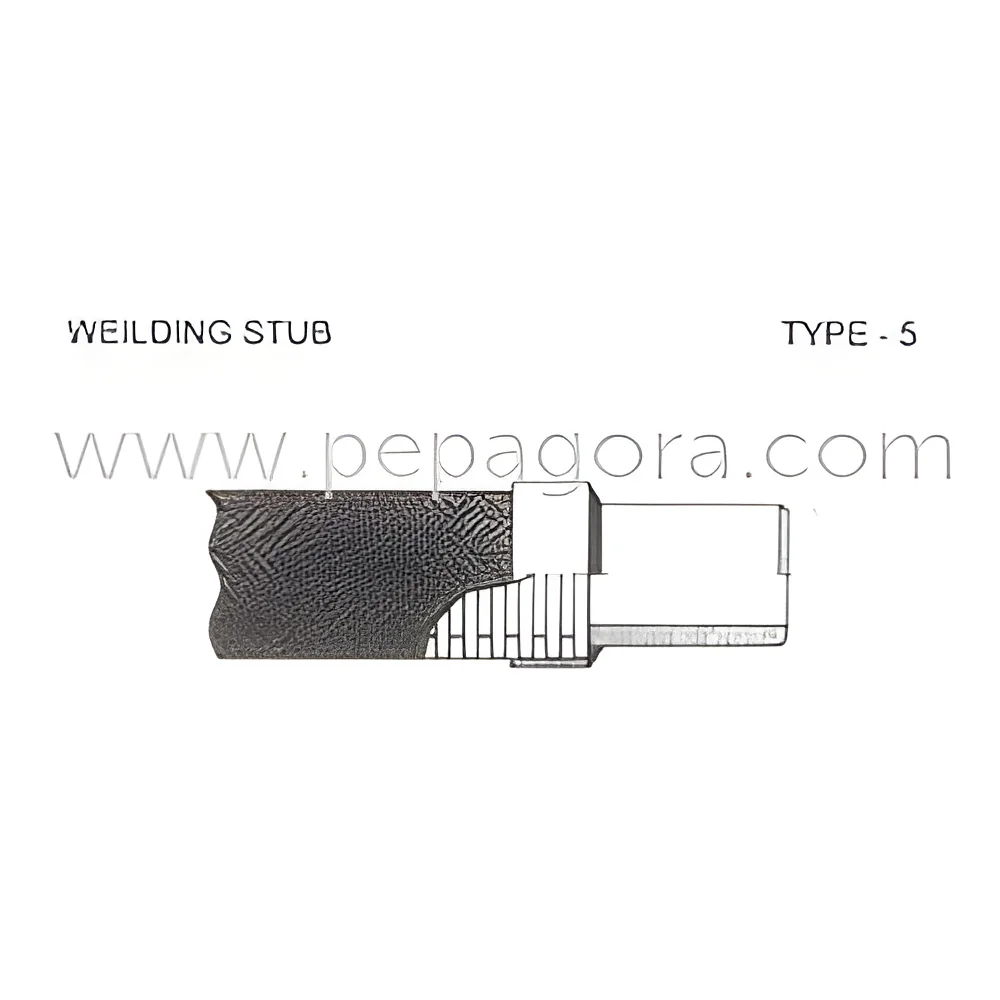
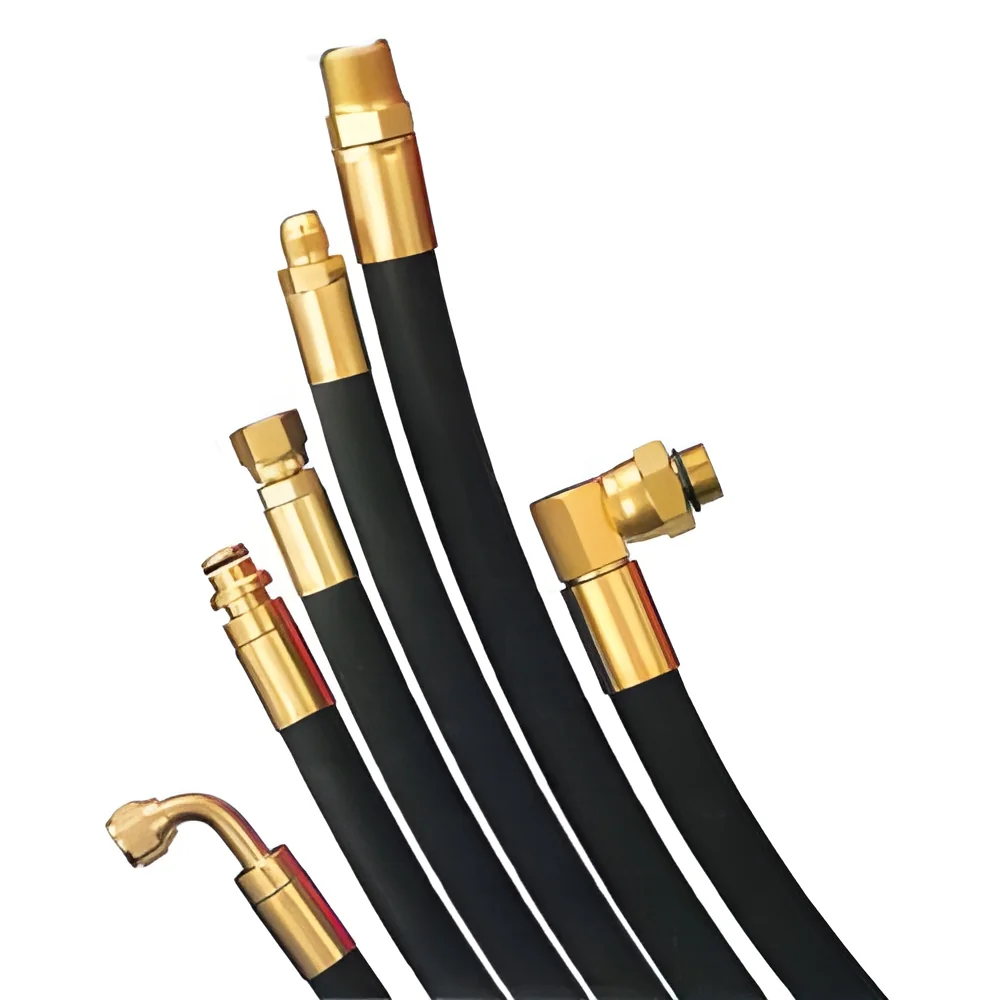
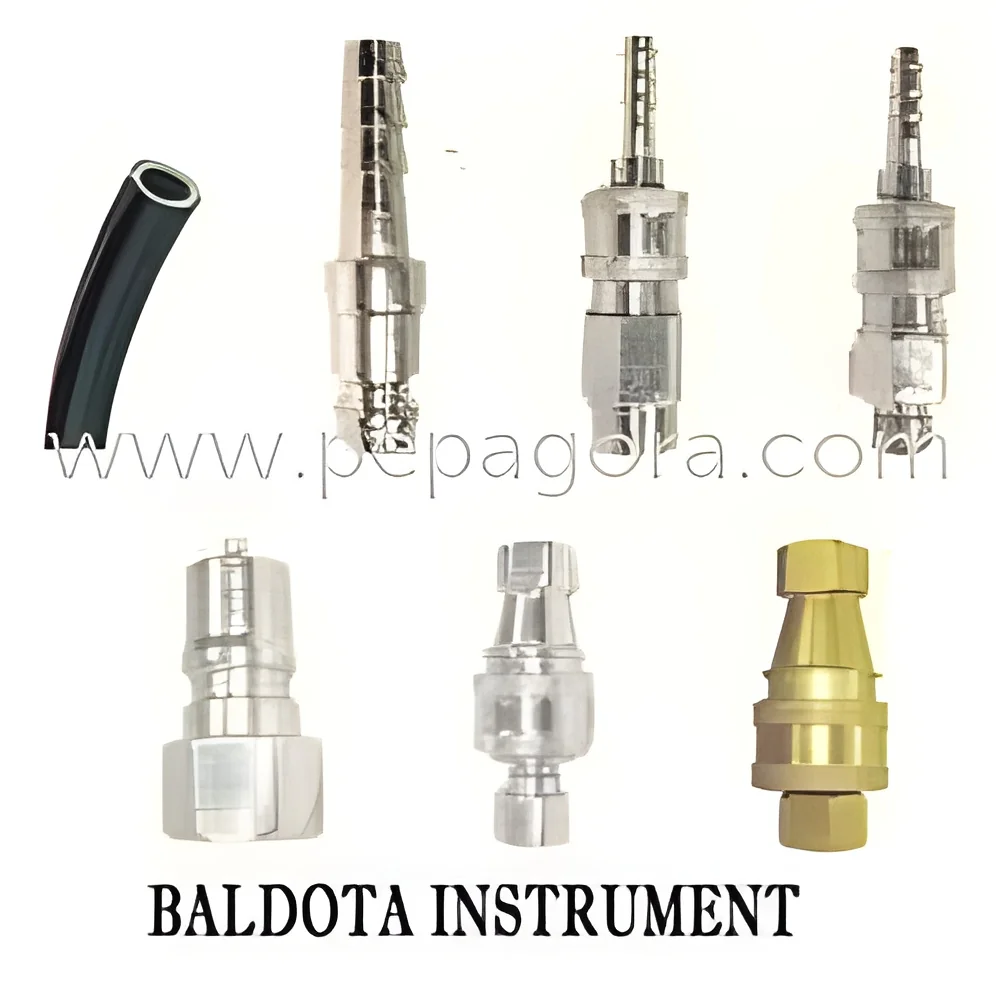
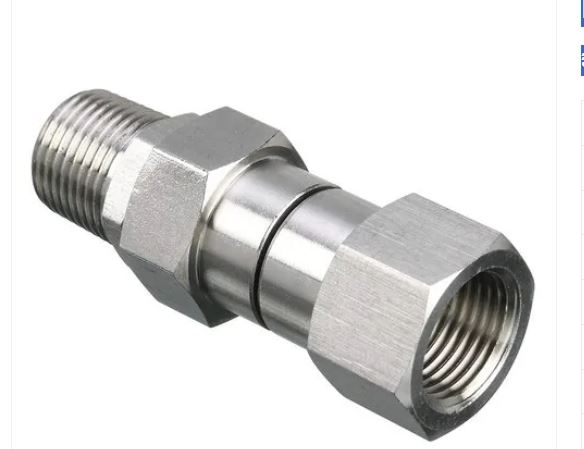
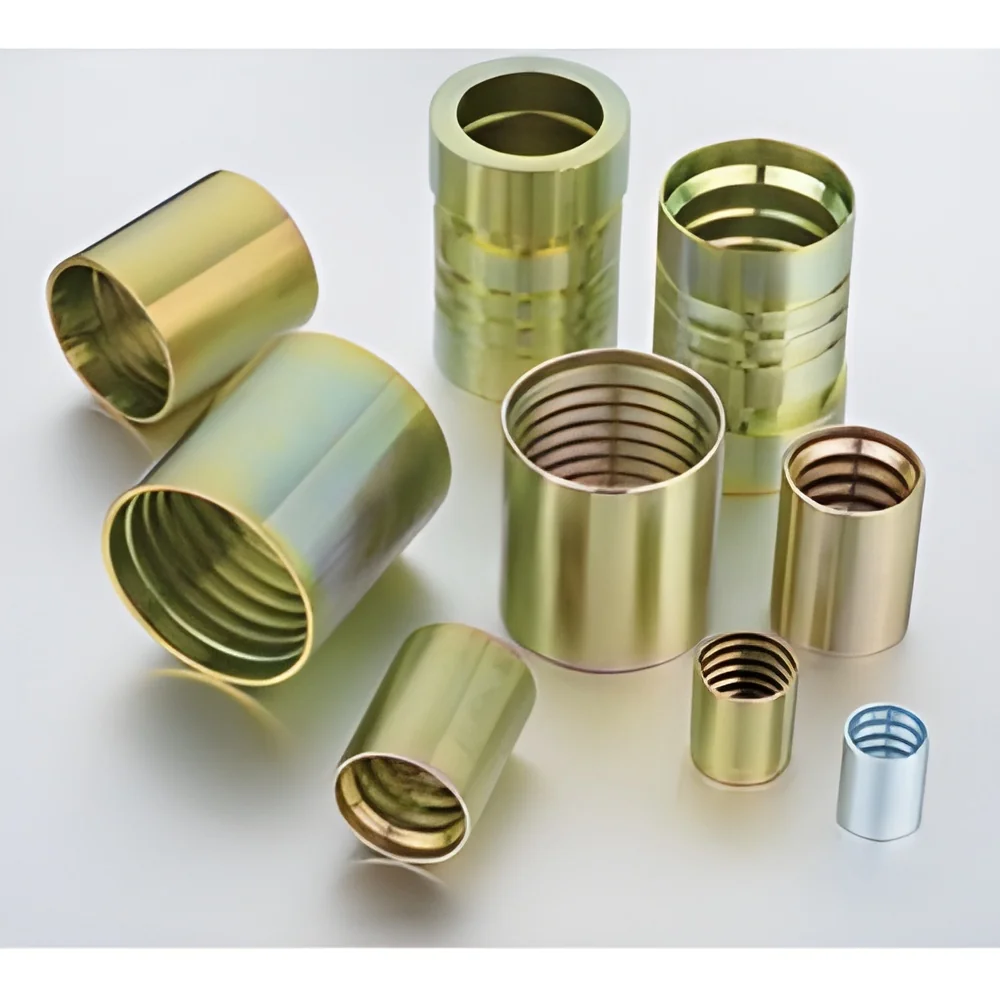
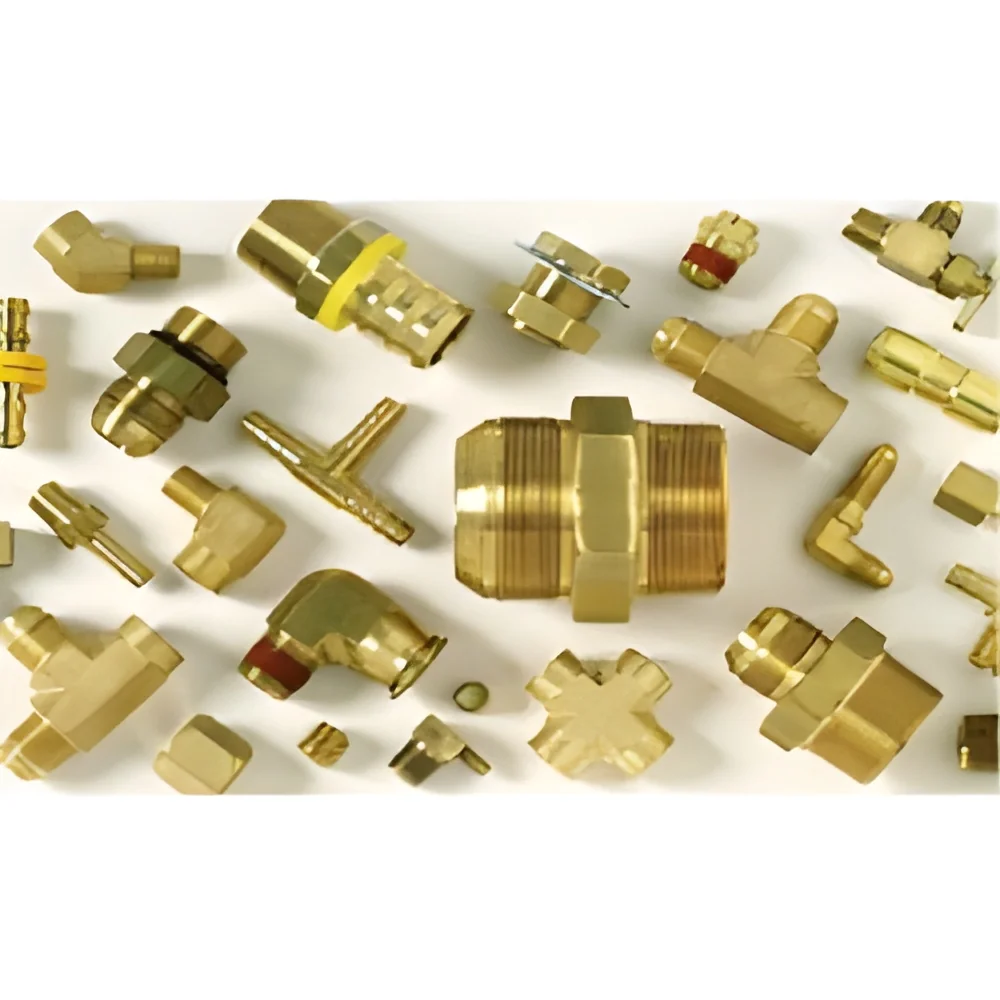
8. Fittings and Connections
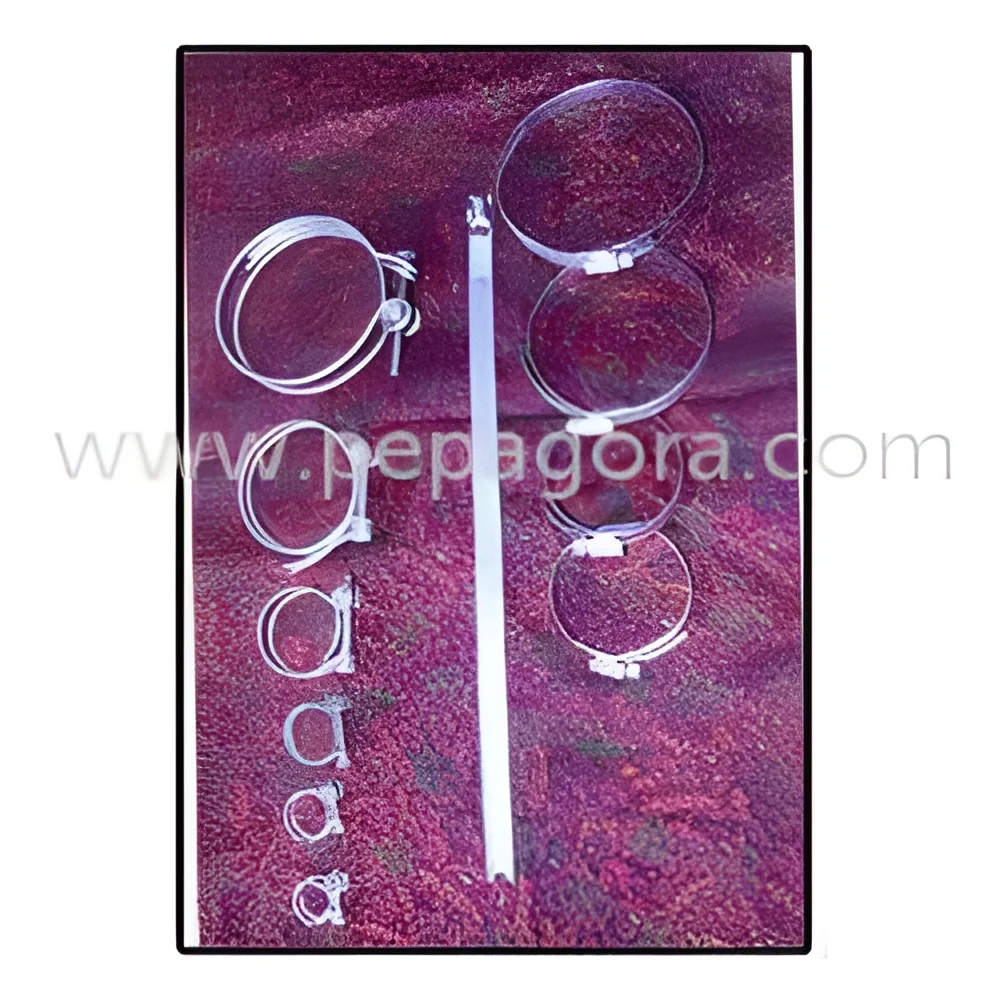
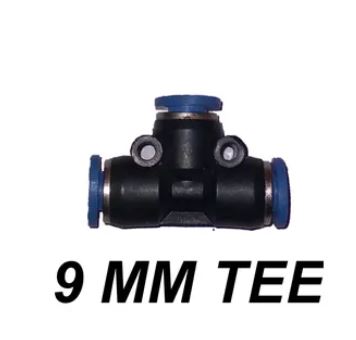
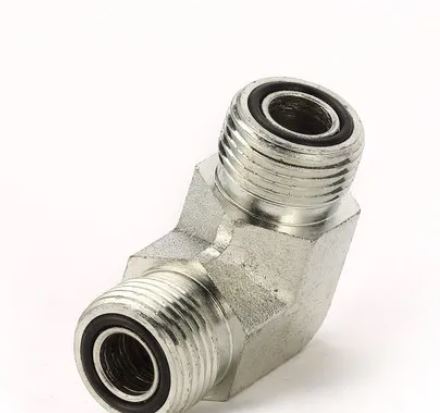
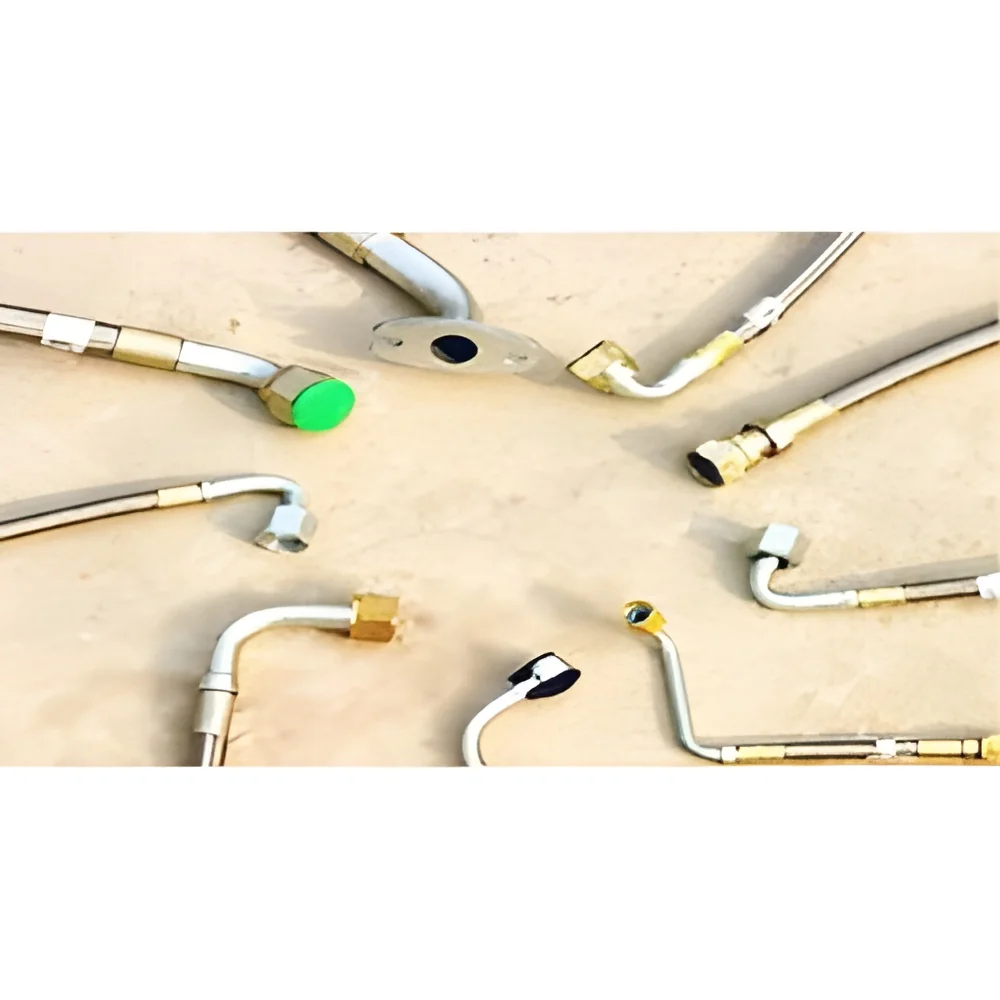
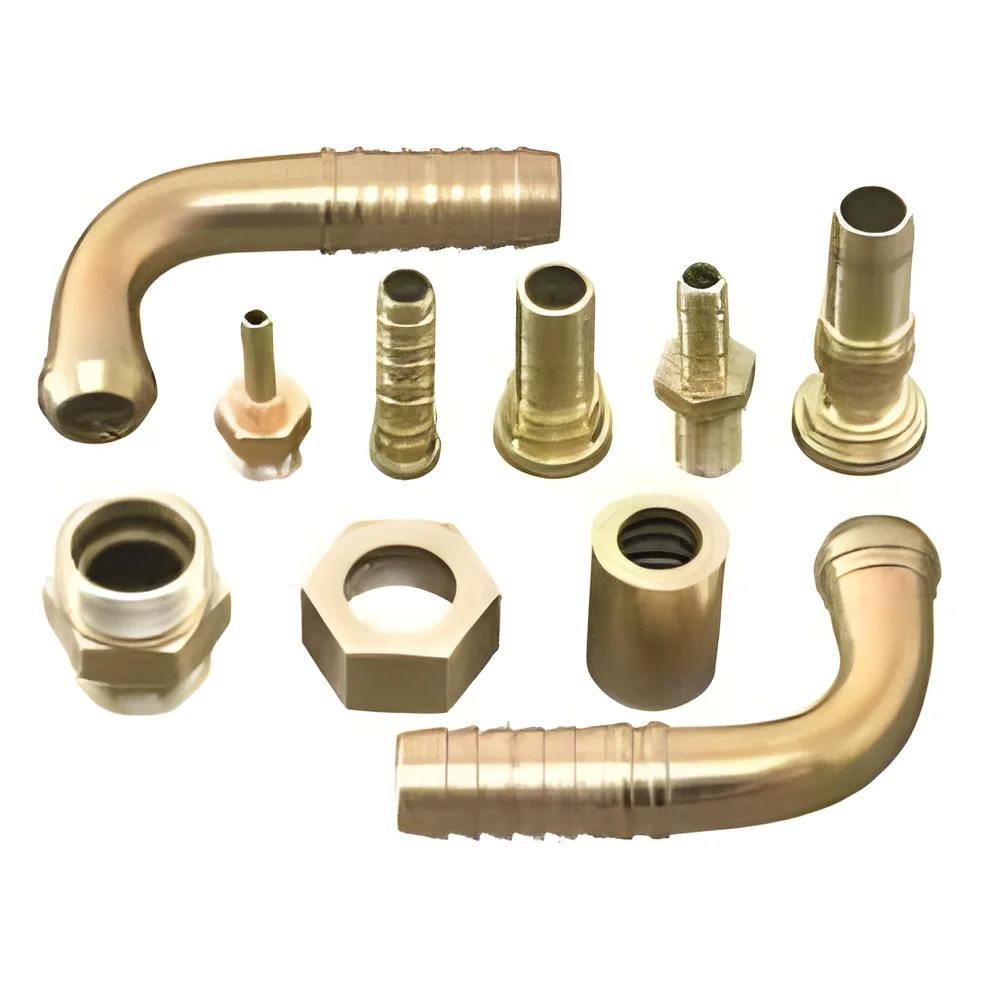
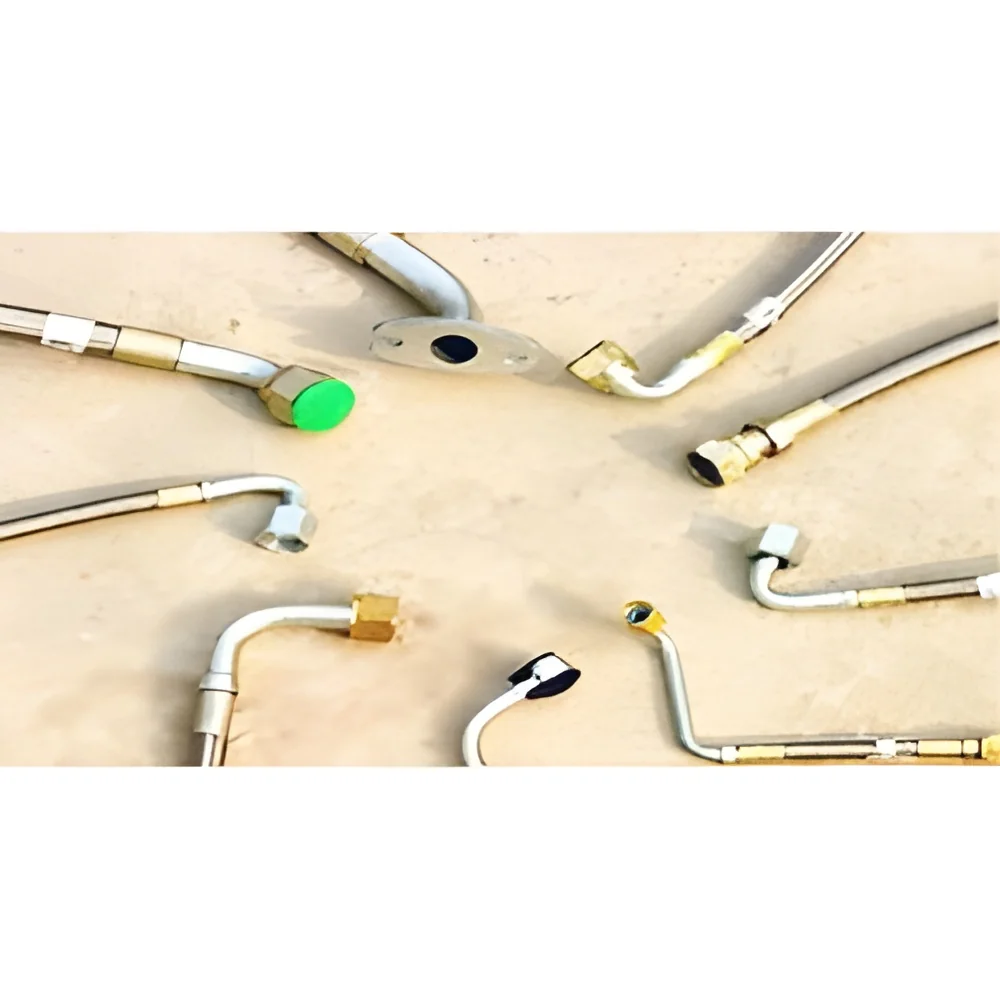
- Hoses can be equipped with a variety of fittings for secure connections.
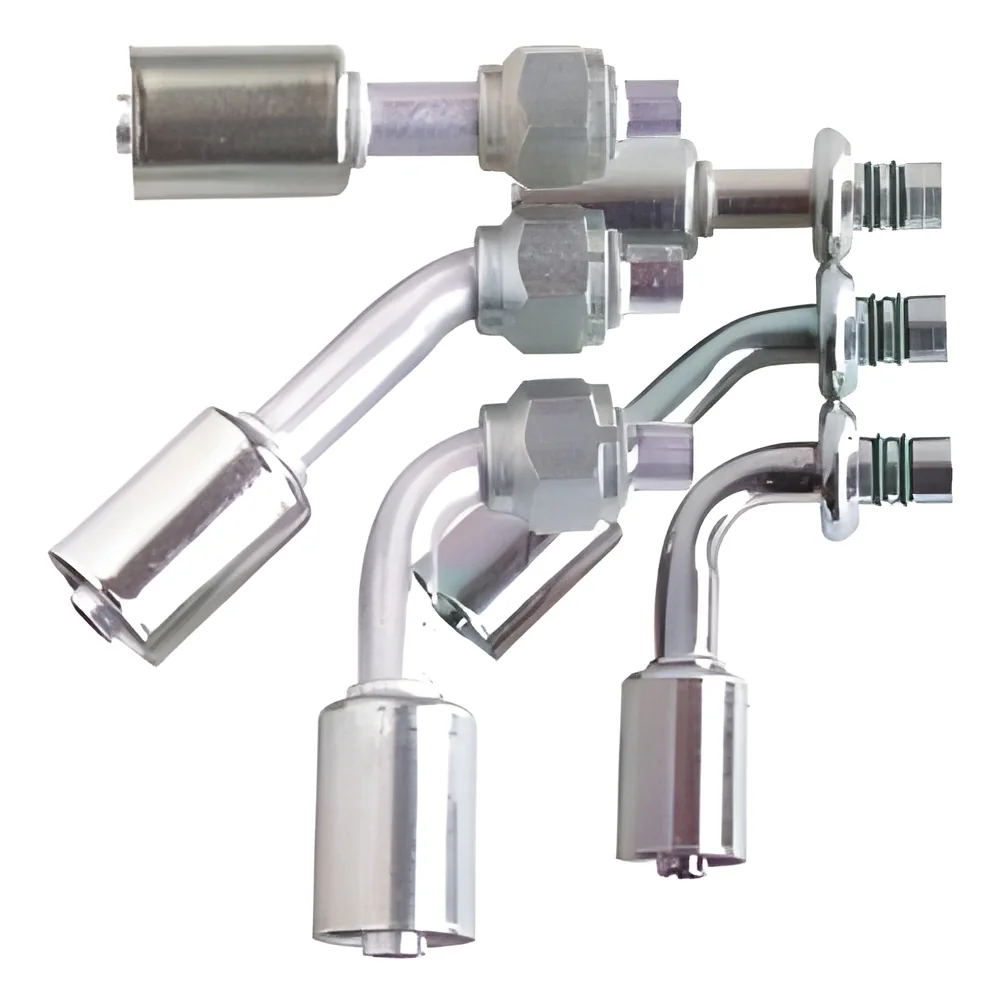
- Common fittings include threaded, flanged, and quick-connect types.
In summary, high pressure hydraulic hoses are engineered with specific features and specifications to ensure reliability and safety in high-pressure applications.
Common Applications and Use Cases
High Pressure Hydraulic Hoses find applications across a broad spectrum of industries.
1. Construction: In construction, these hoses are essential for powering heavy machinery, such as excavators and cranes, ensuring efficient operation under high loads.
2. Manufacturing: The manufacturing sector uses hydraulic hoses in automated systems for material handling and assembly line operations, where precision and durability are critical.
3. Agriculture: In agriculture, hydraulic hoses connect implements like tractors and harvesters, providing the necessary hydraulic power for various farming tasks.
4. Mining: Mining operations rely on these hoses to operate drilling and excavation equipment, where high-pressure fluid transfer is vital for productivity.
5. Marine: The marine industry utilizes hydraulic hoses for deck machinery and winches, where resistance to harsh environments is necessary.
6. Automotive: In automotive applications, hydraulic hoses are used in braking systems and power steering, emphasizing the need for safety and reliability.
7. Oil and Gas: The oil and gas sector employs high-pressure hoses in drilling operations, where they must endure extreme pressures and corrosive environments.
Product Variants and Subcategories
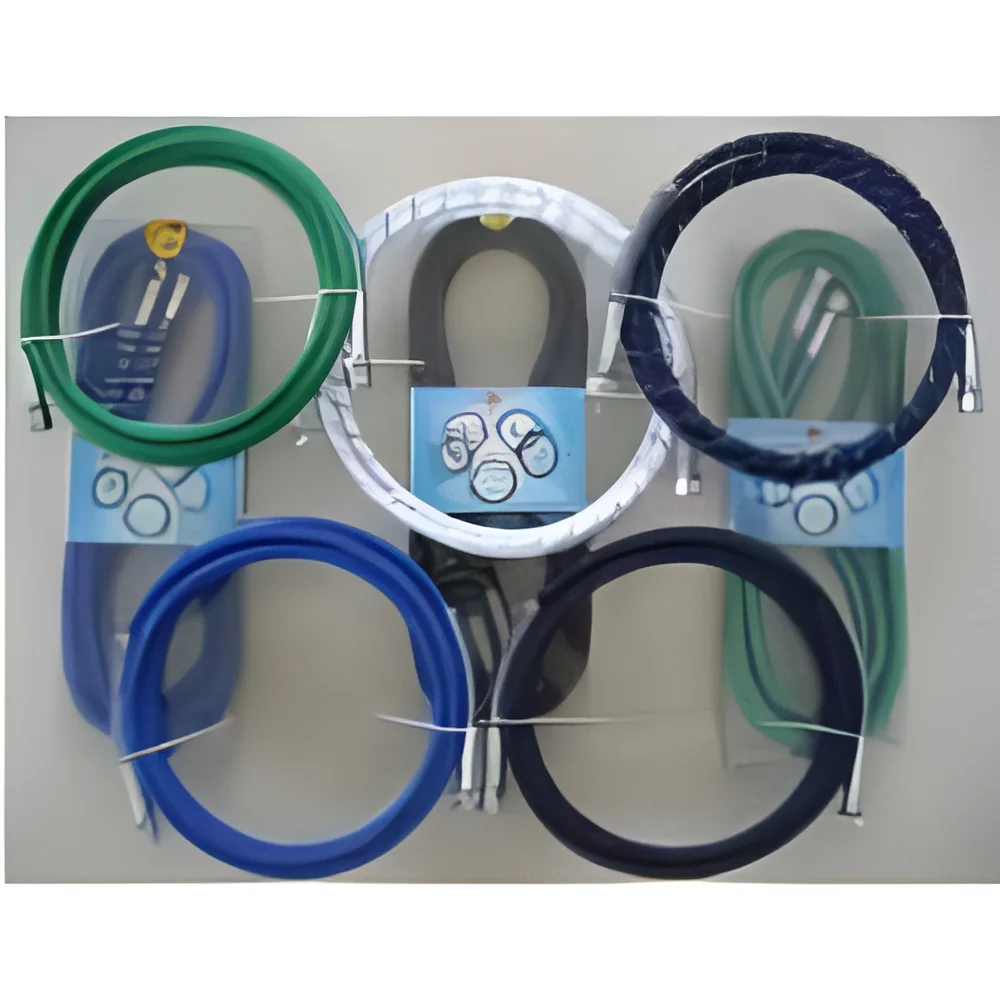
High Pressure Hydraulic Hoses are available in various variants, allowing businesses to select hoses according to their specific needs.
Standard Hydraulic Hoses
These are designed for general-purpose applications, typically featuring a robust construction that can handle moderate to high pressures. They are often used in construction and manufacturing.
High-Temperature Hydraulic Hoses
These hoses are engineered to perform in high-temperature environments, making them ideal for applications in industries like oil and gas, where heat exposure is common.
Reinforced Hydraulic Hoses
Featuring additional layers of reinforcement, these hoses are suitable for extreme pressure applications. They are commonly used in heavy machinery and industrial equipment.
Specialty Hydraulic Hoses
These hoses are customized for specific applications, such as those that require unique fittings or material compositions. They cater to niche industries and specialized equipment.
Benefits and Advantages
High Pressure Hydraulic Hoses offer several advantages that enhance operational efficiency and safety.
1. Durability: High pressure hydraulic hoses are built to withstand harsh conditions, ensuring a long service life even in demanding applications.
2. Flexibility: These hoses maintain flexibility under pressure, allowing for easier installation and routing in complex systems.
3. Safety: Their robust construction minimizes the risk of leaks and failures, which is essential for maintaining a safe working environment.
4. High Performance: Designed for high-pressure applications, these hoses deliver consistent performance, ensuring machinery operates efficiently.
5. Customization: Many suppliers offer customization options, allowing businesses to tailor hoses to specific requirements for various applications.
6. Cost-Effectiveness: Investing in high-quality hoses reduces the need for frequent replacements, ultimately lowering long-term operational costs.
Buying Guide for B2B Buyers
When sourcing High Pressure Hydraulic Hoses, businesses should consider several key factors to ensure they make informed purchasing decisions.
1. Quality Assessment: It is crucial to evaluate the quality of the hoses. Look for hoses that comply with industry standards and certifications to ensure reliability.
2. Supplier Verification: Vetting suppliers is essential to ensure they have a good reputation and history of providing quality products.
3. Pricing and MOQ: Understand the pricing structure and minimum order quantities. Compare quotes from multiple suppliers to find the best value.
4. Delivery and Lead Times: Assess the supplier's ability to meet delivery deadlines. Timely delivery is critical for maintaining project schedules.
5. Compliance Requirements: Ensure that the hoses meet any necessary regulatory compliance standards for your industry. This may include safety and environmental considerations.
Compliance and Certifications
High Pressure Hydraulic Hoses must adhere to various compliance standards and certifications to ensure quality and safety.
ISO 9001 is a widely recognized quality management standard that ensures manufacturers maintain consistent quality in their production processes. Adherence to this standard indicates a commitment to quality management.
Industry certifications such as CE and UL demonstrate that the hoses meet specific safety and performance criteria. CE certification indicates conformity with European safety standards, while UL certification is recognized in North America for safety assurance.
Safety and testing requirements are crucial in the manufacturing of hydraulic hoses. Regular testing for burst pressure and performance under high-stress conditions ensures that the hoses will operate safely in their intended applications.
Regional compliance considerations may vary depending on local regulations and industry standards. It's important for businesses to understand these requirements to ensure their hoses are compliant in their specific markets.
Why Source High Pressure Hydraulic Hoses from Pepagora?
Pepagora provides a trusted platform for sourcing High Pressure Hydraulic Hoses, offering several key advantages to businesses.
Verified Supplier Network: Pepagora collaborates with verified suppliers who have a proven track record in the industry. This ensures buyers can trust the quality of the products they purchase.
Streamlined RFQ Process: The platform features a user-friendly request for quotation (RFQ) process, making it easy for buyers to compare offers and find the best deals for their specific needs.
Trade Assurance and Support: Pepagora prioritizes buyer protection through trade assurance programs, providing support and assistance throughout the purchasing process to enhance buyer confidence.
Regional Coverage: Pepagora's extensive network spans regions including India, the GCC, and Southeast Asia. This broad geographic reach ensures that businesses can access high-quality hydraulic hoses regardless of their location.

 IN
IN