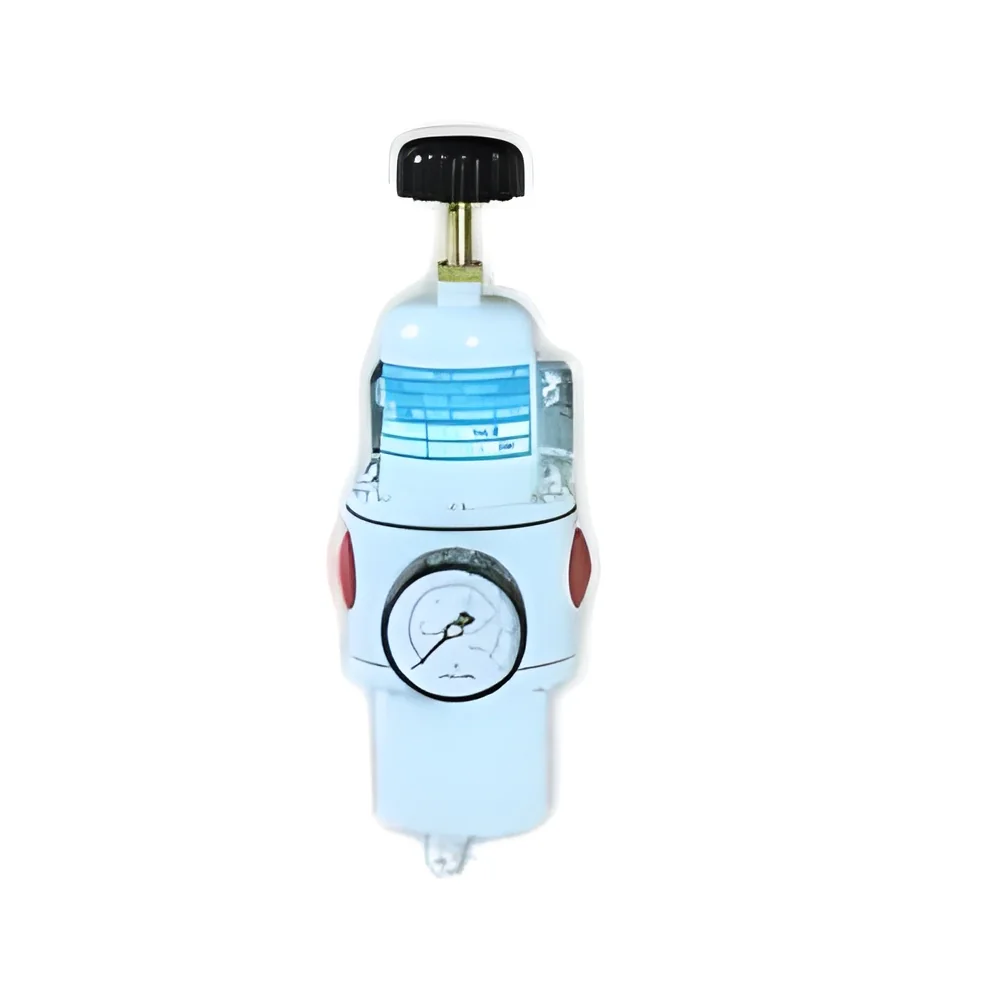
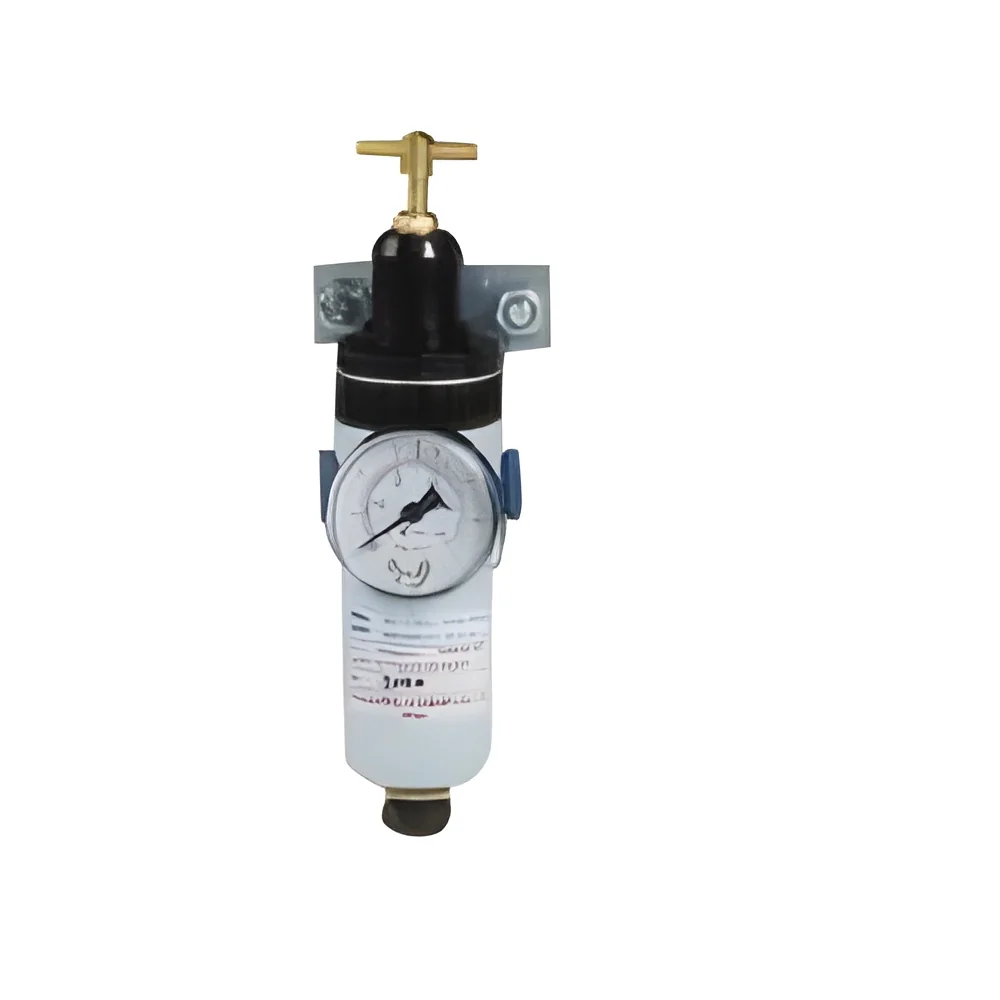
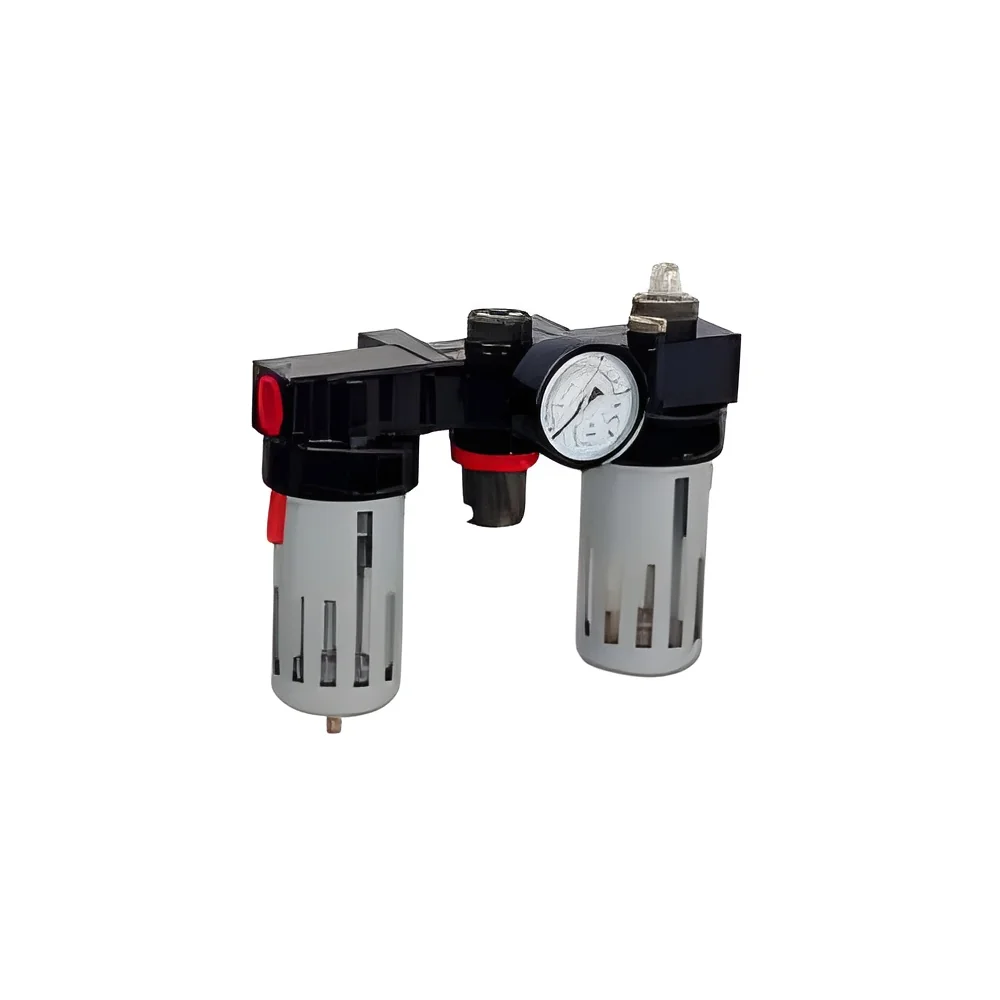
What are Air Filter Regulator Lubricator (FRL) Units?
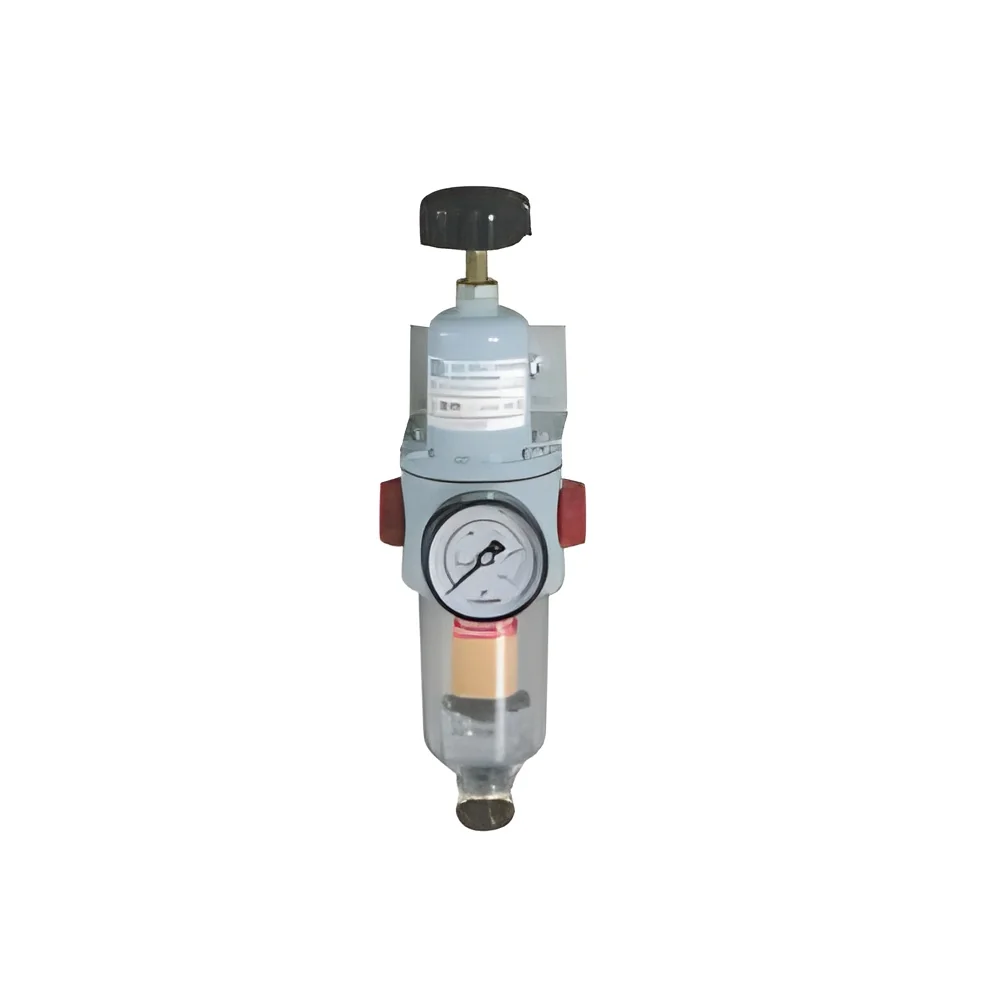
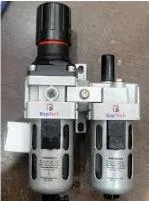
Air Filter Regulator Lubricator (FRL) Units are essential components in compressed air systems. They play a critical role in ensuring the quality of air supplied to pneumatic equipment. An FRL unit combines three functions: air filtration, pressure regulation, and lubrication. This combination helps to maintain optimal performance and longevity of air-operated machinery by providing clean, regulated, and lubricated air.
These units are commonly used in various industries including manufacturing, automotive, and food processing. By filtering out dust and contaminants, regulating pressure to prevent equipment damage, and providing lubrication for smooth operation, FRL units enhance the efficiency of pneumatic tools and processes. Their relevance in the market is underscored by the increasing demand for reliable pneumatic solutions that promote operational efficiency and reduce maintenance costs.
๐๐ฒ๐ ๐๐ฒ๐ฎ๐๐๐ฟ๐ฒ๐ ๐ฎ๐ป๐ฑ ๐ฆ๐ฝ๐ฒ๐ฐ๐ถ๐ณ๐ถ๐ฐ๐ฎ๐๐ถ๐ผ๐ป๐
Air Filter Regulator Lubricator Units come with a variety of features designed to meet the needs of different applications. Understanding these features is crucial for selecting the right unit for a specific use case.
Key specifications include:
1. Filtration Efficiency
- Removes particulates and contaminants from the air
- Typically rated in microns, often ranging from 5 to 40 microns
2. Pressure Regulation Range
- Maintains consistent air pressure for optimal tool operation
- Commonly adjustable from 0 to 150 psi
3. Lubrication System
- Provides a controlled amount of lubricant to moving parts
- Adjustable flow rates to suit various applications
4. Temperature Rating
- Operates effectively within specified temperature limits
- Data not available for specific ranges
5. Port Sizes
- Available in various sizes to fit different piping systems
- Typically ranges from 1/4 inch to 1 inch
6. Bowl Capacity
- Determines the amount of condensate the filter can hold
- Usually ranges from 50 ml to 250 ml
7. Drain Type
- Includes manual and automatic drain options for condensate removal
- Automatic drains offer convenience and efficiency
8. Material Construction
- Constructed from durable materials to withstand industrial environments
- Common materials include aluminum and polycarbonate
In summary, FRL units are designed with specific features and specifications that cater to diverse industrial needs, ensuring optimal performance of pneumatic systems.
๐๐ผ๐บ๐บ๐ผ๐ป ๐๐ฝ๐ฝ๐น๐ถ๐ฐ๐ฎ๐๐ถ๐ผ๐ป๐ ๐ฎ๐ป๐ฑ ๐จ๐๐ฒ ๐๐ฎ๐๐ฒ๐
Air Filter Regulator Lubricator (FRL) Units are utilized across multiple industries, each with unique applications.
1. Manufacturing: In manufacturing settings, FRL units ensure that pneumatic tools such as drills, wrenches, and assembly machines receive clean and lubricated air, enhancing productivity and reducing downtime.
2. Automotive: The automotive industry employs FRL units in assembly lines to power tools and equipment, ensuring consistent air pressure and cleanliness for optimal operation.
3. Food Processing: In food processing facilities, FRL units maintain air quality standards by filtering contaminants, thus supporting hygiene and safety in food production processes.
4. Pharmaceuticals: FRL units are critical in pharmaceutical manufacturing, where clean air is essential for maintaining product integrity and compliance with stringent regulations.
5. Textile: In the textile industry, FRL units are used to power sewing machines and other pneumatic devices, facilitating smooth operation and minimizing wear and tear.
6. Construction: FRL units are employed on construction sites to operate pneumatic tools, ensuring reliability and efficiency in demanding environments.
7. Electronics: The electronics industry utilizes FRL units to maintain clean air for assembly processes, safeguarding sensitive components from contamination.
๐ฃ๐ฟ๐ผ๐ฑ๐๐ฐ๐ ๐ฉ๐ฎ๐ฟ๐ถ๐ฎ๐ป๐๐ ๐ฎ๐ป๐ฑ ๐ฆ๐๐ฏ๐ฐ๐ฎ๐๐ฒ๐ด๐ผ๐ฟ๐ถ๐ฒ๐
Air Filter Regulator Lubricator Units come in various configurations to cater to specific applications and user requirements.
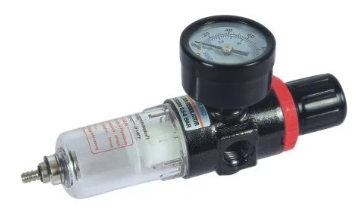
Standard FRL Units
These are the most common type, suitable for general industrial applications. They provide reliable filtration, pressure regulation, and lubrication for a wide range of pneumatic tools.
Compact FRL Units
Designed for limited space applications, compact FRL units offer the same functionalities as standard units but in a smaller footprint, making them ideal for tight installations.
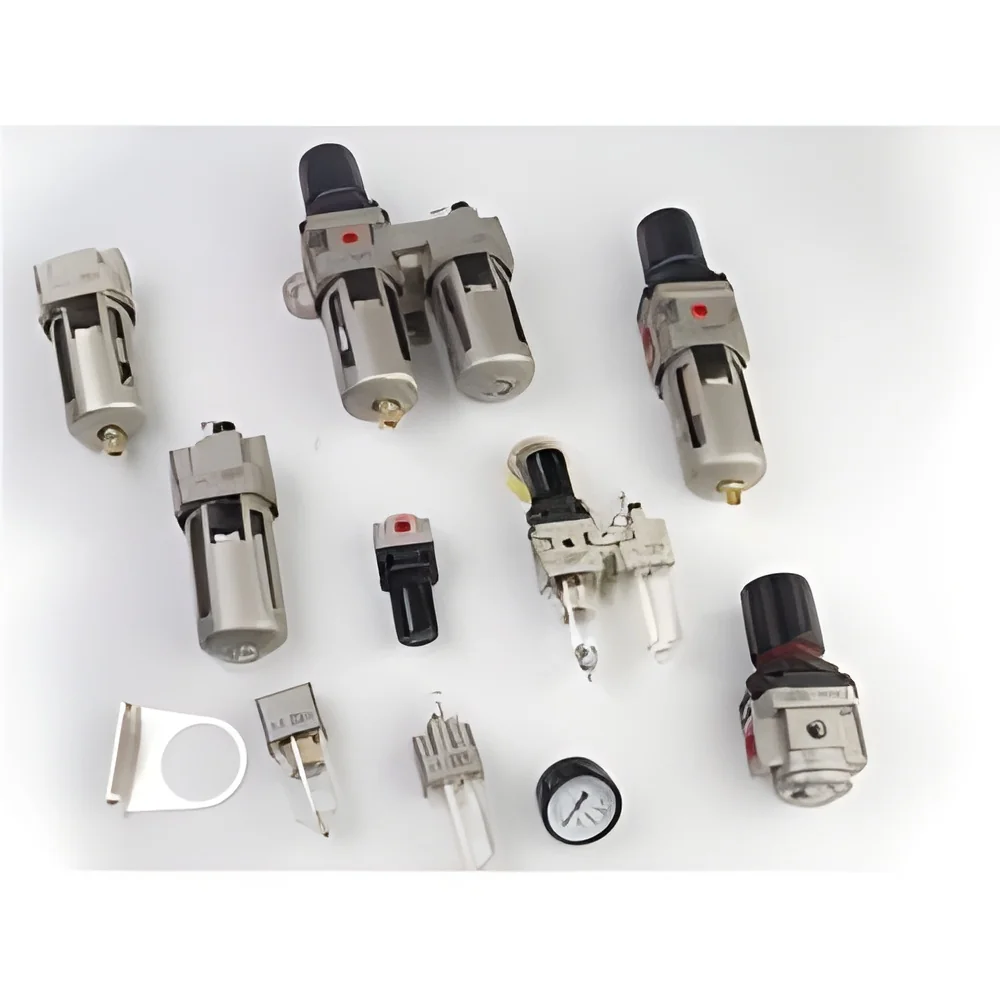
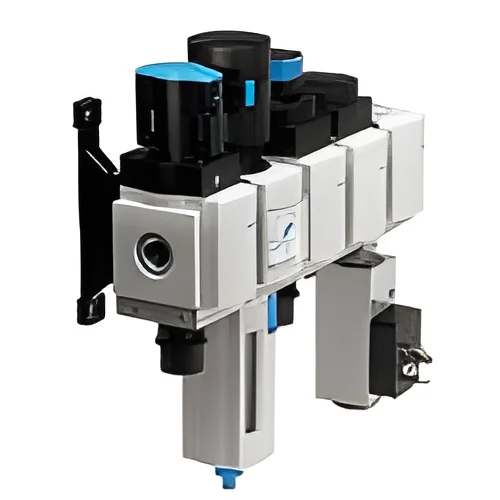
Modular FRL Systems
These systems allow for the customization of components based on specific needs. Users can select individual filters, regulators, and lubricators to create a tailored solution for their pneumatic systems.
๐๐ฒ๐ป๐ฒ๐ณ๐ถ๐๐ ๐ฎ๐ป๐ฑ ๐๐ฑ๐๐ฎ๐ป๐๐ฎ๐ด๐ฒ๐
Investing in Air Filter Regulator Lubricator (FRL) Units yields numerous benefits for businesses.
1. Enhanced Equipment Longevity: By providing clean and lubricated air, FRL units help extend the life of pneumatic tools and machinery.
2. Improved Efficiency: Consistent air pressure and quality lead to more efficient operation of tools, reducing energy consumption and operational costs.
3. Reduced Downtime: With reliable filtration and lubrication, FRL units minimize equipment failures and maintenance needs, leading to less downtime.
4. Increased Safety: Clean air systems help prevent accidents caused by equipment malfunction due to contaminated air supply.
5. Compliance with Standards: Utilizing FRL units ensures that businesses meet industry standards for air quality and equipment operation.
6. Customization Options: The availability of various configurations allows businesses to tailor FRL units to their specific needs, enhancing operational flexibility.
๐๐๐๐ถ๐ป๐ด ๐๐๐ถ๐ฑ๐ฒ ๐ณ๐ผ๐ฟ ๐๐ฎ๐ ๐๐๐๐ฒ๐ฟ๐
When sourcing Air Filter Regulator Lubricator (FRL) Units, it is essential to consider several factors to ensure the best fit for your needs.
1. Quality Assessment: Examine the quality of materials and construction. Look for reliable certifications such as CE and UL to ensure compliance with industry standards.
2. Supplier Verification: Vet potential suppliers by checking their track record, customer reviews, and industry reputation. Ensure they have a reliable supply chain and customer service.
3. Pricing and MOQ: Consider the pricing structure and minimum order quantities. Aim for a balance between cost-effectiveness and product quality.
4. Delivery and Lead Times: Evaluate the logistics capabilities of suppliers. Ensure they can meet your required delivery schedules without compromising quality.
5. Compliance Requirements: Be aware of any regulatory compliance applicable to your industry. Ensure that the FRL units meet these standards to avoid potential issues.
๐๐ผ๐บ๐ฝ๐น๐ถ๐ฎ๐ป๐ฐ๐ฒ ๐ฎ๐ป๐ฑ ๐๐ฒ๐ฟ๐๐ถ๐ณ๐ถ๐ฐ๐ฎ๐๐ถ๐ผ๐ป๐
Air Filter Regulator Lubricator (FRL) Units must adhere to various quality standards and certifications to ensure reliability and safety in industrial applications.
ISO 9001 is a widely recognized standard that ensures manufacturers have quality management systems in place. Compliance with ISO 9001 indicates a commitment to consistent quality in production processes.
Industry certifications such as CE and UL signify that the products meet specific safety and performance requirements. These certifications provide reassurance to buyers regarding the reliability of the units.
Safety and testing requirements are critical in ensuring that FRL units operate effectively and do not pose risks to users or equipment. Regular testing and adherence to safety protocols are essential.
Regional compliance considerations may vary based on local regulations. Buyers should be aware of these requirements to ensure that the products they source are compliant with regional standards.
Why Source Air Filter Regulator Lubricator (FRL) Units from Pepagora?
Pepagora stands out as a trusted platform for sourcing Air Filter Regulator Lubricator (FRL) Units, offering several key advantages.
Verified Supplier Network: Pepagora connects buyers with a network of verified suppliers. This ensures that businesses can source high-quality FRL units with confidence, knowing they are dealing with reputable manufacturers.
Streamlined RFQ Process: The platform features a streamlined Request for Quotation (RFQ) process, allowing buyers to easily compare prices and specifications from multiple suppliers. This simplifies decision-making and promotes competitive pricing.
Trade Assurance and Support: Pepagora offers trade assurance, protecting buyers from potential risks associated with transactions. This includes support throughout the purchasing process, ensuring a smooth experience.
Regional Coverage: With a focus on regions like India, the GCC, and Southeast Asia, Pepagora provides geographic reach that facilitates sourcing for businesses operating in various markets. This extensive coverage enhances access to quality products and suppliers.