What are Pneumatic Control Panels?
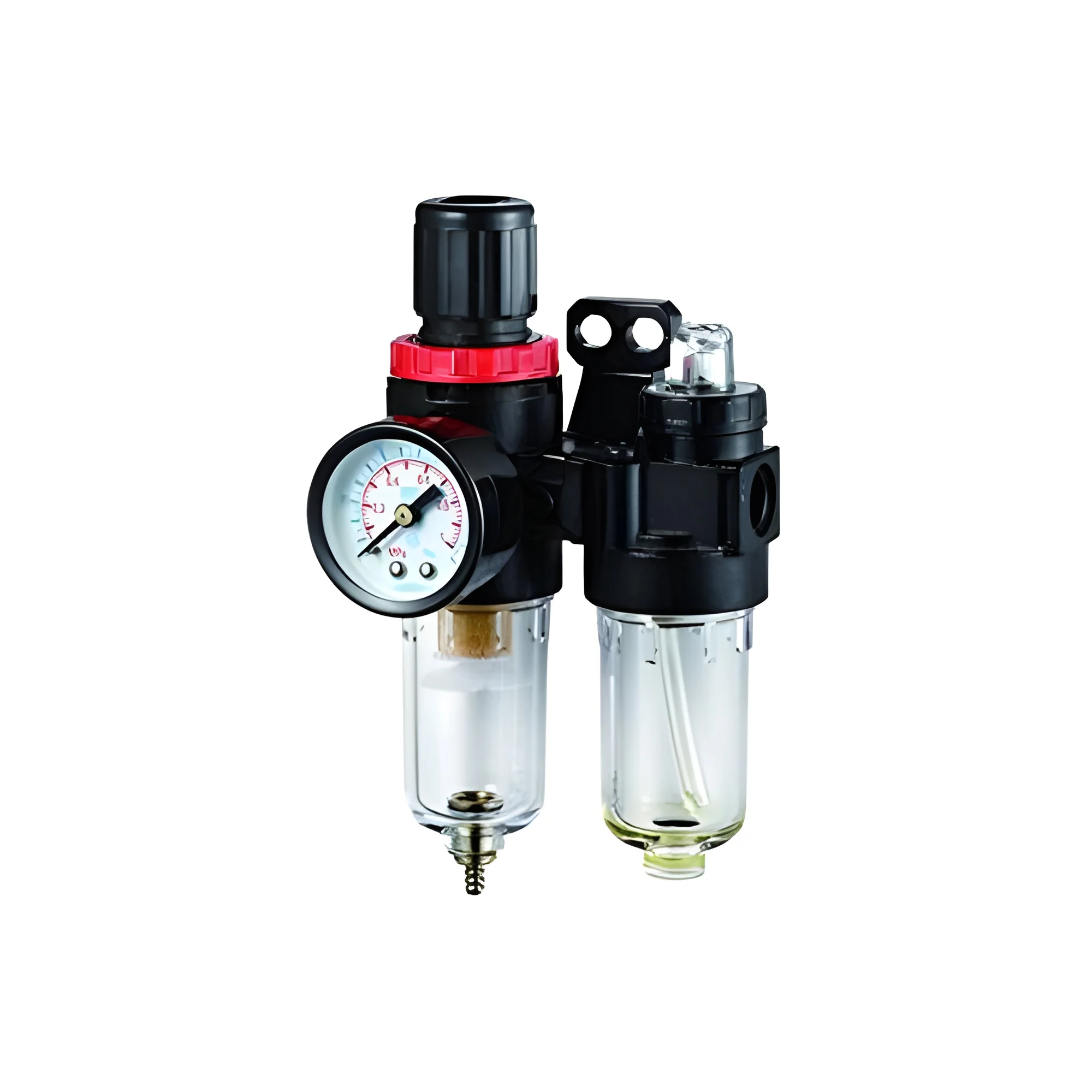
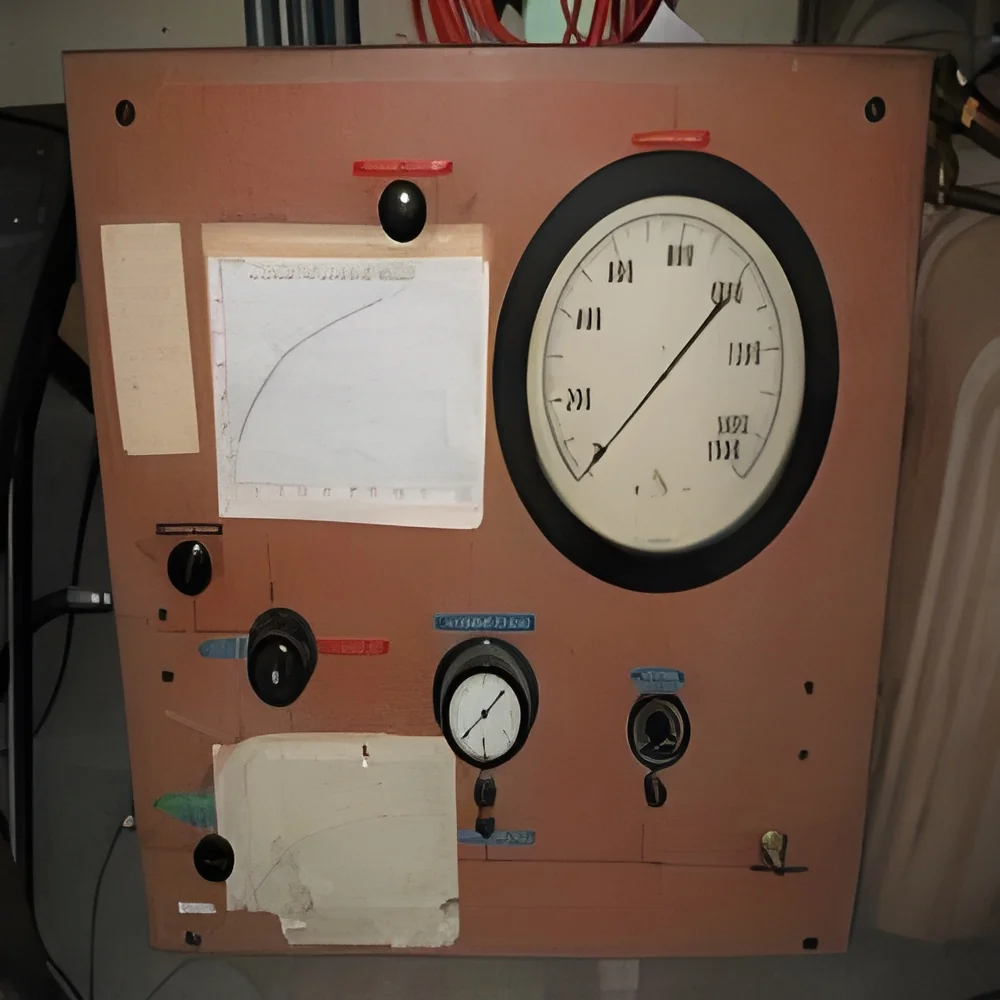
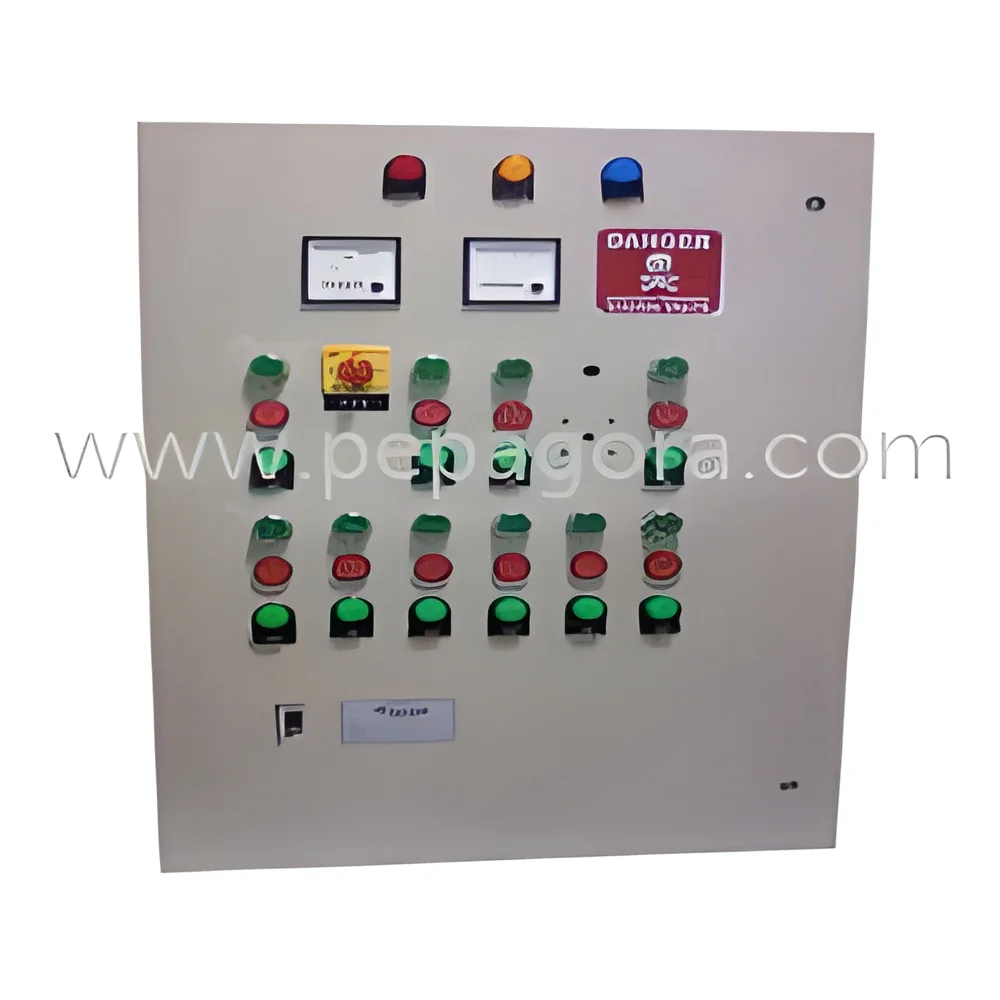
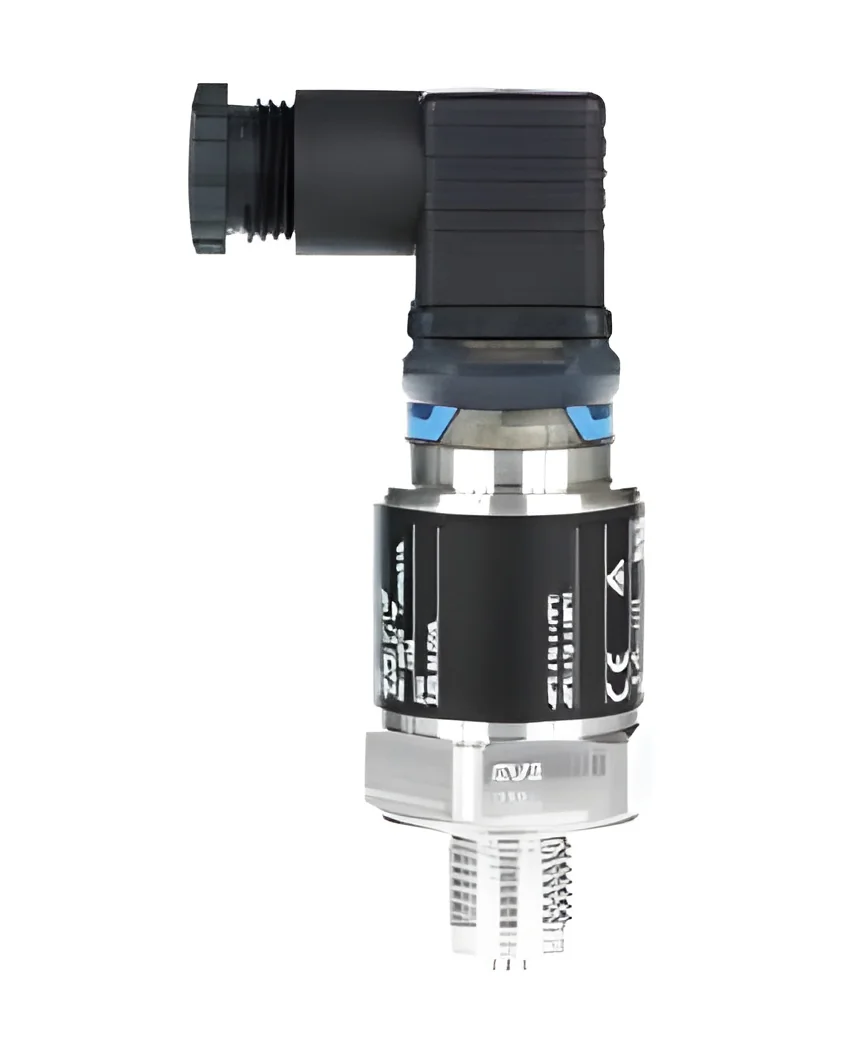
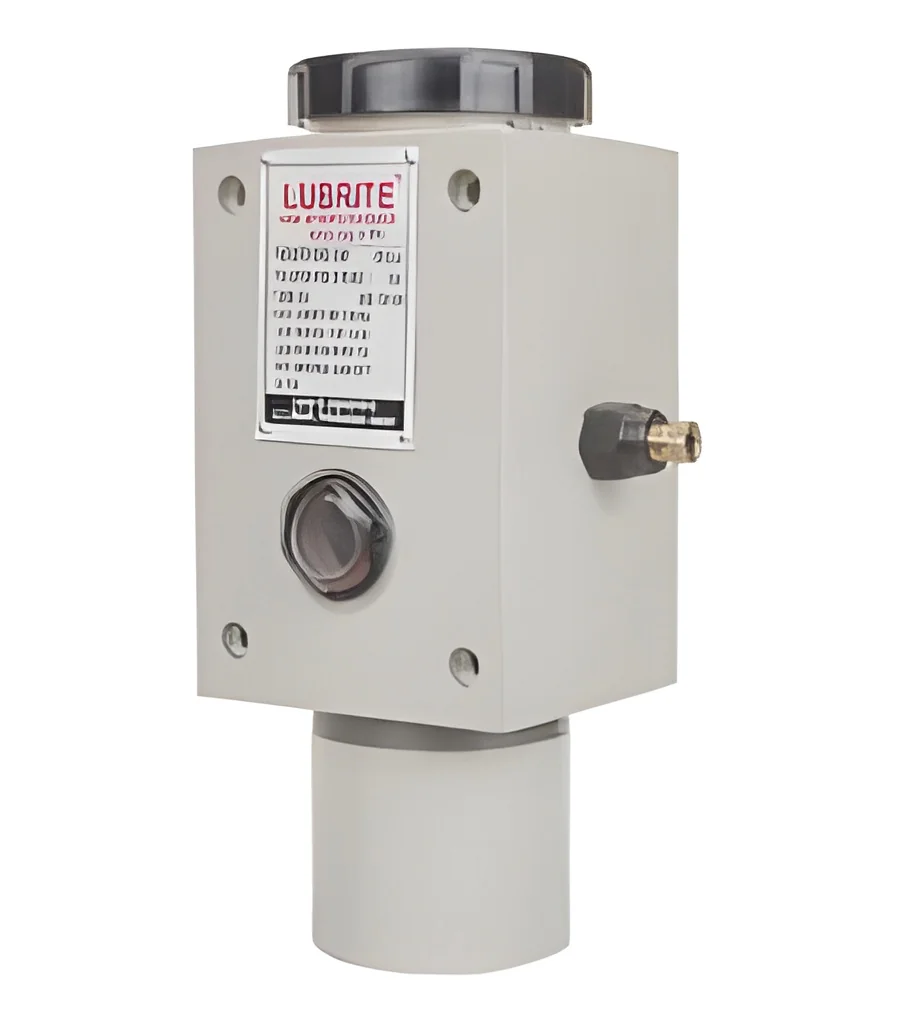
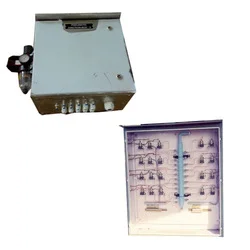
Pneumatic control panels are essential components used in various industrial settings to manage and regulate pneumatic systems. These panels serve as the interface for controlling pneumatic devices, such as cylinders, valves, and actuators. By utilizing compressed air, pneumatic control panels enable precise control over machinery and processes, ensuring efficient operation and safety.
The primary applications of pneumatic control panels span across multiple industries, including manufacturing, automotive, food processing, and pharmaceuticals. In manufacturing, they are utilized to automate assembly lines and control robotic systems. In the food processing sector, pneumatic control panels help manage packaging and bottling operations. Their ability to provide reliable control in demanding environments makes them indispensable in many businesses.
As industries continue to evolve and adopt automation technologies, the relevance of pneumatic control panels in the market remains significant. With the growing emphasis on efficiency and productivity, businesses are increasingly investing in advanced pneumatic solutions to enhance their operational capabilities.
Key Features and Specifications
Pneumatic control panels are designed with various features that cater to the needs of different industries. These features ensure reliability, ease of use, and compatibility with existing systems.
Key specifications include:
1. Control Interface
- User-friendly interface for easy operation
- Digital displays for real-time monitoring
2. Input Voltage
- Typically operates on standard voltages
- Compatibility with various power sources
3. Pressure Range
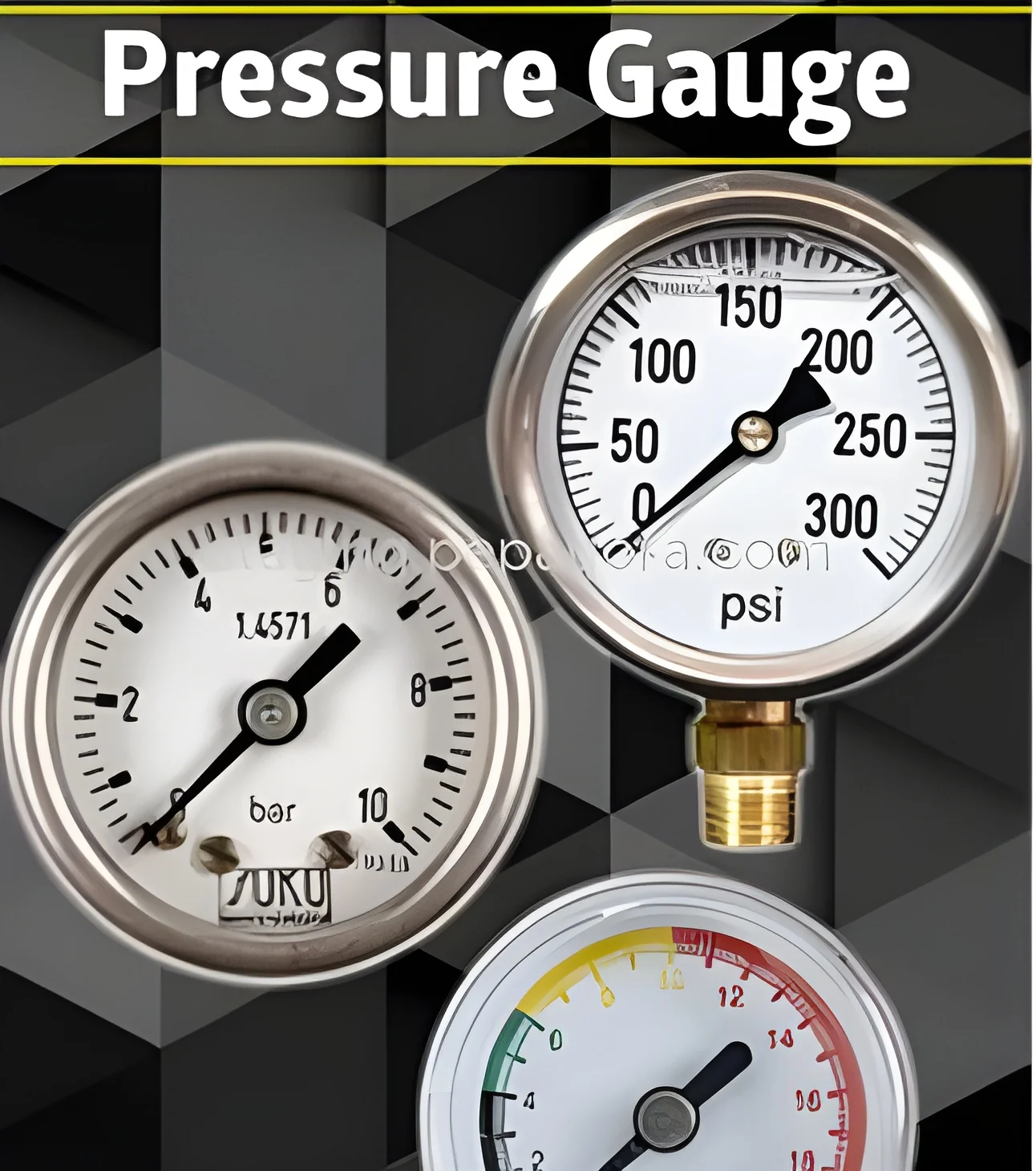
- Designed to handle specific pressure levels
- Commonly ranges from low to high pressure
4. Connection Types
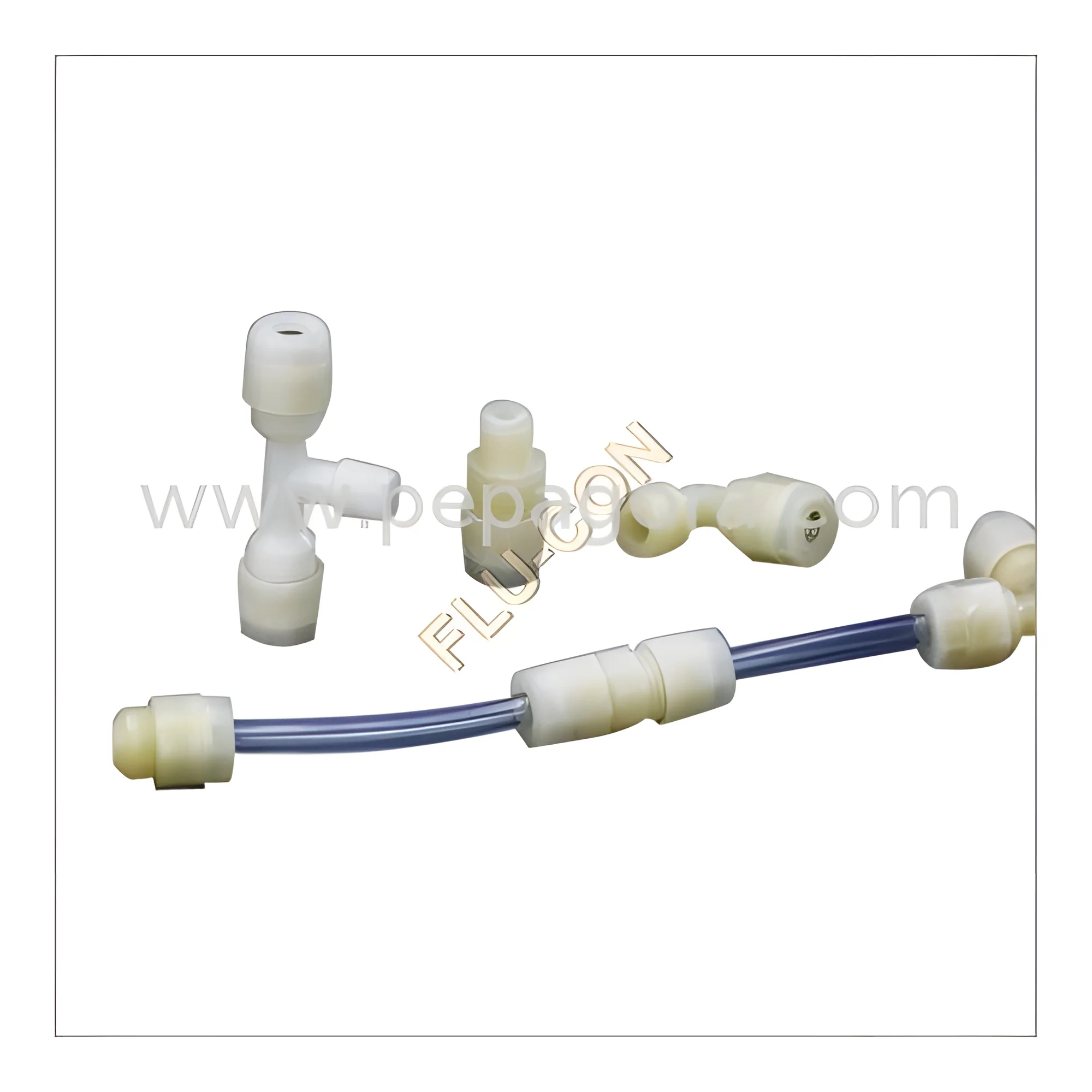
- Various connection options for pneumatic tubes
- Compatibility with standard fittings
5. Safety Features
- Integrated safety shutdown mechanisms
- Compliance with industry safety standards
6. Environmental Rating
- Designed to withstand specific environmental conditions
- Ratings for dust and moisture resistance
7. Customization Options
- Ability to customize control panels based on business needs
- Options for additional features and functions
8. Certification
- CE certified for compliance with European safety standards
- Assurance of quality and performance
These specifications collectively enhance the functionality and durability of pneumatic control panels, making them suitable for diverse applications.
Common Applications and Use Cases
Pneumatic control panels are utilized across various industries to streamline operations and enhance productivity.
1. Manufacturing: In manufacturing, pneumatic control panels automate machinery, improving production efficiency and reducing manual labor.
2. Automotive: The automotive industry employs pneumatic control panels for assembly line operations, including part installations and quality inspections.
3. Food Processing: In food processing, these panels manage packaging lines and ensure sanitary conditions throughout the production process.
4. Pharmaceuticals: Pneumatic control panels are essential in pharmaceutical manufacturing, where precision and compliance are critical.
5. Construction: In construction, they control pneumatic tools and equipment, making processes faster and safer.
6. Textile: The textile industry uses pneumatic systems for fabric handling and processing, enhancing overall productivity.
7. Agriculture: In agriculture, pneumatic control panels manage equipment such as seeders and irrigation systems, optimizing resource use.
Product Variants and Subcategories
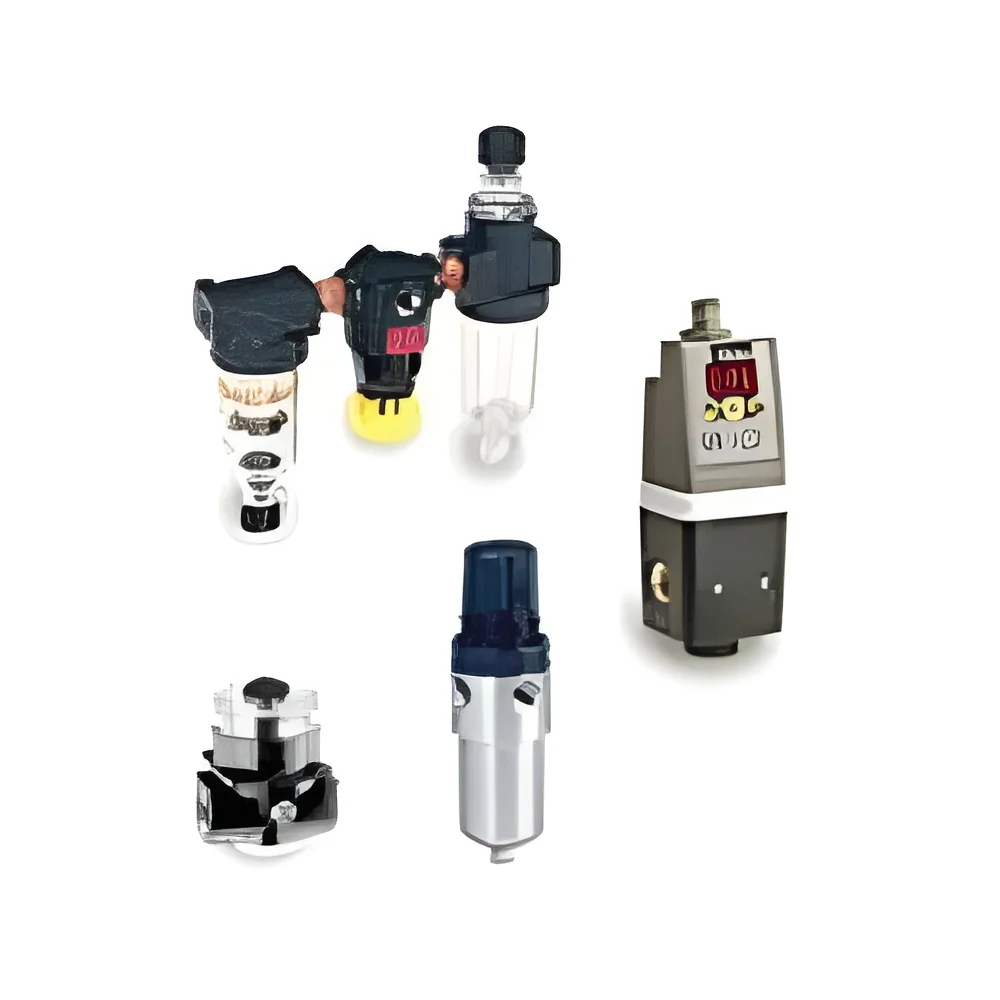
Pneumatic control panels come in various configurations to meet different operational needs. Each variant is designed with specific features tailored to certain applications.
Standard Pneumatic Control Panel
This variant is designed for general industrial use. It offers a range of control options and is ideal for various applications, from manufacturing to packaging.
Compact Pneumatic Control Panel
The compact version is designed for space-constrained environments. It retains essential features while providing a compact footprint, making it suitable for smaller machines.
Programmable Pneumatic Control Panel
This variant allows for programmable settings, enabling users to customize operation sequences. It is particularly useful for complex tasks requiring automation.
Benefits and Advantages
Pneumatic control panels offer several advantages that contribute to operational efficiency and safety.
1. Increased Efficiency: Pneumatic control panels streamline processes, leading to faster production cycles and reduced downtime.
2. Enhanced Precision: These panels provide accurate control over pneumatic devices, ensuring consistent performance across operations.
3. Safety Assurance: Integrated safety features protect workers and equipment, reducing the risk of accidents.
4. Versatility: Pneumatic control panels can be adapted for various applications, making them suitable for diverse industries.
5. Cost-Effective: Automation through pneumatic control reduces labor costs while improving output quality.
6. Easy Maintenance: The design of these panels allows for straightforward maintenance and troubleshooting, minimizing operational disruptions.
Buying Guide for B2B Buyers
When sourcing pneumatic control panels, several factors should be taken into consideration to ensure the right choice for your business needs.
1. Quality Assessment: Evaluate the materials and construction of the control panels. Look for certifications that indicate compliance with industry standards.
2. Supplier Verification: Research potential suppliers to ensure they have a reputation for reliability and quality. Check for customer reviews and industry endorsements.
3. Pricing and MOQ: Consider the pricing structure and minimum order quantities. Compare quotes from different suppliers to find the best deal without compromising quality.
4. Delivery and Lead Times: Assess the supplier's delivery capabilities. Ensure that lead times align with your project timelines to avoid delays.
5. Compliance Requirements: Verify that the pneumatic control panels meet relevant regulatory and safety standards for your industry.
Compliance and Certifications
Pneumatic control panels must adhere to specific quality standards and certifications to ensure safety and reliability. The ISO 9001 standard for quality management systems is relevant, as it sets the criteria for a robust framework that organizations must follow to ensure consistent quality in their products and services.
Additionally, the CE certification is crucial for panels sold in the European market. This certification indicates that the product meets European health, safety, and environmental protection standards.
Safety and testing requirements also play a significant role in the compliance landscape. Proper testing ensures that the panels can operate safely under specified conditions. Furthermore, regional compliance considerations must be taken into account, as different areas may have unique regulations and standards governing the use of pneumatic systems.
Why Source Pneumatic Control Panels from Pepagora?
Pepagora provides a trusted platform for sourcing pneumatic control panels, offering several key advantages to buyers.
Verified Supplier Network: Pepagora has established a robust network of verified suppliers. This ensures that buyers can source high-quality products from trusted manufacturers.
Streamlined RFQ Process: The platform features a streamlined Request for Quotation process, allowing buyers to easily obtain quotes from multiple suppliers. This simplifies the sourcing process and enables informed decision-making.
Trade Assurance and Support: Pepagora offers trade assurance and support to buyers, providing protection against potential risks during transactions. This fosters confidence in the sourcing process.
Regional Coverage: With a strong presence in regions like India, the GCC, and Southeast Asia, Pepagora connects buyers with local and regional suppliers, enhancing accessibility and reducing lead times.
By choosing Pepagora, businesses can ensure they are making informed decisions while benefiting from a wide range of pneumatic control panel options.

 IN
IN