What are Pneumatic Solenoid Valves?
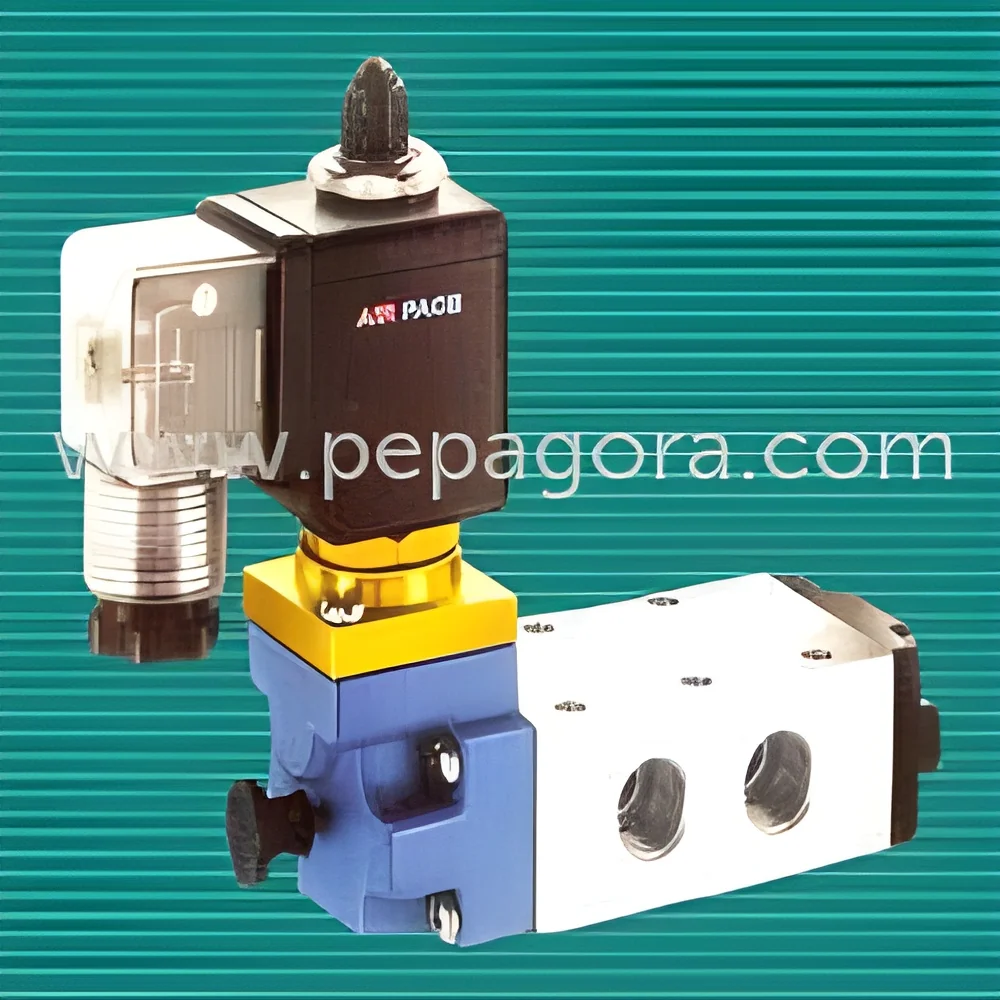
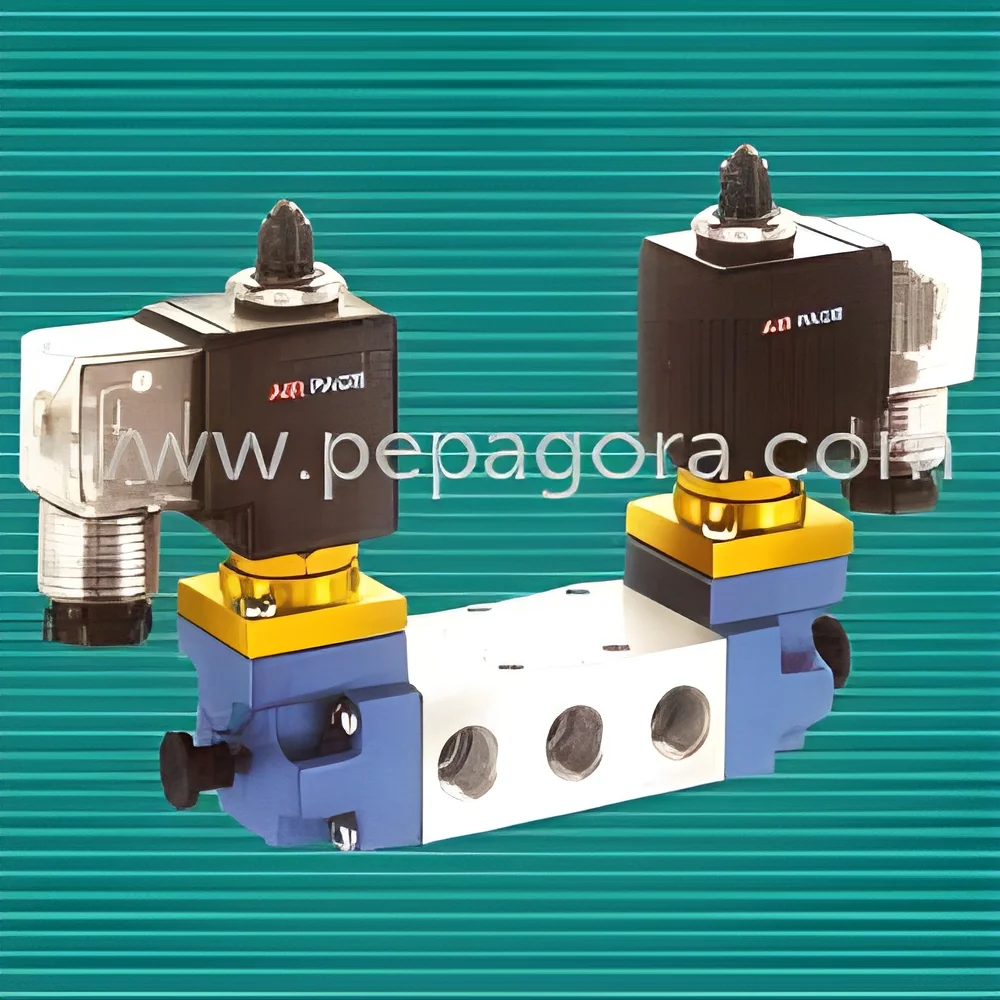
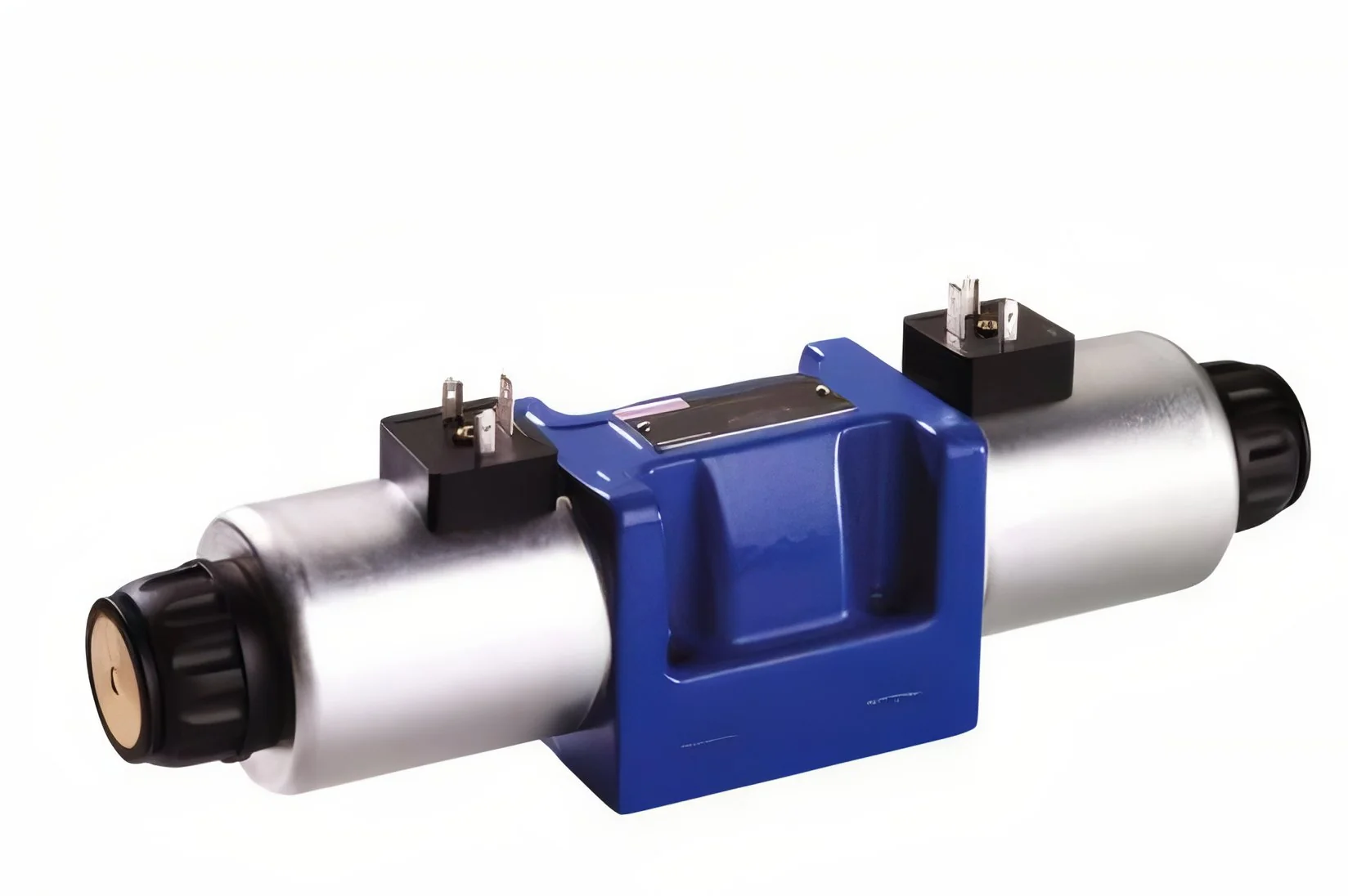
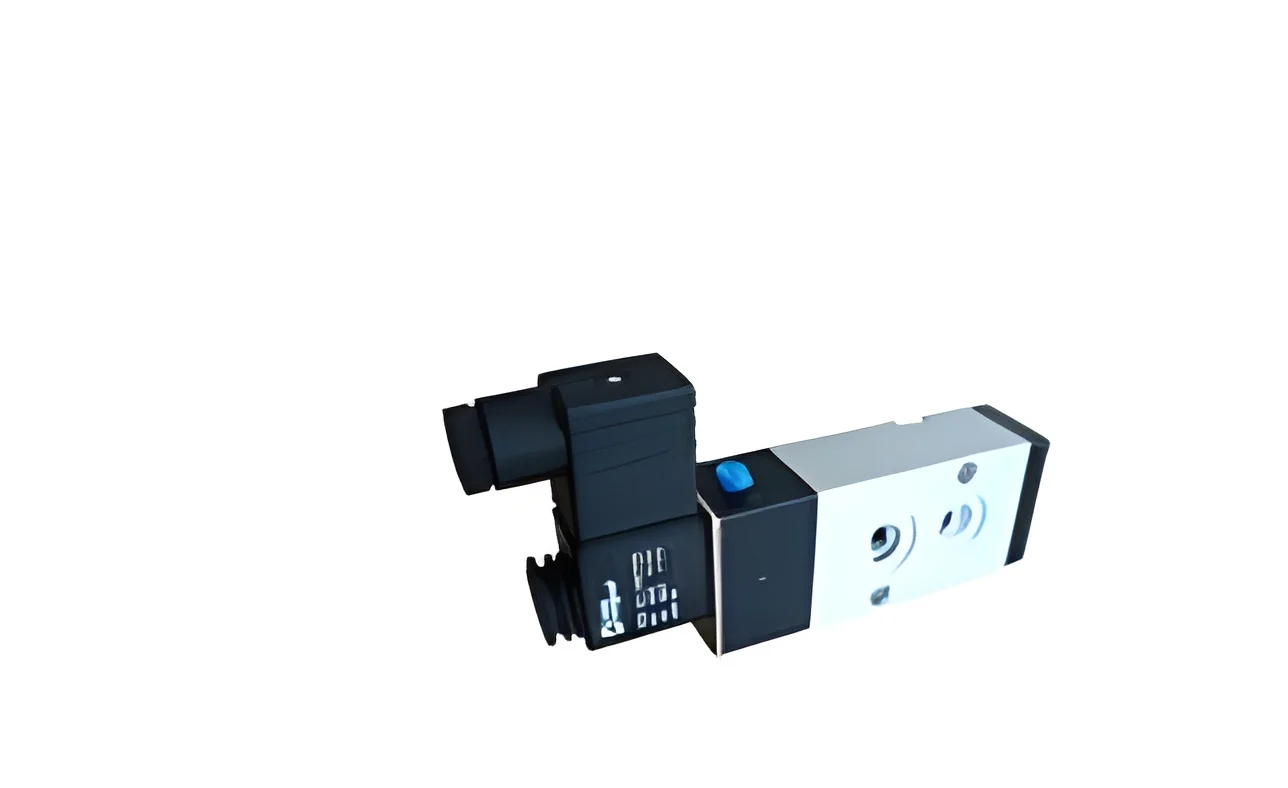
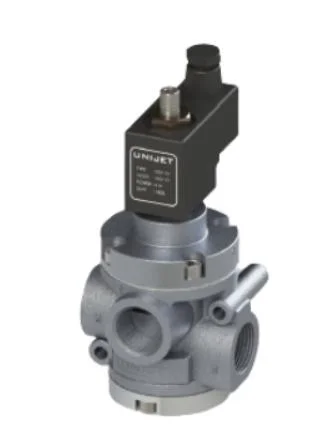
Pneumatic solenoid valves are electromechanical devices that control the flow of compressed air in pneumatic systems. They operate by using an electromagnetic coil to move a plunger or armature, which opens or closes the valve. These valves are essential for automating processes by regulating the flow of air to various actuators and devices in industrial settings.
Pneumatic solenoid valves are widely used in applications such as assembly lines, packaging systems, and robotic controls. They are particularly valuable in environments where precise control of air pressure and flow is required. Industries such as manufacturing, automotive, and food processing leverage these valves for their efficiency and reliability.
In the current market, pneumatic solenoid valves are increasingly relevant due to the growing demand for automation and efficiency in industrial processes. As businesses seek to optimize operations and reduce costs, the adoption of pneumatic systems, and consequently solenoid valves, continues to rise, making these components integral to modern manufacturing.
Key Features and Specifications
Pneumatic solenoid valves offer a range of features that enhance their functionality and performance in various applications. Understanding these specifications is crucial for selecting the right valve for specific needs.
Key specifications include:
1. Valve Type
- Options may include normally open or normally closed configurations.
- These determine the default state of the valve when not energized.
2. Port Size
- Common sizes range from 1/8 inch to 1 inch.
- This specification affects the flow capacity of the valve.
3. Operating Pressure
- Typical operating pressure ranges from 0 to 10 bar.
- This indicates the maximum pressure the valve can handle safely.
4. Voltage Ratings
- Common voltage ratings include 12V DC, 24V DC, and 110V AC.
- Choosing the correct voltage is essential for compatibility with control systems.
5. Response Time
- Valves can typically respond within milliseconds.
- A faster response time is critical for applications requiring immediate actuation.
6. Body Material
- Common materials include brass, stainless steel, and plastic.
- The choice of material affects durability and suitability for specific environments.
7. Temperature Range
- Data not available regarding specific temperature ranges.
- Consideration of temperature tolerance is essential for operation in varying conditions.
8. Certifications
- Many models are CE certified.
- This certification indicates compliance with European safety standards.
In summary, understanding the key features and specifications of pneumatic solenoid valves enables businesses to make informed choices that align with their operational requirements.
Common Applications and Use Cases
Pneumatic solenoid valves serve a variety of industries, each with unique requirements and applications.
1. Manufacturing: In manufacturing, these valves control pneumatic cylinders for automation processes, enhancing productivity and precision.
2. Food and Beverage: Pneumatic solenoid valves are used in bottling and packaging machinery, ensuring efficient and safe handling of products.
3. Automotive: In the automotive sector, these valves regulate air supply in assembly lines, contributing to streamlined production.
4. Pharmaceuticals: They are employed in cleanroom environments to maintain sterile conditions during production processes.
5. Textile: In textile manufacturing, these valves control air flow for various machinery, improving efficiency in fabric processing.
6. Robotics: Pneumatic solenoid valves play a critical role in robotic systems, allowing for precise movement and control.
7. Construction: They are used in pneumatic tools on construction sites, enabling efficient operation of equipment.
Product Variants and Subcategories
Pneumatic solenoid valves come in various designs to accommodate different applications and requirements.
Standard Pneumatic Solenoid Valve
This variant features a compact design suitable for general use in pneumatic systems. It offers reliable operation with options for both normally open and normally closed configurations.
High-Pressure Pneumatic Solenoid Valve
Designed to handle higher pressure applications, this variant is ideal for industries that require robust valve performance under demanding conditions. It ensures safe and efficient air flow control.
Miniature Pneumatic Solenoid Valve
This compact valve is perfect for applications with limited space. Despite its small size, it provides efficient control and is commonly used in medical and laboratory equipment.
Benefits and Advantages
Pneumatic solenoid valves offer numerous benefits that make them an essential component in various industrial applications.
1. Automation: These valves facilitate automation, reducing the need for manual intervention in processes.
2. Efficiency: They improve the efficiency of pneumatic systems by providing precise control of air flow and pressure.
3. Reliability: Pneumatic solenoid valves are known for their durability and consistent performance in challenging environments.
4. Versatility: With different configurations available, these valves can be tailored to meet specific operational needs across various industries.
5. Quick Response: The fast actuation time ensures timely operation in processes requiring immediate response.
6. Cost-Effectiveness: Their long lifespan and low maintenance requirements contribute to overall cost savings for businesses.
Buying Guide for B2B Buyers
When sourcing pneumatic solenoid valves, several factors should be carefully considered to ensure the right choice for your business needs.
1. Quality Assessment: Evaluate the quality of valves by checking manufacturer certifications and customer reviews. Quality valves reduce maintenance and downtime.
2. Supplier Verification: Vet suppliers for reliability and reputation in the market. Ensure they have a history of delivering quality products on time.
3. Pricing and MOQ: Understand the pricing structure and minimum order quantities. Compare prices across suppliers to ensure competitive rates without compromising quality.
4. Delivery and Lead Times: Confirm delivery timelines and logistics capabilities. Timely delivery is crucial for maintaining production schedules.
5. Compliance Requirements: Ensure that the valves meet necessary industry standards and regulatory requirements. Compliance with safety and quality standards is vital for operational integrity.
Compliance and Certifications
Pneumatic solenoid valves must adhere to various quality standards and regulations to ensure safety and reliability in industrial applications.
Relevant quality standards include ISO 9001, which outlines requirements for a quality management system, ensuring consistent quality in products and services. Other standards may include HACCP and GDP, particularly important in food and pharmaceutical applications.
Industry certifications, such as CE, indicate that the product complies with European safety, health, and environmental protection standards. This certification is essential for market access and assurance of quality.
Safety and testing requirements may include rigorous performance evaluations to ensure the valves operate effectively under specified conditions. Manufacturers often conduct tests to verify reliability and durability across various applications.
Regional compliance considerations may vary based on geographical location and industry regulations. Understanding these requirements is crucial for companies operating in multiple markets.
Why Source Pneumatic Solenoid Valves from Pepagora?
Pepagora provides a trusted platform for sourcing pneumatic solenoid valves, offering several key advantages to B2B buyers.
Verified Supplier Network: Pepagora has a robust network of verified suppliers, ensuring that buyers can connect with reputable manufacturers who meet industry standards. This verification process enhances buyer confidence and ensures access to quality products.
Streamlined RFQ Process: The platform features a user-friendly request for quotation (RFQ) system, allowing buyers to easily request quotes from multiple suppliers. This streamlined process saves time and simplifies procurement, enabling businesses to find the best deals quickly.
Trade Assurance and Support: Pepagora offers trade assurance programs that protect buyers throughout the purchasing process. This includes support for transactions and dispute resolution, providing peace of mind when sourcing products.
Regional Coverage: With a presence in India, the GCC, and Southeast Asia, Pepagora offers extensive regional coverage. This geographic reach ensures that buyers have access to local suppliers and can benefit from reduced shipping times and costs.
In conclusion, sourcing pneumatic solenoid valves through Pepagora not only simplifies the procurement process but also ensures quality and reliability, making it a preferred choice for businesses across various industries.

 IN
IN