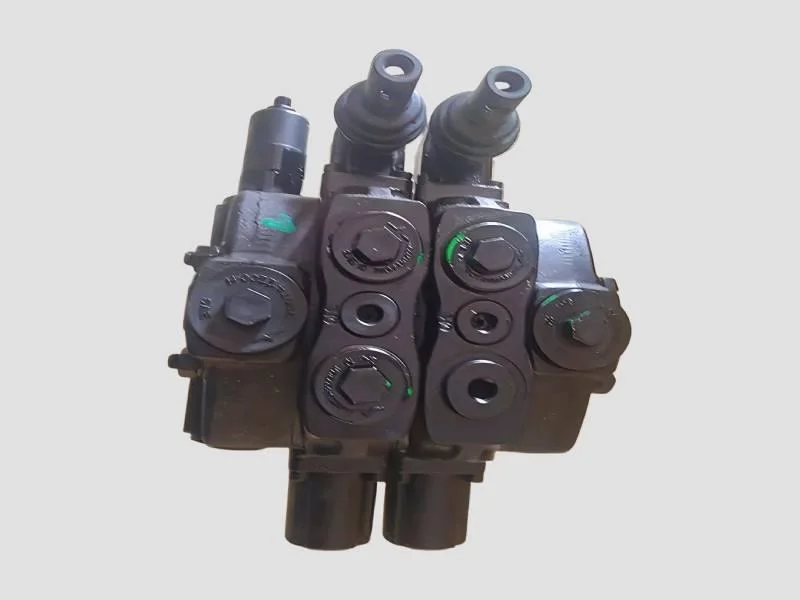
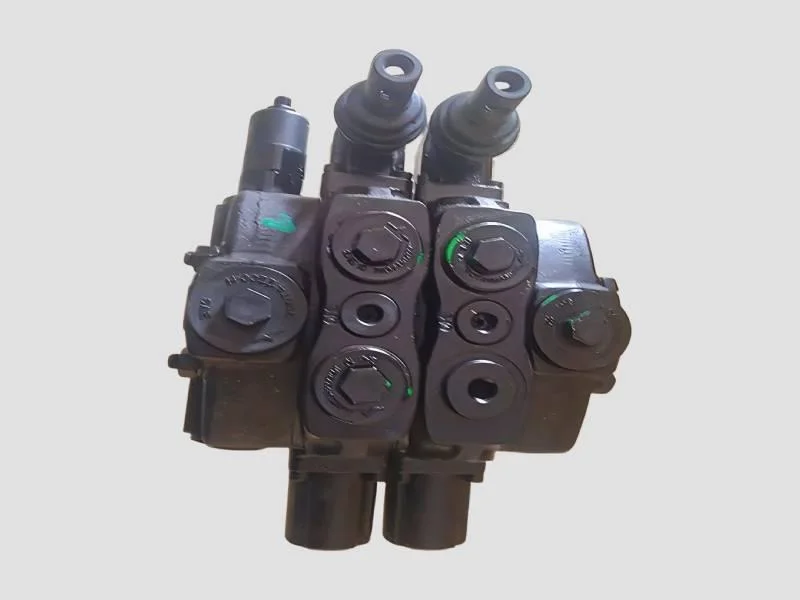
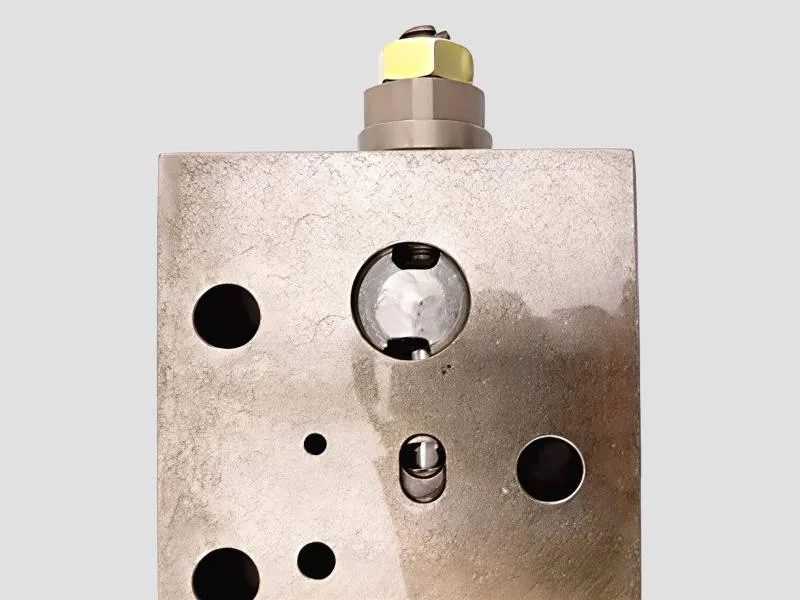
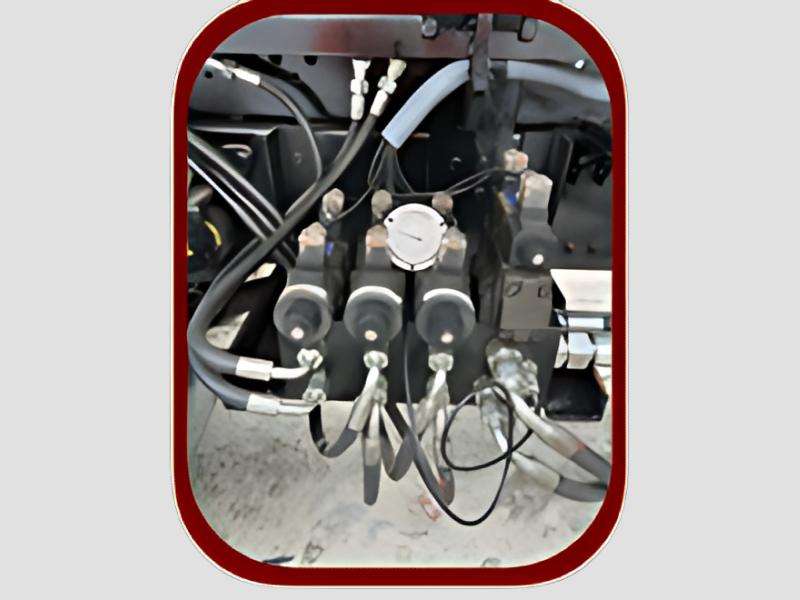
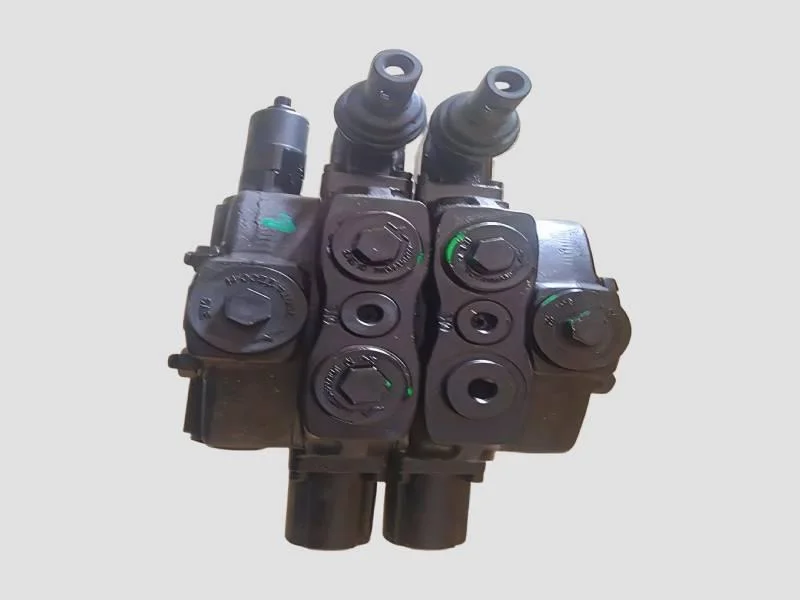
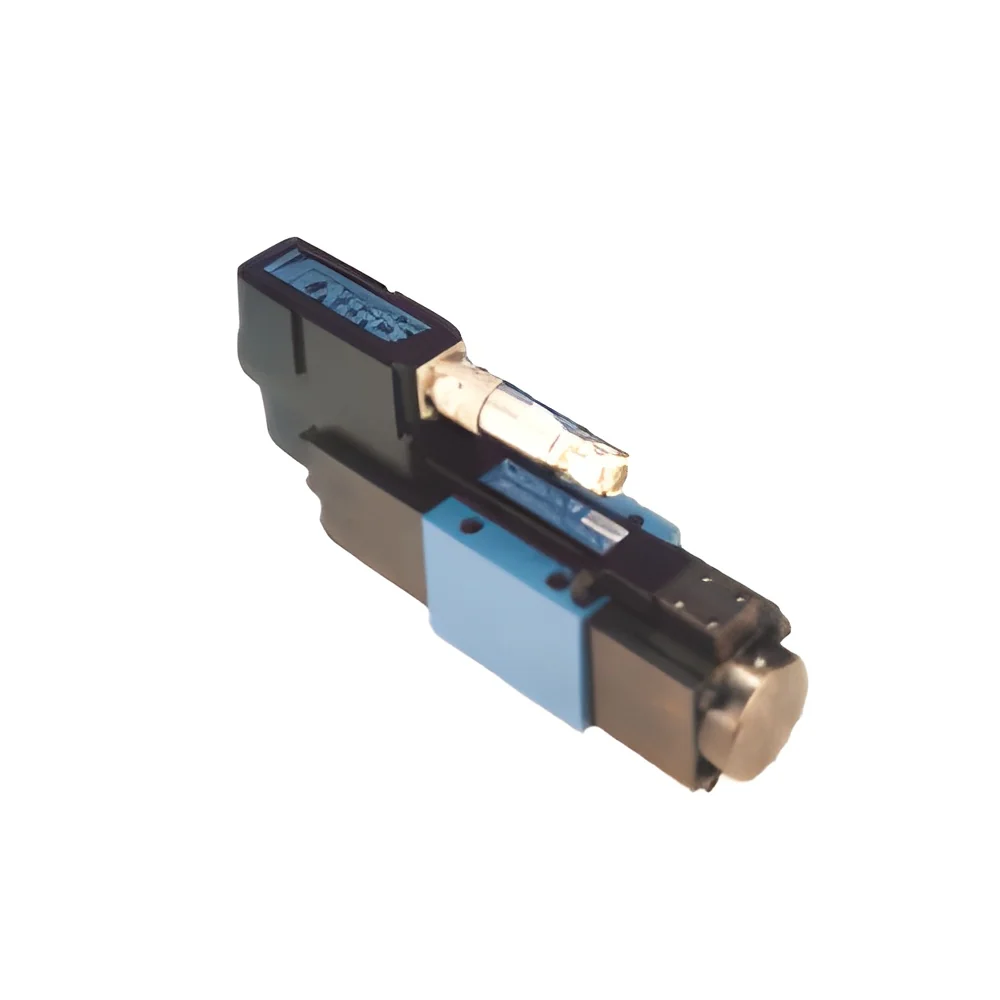
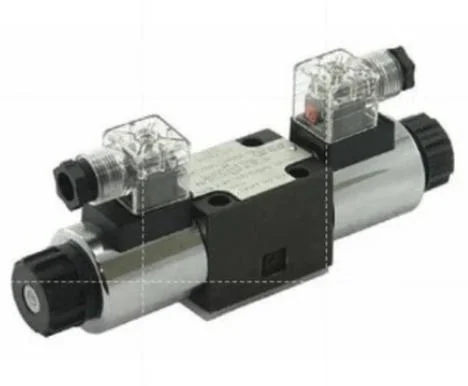
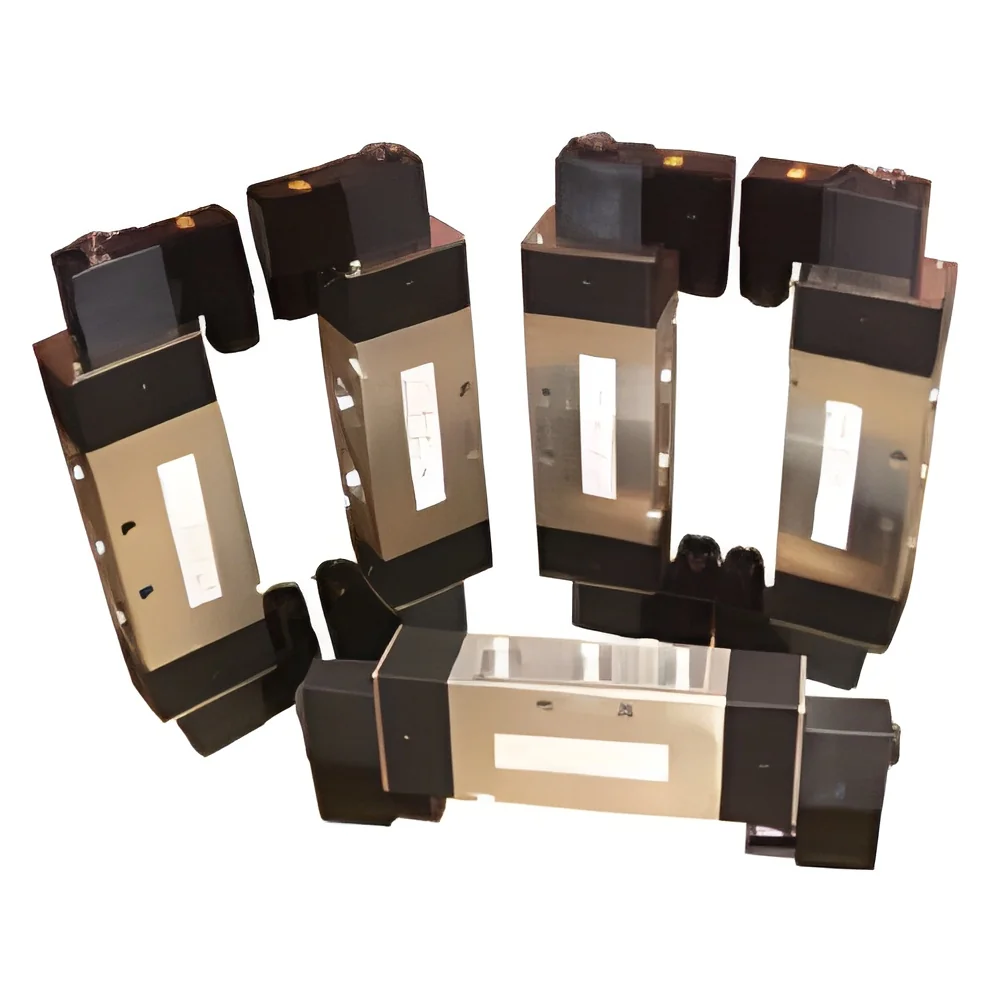
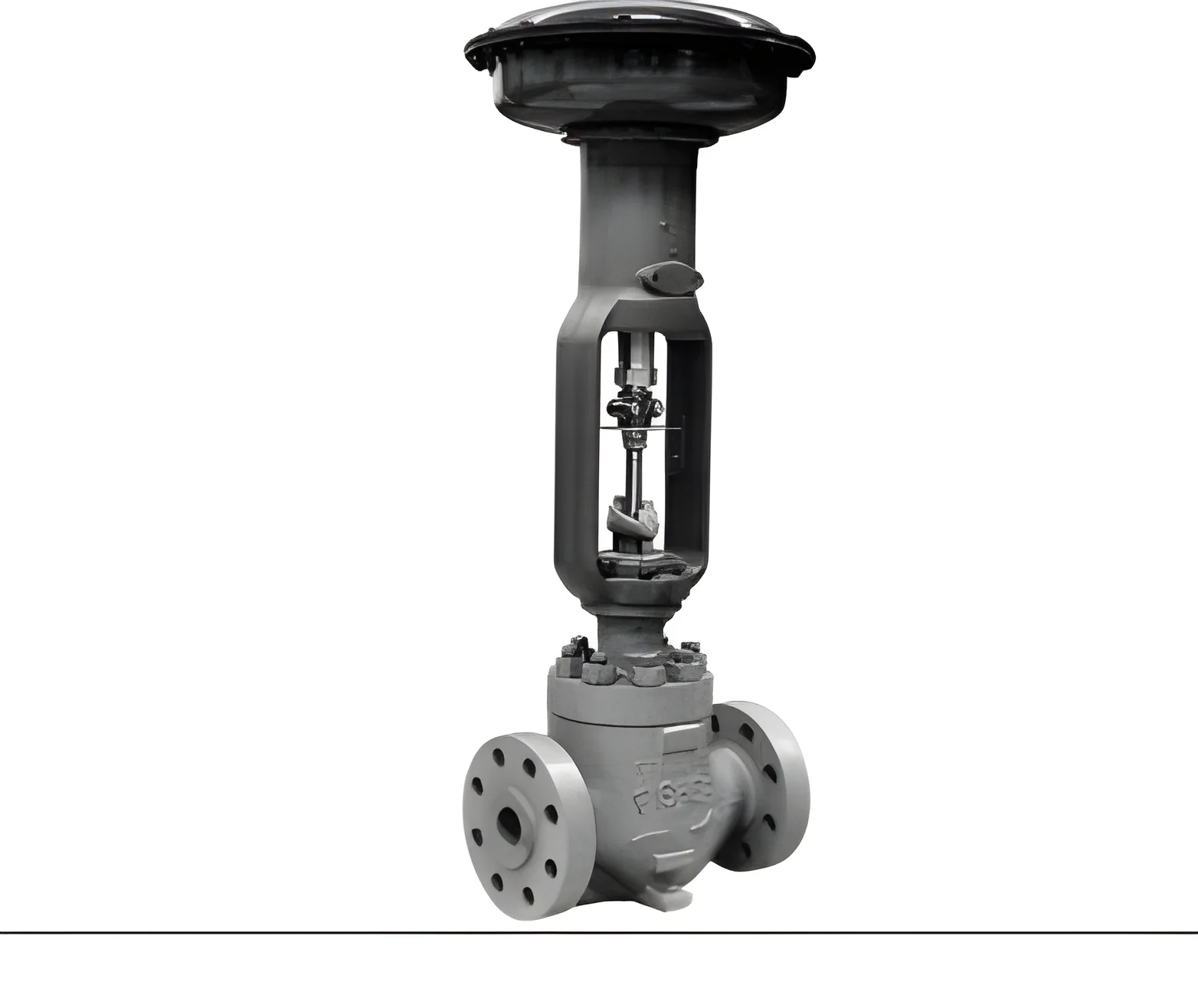
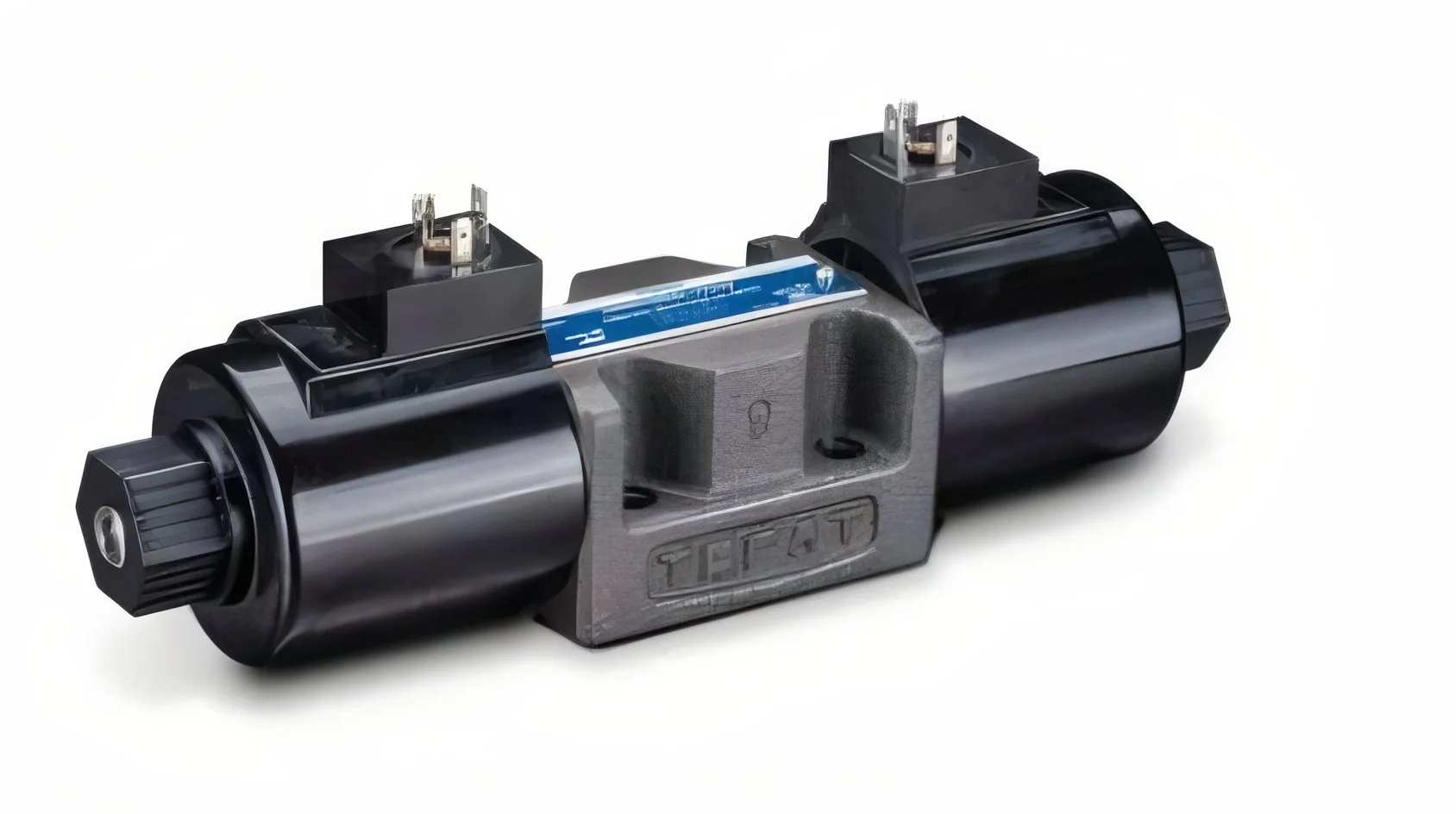
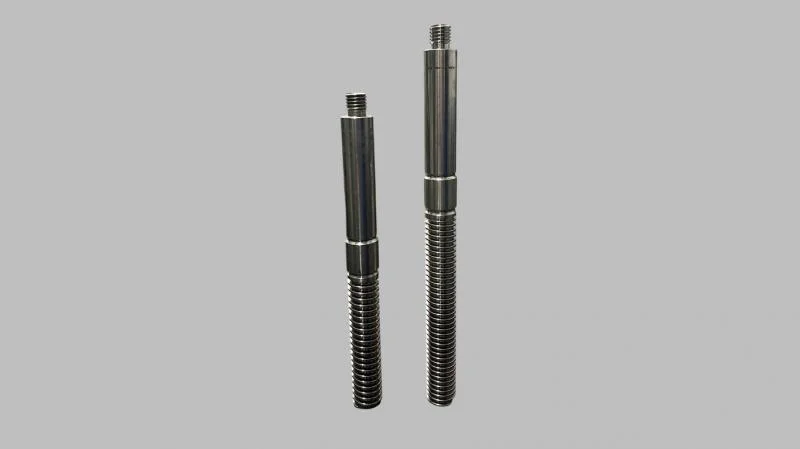
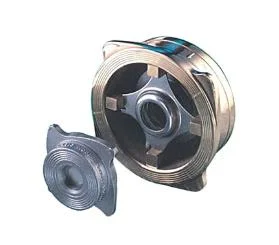
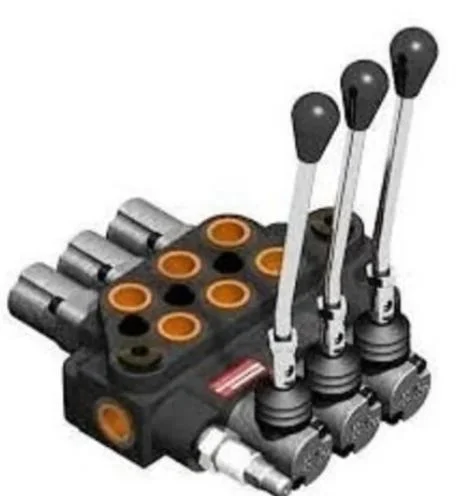
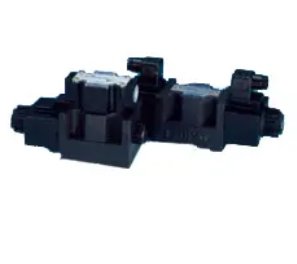
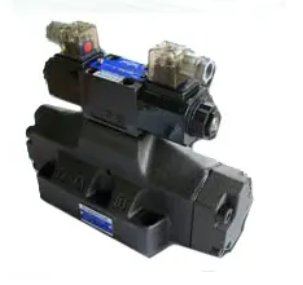
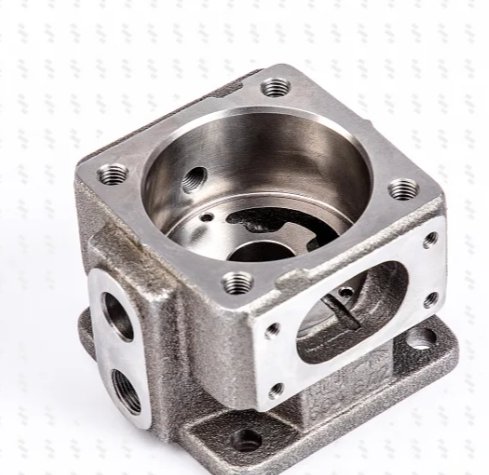
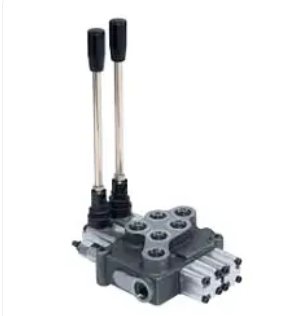
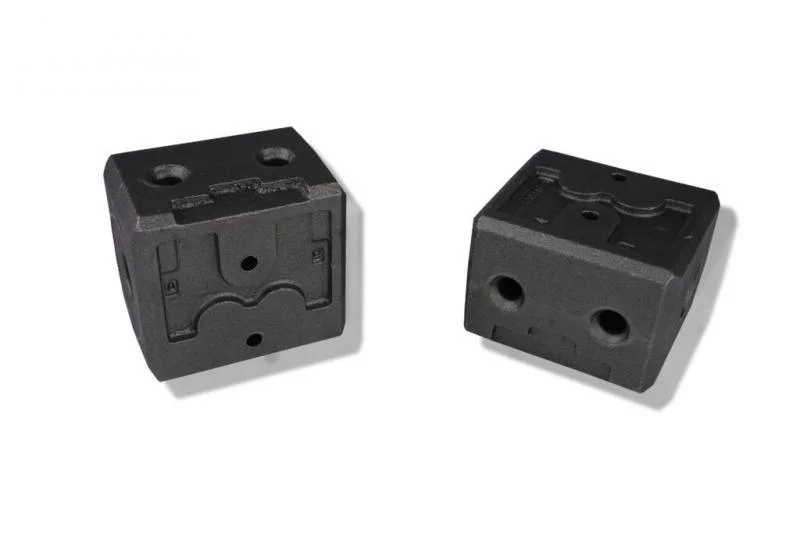
What are Hydraulic Directional Control Valves?
Hydraulic directional control valves are essential components in hydraulic systems that manage the flow and direction of hydraulic fluid. These valves control the movement of hydraulic actuators such as cylinders and motors by directing fluid from a pump to specific parts of the hydraulic circuit. They can be manually operated or controlled electronically, allowing for precise control of machinery and equipment in various industrial applications.
These valves play a crucial role in many sectors, including manufacturing, construction, and agriculture. They are commonly used in hydraulic presses, forklifts, excavators, and other machinery where fluid power is needed to perform work. Their ability to control the flow of fluid efficiently makes them vital for optimizing performance and enhancing operational safety, ensuring that equipment functions correctly and reliably.
As industries continue to evolve, the relevance of hydraulic directional control valves remains significant. With the increasing demand for automation and efficiency in processes, these valves are being improved to offer better responsiveness and durability. The market for hydraulic components is expected to grow, driven by advancements in technology and an expanding range of applications across various sectors.
Key Features and Specifications
Hydraulic directional control valves come with several key features that define their performance and suitability for specific applications. Understanding these specifications helps businesses select the right valves for their needs.
Key specifications include:
1. Flow Capacity
- This specification indicates the maximum volume of hydraulic fluid that can pass through the valve per unit time.
- Typical ranges are from 10 L/min to 600 L/min, depending on the valve size and design.
2. Pressure Rating
- This defines the maximum pressure the valve can withstand without failure.
- Common ratings range from 100 bar to 350 bar, suitable for various hydraulic systems.
3. Valve Type
- Hydraulic directional control valves are available in several types, including spool, poppet, and rotary.
- Each type offers different advantages based on the application's requirements.
4. Control Method
- Valves can be manually operated, solenoid actuated, or pilot-operated.
- The choice of control method affects ease of use and responsiveness.
5. Port Configuration
- The layout of ports on the valve determines how it connects to the hydraulic system.
- Common configurations include two-way, three-way, and four-way ports.
6. Size and Weight
- The physical dimensions and weight of the valve can impact installation and integration into existing systems.
- Sizes can vary significantly based on the application requirements.
7. Material
- Valves can be made from various materials, including aluminum, steel, and plastic.
- Material choice affects durability, resistance to corrosion, and weight.
8. Temperature Range
- This specification indicates the range of temperatures within which the valve can operate effectively.
- Operating temperatures typically range from -20°C to 80°C, depending on the design.
These specifications highlight the importance of selecting the right hydraulic directional control valve to meet operational demands and ensure optimal performance in hydraulic systems.
Common Applications and Use Cases
Hydraulic directional control valves are utilized across a wide range of industries, each with specific applications that benefit from their function.
1. Construction: In construction machinery, such as excavators and bulldozers, these valves control the movement of hydraulic cylinders, enabling precise operation and power management.
2. Manufacturing: In manufacturing processes, hydraulic valves are used to operate machines like presses and robotics, facilitating automation and enhancing productivity.
3. Agriculture: Agricultural equipment, including tractors and harvesters, use hydraulic directional control valves to manage various functions, such as lifting and lowering attachments.
4. Automotive: In automotive assembly lines, these valves are critical for controlling hydraulic systems that power tools and machinery, ensuring efficient production processes.
5. Marine: Hydraulic systems in marine applications, such as steering mechanisms and winches, rely on directional control valves for reliable operation in challenging environments.
6. Aerospace: In aerospace applications, hydraulic valves are used in landing gear and control surfaces, where precision and reliability are paramount.
7. Oil and Gas: Hydraulic directional control valves play a significant role in drilling and extraction equipment, managing the flow of fluids under high pressure.
Product Variants and Subcategories
Hydraulic directional control valves come in various configurations to suit different applications and requirements. This diversity allows businesses to find the right solution for their specific needs.
Spool Valves
Spool valves are commonly used in hydraulic systems for their ability to control multiple flow paths. They feature a sliding spool that moves within a cylinder, directing fluid flow based on its position.
Poppet Valves
Poppet valves utilize a simple design with a sealing element that opens or closes flow paths. These valves are ideal for applications requiring high pressure and reliability.
Rotary Valves
Rotary valves are designed for applications that require a rotating motion. They provide efficient control of fluid flow in systems where space is limited.
Benefits and Advantages
Choosing hydraulic directional control valves offers several key benefits that enhance operational efficiency and reliability.
1. Precision Control: These valves provide accurate control over hydraulic fluid flow, allowing for precise movements in machinery.
2. Enhanced Efficiency: By optimizing fluid flow, these valves contribute to increased energy efficiency in hydraulic systems.
3. Reliability: High-quality hydraulic directional control valves are designed to withstand harsh operating conditions, ensuring long-term performance and durability.
4. Versatility: With various types and configurations available, these valves can be used in a wide range of applications across industries.
5. Safety: Properly functioning directional control valves help prevent hydraulic system failures, enhancing workplace safety.
6. Maintenance Ease: Many hydraulic valves are designed for easy maintenance, reducing downtime and associated costs.
Buying Guide for B2B Buyers
When sourcing hydraulic directional control valves, it is essential for businesses to consider several critical factors to ensure the right selection.
1. Quality Assessment: Evaluate the quality of valves by looking for certifications and compliance with industry standards. High-quality valves enhance performance and reduce the risk of failure.
2. Supplier Verification: Conduct thorough research on potential suppliers to ensure they have a reputable track record. Consider factors such as customer reviews, experience, and product range.
3. Pricing and MOQ: Understand the pricing structure and minimum order quantities (MOQ) required by suppliers. This information helps in budgeting and planning purchases.
4. Delivery and Lead Times: Inquire about delivery schedules and lead times to ensure timely availability of products. Reliable logistics are crucial for maintaining production schedules.
5. Compliance Requirements: Familiarize yourself with regulatory needs related to hydraulic components in your region. Compliance ensures that the products meet safety and operational standards.
Compliance and Certifications
Hydraulic directional control valves must adhere to various quality standards and certifications to ensure their reliability and safety in operation.
ISO 9001 is a widely recognized quality management standard that outlines requirements for ensuring consistent product quality and customer satisfaction. Manufacturers of hydraulic valves often pursue this certification to demonstrate their commitment to quality.
Industry certifications such as UL and CE indicate compliance with safety and performance standards. UL certification ensures that products meet rigorous safety requirements, while CE marking signifies compliance with European health, safety, and environmental protection standards.
Safety testing requirements are critical for hydraulic directional control valves, as they operate under high-pressure conditions. Valves must undergo rigorous testing to ensure they function safely and effectively in various applications.
Regional compliance considerations may also apply, depending on the market where the valves are sold. Businesses must be aware of local regulations governing hydraulic systems to ensure their products meet all necessary standards.
Why Source Hydraulic Directional Control Valves from Pepagora?
Pepagora offers a trusted platform for sourcing hydraulic directional control valves, providing several key advantages for businesses.
Verified Supplier Network: Pepagora connects buyers with a network of verified suppliers, ensuring that customers can source high-quality products from reputable manufacturers. This verification process enhances buyer confidence and promotes reliable transactions.
Streamlined RFQ Process: The request for quotation (RFQ) system on Pepagora simplifies the procurement process. Buyers can easily submit their requirements and receive competitive quotes from multiple suppliers, saving time and effort.
Trade Assurance and Support: Pepagora provides trade assurance to protect buyers throughout the sourcing process. This support includes assistance with payment security and dispute resolution, ensuring a smooth purchasing experience.
Regional Coverage: With a strong presence in India, the GCC, and Southeast Asia, Pepagora caters to a diverse range of industries and markets. This geographic reach allows businesses to find suitable hydraulic directional control valves that meet their specific needs, regardless of location.

 IN
IN