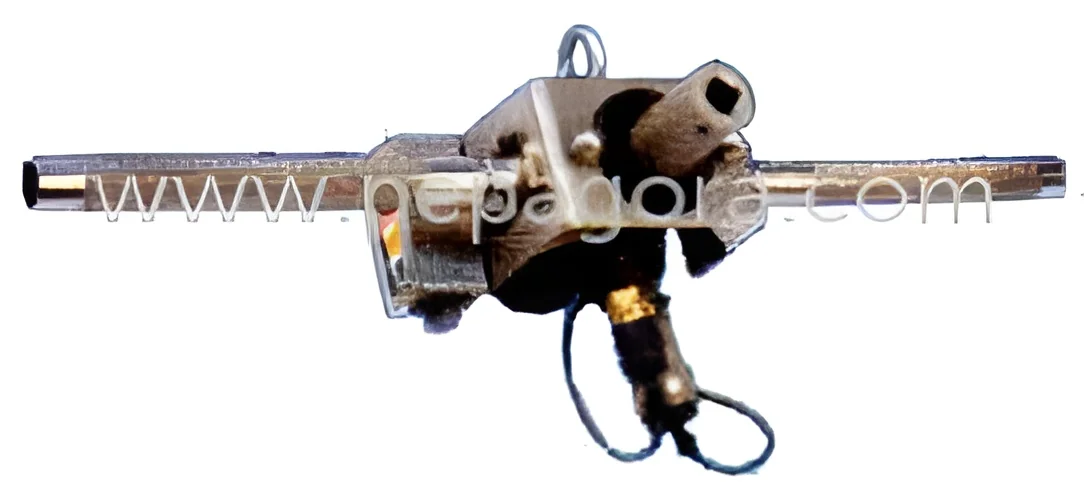
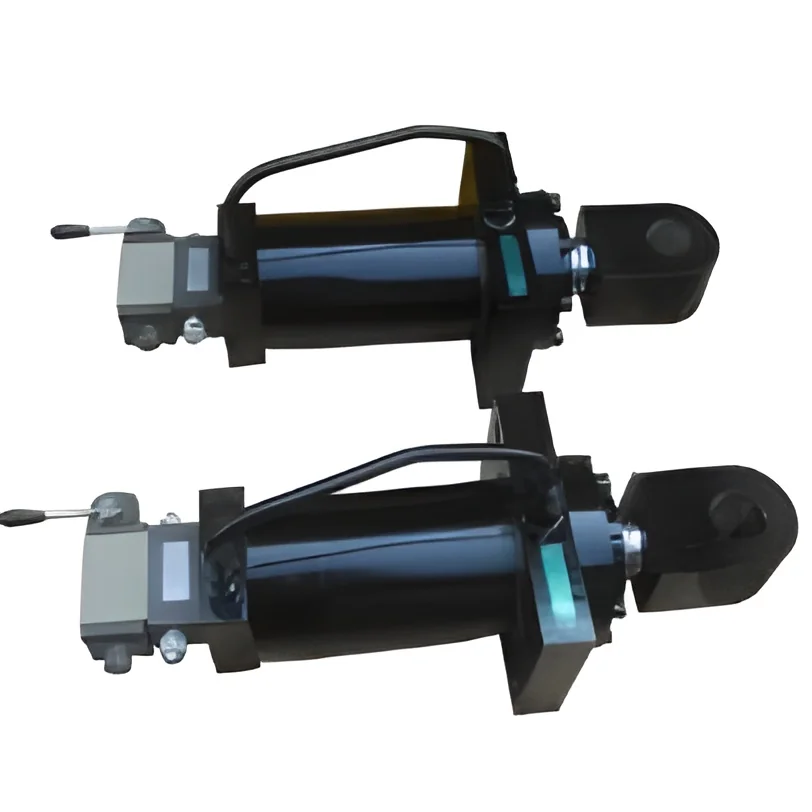
What are Servo-Hydraulic Systems?
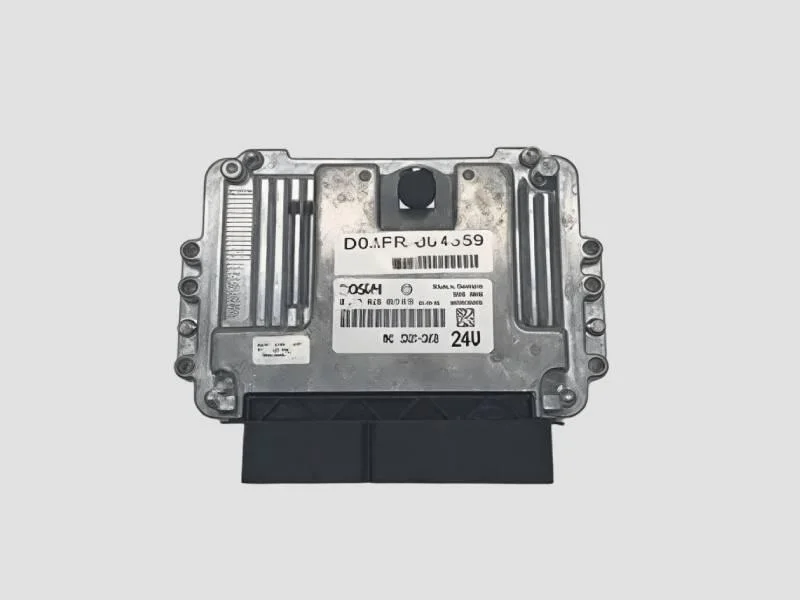
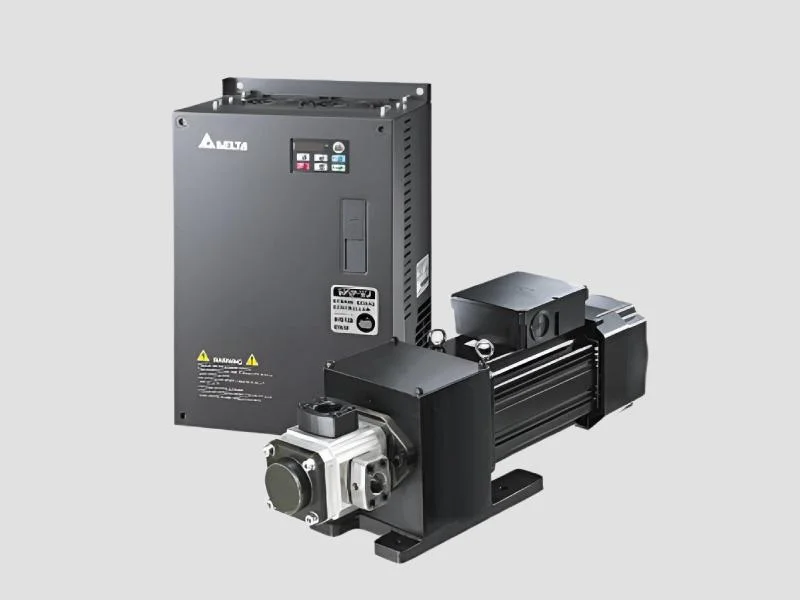
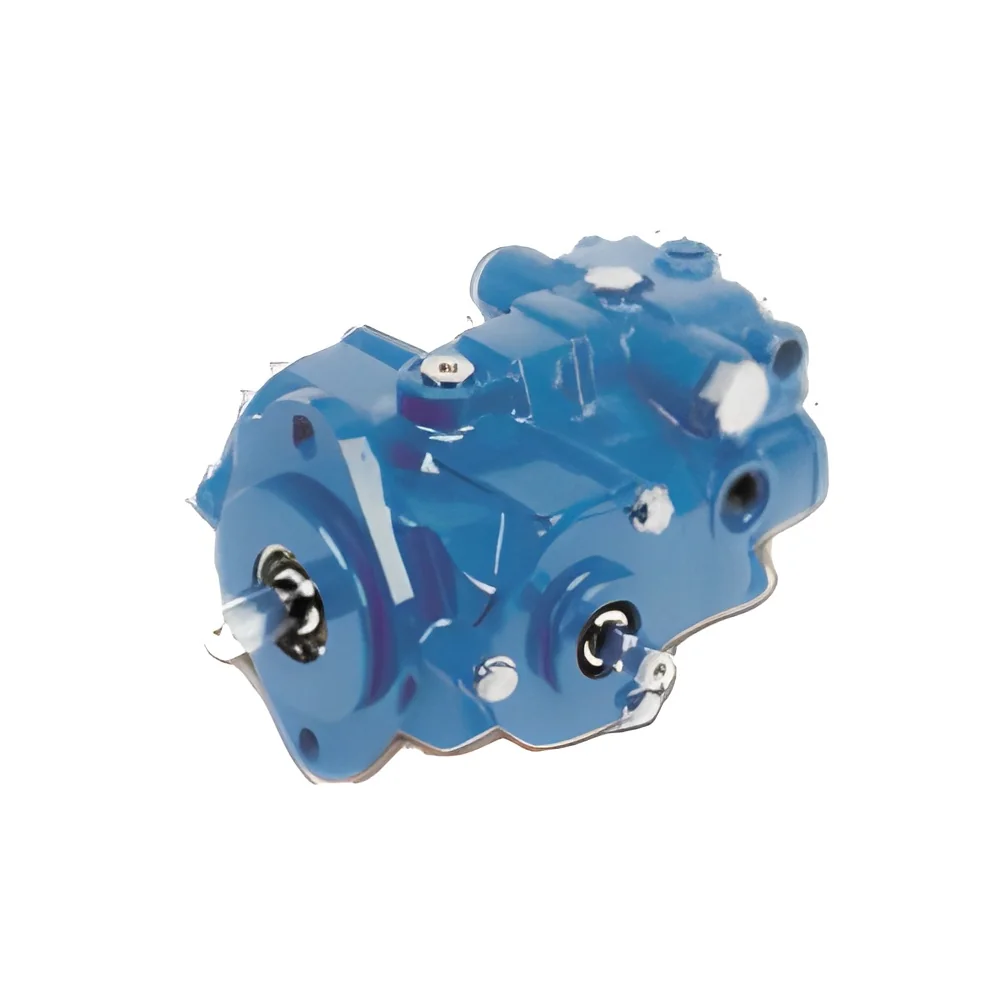
Servo-hydraulic systems are advanced control systems that utilize hydraulic actuators and servo valves to deliver precise motion and force control. These systems combine the benefits of hydraulic power with the accuracy of servo technology, enabling highly responsive and accurate operations. Servo-hydraulic systems are characterized by their ability to adjust flow rates and pressure in real-time, making them suitable for applications requiring high precision and repeatability.
These systems find extensive use in various industries, including manufacturing, automotive, aerospace, and robotics. In manufacturing, for example, they are crucial for applications such as injection molding, metal forming, and material testing. The ability to control speed, position, and force makes servo-hydraulic systems an essential component in processes where precision is paramount. The growing trend toward automation and the increasing demand for high-performance machinery further drive the relevance of servo-hydraulic systems in today's market.
Key Features and Specifications
Servo-hydraulic systems are designed to provide a range of features that enhance their functionality and adaptability. These features allow users to select the appropriate system for their specific operational needs.
Key specifications include:
1. Control Precision
- Achieves high accuracy in positioning and force exertion.
- Typical precision levels can reach within micrometers.
2. Response Time
- Fast response time to commands, allowing for real-time adjustments.
- Response times often range from milliseconds to seconds.
3. Load Capacity
- Capable of handling varying load sizes depending on the specific design.
- Load capacities may range from a few kilograms to several tons.
4. Operating Pressure
- Designed to operate efficiently under high pressure.
- Common operating pressures range from 70 to 350 bar.
5. Power Consumption
- Energy-efficient designs that reduce operational costs.
- Power consumption varies based on system size and application.
6. Temperature Range
- Operates effectively across a broad temperature range.
- Specific temperature ranges depend on fluid and component specifications.
7. Control Interface
- Equipped with user-friendly interfaces for ease of operation.
- Interfaces often include touchscreen panels and software integration.
8. Safety Features
- Integrated safety mechanisms to prevent system failure.
- Common features include pressure relief valves and emergency shut-off systems.
In summary, servo-hydraulic systems offer a blend of precision, speed, and adaptability, making them ideal for various industrial applications.
Common Applications and Use Cases
Servo-hydraulic systems are versatile and used across multiple industries. Their ability to provide precise control makes them suitable for various applications.
1. Automotive Industry: These systems are used in testing and simulation of vehicle components, ensuring they meet safety and performance standards. Applications include crash testing and component durability testing.
2. Aerospace Industry: Servo-hydraulic systems are essential for testing aircraft components and simulating flight conditions. They help ensure the reliability and safety of aircraft systems.
3. Manufacturing: In manufacturing, these systems are utilized in processes such as injection molding and stamping, where precision and repeatability are critical for product quality.
4. Robotics: Servo-hydraulic systems facilitate precise movements in robotic applications, enhancing automation and efficiency in manufacturing and assembly lines.
5. Material Testing: Used in laboratories for testing the strength and durability of materials, these systems provide accurate force application and measurement capabilities.
6. Construction Equipment: Servo-hydraulic systems are found in heavy machinery, including excavators and cranes, to enhance precision in movement and control.
7. Medical Devices: In the medical field, these systems are used in equipment that requires precise control, such as surgical robots and patient positioning systems.
Product Variants and Subcategories
Servo-hydraulic systems come in various configurations to meet diverse application needs. Each variant offers unique features tailored to specific requirements.
High-Performance Servo-Hydraulic Systems
These systems are designed for applications that require maximum precision and speed. They are ideal for high-speed manufacturing processes and critical testing environments.
Compact Servo-Hydraulic Systems
These variants are designed for space-constrained applications. They maintain high performance while minimizing footprint, making them suitable for smaller workspaces or portable equipment.
Energy-Efficient Servo-Hydraulic Systems
Focusing on sustainability, these systems are optimized for low energy consumption without compromising performance. They reduce operational costs and environmental impact.
Benefits and Advantages
Servo-hydraulic systems provide numerous advantages that enhance operational efficiency and effectiveness.
1. Precision Control: They offer exceptional accuracy in motion and force control, making them suitable for high-stakes applications.
2. Versatility: These systems can be used in a wide range of industries and applications, from manufacturing to aerospace.
3. Speed: The rapid response times enable real-time adjustments, improving overall productivity and efficiency.
4. Energy Efficiency: Many servo-hydraulic systems are designed to minimize energy consumption, leading to cost savings over time.
5. Reliability: With robust construction and integrated safety features, these systems are built to withstand demanding conditions.
6. Enhanced Productivity: By streamlining processes and improving accuracy, servo-hydraulic systems contribute to higher output and reduced waste.
Buying Guide for B2B Buyers
When sourcing servo-hydraulic systems, buyers should consider several important factors to ensure they select the right product for their needs.
1. Quality Assessment: Evaluate the quality of the servo-hydraulic systems by reviewing certifications and standards compliance. Look for systems that meet international quality standards.
2. Supplier Verification: Conduct thorough research on potential suppliers to ensure they have a track record of reliability and quality. Check for customer reviews and their experience in the industry.
3. Pricing and MOQ: Understand the pricing structure and the minimum order quantities (MOQ) required. Compare quotes from different suppliers to get the best value.
4. Delivery and Lead Times: Inquire about the lead times for delivery and ensure they align with your project timelines. Timely delivery can be critical to project success.
5. Compliance Requirements: Ensure that the systems meet relevant regulatory and safety standards for your industry. This includes checking for necessary certifications and compliance with local regulations.
Compliance and Certifications
Compliance and certifications are vital for ensuring the safety and reliability of servo-hydraulic systems. These systems often adhere to several quality standards, including ISO 9001, which focuses on quality management systems, ensuring consistent quality in manufacturing processes.
Industry certifications like CE and UL are crucial as they demonstrate that the products meet European and North American safety standards, respectively. Compliance with these certifications helps to mitigate risks associated with system failure and ensures adherence to safety regulations.
Additionally, servo-hydraulic systems must undergo rigorous testing to meet safety requirements. This includes assessments for pressure, temperature, and operational reliability. Buyers should also consider regional compliance, which may involve specific regulations depending on the country or region where the systems will be used.
Why Source Servo-Hydraulic Systems from Pepagora?
Pepagora offers a reliable platform for sourcing servo-hydraulic systems, providing numerous advantages for B2B buyers.
Verified Supplier Network: Pepagora features a network of verified suppliers, ensuring that buyers can trust the quality and reliability of the products offered. Each supplier undergoes a stringent vetting process to maintain high standards.
Streamlined RFQ Process: The Request for Quotation (RFQ) process on Pepagora is designed to be efficient and user-friendly. Buyers can easily submit their requirements and receive competitive quotes from multiple suppliers, simplifying the procurement process.
Trade Assurance and Support: Pepagora provides trade assurance, protecting buyers against potential risks during transactions. Additionally, support services are available to assist with any queries or issues that may arise.
Regional Coverage: Pepagora has a strong presence in regions such as India, the GCC, and Southeast Asia. This geographic reach allows buyers to find local suppliers and cater to specific market needs, enhancing convenience and efficiency in sourcing servo-hydraulic systems.

 IN
IN