What are Rotary Pneumatic Actuators?
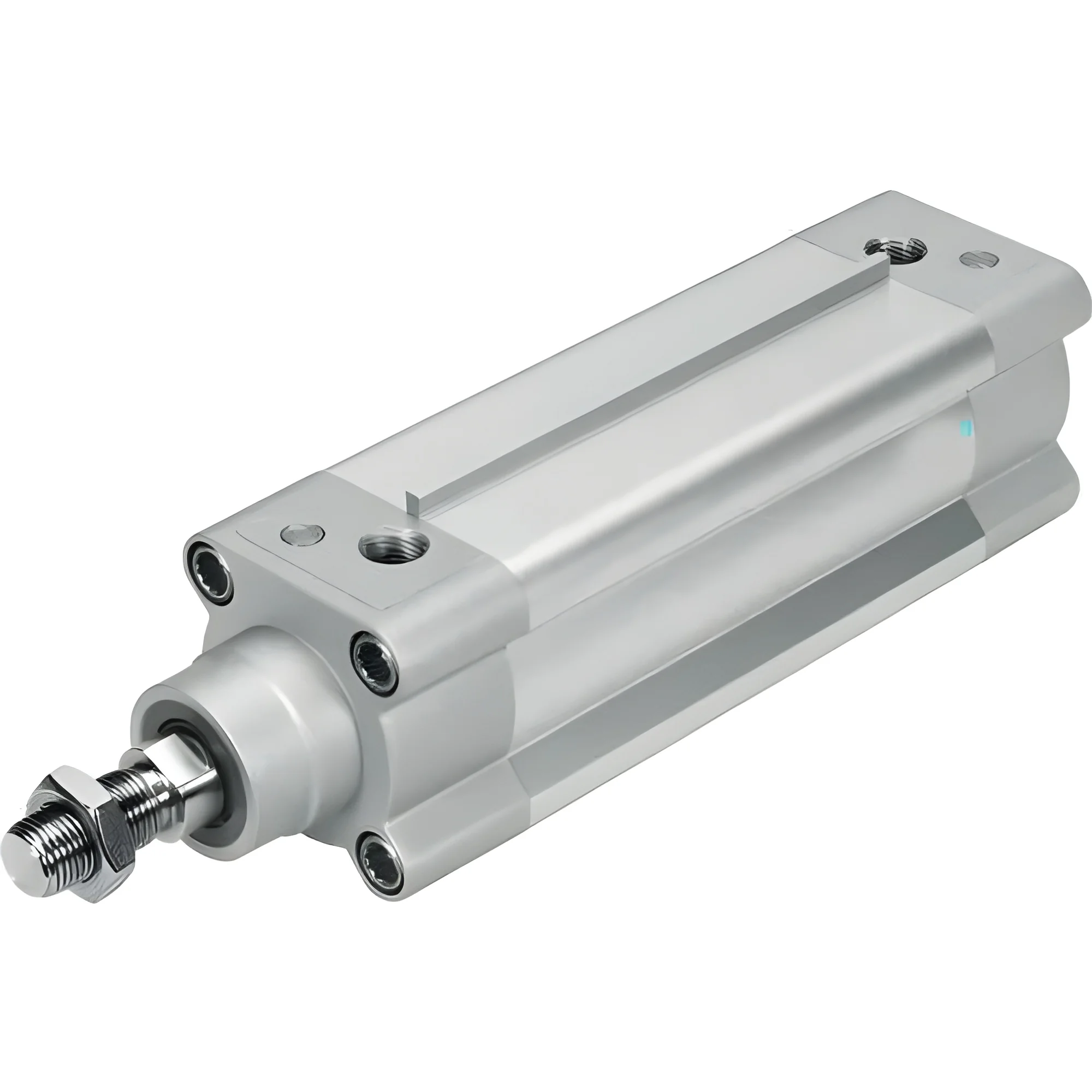
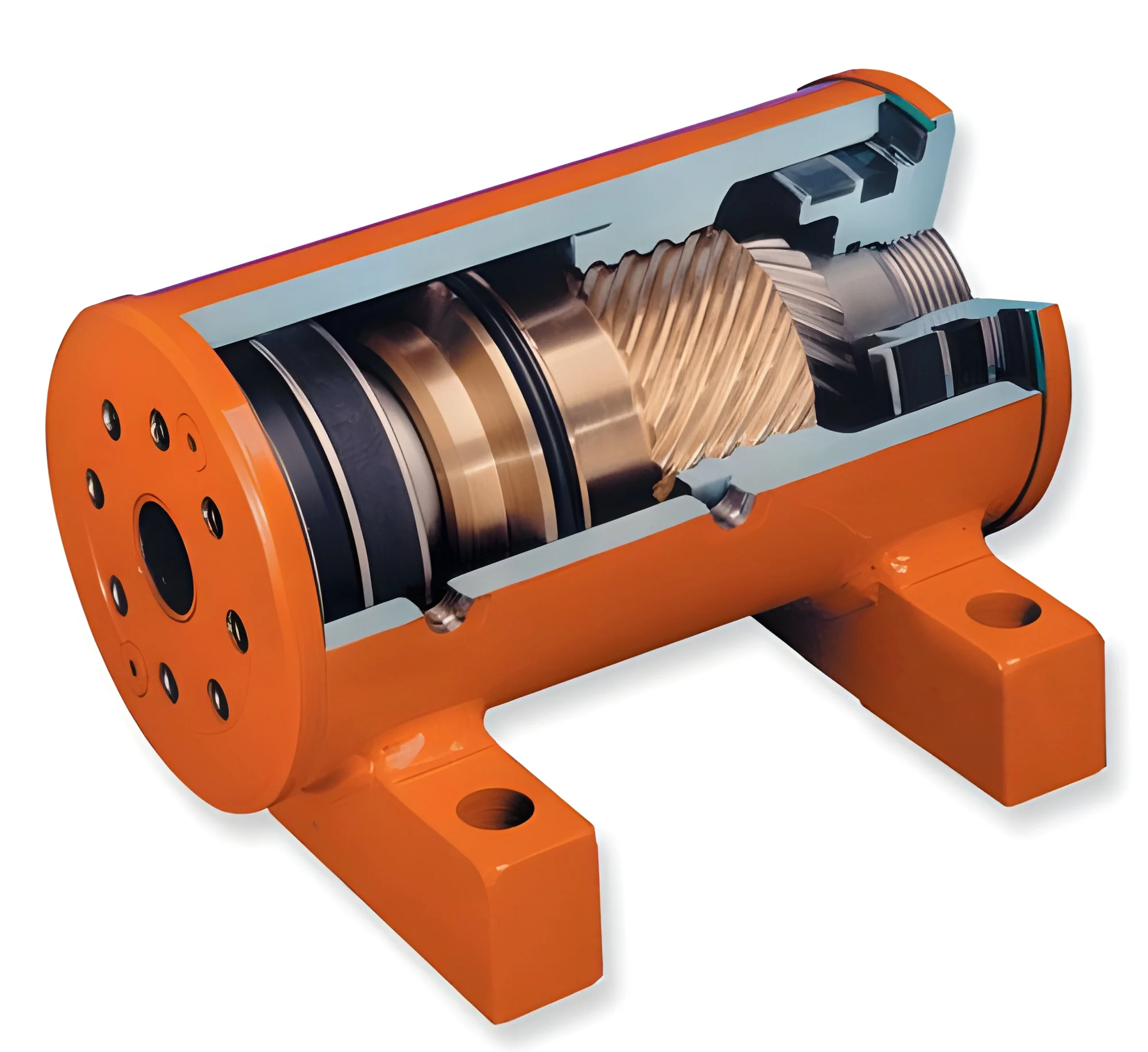
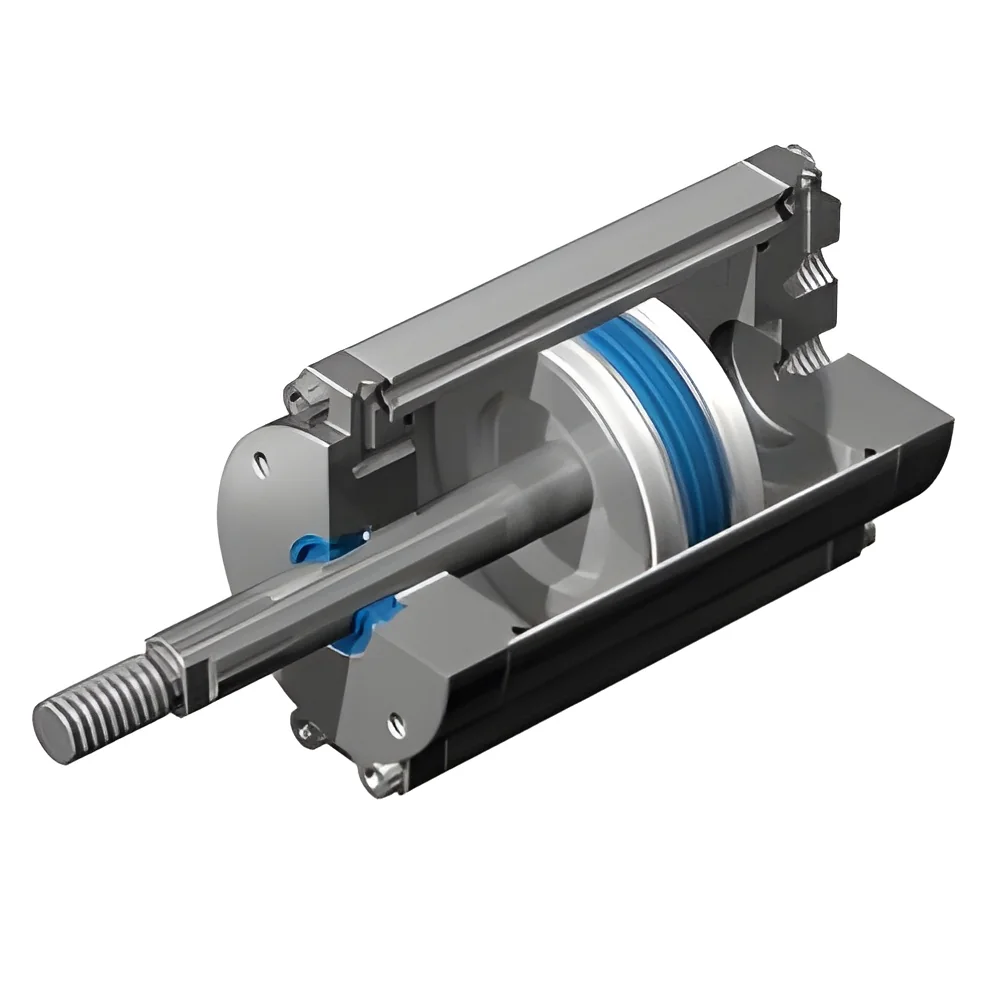
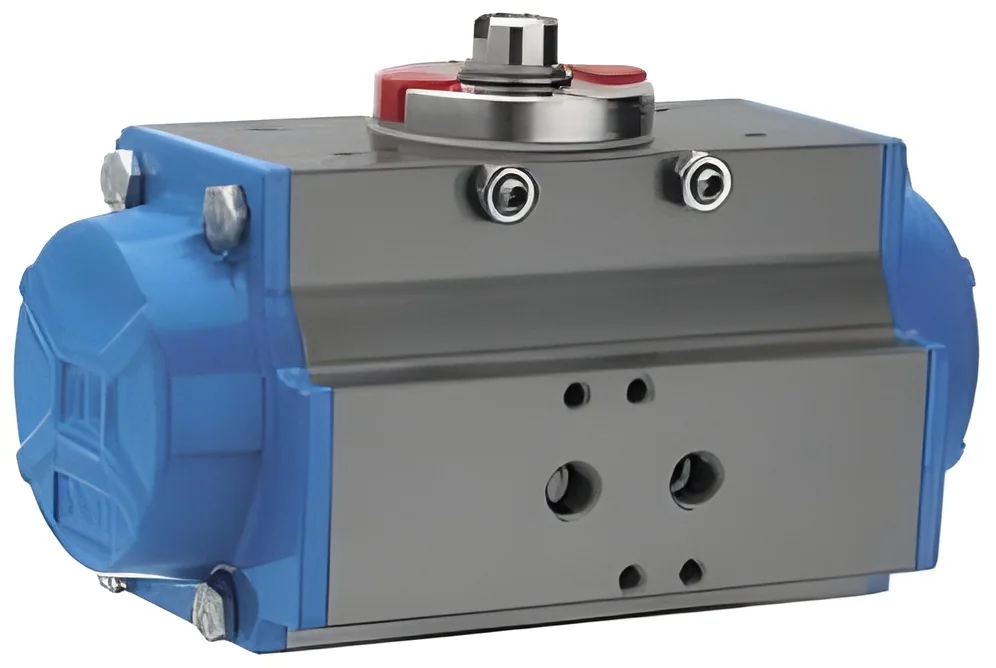
Rotary pneumatic actuators are devices that convert compressed air energy into rotational motion. They are widely used in industrial automation and control systems to operate valves, dampers, and other mechanical components. The mechanism typically consists of a cylinder, a piston, and a rotary output shaft, allowing for precise control over movement and position. These actuators are known for their reliability, speed, and efficiency in applications where rapid action is essential.
The primary uses of rotary pneumatic actuators include controlling flow in piping systems, regulating air and gas in various processes, and managing the positioning of machinery components. Industries such as manufacturing, oil and gas, and water treatment commonly utilize these actuators to enhance operational efficiency and reduce downtime. With the growing trend of automation across sectors, the demand for rotary pneumatic actuators is on the rise, making them a crucial component in modern industrial applications.
In the current market, rotary pneumatic actuators are increasingly relevant due to their adaptability and effectiveness in various environments. As industries strive for greater automation and improved safety measures, the integration of reliable actuators becomes vital. This aligns with the shift towards smart manufacturing and Industry 4.0 initiatives, where precise control and monitoring are paramount.
Key Features and Specifications
Rotary pneumatic actuators come equipped with a range of features that enhance their functionality and performance. Understanding these specifications is essential for selecting the right actuator for specific applications.
Key specifications include:
1. Torque Output
- Torque output varies based on actuator size and design.
- Typical ranges can be from 10 Nm to over 1000 Nm.
2. Operating Pressure
- Designed to operate within specific pressure limits.
- Common operating pressure ranges from 2 to 8 bar.
3. Rotation Angle
- Standard rotation angles usually range between 90 to 270 degrees.
- Some models offer continuous rotation capabilities.
4. Body Material
- Constructed from durable materials such as aluminum or stainless steel.
- Ensures resistance to corrosion and wear.
5. Temperature Range
- Suitable for various temperature environments.
- Operating limits typically between -20°C to 80°C.
6. Actuation Type
- Available in double-acting and spring-return models.
- Each type offers distinct operational benefits.
7. Mounting Options
- Flexible mounting configurations such as flange or bracket mounting.
- Allows easy integration into existing systems.
8. Safety Features
- Often includes built-in safety mechanisms.
- Prevents accidental operation and ensures reliability.
In summary, understanding these specifications is crucial for selecting the right rotary pneumatic actuator that meets operational demands and enhances efficiency.
Common Applications and Use Cases
Rotary pneumatic actuators serve various industries, providing critical functionality in numerous applications.
1. Manufacturing: These actuators are commonly used in assembly lines to control the movement of robotic arms and machinery, enhancing automation and efficiency.
2. Oil and Gas: In this sector, rotary pneumatic actuators manage valves and flow control in pipelines, ensuring safe and efficient operations.
3. Water Treatment: They are employed to regulate the flow of water and chemicals in treatment facilities, contributing to effective water management.
4. Food and Beverage: Rotary actuators control valves in processing lines, helping to maintain hygiene and efficiency in food production.
5. HVAC: Used in heating, ventilation, and air conditioning systems, these actuators regulate dampers to control airflow and temperature.
6. Pharmaceuticals: They play a key role in controlling processes and ensuring precision in the manufacturing of medical products.
7. Automotive: In automotive assembly, rotary pneumatic actuators are utilized for various tasks, including the control of robotic systems and assembly machines.
Product Variants and Subcategories
Rotary pneumatic actuators come in various types, each designed to meet specific operational needs.
Double-Acting Actuators: These actuators provide power in both directions, offering greater control and efficiency. They are ideal for applications requiring precise positioning and rapid movement.
Spring-Return Actuators: This variant features a spring mechanism that returns the actuator to a predetermined position when air pressure is removed. They are beneficial in safety applications where a fail-safe operation is necessary.
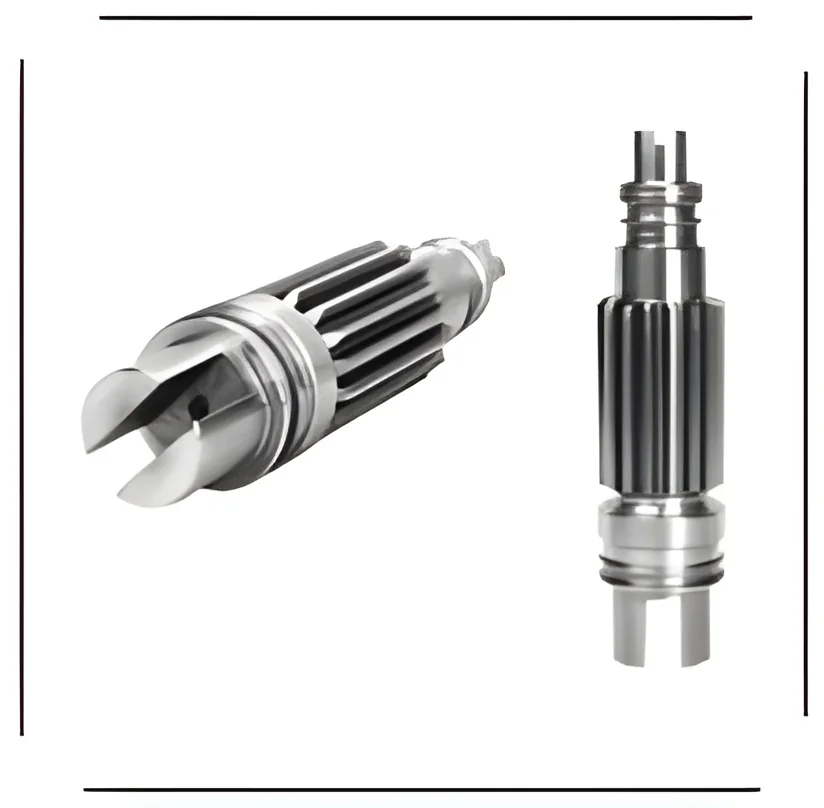
Pneumatic Rack and Pinion Actuators: This design uses a rack and pinion system to convert linear motion into rotary motion. They are suitable for applications requiring high torque and reliability.
Compact Actuators: Designed for space-constrained environments, compact actuators provide effective performance without sacrificing output. They are ideal for smaller machinery and equipment.
Benefits and Advantages
Rotary pneumatic actuators offer numerous advantages that contribute to their popularity in various industrial applications.
Key benefits include:
1. High Speed: These actuators provide rapid actuation, enhancing overall process efficiency.
2. Reliability: With fewer moving parts, rotary pneumatic actuators are less prone to failures, resulting in lower maintenance costs.
3. Precise Control: They offer accurate positioning and control, essential for automated systems.
4. Versatility: Suitable for a wide range of applications and environments, these actuators can be adapted to meet diverse operational needs.
5. Energy Efficiency: Utilizing compressed air, they reduce electrical energy consumption, contributing to cost savings.
6. Safety Features: Many models include safety mechanisms that prevent unintended operation, enhancing workplace safety.
Buying Guide for B2B Buyers
When sourcing rotary pneumatic actuators, it is essential to consider several critical factors to ensure the right investment.
1. Quality Assessment: Evaluate the actuator's build quality and performance specifications. Look for products that meet recognized industry standards to ensure reliability.
2. Supplier Verification: Vet suppliers thoroughly to confirm their credibility. Check their history, customer reviews, and certifications to ensure they meet industry standards.
3. Pricing and MOQ: Compare pricing among various suppliers to find competitive rates. Be aware of minimum order quantities to align with your purchasing needs.
4. Delivery and Lead Times: Confirm delivery schedules and estimated lead times to ensure timely availability of the actuators for your projects.
5. Compliance Requirements: Ensure the products comply with relevant regulations and industry standards. This can include safety certifications and environmental compliance.
Compliance and Certifications
Compliance and certifications are crucial aspects of rotary pneumatic actuators, ensuring they meet industry standards for quality and safety. Many manufacturers adhere to ISO 9001, which establishes a framework for quality management systems. This certification indicates that the products are produced following consistent quality standards.
In addition, CE certification is essential for products marketed in Europe, confirming they meet safety, health, and environmental protection requirements. This certification reassures buyers of the actuator's reliability and safety in operation.
Furthermore, specific industries may have additional safety and testing requirements, such as HACCP for food-related applications or GDP for pharmaceutical processes. It is vital to consider regional compliance regulations that may vary by country or industry, ensuring that the actuators meet all necessary standards.
Why Source Rotary Pneumatic Actuators from Pepagora?
Pepagora provides a trusted platform for sourcing rotary pneumatic actuators with several key advantages that set it apart from competitors.
Verified Supplier Network: Pepagora has a robust network of verified suppliers, ensuring that buyers have access to reliable and high-quality products. Each supplier undergoes a stringent verification process, enhancing buyer confidence.
Streamlined RFQ Process: The platform offers a streamlined request for quotation (RFQ) process, allowing buyers to easily compare prices and specifications from multiple suppliers. This simplifies the procurement process and saves time.
Trade Assurance and Support: Pepagora offers trade assurance, providing buyers with protection against potential issues during the transaction. This includes support for resolving disputes and ensuring timely delivery.
Regional Coverage: With a strong presence in India, the GCC, and Southeast Asia, Pepagora caters to a wide geographic area, making it easier for businesses to source rotary pneumatic actuators tailored to their specific needs.
In conclusion, Pepagora stands out as a reliable platform for sourcing rotary pneumatic actuators, combining a verified supplier network, streamlined processes, and comprehensive support to meet the demands of modern industry.

 IN
IN