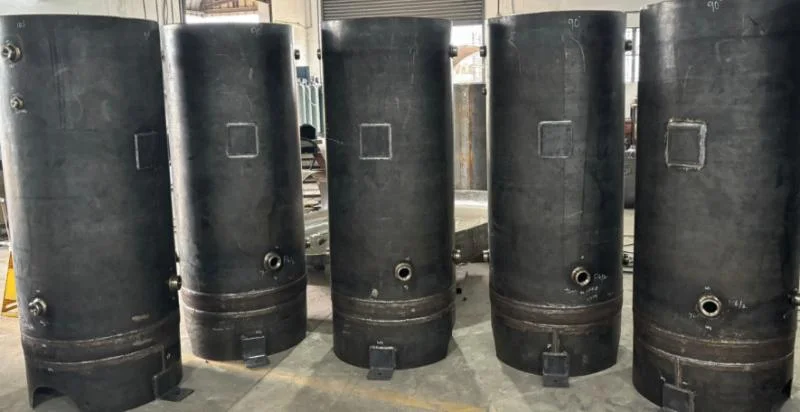
What are Compressed Air Tanks?
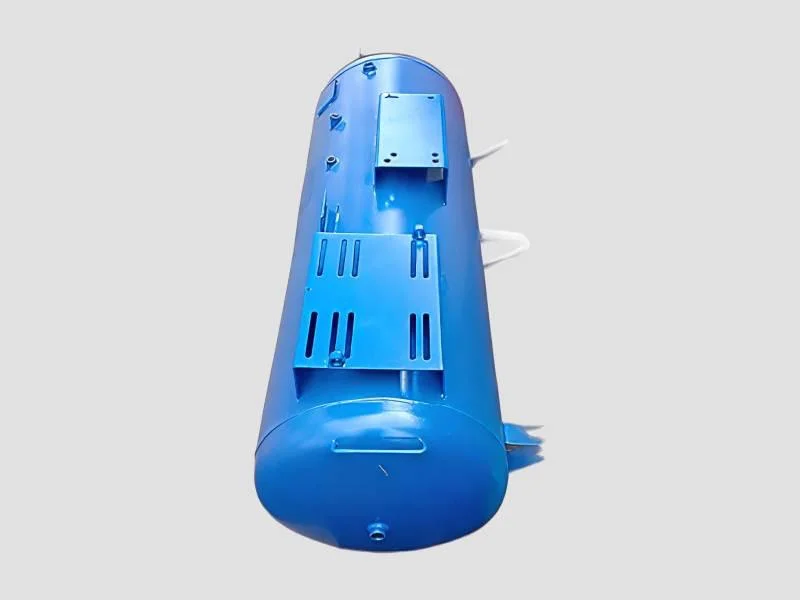
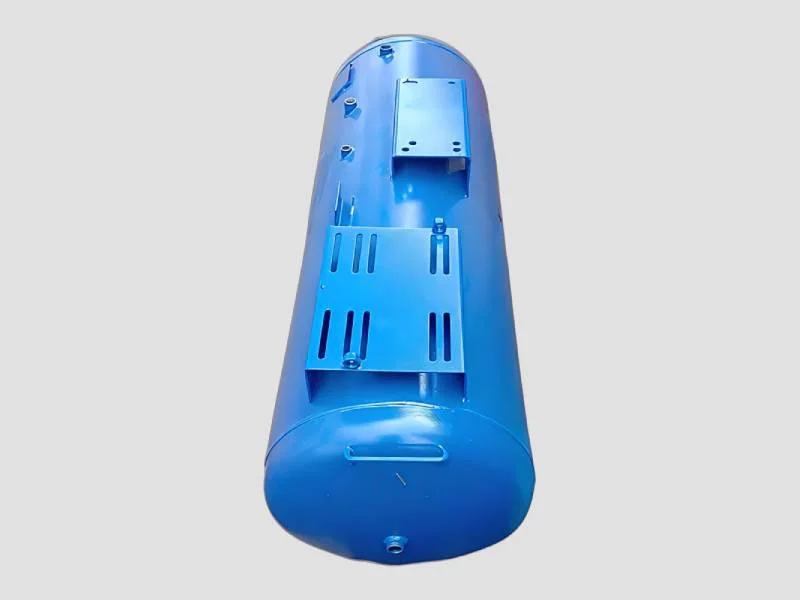
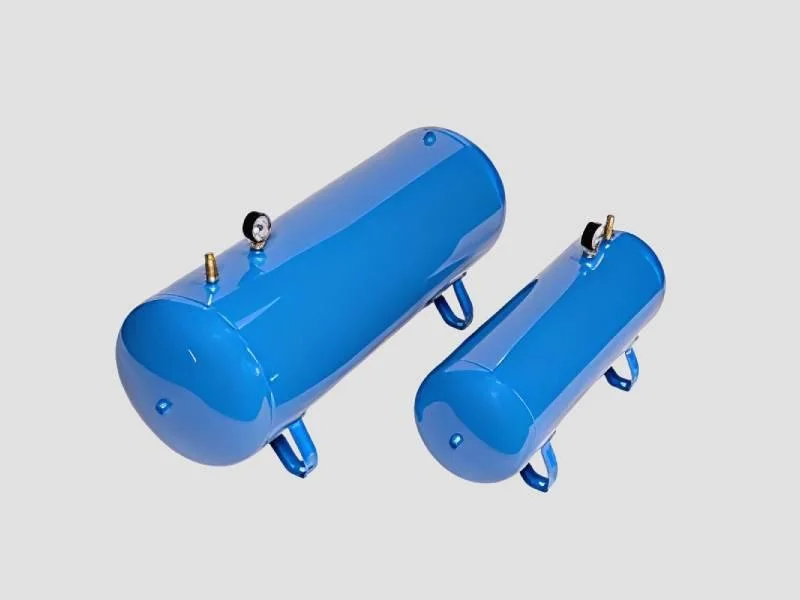
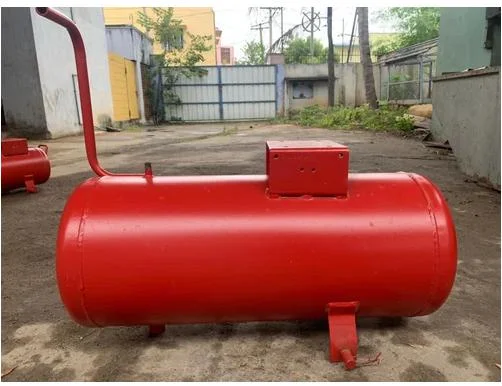
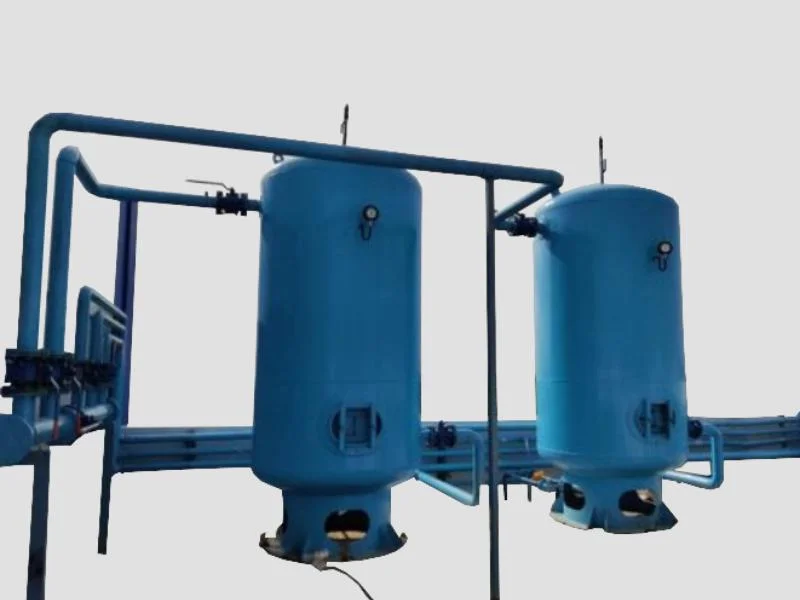
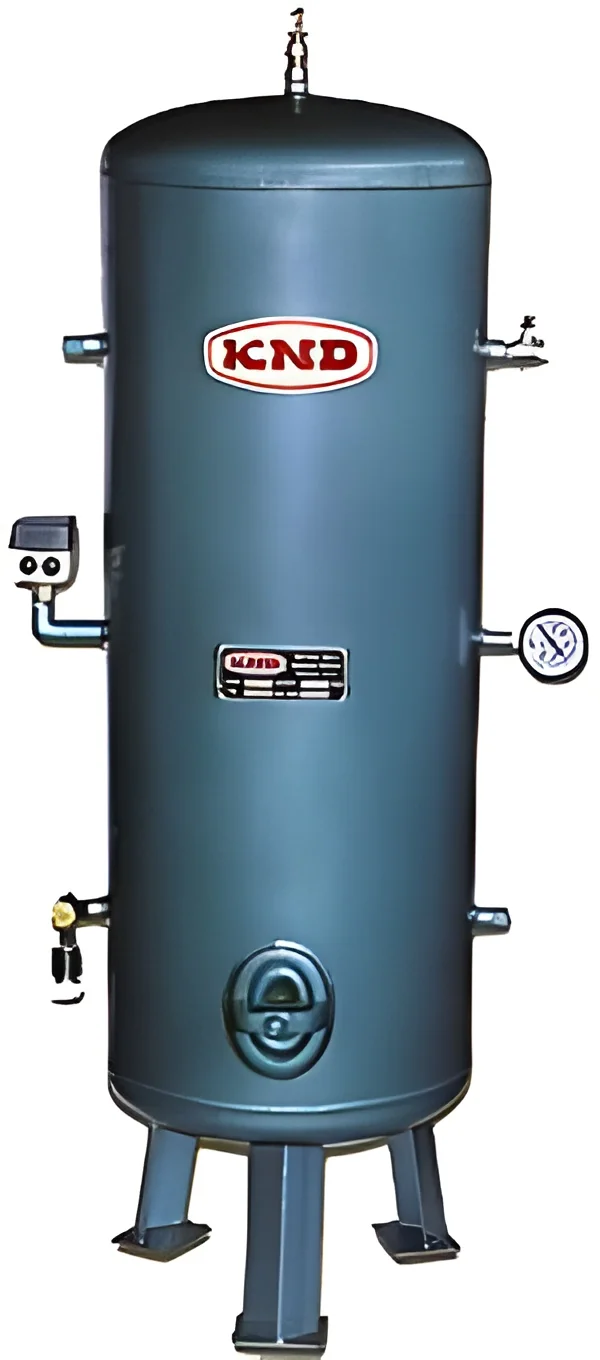
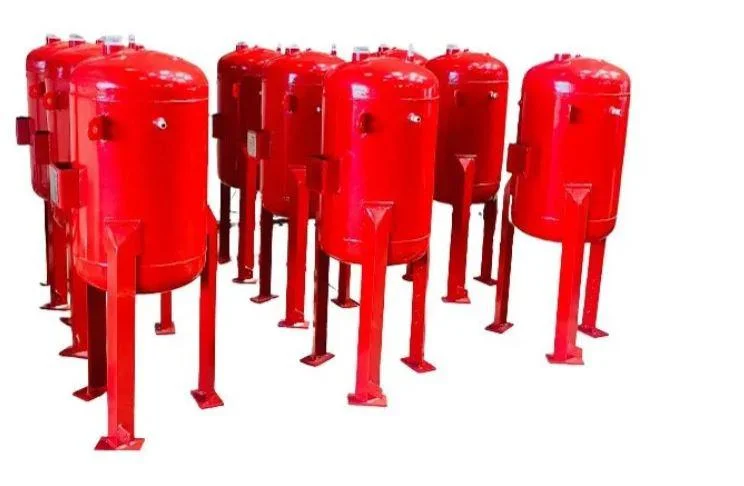
Compressed air tanks are essential storage solutions designed to hold compressed air for various industrial applications. These tanks are engineered to safely contain air under pressure, allowing for a reliable supply of compressed air as needed. Their robust construction and ability to store significant volumes of air make them vital components in numerous pneumatic systems.
The primary uses of compressed air tanks span several industries, including manufacturing, automotive, and construction. They serve as air reservoirs for pneumatic tools, assist in the operation of machinery, and help regulate air pressure in systems. In a manufacturing setting, for example, they can support tools such as air drills and impact wrenches, enhancing productivity and efficiency. The importance of these tanks is underscored by their role in maintaining consistent air pressure, which is critical for optimal equipment performance.
As industries continue to advance, the demand for compressed air tanks is expected to rise. They are not only relevant in traditional sectors but also in emerging fields that rely on pneumatic systems. The market for compressed air tanks is growing due to the increasing automation and mechanization of various processes, making them indispensable in modern industrial operations.
Key Features and Specifications
Compressed air tanks come with various features that enhance their usability and efficiency. Their specifications determine their performance and suitability for specific applications. Understanding these specifications is essential for selecting the right tank for your needs.
Key specifications include:
1. Storage Capacity
- Refers to the volume of air the tank can hold, typically measured in gallons or liters.
- Common capacities range from small tanks (5-10 gallons) to large industrial tanks (500 gallons or more).
2. Maximum Operating Pressure
- Indicates the highest pressure the tank can safely contain, measured in psi (pounds per square inch).
- Typical ranges are from 125 psi to 200 psi, depending on the tank design.
3. Construction Material
- Tanks are typically made from steel or aluminum, offering different strengths and weights.
- Steel tanks are often preferred for their durability, while aluminum tanks are lighter and more portable.
4. Design Type
- Compressed air tanks can be vertical or horizontal, affecting their footprint and installation requirements.
- Vertical tanks save space but may have lower capacity, while horizontal tanks can offer greater storage.
5. Portability
- Some tanks come with wheels or handles for easy transportation, while others are designed for permanent installation.
- Portable tanks are ideal for job sites, whereas fixed tanks are suited for workshop settings.
6. Safety Features
- Many tanks include safety valves and pressure gauges to monitor air levels and prevent over-pressurization.
- These features ensure safe operation and compliance with industry standards.
7. Certification
- Tanks may carry certifications such as CE, indicating compliance with European safety standards.
- Certification ensures reliability and safety during operation.
In summary, understanding the key features and specifications of compressed air tanks is crucial for making informed decisions regarding their purchase and application in various industries.
Common Applications and Use Cases
Compressed air tanks find applications across a range of industries, supporting diverse operations.
1. Manufacturing: In manufacturing, compressed air tanks are used to power pneumatic tools and equipment. They provide a consistent air supply for applications such as assembly lines, where tools need a reliable source of compressed air.
2. Automotive: In the automotive industry, these tanks are essential for powering air compressors and various pneumatic tools. They assist in tasks such as painting, tire inflation, and engine repairs, enhancing the efficiency of automotive services.
3. Construction: Compressed air tanks are widely used in construction for operating pneumatic hammers, nail guns, and other tools. Their portability allows for easy transport to job sites, making them indispensable for contractors.
4. Food Processing: In food processing, compressed air tanks are used for packaging and cleaning equipment. They ensure a clean and efficient operation by providing a reliable source of compressed air for machinery.
5. Agriculture: In agriculture, these tanks support irrigation systems and equipment cleaning. They help in delivering fertilizers and pesticides through pneumatic systems, improving crop management.
6. HVAC: In heating, ventilation, and air conditioning (HVAC) applications, compressed air tanks are used for system maintenance and operation. They ensure that air systems operate smoothly and efficiently.
7. Pharmaceutical: In the pharmaceutical industry, compressed air tanks are used in various processes, including packaging and equipment cleaning. They provide the necessary air supply while adhering to strict hygiene standards.
Product Variants and Subcategories
Compressed air tanks come in various configurations to meet different industrial needs. Each variant offers unique features and applications.
Portable Compressed Air Tanks: These tanks are designed for mobility, making them ideal for job sites and temporary installations. They typically have lower storage capacities but are easy to transport and operate with pneumatic tools.
Stationary Compressed Air Tanks: Designed for fixed installations, these tanks provide larger storage capacities for continuous operations. They are commonly found in manufacturing and automotive workshops, where a consistent air supply is required.
Vertical Compressed Air Tanks: These tanks are designed to occupy less floor space while providing substantial storage capacity. They are ideal for smaller workshops or facilities with limited space.
Horizontal Compressed Air Tanks: Offering larger capacities, horizontal tanks are suitable for industrial applications where space is less of a concern. They are often used in manufacturing and heavy-duty environments.
Benefits and Advantages
Choosing compressed air tanks offers several advantages for businesses across various industries.
1. Increased Efficiency: Compressed air tanks ensure a continuous supply of air, improving the efficiency of pneumatic tools and systems.
2. Cost Savings: By providing a reliable air source, these tanks can reduce downtime and maintenance costs associated with air compressors.
3. Versatility: Compressed air tanks can be used in a wide range of applications, making them versatile solutions for many industries.
4. Enhanced Safety: With built-in safety features like pressure gauges and relief valves, these tanks promote safe operation, reducing the risk of accidents.
5. Space Optimization: Various designs, such as vertical tanks, allow businesses to optimize space while still meeting their air storage needs.
6. Compliance with Standards: Many compressed air tanks are certified, ensuring they meet industry standards and regulations for safe operation.
Buying Guide for B2B Buyers
When sourcing compressed air tanks, several factors must be considered to ensure a suitable purchase.
1. Quality Assessment: Evaluate the quality of the tank by reviewing materials, construction methods, and certifications. Look for tanks that comply with industry standards for safety and performance.
2. Supplier Verification: Vet potential suppliers to ensure they offer reliable products and services. Check for customer reviews, industry reputation, and certifications that validate their credibility.
3. Pricing and MOQ: Consider the pricing structure and minimum order quantity (MOQ) of the tanks. Compare prices among suppliers while keeping in mind the quality and features of the tanks.
4. Delivery and Lead Times: Understand the logistics involved in acquiring the tanks. Inquire about delivery times and any potential delays to ensure timely availability.
5. Compliance Requirements: Ensure that the tanks comply with local regulations and industry standards. This includes safety certifications and environmental considerations that may apply to your operations.
Compliance and Certifications
Compliance with industry standards and certifications is crucial for the safe operation of compressed air tanks. Key quality standards include ISO 9001, which ensures that manufacturers adhere to quality management principles. Other important standards may involve Good Distribution Practice (GDP) and Hazard Analysis and Critical Control Point (HACCP) protocols, especially in industries like food processing and pharmaceuticals.
The CE certification is essential for markets in Europe, indicating that the product meets necessary safety and health requirements. This certification is a testament to the tank's reliability and safety during operation. Additionally, manufacturers must ensure that their tanks undergo rigorous testing to meet safety and performance standards.
Regional compliance considerations may vary, requiring manufacturers to stay updated on local regulations. This ensures that the tanks are suitable for use in specific markets, providing assurance to buyers regarding their safety and efficacy.
Why Source Compressed Air Tanks from Pepagora?
Pepagora offers a trusted platform for sourcing compressed air tanks, providing several key advantages for businesses.
Verified Supplier Network: Pepagora connects buyers with a network of verified suppliers who meet stringent quality and reliability standards. This ensures that businesses can source high-quality tanks with confidence.
Streamlined RFQ Process: The Request for Quotation (RFQ) process on Pepagora is designed to be efficient, allowing buyers to obtain competitive quotes from multiple suppliers quickly. This streamlines the procurement process and saves valuable time.
Trade Assurance and Support: Pepagora provides trade assurance, protecting buyers during transactions. This includes support for any issues that may arise during the purchasing process, ensuring a smooth experience.
Regional Coverage: With a strong presence in India, the GCC region, and Southeast Asia, Pepagora offers extensive geographic reach. This enables businesses in various locations to access the best options for compressed air tanks tailored to their specific needs.

 IN
IN