IN
IN₹
Apparel & Fashion
Description
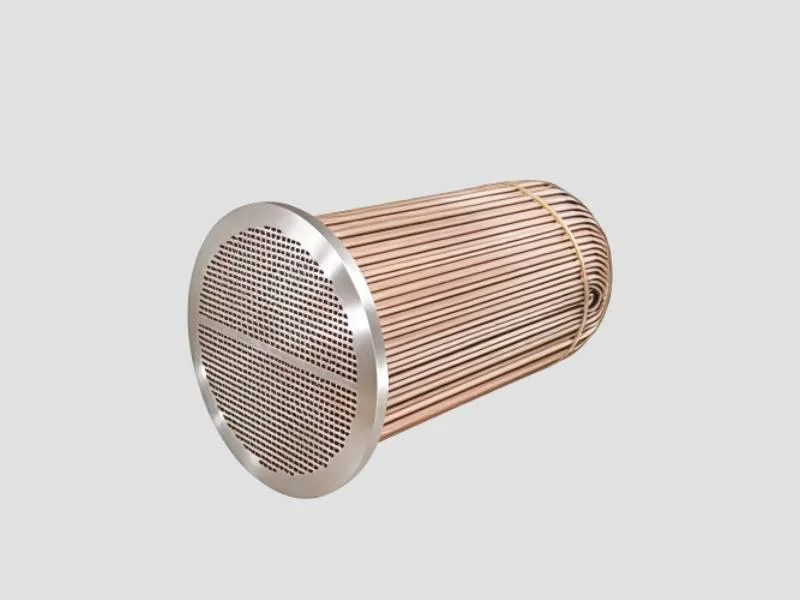
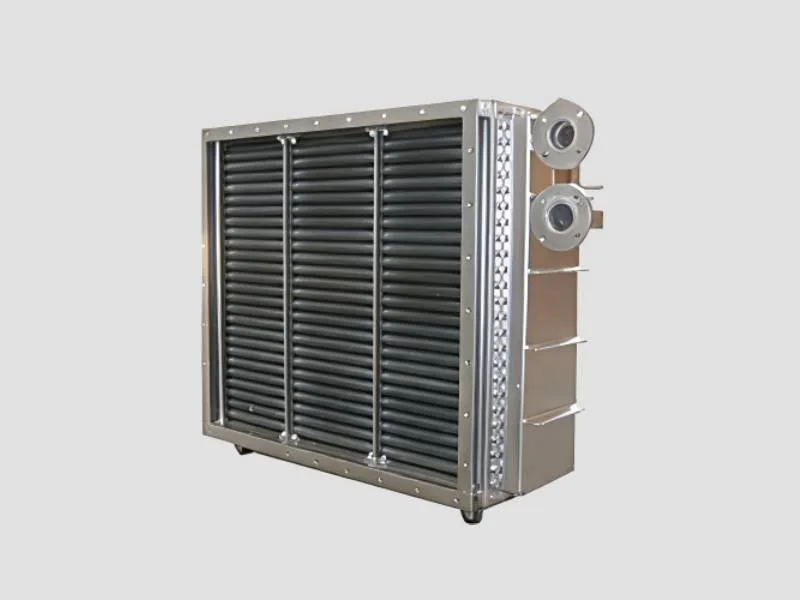
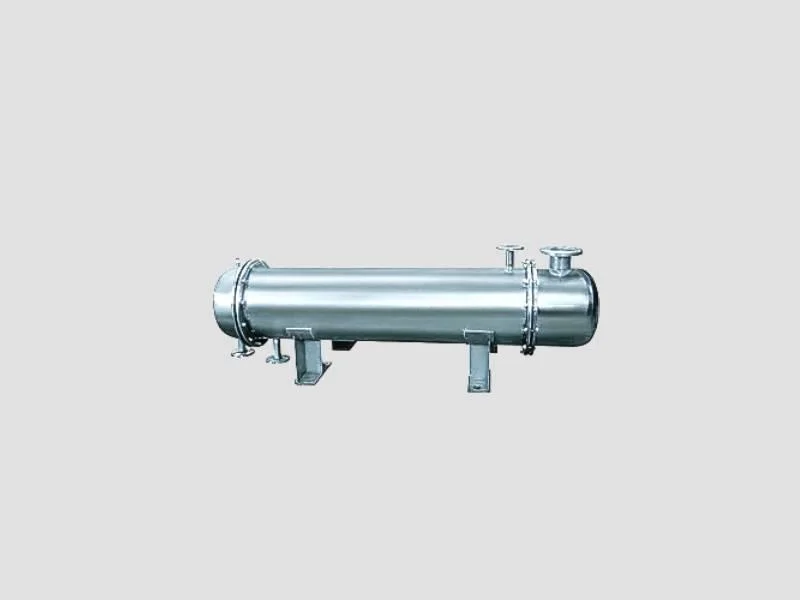
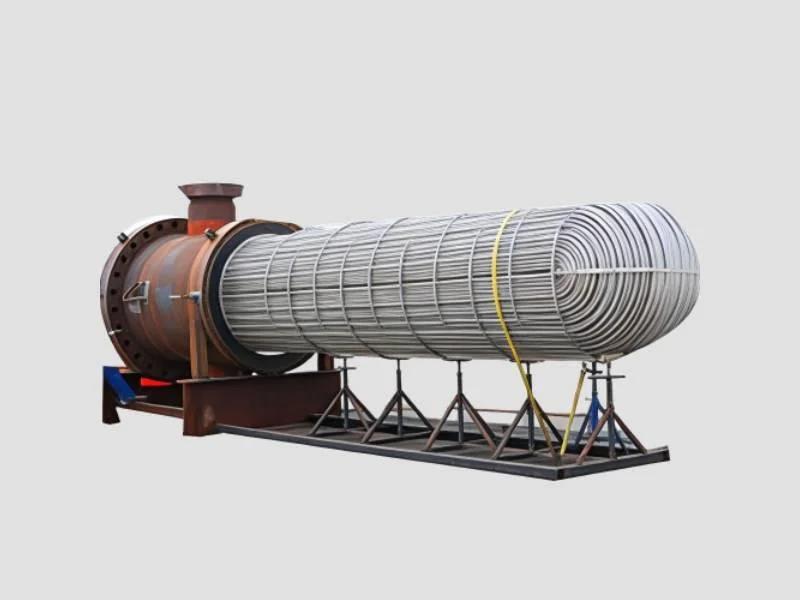
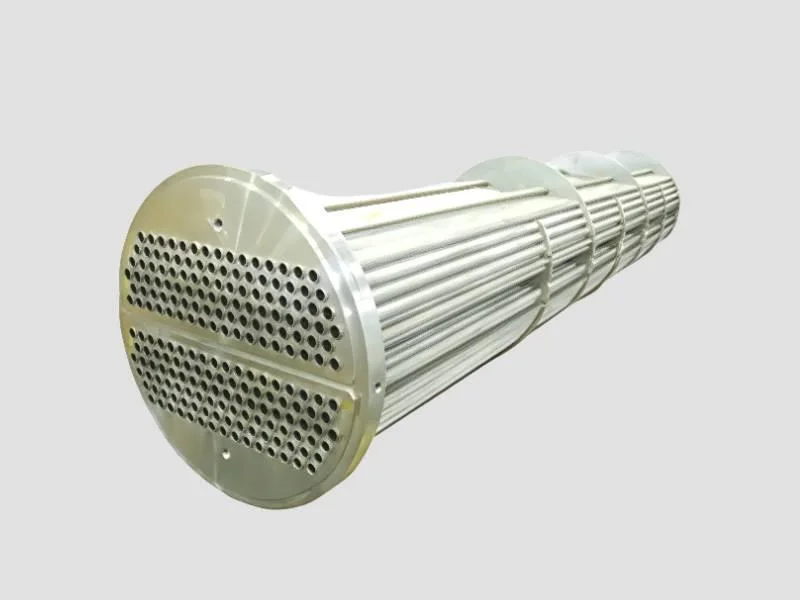
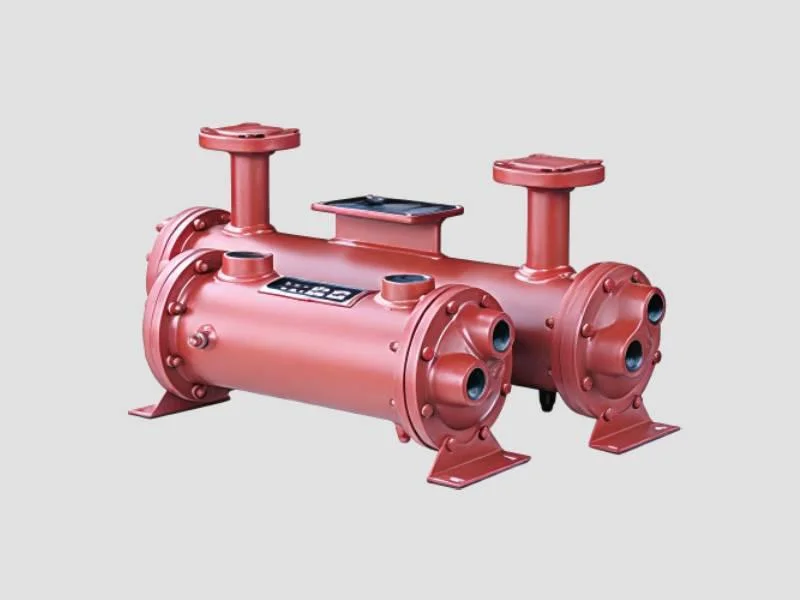
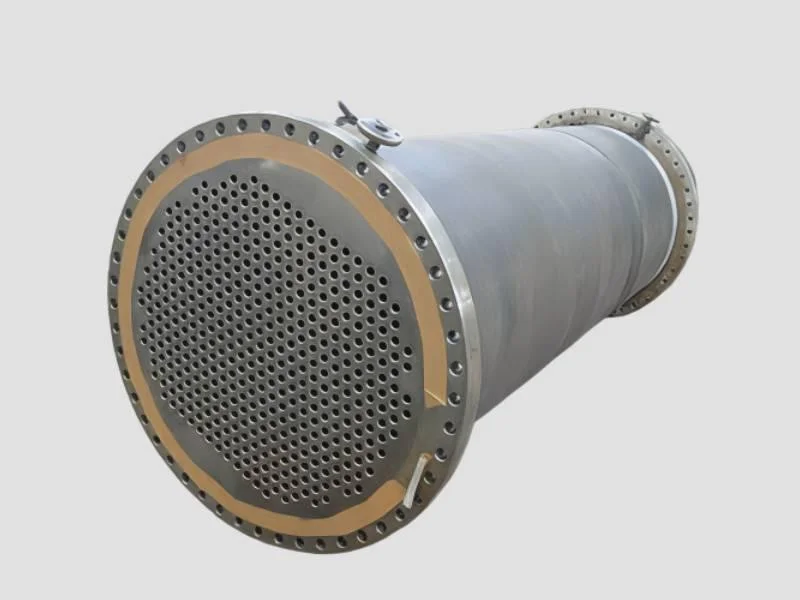
The Marine Chemical Resistant Heat Exchanger represents specialized engineering for environments where corrosion threatens equipment integrity and operational continuity. Designed specifically for marine and chemical applications, this heat exchanger maintains reliable thermal performance while resisting degradation from seawater, chlorides, and aggressive chemical compounds. Its construction prioritizes longevity in conditions that rapidly deteriorate standard materials, ensuring continuous heat transfer for industrial processes that cannot tolerate downtime. The unit delivers consistent temperature control while withstanding the corrosive effects that compromise ordinary equipment, making it essential for operations where reliability matters most.

This specialized equipment serves industries where corrosive media are part of daily operations. Marine applications include shipboard cooling systems, offshore platform equipment, and coastal facility operations where seawater exposure is...
The Marine Chemical Resistant Heat Exchanger represents specialized engineering for environments where corrosion threatens equipment integrity and operational continuity. Designed specifically for marine and chemical applications, this heat exchanger maintains reliable thermal performance while resisting degradation from seawater, chlorides, and aggressive chemical compounds. Its construction prioritizes longevity in conditions that rapidly deteriorate standard materials, ensuring continuous heat transfer for industrial processes that cannot tolerate downtime. The unit delivers consistent temperature control while withstanding the corrosive effects that compromise ordinary equipment, making it essential for operations where reliability matters most.

This specialized equipment serves industries where corrosive media are part of daily operations. Marine applications include shipboard cooling systems, offshore platform equipment, and coastal facility operations where seawater exposure is constant. Chemical processing plants utilize these exchangers for handling acids, solvents, and reactive compounds that require precise temperature management. Power generation facilities in coastal locations depend on them for seawater cooling circuits, while desalination plants employ them in high-salinity environments. Pharmaceutical manufacturing uses them for chemical processing where purity and reliability are paramount, and industrial facilities with corrosive cooling media benefit from their durable construction.

The business value of this heat exchanger lies in its ability to reduce operational disruptions and maintenance costs while ensuring process continuity. By resisting corrosion that damages standard equipment, it extends service life significantly, lowering total ownership costs through reduced replacement frequency and maintenance requirements. Its reliable performance in aggressive environments minimizes unplanned downtime that disrupts production schedules and impacts profitability. The exchanger's robust construction withstands demanding operating conditions while maintaining efficient heat transfer, supporting continuous industrial processes that depend on stable temperature control for quality and safety outcomes.

Key Features:
- Corrosion-resistant construction for seawater and chemical environments
- Reliable heat transfer performance in aggressive media
- Continuous operation capability for industrial processes
- Durable design that withstands demanding conditions
- Stable temperature control for critical applications

Benefits:
- Extended equipment lifespan in corrosive environments
- Reduced maintenance requirements and associated costs
- Minimized operational downtime from equipment failure
- Consistent performance for process reliability
- Lower total ownership costs through durability
Specifications
| Additional Information | |
|---|---|
| Country of Origin | India |
Application
This heat exchanger is engineered specifically for environments where standard materials fail quickly. Its corrosion-resistant construction handles aggressive media including seawater, acids, and chemical solutions that would degrade ordinary heat transfer equipment, maintaining performance where others cannot.
Industries facing corrosive challenges rely on this equipment for critical temperature control processes. From marine vessels battling saltwater to chemical plants processing aggressive compounds, this exchanger delivers consistent heat transfer while resisting the damaging effects of corrosive environments that shorten equipment lifespan.
Real-world applications:
- Marine vessel cooling systems handling seawater and brackish water
- Chemical processing plants managing aggressive acids and solvents
- Offshore oil platforms requiring seawater cooling for equipment
- Desalination plants processing high-salinity water streams
- Coastal power generation facilities using seawater for cooling
Trade Details
| Available Stock | In Stock |
| Sample Availability | No |
Payment Terms
| Payment Terms |
|
| Payment Methods |
|
Company Profile

Janani Enterprises, Tamil Nadu
 Tamil Nadu, India
Tamil Nadu, IndiaManufacturer
Factory Details
Factory Size1000-5000 sqm
Marine Chemical Resistant Heat Exchanger For Industrial Corrosion Resistance
Marine Chemical Resistant Heat Exchanger provides reliable heat transfer in corrosive environments like seawater and chemical processing, ensuring continuous industrial operation with excellent corrosion resistance.
Min. Order Quantity: 1 piece
Shipping
Shipping fee and delivery date to be negotiated. Contact supplier now for more details.
Janani Enterprises
 Tamil Nadu, India
Tamil Nadu, IndiaManufacturer