IN
IN₹
Apparel & Fashion
Description
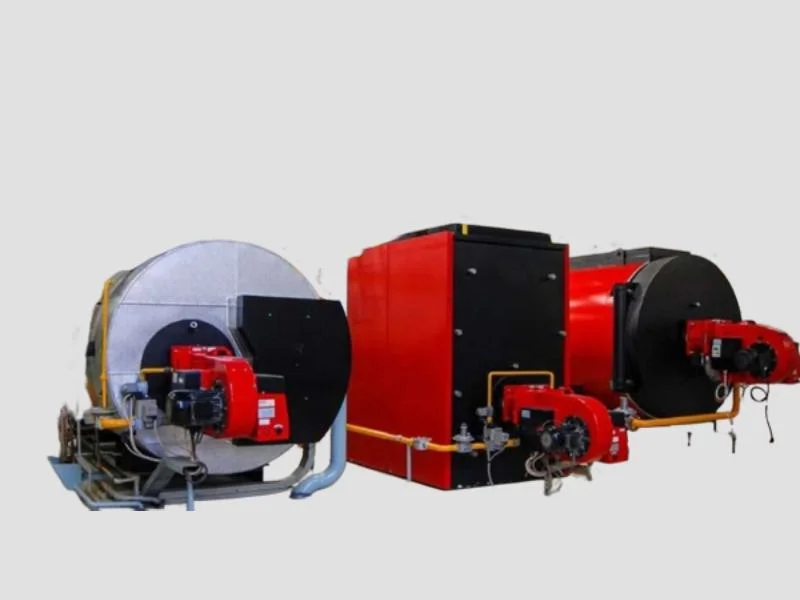
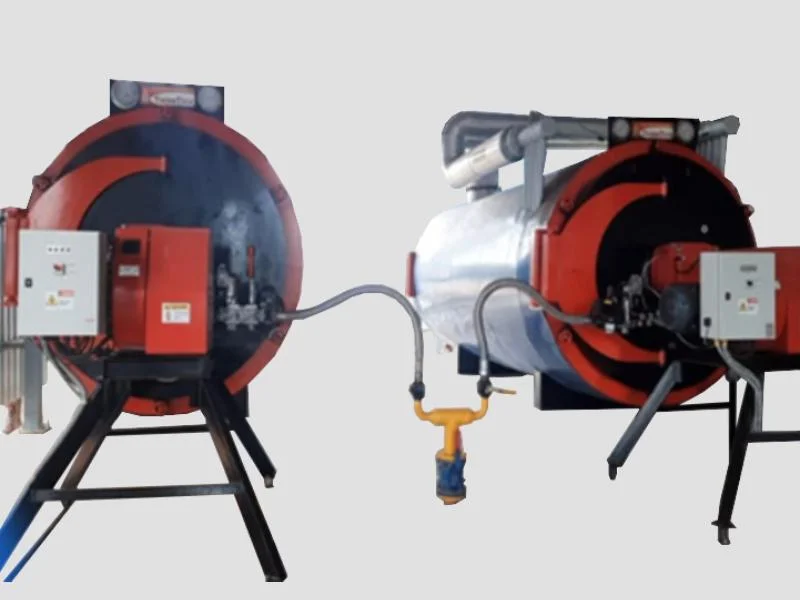
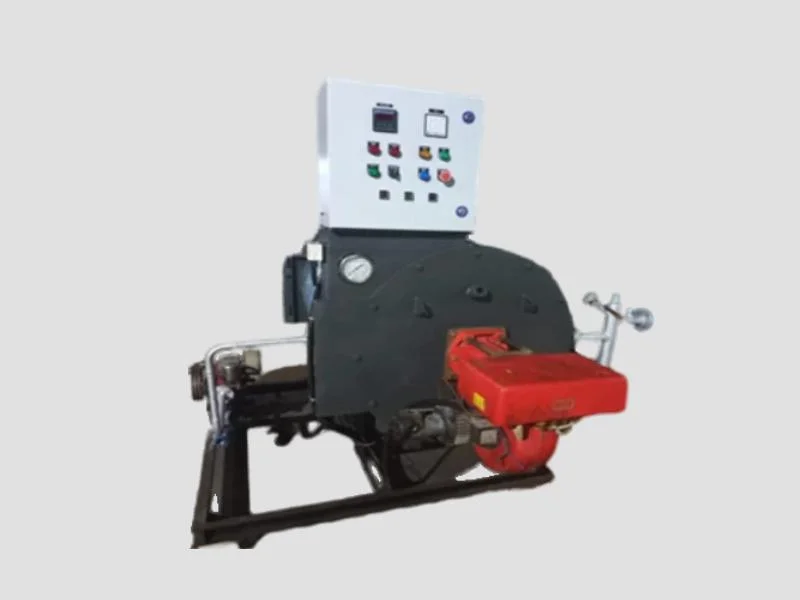
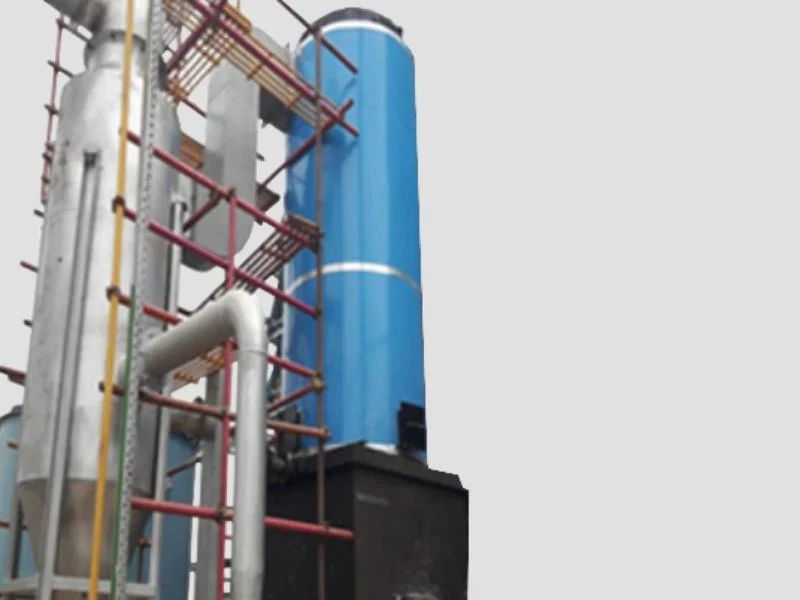
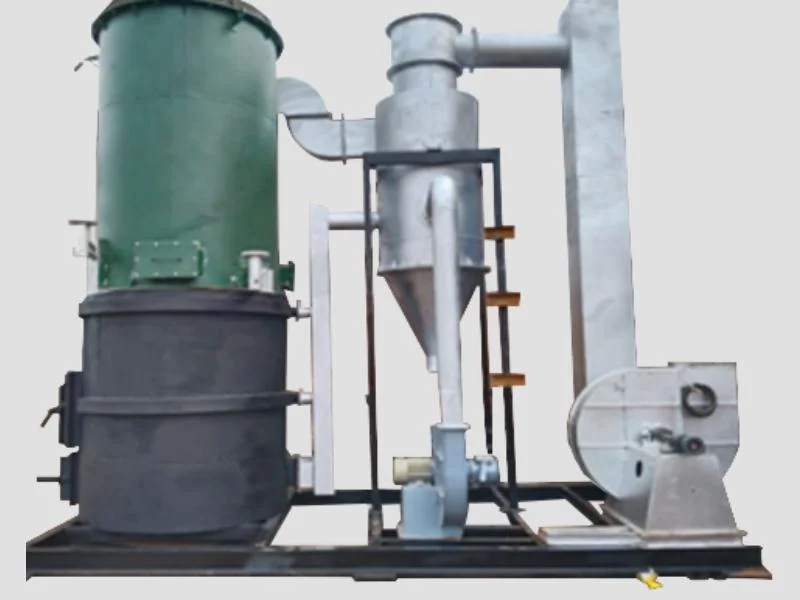
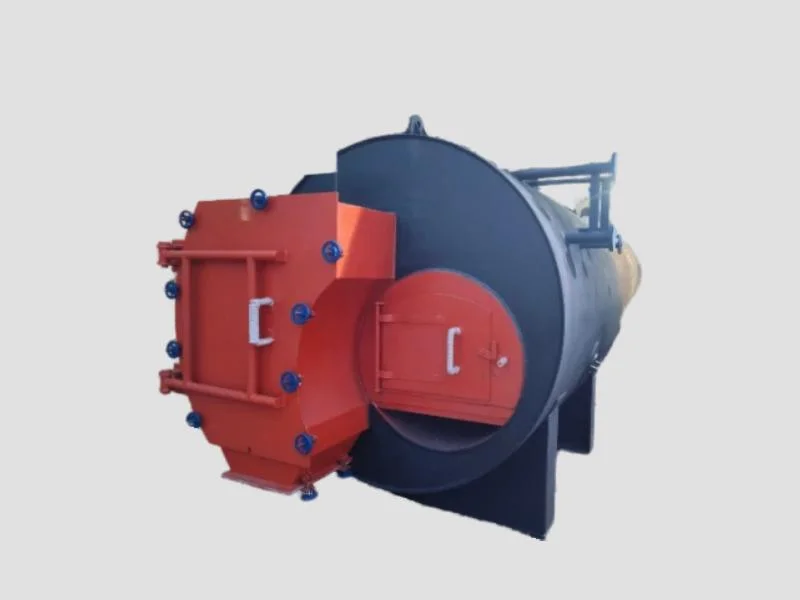
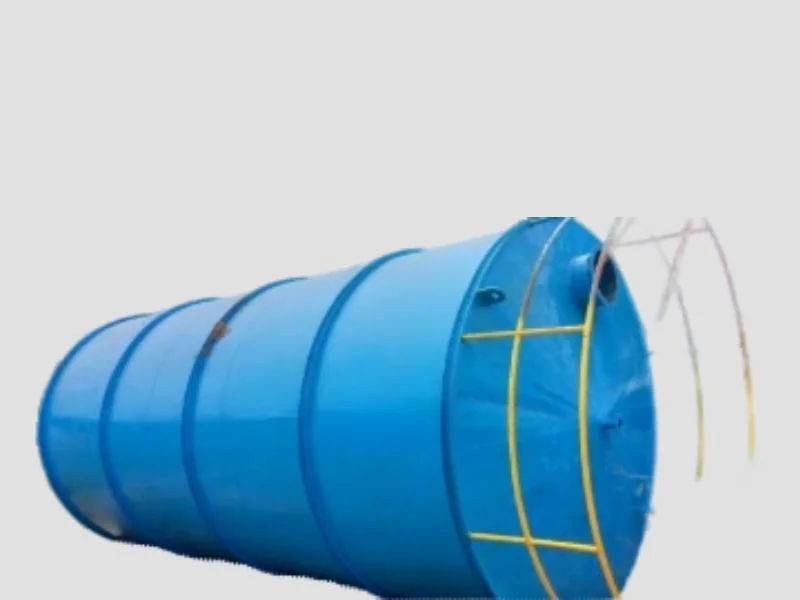
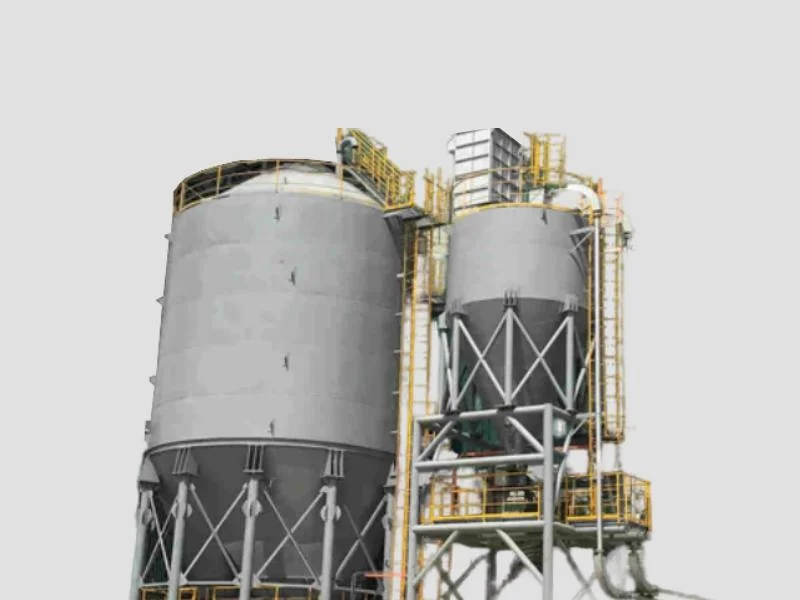
Industrial Fuel Feeding Solutions represent advanced automated systems designed to optimize fuel delivery to combustion units including boilers, furnaces and industrial heaters. These comprehensive systems handle multiple fuel types such as coal, biomass, wood pellets and other solid fuels while ensuring precise and consistent feed rates. The integrated components include automated feeders, conveyors, control valves and sophisticated monitoring mechanisms that work in coordination to maintain accurate fuel flow aligned with real-time process demands. By replacing manual or inconsistent feeding methods, these solutions provide seamless controlled supply that enhances combustion stability, reduces operator intervention and supports sustained operational efficiency in demanding industrial environments.

These fuel feeding systems serve critical roles across energy-intensive industries where thermal processes form the foundation of operations. In thermal power generation, they ensure unint...
Industrial Fuel Feeding Solutions represent advanced automated systems designed to optimize fuel delivery to combustion units including boilers, furnaces and industrial heaters. These comprehensive systems handle multiple fuel types such as coal, biomass, wood pellets and other solid fuels while ensuring precise and consistent feed rates. The integrated components include automated feeders, conveyors, control valves and sophisticated monitoring mechanisms that work in coordination to maintain accurate fuel flow aligned with real-time process demands. By replacing manual or inconsistent feeding methods, these solutions provide seamless controlled supply that enhances combustion stability, reduces operator intervention and supports sustained operational efficiency in demanding industrial environments.

These fuel feeding systems serve critical roles across energy-intensive industries where thermal processes form the foundation of operations. In thermal power generation, they ensure uninterrupted coal supply to large-scale boilers for consistent electricity production. Manufacturing sectors utilize them for process heating applications in metals processing, chemical production and ceramics manufacturing. Biomass and waste-to-energy plants depend on these solutions to handle diverse and often challenging fuel materials efficiently while maintaining combustion efficiency. Additional industries including cement production, pulp and paper processing, and food manufacturing employ Fuel Feeding Solutions to maintain consistent heat generation, supporting both continuous operation and stringent quality control in production processes.

The fundamental business value of Fuel Feeding Solutions lies in their capacity to enhance operational reliability while reducing fuel consumption and minimizing downtime. These systems directly contribute to lower operational costs by optimizing combustion efficiency and significantly reducing fuel wastage through precise delivery mechanisms. Their automated nature decreases labor requirements and mitigates safety risks associated with manual fuel handling in industrial settings. Engineered for durability and consistent performance, they offer long-term reliability with minimal maintenance needs. The robust construction and integrated control systems provide versatile performance across various industrial applications, making them a cost-effective investment for industries aiming to improve sustainability, comply with environmental regulations and achieve greater energy independence through efficient fuel management practices.

Key Features:
- Automated fuel delivery systems for consistent and precise feeding
- Multi-fuel compatibility including coal, biomass and pellets
- Integrated control systems with real-time monitoring capabilities
- Heavy-duty construction for demanding industrial environments
- Precise fuel flow regulation aligned with process demands

Benefits:
- Enhanced combustion efficiency and reduced fuel wastage
- Consistent thermal output and improved process reliability
- Reduced operational costs through optimized fuel consumption
- Minimal manual intervention and enhanced safety
- Long-term reliability with low maintenance requirements
Specifications
| Key Attributes | |
|---|---|
| Efficiency | ures optimal fuel delivery and combustion. |
| Reliability – | Provides consistent, uninterrupted fuel supply. |
| Versatility | Compatible with various fuel types like coal, biomass, and pellets. |
| Safety | Minimizes risks associated with fuel handling and combustion. |
| Cost | Reduces fuel wastage and operational costs. |
| Additional Information | |
|---|---|
| Country of Origin | India |
Application
Fuel Feeding Solutions deliver precise automated fuel supply to industrial combustion systems including boilers, furnaces and heaters. These robust systems handle various fuel types like coal, biomass and pellets while maintaining optimal feed rates regardless of operational demands. The automated regulation eliminates manual handling inconsistencies and ensures combustion units receive exactly the right fuel quantity at all times for stable thermal output.
These solutions are essential for industries requiring uninterrupted thermal energy production and process heating. They integrate seamlessly with existing combustion infrastructure to enhance operational reliability while improving safety through reduced human interaction with fuel handling. The systems support continuous operation without unexpected shutdowns or efficiency drops caused by fuel supply issues across multiple industrial sectors.
- Thermal power plants for consistent coal feeding to large-scale boilers
- Manufacturing facilities operating process heaters and industrial furnaces
- Biomass energy plants handling diverse bio-fuel materials efficiently
- Cement production facilities requiring precise kiln fuel management
- Waste-to-energy plants processing alternative fuel sources reliably
Trade Details
| Available Stock | In Stock |
| Sample Availability | No |
Payment Terms
| Payment Terms |
|
Company Profile

ThermTech Systems, Tamil Nadu
 Tamil Nadu, India
Tamil Nadu, IndiaManufacturer
Factory Details
Factory Size1000-5000 sqm
Annual Production Capacity0
Main Markets
Oceania
Mid East
South Asia
Industrial Fuel Feeding Solutions For Efficient Reliable Combustion Systems
Industrial Fuel Feeding Solutions provide automated reliable fuel supply for boilers and combustion systems. Optimize efficiency with consistent delivery for power plants and manufacturing industries using coal, biomass and pellet fuels.
Min. Order Quantity: 1 unit
Shipping
Shipping fee and delivery date to be negotiated. Contact supplier now for more details.
ThermTech Systems
 Tamil Nadu, India
Tamil Nadu, IndiaManufacturer