
 IN
Telescopic Cylinders
3 products available
What are Telescopic Cylinders?
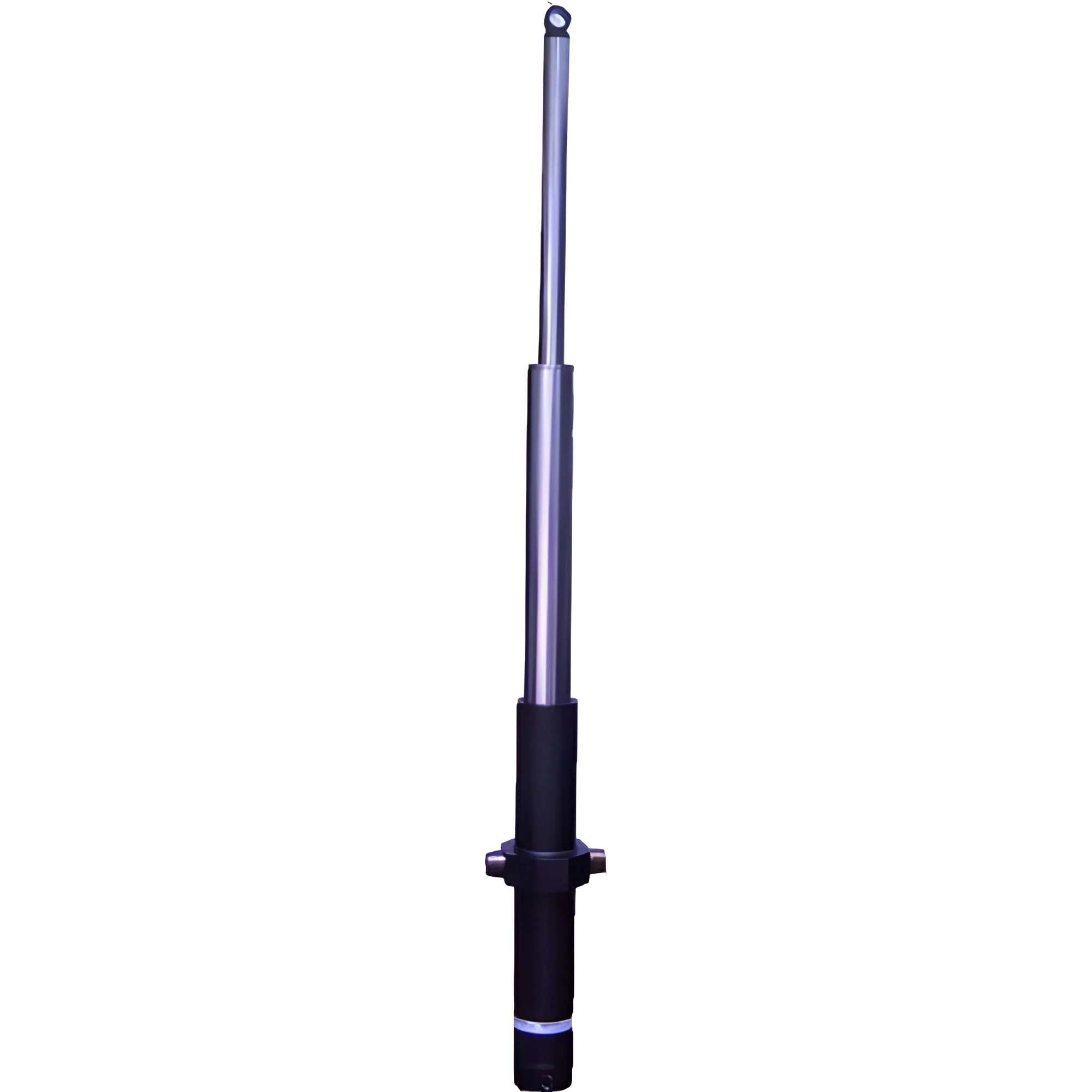
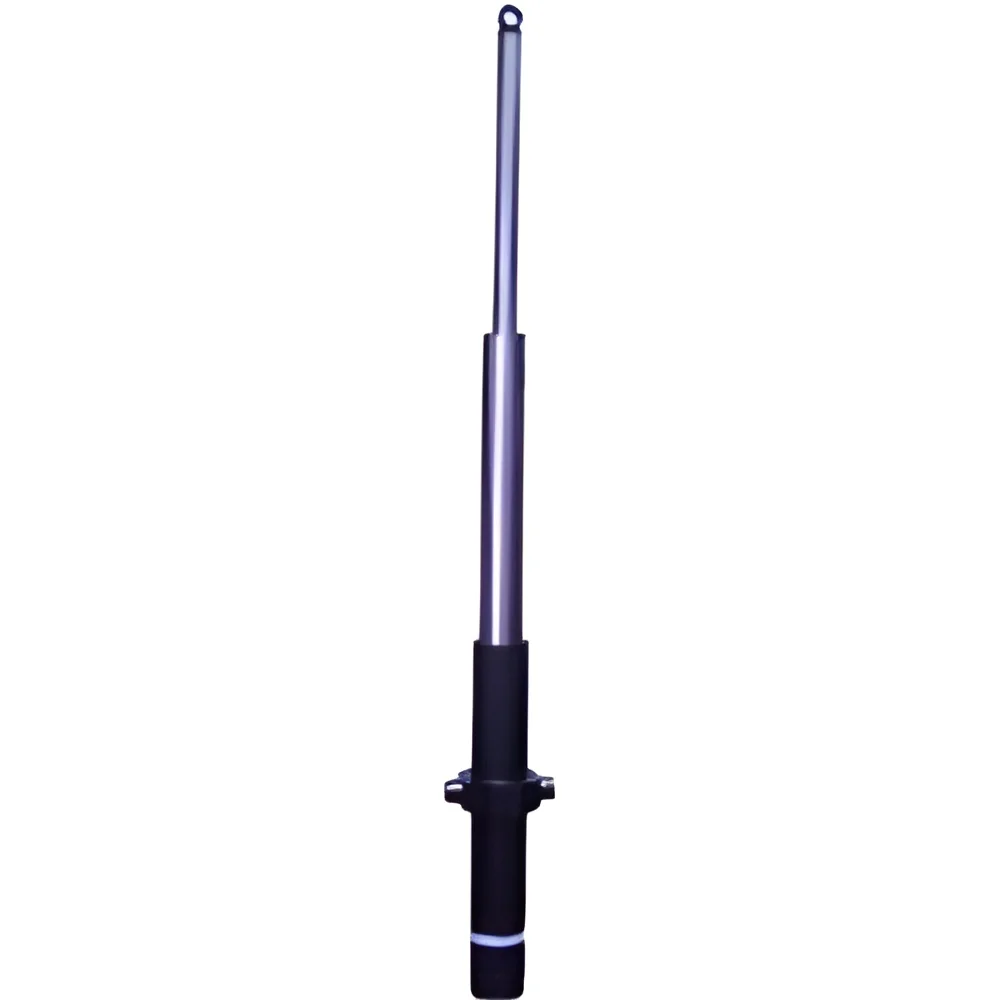
Telescopic cylinders are specialized hydraulic actuators designed to extend and retract in a compact manner. They consist of multiple nested cylinder stages that allow for significant extension lengths while maintaining a reduced overall size when retracted. This design is particularly advantageous in applications where space is limited but high force and stroke length are required.
These cylinders are widely utilized in various industries, such as construction, material handling, and transportation. They offer solutions for lifting heavy loads, pushing or pulling equipment, and facilitating movements in confined spaces. The versatility of telescopic cylinders makes them indispensable in hydraulic systems where efficiency and compactness are paramount.
In today's market, the demand for telescopic cylinders continues to grow due to the increasing need for advanced machinery in numerous sectors. Industries are continually seeking ways to improve productivity and reduce operational costs, making telescopic cylinders a relevant choice for companies looking to enhance their performance capabilities.
Key Features and Specifications
Telescopic cylinders are engineered with several key features that enhance their functionality and reliability. Understanding these specifications is crucial for businesses looking to incorporate them into their operations.
Key specifications include:
1. Stroke Length
- The maximum length the cylinder can extend.
- Ranges can typically vary from a few inches to several meters.
2. Operating Pressure
- The pressure at which the cylinder operates efficiently.
- Commonly ranges from 1500 psi to 3000 psi.
3. Cylinder Material
- The material composition of the cylinder affects durability and weight.
- Common materials include steel and aluminum.
4. Number of Stages
- Refers to the number of nested sections within the cylinder.
- Typically ranges from two to five stages.
5. Mounting Options
- Various mounting configurations available for installation flexibility.
- Includes flange, pin, and trunnion mounts.
6. Sealing System
- The type of seals used to prevent hydraulic fluid leakage.
- Advanced designs utilize multi-lip seals for enhanced reliability.
7. Weight
- The overall weight of the cylinder impacts handling and installation.
- Weights can vary significantly based on materials and dimensions.
8. Temperature Operating Range
- The temperature range in which the cylinder can operate effectively.
- Data not available for specific ranges.
These features collectively contribute to the performance and suitability of telescopic cylinders in diverse applications.
Common Applications and Use Cases
Telescopic cylinders find applications across various industries, enhancing efficiency and performance.
1. Construction: In construction machinery, telescopic cylinders are used for lifting and positioning heavy materials, such as cranes and excavators.
2. Material Handling: These cylinders are essential in forklifts and conveyor systems, aiding in the movement of goods and materials in warehouses.
3. Transportation: In vehicle applications, telescopic cylinders are used in hydraulic trailers and lifting mechanisms, optimizing load management.
4. Agricultural Equipment: They play a crucial role in agricultural machinery, assisting in tasks like lifting plows and other implements.
5. Marine Industry: In boats and ships, telescopic cylinders are utilized for adjustments in rigging and cargo handling systems.
6. Aerospace: They are employed in various aerospace applications, including cargo loading and unloading systems.
7. Automotive: Used in vehicle lift systems, they facilitate easy access for maintenance and repairs.
Product Variants and Subcategories
Telescopic cylinders offer a range of variants to suit different operational needs and environments, even though specific subcategories are not available.
Single-Acting Telescopic Cylinders: These cylinders utilize pressure in one direction for extension and rely on external forces for retraction. They are ideal for applications needing a straightforward push.
Double-Acting Telescopic Cylinders: These cylinders can extend and retract using hydraulic pressure, providing more control and versatility in various applications.
Heavy-Duty Telescopic Cylinders: Designed for applications involving extreme loads and high pressures, these cylinders are constructed with reinforced materials for added durability.
Lightweight Telescopic Cylinders: Perfect for applications requiring less weight and more portability, these cylinders are made from materials like aluminum while maintaining strength.
Benefits and Advantages
Telescopic cylinders present several benefits that make them a preferred choice in many applications.
1. Space Efficiency: Their design allows for long stroke lengths in compact spaces, making them suitable for tight environments.
2. High Load Capacity: They can handle substantial loads, making them ideal for heavy-duty applications.
3. Versatility: Suitable for a variety of industries and applications, telescopic cylinders can be customized to meet specific needs.
4. Enhanced Control: The ability to operate under controlled pressure allows for precise movements and adjustments.
5. Reduced Maintenance: With advanced sealing systems and durable materials, telescopic cylinders require less frequent maintenance.
6. Improved Productivity: Their efficiency in lifting and moving heavy loads contributes to enhanced operational productivity.
Buying Guide for B2B Buyers
When sourcing telescopic cylinders, it is important to consider several key factors to ensure optimal selection for business needs.
1. Quality Assessment: Evaluate the quality of the cylinders based on material, construction, and performance standards. Ensure they meet industry-specific requirements.
2. Supplier Verification: Vet potential suppliers by checking their certifications, reputation, and previous customer feedback to ensure reliability.
3. Pricing and MOQ: Understand the pricing structure and minimum order quantities (MOQ) to align with budget constraints and production needs.
4. Delivery and Lead Times: Discuss delivery schedules and lead times to ensure timely procurement and project alignment.
5. Compliance Requirements: Verify that the cylinders comply with relevant regulations and safety standards applicable in your industry.
Compliance and Certifications
Telescopic cylinders are subject to various quality standards and certifications to ensure they meet industry requirements. ISO 9001 is a commonly recognized standard that focuses on quality management systems, ensuring consistent quality in production processes.
Additionally, CE certification indicates that the product meets European safety standards, which is critical for companies operating within Europe or exporting to European markets. This certification assures buyers of the cylinder's compliance with safety, health, and environmental regulations.
Safety and testing requirements are also crucial in the manufacturing of telescopic cylinders. Regular testing for performance under various conditions ensures that the cylinders can handle the pressures and stresses they encounter during operation.
Regional compliance considerations may vary, so it is essential to be aware of specific regulations in the regions where the cylinders will be utilized.
Why Source Telescopic Cylinders from Pepagora?
Pepagora provides a trusted platform for sourcing telescopic cylinders, offering several key advantages to B2B buyers.
Verified Supplier Network: Pepagora features a network of verified suppliers, ensuring that buyers can access high-quality products from reputable manufacturers. This network minimizes risks associated with procurement.
Streamlined RFQ Process: The request for quotation (RFQ) process is designed to be efficient, allowing buyers to receive competitive quotes from multiple suppliers quickly. This streamlining saves time and helps in making informed procurement decisions.
Trade Assurance and Support: Pepagora offers trade assurance to protect buyers throughout the purchasing process. This includes support for resolving disputes and ensuring product quality.
Regional Coverage: With a strong presence in India, GCC, and Southeast Asia, Pepagora enables buyers to source telescopic cylinders from various regions, facilitating easier access to local suppliers and markets.

 India

 India
Frequently Asked Questions
What are Telescopic Cylinders?
Telescopic cylinders are hydraulic actuators designed to extend and retract in a compact manner. They consist of multiple nested cylinders that allow for significant extension while occupying minimal space when retracted.
What are the different types of Telescopic Cylinders?
The primary types of telescopic cylinders include single-acting and double-acting cylinders. They can also vary based on their construction materials, such as steel or aluminum, and their specific applications in industries like construction, manufacturing, and automotive.
How do I choose the right Telescopic Cylinders?
Choosing the right telescopic cylinder involves considering factors such as load capacity, stroke length, and application requirements. It's also essential to evaluate the working environment, including pressure ratings and temperature ranges, to ensure optimal performance.
What are the standard specifications for Telescopic Cylinders?
Standard specifications for telescopic cylinders typically include bore diameter, stroke length, pressure rating, and material type. Additionally, they may specify the type of seals used and the overall dimensions when fully extended and retracted.
What is the price range for Telescopic Cylinders?
The price range for telescopic cylinders can vary significantly based on specifications and manufacturer. Generally, prices can range from a few thousand to several tens of thousands of Indian Rupees, depending on the size and complexity of the cylinder.
What quality standards apply to Telescopic Cylinders?
Telescopic cylinders are typically manufactured according to international quality standards such as ISO 9001. Additionally, specific certifications may apply depending on the industry, ensuring they meet safety and performance criteria.
Where can I find Telescopic Cylinders suppliers in India?
You can find telescopic cylinder suppliers in India through online B2B marketplaces, industry trade shows, and local manufacturing directories. Websites like Pepagora.com also provide a platform to connect with verified suppliers and manufacturers.
Can Telescopic Cylinders be customized?
Yes, many manufacturers offer customization options for telescopic cylinders to meet specific application needs. This can include modifications in size, stroke length, and material type, as well as custom fittings or attachments.
What is the typical minimum order quantity for Telescopic Cylinders?
The typical minimum order quantity (MOQ) for telescopic cylinders varies by supplier but generally ranges from 10 to 50 units. It is advisable to check with individual manufacturers for their specific MOQ requirements.
What is the typical lead time for Telescopic Cylinders?
The typical lead time for telescopic cylinders can range from 2 to 6 weeks, depending on the complexity of the order and the manufacturer's production schedule. Customizations may extend this lead time.
Why Businesses Trust Pepagora
Thousands of companies trust Pepagora to source smarter and sell faster
Expand Your Sales Globally

Source Smarter,Grow Faster
