
 IN
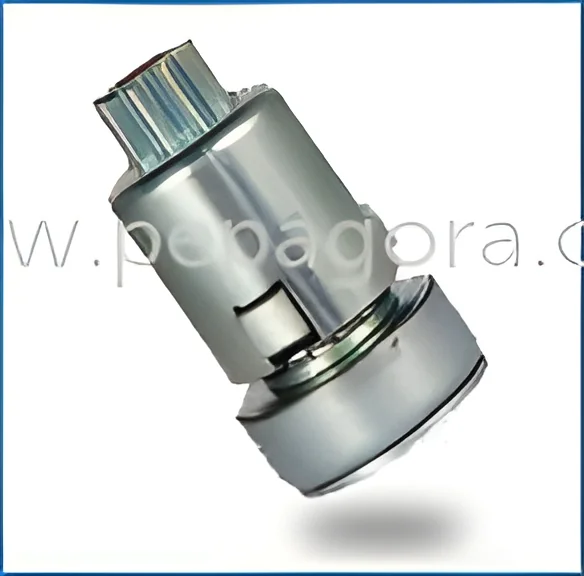
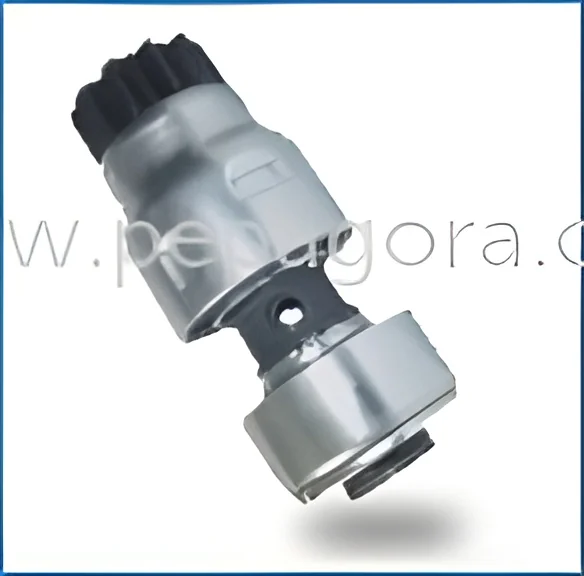
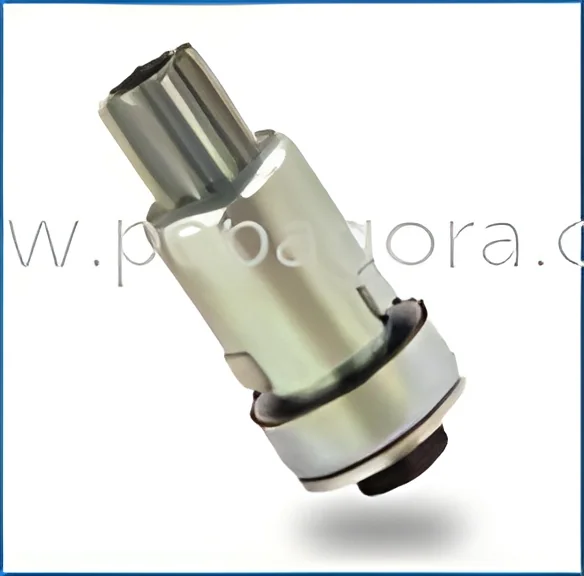
Starter Motors
8 products available
What are Starter Motors?
Starter motors are essential electrical devices used to initiate the engine's operation in various vehicles and machinery. They function by converting electrical energy from the battery into mechanical energy, which turns the engine's flywheel. This process allows the engine to start running, enabling the vehicle or equipment to operate efficiently. Starter motors are designed to deliver high torque at low speeds, ensuring a quick and reliable engine start.
These motors are widely used in automotive, marine, agricultural, and industrial applications. In the automotive sector, they are crucial for cars, trucks, and buses, while marine applications include boats and ships. Agricultural machinery, such as tractors and harvesters, also relies on starter motors for their operation. The industrial sector utilizes these motors in generators and heavy machinery. As a result, the demand for starter motors is significant, driven by the growth in transportation and machinery sectors.
The starter motor market is influenced by technological advancements and the rising need for efficient energy consumption in vehicles. Manufacturers are continuously improving designs and materials to enhance performance, reduce weight, and increase reliability. With the growing trend of electric and hybrid vehicles, the starter motor industry is adapting to meet the evolving needs of the automotive market.
Key Features and Specifications
Starter motors come with a range of features and specifications that determine their performance and suitability for specific applications. Understanding these specifications is crucial for buyers in selecting the right starter motor for their needs.
Key specifications include:
1. Voltage Rating
- Commonly available in 12V and 24V configurations.
- Determines compatibility with the battery system.
2. Torque Output
- Measured in Newton-meters (Nm).
- Indicates the force that the motor can exert to turn the engine.
3. Current Draw
- Measured in Amperes (A).
- Represents the electrical consumption during operation.
4. Gear Reduction Ratio
- Affects the motor's efficiency and power output.
- Common ratios may range from 3:1 to 5:1.
5. Weight
- Important for applications where weight is a factor.
- Typically ranges from 5 to 15 kilograms depending on the type.
6. Mounting Configuration
- Different designs available for various engine types.
- Ensures proper installation and alignment with the flywheel.
7. Durability Standards
- Built to withstand harsh environmental conditions.
- Includes ratings for temperature and vibration resistance.
8. Certification
- Many starter motors are certified to CE standards.
- Ensures compliance with safety and performance regulations.
By understanding these specifications, buyers can make informed decisions that align with their operational requirements.
Common Applications and Use Cases
Starter motors serve various industries, demonstrating their versatility and critical role in ensuring reliable engine operation.
1. Automotive Industry: Starter motors are extensively used in cars, trucks, and buses. They are vital for starting internal combustion engines, ensuring reliable vehicle operation.
2. Marine Applications: In boats and ships, starter motors help initiate engine operation, enabling propulsion and onboard power generation.
3. Agricultural Machinery: Starter motors are crucial for tractors and harvesters, allowing farmers to start heavy equipment needed for cultivation and harvest.
4. Industrial Equipment: These motors are used in generators and heavy machinery, providing the necessary initial torque to start large engines.
5. Construction Machinery: Equipment such as excavators and bulldozers relies on starter motors for effective engine engagement during operation.
6. Emergency Power Systems: Starter motors are integral to backup generators, ensuring quick activation during power outages.
7. Rail Transport: Starter motors are used in locomotives to ensure quick and reliable engine startups for safe transport operations.
Product Variants and Subcategories
Starter motors come in various designs and configurations to meet diverse application needs.
Standard Starter Motor
This variant is designed for automotive applications, providing reliable performance in cars and light trucks. It features a compact design and high torque output.
Heavy-Duty Starter Motor
Engineered for industrial and agricultural machinery, this variant offers enhanced durability and torque. It is suitable for larger engines and demanding environments.
High-Performance Starter Motor
This variant is optimized for racing and high-performance vehicles. It delivers superior torque and faster engine starts, making it ideal for competitive applications.
Benefits and Advantages
Choosing the right starter motor offers several key benefits that enhance operational efficiency.
1. Reliability: Starter motors are designed to deliver consistent performance, ensuring engines start without delay under various conditions.
2. Efficiency: High-torque output at low speeds results in quick engine starts, reducing energy consumption and wear on the vehicle's battery.
3. Durability: Quality starter motors are built to withstand extreme temperatures and vibrations, ensuring longevity in demanding applications.
4. Versatility: Available in various configurations, they cater to a wide range of vehicles and machinery, making them suitable for diverse industries.
5. Low Maintenance: Modern starter motors require minimal upkeep, resulting in lower maintenance costs and increased uptime.
6. Compliance: Many starter motors meet strict industry standards, ensuring safety and reliability in operation.
Buying Guide for B2B Buyers
When sourcing starter motors, buyers should consider several important factors to ensure they choose the right product.
1. Quality Assessment: Evaluate the build quality and performance specifications of starter motors. Look for products that meet industry standards and have positive reviews from other users.
2. Supplier Verification: Vet potential suppliers by checking their credentials, reputation, and track record in the industry. Consider suppliers who have a verified network and positive customer feedback.
3. Pricing and MOQ: Understand the pricing structure and minimum order quantities. Compare quotes from multiple suppliers to ensure competitive pricing while considering the quality of the product.
4. Delivery and Lead Times: Inquire about the supplier's delivery schedules and lead times. Ensure that they can meet your project timelines and any urgent requirements.
5. Compliance Requirements: Be aware of any regulatory compliance needed for starter motors in your region. Ensure that the products meet safety and performance certifications to avoid legal issues.
Compliance and Certifications
Starter motors must adhere to various quality standards to ensure safety and performance. Compliance with ISO 9001 signifies a commitment to quality management systems, ensuring consistent product quality.
Additionally, CE certification is crucial for demonstrating conformity with European safety standards. This certification indicates that the starter motors have undergone rigorous testing and meet essential safety requirements.
Manufacturers are also expected to comply with safety and testing regulations specific to their region. This may involve meeting regional compliance standards that govern environmental impact and product safety.
In summary, compliance and certification not only enhance product reliability but also build trust with buyers, ensuring that they receive high-quality starter motors suitable for their applications.
Why Source Starter Motors from Pepagora?
Pepagora provides a trusted platform for sourcing starter motors, offering several key advantages to B2B buyers.
Verified Supplier Network: Pepagora has a robust process for verifying suppliers, ensuring that buyers can trust the quality and reliability of the products they purchase. This network includes manufacturers with proven track records in the industry.
Streamlined RFQ Process: The platform simplifies the request for quotation (RFQ) process, allowing buyers to easily compare prices and specifications from various suppliers. This efficiency helps buyers make informed decisions quickly.
Trade Assurance and Support: Pepagora offers trade assurance programs that protect buyers during transactions. This includes buyer support for any issues that may arise, providing peace of mind throughout the purchasing process.
Regional Coverage: With a strong presence in India, the GCC, and Southeast Asia, Pepagora ensures that buyers have access to a wide range of starter motors and suppliers in these regions. This geographic reach facilitates timely delivery and local support for customers.

 India
 India
 India
 India
Frequently Asked Questions
What are Starter Motors?
Starter motors are electrical devices that initiate the engine's operation by turning it over, allowing it to start. They are essential components in internal combustion engines, converting electrical energy from the battery into mechanical energy to crank the engine.
What are the different types of Starter Motors?
There are primarily two types of starter motors: DC (Direct Current) starter motors and gear reduction starter motors. DC starter motors are commonly used in older vehicles, while gear reduction starter motors are more prevalent in modern vehicles due to their efficiency and compact design.
How do I choose the right Starter Motors?
Choosing the right starter motor involves considering factors such as the engine size, type of vehicle, and compatibility with the electrical system. It is also important to consult vehicle specifications and manufacturer recommendations to ensure proper fit and performance.
What are the standard specifications for Starter Motors?
Standard specifications for starter motors typically include voltage rating, power output, and torque. Most automotive starter motors operate on a 12V system, but specifications may vary depending on the vehicle make and model.
What is the price range for Starter Motors?
The price range for starter motors can vary widely, typically ranging from INR 2,000 to INR 10,000 or more, depending on the brand, specifications, and application. Factors such as quality and manufacturer reputation also influence pricing.
What quality standards apply to Starter Motors?
Starter motors are generally manufactured to comply with automotive industry standards such as ISO 9001 for quality management and ISO/TS 16949 for automotive quality systems. Additionally, they may meet specific OEM standards set by vehicle manufacturers.
Where can I find Starter Motors suppliers in India?
You can find starter motor suppliers in India through various online B2B marketplaces, trade directories, and automotive parts suppliers. Websites like Pepagora.com provide a platform to connect with multiple manufacturers and distributors.
Can Starter Motors be customized?
Yes, starter motors can often be customized based on specific requirements such as size, power output, and design. Many manufacturers offer customization options to meet the unique needs of different vehicles and applications.
What is the typical minimum order quantity for Starter Motors?
The typical minimum order quantity (MOQ) for starter motors can range from 10 to 50 units, depending on the manufacturer and specific product. It is advisable to check with suppliers for their specific MOQ policies.
What is the typical lead time for Starter Motors?
The typical lead time for starter motors can vary but generally ranges from 2 to 6 weeks. Factors such as customization, order quantity, and supplier location can affect the lead time.
Why Businesses Trust Pepagora
Thousands of companies trust Pepagora to source smarter and sell faster
Expand Your Sales Globally

Source Smarter,Grow Faster
