IN
IN₹
Apparel & Fashion
Description
Industrial Fiber Optical Sensor Probes represent advanced temperature measurement technology designed for demanding industrial environments. These high-precision sensors utilize optical fiber technology to deliver exceptional accuracy and reliability where traditional electrical sensors typically struggle. Unlike conventional thermocouples, they provide complete immunity to electromagnetic interference, making them ideal for use near heavy machinery, high-voltage equipment, or electrically noisy industrial settings. The non-conductive nature of the fiber optic design ensures safe operation in hazardous areas where spark prevention is critical. Manufactured with premium materials and rigorous quality control, these sensors maintain consistent performance under extreme conditions including high moisture, chemical exposure, and mechanical stress. Each probe is engineered to deliver precise thermal data with minimal drift over time, ensuring long-term reliability for your most demanding me...
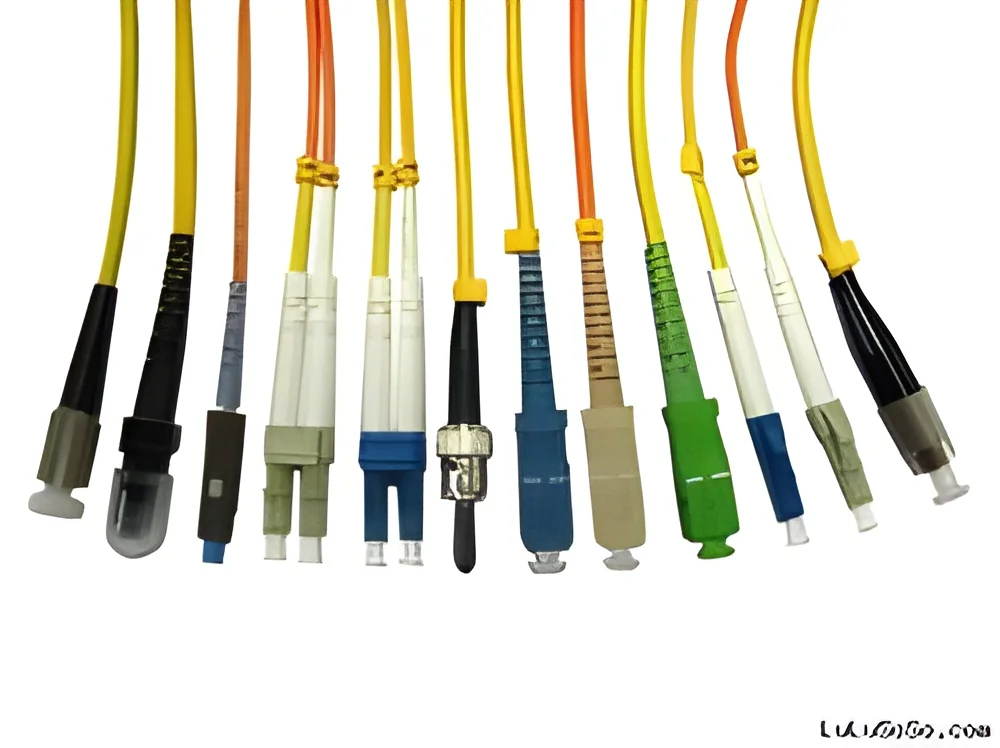
Industrial Fiber Optical Sensor Probes represent advanced temperature measurement technology designed for demanding industrial environments. These high-precision sensors utilize optical fiber technology to deliver exceptional accuracy and reliability where traditional electrical sensors typically struggle. Unlike conventional thermocouples, they provide complete immunity to electromagnetic interference, making them ideal for use near heavy machinery, high-voltage equipment, or electrically noisy industrial settings. The non-conductive nature of the fiber optic design ensures safe operation in hazardous areas where spark prevention is critical. Manufactured with premium materials and rigorous quality control, these sensors maintain consistent performance under extreme conditions including high moisture, chemical exposure, and mechanical stress. Each probe is engineered to deliver precise thermal data with minimal drift over time, ensuring long-term reliability for your most demanding measurement applications.

These fiber optical sensor probes serve critical functions across multiple industrial sectors where precise temperature monitoring directly impacts product quality and operational efficiency. In the paints and dyes industry, they enable exact temperature control during chemical reactions and mixing processes, ensuring consistent color quality and material properties. Plastic manufacturing facilities utilize these sensors in extrusion lines, injection molding machines, and material handling systems to maintain optimal processing temperatures and prevent material degradation. Paper pulp plants depend on them for accurate temperature monitoring during cooking, bleaching, and drying processes where thermal consistency directly affects product strength and quality. The chemical processing industry values these sensors for their corrosion resistance and reliable performance in aggressive environments where traditional sensors would fail prematurely. They also find applications in food processing, pharmaceutical manufacturing, and energy production where stringent requirements for hygiene, safety standards, and measurement accuracy are paramount.

The business value of implementing our fiber optical sensor probes extends beyond basic temperature measurement to deliver tangible operational improvements. These sensors provide significant return on investment through reduced downtime, improved product consistency, and lower maintenance costs compared to conventional temperature monitoring solutions. Their exceptional reliability minimizes production interruptions caused by sensor failures or inaccurate readings, ensuring continuous operation of critical processes. The superior moisture resistance and stress tolerance characteristics offer extended service life even in challenging environments, reducing replacement frequency and associated maintenance expenses. Precise measurement capabilities contribute directly to quality improvement initiatives by providing accurate thermal data for process optimization and consistency management. Furthermore, their immunity to electromagnetic interference eliminates measurement errors caused by nearby electrical equipment, ensuring data integrity for process control and quality assurance systems across your operations.

Key Features:
- Complete immunity to electromagnetic and radio frequency interference ensuring accurate readings
- Superior moisture resistance construction suitable for high-humidity conditions
- High flexibility design allowing installation in confined spaces and complex layouts
- Exceptional stress resistance capable of withstanding vibration and mechanical shock
- Lightweight construction enabling easy installation without adding significant weight

Benefits:
- Reduced downtime through reliable performance in challenging industrial environments
- Improved product consistency with precise temperature monitoring capabilities
- Lower maintenance costs due to extended service life and durable construction
- Enhanced safety with non-conductive design suitable for hazardous areas
- Accurate data integrity eliminating measurement errors from electrical interference
Specifications
| Additional Information | |
|---|---|
| Country of Origin | India |
Application
Fiber optical sensor probes provide accurate temperature measurement where traditional sensors fail. Their non-conductive, flexible design ensures safe operation in electrically noisy or hazardous conditions, delivering reliable data for process control and quality assurance across multiple industrial sectors. These sensors excel in applications requiring immunity to EMI/RFI interference, high moisture resistance, and superior stress tolerance. Industries depend on them for consistent performance in demanding settings like chemical processing, manufacturing, and material handling where temperature accuracy directly impacts product quality and operational safety.
Real-world applications:
- Continuous temperature monitoring in paint and dye manufacturing to ensure consistent product quality and color accuracy
- Real-time thermal sensing in plastic extrusion and molding equipment to prevent material degradation
- Paper pulp temperature control during cooking and bleaching stages to improve yield and efficiency
- Chemical reaction monitoring in batch processes where precise heat management ensures safety
- Industrial facility management requiring distributed temperature sensing in hard-to-reach areas
Trade Details
| Available Stock | In Stock |
| Sample Availability | No |
Payment Terms
| Payment Terms |
|
Company Profile
Balaji Enterprises Krishna & Co, Maharashtra
 Maharashtra, India
Maharashtra, IndiaManufacturer•Distributor / Wholesaler
Factory Details
Factory SizeBelow 1000 sqm
Annual Production Capacity0
Industrial Fiber Optical Sensor Probes For Temperature Monitoring
Industrial Fiber Optical Sensor Probes deliver precise temperature monitoring for paints, dyes, plastics, and paper pulp. Built for accuracy, moisture resistance, and reliability in harsh environments with customizable options.
Min. Order Quantity: 1 unit
Shipping
Shipping fee and delivery date to be negotiated. Contact supplier now for more details.
Balaji Enterprises Krishna & Co
 Maharashtra, India
Maharashtra, IndiaManufacturer