IN
IN₹
Apparel & Fashion
Description
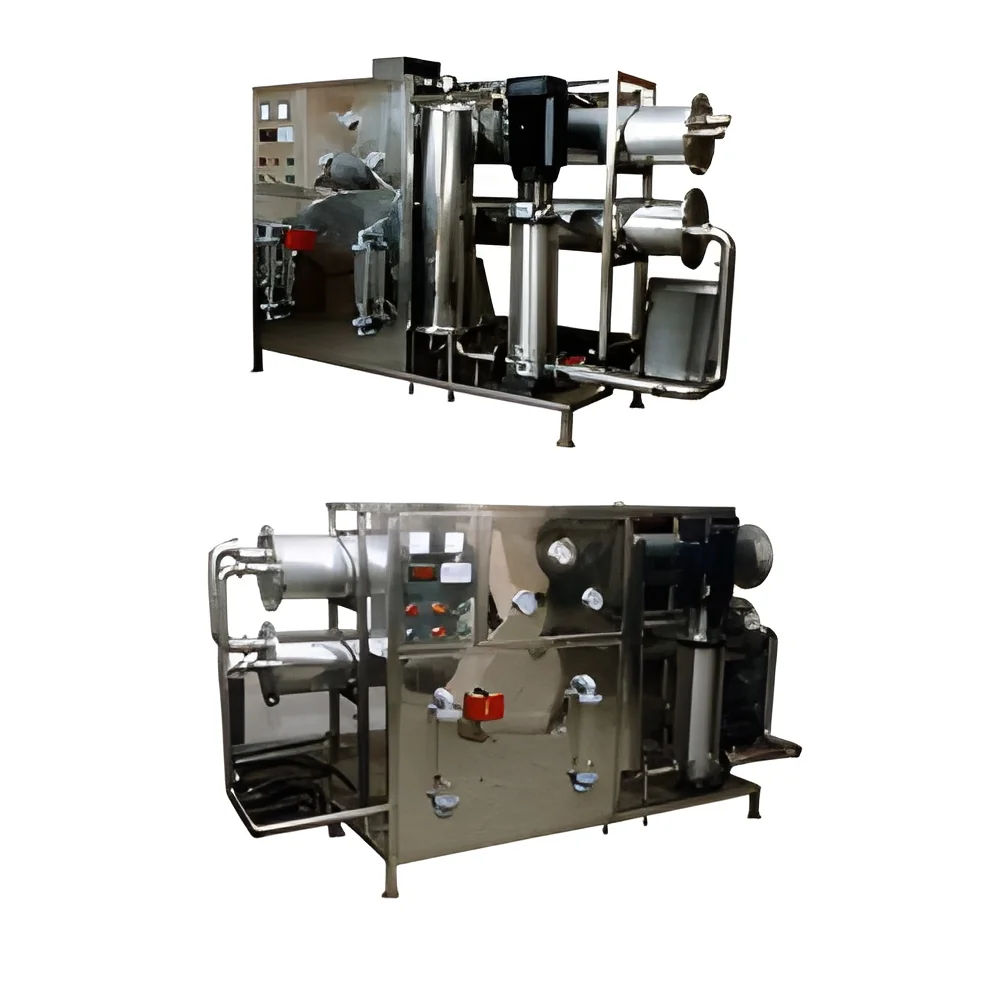
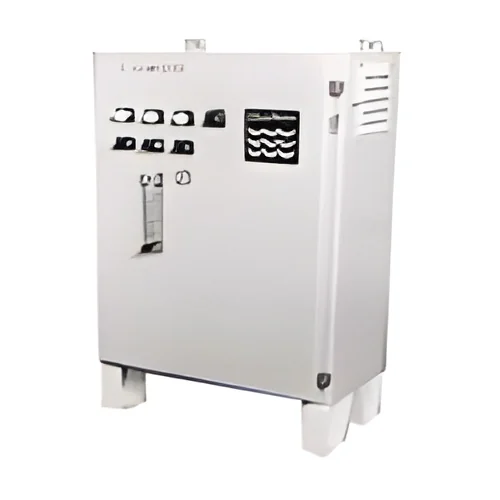
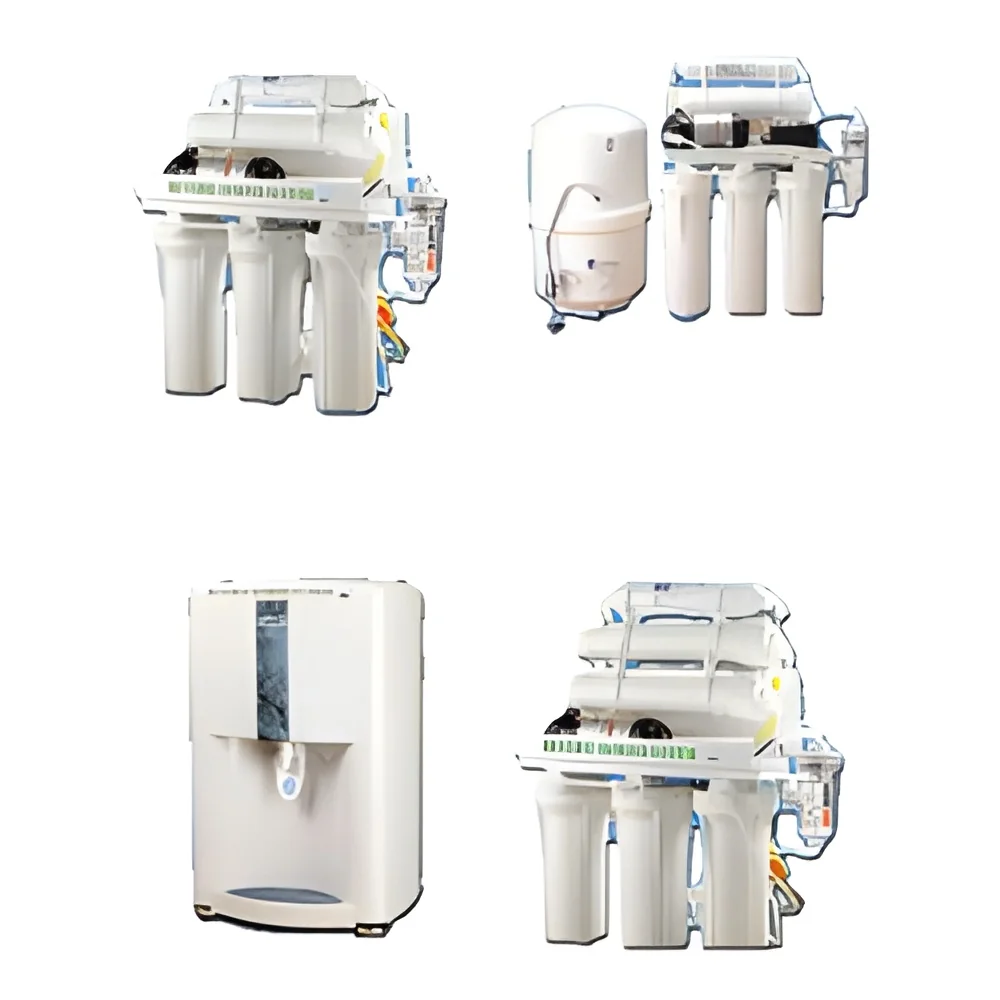
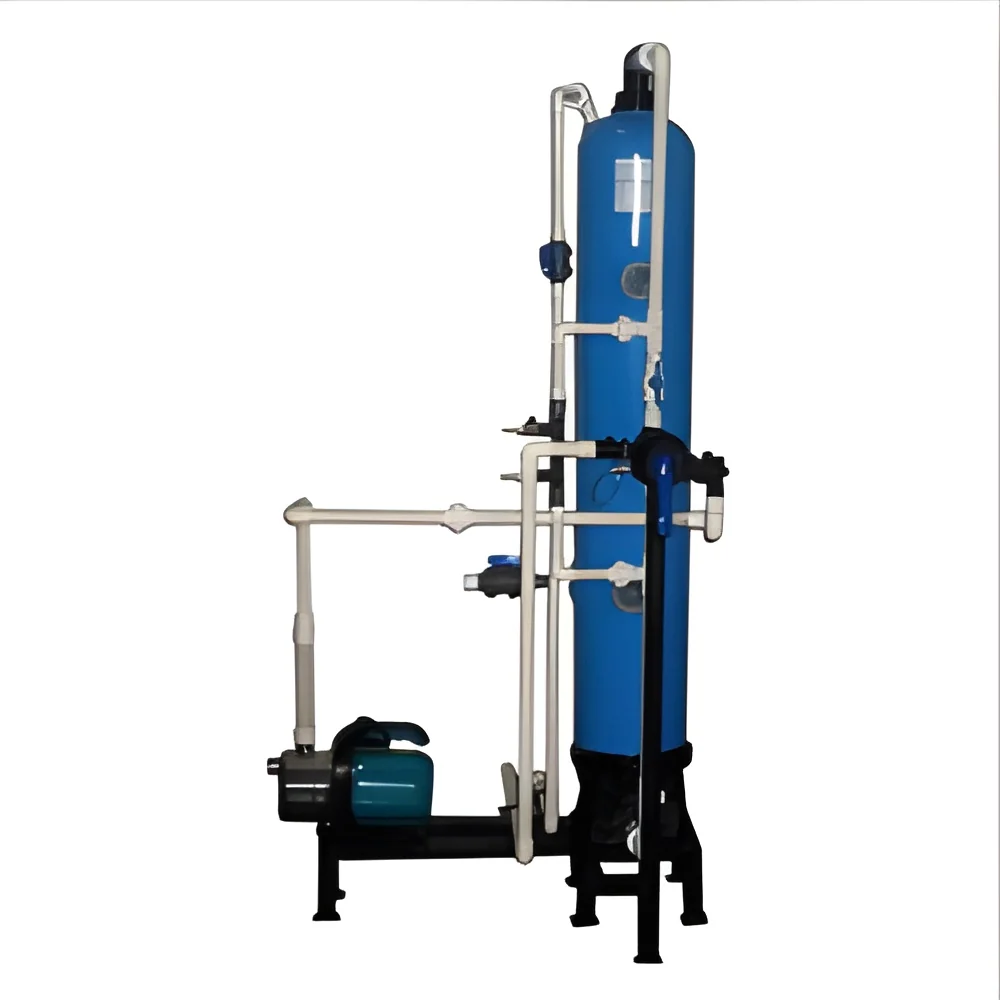
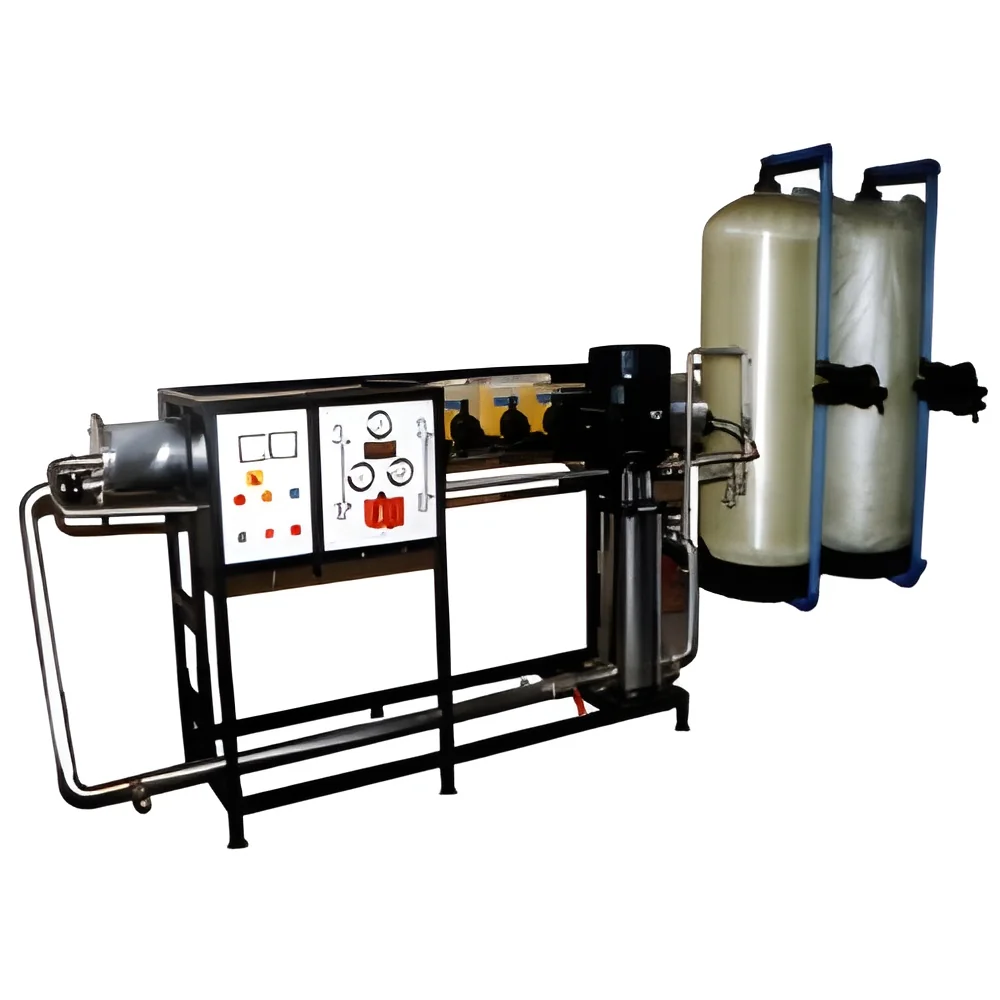
Industrial Reverse Osmosis Systems represent advanced water purification technology designed for demanding commercial and industrial applications. These systems utilize semi-permeable spiral wound membranes to effectively separate and remove up to 98% of dissolved salts, organic compounds, sub-micron particles, and bacteria from water sources. Operating under controlled pressure conditions, feed water permeates through the membrane's microscopic pores, delivering consistently purified output. With flow capacities ranging from 1.0 to 60.0 cubic meters per hour and salt rejection rates between 50-80% depending on feed water characteristics, these RO systems provide versatile performance for various industrial water treatment requirements. The standardized electrical configuration operates at 415 volts, 3-phase, 50 hertz, while concentrate discharge is efficiently managed through zero-pressure drainage systems.

These reverse osmosis systems serve critical functions across multiple indust...
Industrial Reverse Osmosis Systems represent advanced water purification technology designed for demanding commercial and industrial applications. These systems utilize semi-permeable spiral wound membranes to effectively separate and remove up to 98% of dissolved salts, organic compounds, sub-micron particles, and bacteria from water sources. Operating under controlled pressure conditions, feed water permeates through the membrane's microscopic pores, delivering consistently purified output. With flow capacities ranging from 1.0 to 60.0 cubic meters per hour and salt rejection rates between 50-80% depending on feed water characteristics, these RO systems provide versatile performance for various industrial water treatment requirements. The standardized electrical configuration operates at 415 volts, 3-phase, 50 hertz, while concentrate discharge is efficiently managed through zero-pressure drainage systems.

These reverse osmosis systems serve critical functions across multiple industries where water quality directly impacts operational success and product integrity. The electronics manufacturing sector relies on them for producing ultra-pure water essential for semiconductor and component production. Pharmaceutical companies implement these systems to create water meeting stringent purity standards for medical products and formulations. Manufacturing facilities utilize them for boiler feed water and process water applications, while food and beverage processors depend on them for safe production water. Additional sectors including healthcare facilities, hospitality operations, aquaculture businesses, and mineral water plants benefit from the consistent purification performance these systems deliver.

The operational value of these RO systems lies in their proven reliability, cost-efficient performance, and adaptable design characteristics. They significantly reduce the expense associated with de-ionized water production for industrial applications while providing dependable solutions for treating challenging water sources. Engineered with sophisticated membrane technology and flexible configuration options, these systems ensure optimal performance tailored to specific application requirements. This reliability translates to reduced operational downtime, lower maintenance expenditures, and long-term cost savings. The systems' design incorporates durability and efficiency, delivering consistent water quality while minimizing energy consumption and operational complexities.

Key Features:
- Flow capacity ranging from 1.0 to 60.0 cubic meters per hour
- Salt rejection performance between 50-80% based on feed water composition
- Standard electrical operation at 415 volts, 3-phase, 50 hertz
- Concentrate discharge system operating at zero psi pressure
- Advanced semi-permeable spiral wound membrane technology

Benefits:
- Consistent high-quality water output for industrial processes
- Reduced operational costs through efficient purification
- Minimal maintenance requirements and downtime
- Adaptable to various water sources and conditions
- Long-term reliability and durable construction
Specifications
| Additional Information | |
|---|---|
| Country of Origin | India |
Application
Our industrial reverse osmosis systems are engineered for demanding environments where consistent water purity is essential. They effectively remove dissolved solids, bacteria, and contaminants while maintaining operational efficiency across varying feed water conditions. The robust construction ensures reliable performance in high-volume treatment scenarios.
Multiple industries depend on these systems for critical water purification needs. The technology handles diverse water sources while delivering optimal flow rates and salt rejection performance. This versatility makes them suitable for process water applications, boiler feed systems, and ultra-pure water production requirements across different operational scales.
- Manufacturing ultra-pure water for electronic component production to prevent contamination
- Producing high-purity water for pharmaceutical manufacturing and laboratory applications
- Generating treated boiler feed water to minimize scaling in industrial plants
- Purifying water for food and beverage processing to meet quality standards
- Converting brackish or seawater into potable water for commercial facilities
Trade Details
| Available Stock | In Stock |
| Sample Availability | No |
Payment Terms
| Payment Terms |
|
Company Profile
Aqua Tech Systems, Tamil Nadu
 Tamil Nadu, India
Tamil Nadu, IndiaManufacturer•Distributor / Wholesaler
Factory Details
Factory SizeBelow 1000 sqm
Annual Production Capacity0
Main Markets
Domestic
Industrial Reverse Osmosis Systems High Efficiency Water Purification
Industrial Reverse Osmosis Systems deliver high-efficiency water purification, removing 90-98% dissolved salts. These reliable systems provide consistent performance for industrial applications across multiple sectors with advanced membrane technology.
Min. Order Quantity: 1 unit
Shipping
Shipping fee and delivery date to be negotiated. Contact supplier now for more details.
Aqua Tech Systems
 Tamil Nadu, India
Tamil Nadu, IndiaManufacturer