IN
IN₹
Apparel & Fashion
Description
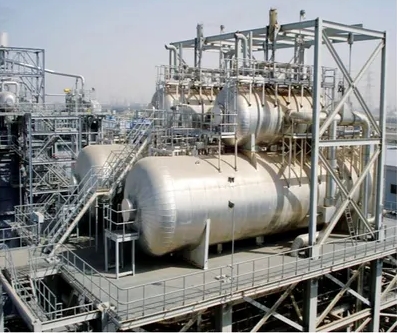
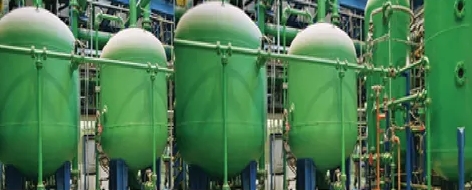
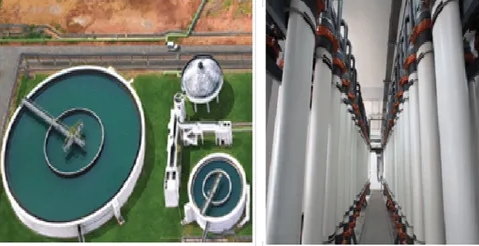
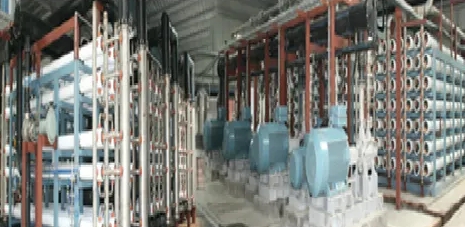
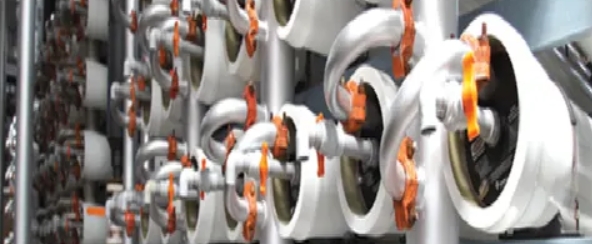
Membrane Based Desalination Plants represent advanced water treatment solutions that transform saline water sources into usable fresh water through sophisticated reverse osmosis technology. These systems efficiently remove dissolved salts, minerals, and impurities from seawater or brackish water, producing water that meets stringent quality standards. Designed for durability and consistent performance, they incorporate multiple filtration stages and automated controls to ensure reliable operation across various environmental conditions. The technology focuses on maximizing water recovery while minimizing energy consumption, making it a practical choice for addressing water scarcity challenges.

These desalination systems find extensive use across multiple sectors where reliable water supply is critical. Industrial facilities employ them for process water requirements in manufacturing, chemical processing, and food production. Municipal authorities implement them for community water sup...
Membrane Based Desalination Plants represent advanced water treatment solutions that transform saline water sources into usable fresh water through sophisticated reverse osmosis technology. These systems efficiently remove dissolved salts, minerals, and impurities from seawater or brackish water, producing water that meets stringent quality standards. Designed for durability and consistent performance, they incorporate multiple filtration stages and automated controls to ensure reliable operation across various environmental conditions. The technology focuses on maximizing water recovery while minimizing energy consumption, making it a practical choice for addressing water scarcity challenges.

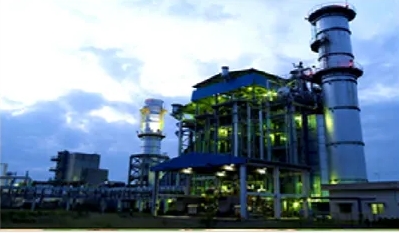
These desalination systems find extensive use across multiple sectors where reliable water supply is critical. Industrial facilities employ them for process water requirements in manufacturing, chemical processing, and food production. Municipal authorities implement them for community water supply in coastal and arid regions. The energy sector utilizes them for power plant operations, while agricultural operations benefit from irrigation water production. Their adaptability allows integration into diverse operational frameworks, from standalone units to comprehensive water management networks.

The value proposition centers on delivering consistent water quality with operational reliability that reduces long-term costs. These plants are engineered to withstand challenging operating conditions while maintaining performance standards. Their design emphasizes ease of maintenance and serviceability, with components selected for durability and replacement accessibility. This approach minimizes downtime and extends operational lifespan, providing predictable water production capabilities that support planning and development initiatives in water-stressed regions.

Key Features:
- Advanced reverse osmosis membrane technology for efficient salt removal
- Multi-stage filtration system including pre-treatment and post-treatment processes
- Automated monitoring and control systems for consistent operation
- Energy recovery devices to optimize power consumption
- Corrosion-resistant materials and robust construction for long service life

Benefits:
- Reliable production of high-quality fresh water from saline sources
- Reduced operational costs through energy-efficient design
- Consistent performance across varying feed water conditions
- Minimal maintenance requirements with accessible service components
- Scalable solutions adaptable to different capacity requirements
Specifications
| Additional Information | |
|---|---|
| Country of Origin | India |
Application
These desalination plants serve critical roles in water-scarce regions by providing dependable fresh water sources for large-scale operations. Their robust design handles varying feed water conditions while maintaining efficient salt rejection and stable output, making them suitable for continuous operation in demanding environments.
Engineered with precision, these systems integrate seamlessly into existing infrastructure with minimal disruption. Advanced monitoring and control features allow operators to maintain optimal performance while adapting to changing water quality requirements, ensuring long-term reliability and reduced maintenance needs.
Real-world applications:
- Municipal water supply systems for cities and communities facing freshwater shortages
- Industrial facilities requiring high-purity process water for manufacturing operations
- Power generation plants needing reliable cooling and boiler feed water
- Agricultural operations in coastal regions requiring irrigation water
- Hospitality and tourism developments in island and coastal locations
Trade Details
| Available Stock | In Stock |
| Sample Availability | No |
Payment Terms
| Payment Terms |
|
| Payment Methods |
|
Company Profile
BGR BOILERS PVT LTD, Tamil Nadu
 Tamil Nadu, India
Tamil Nadu, IndiaManufacturer
Factory Details
Factory SizeBelow 1000 sqm
Membrane Based Desalination Plants
Membrane Based Desalination Plants use advanced reverse osmosis technology to convert seawater or brackish water into high-quality fresh water for industrial and municipal applications, ensuring reliable performance and consistent water quality.
Min. Order Quantity: 1 Unit
Shipping
Shipping fee and delivery date to be negotiated. Contact supplier now for more details.
BGR BOILERS PVT LTD
 Tamil Nadu, India
Tamil Nadu, IndiaManufacturer