IN
IN₹
Apparel & Fashion
Description
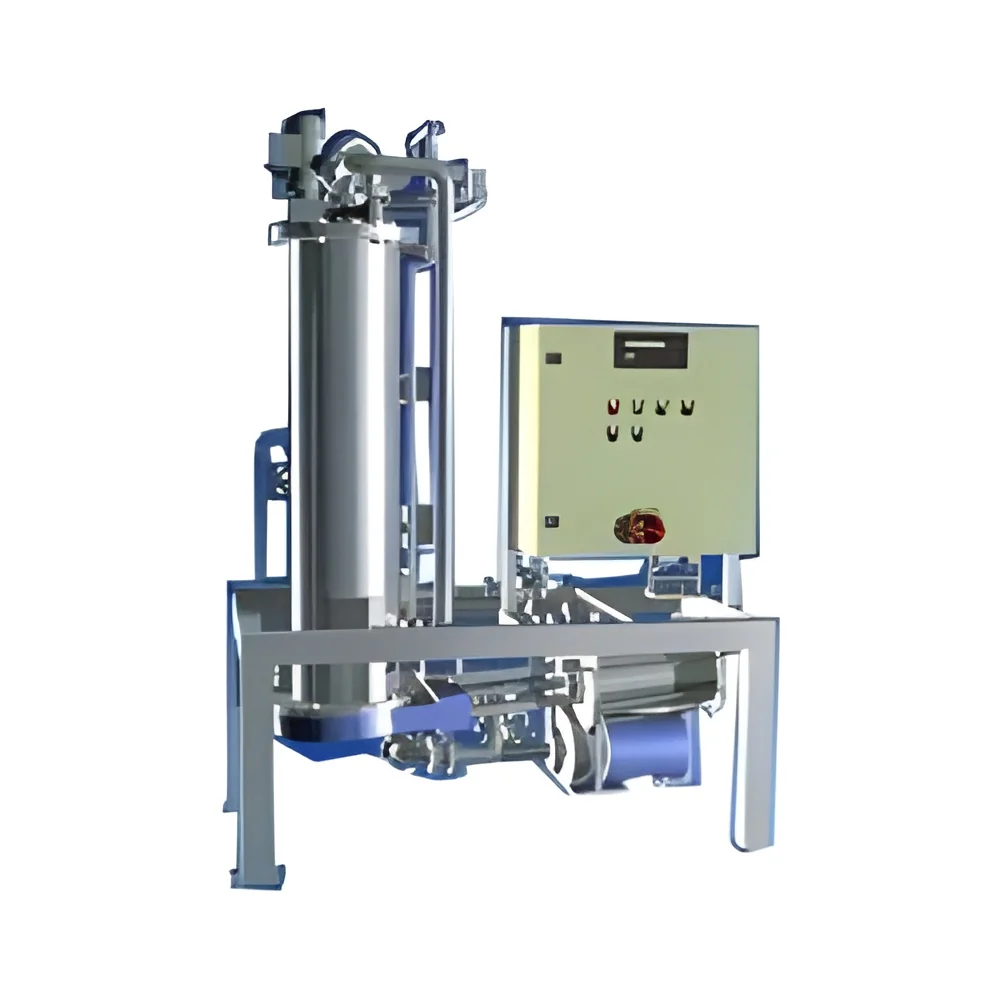
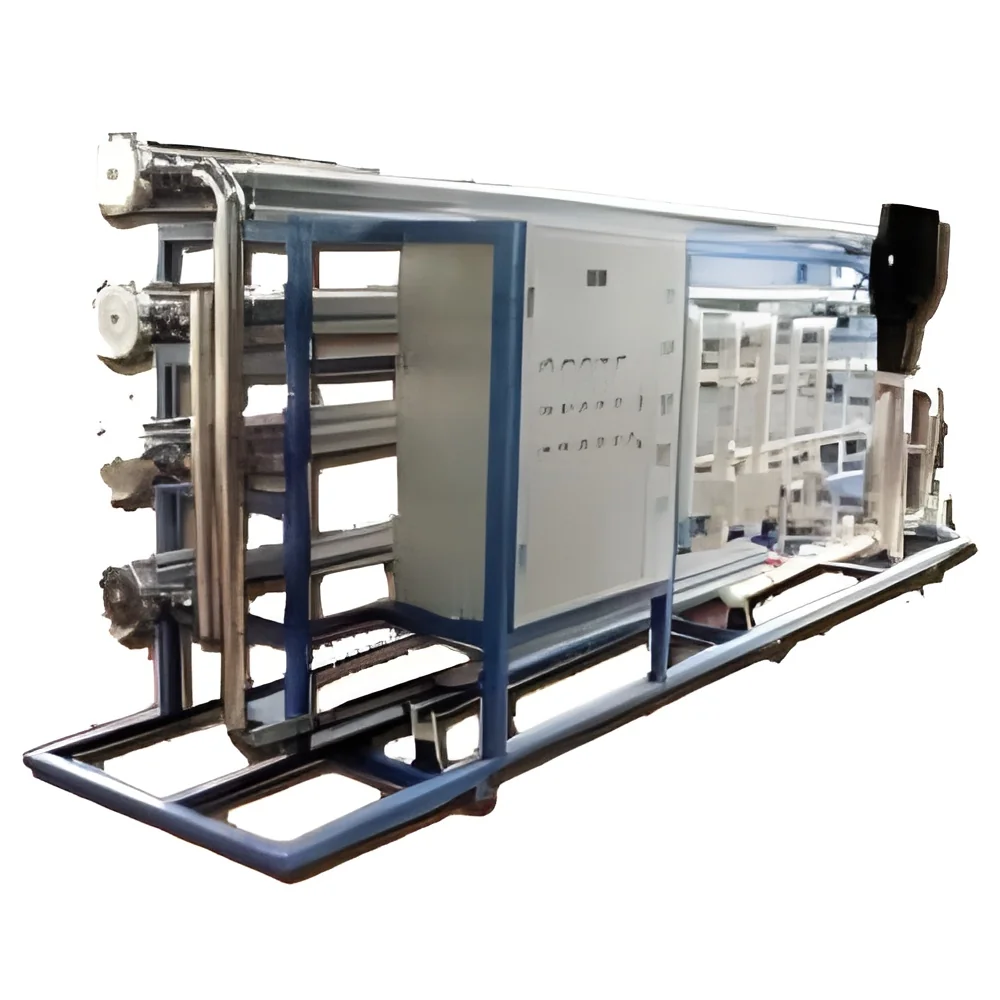
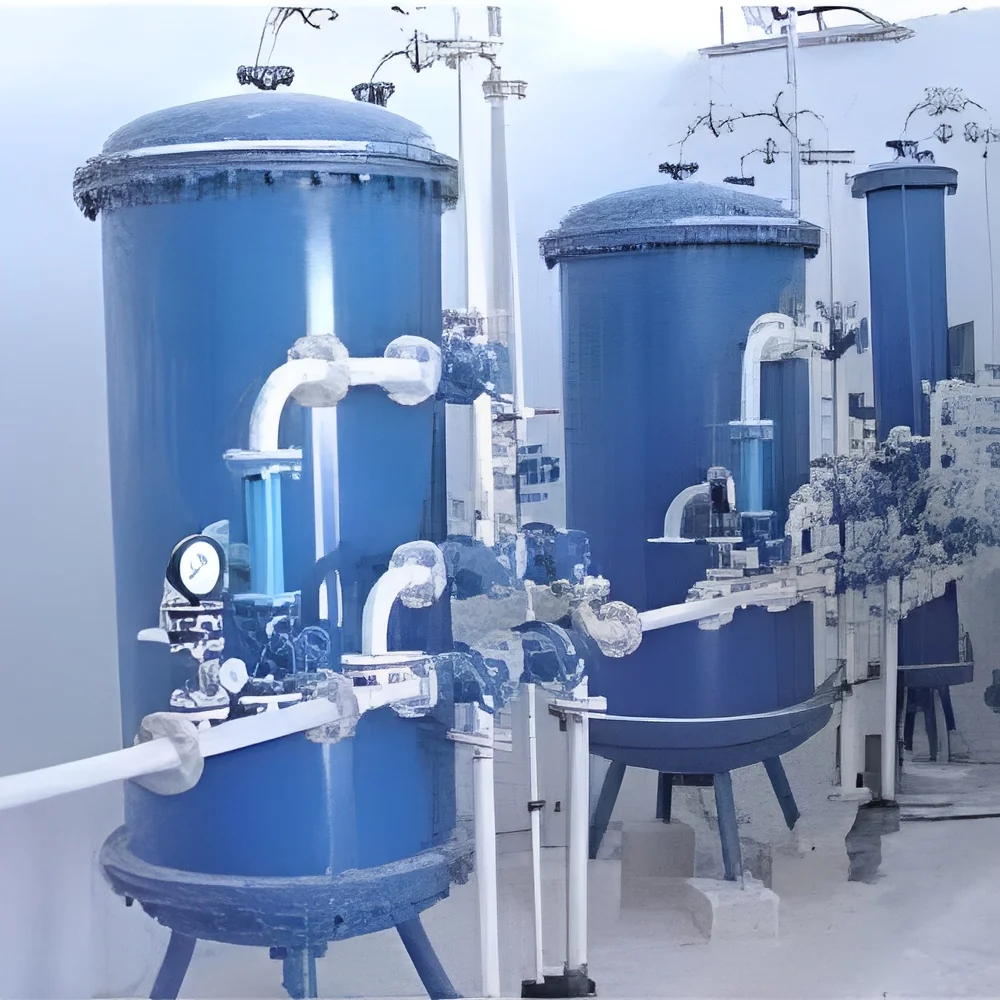
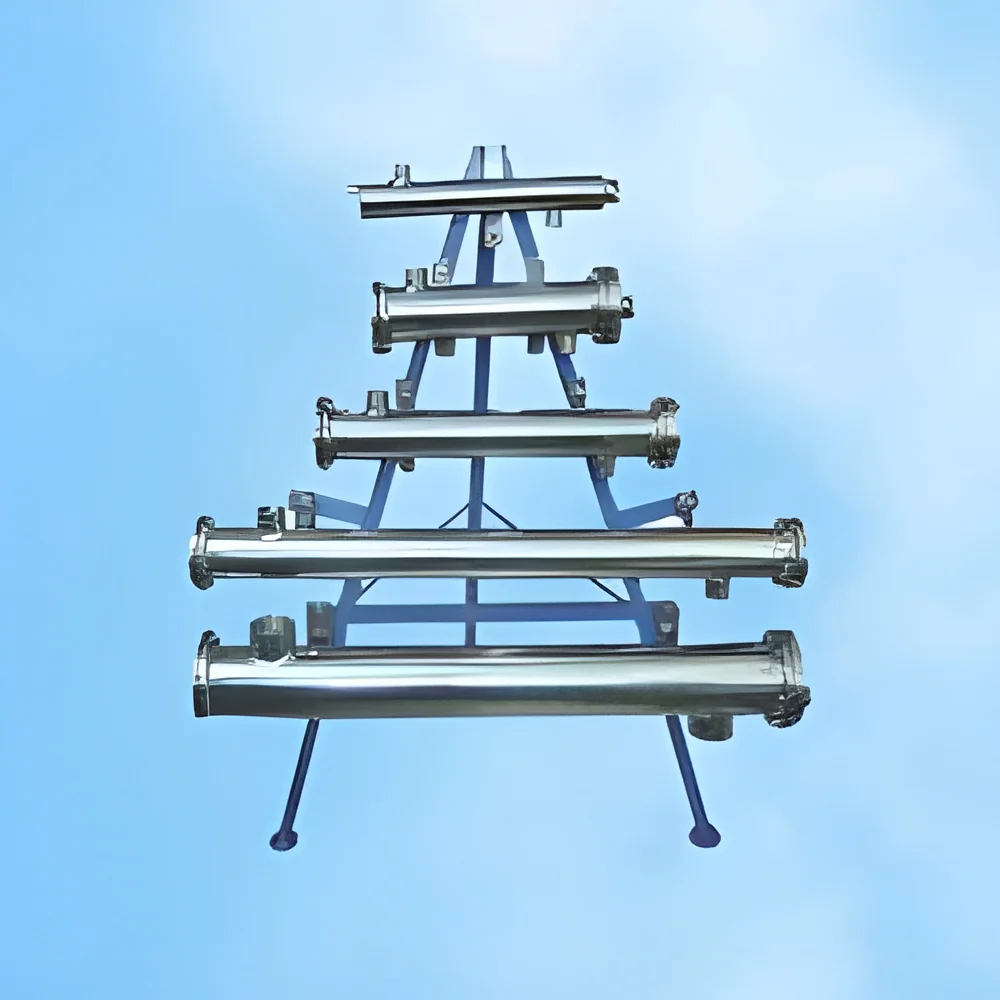
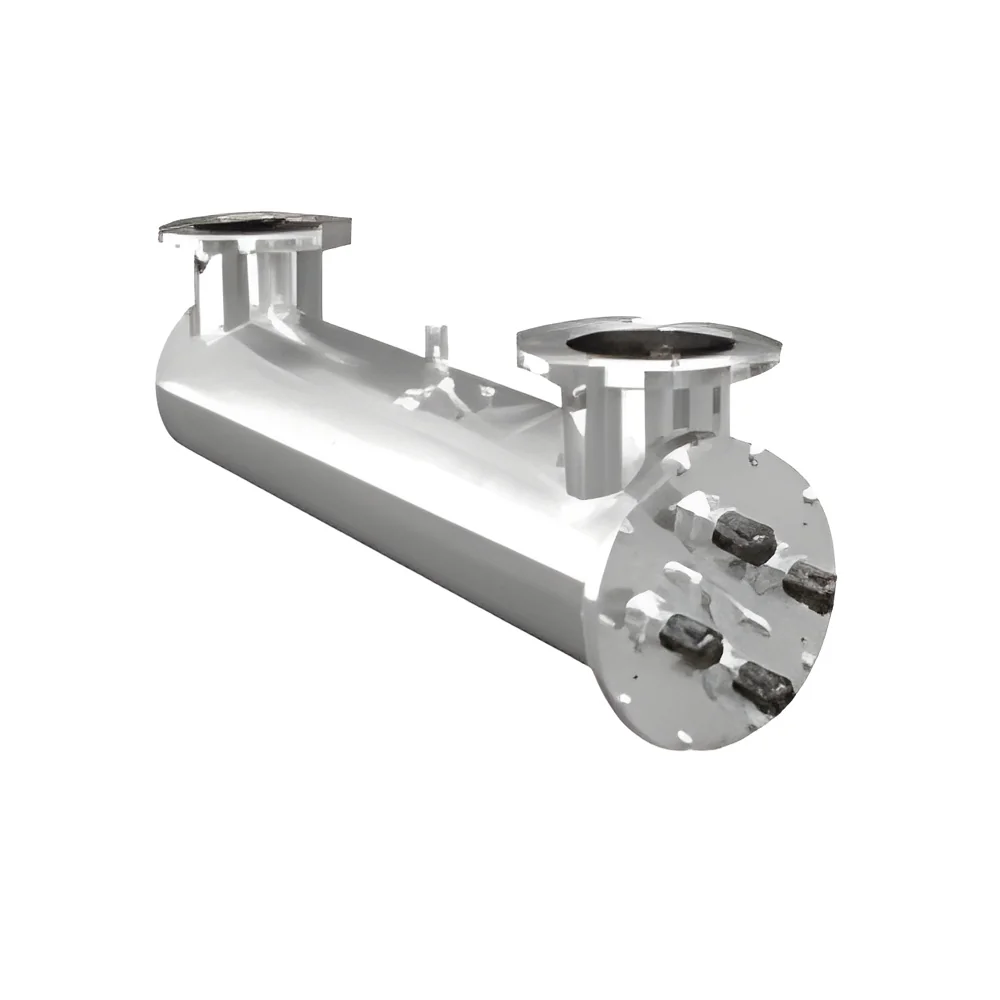
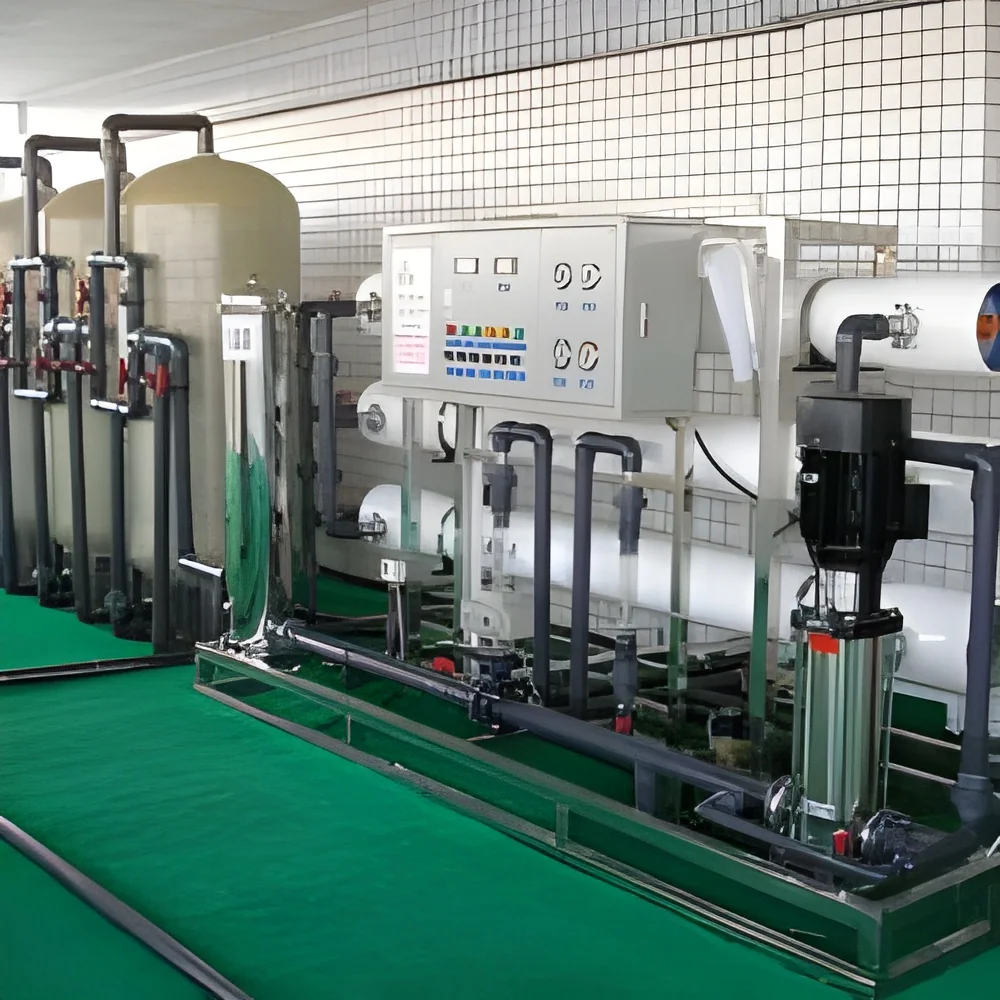
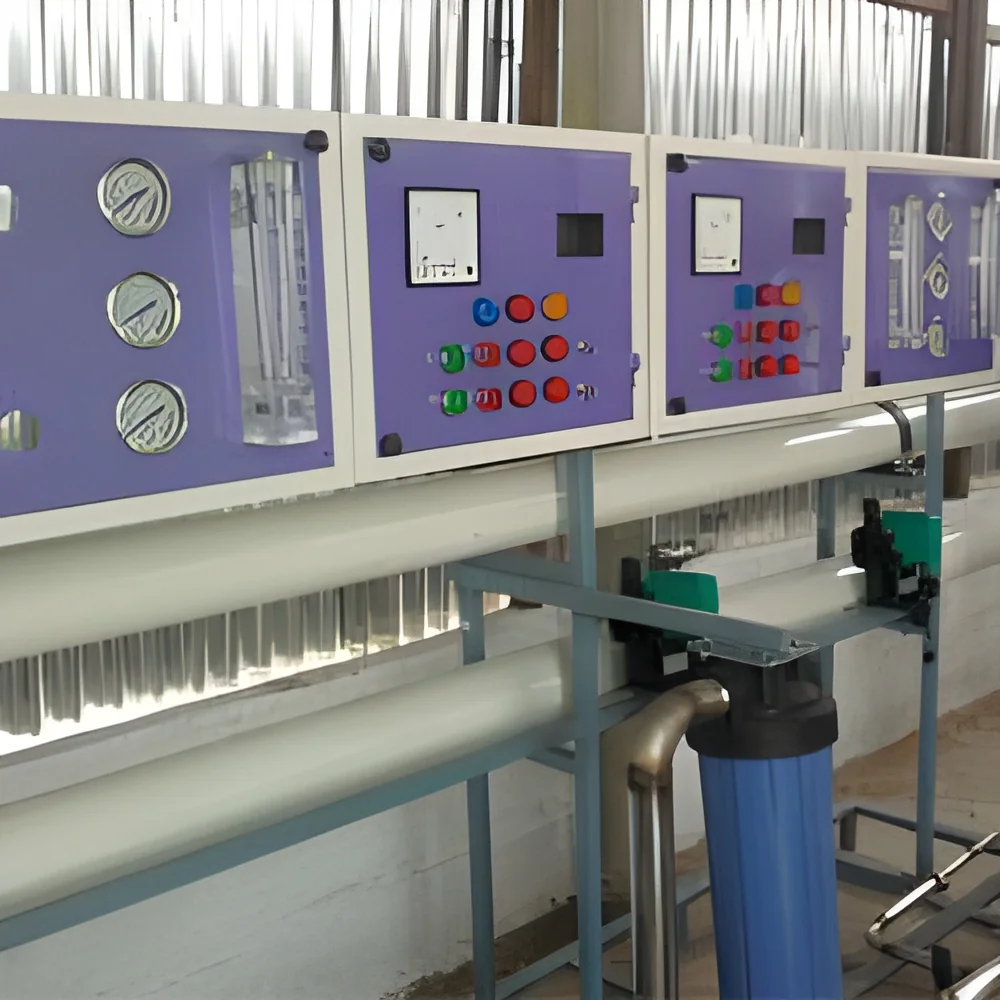
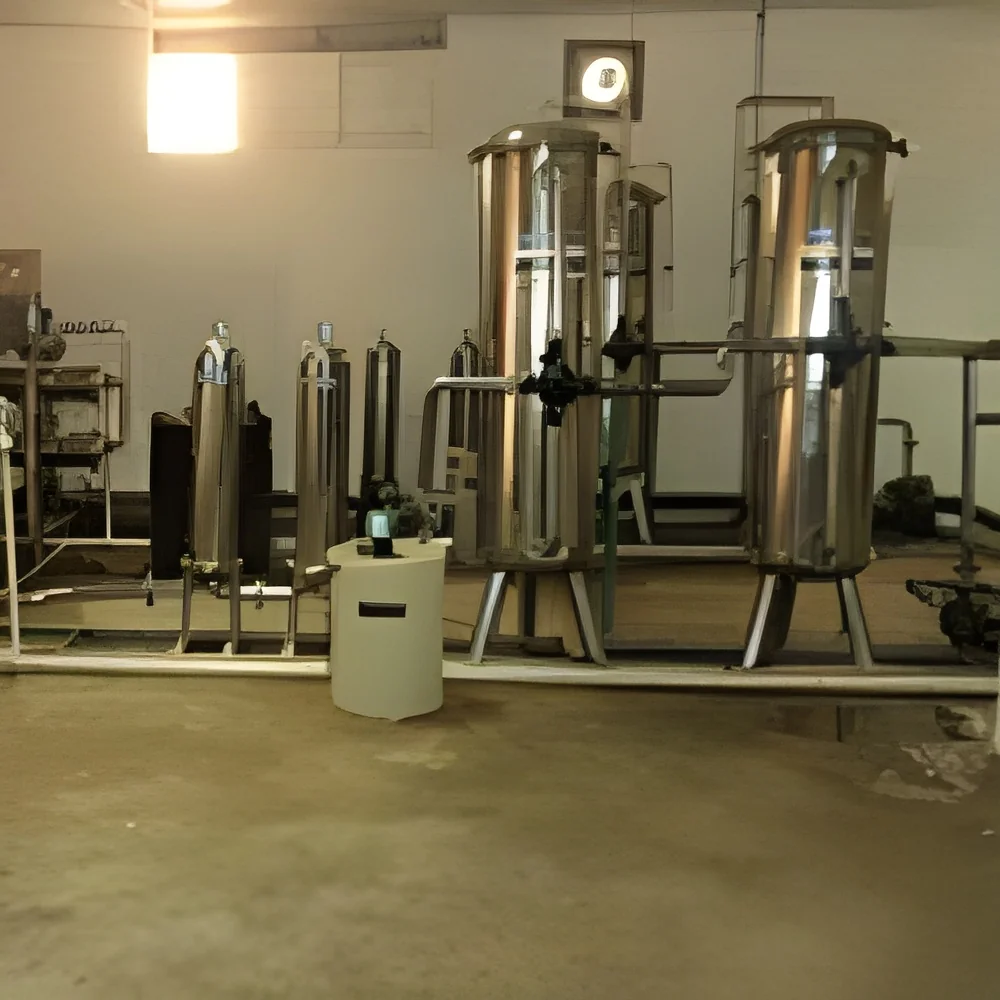
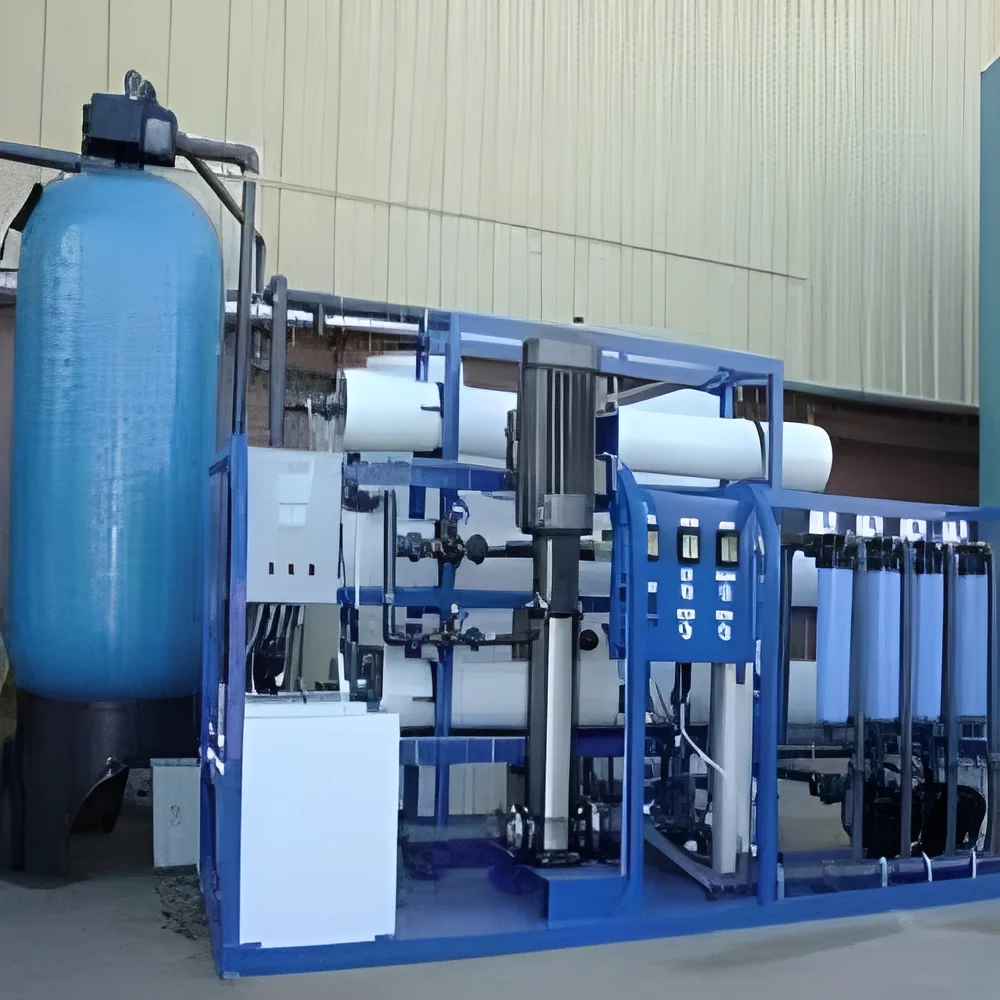
Our industrial reverse osmosis plants represent advanced water purification technology engineered to meet diverse industrial water treatment requirements. These robust systems efficiently remove dissolved solids, contaminants, and impurities from various water sources including tap water, brackish water, and seawater. With production capacities ranging from 100 liters per hour to 100 cubic meters per hour, our RO plants handle TDS levels from 400 to 45,000, delivering high-quality purified water through sophisticated membrane technology. The modular construction ensures operational flexibility while maintaining low water rejection rates and minimizing operational expenses, making them an ideal solution for businesses seeking dependable water purification without heavy chemical dependency.

Reverse osmosis technology serves essential functions across multiple industries where water purity directly impacts product quality and process efficiency. In pharmaceutical operations, RO systems p...
Our industrial reverse osmosis plants represent advanced water purification technology engineered to meet diverse industrial water treatment requirements. These robust systems efficiently remove dissolved solids, contaminants, and impurities from various water sources including tap water, brackish water, and seawater. With production capacities ranging from 100 liters per hour to 100 cubic meters per hour, our RO plants handle TDS levels from 400 to 45,000, delivering high-quality purified water through sophisticated membrane technology. The modular construction ensures operational flexibility while maintaining low water rejection rates and minimizing operational expenses, making them an ideal solution for businesses seeking dependable water purification without heavy chemical dependency.

Reverse osmosis technology serves essential functions across multiple industries where water purity directly impacts product quality and process efficiency. In pharmaceutical operations, RO systems provide purified water meeting stringent standards for drug manufacturing and medical applications. The food and beverage sector relies on these plants for processing water, ingredient preparation, and sanitation processes, particularly in bottling and beverage production. Electronics manufacturers utilize ultra-pure water for semiconductor fabrication and precision cleaning operations. Healthcare institutions depend on RO systems for critical applications including dialysis water preparation and laboratory testing, while industrial facilities use them for boiler feed water and cooling system maintenance to prevent scale formation and equipment corrosion.

The operational value of our reverse osmosis plants extends beyond water purification to deliver significant business advantages. These systems offer exceptional reliability with reduced maintenance requirements compared to traditional water treatment methods, minimizing operational downtime and replacement costs. The limited chemical usage makes them environmentally sustainable while decreasing regeneration expenses and chemical handling requirements. With higher production capacity relative to footprint size, RO plants provide optimal space utilization and scalability for growing operations. The energy-efficient operation primarily utilizing electrical power for feed pumps results in lower long-term operational costs, making them a cost-effective investment for businesses aiming to optimize water treatment processes and enhance operational performance.

Key Features:
- Comprehensive TDS handling from 400 to 45,000 for multiple water sources
- Scalable production capacity from 100 LPH to 100 M3 per hour
- Advanced membrane technology for high-efficiency purification
- Modular design supporting flexible configuration and expansion
- Optimized water recovery rates for efficient resource utilization

Benefits:
- Consistent high-purity water quality for critical industrial processes
- Reduced chemical usage for environmentally sustainable operation
- Lower maintenance requirements and operational downtime
- Energy-efficient performance for cost-effective water treatment
- Scalable solutions adaptable to various production requirements
Specifications
| Additional Information | |
|---|---|
| Country of Origin | India |
Application
Industrial reverse osmosis plants provide reliable high-purity water treatment for demanding applications, removing up to 99% of dissolved salts, bacteria, and contaminants. These systems handle diverse water sources including tap, brackish, and seawater with TDS levels from 400 to 45,000, ensuring consistent water quality while minimizing chemical usage and operational costs through efficient membrane technology and modular design approaches.
These purification systems serve multiple sectors requiring consistent water quality for critical processes. The scalable capacity from 100 liters per hour to 100 cubic meters per hour makes them suitable for various operational scales, from small facilities to large industrial complexes. The technology offers sustainable water treatment with lower maintenance requirements compared to traditional methods, reducing downtime and environmental impact while delivering reliable performance across different water conditions and purity requirements.
- Pharmaceutical manufacturing requiring purified water for drug formulations and medical applications
- Food and beverage production for processing water, ingredient mixing, and cleaning operations
- Electronics industry for ultra-pure water in semiconductor manufacturing and component cleaning
- Healthcare facilities for dialysis water preparation and laboratory testing applications
- Industrial processes including boiler feed water and cooling systems to prevent scaling
Trade Details
| Available Stock | In Stock |
| Sample Availability | No |
Payment Terms
| Payment Terms |
|
Company Profile
Sky Aqua Designs, Tamil Nadu
 Tamil Nadu, India
Tamil Nadu, IndiaManufacturer•Distributor / Wholesaler•Importer / Exporter
Factory Details
Factory SizeBelow 1000 sqm
Annual Production Capacity0
Main Markets
North America
Oceania
Northern Europe
South America
Mid East
Southern Europe
Eastern Europe
Eastern Asia
South Asia
Southeast Asia
Western Europe
Africa
Central America
Domestic
Industrial Reverse Osmosis Plants 100 LPH To 100 M3 Per Hour
Industrial Reverse Osmosis Plants deliver high-purity water from 100 LPH to 100 M3 per hour, handling TDS 400-45,000 for tap, brackish, and seawater purification with minimal chemical use across various industries.
Min. Order Quantity: 1 unit
Shipping
Shipping fee and delivery date to be negotiated. Contact supplier now for more details.
Sky Aqua Designs
 Tamil Nadu, India
Tamil Nadu, IndiaManufacturer