IN
IN₹
Apparel & Fashion
Description
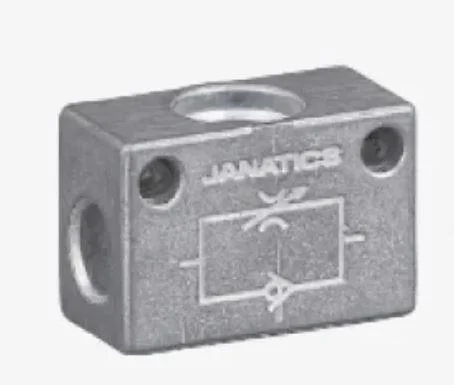
Pneumatic components represent the fundamental elements that convert compressed air into controlled mechanical motion and force within industrial systems. These precision-engineered devices include cylinders, valves, actuators, fittings, and regulators designed to manage air flow, pressure, and direction with exceptional accuracy. Manufactured from durable materials like stainless steel, aluminum, and industrial-grade polymers, they withstand continuous operation in challenging environments while maintaining consistent performance. Their modular design allows for flexible system configurations that can be tailored to specific operational requirements, making them indispensable for engineers designing automated and semi-automated industrial equipment.

Across manufacturing sectors, these components find extensive application in automotive assembly lines where they power robotic welding arms and part positioning systems. In the packaging industry, pneumatic devices drive sealing mechanis...
Pneumatic components represent the fundamental elements that convert compressed air into controlled mechanical motion and force within industrial systems. These precision-engineered devices include cylinders, valves, actuators, fittings, and regulators designed to manage air flow, pressure, and direction with exceptional accuracy. Manufactured from durable materials like stainless steel, aluminum, and industrial-grade polymers, they withstand continuous operation in challenging environments while maintaining consistent performance. Their modular design allows for flexible system configurations that can be tailored to specific operational requirements, making them indispensable for engineers designing automated and semi-automated industrial equipment.

Across manufacturing sectors, these components find extensive application in automotive assembly lines where they power robotic welding arms and part positioning systems. In the packaging industry, pneumatic devices drive sealing mechanisms, labeling equipment, and product handling systems with precise timing and force control. Food processing facilities utilize specially designed pneumatic components that meet hygiene standards while operating in washdown environments. Electronics manufacturing employs miniature pneumatic devices for delicate component placement and testing operations. Even in traditional industries like textiles and woodworking, pneumatic systems provide the reliable power for cutting, pressing, and forming operations that demand consistent force application.

The business value of these pneumatic components lies in their proven reliability and operational efficiency that directly impacts production outcomes. Their standardized designs reduce system integration time and simplify maintenance procedures, minimizing equipment downtime. Energy-efficient operation lowers compressed air consumption, resulting in reduced utility costs over the equipment lifecycle. The robust construction ensures long service life even in demanding 24/7 production environments, providing excellent return on investment. Manufacturers appreciate the consistent performance that maintains product quality through uniform force application and repeatable motion sequences. These components also enhance workplace safety by eliminating electrical hazards in certain applications and providing predictable, controlled motion that protects both equipment and operators.

Key Features:
- Precision-engineered components manufactured from durable metals and industrial-grade polymers for extended service life.
- Standardized interfaces and mounting configurations compatible with global industrial equipment specifications.
- Energy-efficient designs that optimize compressed air consumption while delivering consistent performance.
- Modular construction allowing flexible system configurations and easy integration into existing equipment.
- Corrosion-resistant materials and protective finishes suitable for demanding industrial environments.

Benefits:
- Reliable operation with minimal maintenance requirements reduces equipment downtime and operational disruptions.
- Consistent performance ensures uniform product quality through repeatable motion and force application.
- Energy-efficient operation lowers compressed air consumption, reducing utility costs and environmental impact.
- Easy installation and compatibility with standard industrial interfaces simplify system integration and upgrades.
- Long service life and durable construction provide excellent return on investment over the equipment lifecycle.
Specifications
| Additional Information | |
|---|---|
| Country of Origin | India |
Application
These pneumatic components serve as essential building blocks for countless industrial systems where compressed air powers motion and control. Their versatility allows integration into diverse equipment configurations, from simple manual operations to complex automated processes that require consistent, repeatable performance.
Engineers and system designers select these components for their compatibility with standard industrial interfaces and proven reliability in demanding environments. The standardized designs ensure easy installation and maintenance while supporting both new system builds and existing equipment upgrades across multiple industrial sectors.
Real-world applications:
- Assembly line automation where pneumatic cylinders position, clamp, and transfer components during manufacturing processes.
- Packaging machinery that uses pneumatic actuators for sealing, cutting, and labeling operations with precise timing control.
- Material handling systems employing pneumatic valves and cylinders to sort, lift, and transport goods in warehouses and distribution centers.
- Industrial robotics incorporating pneumatic grippers and positioning devices for pick-and-place operations in manufacturing cells.
- Processing equipment utilizing pneumatic controls for regulating flow, pressure, and sequencing in chemical, food, and pharmaceutical production.
Trade Details
| Available Stock | In Stock |
| Sample Availability | No |
Payment Terms
| Payment Terms |
|
| Payment Methods |
|
Company Profile

Marcus Hi Tech Engineering Pvt Ltd, Tamil Nadu
 Tamil Nadu, India
Tamil Nadu, IndiaIndustrial Equipment & Machinery•Manufacturer
Factory Details
Factory SizeBelow 1000 sqm
Industrial Automation Pneumatic Components For Manufacturing Equipment
High-quality pneumatic components from leading manufacturers provide precise compressed air control for industrial automation, manufacturing equipment, and mechanical systems with reliable performance and energy efficiency.
Min. Order Quantity: 1 piece
Shipping
Shipping fee and delivery date to be negotiated. Contact supplier now for more details.
Marcus Hi Tech Engineering Pvt Ltd
 Tamil Nadu, India
Tamil Nadu, IndiaIndustrial Equipment & MachineryManufacturer