
 IN
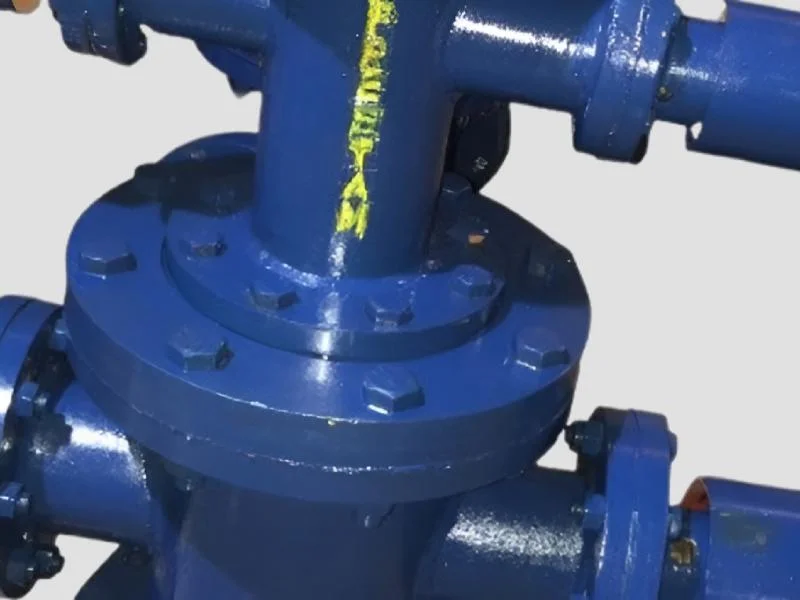
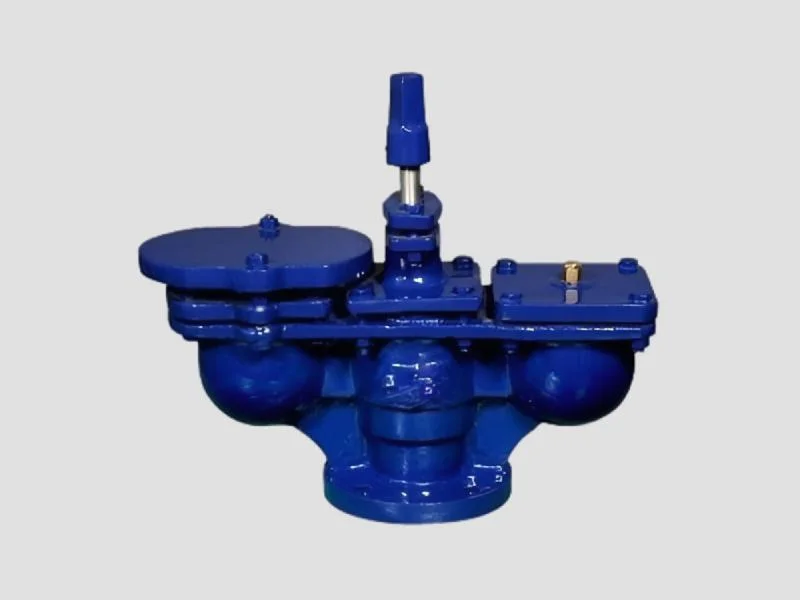
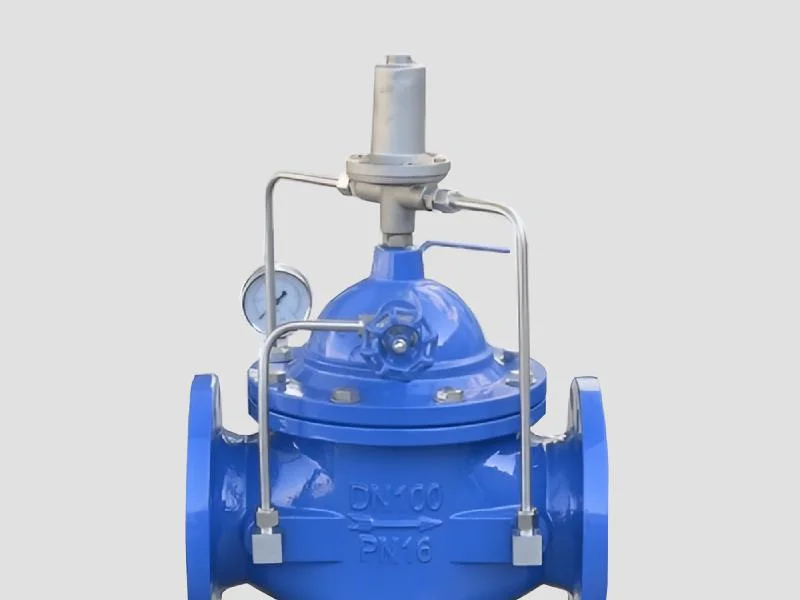
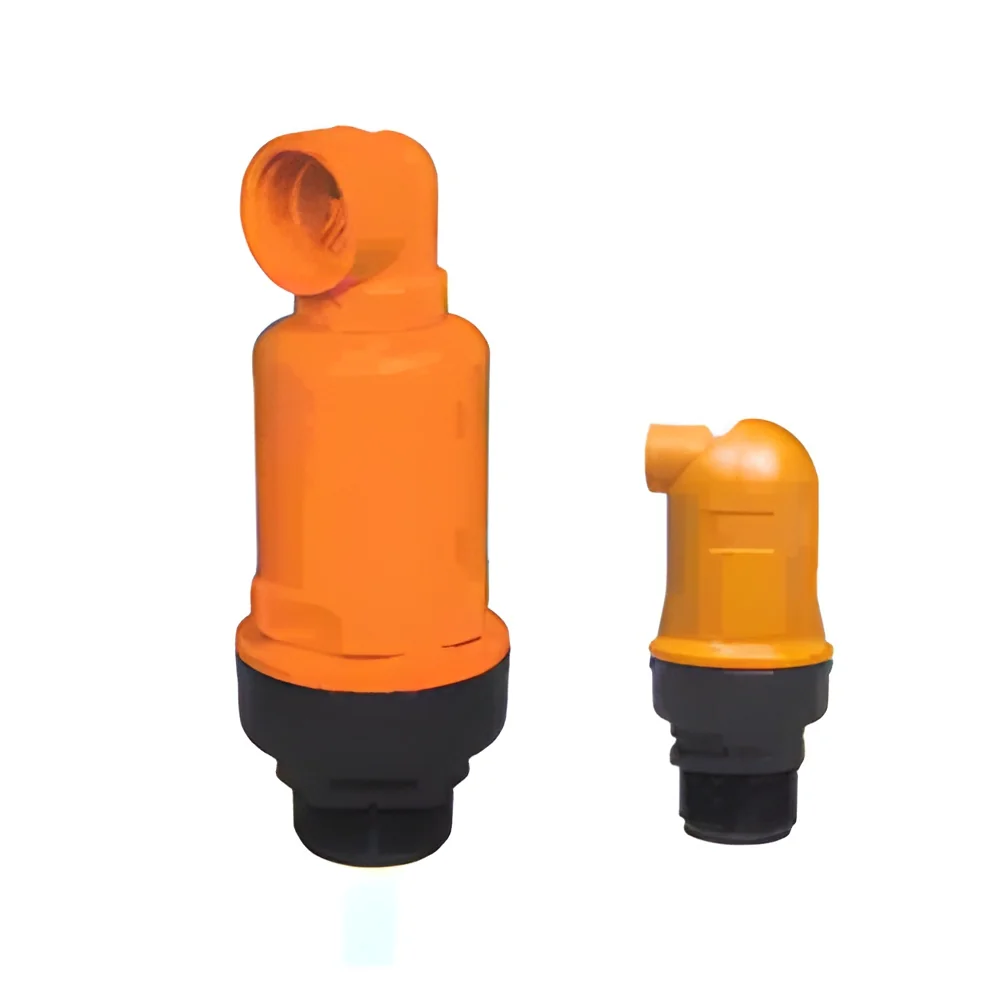
Pressure Relief Valves
16 products available
What are Pressure Relief Valves?
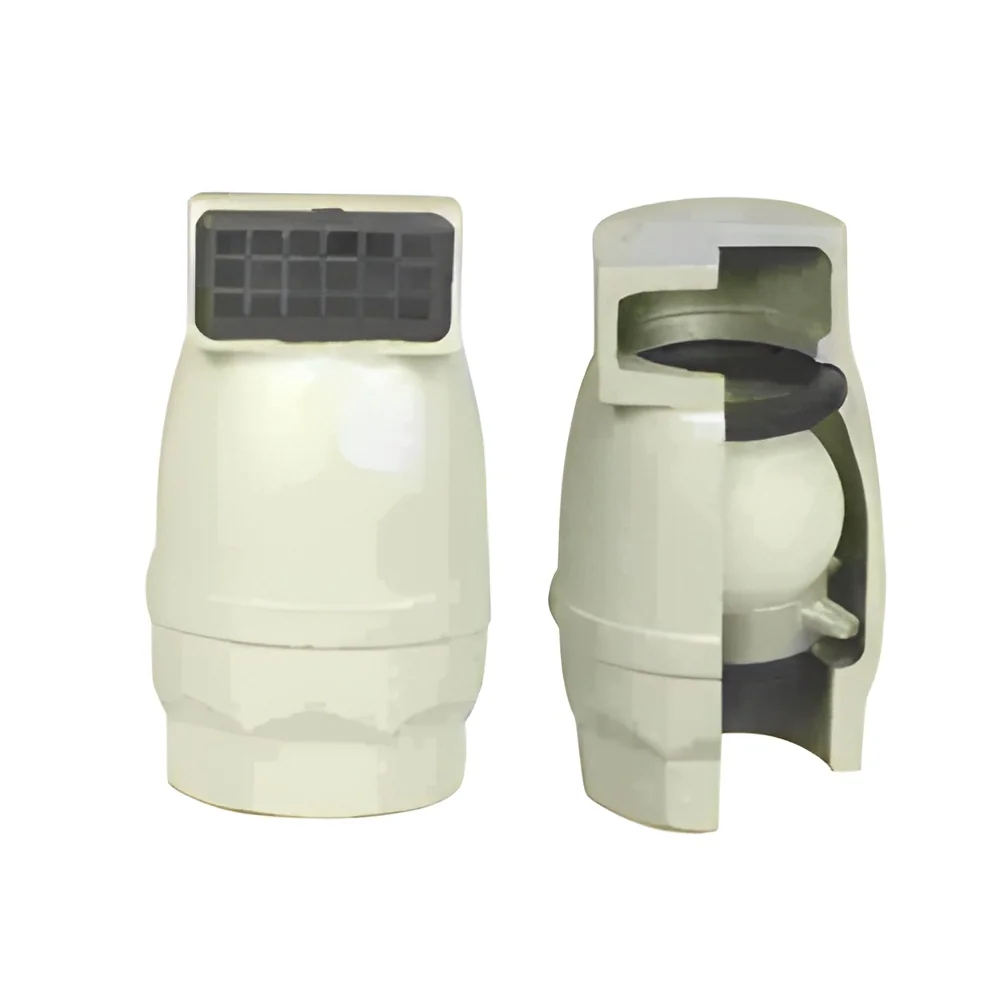
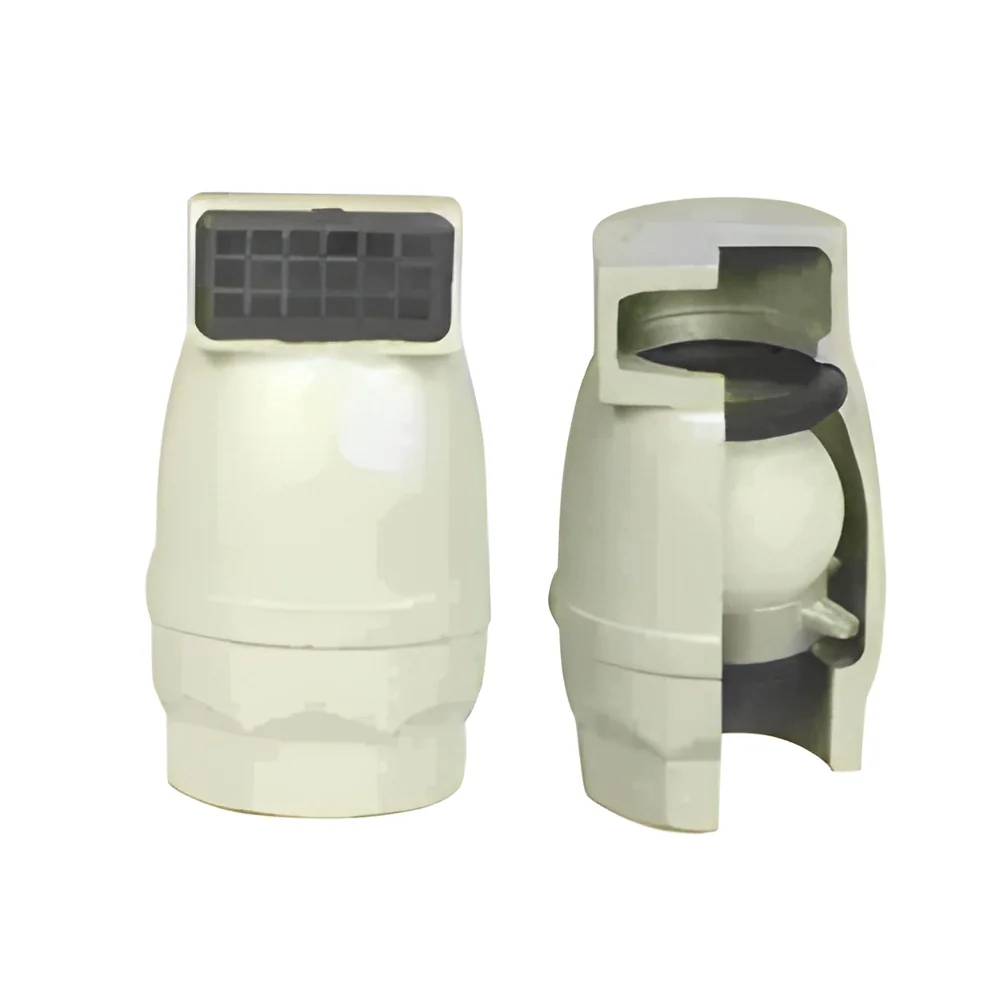
Pressure relief valves are critical safety devices used in various industrial applications to prevent overpressure in systems. They function by automatically releasing excess pressure when it reaches a predetermined level, ensuring the safety and integrity of equipment. These valves are essential in maintaining safe operating conditions, protecting both personnel and machinery from potential hazards associated with high pressure.
The primary uses of pressure relief valves include protecting pressure vessels, pipelines, and other equipment from damage. They are commonly found in sectors such as oil and gas, chemical processing, pharmaceuticals, and water treatment. By ensuring that pressure levels remain within safe limits, these valves play a vital role in preventing catastrophic failures and maintaining operational efficiency. As industries continue to prioritize safety and compliance, the demand for reliable pressure relief valves has increased significantly.
In the current market context, pressure relief valves are subject to various regulations and quality standards, which further emphasize their importance. With advancements in technology, manufacturers are continuously improving the design and functionality of these valves, making them more efficient and reliable. As industries evolve, the role of pressure relief valves becomes increasingly significant in ensuring both safety and efficiency.
Key Features and Specifications
Pressure relief valves are designed with several key features that enhance their functionality and reliability. Understanding these specifications is crucial for selecting the right valve for specific applications.
Key specifications include:
1. Set Pressure
- This is the predetermined pressure at which the valve opens to release excess pressure.
- Typically ranges from 10 psi to 3000 psi, depending on the application.
2. Material of Construction
- The valve can be made from various materials such as stainless steel, brass, or plastic.
- Selection depends on the application environment and the type of fluid being processed.
3. Connection Type
- Common connection types include threaded, flanged, and welded options.
- The choice of connection type should align with the existing piping system.
4. Flow Capacity
- The flow capacity indicates the maximum flow rate the valve can handle when open.
- Measured in GPM (gallons per minute) or L/min (liters per minute).
5. Temperature Range
- Valves are rated for different temperature ranges based on their design and materials.
- Typical ranges may vary from -20°F to 450°F.
6. Certification
- Many pressure relief valves are certified to meet industry standards such as CE.
- Certification ensures compliance with relevant safety and performance criteria.
7. Maintenance Requirements
- Some valves require regular maintenance to ensure optimal performance.
- Maintenance intervals can vary based on usage and environmental conditions.
8. Size Options
- Pressure relief valves come in various sizes to accommodate different applications.
- Sizing is crucial for ensuring proper fit and function within the system.
In summary, understanding the features and specifications of pressure relief valves is essential for making informed purchasing decisions. These specifications help ensure that the chosen valve meets the specific needs of the application while maintaining safety and efficiency.
Common Applications and Use Cases
Pressure relief valves are utilized across a wide range of industries due to their vital role in safety and pressure control.
1. Oil and Gas: In this industry, pressure relief valves protect drilling and production equipment from overpressure situations, ensuring safe operation in potentially hazardous environments.
2. Chemical Processing: These valves are essential in chemical plants to prevent overpressure in reactors and storage tanks, safeguarding both the facility and its workers.
3. Pharmaceuticals: In pharmaceutical manufacturing, pressure relief valves maintain safe conditions in processes involving volatile substances, ensuring product quality and safety.
4. Water Treatment: Pressure relief valves are used in water treatment facilities to manage pressure in pipelines and treatment systems, preventing leaks and equipment damage.
5. HVAC Systems: In heating, ventilation, and air conditioning systems, these valves help regulate pressure, ensuring efficient operation and preventing equipment failure.
6. Food and Beverage: Pressure relief valves are vital in food processing to maintain safe pressure levels in sterilization equipment and storage tanks, ensuring product safety.
7. Power Generation: In power plants, these valves protect boilers and other equipment from overpressure, contributing to overall plant safety and efficiency.
Product Variants and Subcategories
Pressure relief valves come in various designs and configurations to meet diverse application needs. This diversity allows businesses to choose the most suitable variant for their specific requirements.
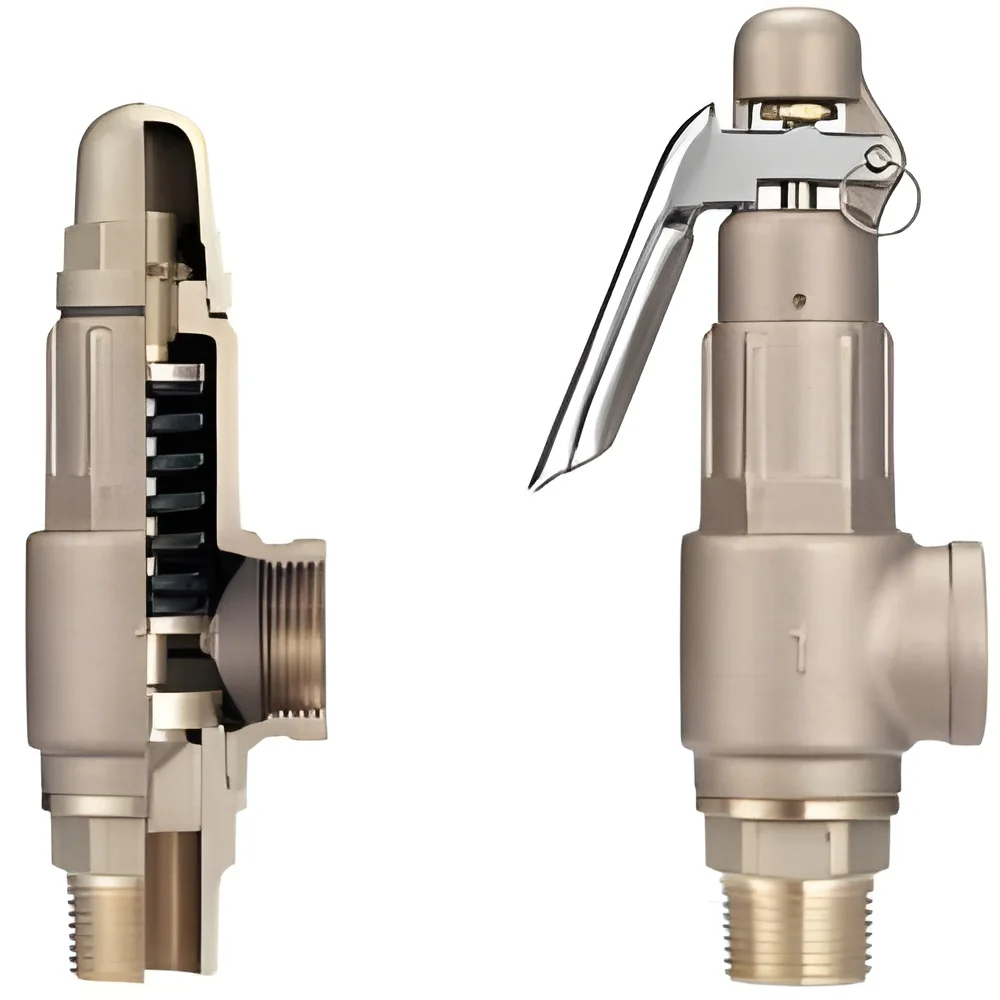
Spring-Loaded Pressure Relief Valves: These valves utilize a spring mechanism to open and close based on set pressure levels. They are widely used due to their reliability and simplicity, making them ideal for a range of industrial applications.
Pilot-Operated Pressure Relief Valves: These valves use a pilot mechanism to control the main valve's opening and closing. They offer high flow capacity and precision, making them suitable for applications requiring tight pressure control.
Safety Relief Valves: Designed specifically for safety applications, these valves provide immediate relief in case of overpressure, ensuring the protection of critical equipment and personnel.
Balanced-Bellows Pressure Relief Valves: These valves feature a bellows design that reduces the effect of back pressure on the set pressure. They are ideal for applications where upstream pressure may fluctuate.
Benefits and Advantages
Utilizing pressure relief valves offers numerous benefits to businesses and industries.
Key benefits include:
1. Enhanced Safety: Pressure relief valves play a crucial role in preventing equipment failure and protecting personnel from dangerous overpressure situations.
2. Regulatory Compliance: Many industries are required to adhere to strict safety regulations. Pressure relief valves help companies meet these compliance standards.
3. Improved System Efficiency: By maintaining optimal pressure levels, these valves contribute to the overall efficiency of industrial systems.
4. Reduced Maintenance Costs: Implementing pressure relief valves can minimize the risk of equipment damage, leading to lower maintenance and repair costs.
5. Increased Equipment Lifespan: By protecting against overpressure, these valves help extend the life of machinery and systems, ensuring long-term reliability.
6. Versatility: Pressure relief valves are available in various designs and specifications, making them suitable for a wide range of applications across multiple industries.
Buying Guide for B2B Buyers
When sourcing pressure relief valves for your business, several factors should be considered to ensure you make the right choice.
1. Quality Assessment: Evaluate the quality of the valves by checking for certifications and material specifications. High-quality valves are essential for reliable performance and safety.
2. Supplier Verification: Conduct thorough research on potential suppliers. Verify their reputation, experience, and customer reviews to ensure they deliver reliable products.
3. Pricing and MOQ: Consider the pricing of the valves and the minimum order quantity (MOQ) required by suppliers. Compare quotes from different vendors to find the best value.
4. Delivery and Lead Times: Assess the delivery options and lead times offered by suppliers. Timely delivery is crucial for maintaining project schedules and operational efficiency.
5. Compliance Requirements: Ensure that the valves meet the necessary compliance and safety standards relevant to your industry. This is vital for avoiding regulatory issues and ensuring safe operation.
Compliance and Certifications
Pressure relief valves are subject to various compliance and certification standards that ensure their safety and effectiveness in industrial applications.
Many manufacturers adhere to quality management standards such as ISO 9001, which outlines requirements for a quality management system. This certification indicates that a company maintains consistent quality in its products and services.
Additionally, some pressure relief valves may carry industry certifications such as CE, demonstrating compliance with European safety standards. These certifications provide assurance that the valves have undergone rigorous testing and meet necessary performance requirements.
Safety testing is also a critical aspect of pressure relief valve production. These valves must undergo rigorous evaluations to ensure they can operate safely under specified conditions. Testing often includes assessments of pressure settings, flow rates, and durability.
Finally, regional compliance considerations may affect the selection of pressure relief valves. Different regions may have specific regulations governing the design and performance of these valves, making it essential for buyers to be aware of local requirements.
Why Source Pressure Relief Valves from Pepagora?
Pepagora provides a trusted platform for sourcing pressure relief valves, offering several key advantages to businesses.
Verified Supplier Network: Pepagora has established a rigorous supplier verification process, ensuring that all listed suppliers meet high standards of quality and reliability. This gives buyers confidence in their purchasing decisions.
Streamlined RFQ Process: The platform features a streamlined Request for Quotation (RFQ) system, allowing buyers to easily request quotes from multiple suppliers. This simplifies the procurement process and helps businesses find the best deals.
Trade Assurance and Support: Pepagora offers trade assurance programs that protect buyers throughout the purchasing process. This includes support for resolving disputes and ensuring timely delivery of products.
Regional Coverage: With a strong presence in India, the GCC, and Southeast Asia, Pepagora provides extensive regional coverage. This allows buyers to access a diverse range of pressure relief valves suited to their specific market needs.
In conclusion, when sourcing pressure relief valves, partnering with Pepagora ensures a reliable and efficient procurement experience, backed by a network of verified suppliers and comprehensive support.


 India
 India
 India
 India
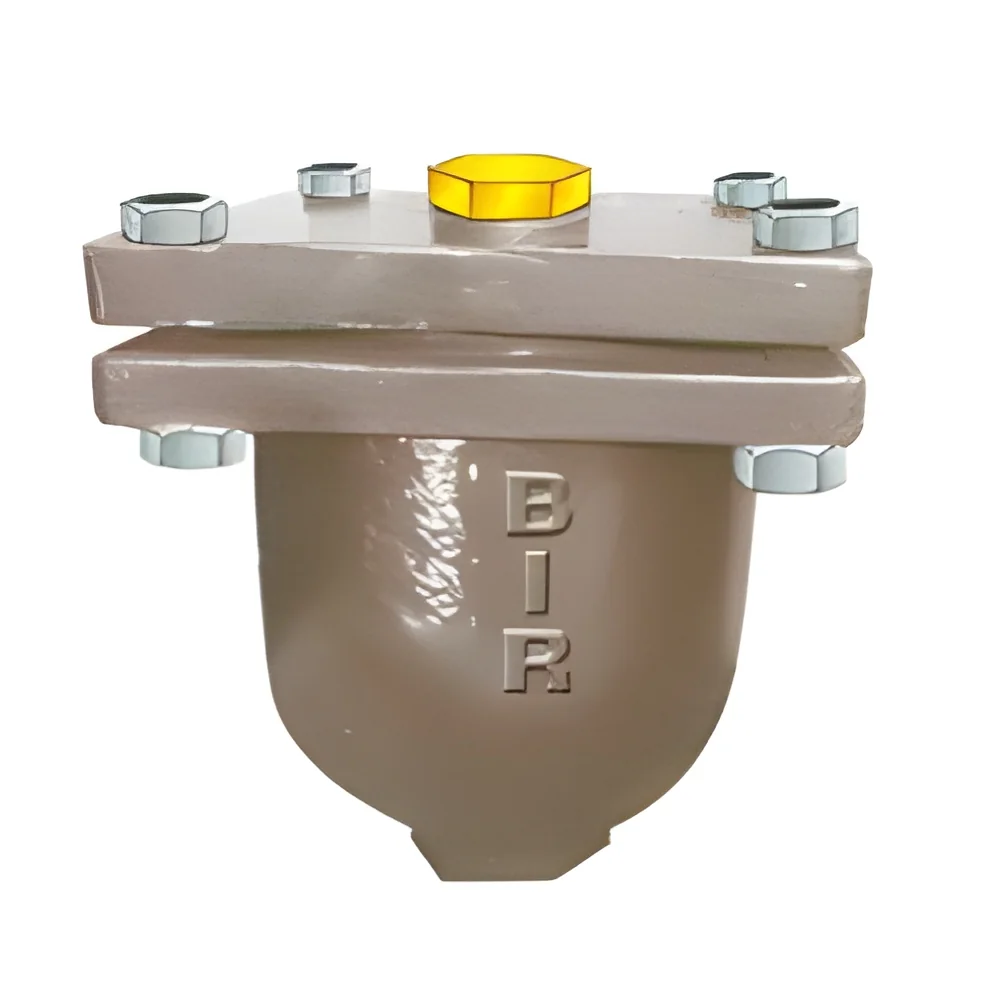 India
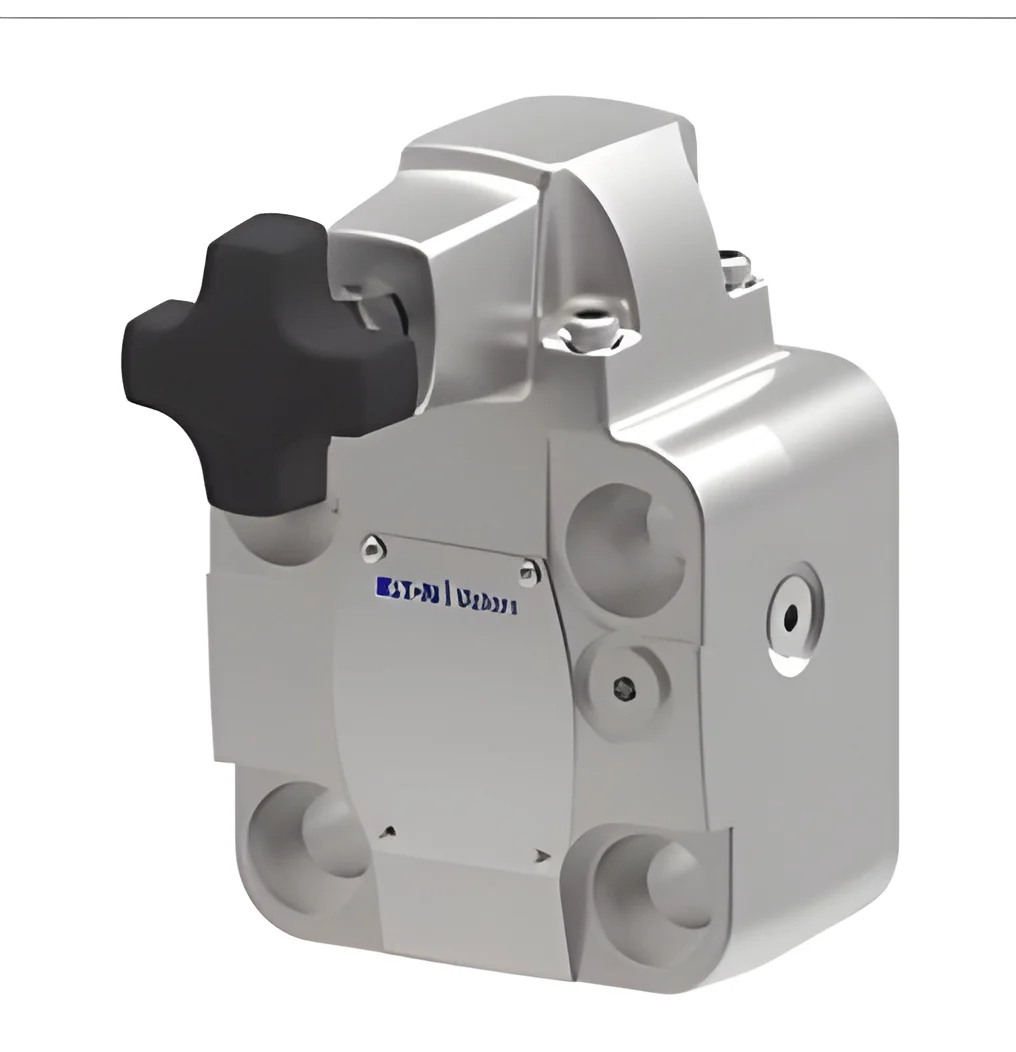 India
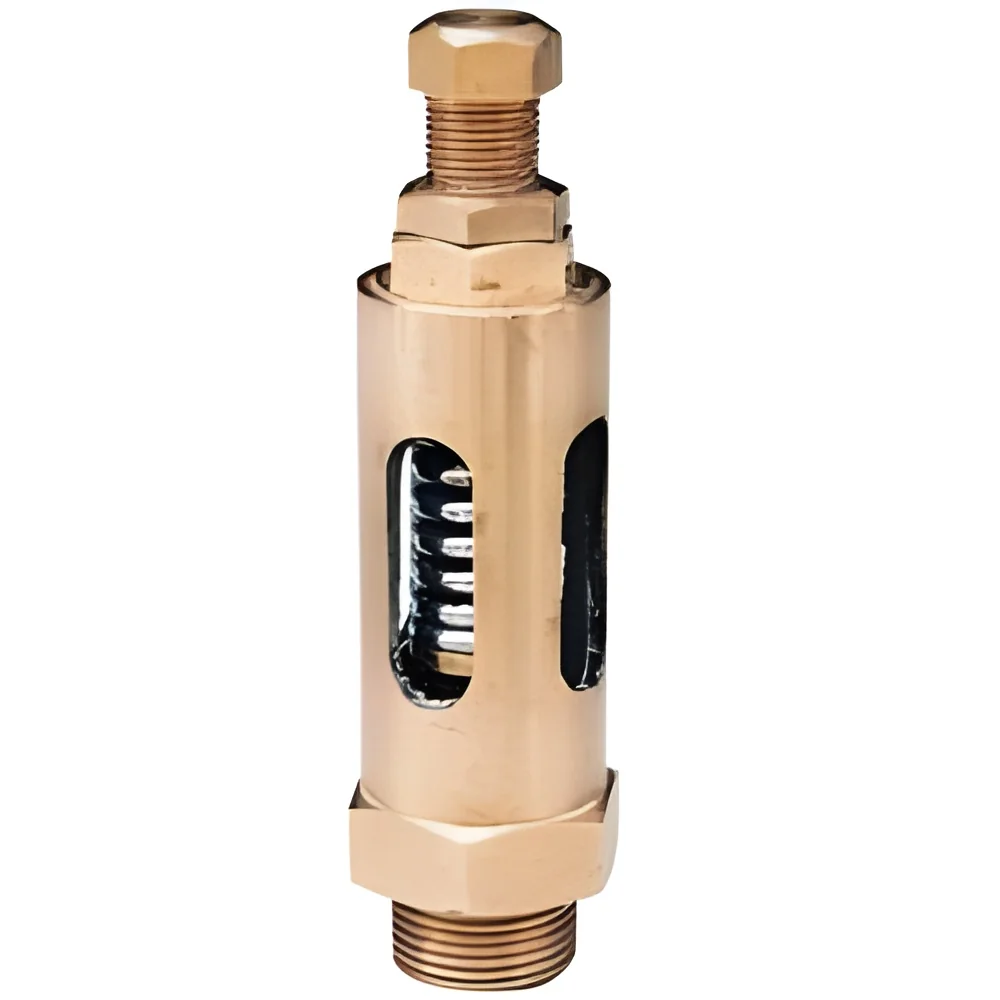
 India


Frequently Asked Questions
What are Pressure Relief Valves?
Pressure Relief Valves are safety devices designed to control or limit the pressure in a system by releasing excess pressure. They prevent potential damage to equipment and ensure safe operation by allowing fluid to escape when pressure exceeds a predetermined level.
What are the different types of Pressure Relief Valves?
There are several types of Pressure Relief Valves, including spring-loaded, pilot-operated, and rupture disk valves. Each type operates based on different mechanisms and is suited for various applications depending on the required pressure range and fluid characteristics.
How do I choose the right Pressure Relief Valves?
Choosing the right Pressure Relief Valve involves considering factors such as the system pressure, the type of fluid, and the maximum allowable pressure. Additionally, understanding the application environment and ensuring compatibility with existing equipment are crucial for effective selection.
What are the standard specifications for Pressure Relief Valves?
Standard specifications for Pressure Relief Valves include pressure rating, temperature range, and flow capacity. Other specifications may involve material compatibility, connection types, and compliance with industry standards such as ASME or API.
What is the price range for Pressure Relief Valves?
The price range for Pressure Relief Valves can vary significantly based on type, size, and material. Generally, prices can range from a few hundred to several thousand Indian Rupees, depending on the specifications and manufacturer.
What quality standards apply to Pressure Relief Valves?
Quality standards for Pressure Relief Valves often include adherence to ASME, API, and ISO certifications. These standards ensure the valves meet safety and performance criteria, providing reliability and durability in their applications.
Where can I find Pressure Relief Valves suppliers in India?
You can find Pressure Relief Valves suppliers in India through online B2B marketplaces like Pepagora, industry trade shows, and local industrial supply companies. Researching supplier reviews and credentials can also help identify reliable manufacturers.
Can Pressure Relief Valves be customized?
Yes, many manufacturers offer customization options for Pressure Relief Valves to meet specific application requirements. Customizations can include modifications in size, pressure settings, materials, and connection types.
What is the typical minimum order quantity for Pressure Relief Valves?
The typical minimum order quantity (MOQ) for Pressure Relief Valves can vary by supplier, often ranging from 5 to 50 units. It is advisable to check with individual suppliers for their specific MOQ policies.
What is the typical lead time for Pressure Relief Valves?
The typical lead time for Pressure Relief Valves can vary based on the supplier and the complexity of the order, usually ranging from 2 to 6 weeks. Custom orders may take longer, so it is important to communicate with suppliers regarding timelines.
Why Businesses Trust Pepagora
Thousands of companies trust Pepagora to source smarter and sell faster
Expand Your Sales Globally

Source Smarter,Grow Faster
