IN
IN₹
Apparel & Fashion
Description
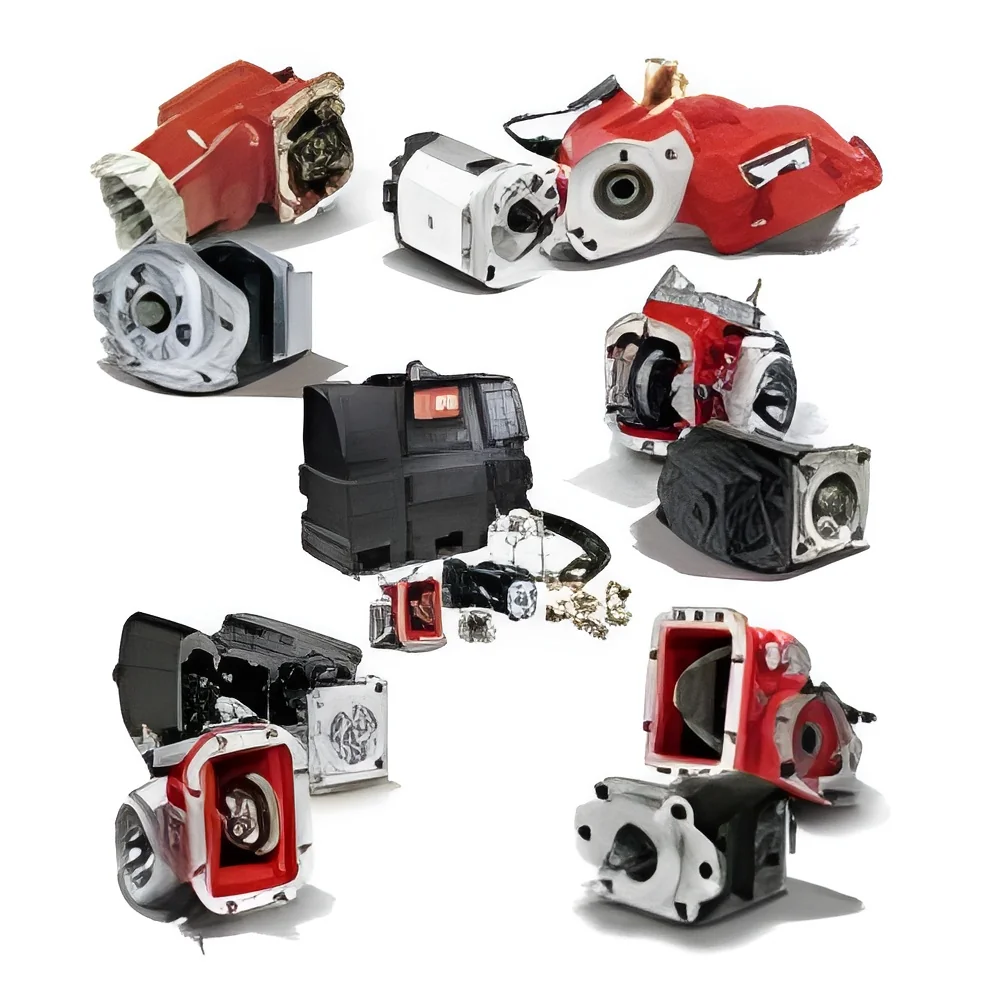
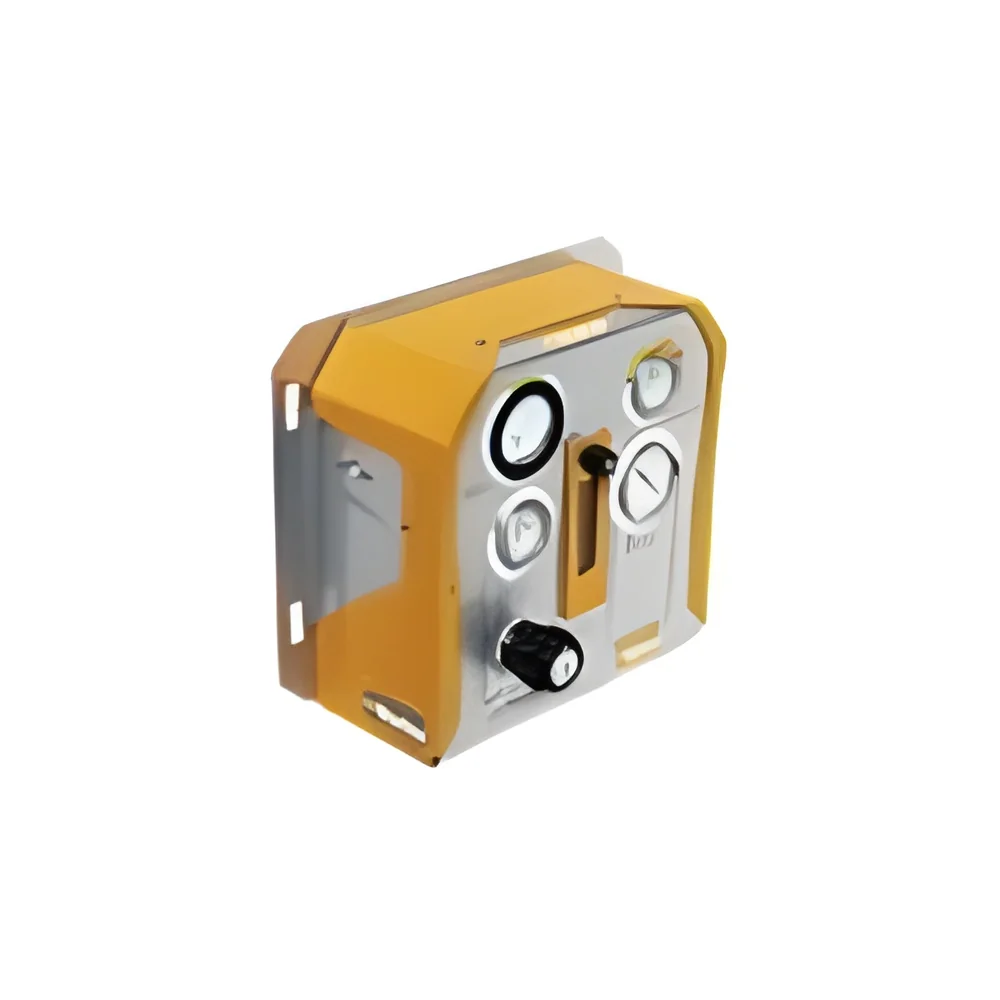
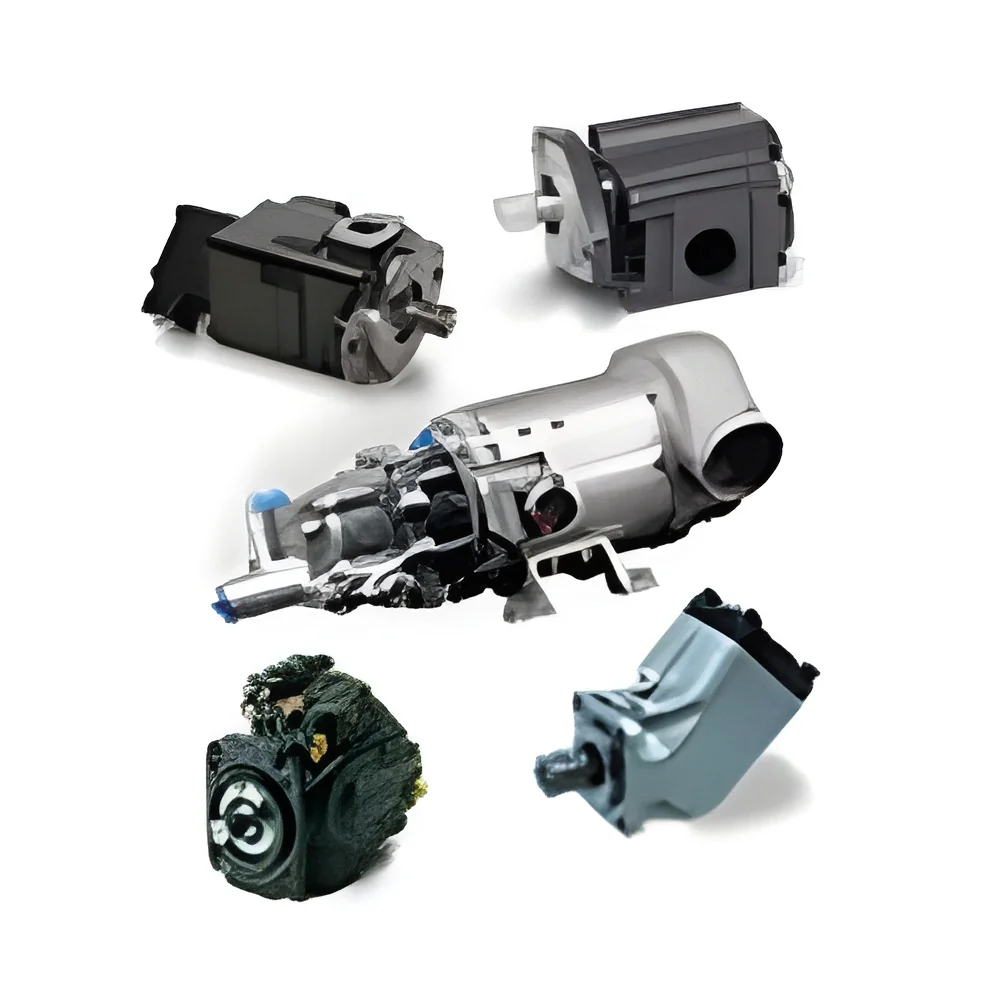
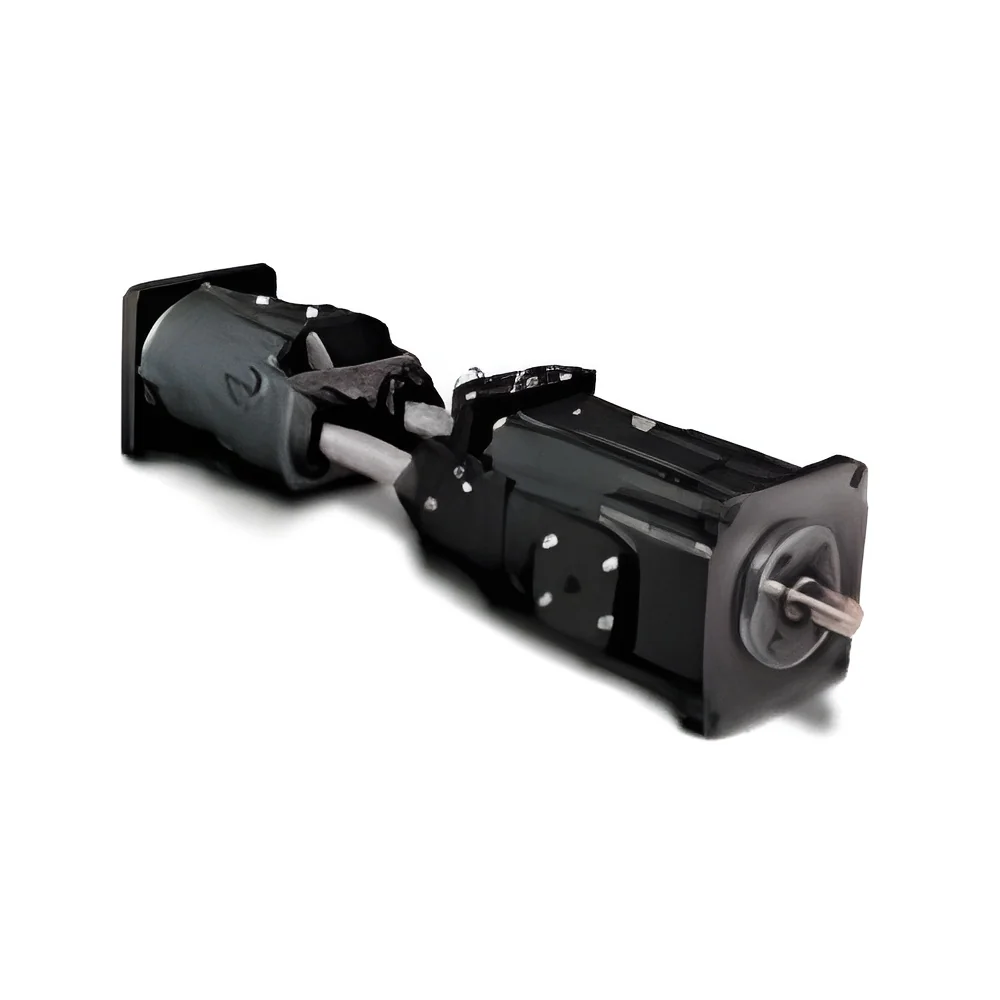
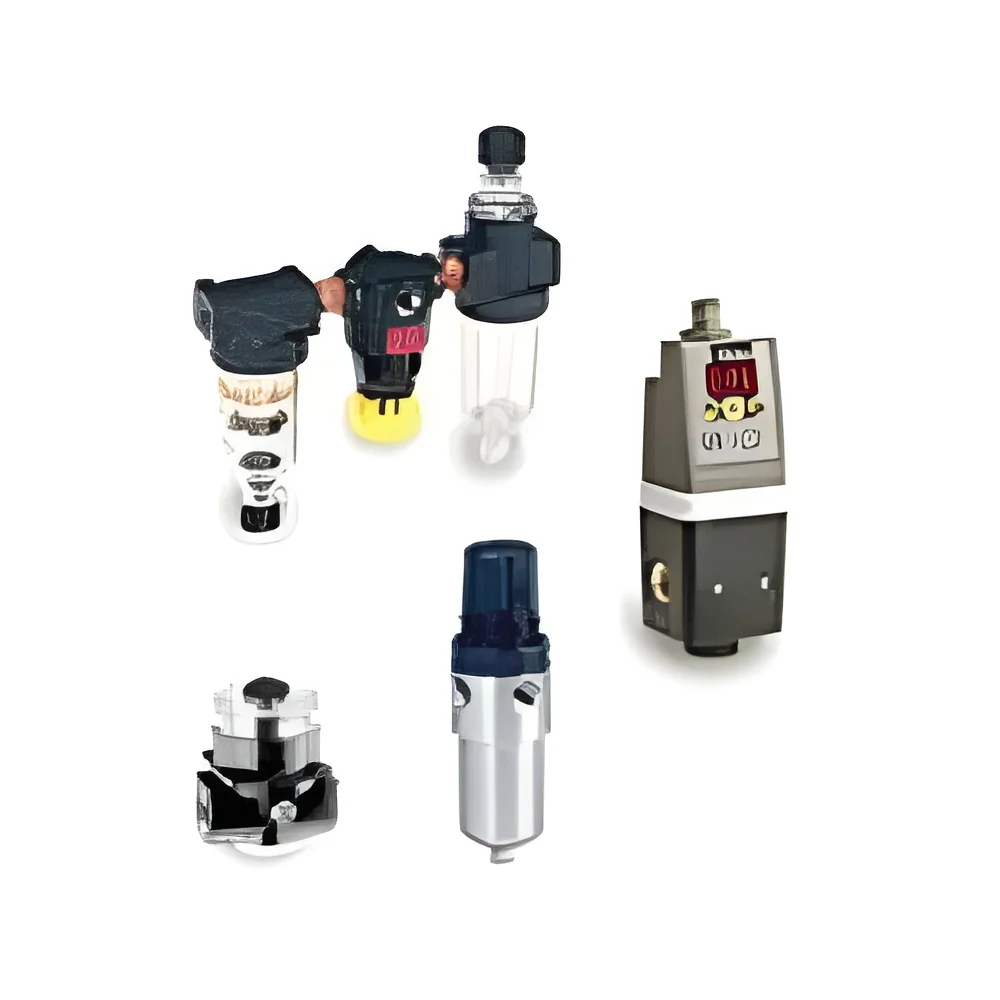
Industrial air preparation units are engineered to condition compressed air, transforming it into a clean, dry, and precisely regulated utility for pneumatic systems. Acting as a vital intermediary between the compressor and end-use equipment, these units combine filtration, regulation, and lubrication functions. They effectively strip away harmful contaminants—including water vapor, oil aerosols, and solid particles—that can cause corrosion, clog valves, and degrade seals. By delivering optimal air quality, they ensure that pneumatic tools, actuators, and machinery operate at peak efficiency, with reduced friction and minimized wear. This foundational protection is essential for maintaining system integrity, preventing costly breakdowns, and achieving consistent output in industrial settings where air power drives productivity.

These units are indispensable across a spectrum of heavy industries and precision applications. In manufacturing and automotive plants, they are deployed on a...
Industrial air preparation units are engineered to condition compressed air, transforming it into a clean, dry, and precisely regulated utility for pneumatic systems. Acting as a vital intermediary between the compressor and end-use equipment, these units combine filtration, regulation, and lubrication functions. They effectively strip away harmful contaminants—including water vapor, oil aerosols, and solid particles—that can cause corrosion, clog valves, and degrade seals. By delivering optimal air quality, they ensure that pneumatic tools, actuators, and machinery operate at peak efficiency, with reduced friction and minimized wear. This foundational protection is essential for maintaining system integrity, preventing costly breakdowns, and achieving consistent output in industrial settings where air power drives productivity.

These units are indispensable across a spectrum of heavy industries and precision applications. In manufacturing and automotive plants, they are deployed on assembly lines to power robotics, clamping devices, and automated tools, ensuring repeatable motion and force. The food and beverage sector relies on them to provide oil-free, contaminant-free air for mixing, conveying, and packaging processes, adhering to strict hygiene standards. Pharmaceutical and electronics manufacturing utilize them to protect sensitive production environments from particulate contamination. Similarly, in woodworking, metal fabrication, and general plant maintenance, they extend the life of pneumatic grinders, nailers, and drills by supplying clean, lubricated air, proving their versatility as a core component of industrial infrastructure.

Investing in high-quality air preparation units delivers tangible business value through enhanced operational reliability and reduced total cost of ownership. Their primary benefit is safeguarding expensive downstream equipment, leading to fewer interruptions, lower spare part consumption, and decreased maintenance labor. A reliable air supply ensures production schedules are met consistently, improving overall equipment effectiveness (OEE). Built with industrial-grade materials like corrosion-resistant bodies and precision-machined components, these units are designed for longevity and stable performance under demanding conditions. This reliability translates into predictable operations, allowing businesses to focus on core production goals with confidence, making them a strategic asset for any operation dependent on pneumatic power.

Key Features:
- Integrated design combining essential filtration, pressure regulation, and lubrication in a single, compact unit.
- High-efficiency coalescing filters that remove water, oil, and solid particulates down to micron levels for superior air purity.
- Precision pressure regulators with gauges for accurate adjustment and monitoring, ensuring stable output pressure.
- Robust construction using corrosion-resistant metals and polymers to withstand harsh industrial environments.
- User-centric design featuring easy-to-service elements like bowl guards, manual drains, and clear visual indicators for maintenance.

Benefits:
- Extends the operational lifespan of pneumatic tools, cylinders, and valves by preventing corrosion and abrasive wear.
- Improves production consistency and product quality by ensuring reliable, contaminant-free air for sensitive processes.
- Reduces energy consumption and operational costs by maintaining optimal system pressure and minimizing air leaks.
- Lowers maintenance frequency and costs by protecting downstream equipment from damage caused by dirty or wet air.
- Enhances overall system safety and reliability, minimizing unplanned downtime and supporting continuous production flow.
Specifications
| Additional Information | |
|---|---|
| Country of Origin | India |
Application
Industrial air preparation units are critical for maintaining compressed air quality across demanding operations. They systematically remove contaminants like moisture, oil, and particulates while precisely regulating pressure. This process protects sensitive pneumatic components, ensures consistent tool performance, and significantly reduces unplanned downtime and maintenance costs in continuous production environments.
These systems serve as the frontline defense for pneumatic networks in diverse sectors. From automotive assembly lines to food processing plants, they provide the clean, dry air required for reliable automation, precise control, and product quality assurance. Their robust design allows seamless integration into existing setups, safeguarding investments in machinery and supporting efficient, trouble-free operation day after day.
- Ensuring consistent air quality for pneumatic actuators and cylinders in automated manufacturing cells.
- Protecting spray painting and coating systems from moisture and oil to achieve flawless finishes.
- Providing clean, regulated air to control valves and instruments in packaging and bottling machinery.
- Supporting the operation of CNC machines and pneumatic tools by preventing internal corrosion and wear.
- Maintaining contaminant-free air for material handling systems and conveyor controls in logistics hubs.
Trade Details
| Available Stock | In Stock |
| Sample Availability | No |
Payment Terms
| Payment Terms |
|
Company Profile
Anshul Automation, Gujarat
 Gujarat, India
Gujarat, IndiaIndustrial Equipment & Machinery•Trading Company•Importer / Exporter
Factory Details
Factory Size1000-5000 sqm
Annual Production Capacity0
Main Markets
North America
Oceania
Northern Europe
South America
Mid East
Southern Europe
Eastern Europe
Eastern Asia
South Asia
Southeast Asia
Western Europe
Africa
Central America
Domestic
Industrial Air Preparation Units For Clean, Dry, Regulated Compressed Air
Industrial air preparation units deliver clean, dry, regulated compressed air for pneumatic systems. Enhance equipment performance and lifespan with reliable filtration, pressure regulation, and lubrication for manufacturing and automation.
Min. Order Quantity: 1 unit
Shipping
Shipping fee and delivery date to be negotiated. Contact supplier now for more details.
Anshul Automation
 Gujarat, India
Gujarat, IndiaIndustrial Equipment & MachineryTrading Company