IN
IN₹
Apparel & Fashion
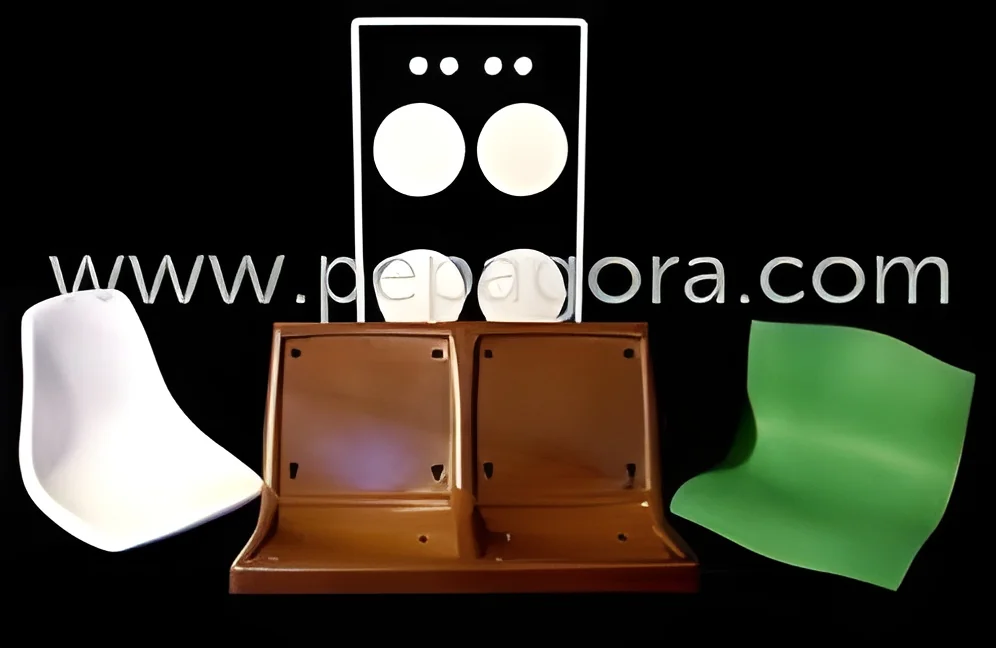
Description
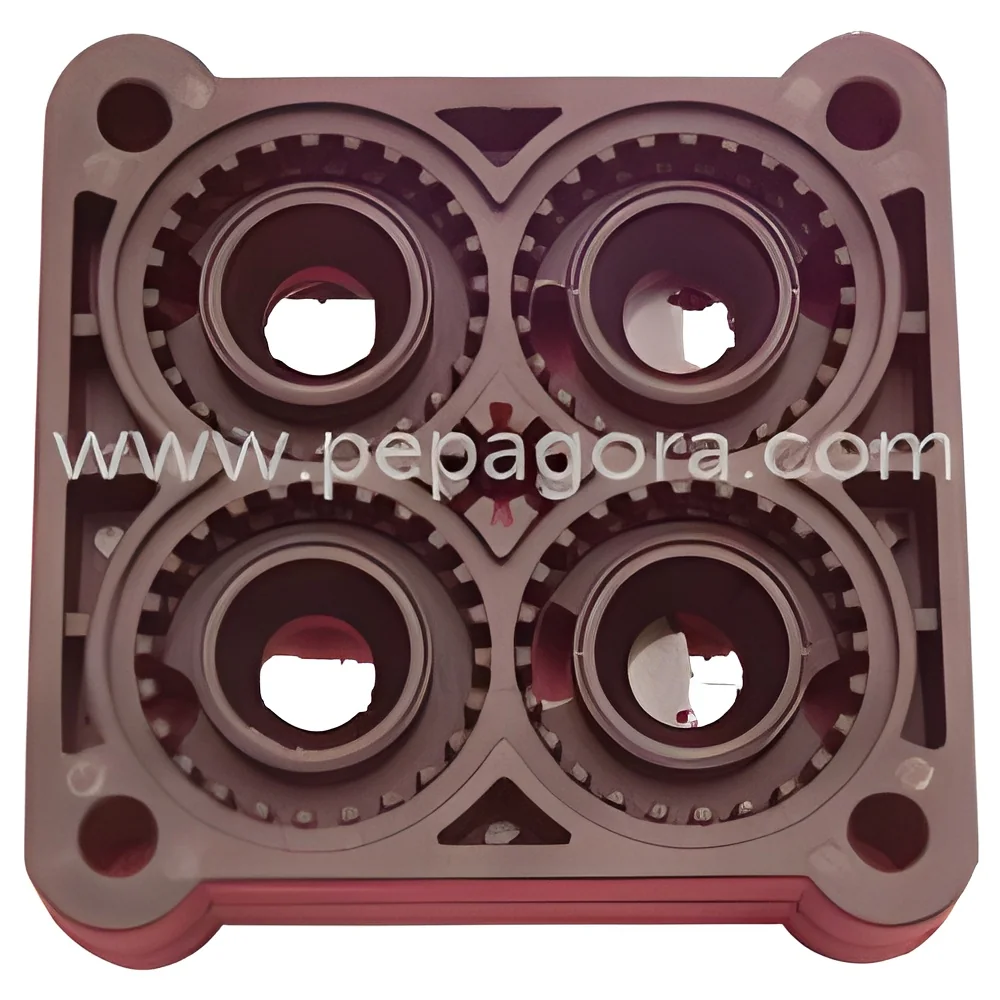
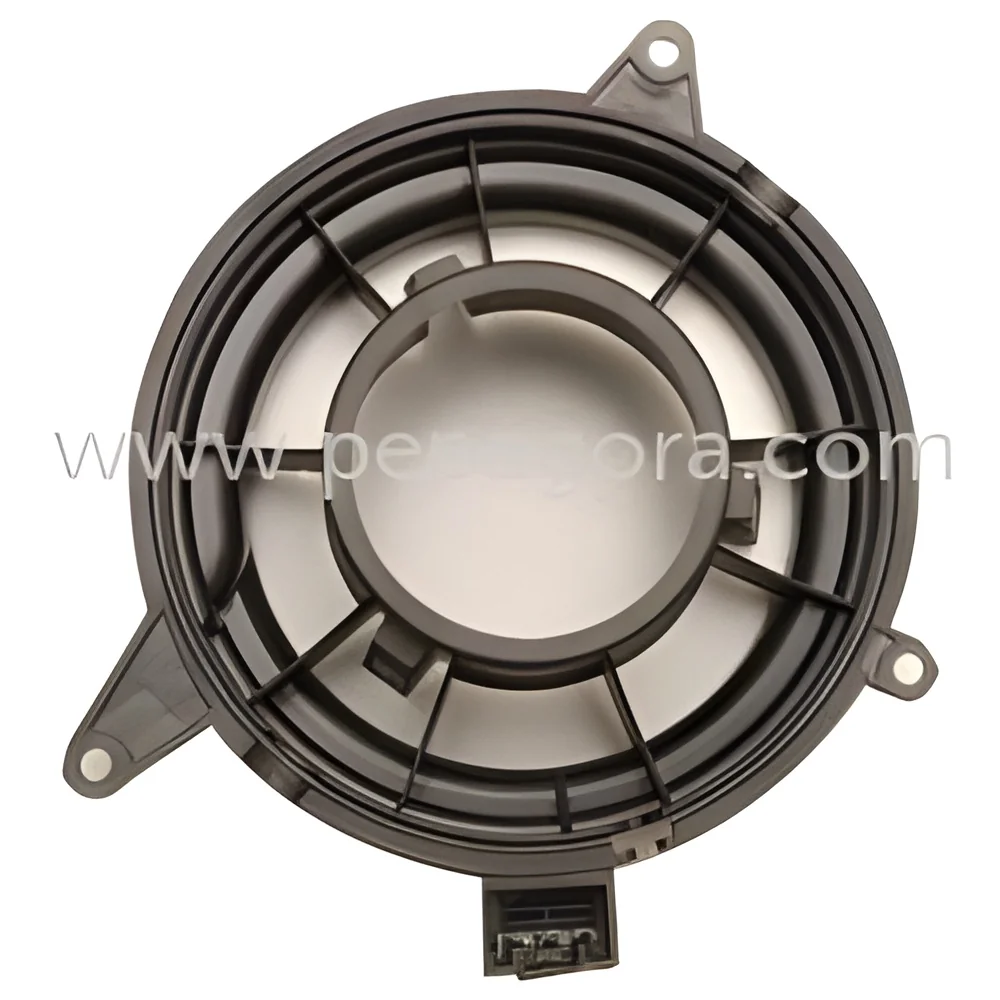
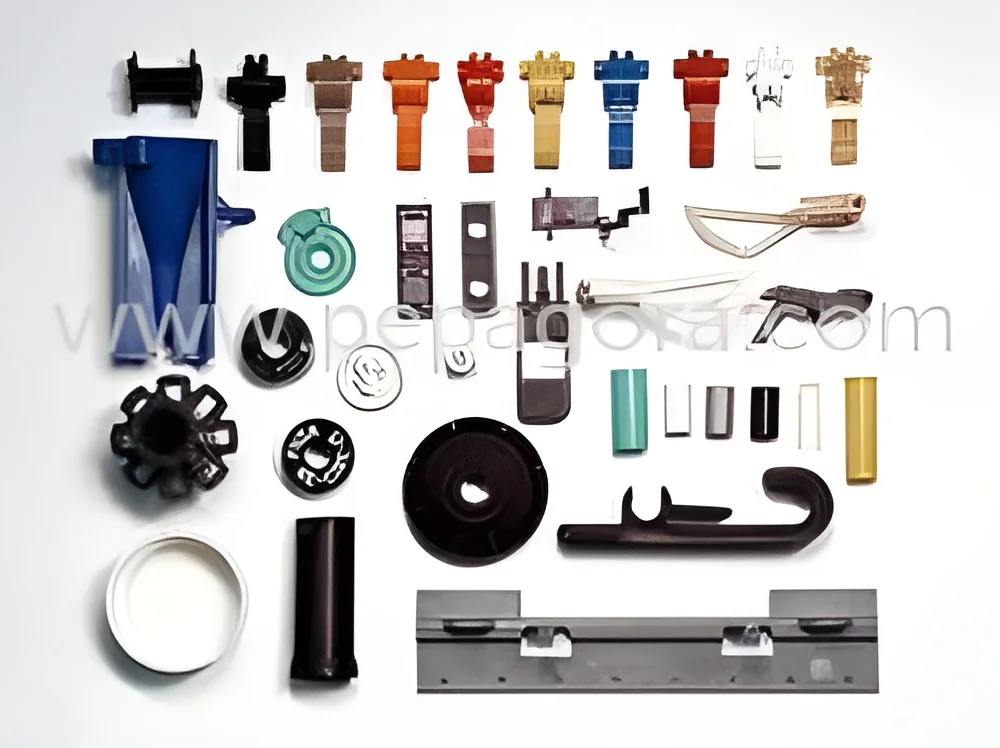
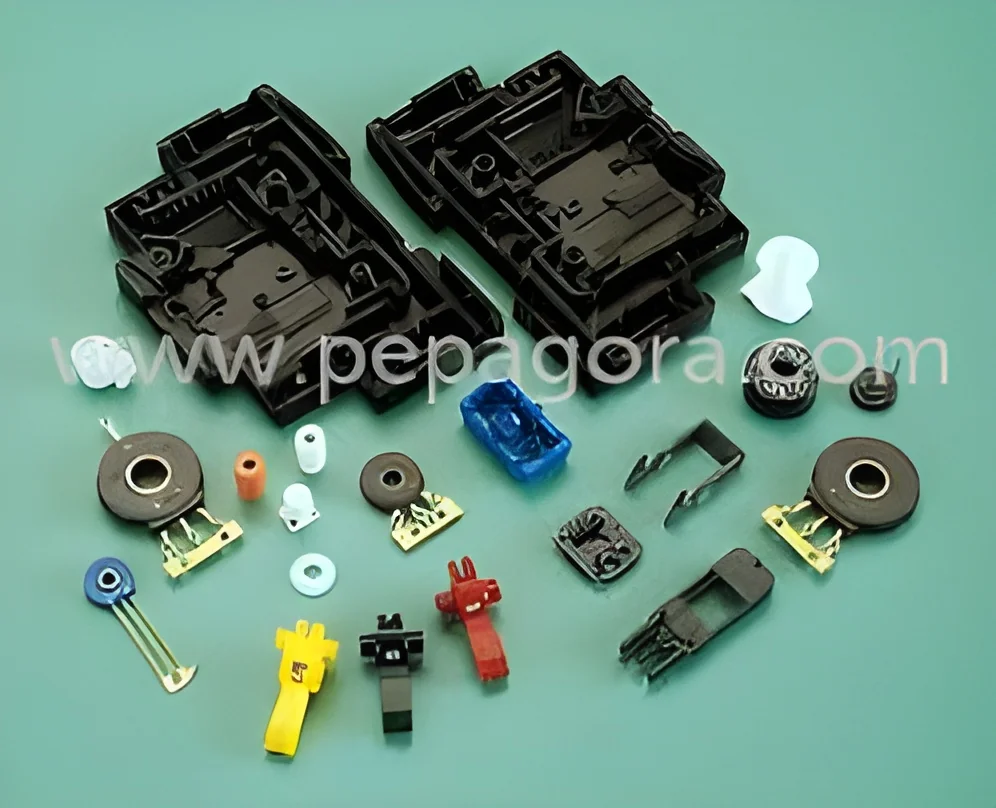
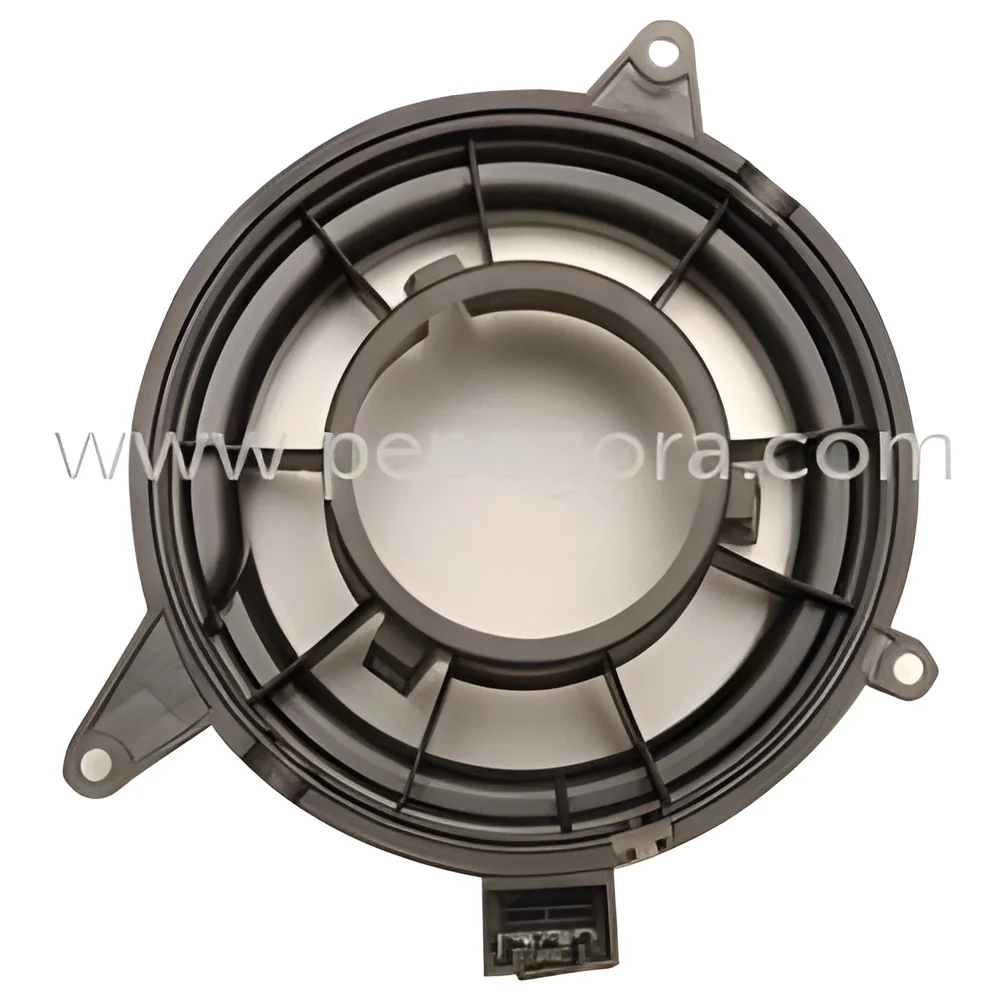
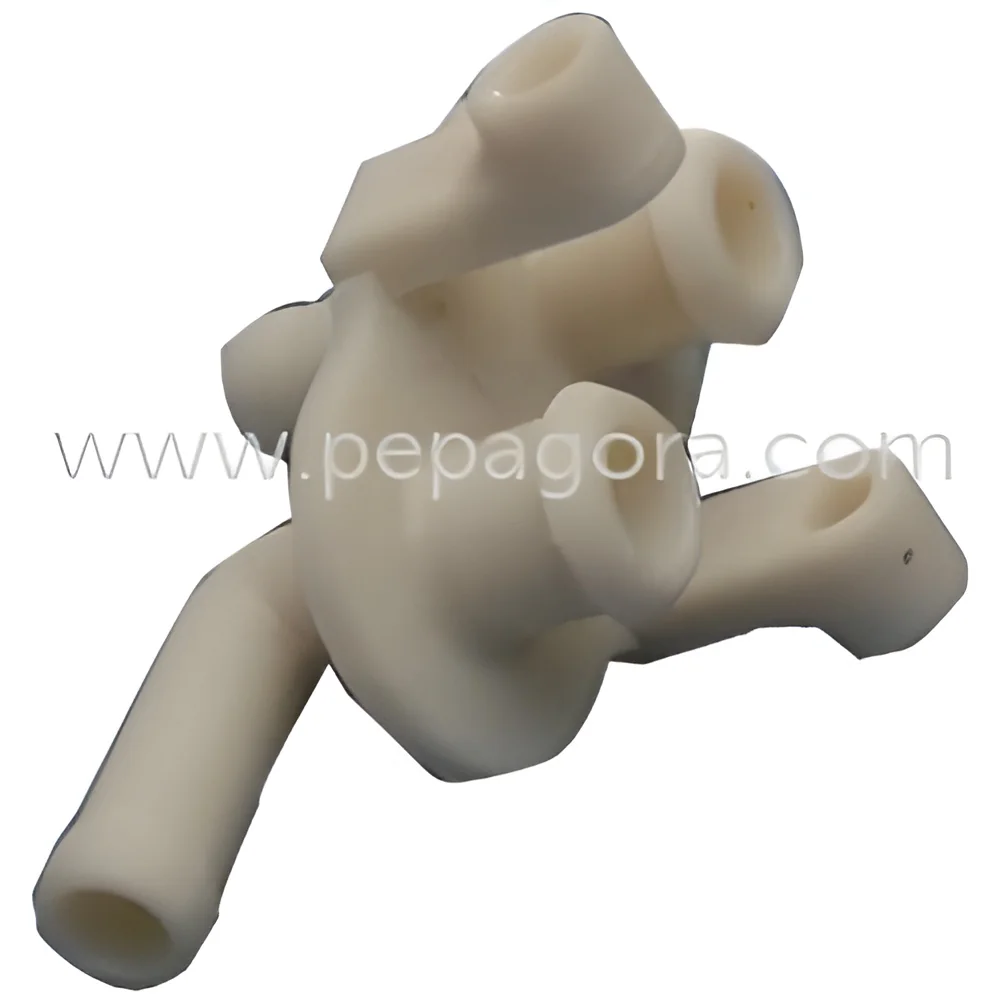
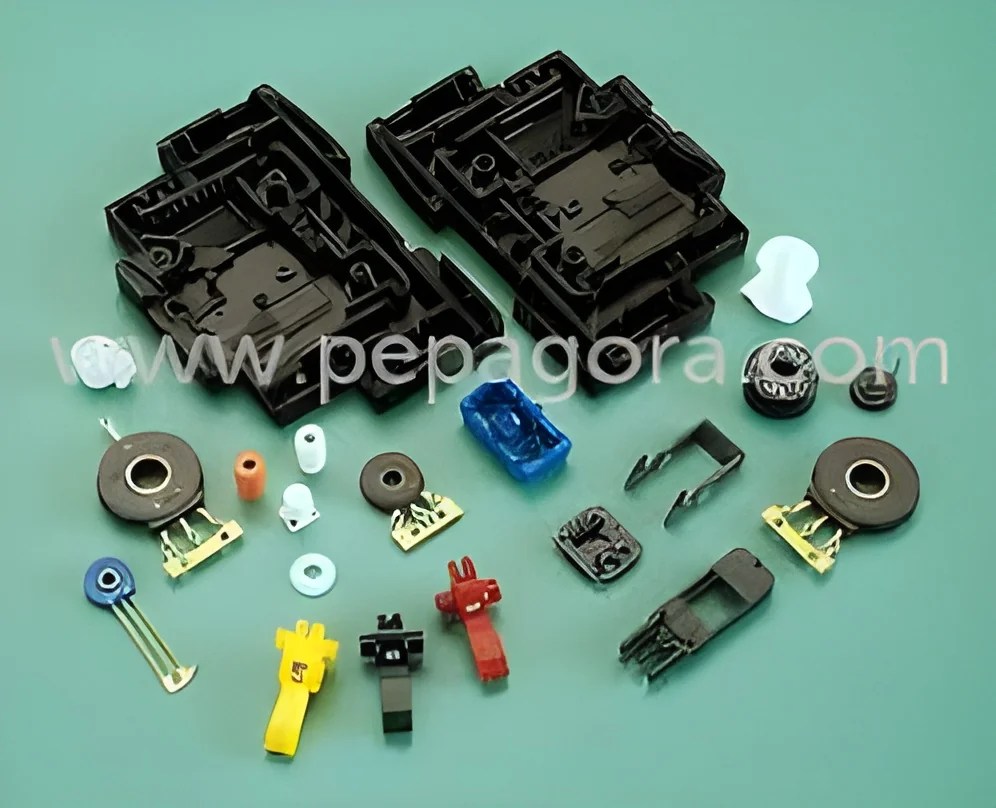
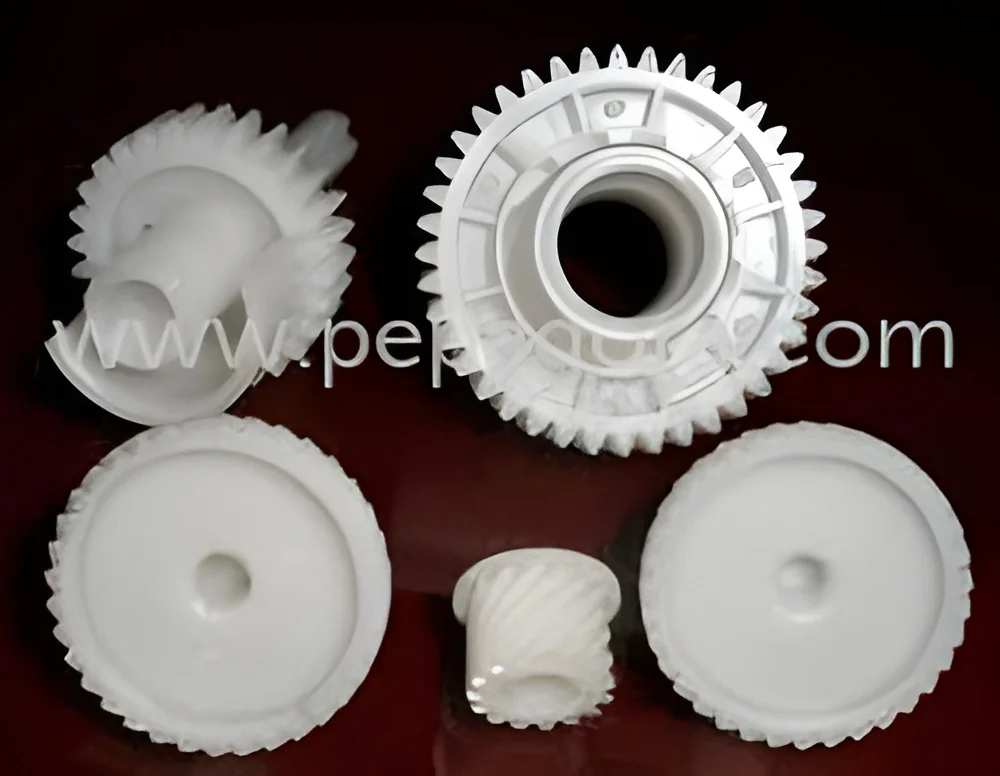
Industrial compression moulding components represent precision-engineered solutions for demanding manufacturing operations. These durable parts are specifically designed to withstand extreme pressure and temperature conditions while maintaining consistent dimensional accuracy. Each component undergoes rigorous quality testing to ensure reliable performance in high-stakes production environments. The precision engineering guarantees seamless integration with existing moulding machinery, providing manufacturers with dependable components that enhance production efficiency and output quality. These parts deliver exceptional value through their robust construction and consistent performance characteristics.

These precision components serve critical functions across multiple industrial sectors. Automotive manufacturers utilize them for producing high-performance gaskets, seals, and under-hood components that meet strict quality standards. Aerospace applications benefit from their capabilit...
Industrial compression moulding components represent precision-engineered solutions for demanding manufacturing operations. These durable parts are specifically designed to withstand extreme pressure and temperature conditions while maintaining consistent dimensional accuracy. Each component undergoes rigorous quality testing to ensure reliable performance in high-stakes production environments. The precision engineering guarantees seamless integration with existing moulding machinery, providing manufacturers with dependable components that enhance production efficiency and output quality. These parts deliver exceptional value through their robust construction and consistent performance characteristics.

These precision components serve critical functions across multiple industrial sectors. Automotive manufacturers utilize them for producing high-performance gaskets, seals, and under-hood components that meet strict quality standards. Aerospace applications benefit from their capability to form composite materials for structural parts requiring exact specifications. Electronics manufacturers rely on them for creating precise insulation components and protective housings. Consumer goods producers implement these components for manufacturing durable plastic parts and household items where consistency and reliability are paramount for mass production requirements.

The business value of these compression moulding components lies in their exceptional reliability and operational efficiency. By minimizing downtime and reducing maintenance needs, they significantly lower total operational costs while improving production output quality. Their durable construction ensures extended service life, decreasing replacement frequency and inventory costs. Manufacturers achieve competitive advantages through consistent part quality, reduced rejection rates, and enhanced production throughput. The components' material compatibility provides manufacturing flexibility, allowing businesses to adapt to evolving market demands without substantial equipment modifications or process changes.

Key Features:
- High-grade materials resistant to extreme pressure conditions
- Precision engineering for consistent dimensional accuracy
- Robust construction for extended operational lifespan
- Temperature resistance maintaining performance stability
- Compatibility with various industrial materials and compounds

Benefits:
- Reduced production downtime through reliable performance
- Lower maintenance costs with durable component construction
- Improved product quality with consistent dimensional accuracy
- Enhanced production efficiency through reliable operation
- Operational flexibility across different material types
Specifications
| Additional Information | |
|---|---|
| Country of Origin | India |
Application
Industrial compression moulding components provide essential precision parts for demanding manufacturing environments. These durable components maintain dimensional stability under high pressure and temperature conditions, ensuring reliable performance across continuous production cycles. Their robust construction handles various materials including rubber, plastics, and composite materials with consistent accuracy and minimal maintenance requirements.
Manufacturers across multiple sectors utilize these precision components for critical production applications. The automotive industry relies on them for engine components and sealing systems, while aerospace applications benefit from their structural integrity. Electronics manufacturers depend on their precision for insulation parts, and consumer goods producers value their consistency for high-volume manufacturing operations requiring reliable output quality.
- Automotive engine gaskets and sealing components production
- Electrical insulation parts for power distribution equipment
- Aerospace structural composite material forming
- Consumer appliance housings and durable plastic parts
- Medical equipment components requiring precision moulding
Trade Details
| Available Stock | In Stock |
| Sample Availability | No |
Payment Terms
| Payment Terms |
|
Company Profile
Premier Industrial Plastics, Tamil Nadu
 Tamil Nadu, India
Tamil Nadu, IndiaIndustrial Equipment & Machinery•Importer / Exporter
Factory Details
Factory SizeBelow 1000 sqm
Annual Production Capacity0
Industrial Compression Moulding Components Durable Precision Parts
Industrial compression moulding components deliver durable precision parts for manufacturing applications. These reliable components feature high-quality construction for consistent performance in demanding industrial environments and production processes.
Min. Order Quantity: 1 unit
Shipping
Shipping fee and delivery date to be negotiated. Contact supplier now for more details.
Premier Industrial Plastics
 Tamil Nadu, India
Tamil Nadu, IndiaIndustrial Equipment & MachineryImporter / Exporter