IN
IN₹
Description
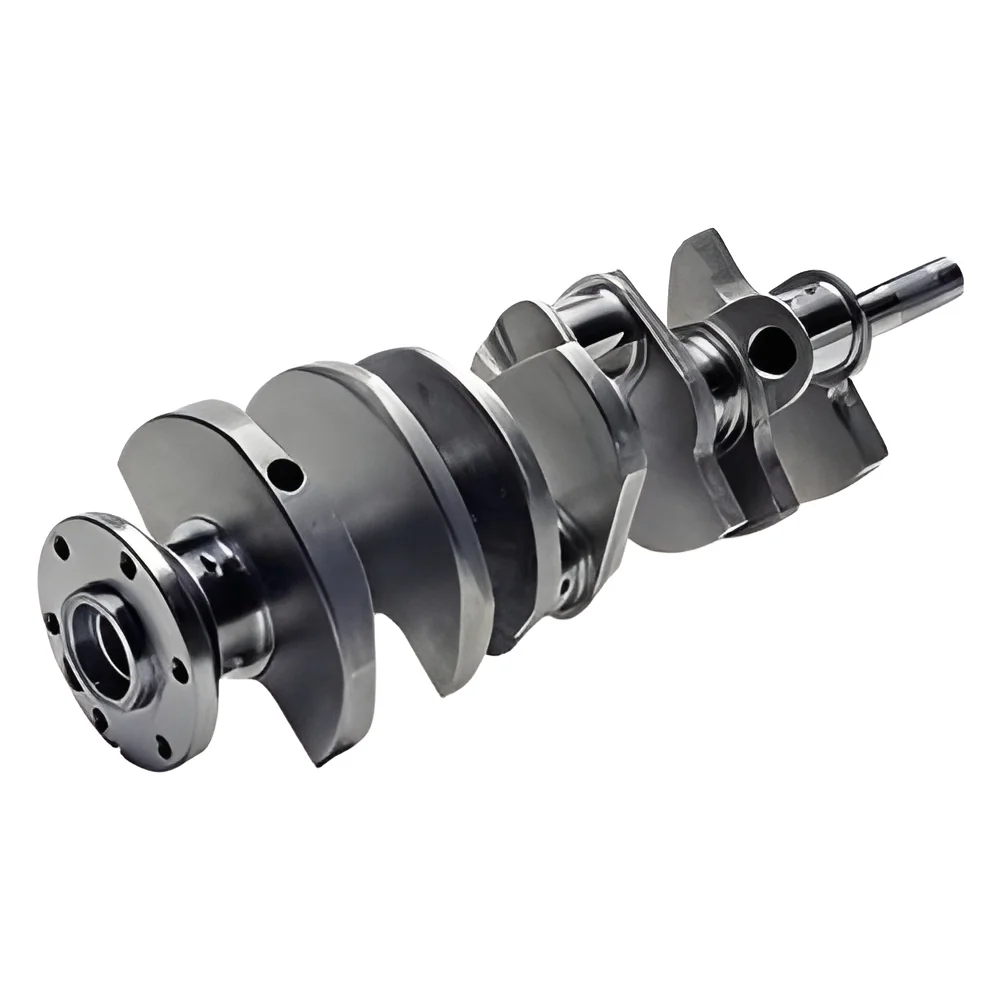
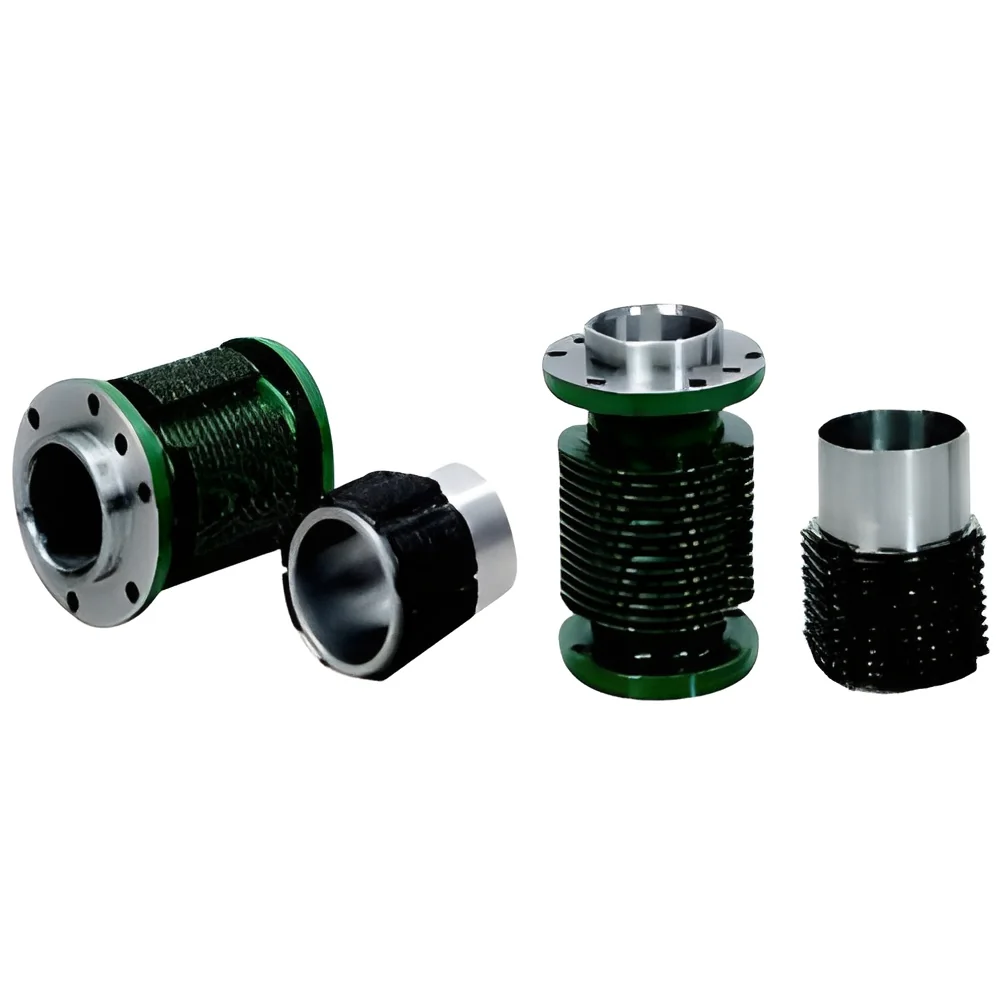
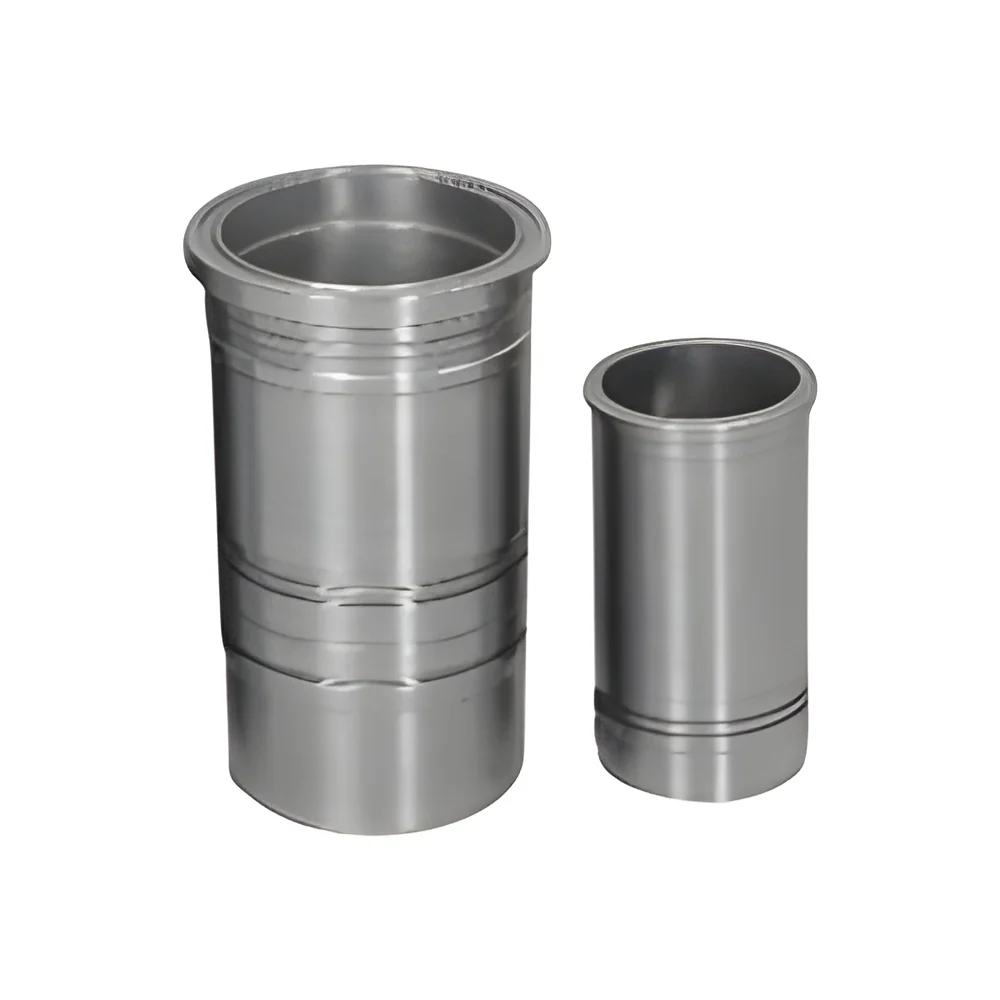
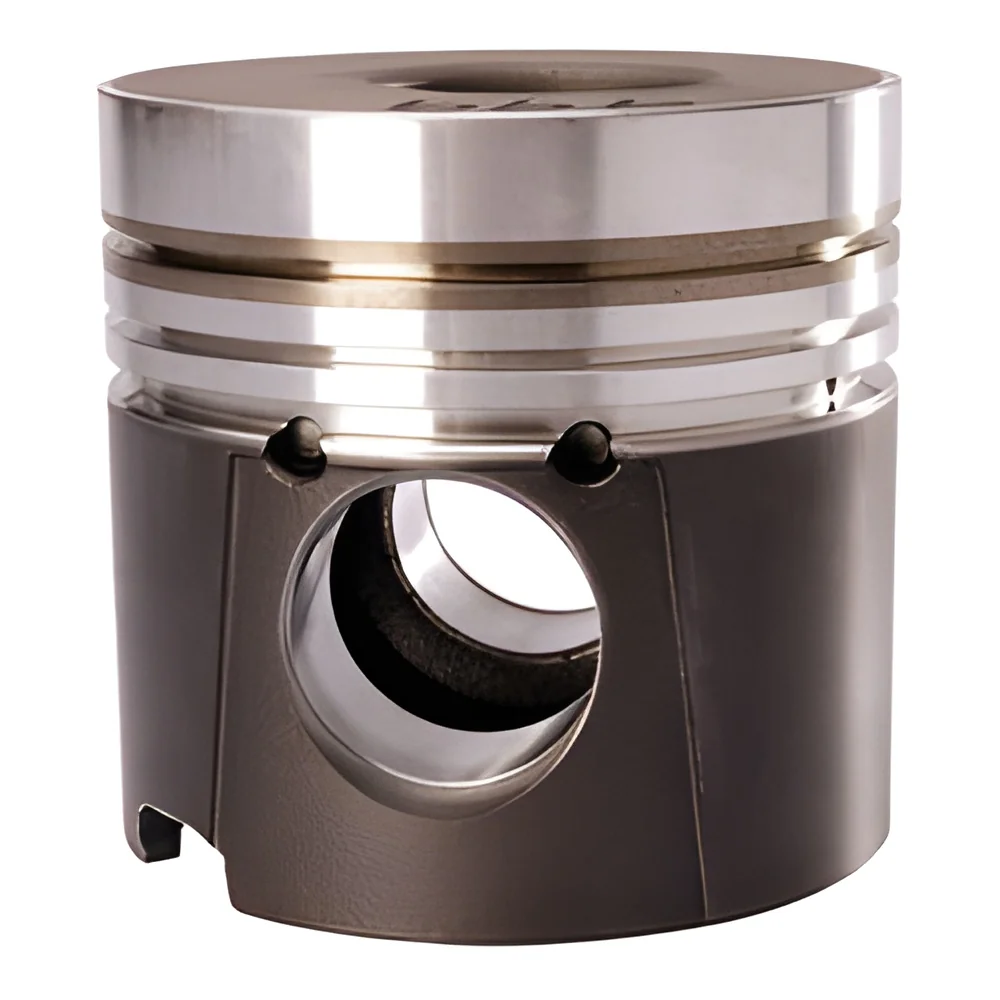
Industrial piston reciprocating pumps are engineered for demanding high-pressure fluid transfer applications across multiple industries. These pumps operate through a precise piston mechanism that draws fluid into the chamber during intake strokes and forces it out under pressure during discharge strokes. Built with durable materials like hardened alloys and stainless steel components, they withstand rigorous operational conditions while handling various fluid types including abrasive slurries, viscous oils, and corrosive chemicals. Their straightforward mechanical design ensures reliable performance with minimal maintenance requirements, making them a practical choice for continuous industrial operations where downtime must be minimized.

These pumps serve critical functions in oil and gas operations for drilling fluid transfer and chemical injection systems. Manufacturing facilities utilize them for hydraulic power units, coolant circulation, and process fluid transfer. Water treatme...
Industrial piston reciprocating pumps are engineered for demanding high-pressure fluid transfer applications across multiple industries. These pumps operate through a precise piston mechanism that draws fluid into the chamber during intake strokes and forces it out under pressure during discharge strokes. Built with durable materials like hardened alloys and stainless steel components, they withstand rigorous operational conditions while handling various fluid types including abrasive slurries, viscous oils, and corrosive chemicals. Their straightforward mechanical design ensures reliable performance with minimal maintenance requirements, making them a practical choice for continuous industrial operations where downtime must be minimized.

These pumps serve critical functions in oil and gas operations for drilling fluid transfer and chemical injection systems. Manufacturing facilities utilize them for hydraulic power units, coolant circulation, and process fluid transfer. Water treatment plants depend on these pumps for accurate chemical dosing and sludge management. Agricultural operations employ them for pesticide application and irrigation systems, while chemical processing plants rely on their precise metering capabilities for handling sensitive materials. Their versatility across different fluid types and pressure requirements makes them indispensable tools in industrial fluid management.

Businesses select these piston reciprocating pumps for their proven reliability in high-pressure applications and cost-effective operation over extended service life. The pumps deliver consistent performance even with challenging fluids, reducing operational interruptions and maintenance expenses. Their robust construction ensures longevity in demanding environments, while their efficient design minimizes energy consumption during continuous operation. This combination of durability and performance translates to reduced total cost of ownership and improved productivity for industrial operations that depend on reliable fluid transfer systems.

Key Features:
- High-pressure capability for demanding fluid transfer applications
- Durable construction with hardened alloys and corrosion-resistant materials
- Compatible with various fluid types including viscous and abrasive materials
- Simple mechanical design for reliable operation with minimal maintenance
- Consistent performance across different pressure ranges and operating conditions

Benefits:
- Reduced downtime through reliable high-pressure operation
- Lower maintenance costs due to durable construction and simple design
- Versatile performance across multiple industrial applications
- Energy-efficient operation for cost-effective fluid transfer
- Long service life even with challenging fluids and conditions
Specifications
| Additional Information | |
|---|---|
| Country of Origin | India |
Application
Industrial piston reciprocating pumps excel in applications requiring precise high-pressure fluid handling. Their robust construction ensures consistent operation with various fluids including chemicals, oils, and viscous materials, making them suitable for challenging industrial environments where reliability is critical. These versatile pumps serve multiple sectors due to their adaptable performance characteristics. They maintain efficiency across different pressure ranges and fluid types, from thin solvents to thick slurries, providing dependable transfer solutions for continuous industrial processes without frequent maintenance interruptions.
Real-world applications:
- High-pressure water jetting and industrial cleaning systems
- Chemical injection and precise dosing in manufacturing processes
- Drilling mud transfer and pipeline operations in oil and gas
- Agricultural spraying systems and irrigation water transfer
- Municipal water treatment chemical dosing and sludge handling
Trade Details
| Available Stock | In Stock |
| Sample Availability | No |
Payment Terms
| Payment Terms |
|
Company Profile
Bluestar Spares, Gujarat
 Gujarat, India
Gujarat, IndiaAutomotive & Transport•Distributor / Wholesaler•Importer / Exporter
Factory Details
Factory SizeBelow 1000 sqm
Annual Production Capacity0
Main Markets
Mid East
Eastern Asia
Southeast Asia
Industrial Piston Reciprocating Pumps For High Pressure Fluid Transfer
Industrial piston reciprocating pumps deliver high-pressure fluid transfer for demanding applications. These durable pumps handle viscous fluids, chemicals, and water across manufacturing, oil and gas, and water treatment industries with reliable performance.
Min. Order Quantity: 1 unit
Shipping
Shipping fee and delivery date to be negotiated. Contact supplier now for more details.
Bluestar Spares
 Gujarat, India
Gujarat, IndiaAutomotive & TransportDistributor / Wholesaler