- Manufacturing Industry
- Heavy Engineering
- Automotive Industry
- Construction Equipment
- Agricultural Machinery
- Mining Industry
- Steel & Metal Processing
- Material Handling
- Machine Tools
- Industrial Automation

 IN
IN₹
Apparel & Fashion
Description
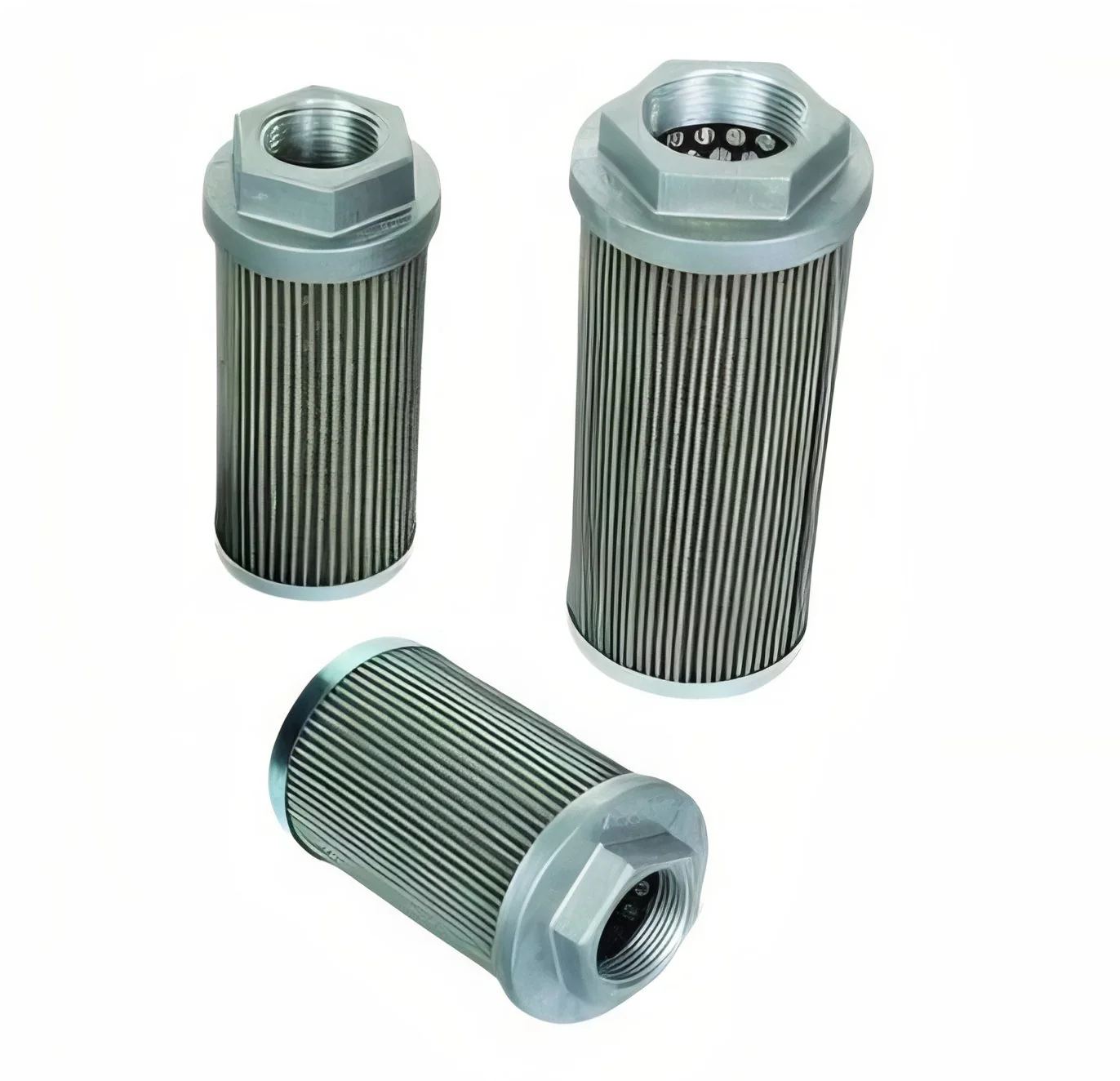
Industrial hydraulic suction strainers are critical components installed at pump inlets to filter large particles, debris, and contaminants from hydraulic fluid before it enters the pump. Built from durable materials like stainless steel mesh or wire screen, they come in various micron ratings, sizes, and mounting styles including threaded, flanged, and slip-on configurations. By capturing harmful contaminants, these strainers prevent pump damage, reduce wear on system components, and ensure reliable fluid flow, which is vital for the longevity and efficiency of hydraulic equipment. Their robust construction makes them suitable for harsh industrial environments, delivering consistent performance under high-pressure conditions. These strainers are widely used across industries such as manufacturing, construction, agriculture, and marine applications to protect hydraulic pumps in machinery like presses, injection molding machines, excavators, and tractors. They are also integral to lubri...
Industrial hydraulic suction strainers are critical components installed at pump inlets to filter large particles, debris, and contaminants from hydraulic fluid before it enters the pump. Built from durable materials like stainless steel mesh or wire screen, they come in various micron ratings, sizes, and mounting styles including threaded, flanged, and slip-on configurations. By capturing harmful contaminants, these strainers prevent pump damage, reduce wear on system components, and ensure reliable fluid flow, which is vital for the longevity and efficiency of hydraulic equipment. Their robust construction makes them suitable for harsh industrial environments, delivering consistent performance under high-pressure conditions. These strainers are widely used across industries such as manufacturing, construction, agriculture, and marine applications to protect hydraulic pumps in machinery like presses, injection molding machines, excavators, and tractors. They are also integral to lubrication systems, power generation equipment, and mobile hydraulic setups where fluid purity is essential. By filtering out contaminants such as metal shavings, dirt, and other particulates, suction str
Specifications
| Key Attributes | |
|---|---|
| Product Type | Hydraulic Suction Strainer |
| Product Category | Hydraulic Filtration & Pump Protection Equipment |
| Primary Function | Removal of Coarse Contaminants from Hydraulic Fluid |
| Installation Location | Hydraulic Pump Suction Line / Reservoir |
| Filter Media | Stainless Steel / Wire Mesh / Application-Specific* |
| Filtration Rating | Application-Specific Mesh / Micron Rating* |
| Flow Capacity | Application-Specific |
| Construction | Industrial-Duty Strainer Housing |
| Key Features | Pump Protection, Coarse Particle Removal, Low-Resistance Flow & Durable Construction |
| Primary Applications | Hydraulic Power Units, Industrial Machinery, Mobile Equipment & Hydraulic Systems |
| Additional Information | |
|---|---|
| Country of Origin | India |
Application
Trade Details
| Available Stock | In Stock |
| Sample Availability | No |
Payment Terms
| Payment Terms |
|
Company Profile

deepak ind hydraulics, Tamil Nadu
 Tamil Nadu, India
Tamil Nadu, IndiaIndustrial Equipment & Machinery•Manufacturer•Distributor / Wholesaler•Retailer
Factory Details
Factory SizeBelow 1000 sqm
Annual Production Capacity0
Frequently Asked Questions
1
What is a Hydraulic Suction Strainer?
A hydraulic suction strainer is a coarse filtration device installed on or near the pump suction line to capture larger contaminants before hydraulic fluid enters the pump.
2
Why is a suction strainer used?
Its primary purpose is to protect the hydraulic pump from larger particles and debris while allowing hydraulic fluid to flow toward the pump with relatively low resistance.
3
How is a suction strainer different from a return-line filter?
A suction strainer is primarily intended for coarse pump protection and low restriction, whereas a return-line filter is generally used for more effective contamination removal before fluid returns to the reservoir.
4
Can a suction strainer prevent all hydraulic contamination?
No. It is not normally intended to provide fine filtration. Additional return, pressure, offline or breather filtration may be required to maintain the desired hydraulic-fluid cleanliness.
5
Why is low pressure drop important?
Excessive restriction on the pump suction side can reduce inlet pressure and may contribute to cavitation or inadequate pump supply. Correct sizing helps maintain suitable flow conditions.
Industrial Hydraulic Suction Strainers For Pump Protection
Industrial hydraulic suction strainers protect pumps by filtering large contaminants from fluid, ensuring smooth flow and preventing system damage in machinery, lubrication units, and mobile hydraulic systems.
Min. Order Quantity: 1 piece
Shipping
Shipping fee and delivery date to be negotiated. Contact supplier now for more details.
deepak ind hydraulics
 Tamil Nadu, India
Tamil Nadu, IndiaIndustrial Equipment & MachineryManufacturer