- Hydraulic & Fluid Power
- Manufacturing Industry
- Heavy Engineering
- Construction Equipment
- Mining Industry
- Agricultural Machinery
- Automotive Industry
- Steel & Metal Processing
- Material Handling
- Industrial Automation

 IN
IN₹
Apparel & Fashion
Description
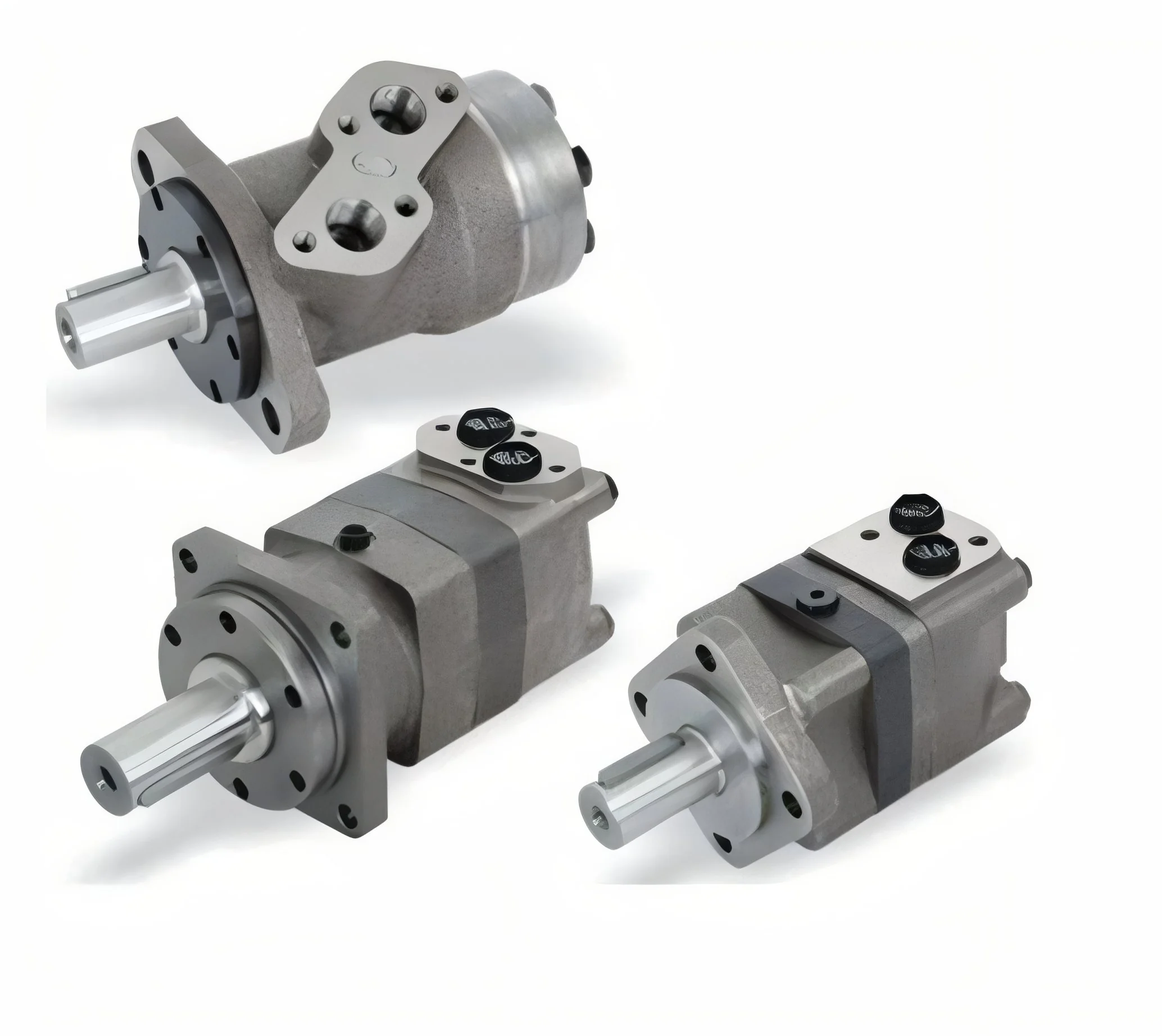
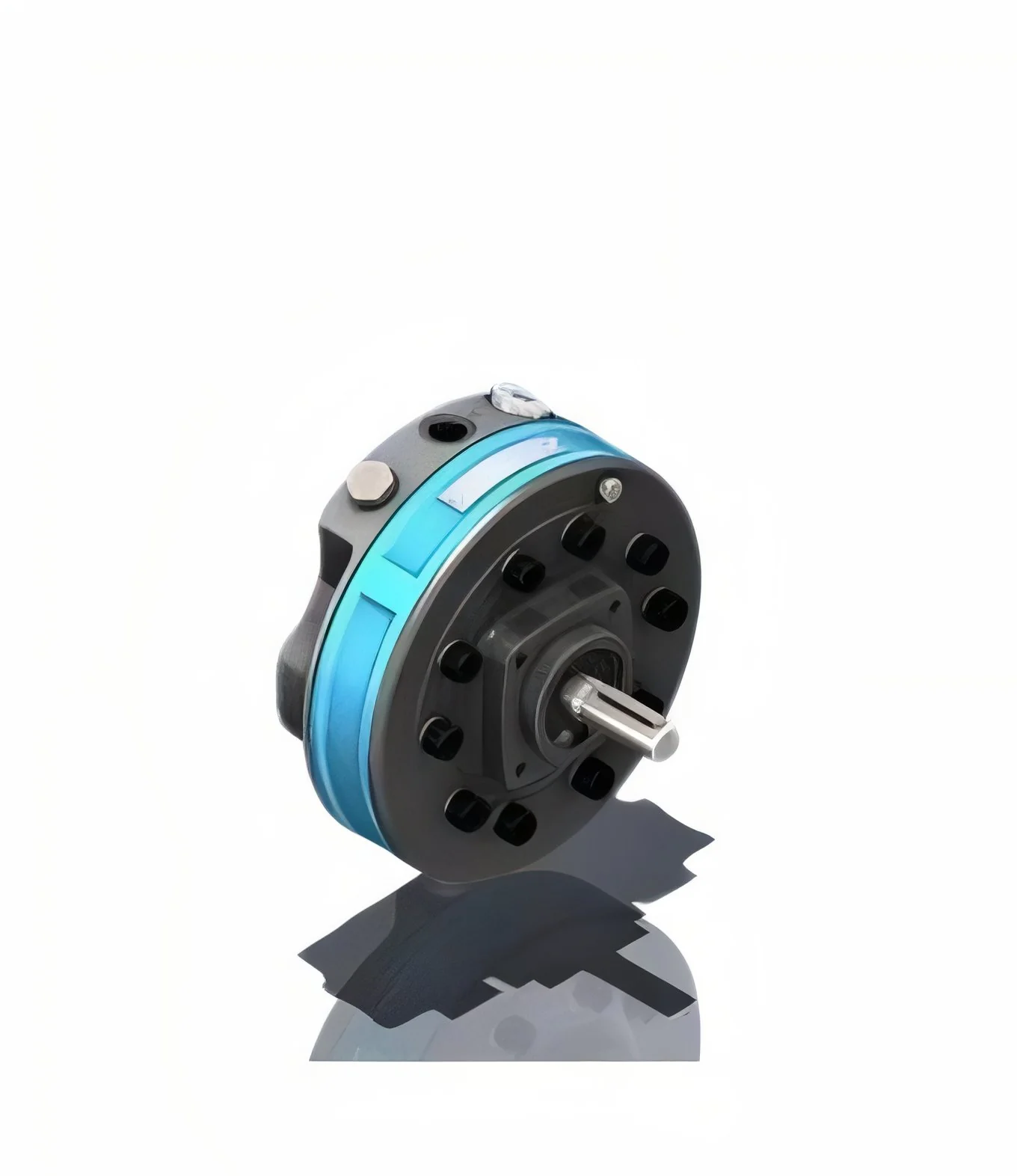
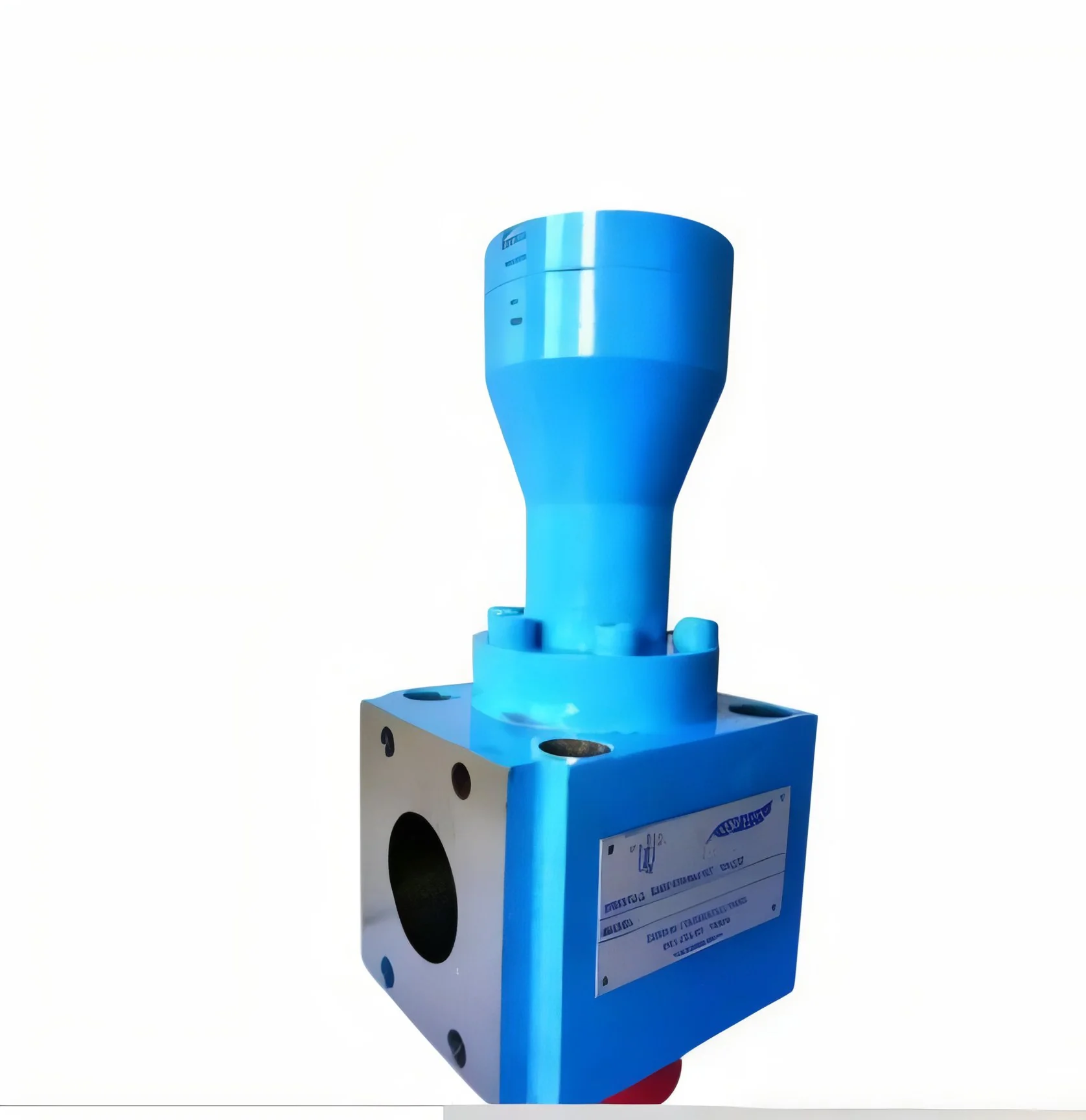
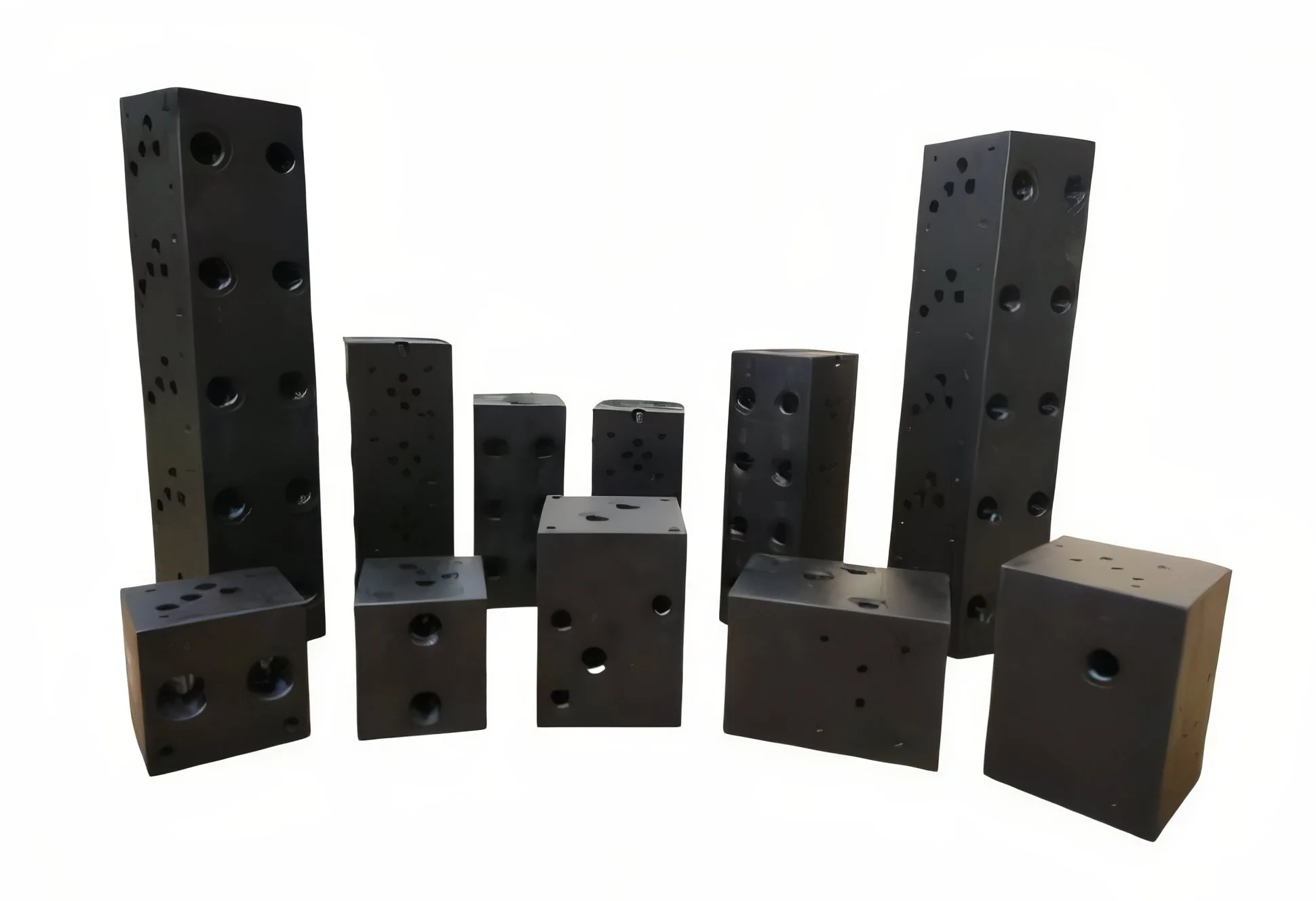
Industrial hydraulic manifolds are precision-engineered components designed to optimize hydraulic system architecture. They function as central distribution points, efficiently routing fluid from a single pump to multiple valves, cylinders, and actuators. By consolidating these connections into one machined block, manifolds eliminate extensive networks of individual hoses and fittings. This integration directly reduces potential leak points, minimizes pressure drops, and enhances overall system responsiveness and control precision. Available to meet various port sizes and pressure ratings, they provide tailored solutions for diverse hydraulic circuit requirements, ensuring reliable fluid power distribution. These components are fundamental across industries requiring precise hydraulic control. In mobile machinery for construction and agriculture, they enable compact, robust control systems for functions like steering, lifting, and implement operation. Within industrial settings, they a...
Industrial hydraulic manifolds are precision-engineered components designed to optimize hydraulic system architecture. They function as central distribution points, efficiently routing fluid from a single pump to multiple valves, cylinders, and actuators. By consolidating these connections into one machined block, manifolds eliminate extensive networks of individual hoses and fittings. This integration directly reduces potential leak points, minimizes pressure drops, and enhances overall system responsiveness and control precision. Available to meet various port sizes and pressure ratings, they provide tailored solutions for diverse hydraulic circuit requirements, ensuring reliable fluid power distribution. These components are fundamental across industries requiring precise hydraulic control. In mobile machinery for construction and agriculture, they enable compact, robust control systems for functions like steering, lifting, and implement operation. Within industrial settings, they are integral to plastic injection molding machines, metal stamping presses, and automated material handling systems, where they ensure repeatable, reliable operation. Specialized sectors including mari
Specifications
| Key Attributes | |
|---|---|
| Product Type | Industrial Hydraulic Manifolds |
| Product Category | Hydraulic Fluid Distribution Blocks |
| Primary Function | Hydraulic Fluid Distribution & Flow Control |
| Material | Steel / Stainless Steel / Aluminum / Cast Iron* |
| Port Configuration | Multiple Ports & Custom Port Arrangements* |
| Connection Type | Threaded / Cartridge / Flange / Tube & Hose Connections* |
| Pressure Rating | Application-Specific High Pressure* |
| Circuit Configuration | Custom Hydraulic Circuit Integration |
| Key Features | Compact Design, Efficient Fluid Routing, Reduced Piping & Easy System Integration |
| Primary Applications | Hydraulic Power Units, Valves, Cylinders, Presses & Industrial Machinery |
| Additional Information | |
|---|---|
| Country of Origin | India |
Application
Trade Details
| Available Stock | In Stock |
| Sample Availability | No |
Payment Terms
| Payment Terms |
|
Company Profile

deepak ind hydraulics, Tamil Nadu
 Tamil Nadu, India
Tamil Nadu, IndiaIndustrial Equipment & Machinery•Manufacturer•Distributor / Wholesaler•Retailer
Factory Details
Factory SizeBelow 1000 sqm
Annual Production Capacity0
Frequently Asked Questions
1
What is an Industrial Hydraulic Manifold?
An industrial hydraulic manifold is a machined block containing internal hydraulic passages used to distribute and control fluid between pumps, valves, cylinders, motors and other hydraulic components.
2
What are the advantages of hydraulic manifolds?
They can provide a compact hydraulic circuit, reduce external piping and fittings, simplify installation and reduce the number of potential external leakage points.
3
What materials are hydraulic manifolds made from?
Common materials include steel, stainless steel, aluminum and cast iron, with the choice depending on pressure, weight, corrosion resistance and application requirements.
4
Can hydraulic manifolds be customized?
Yes. Custom manifolds can be designed with specific valve cavities, port arrangements, internal passages, mounting holes and dimensions according to the hydraulic circuit.
5
What pressure can a hydraulic manifold handle?
The pressure capability depends on the material, block dimensions, wall thickness, internal passage design, port configuration and manufacturing quality. The manufacturer's rated working pressure should always be verified.
Industrial Hydraulic Manifolds For Fluid Distribution Efficiency
Industrial hydraulic manifolds efficiently distribute fluid from single sources to multiple circuits, reducing plumbing complexity and saving space in mobile and industrial hydraulic systems for reliable performance.
Min. Order Quantity: 1 piece
Shipping
Shipping fee and delivery date to be negotiated. Contact supplier now for more details.
deepak ind hydraulics
 Tamil Nadu, India
Tamil Nadu, IndiaIndustrial Equipment & MachineryManufacturer